Most people think of Miami Beach as a place for loud music, crowded beaches, and neon lights. But tucked away near the water, there is a quiet little garden that feels like it belongs on the other side of the world.
The Miami Friends of the Japanese Garden is one of those rare spots that can stop you mid-step and make you forget the city is even there. With a small pond, lush greenery, and a genuinely peaceful atmosphere, this garden offers something Miami Beach does not always get credit for: stillness.
Whether you have five minutes or an hour to spare, this place has a way of resetting your mood in the best possible way. Keep reading to find out what makes this tucked-away garden worth seeking out on your next Miami Beach visit.
Where Exactly You Will Find This Garden
Right along the MacArthur Causeway, at 1101 MacArthur Cswy, Miami Beach, the Miami Friends of the Japanese Garden sits in a spot that most drivers pass without ever noticing it. The location itself is surprisingly fitting for a garden meant to encourage calm and reflection.
The garden is open every day of the week from 9 AM to 5 PM, which makes it easy to fit into almost any travel schedule. You do not need to plan far in advance or book tickets online just to walk through.
Parking is available nearby, either in the parking garage next door or in the lot across the street near the boat launch. The flat parking fee runs around $15, and the walk from either spot to the garden entrance is only about one to five minutes.
It is a surprisingly easy place to reach, even in a busy city.
The Story Behind the Garden
The Miami Japanese Garden has a story that stretches back to 1961, when it was gifted to the city of Miami Beach by Kiyoshi Ichimura, a Japanese industrialist who wanted to promote friendship between Japan and the United States. That original spirit of goodwill is still woven into the fabric of the place today.
The garden was designed in the traditional Japanese style, featuring a small pond, stone lanterns, and carefully shaped plantings. Over the decades, it has gone through periods of neglect and renewal, with local volunteers and the Friends organization working to restore and maintain it.
Knowing that this garden was built as an act of international friendship adds a quiet layer of meaning to every visit. You are not just walking through a pretty park.
You are standing in a place that was created to bridge two very different cultures across thousands of miles of ocean.
The Atmosphere the Moment You Step Inside
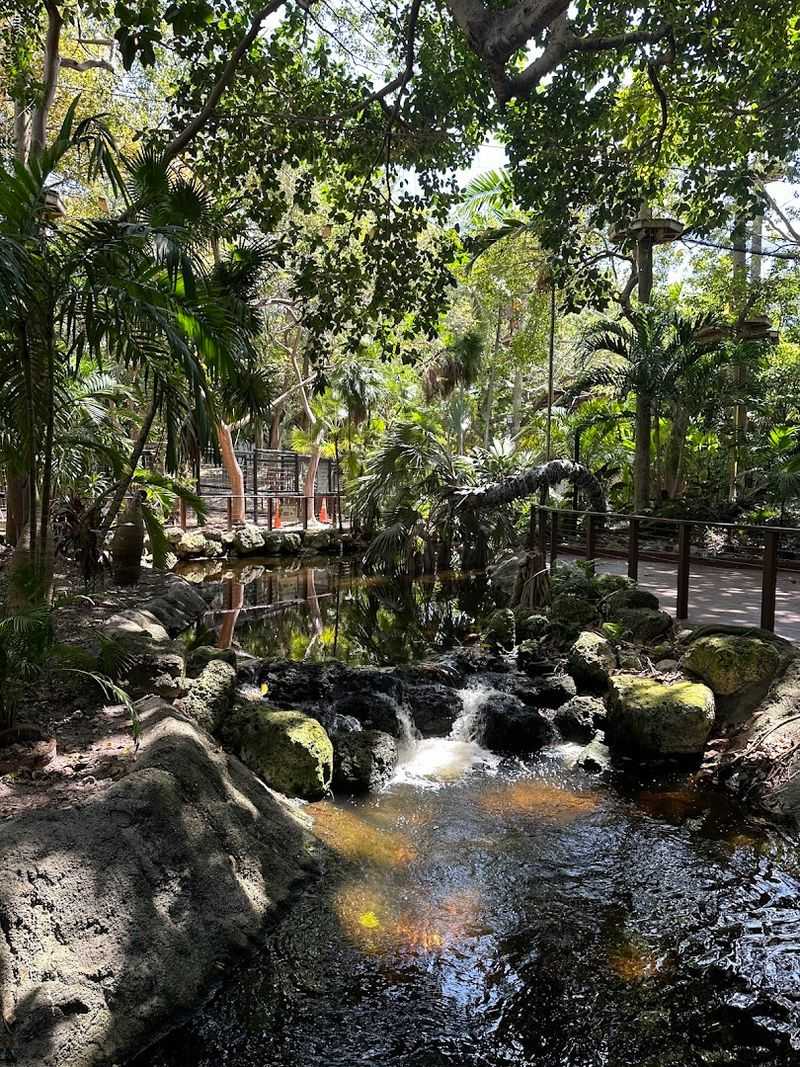
The difference between the outside world and the inside of this garden hits you almost immediately. The traffic noise from the causeway fades, the air feels a little cooler under the canopy of trees, and your shoulders seem to drop on their own.
The garden is small, which actually works in its favor. There are no crowds pushing past you, no long lines to navigate, and no overwhelming number of paths to choose from.
Everything is right there, compact and calm.
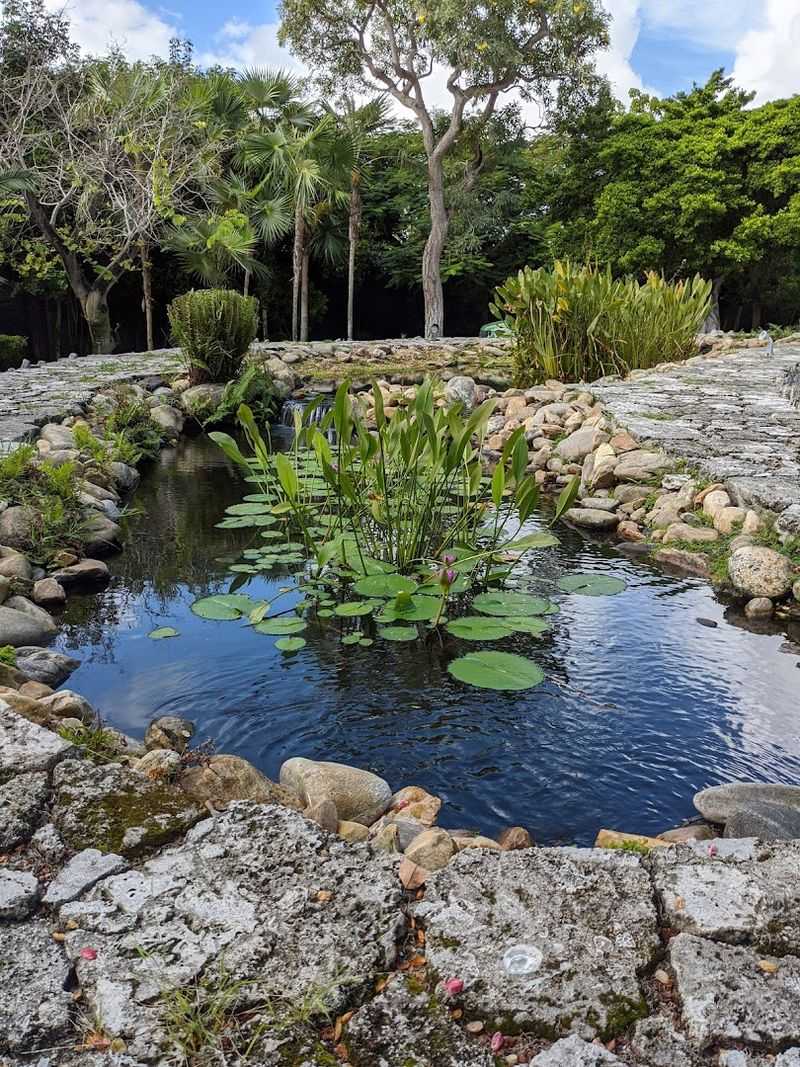
A small pond sits at the heart of the space, reflecting the greenery overhead and giving the whole area a mirror-like quality that feels genuinely serene. Stone lanterns and traditional garden elements are placed throughout, adding to the sense that you have crossed into a different kind of space entirely.
It is the kind of atmosphere that makes you want to slow down and actually look at things.
What the Garden Actually Looks Like
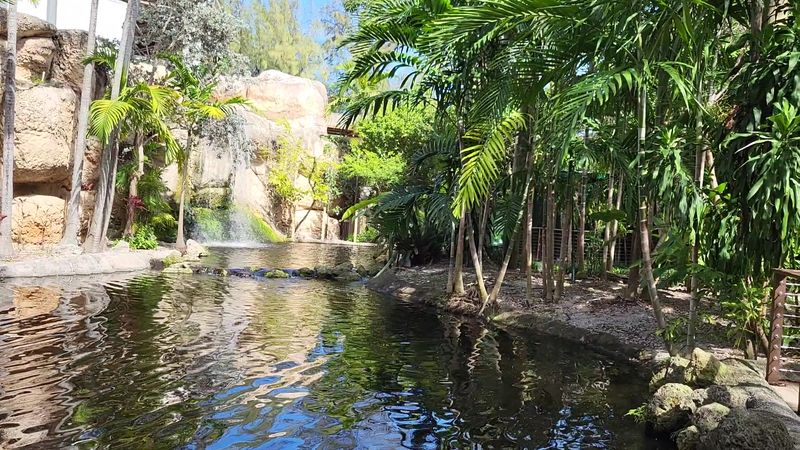
The garden covers a modest area, and you can walk the whole thing in about five to ten minutes if you move at a normal pace. But the point is not to rush through it.
The layout encourages you to pause, look around, and take in the details.
A small pond anchors the center of the space, and the vegetation around it is thick and tropical, which creates an interesting mix of Japanese garden design and South Florida plant life. Stone lanterns dot the path, and the overall arrangement follows traditional Japanese garden principles of balance and harmony.
The plants are lush and green, and on a bright Miami morning, the light filtering through the leaves creates a soft, dappled effect that makes the whole garden feel almost like a painting. The scale may be small, but the attention to visual detail gives it a presence that feels much larger than its footprint suggests.
Why the Pond Is the Heart of the Experience
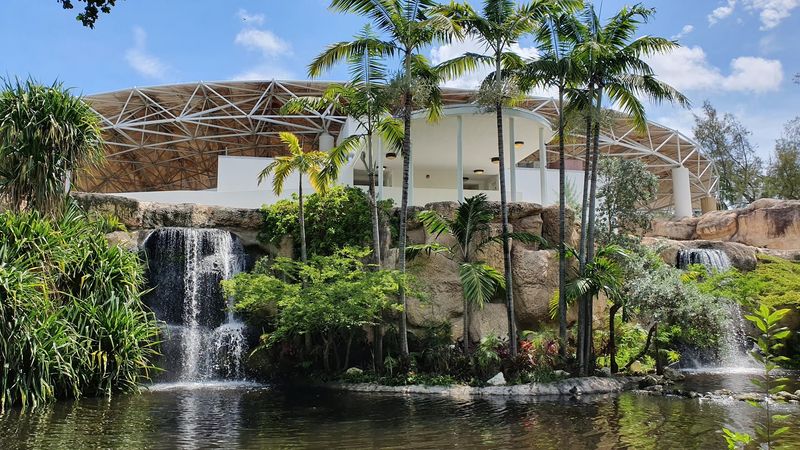
The pond at the center of the garden is small, but it has a quality that larger bodies of water sometimes lack: it is completely still. On a calm morning, the surface reflects the surrounding trees and sky so clearly that it looks like a second garden growing downward into the earth.
There is something almost meditative about watching the water. It does not ask anything of you.
You can stand at the edge for thirty seconds or thirty minutes, and neither feels like the wrong choice.
The vegetation around the pond is dense and well-established, giving the water a framed, intentional quality. This is not a pond that happened to appear in a park.
It was placed here deliberately, as part of a design philosophy that treats water as a mirror for the soul as much as a visual element.
That quiet intention comes through every time you look at it.
A Perfect Spot for Quiet Reflection and Meditation
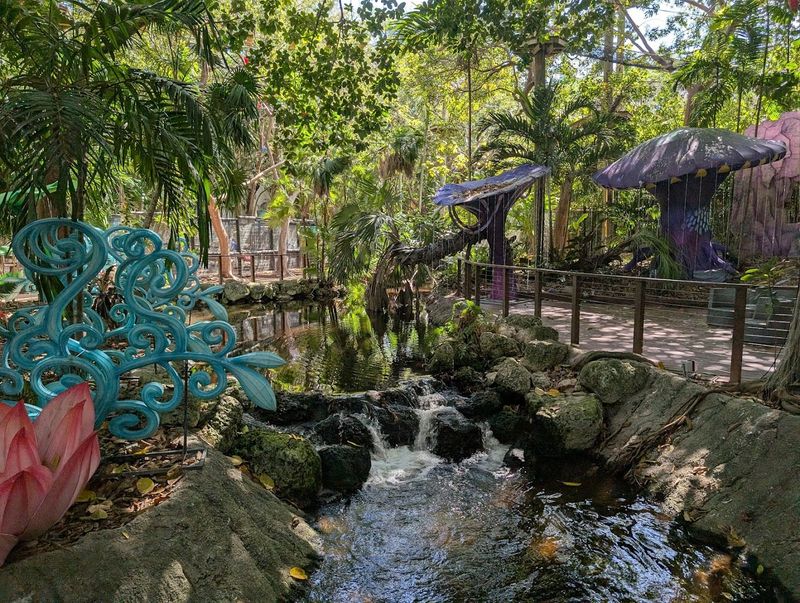
The garden has earned a genuine reputation as one of the few places in Miami Beach where you can actually hear yourself think. Families have used the space for quiet meditation sessions together, and solo visitors often treat it as a brief mental reset between busier activities.
The design of a traditional Japanese garden is not accidental in this regard. These spaces were built with the idea that nature, when arranged thoughtfully, can encourage a calmer state of mind.
The balance of water, stone, and plant life here follows that same philosophy.
You do not need to be a meditation practitioner to feel the effect. Most people report that they naturally slow down and speak more quietly once they are inside the garden.
There is a collective, unspoken agreement among visitors to treat the space with a kind of gentle respect, which only adds to the overall sense of peace.
How It Compares to the Surrounding Miami Beach Energy
Miami Beach is not typically associated with quiet. The city runs on energy, noise, and stimulation, and that is a big part of its appeal.
But every traveler reaches a point where the pace of a busy destination becomes a little much, and that is exactly when the Japanese Garden earns its keep.
The contrast between the garden and its surroundings is genuinely striking. You can be standing in the middle of Miami Beach traffic and then, just minutes later, be standing beside a still pond listening to birds.
The shift is fast and noticeable.
For travelers who love the city but occasionally need a breather, this garden functions almost like a pressure valve. It does not compete with the beaches or the restaurants or the nightlife.
It simply exists as a counterpoint to all of that, offering a different kind of Miami Beach experience that feels equally valid and far less crowded.
Bringing the Kids Along
The garden is a genuinely good option for families with young children. The space is contained and easy to navigate, which means parents do not have to worry about kids wandering too far.
The paths are short and the layout is simple, making it manageable even with a stroller.
Young kids tend to be drawn to the pond, which holds enough visual interest to keep their attention for a few minutes without requiring any special programming or paid activities. The natural setting also gives curious children plenty to observe, from insects near the water to birds in the surrounding trees.
The garden is free to walk through, which is a welcome surprise in a city where most attractions come with a ticket price. For a low-key outing that does not drain the family budget, this spot delivers a solid combination of fresh air, natural beauty, and a change of scenery that even toddlers seem to appreciate.
Visiting Solo for a Mindful Morning Walk
Solo travelers tend to get a lot out of this garden, possibly more than anyone else. Without the social dynamics of a group visit, you are free to move at whatever pace feels right and linger as long as you want in any particular spot.
A morning visit is especially rewarding. The garden opens at 9 AM, and arriving close to opening time means you are likely to have the space mostly to yourself.
The light is soft, the air is fresh, and the city has not yet fully cranked up to its usual volume.
There is no guided tour, no audio device to follow, and no schedule to keep. You simply walk, look, and breathe.
For people who travel to recharge rather than to check off a list, this kind of unstructured, self-directed experience is exactly what a solo morning in Miami Beach should feel like.
The Role of the Friends Organization
The garden does not maintain itself, and it has not survived decades of South Florida weather and shifting city priorities without help. The Miami Friends of the Japanese Garden is the nonprofit organization that works to preserve, restore, and promote this space for the public.
Their efforts include fundraising, community outreach, and hands-on maintenance work that keeps the garden looking as good as it does. Without this kind of community-driven support, a small public garden like this one would likely fall into disrepair and lose the qualities that make it worth visiting.
You can learn more about their work and even get involved through their website at friendsofjapanesegarden.com. Supporting organizations like this one is a direct way to ensure that spaces built for public enjoyment and cultural exchange continue to exist in cities that are always under pressure to develop and commercialize every available square foot.
Practical Tips Before You Go
A few things are worth knowing before you make the trip. The garden is free to enter, but parking is not.
Budget around $15 for a flat-fee parking spot, either in the nearby garage or in the lot across the street near the boat launch. The walk from either option is short and manageable.
There are no restrooms inside the garden itself, so plan accordingly before you arrive. There is a restroom available in the parking lot across the street, which is worth noting if you are visiting with young children.
The garden is open daily from 9 AM to 5 PM, and there is typically no staff on site during regular visiting hours. That means you are largely on your own to explore, which adds to the quiet, unhurried quality of the experience.
If you have questions in advance, you can reach the organization at +1 305-992-0703.
The Best Time of Year to Visit
Miami Beach has a climate that makes outdoor visits possible year-round, but some months are more comfortable than others. The cooler, drier months between November and April are generally considered the best time to visit any outdoor space in South Florida, including this garden.
During those months, the humidity is lower, the temperatures are pleasant, and the mosquito situation is far more manageable. Bring insect repellent regardless of when you visit, because the lush, water-adjacent setting is exactly the kind of environment where mosquitoes tend to gather.
Summer visits are entirely possible but come with higher heat, heavier humidity, and occasional afternoon rain showers. If you do visit in the summer, an early morning arrival right at the 9 AM opening is your best strategy for beating both the heat and any midday crowds.
The garden is beautiful in any season, but comfort makes a real difference in how long you want to linger.
Photography Opportunities in the Garden

The garden is a surprisingly rewarding place to bring a camera. The combination of traditional Japanese garden elements and South Florida tropical plants creates a visual mix that does not exist in many other places, and the lighting on a clear morning can be genuinely beautiful.
The pond is the most photogenic feature, especially when the surface is calm enough to capture a clean reflection of the surrounding trees. Stone lanterns, the dense green vegetation, and the narrow paths also make for compelling compositions that feel a world away from the typical Miami Beach backdrop.
You do not need professional equipment to get good results here. A smartphone camera on a bright morning is more than enough to capture the mood of the space.
The garden’s compact size actually works in your favor for photography, because every interesting element is within easy walking distance of every other one, making it simple to work the whole space in a single visit.
How the Garden Fits Into a Broader Miami Beach Day
The garden works particularly well as part of a larger Miami Beach itinerary rather than as a standalone destination. Its location near the MacArthur Causeway puts it within easy reach of other parts of the city, making it a natural stop between other activities.
A good approach is to visit the garden in the morning when it is at its most peaceful, then head toward South Beach or the Art Deco Historic District for the rest of the day. The contrast between the quiet garden and the lively streets makes both experiences feel more vivid by comparison.
For visitors who want to cover more green space, the area around Watson Island is worth exploring as well. The garden does not need a full day to appreciate, but giving it at least thirty to forty-five minutes ensures you can actually settle into the atmosphere rather than just passing through.
Why This Garden Deserves More Attention
Small public spaces like this one often get overlooked in favor of bigger, splashier attractions, and that is genuinely a shame. The Miami Friends of the Japanese Garden offers something that most Miami Beach destinations simply cannot: a few minutes of genuine quiet in the middle of one of the busiest cities in Florida.
The garden is not perfect. It is small, it could use more consistent maintenance in some areas, and it lacks amenities like restrooms or on-site staff.
But those limitations are easy to work around, and they do not diminish what the space actually does well.
What it does well is create a sense of calm that feels earned and real rather than manufactured. The garden was built as a gesture of friendship between two cultures, and that original intention still comes through in the way it makes people feel.
Sometimes the best travel experiences are the ones that ask the least of you and give the most back.
Share this story