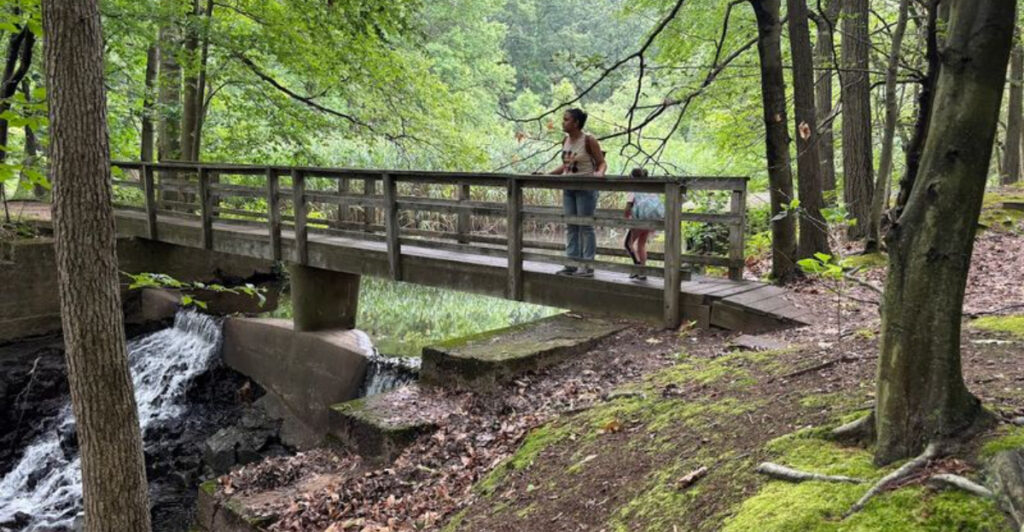
There is a forested corner of Bergen County, New Jersey, where the suburbs quietly disappear behind a wall of trees, and a brook tumbles over flat rocks as if it has been doing so for centuries. That place is real, it is free to visit, and it sits closer to New York City than most people would expect.
Trails wind through hardwood forest, pass by a pond, cut through wetlands, and eventually deliver hikers to a small but striking waterfall. The nature center on the property adds an extra layer of interest, with live animal exhibits, an aviary, and educational programs for all ages.
Whether a family is looking for a half-hour walk or a two-hour loop through varied terrain, this spot delivers without requiring a long drive or a complicated plan. The following sections cover everything worth knowing before heading out.
How This Preserve Came to Be
Flat Rock Brook Nature Center has its roots in community-driven conservation. The preserve was established to protect a rare stretch of natural land within a densely developed suburban region, saving it from the kind of development that swallowed up most of Bergen County’s open space during the mid-20th century.
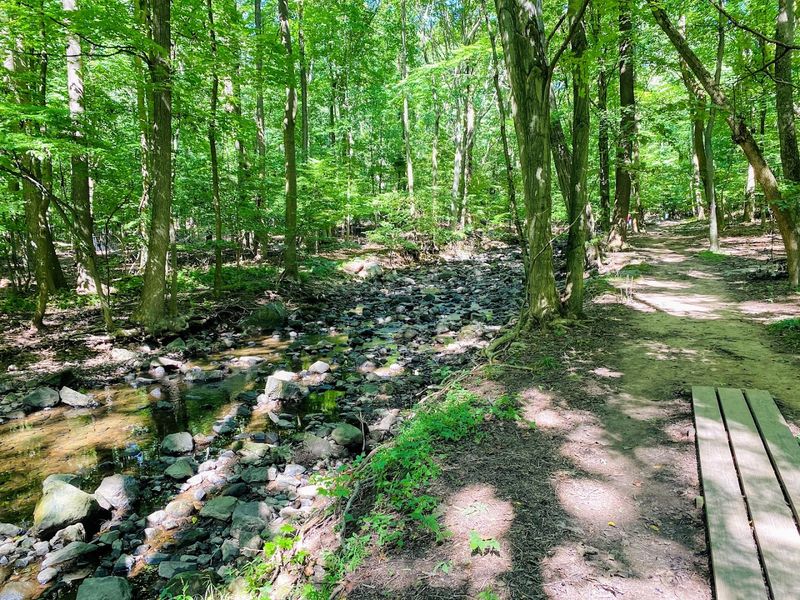
The land itself has been shaped by glacial activity, which is part of why the brook runs over broad, flat rock formations that give the preserve its distinctive name. Those exposed rock surfaces are geological markers of a landscape carved by ice sheets thousands of years ago.
Over time, the property grew into a full nature education center, complete with resident animals, organized programs, and maintained trail networks. Local volunteers and conservation advocates played a central role in keeping the space functional and open to the public.
That community investment is still visible in how well the grounds are kept year-round.
The Trail Network: What to Expect Underfoot
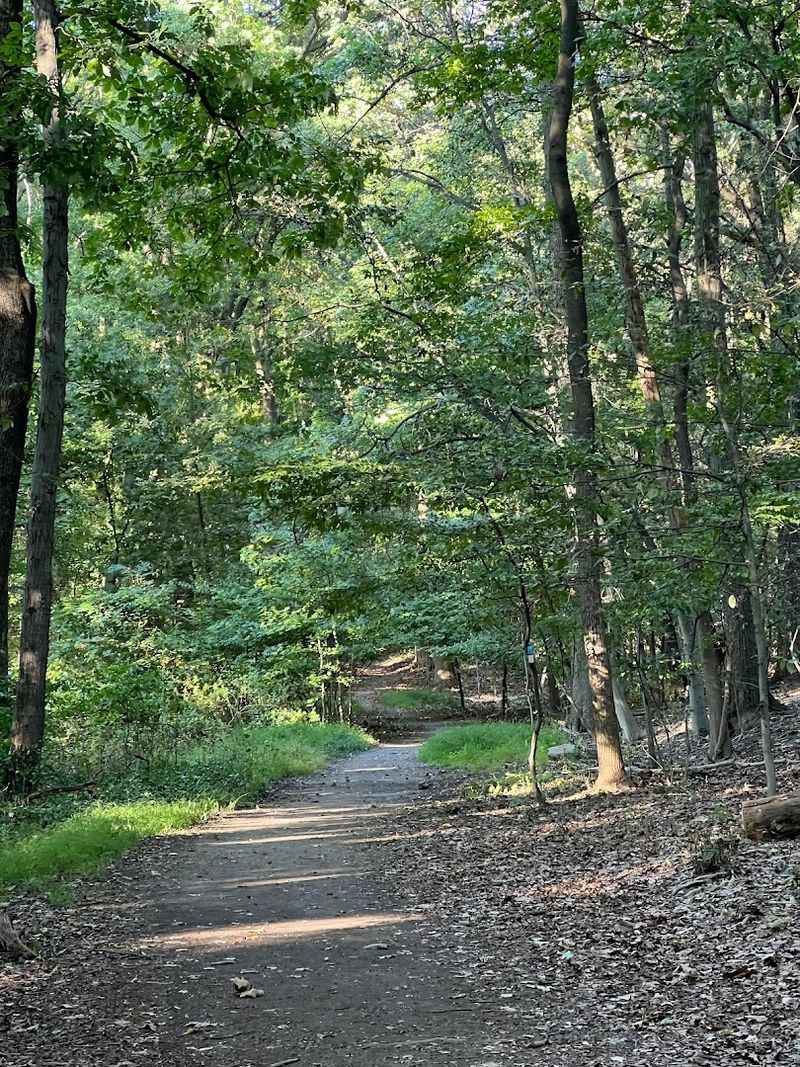
The trail system at Flat Rock Brook covers several looping routes, with individual loops ranging from about half a mile to roughly two miles in length. Most of the trails are rated as easy to moderate, making them accessible to families with young children, older adults, and anyone who is new to hiking.
The paths are clearly marked and well-maintained, though they still feel natural rather than overly manicured. Tree roots, rocks, and uneven ground keep the experience honest without making it difficult.
Several loops connect to each other, allowing hikers to extend or shorten their route depending on energy and time.
One trail connects the nature center to nearby Allison Park, offering a point-to-point option for those who prefer a destination rather than a loop. Great lookout points along the upper trails add a rewarding payoff for anyone willing to climb a bit.
The whole network can take anywhere from 40 minutes to two hours to explore.
The Brook and the Waterfall Worth the Walk
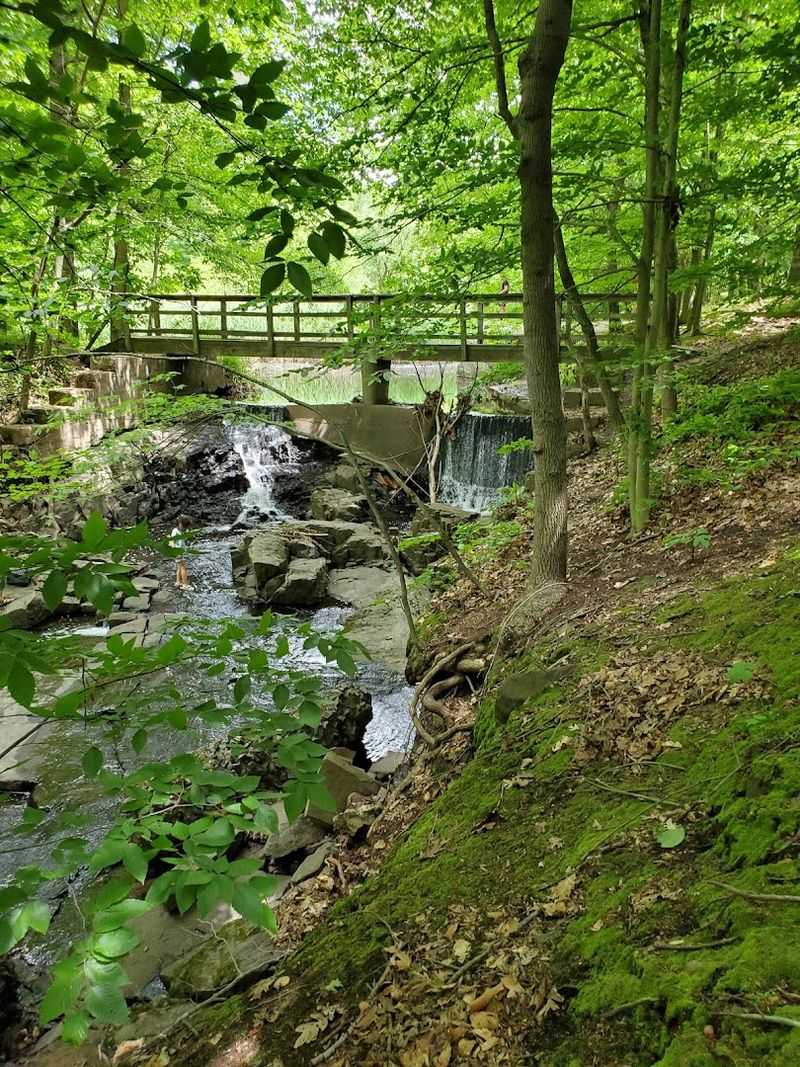
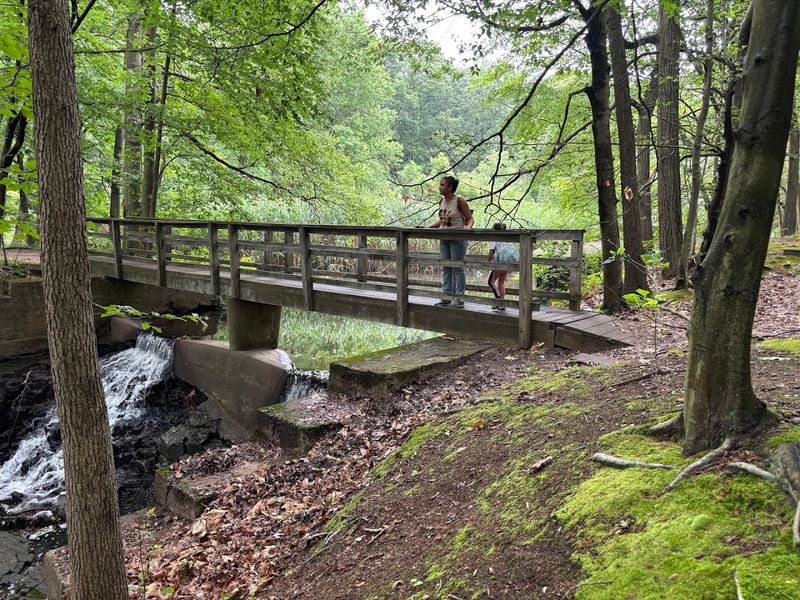
The waterfall at Flat Rock Brook is not a towering dramatic drop, but it does not need to be. Water moves steadily over broad, smooth rock faces, creating a calm but visually interesting focal point that draws hikers along the upper trail section.
The flat rock formations that give the preserve its name are especially visible near the waterfall area. These exposed stone surfaces are wide enough to walk on carefully, and they offer a natural resting point along the route.
Kids tend to gravitate toward the rocks, climbing and exploring the area around the moving water with genuine enthusiasm.
The brook itself runs through multiple sections of the preserve, appearing and disappearing as trails wind through the forest. After rainfall, the water moves with more energy and the sound of it carries through the trees.
During drier stretches, the brook slows but remains present, keeping the landscape from ever feeling completely still.
Wetlands Along the Way
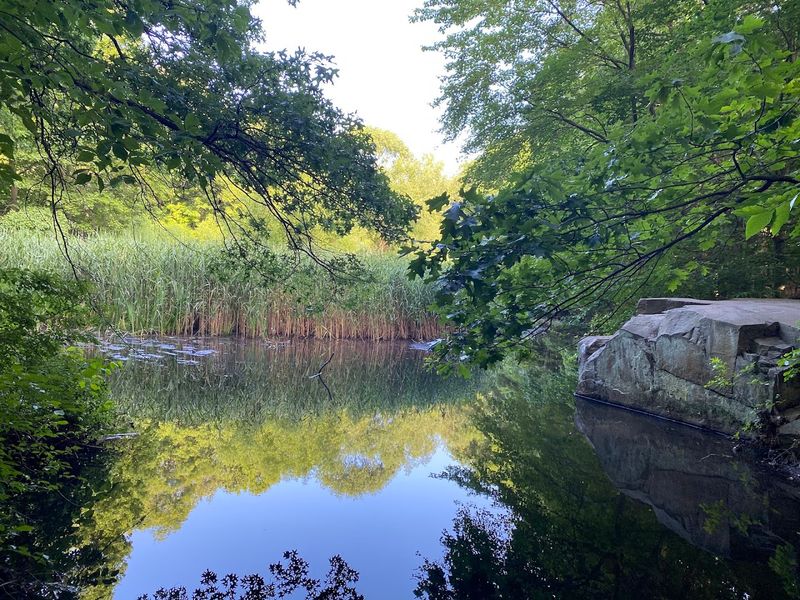
Not every nature preserve in suburban New Jersey can claim a genuine wetland section, but Flat Rock Brook has one. The wetland areas along the trail network add a layer of ecological variety that sets the preserve apart from a standard woodland walk.
New boardwalk sections have been added in recent years, making it easier to navigate the wetter parts of the trail without sinking into soft ground. These elevated walkways are stroller-friendly and accessible enough for people who might struggle with uneven terrain.
The boardwalk also keeps foot traffic from damaging the more fragile plant life in the wetland zone.
The wetlands support a range of wildlife, including frogs, turtles, and various bird species that prefer marshy habitats. The pond nearby adds to this aquatic ecosystem, with tadpoles, small fish, and painted turtles visible from the bank.
Fishing and netting are not allowed in the pond, which helps keep the wildlife population stable and undisturbed.
The Nature Center Building and Its Animal Residents
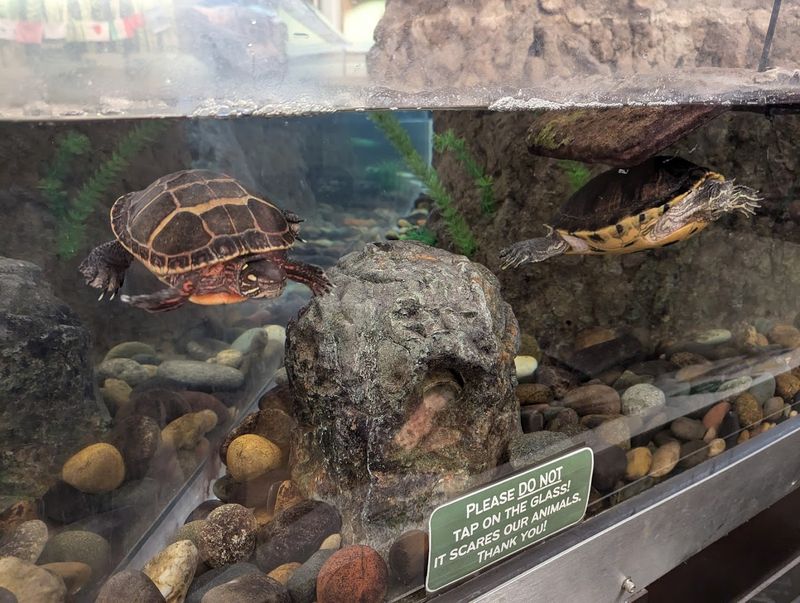
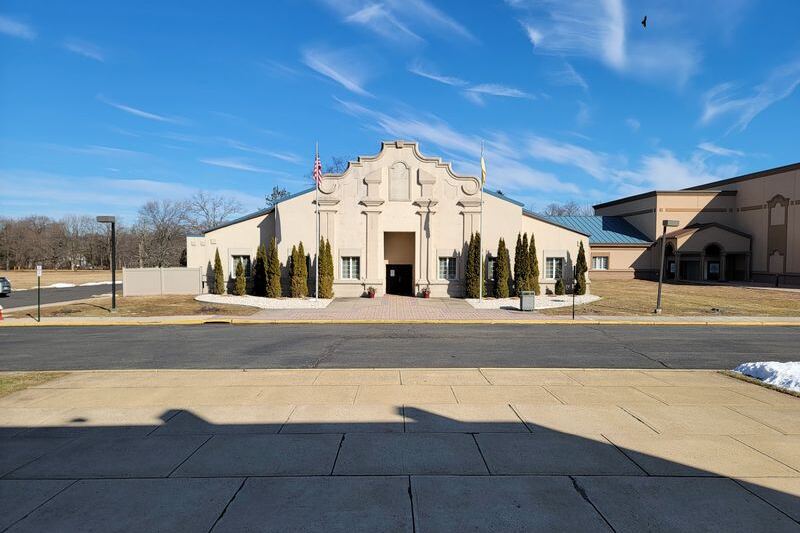
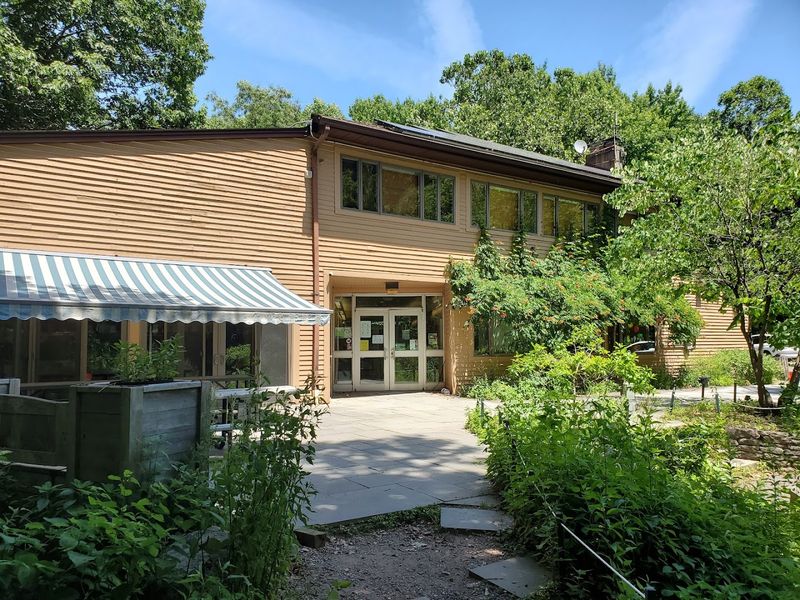
The main building at the preserve functions as a compact nature museum, and it punches above its size. Inside, there are live animal exhibits featuring turtles, snakes, a small lizard, and at least one resident bird that stays indoors during colder months.
The exhibits are set up in a way that works well for children, with information panels and visual displays explaining local ecology, geology, and wildlife. Staff members are generally present to answer questions, and there have been occasions when visitors were invited to sit in on informal talks about the resident animals, including a notable owl named Tilly.
The building also has clean, functioning restrooms, which is a practical detail that matters more than it sounds when spending a full day outdoors. The nature center is best treated as a complement to the trails rather than the main event, but for families with curious kids, it adds real educational value to the visit.
The Aviary and Its Feathered Residents
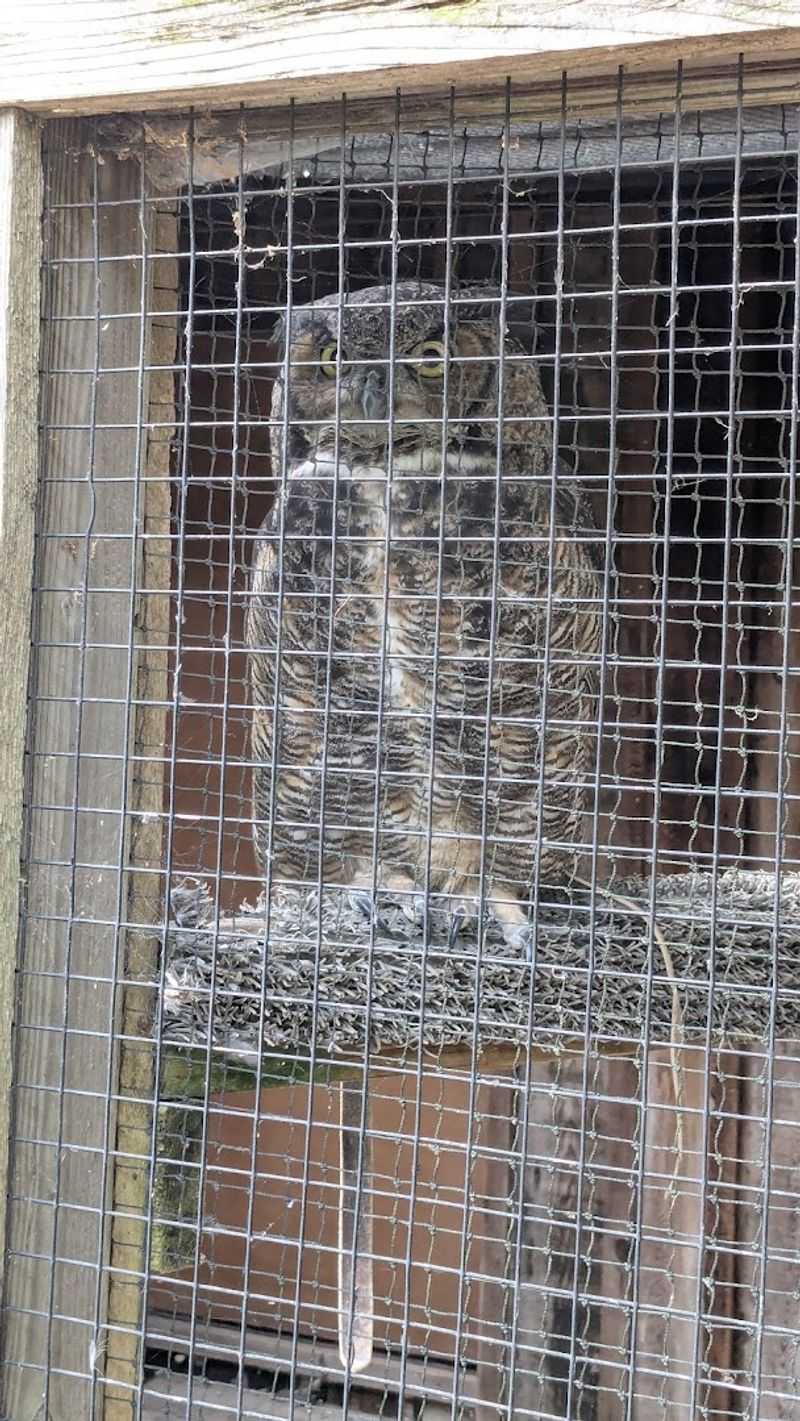
A small aviary near the main building houses birds that, for various reasons, are unable to be released back into the wild. These are often raptors or other species that have been rehabilitated but cannot survive independently.
The aviary gives them a permanent home while also serving as an educational exhibit for visitors.
On a typical visit, it is possible to spot four or more different bird species within the aviary. A caretaker is often present and willing to share information about the individual birds, their backgrounds, and what makes each species distinctive.
That kind of direct, informal conversation adds something that a sign or a brochure simply cannot replicate.
The aviary is compact but thoughtfully designed, and it tends to be a highlight for children and adults alike. Owls, in particular, tend to hold attention longer than expected.
The combination of proximity and calm makes the aviary one of the more memorable stops on the property.
Wildlife Sightings on the Trail
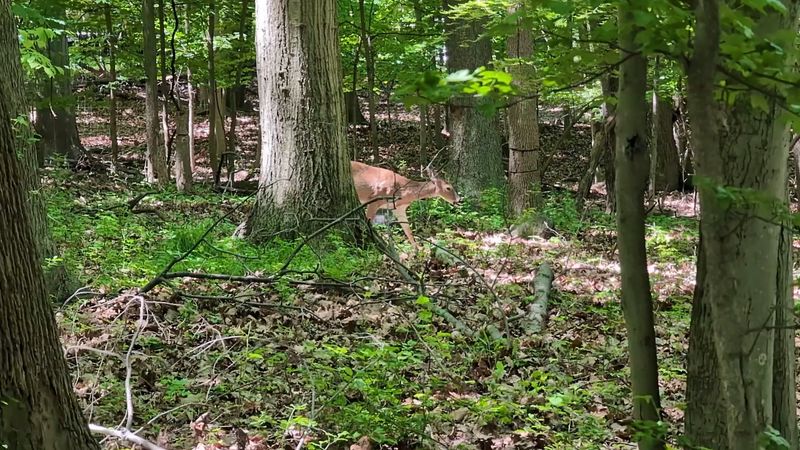
One of the quieter rewards of walking the trails at Flat Rock Brook is the wildlife that appears without warning. Deer sightings are common, and it is not unusual to spot a doe, a buck, and a fawn together during a single visit, particularly in the early morning or late afternoon hours.
Geese are a regular presence near the pond, and various songbirds move through the tree canopy throughout the year. The preserve’s policy of keeping dogs off the trails helps protect the wildlife, since even the presence of a dog can disrupt the behavior of animals living in and around the preserve.
Turtles are frequently spotted basking near the pond, and frogs can be heard and seen along the wetter sections of the trail network. The variety of habitats within the preserve, from forest to wetland to open water, creates a layered ecosystem that supports more species than the small footprint of the land might suggest.
The Adventure Playground That Stands Out
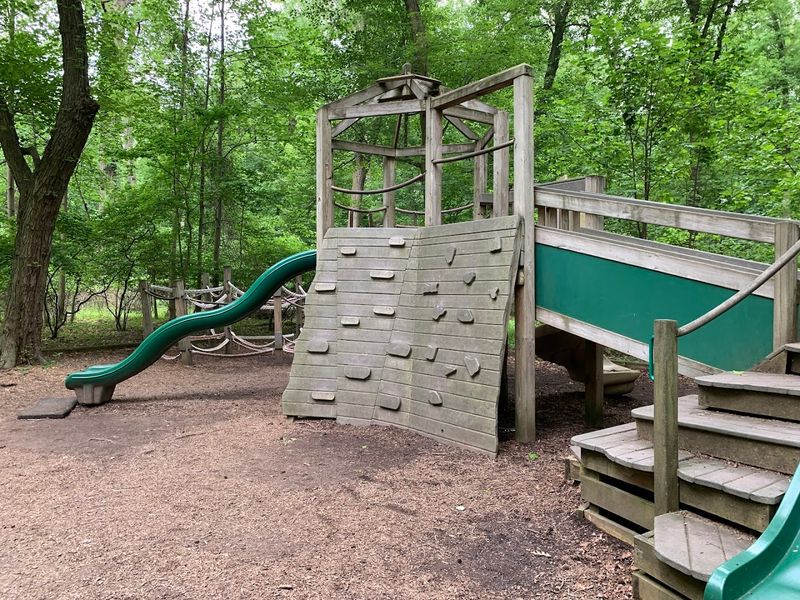
The playground at Flat Rock Brook is not the standard metal-and-plastic setup found in most suburban parks. It is a nature-based play area built with wooden structures, balance beams, a slide, and a small music section made from natural materials.
The design encourages open-ended play rather than scripted activity.
A water feature runs through the playground area, and the water is clean and accessible even for very young children. Water shoes and a change of clothes are strongly recommended, because kids will absolutely get wet.
Picnic tables and benches are positioned nearby, making it easy for adults to keep watch while children play.
A public restroom is located just over the bridge near the playground, which is a practical detail that makes longer visits more manageable. The playground area is separate from the main trail network, so families can spend time there without committing to a full hike.
It works well as either a destination or a post-hike reward.
Guided Hikes and Seasonal Programs
Beyond self-guided exploration, the preserve runs a calendar of organized programs throughout the year. One of the most consistent offerings is a free guided sunset hike held every Tuesday evening from May through October.
These hikes cover the trail network with a naturalist leading the group and providing context about the landscape, plants, and wildlife along the way.
Children’s events are also part of the regular programming, covering topics in natural science, local ecology, and environmental awareness. Homeschool groups have found the preserve to be a useful resource for nature-based lessons, given the variety of habitats and live animal exhibits available on site.
The nature center building hosts talks and presentations as well, including informal sessions about the resident animals. The overall calendar shifts with the seasons, so checking the official website at flatrockbrook.org before visiting is worth the two minutes it takes.
Programs are generally free or low-cost, keeping the preserve accessible to a wide range of families.
A Place That Changes With Every Season
The preserve reads differently depending on when a visit happens. Spring brings new growth and the return of migratory birds, with the brook running high from snowmelt and rainfall.
The forest floor fills in quickly, and the wetland areas become particularly active as frogs and turtles emerge.
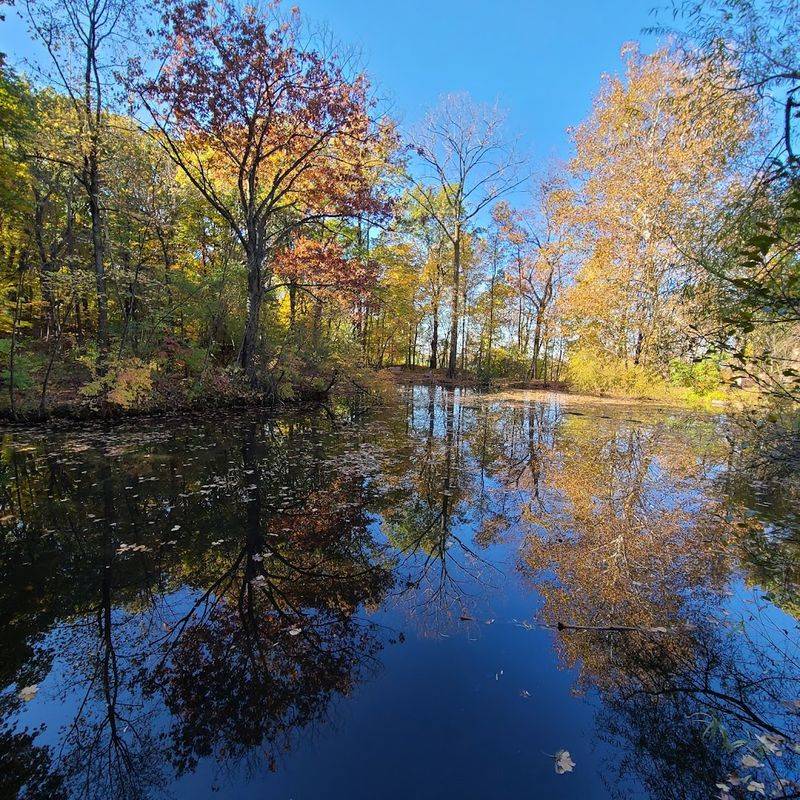
Summer turns the canopy dense and green, providing shade along the trails and making the playground water feature especially popular with families looking to cool off. Fall is widely considered the most visually striking season, with the hardwood forest producing a full range of color across the hillside terrain.
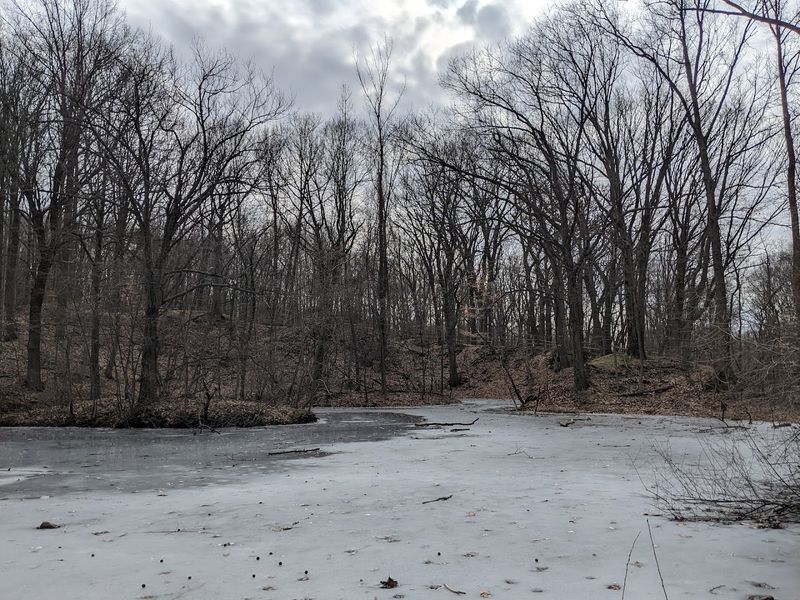
Winter quiets the preserve considerably, but the trails remain accessible and the nature center stays open. The bare trees make wildlife easier to spot, and the flat rock formations near the brook stand out more clearly without summer vegetation in the way.
Each season offers a genuinely different version of the same landscape, which is part of why regular visitors keep returning.
Getting There and Nearby Connections
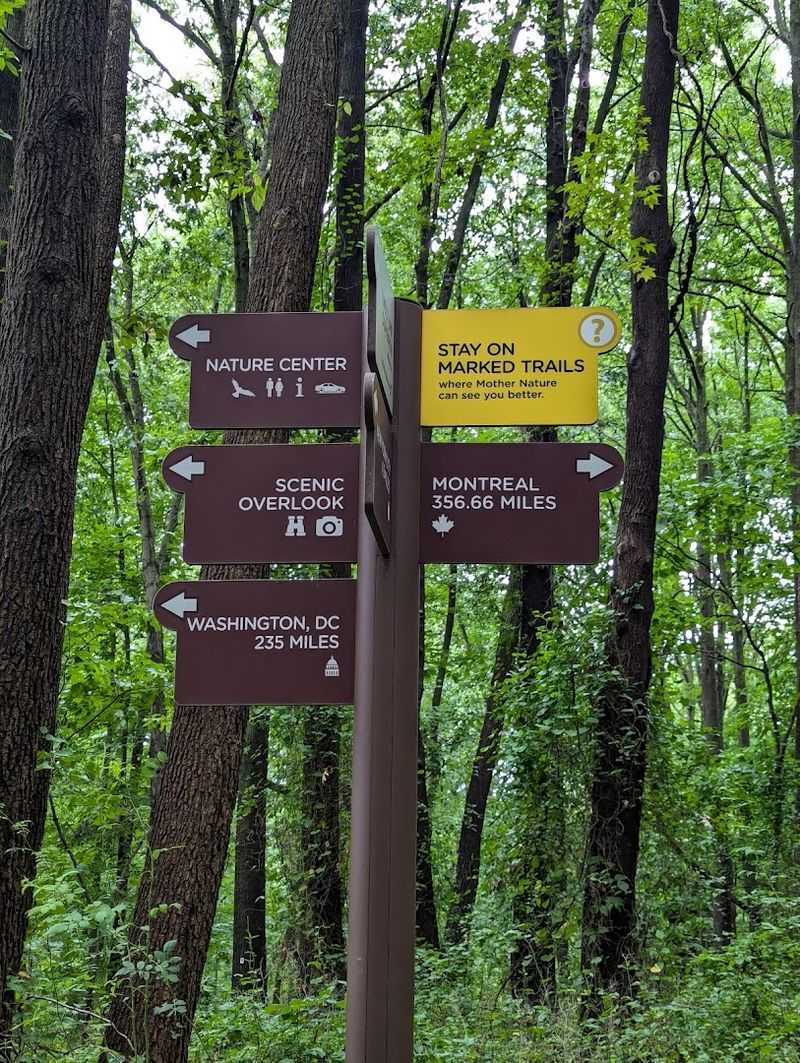
The preserve sits in a part of Bergen County that is well-connected to major routes. From the George Washington Bridge, the drive to 443 Van Nostrand Ave in Englewood takes roughly 15 to 20 minutes depending on traffic.
From North Bergen, the trip runs about 30 minutes.
For those who prefer not to drive, the area is served by NJ Transit bus routes that run through Englewood, though checking current schedules before relying on public transit is always a good idea. The walkability of the surrounding neighborhood also means that parking a few blocks away and walking to the entrance is a low-stress option.
A trail within the preserve connects directly to Allison Park, making it possible to extend a visit into a longer point-to-point route if the mood calls for more ground to cover. Nearby parks like Palisades Interstate Park and Teaneck Creek Conservancy offer dog-friendly alternatives for visitors who need options for their pets.
Who the Preserve Works Best For
Flat Rock Brook works well for a wide range of visitors, but it is particularly well-suited for families with young children. The trails are mostly flat and easy, the playground adds non-hiking entertainment, and the nature center gives kids something concrete and interactive to engage with beyond the outdoors.
Beginner hikers and older adults who want a calm, manageable walk through natural surroundings also find the preserve to be a comfortable fit. The trails are well-marked enough that getting lost is not a realistic concern, and cell service throughout the property means Google Maps works as a backup guide.
Solo visitors looking for a quiet midweek walk get a different experience than weekend families, but both groups tend to leave satisfied. The preserve is not the place for a rugged backcountry adventure, but for a genuinely pleasant morning or afternoon in the woods without driving far, it consistently delivers what it promises.
Why This Small Preserve Earns Repeat Visits
A lot of nature preserves in suburban New Jersey offer trails and trees, but Flat Rock Brook layers its experience in a way that keeps the visit from feeling one-dimensional. There is the forest, the brook, the waterfall, the wetlands, the pond, the aviary, the nature center, and the playground, all within a compact property that takes less than five minutes to cross on foot.
That density of features is unusual for a preserve of this size, and it is a big part of why the place draws repeat visitors across different age groups and in different seasons. The trails change character depending on rainfall, temperature, and time of year, so no two visits are quite identical.
The combination of free admission, consistent hours, and a location close to one of the most densely populated corridors in the country makes Flat Rock Brook a genuinely practical choice for anyone in the area who wants more nature and less noise, even if only for an hour.
Finding the Place: Address, Location, and Access
Flat Rock Brook Nature Center sits at 443 Van Nostrand Ave, Englewood, NJ 07631, tucked into a residential neighborhood in Bergen County, just a short distance from the George Washington Bridge and the New Jersey-New York border.
The location makes it surprisingly reachable for anyone coming from northern New Jersey or even parts of New York City. The drive from North Bergen takes roughly 30 minutes, and the preserve is close enough to major highways that getting there rarely feels like a project.
A small free parking lot sits on the property, though it fills up fast on weekends and pleasant weather days. Street parking on nearby cross streets is available when the lot is full.
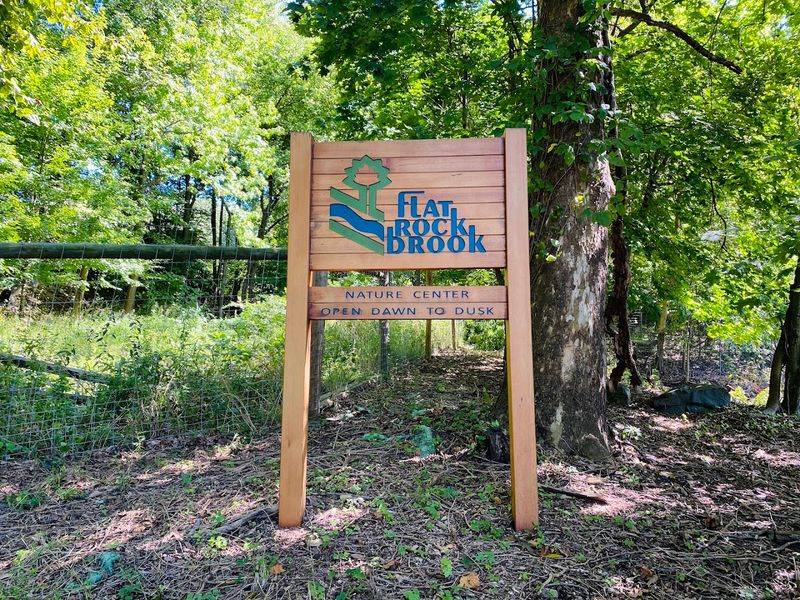
The main entrance leads directly to the nature center building, which opens daily at 9 AM and closes at 5 PM every day of the week, making planning a visit straightforward.
Share this story