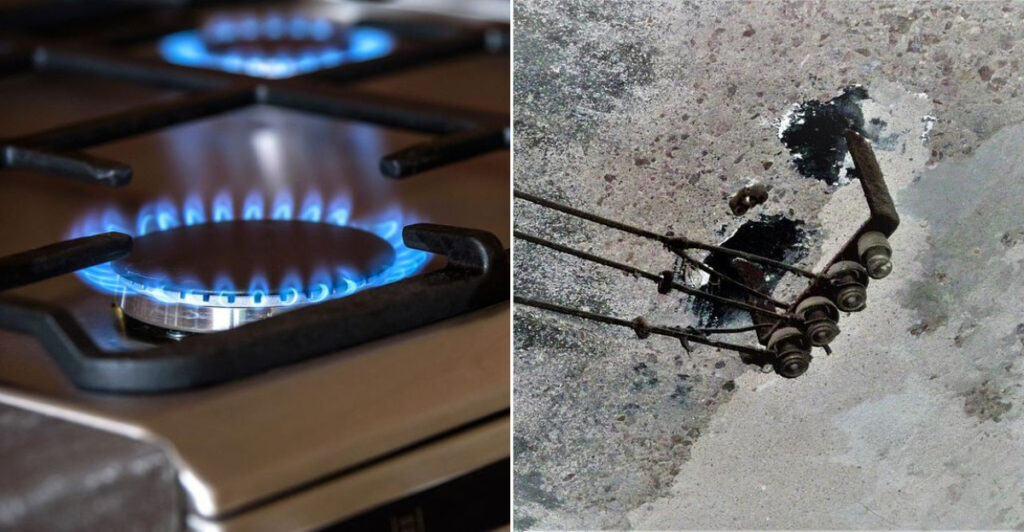
Back in the 1960s, home life looked picture-perfect on the outside, but behind those wood-paneled walls and pastel-painted kitchens lurked some seriously sketchy stuff. From radioactive clocks to poison-laced paint, everyday households were basically obstacle courses of hidden hazards.
Most families had no clue they were living with dangers that scientists would later connect to cancer, brain damage, and worse. Buckle up, because this list will make you grateful for modern safety standards.
Asbestos Insulation Hidden in Walls and Attics
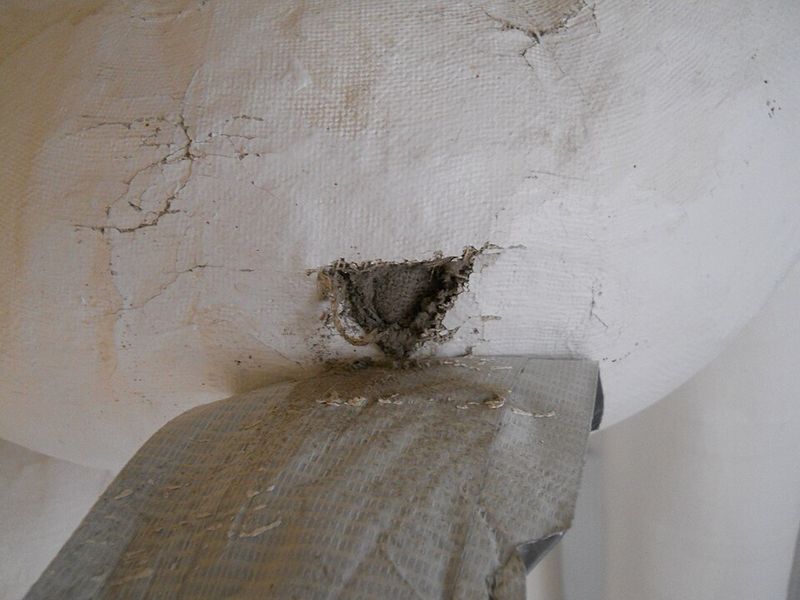
Nobody warned the families stuffing asbestos into their attics that they were essentially gift-wrapping themselves in cancer. Asbestos was the rockstar of building materials in the 1960s.
Cheap, fireproof, and everywhere, it seemed like a builder’s dream come true.
The problem? Those microscopic fibers, once airborne, lodge permanently in lung tissue.
Mesothelioma, a rare and deadly cancer, became tragically linked to asbestos exposure decades later. Workers who installed it and homeowners who later renovated were hit hardest.
Today, disturbing old asbestos insulation without professional help is a serious legal and health violation. Certified abatement teams in full hazmat gear handle removal.
If your home was built before 1980, testing the insulation before any renovation is genuinely non-negotiable. The 1960s may have been groovy, but breathing in their insulation absolutely was not.
Lead-Based Paint on Walls, Trim, and Windows
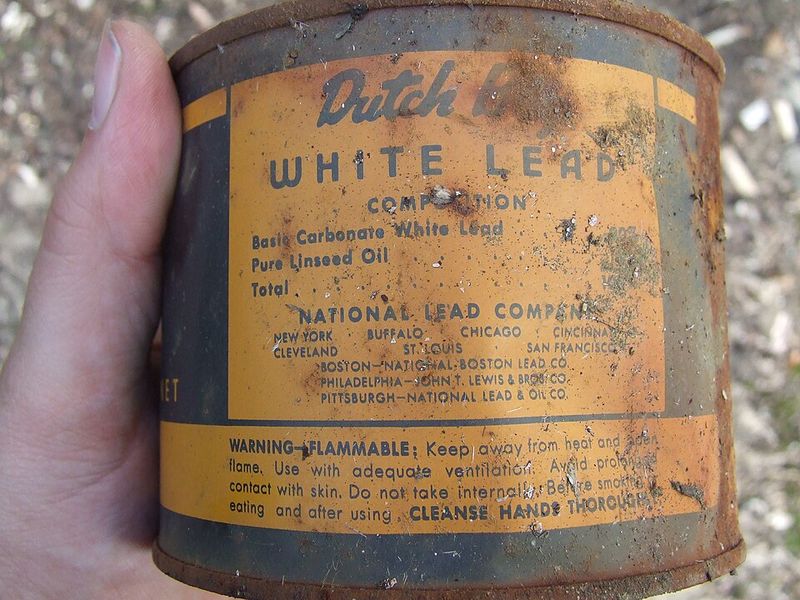
Here is a fun fact that is not fun at all: lead paint was literally everywhere in 1960s homes. Walls, window sills, door frames, cribs, you name it.
Manufacturers even bragged about how durable it was.
Children were the most vulnerable. Lead dust from chipping or sanding paint gets ingested easily by kids who touch surfaces and put their hands in their mouths.
The neurological damage from lead poisoning includes lower IQ, behavioral problems, and developmental delays.
The U.S. banned lead paint for residential use in 1978, but millions of older homes still contain it beneath newer layers. Before renovating any pre-1978 home, get it tested by a certified inspector.
Disturbing lead paint without precautions sends toxic dust straight into the air. It is one of those “out of sight, out of mind” problems that can quietly wreck a child’s entire future.
DDT and Other Potent Indoor Pesticide Sprays
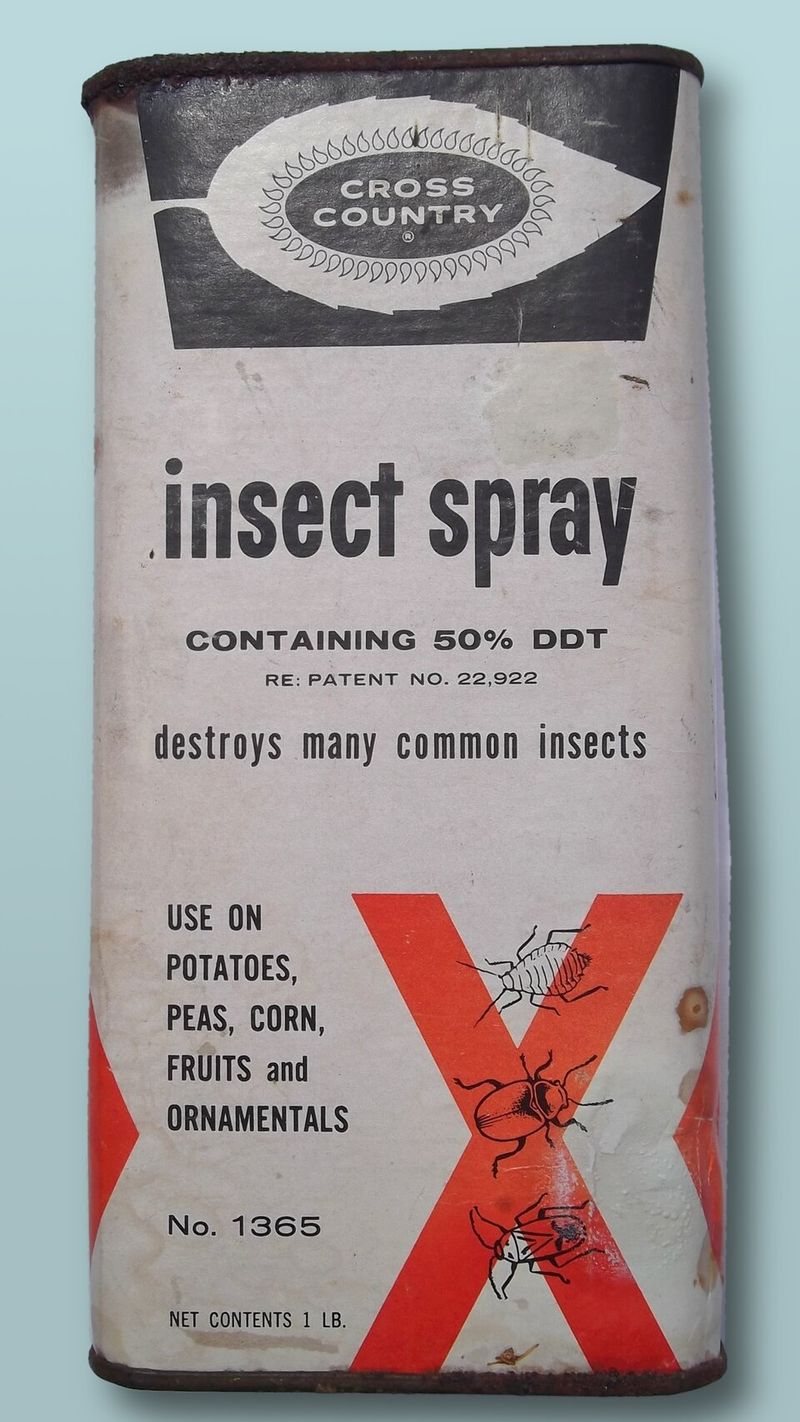
DDT was once sold like air freshener. People sprayed it inside homes, on furniture, and even directly on children to keep mosquitoes away.
The government promoted it. Companies advertised it with smiling families.
What nobody fully understood yet was that DDT accumulates in body fat and disrupts hormones. It has been linked to cancer, reproductive problems, and neurological damage.
Rachel Carson’s landmark 1962 book “Silent Spring” began unraveling the myth that DDT was harmless.
The U.S. banned DDT for most uses in 1972, but the chemical is still detectable in people born decades after the ban. Other indoor pesticide sprays of the era contained chlordane and lindane, both now recognized as serious health hazards.
The lesson here is painfully clear: just because something kills bugs efficiently does not mean it is safe for the humans sharing the same room.
Aging Knob-and-Tube Wiring
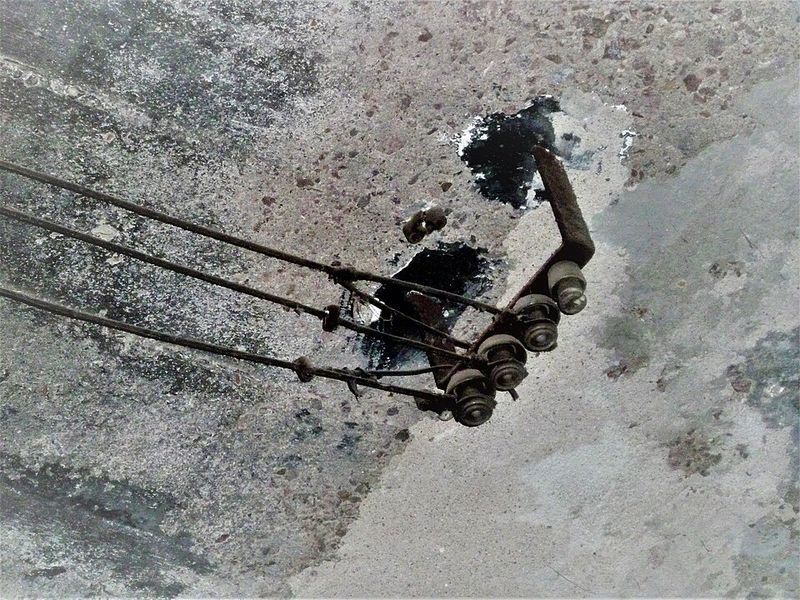
Knob-and-tube wiring sounds like something from a steampunk novel, but it was completely standard in older American homes. Ceramic knobs held the wires away from wood framing while ceramic tubes guided them through joists.
Charming in concept, terrifying in practice by the 1960s.
The issue is that this wiring has no ground wire, making it incompatible with modern appliances. The insulation, often made from rubber or cloth, deteriorates badly over time.
Add decades of heat cycles and you have wiring that becomes a fire hazard lurking inside your walls.
Many 1960s homeowners had no idea their house still ran on wiring from the 1920s or earlier. Insurance companies today often refuse to cover homes with active knob-and-tube wiring.
If you own an older home, having a licensed electrician inspect the wiring is not optional. Old wiring and modern power demands are a genuinely dangerous combination.
Ungrounded Two-Prong Electrical Outlets
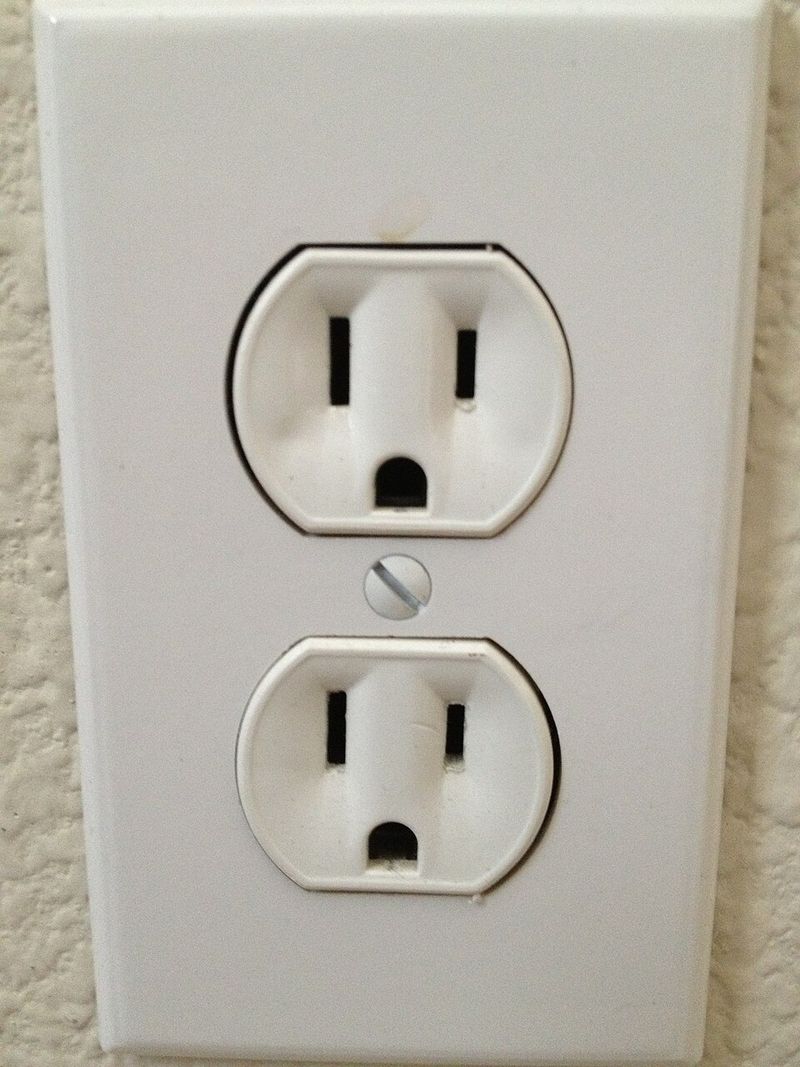
Two-prong outlets were the standard in 1960s homes, and nobody thought twice about them. Then three-prong appliances started arriving, and homeowners got creative with adapters and workarounds that would make any electrician twitch.
The ground wire in a three-prong outlet is a safety feature that redirects dangerous electrical surges away from the user. Without it, a faulty appliance can send electricity straight through whoever is touching it.
That is not a minor inconvenience. That is electrocution territory.
Many 1960s homeowners simply plugged three-prong adapters into two-prong outlets and called it a day. The problem is that without connecting the adapter to an actual ground, the protection is completely fake.
Modern electrical codes require grounded outlets throughout the home. Upgrading old wiring is a worthwhile investment, especially in kitchens and bathrooms where water and electricity get dangerously close to each other.
Mercury Switch Thermostats
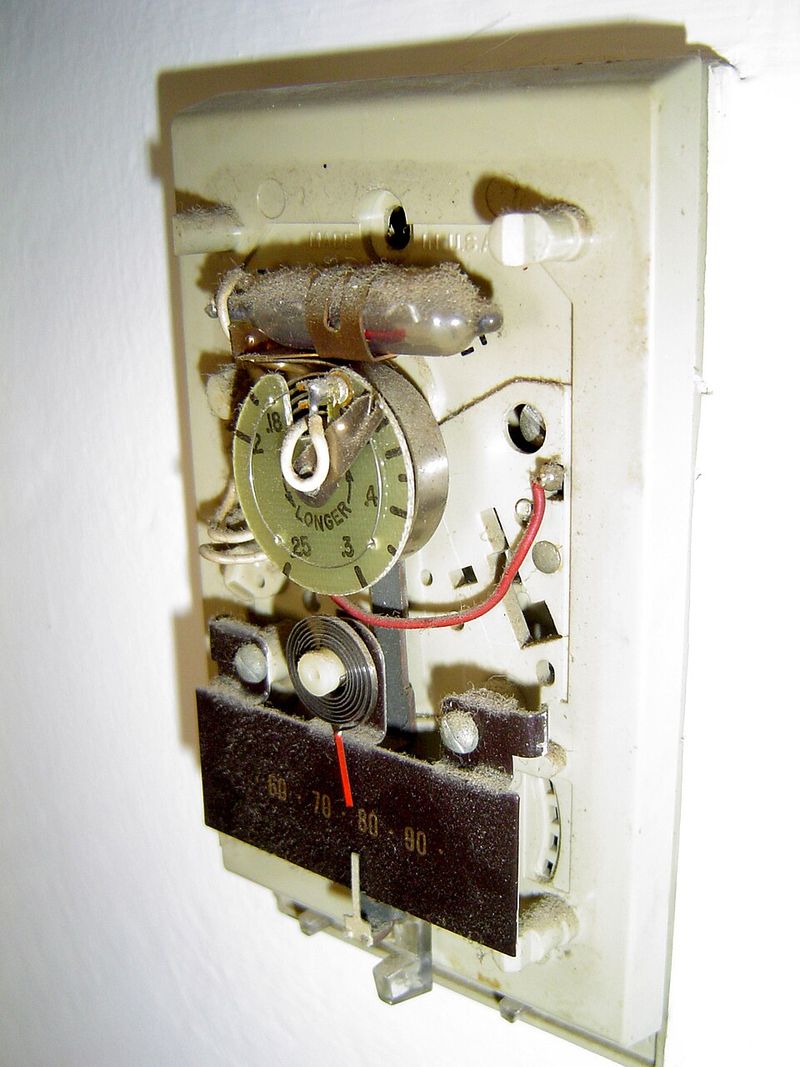
Those round dial thermostats that clicked satisfyingly on the wall? Many of them contained a small glass vial of liquid mercury.
Totally normal household item, right up until someone dropped one during a thermostat swap.
Mercury is a potent neurotoxin. Even small spills in an enclosed space can vaporize at room temperature, creating invisible toxic air.
Long-term exposure damages the brain, kidneys, and nervous system. Children are especially vulnerable to mercury poisoning.
Millions of mercury thermostats were installed in American homes before the 1990s, when safer electronic alternatives became widely available. The tricky part is that many of them are still in place today.
Proper disposal requires taking them to a hazardous waste facility, not tossing them in the trash. Several states now have thermostat recycling programs specifically for this reason.
If your home still has one of these old round thermostats, it is worth checking what is inside it before removal.
Radium-Painted Clocks and Watches
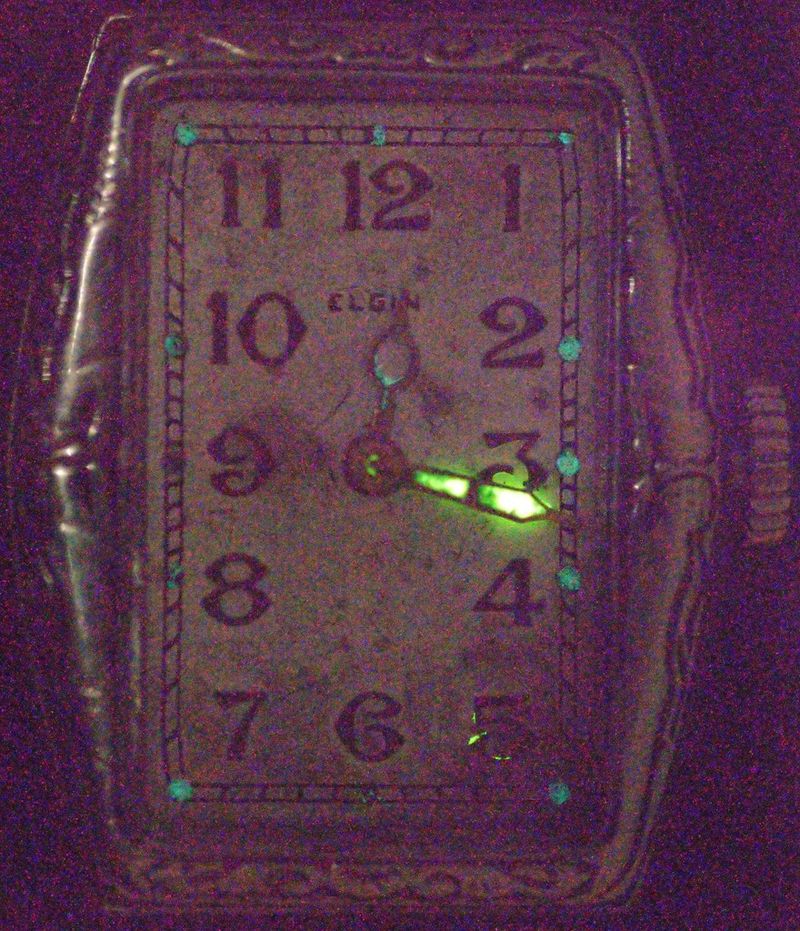
Glowing clocks used to be a luxury item. The soft green glow on clock faces and watch dials came from radium paint, and people kept these things on their nightstands without a second thought.
Sleeping next to a radioactive object was just called “telling time.”
Radium emits alpha, beta, and gamma radiation. Long-term exposure has been linked to bone cancer and other radiation-related illnesses.
The infamous “Radium Girls” factory workers who painted these dials in earlier decades suffered devastating health consequences.
By the 1960s, some manufacturers had switched to tritium or promethium, but radium dials were still common in older clocks still in use. Antique collectors today sometimes unknowingly purchase radium-dial timepieces.
If you own a vintage clock or watch that glows in the dark and predates the 1970s, getting it tested for radioactivity is genuinely smart. Glowing at night is only charming when it is not killing you.
Gas Stoves Without Modern Safety Features
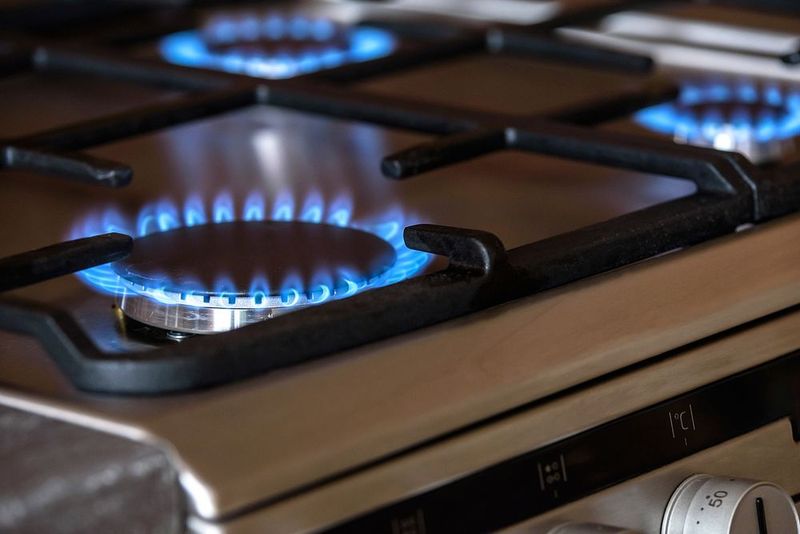
Gas stoves in the 1960s were workhorses of the kitchen, but they had zero of the safety features we now take for granted. No automatic shut-off valves.
No flame failure devices. No child-resistant knobs.
Just open gas and a match.
Leaving a burner slightly on without a flame meant gas slowly filled the kitchen. Older pilot light systems could blow out without anyone noticing.
The combination of gas buildup and a spark from another appliance was genuinely explosive. Carbon monoxide from incomplete combustion was another constant background hazard.
Modern gas stoves include flame sensors that cut the gas supply if the flame goes out. They also have sealed burners and safety knobs that require a push-and-turn motion to activate.
The 1960s kitchen was a place of creativity and amazing food, but it was also operating on the honor system when it came to preventing disasters. Progress in appliance safety has genuinely saved lives.
Overheated Nonstick Teflon Pans
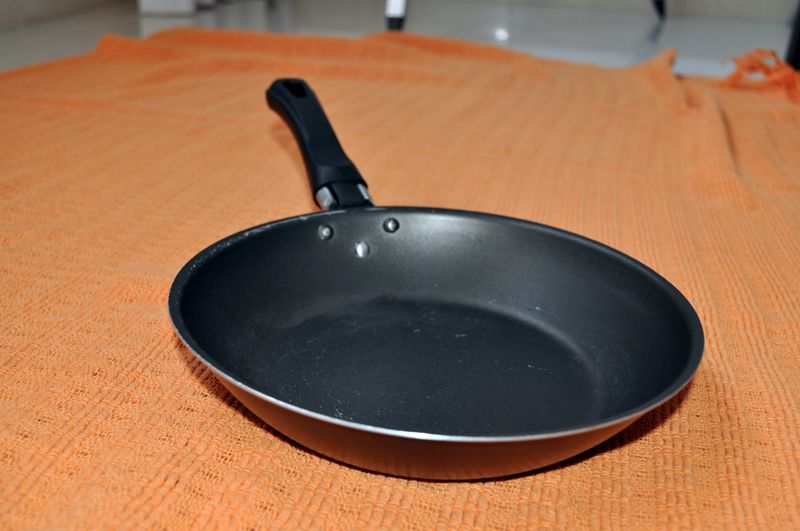
Teflon pans were a genuine revolution when they hit the market. No more scrubbing stuck eggs off cast iron.
Everything just slid right off. What the ads did not mention was what happened when you cranked the heat too high.
When Teflon, made from polytetrafluoroethylene (PTFE), overheats above 500 degrees Fahrenheit, it starts releasing toxic fumes. One of the byproducts, PFIB, is related to a chemical used in World War I as a chemical weapon.
Pet birds are particularly sensitive and can die from the fumes within minutes.
Polymer fume fever, sometimes called Teflon flu, causes flu-like symptoms in humans exposed to overheated nonstick coatings. The 1960s cook had no idea that cranking the burner to high under an empty nonstick pan was a bad idea.
Today, the advice is simple: never leave a nonstick pan unattended on high heat, and replace pans with scratched or damaged coatings immediately.
Plywood Paneling That Off-Gassed Formaldehyde

Wood-paneled walls were the height of mid-century style. Practically every basement rec room and den in America got covered in it during the 1960s.
It looked warm and manly. It was also slowly releasing formaldehyde into the air.
Formaldehyde is used in the adhesives that bind plywood and particleboard together. At low levels, it causes eye irritation, throat burning, and headaches.
At higher levels or with prolonged exposure, it is classified as a known human carcinogen by multiple health agencies. Poorly ventilated rooms with lots of paneling had measurably elevated formaldehyde levels.
New plywood and pressed wood products off-gas the most formaldehyde when they are freshly installed, with levels decreasing over years. Older paneling that has been in place for decades is generally less of a concern.
But if you are renovating and cutting into old plywood panels, wear a proper respirator. That retro aesthetic comes with a chemical price tag worth knowing about before you start swinging a saw.
Naphthalene Mothballs in Closets and Drawers

Mothballs were a staple of every 1960s closet. Grandmothers swore by them.
The whole house smelled like a chemistry lab, and everyone just accepted it as the price of protecting wool sweaters from insects.
Naphthalene, the active ingredient in classic mothballs, is a volatile organic compound that evaporates at room temperature. Breathing naphthalene vapors over time can cause headaches, nausea, and in high concentrations, hemolytic anemia.
Children and people with a certain genetic enzyme deficiency are particularly sensitive. The fumes accumulate in enclosed spaces like closets and drawers, creating consistently high exposure levels.
Naphthalene is also a possible human carcinogen according to the International Agency for Research on Cancer. Cedar blocks, lavender sachets, and airtight garment storage bags are all effective and far safer alternatives for protecting clothing from moths.
The strong chemical smell that used to signal “clean and protected” was actually a warning sign that most households cheerfully ignored for decades. Your sweaters deserved better.
Coal-Burning Home Furnaces
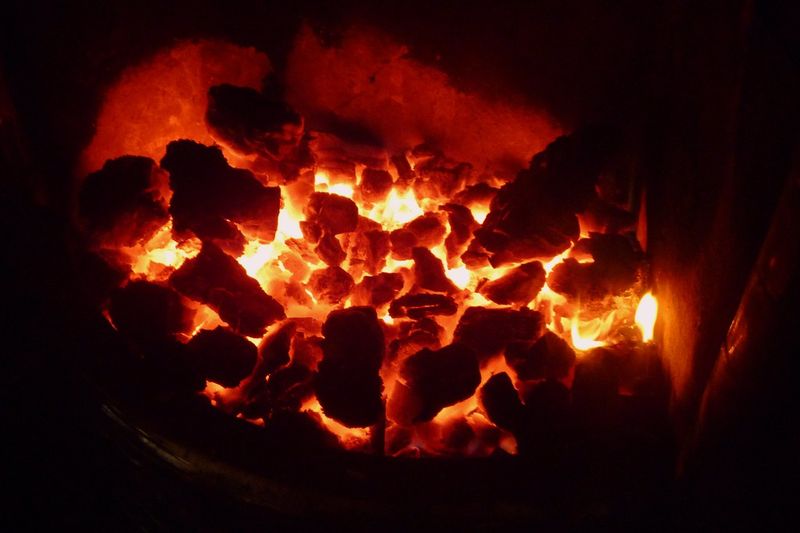
Coal furnaces were the beating heart of many 1960s homes, especially in older houses that had not yet converted to natural gas or oil. Stoking the furnace was a morning ritual.
The dust was just part of life. So was the air quality, apparently.
Coal combustion releases sulfur dioxide, nitrogen oxides, carbon monoxide, and fine particulate matter. All of these are harmful to the respiratory system.
Long-term exposure to coal smoke has been linked to lung disease, cardiovascular problems, and lung cancer. Basement furnaces without proper sealing allowed combustion gases to seep into living spaces.
Coal ash also contains trace amounts of arsenic, mercury, and lead, all of which were present in the dust that settled throughout the home. Children playing near the furnace or coal bin had significant exposure risks.
The shift to cleaner heating fuels through the late 1960s and 1970s was genuinely one of the more important public health improvements of the era, even if nobody celebrated it with a parade.
Unshielded Portable Space Heaters
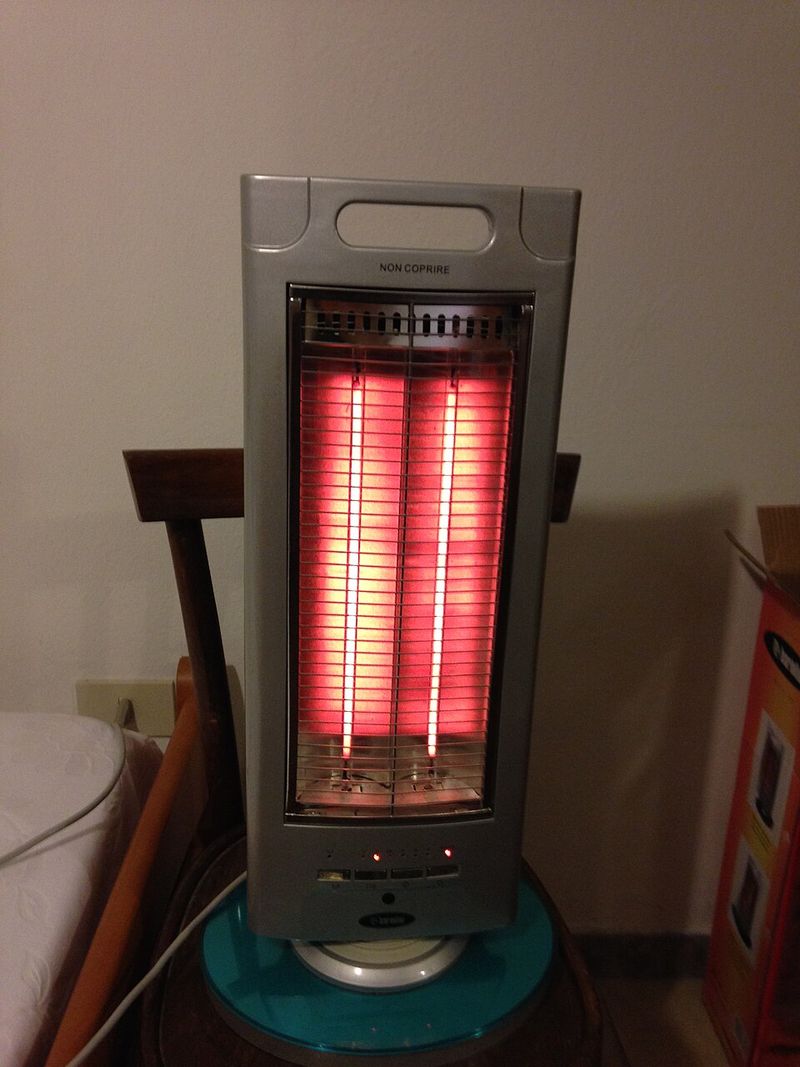
Portable space heaters from the 1960s looked like little glowing cages of warmth. The exposed heating coils radiated heat beautifully.
They also sat directly on carpets, next to curtains, near piles of laundry, and essentially anywhere a fire could conveniently start.
House fires caused by portable heaters were alarmingly common. Without tip-over protection, auto shut-off features, or heat shields, these units were fire hazards waiting for the right moment.
Curtains, rugs, and upholstery could ignite from radiant heat alone without ever touching the coils.
Modern portable heaters include automatic tip-over switches that cut power instantly if the unit falls, cool-touch exteriors, and overheat protection sensors. The difference in safety between a 1960s space heater and a modern one is genuinely dramatic.
If you own a vintage heater, please admire it from a safe distance in a museum rather than plugging it in on a cold night. Some retro things are better left as decorative objects.
Bare Exposed Light Bulbs in Utility Areas
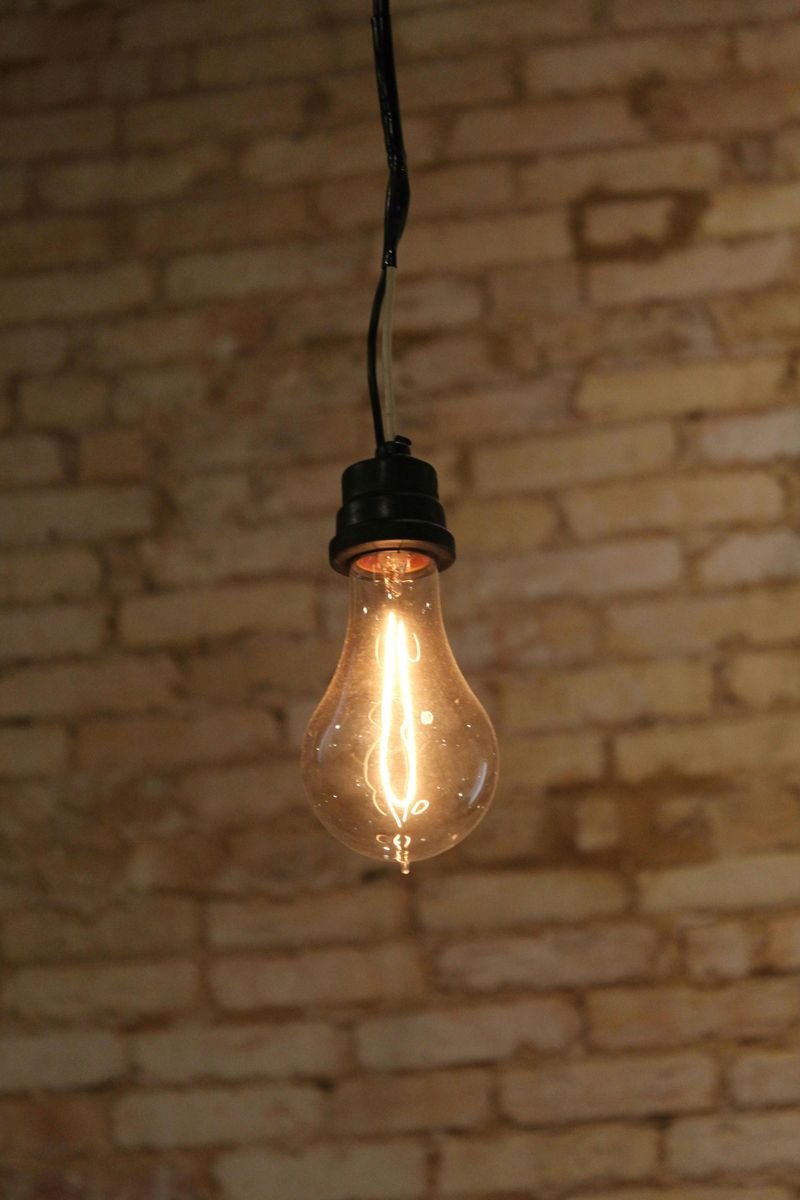
Utility rooms, basements, and garages in 1960s homes were lit by single bare bulbs dangling from the ceiling on a wire. Practical, cheap, and quietly responsible for a surprising number of fires and electrical accidents every year.
Bare incandescent bulbs run extremely hot. Contact with flammable materials like cardboard boxes, fabric, or wood shelving could cause ignition.
The exposed socket and wiring connections were also shock hazards, especially in damp basement environments where moisture lowered electrical resistance.
A swinging bare bulb in a storage area also meant someone reaching past it could easily burn themselves or knock it loose, shattering the glass. Modern utility lighting uses enclosed fixtures, LED bulbs that run cool, and GFCI-protected circuits in damp locations.
The bare bulb look has become a trendy aesthetic choice in modern industrial decor, but there is a critical difference between a properly wired pendant light and a naked incandescent swinging from two-strand wire in a damp basement. Know the difference.
Share this story