Not every great Florida destination comes with a theme park ticket or a beach umbrella. Some of the best spots in the Sunshine State are the quiet ones, the kind you stumble across while looking for something else entirely.
Lithia, Florida is exactly that kind of place. Tucked into Hillsborough County just southeast of Tampa, this small unincorporated community sits beside the winding Alafia River and holds thousands of acres of protected land.
Hikers, paddlers, birdwatchers, and anyone craving a genuine outdoor escape keep coming back here for good reason. The trails are real, the parks are sprawling, and the pace of life feels refreshingly unhurried.
Stick around, because this little corner of Florida has more going on than most people realize.
Finding Lithia: Location, Roots, and What Makes It Different
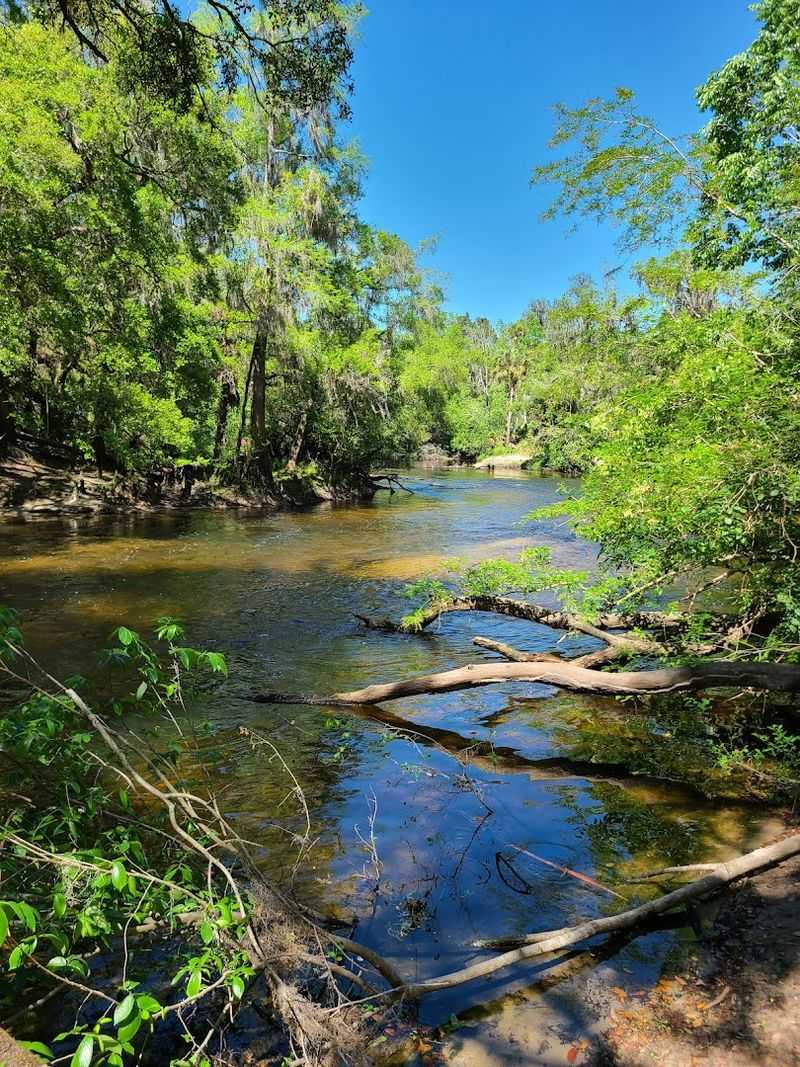
Most people drive past Lithia on their way somewhere else, and that is honestly their loss. This unincorporated community sits in Hillsborough County, Florida, United States, positioned southeast of Tampa as part of the broader Fish Hawk census-designated place.
There is no downtown square, no city hall, and no official mayor. Lithia operates as a quiet suburb, carrying ZIP codes 33547 and 33596, with an 813 area code connecting it to the greater Tampa metro.
What sets Lithia apart is not its size but its surroundings. The community borders nearly 8,500 combined acres of protected natural land, which is a staggering amount of green space for a place this close to a major city.
Families who settle here tend to stay, drawn by the slower pace and the trails right outside their doors. Lithia rewards the curious traveler who actually stops to look around.
The Alafia River Corridor: A Natural Treasure Spanning Nearly 3,000 Acres
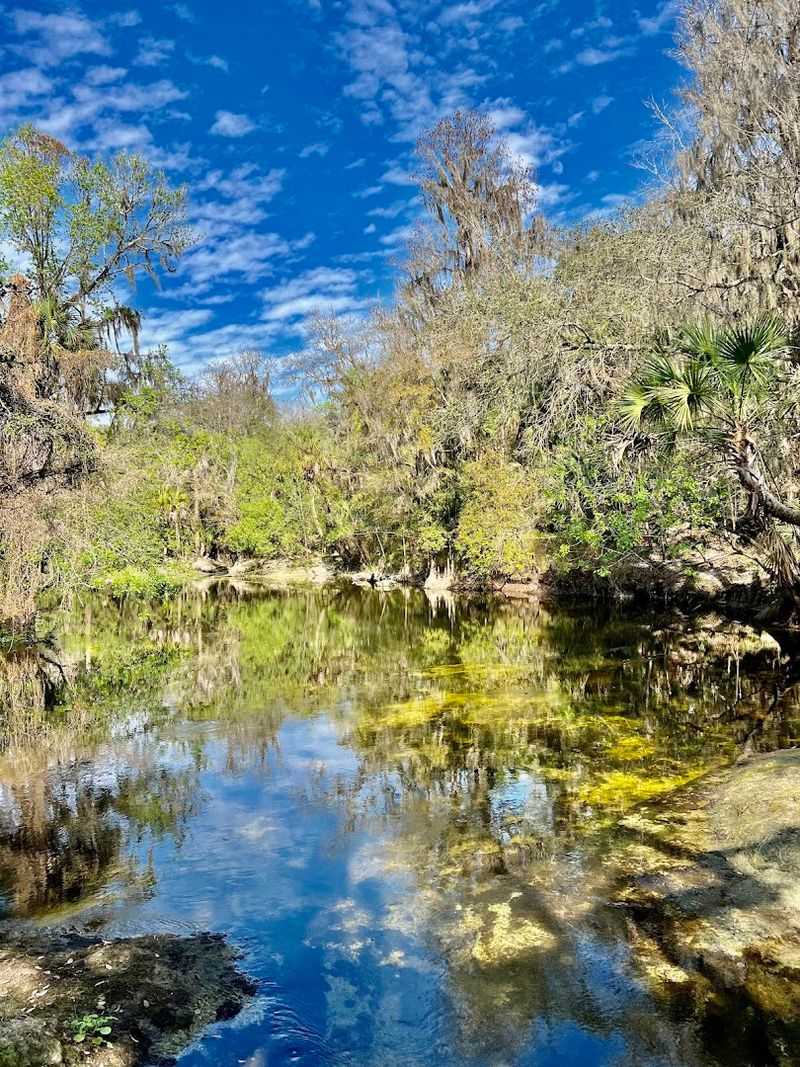
Few natural areas in Hillsborough County can match the sheer scale and beauty of the Alafia River Corridor. Covering approximately 2,963 acres, this protected stretch of land runs alongside the North Prong of the Alafia River and offers some of the most varied terrain in the entire Tampa Bay region.
The corridor features hardwood forests, wetlands, upland scrub, and open floodplains, giving hikers and wildlife lovers a constantly changing landscape to explore. Gopher tortoises, white-tailed deer, sandhill cranes, and dozens of migratory bird species call this place home.
Trail distances range from short nature walks to longer multi-mile routes, so both casual visitors and dedicated hikers find something that fits their energy level. The trailheads are well marked, and the paths stay relatively dry during Florida’s drier winter months.
This corridor is the kind of place that makes you slow down, breathe deeper, and genuinely appreciate what Florida looks like before the concrete arrives.
Chito Branch Reserve: 5,500 Acres of Pure Solitude
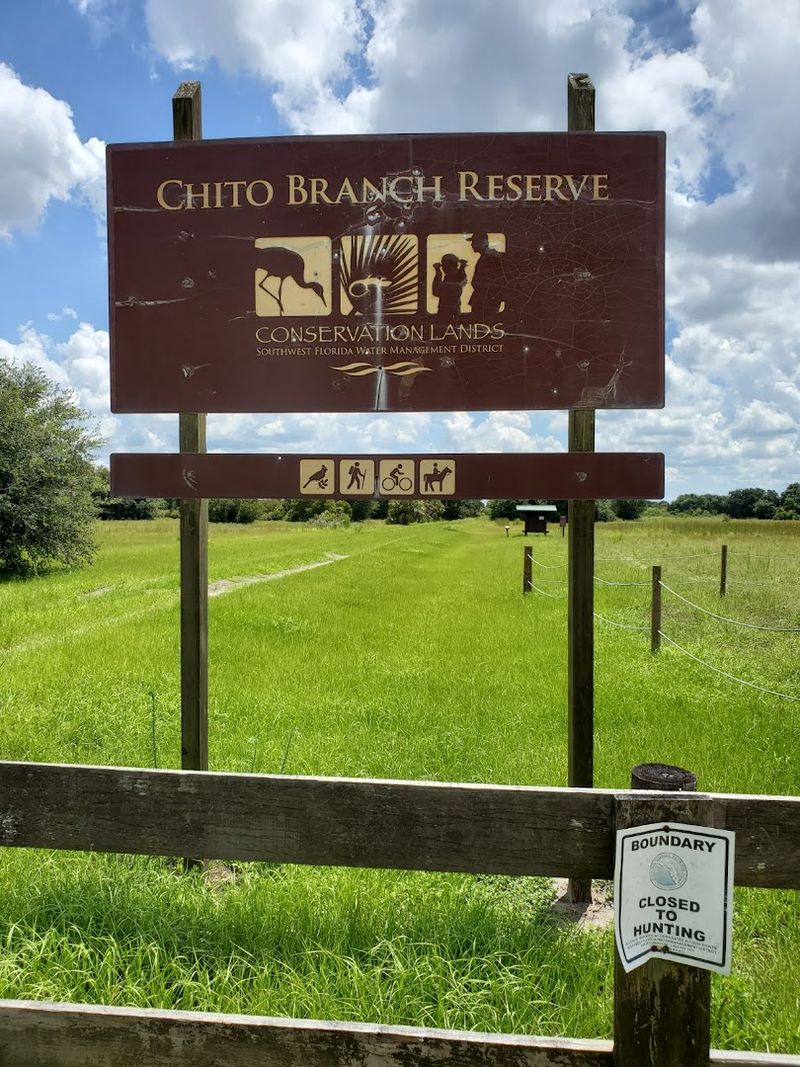
At 5,515 acres, Chito Branch Reserve is one of the largest and least-visited natural areas in Hillsborough County, and that combination of size and solitude is exactly what makes it special. The reserve protects a mosaic of pine flatwoods, wet prairies, and scrubby flatlands that feel genuinely wild.
Equestrian trails wind through the property alongside multi-use paths open to hikers and mountain bikers. The terrain is mostly flat, which is typical for this part of Florida, but the variety of plant communities keeps the scenery from ever feeling monotonous.
Wildlife sightings here tend to be more frequent simply because fewer people show up. Florida black bears have been spotted in the area, along with bobcats, various hawk species, and an impressive variety of native wildflowers during spring months.
Chito Branch feels like a well-kept secret, and spending even a few hours here leaves you with the satisfying sense of having found something most visitors completely overlook.
Paddling the Alafia River: A Water Trail Worth Every Stroke
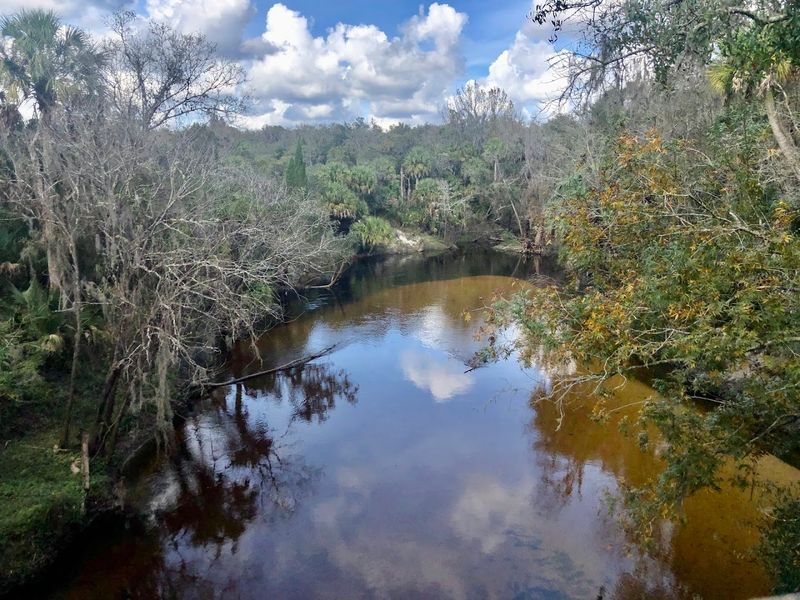
The Alafia River is one of those waterways that rewards people who take the time to get on it rather than just look at it from a bridge. Kayaking and canoeing along the river near Lithia offers a completely different perspective of the surrounding natural corridor.
The North Prong section tends to run calm and manageable for most of the year, making it accessible for paddlers with moderate experience. Overhanging cypress trees create a canopy effect in certain stretches, and the water clarity can surprise first-time visitors who expect murky Florida rivers.
Wildlife encounters on the water are common. Turtles stack themselves on logs, herons stand motionless in the shallows, and ospreys circle overhead looking for their next meal.
The sensory experience of being on the river is simply different from hiking beside it.
Local outfitters in the greater Hillsborough County area occasionally offer guided trips, so even beginners can enjoy the river without worrying about navigation.
Hillsborough River State Park: A Short Drive That Feels Like a World Away
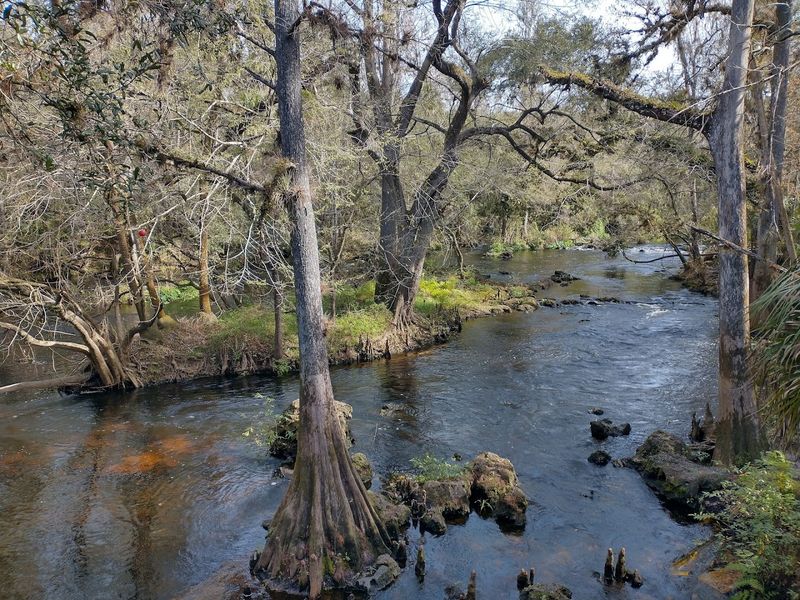
Just a short drive from Lithia, Hillsborough River State Park offers a complement to the local reserves that is well worth the trip. The park features one of the few natural rapids found anywhere in peninsular Florida, which sounds modest until you actually see the water churning over limestone outcroppings.
Camping, swimming, kayaking, and a network of hiking trails make this park a full-day destination rather than a quick stop. The Florida Trail passes through the property, connecting it to a much larger statewide network for serious long-distance hikers.
Historic Fort Foster, a reconstructed Second Seminole War fort located within the park, adds an unexpected layer of history to an already impressive outdoor experience. Guided tours of the fort run on select weekends throughout the year.
For Lithia visitors who want to extend their outdoor itinerary, this park slots in perfectly as either a morning warm-up or an afternoon finale to a full day spent exploring the area.
Birding in Lithia: A Quiet Obsession With Big Rewards
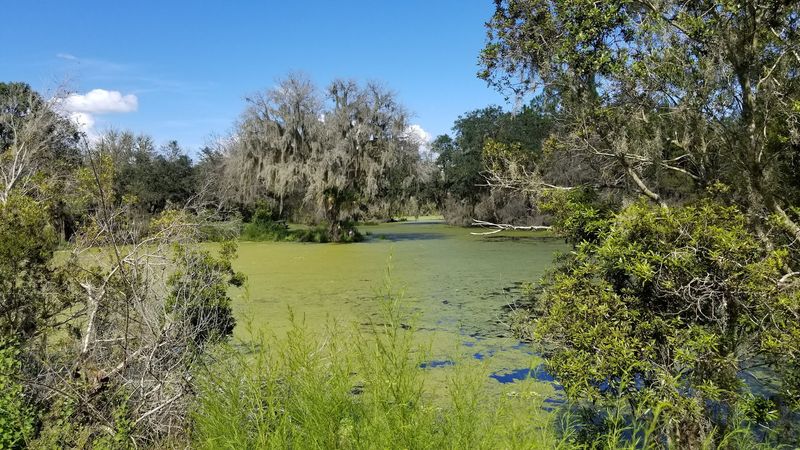
Birding might not be the first activity that comes to mind when planning a Florida trip, but the habitats surrounding Lithia make it one of the most productive birdwatching areas in Hillsborough County. The mix of wetlands, pine flatwoods, river corridors, and open scrub supports an exceptionally diverse bird population.
Sandhill cranes are practically residents here, often seen walking casually through open fields as if they own the place. Painted buntings, one of North America’s most colorful songbirds, pass through during migration and sometimes overwinter in the area.
Wading birds including great blue herons, little blue herons, and roseate spoonbills show up regularly along the river edges. Red-shouldered hawks are a near-constant presence overhead throughout the year.
Early morning visits yield the most activity, especially during the cooler months between October and March. A pair of binoculars and a basic field guide transform any hike here into something far more layered and rewarding than a simple walk.
Mountain Biking Trails: Dirt, Roots, and Genuine Fun
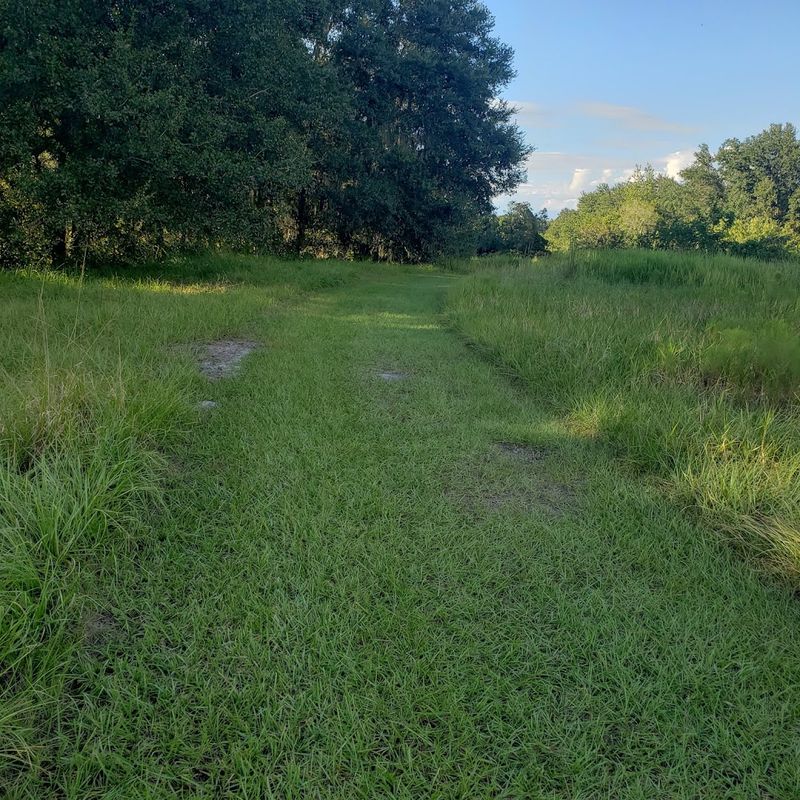
The trails around Lithia have earned a solid reputation among the Tampa Bay mountain biking community, and the terrain here genuinely delivers. The Alafia River Corridor in particular features single-track trails that wind through varied terrain, combining sandy stretches with rooted sections and occasional elevation changes that feel dramatic by Florida standards.
Trail difficulty ranges from beginner-friendly paths to more technical routes that challenge experienced riders. The loop options allow bikers to customize their ride length depending on how much time and energy they have available.
Weekend mornings tend to draw the most riders, but the trails rarely feel crowded compared to more heavily marketed biking destinations in the state. The natural canopy provides shade that makes summer riding more bearable than open Florida roads.
Bikes can be rented from shops in nearby Brandon and the broader Tampa area. Showing up with a full water bottle and a willingness to get a little muddy after rain is the only real preparation needed.
Wildlife of the Reserves: Who Else Lives Out Here
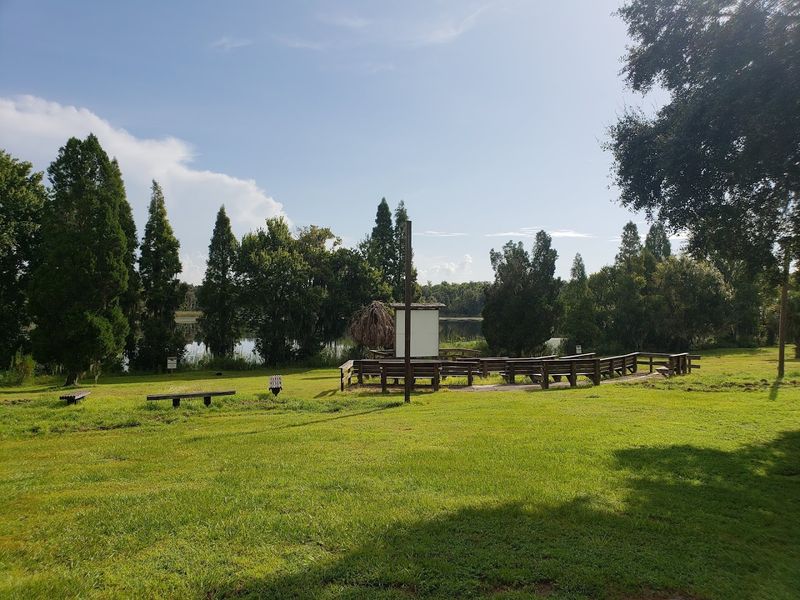
The protected lands around Lithia support a wildlife community that most Tampa Bay residents do not realize exists this close to the city. Florida black bears roam the larger reserves, particularly Chito Branch, and while sightings are not guaranteed, the possibility adds a certain electric awareness to any hike through the area.
Gopher tortoises are among the most reliably spotted residents, often seen near trail edges where the sandy soil suits their burrowing habits. These tortoises are a keystone species, meaning their burrows shelter dozens of other animals including Florida mice, indigo snakes, and burrowing owls.
White-tailed deer move through the forests in the early morning and late afternoon, and bobcats occasionally appear on trail cameras set up by conservation groups managing the reserves.
The biodiversity found across these acres reflects decades of conservation work by Hillsborough County and partner organizations. Spending time here feels like a genuine connection to a Florida that has not been paved over.
Fish Hawk: The Neighborhood Connection That Shapes Lithia’s Identity
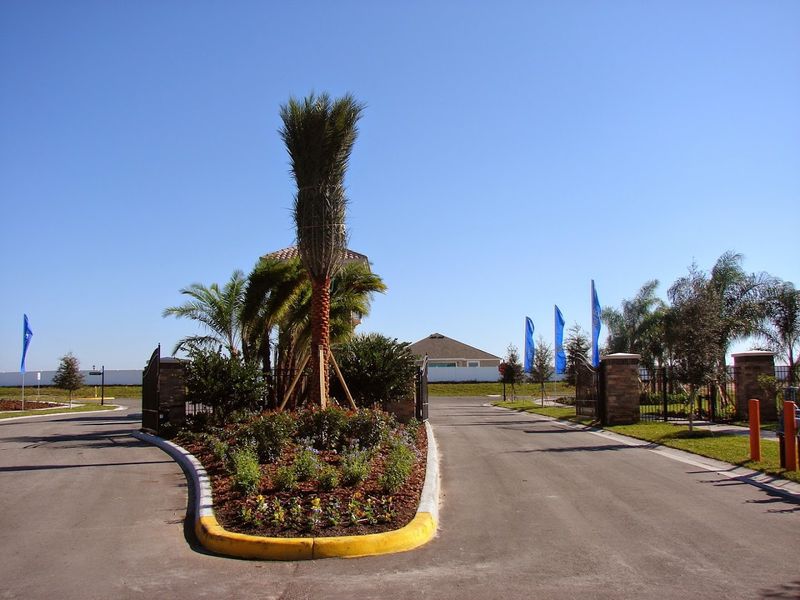
Lithia’s identity is closely tied to Fish Hawk, the larger census-designated place of which it is a part. Fish Hawk grew significantly during the early 2000s as families relocated from Tampa seeking more space, better schools, and easier access to nature without giving up suburban conveniences.
The community development brought well-maintained parks, sports complexes, and trail networks that now connect seamlessly with the larger natural reserves on Lithia’s outskirts. This blending of planned community infrastructure with raw natural land is what gives the area its particular character.
Local schools in the area consistently rank well within Hillsborough County, which has made the Fish Hawk and Lithia corridor one of the more sought-after residential zones in the greater Tampa metro.
For visitors, this means the area around Lithia offers reliable amenities including grocery stores, restaurants, and gas stations within a short drive, so heading out for a full day of outdoor exploration does not require extensive advance planning.
Best Times to Visit Lithia for Outdoor Activities
Timing a visit to Lithia correctly makes a meaningful difference in the quality of the experience. Florida’s subtropical climate means summer months bring intense heat, high humidity, and frequent afternoon thunderstorms that can interrupt outdoor plans without much warning.
The ideal window for hiking, biking, and paddling runs from late October through early April. Temperatures during this period typically stay in the comfortable range of the mid-60s to low 80s Fahrenheit, and the reduced rainfall keeps trails in better condition.
Winter visits also coincide with peak bird migration activity, which adds an extra layer of interest for anyone who enjoys watching wildlife. The lower humidity during these months makes extended outdoor activity genuinely enjoyable rather than something to simply endure.
Spring wildflowers begin appearing in the reserves around February and March, adding bursts of color to the flatwoods and scrub habitats. Arriving early in the morning on any visit remains the single best strategy for encountering wildlife and avoiding the midday heat.
The Quiet Side of Tampa Bay: Why Lithia Feels Like an Escape
Tampa Bay draws millions of visitors every year, most of them heading straight for Ybor City, Busch Gardens, or the beaches along the Gulf Coast. Lithia sits quietly on the other side of that equation, offering a version of Florida that operates at a completely different frequency.
There are no souvenir shops, no admission gates, and no lines. The loudest sounds tend to be red-bellied woodpeckers drumming on pine snags or the splash of a river otter entering the water near a kayak launch.
This contrast with Tampa’s urban energy is part of what makes Lithia genuinely restorative for people who need a break from noise and crowds. The drive from downtown Tampa takes under an hour, which means a morning of total natural immersion followed by a Tampa dinner is a completely realistic day plan.
Lithia is proof that Florida’s best experiences do not always require a reservation or a wristband.
Trail Tips and Practical Advice Before You Go
A few practical details go a long way toward making a Lithia visit smooth and enjoyable. The Alafia River Corridor trailheads are accessible off Lithia-Pinecrest Road, and parking areas are available at designated entry points managed by Hillsborough County.
Bringing at least two liters of water per person is strongly recommended, as shade is not consistent across all trail sections and Florida heat can sneak up on visitors who underestimate it. Insect repellent is equally important, particularly during warmer months when mosquitoes and deer flies are active near wetland areas.
Closed-toe shoes or trail runners work better than sandals on the rooted and sandy terrain. A fully charged phone with a downloaded offline map adds a useful safety layer since cell coverage can be inconsistent in the deeper sections of the reserves.
Checking Hillsborough County’s official parks website before visiting confirms current trail conditions, seasonal closures, and any scheduled events that might affect parking availability.
Conservation and the People Protecting Lithia’s Green Space
The protected lands around Lithia did not preserve themselves. Hillsborough County’s Environmental Lands Acquisition and Protection Program, commonly known as ELAPP, has spent decades purchasing and managing sensitive natural areas throughout the county, with the Alafia River Corridor and Chito Branch Reserve representing two of its flagship accomplishments.
Volunteer groups regularly organize trail maintenance days, invasive species removal events, and wildlife monitoring programs across both properties. Participating in one of these events is a rewarding way to contribute to the landscape you have been enjoying as a visitor.
Conservation partnerships with state agencies and land trusts help ensure that development pressure from the expanding Tampa metro does not gradually chip away at these remaining natural areas. The ongoing effort requires sustained funding, community support, and public awareness.
For anyone who values having wild places within reach of a major city, supporting organizations like ELAPP through advocacy or volunteering is one of the most tangible ways to help keep Lithia’s green spaces intact for future visitors.
Share this story