France boasts over 3,500 kilometers of coastline, offering everything from glamorous Riviera resorts to rugged Atlantic cliffs and peaceful northern beaches. What makes the French coast truly special is its diversity—sun-soaked Mediterranean towns, dramatic chalk cliffs, historic ports, and hidden island escapes all exist within one country.
Whether you’re chasing turquoise waters, cultural charm, or quiet seaside beauty, these destinations showcase the very best of coastal France. Here are 15 breathtaking spots to visit this summer.
Nice (French Riviera)
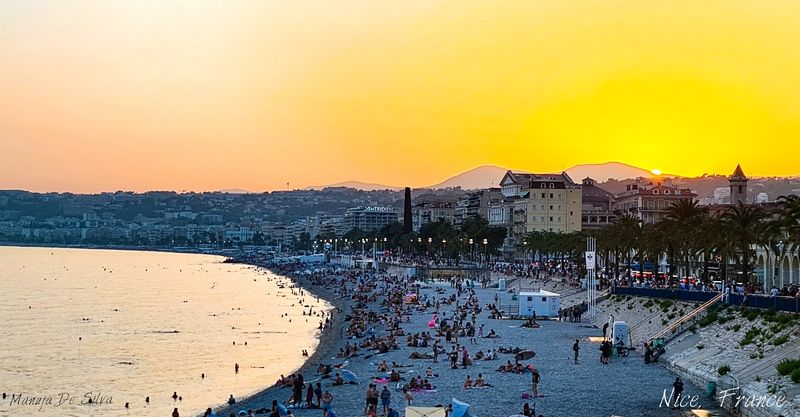
The moment you set eyes on Nice’s famous Promenade des Anglais stretching along the shimmering blue Mediterranean, you’ll understand why millions of visitors return here every single summer. This iconic walkway lines the seafront for nearly five kilometers, making it one of the most celebrated coastal promenades in the world.
Rollerbladers, cyclists, and strolling families share the path as the sea glitters beside them.
Beyond the beach, Nice’s old town—known as Vieux-Nice—is a sensory explosion of orange and yellow buildings, buzzing markets, and incredible food stalls. Try socca, a crispy chickpea pancake that’s a local street food staple you won’t find quite the same anywhere else.
The narrow alleyways here feel like stepping back centuries.
Nice also has world-class museums, including the Matisse Museum and the Chagall Museum, giving art lovers plenty to explore between beach sessions. The city airport is conveniently located, making Nice one of the easiest French coastal cities to reach from across Europe.
Budget travelers and luxury seekers alike will find options that suit them perfectly here.
Saint-Tropez (French Riviera)
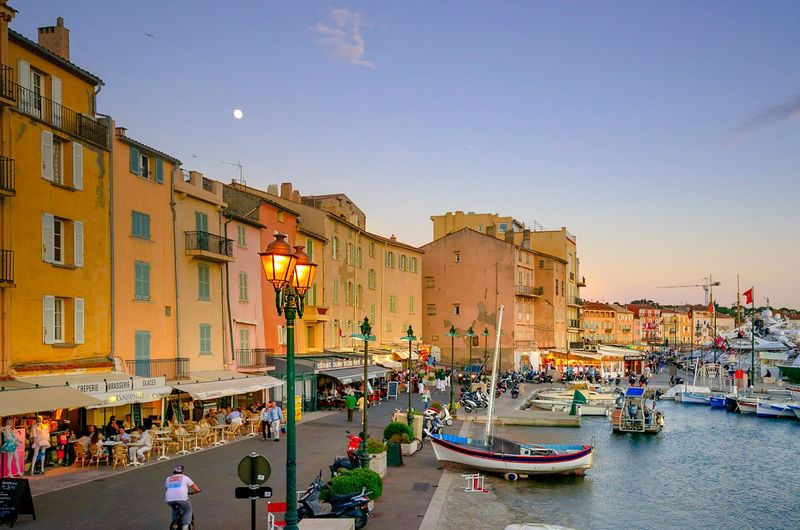
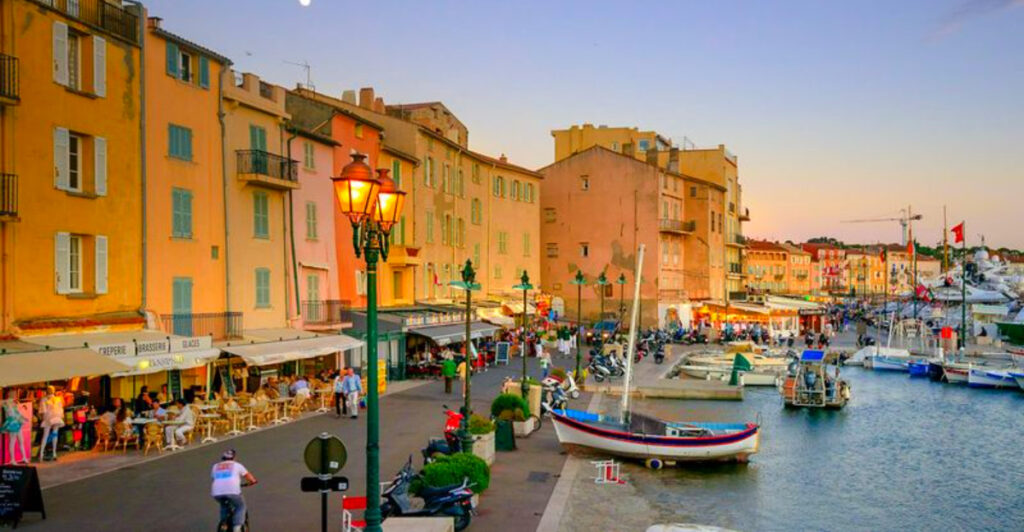
Once upon a time, Saint-Tropez was a quiet little fishing village where locals mended nets and sold their catch at dawn. Then Brigitte Bardot showed up in the 1950s, and everything changed.
Today, Saint-Tropez is one of the most glamorous names on the entire French Riviera, drawing celebrities, yachts, and fashion-forward visitors from around the world every summer.
But here’s the thing—underneath all the glitz, the old village charm still survives. The cobblestone streets of the historic center are lined with art galleries, little cafes, and colorful shuttered houses that feel genuinely timeless.
Wander away from the main port and you’ll discover a much quieter, more authentic side of town that most tourists miss entirely.
The beaches here are legendary. Pampelonne Beach, just a short drive from the village, stretches for nearly five kilometers and is divided into both private beach clubs and free public sections.
Renting a sun lounger at one of the iconic clubs is a bucket-list experience, but bringing your own towel and finding a quiet patch works just as well. Either way, the water is spectacularly clear.
Cassis (Provence Coast)
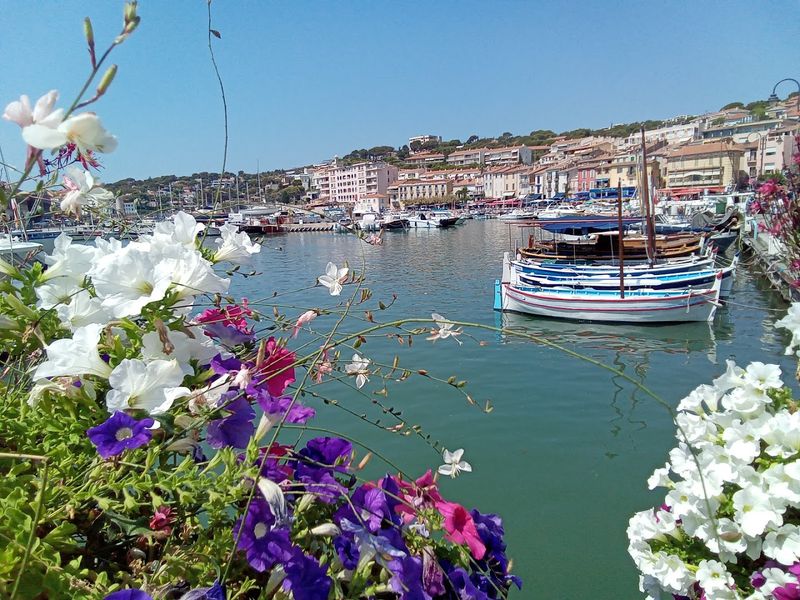
Tucked between towering limestone cliffs and a sparkling harbor, Cassis is the kind of place that makes you want to cancel your return flight immediately. This small Provencal fishing town sits just 20 kilometers east of Marseille, yet it feels like a completely different world—quieter, slower, and breathtakingly beautiful.
The harbor is filled with small boats bobbing gently on water so clear you can see straight to the bottom.
The real showstopper here is the Calanques National Park, a series of dramatic rocky inlets with turquoise water carved into white limestone cliffs. You can explore the calanques by boat tour, kayak, or on foot via well-marked hiking trails.
The most popular inlets—like Calanque d’En-Vau—are genuinely jaw-dropping, with water colors that rival the Caribbean.
Cassis also produces its own white wine, which has protected AOC status—a rare distinction for such a small town. Sipping a cold glass of local Cassis blanc while watching the sunset over the harbor is one of those simple pleasures that stays with you long after the trip ends.
The town is small, so book accommodation early since summer spots fill up incredibly fast here.
Étretat (Normandy)
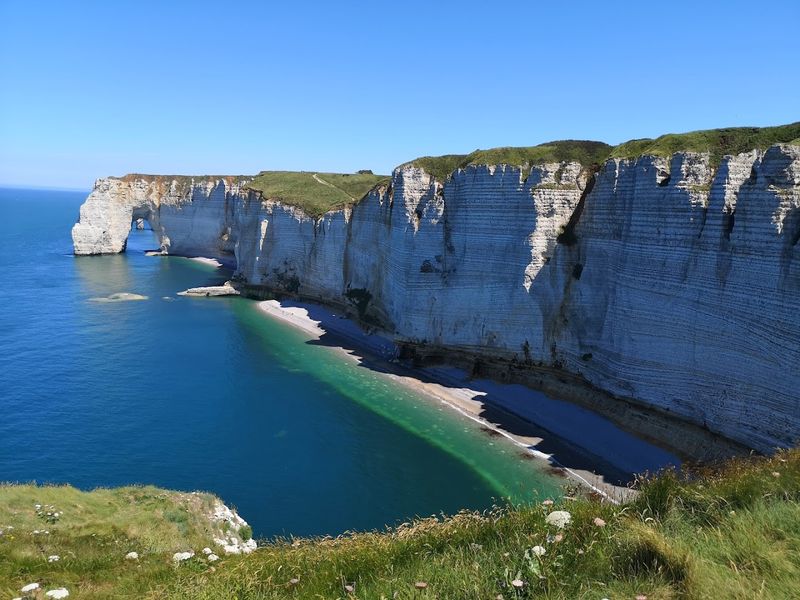
There are cliffs, and then there are the cliffs of Étretat—towering white chalk formations that shoot straight up from the sea like something out of a fantasy novel. These dramatic arches and needle-like rock formations have inspired artists like Monet and writers like Guy de Maupassant for well over a century.
Standing at the cliff edge and looking down at the crashing waves below is a genuinely thrilling experience.
The beach itself is made of smooth pebbles rather than sand, which gives it a very different feel from typical seaside destinations. Swimming is possible but check the tides carefully, as Normandy’s tidal range can be surprisingly large and conditions change quickly.
The seafront town behind the beach has a charming collection of restaurants, creperies, and souvenir shops worth exploring.
Hiking the cliff tops is absolutely the highlight here. The trail above the Falaise d’Amont offers sweeping views of the coastline and leads to a small chapel perched right at the edge.
Early mornings are magical—the mist rolls in from the Channel, the light turns golden, and you might have the whole clifftop almost to yourself. Étretat is a relatively easy day trip from Paris by train, making it accessible for all kinds of travelers.
Biarritz (Basque Coast)
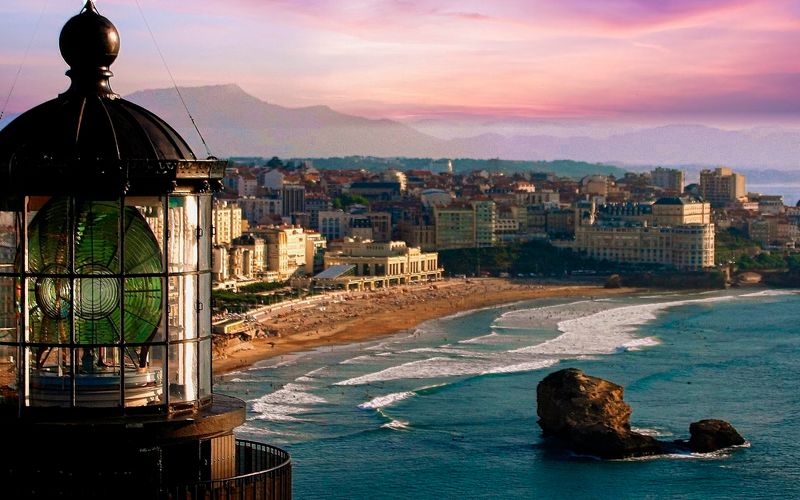
Surfers have known about Biarritz since the 1950s, when Hollywood legend Peter Viertel reportedly rode its waves and introduced modern surfing to Europe for the very first time. That surfing spirit never left—Biarritz is now the undisputed surf capital of France, hosting international competitions and attracting wave riders of every skill level each summer.
The Atlantic swells here are powerful, consistent, and genuinely exciting.
What makes Biarritz stand apart from other surf towns is its elegance. Grand Belle Epoque hotels, a stunning sea-view casino, and upscale boutiques line the seafront, giving the town a polished sophistication that most beach destinations simply don’t have.
You can watch a surf competition in the morning and enjoy a Michelin-starred dinner by evening—Biarritz handles both effortlessly.
The Grande Plage is the main beach and the heart of the action, but smaller coves like Plage de la Milady offer a calmer alternative for families with young children. The surrounding Basque countryside is also worth exploring—rolling green hills, traditional farmhouses, and charming villages sit just minutes from the coast.
Biarritz genuinely rewards those who stay a few extra days rather than rushing through on a single visit.
Antibes (French Riviera)
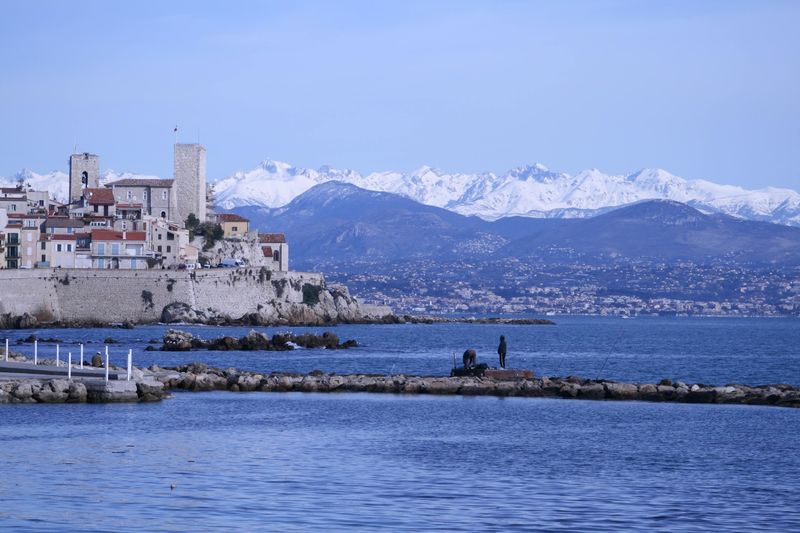
Antibes has been attracting fascinating people for thousands of years—the ancient Greeks founded it, Napoleon was briefly imprisoned here, and F. Scott Fitzgerald wrote parts of Tender is the Night while living just down the road.
That long, layered history gives Antibes a depth and character that newer resort towns simply cannot replicate. Walking its old ramparts with the sea below and the Alps above is a memory that sticks.
The Marche Provencal in the old town is one of the best markets on the entire Riviera, overflowing with local olives, cheese, lavender, and fresh produce every morning except Monday. It’s the kind of place where you end up spending far longer than planned, chatting with vendors and sampling things you’ve never tasted before.
Pick up a bag of Nicoise olives and thank yourself later.
Cap d’Antibes, the leafy peninsula stretching south of town, hides some of the most beautiful and secluded beaches on the Riviera. Many are accessible only on foot or by kayak, which keeps them wonderfully uncrowded even in peak summer.
The Picasso Museum, housed in the castle where the artist once worked, is a cultural highlight that art lovers absolutely should not skip during their visit.
La Rochelle (Atlantic Coast)
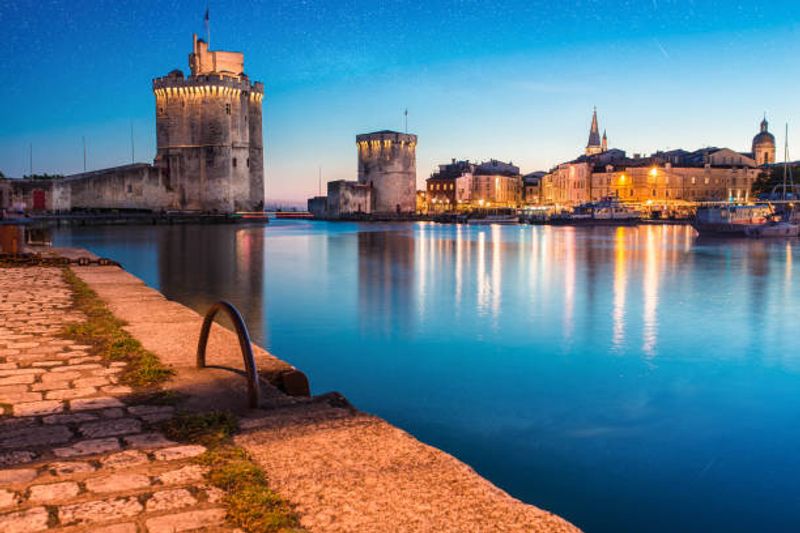
Few French port cities wear their history as proudly as La Rochelle, where three medieval towers still stand guard over a harbor that once played a central role in Atlantic trade and naval history. The Tour de la Chaine and Tour Saint-Nicolas face each other across the harbor entrance like old sentinels, and you can climb them for spectacular views over the city and sea.
History here isn’t just in museums—it’s literally built into the streets.
The city center is wonderfully walkable, with covered arcaded streets called galeries that let you stroll, shop, and eat even when summer showers roll in off the Atlantic. The aquarium is one of the best in France and a big hit with younger visitors, housing sharks, rays, and thousands of sea creatures in beautifully designed tanks.
It’s a genuinely impressive attraction that goes well beyond the typical tourist aquarium experience.
From La Rochelle, ferries depart regularly for the nearby islands of Ile de Re and Ile d’Oleron, making it a perfect base for island-hopping adventures. The city also has a well-developed cycling network and a free electric bike-sharing scheme that makes getting around both easy and fun.
La Rochelle is one of those places that rewards curious, active travelers who like to explore on their own terms.
Île de Ré (Atlantic Coast)
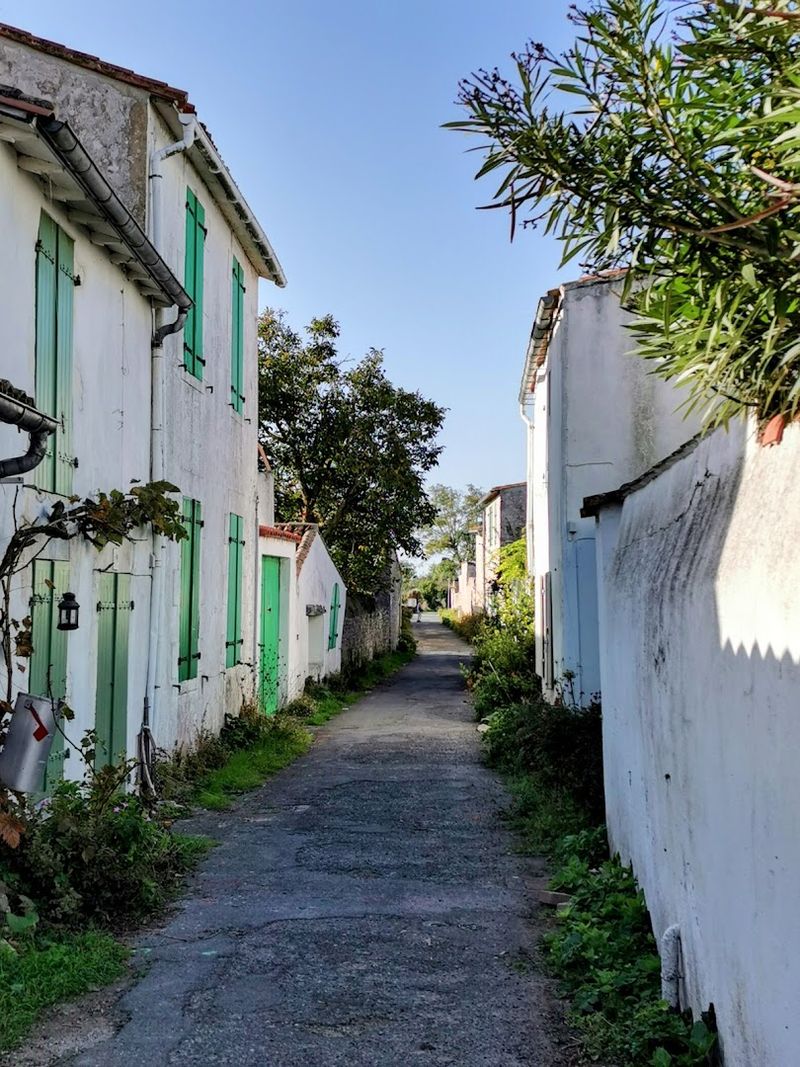
Hollyhocks blooming in every color imaginable line the whitewashed walls of Saint-Martin-de-Re, the island’s main village, and it might just be the most photogenic street scene in all of coastal France. Ile de Re sits just off the coast of La Rochelle, connected by a long bridge, and it operates at a wonderfully unhurried pace that feels like a genuine escape from the modern world.
Locals cycle everywhere, and visitors quickly follow suit.
The island has over 100 kilometers of dedicated cycling paths weaving through salt marshes, pine forests, vineyards, and past oyster farms. Renting bikes near the bridge and spending a full day pedaling around is one of the best coastal experiences France has to offer—flat, scenic, and completely stress-free.
Stop at a roadside oyster shack for a dozen fresh ones with a squeeze of lemon and a glass of local white wine.
The beaches on the western end of the island, particularly around Les Portes-en-Re, are wide, sandy, and backed by dunes that keep them sheltered from the wind. The water is calm enough for children and the sand stretches so far that even in peak July and August, finding a quiet spot is entirely possible.
Book a gite or small cottage for the most authentic island experience.
Saint-Malo (Brittany)
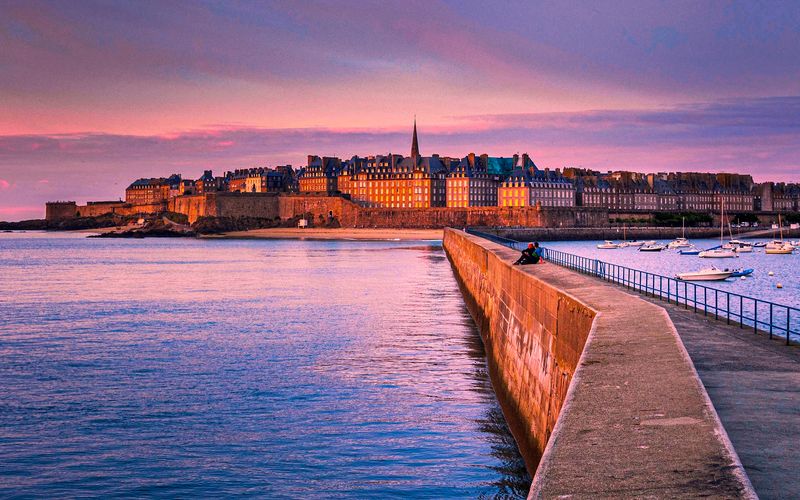
Standing on the ancient stone ramparts of Saint-Malo with the wind in your hair and the vast English Channel stretching to the horizon, it’s easy to imagine why this city produced some of history’s most daring sailors and pirates. Saint-Malo was home to the legendary corsairs—privateers licensed by the French king to plunder enemy ships—and that bold, adventurous spirit still feels alive in the city’s character today.
The walls themselves date back to the 12th century.
The tides around Saint-Malo are among the most dramatic in the world, with water levels rising and falling by up to 13 meters. At low tide, enormous sandy beaches appear around the city walls, perfect for building sandcastles or walking out to the small island of Grand Be where the famous writer Chateaubriand is buried.
At high tide, the sea surrounds the entire walled city in a spectacular display of natural power.
Inside the walls, the old city is packed with excellent seafood restaurants, creperies, and shops selling Breton biscuits and salted caramel products. The local specialty of kouign-amann—a buttery, caramelized Breton pastry—is absolutely worth seeking out.
Saint-Malo also serves as a ferry port connecting France to the UK, making it an ideal starting point for a broader Brittany road trip.
Honfleur (Normandy)
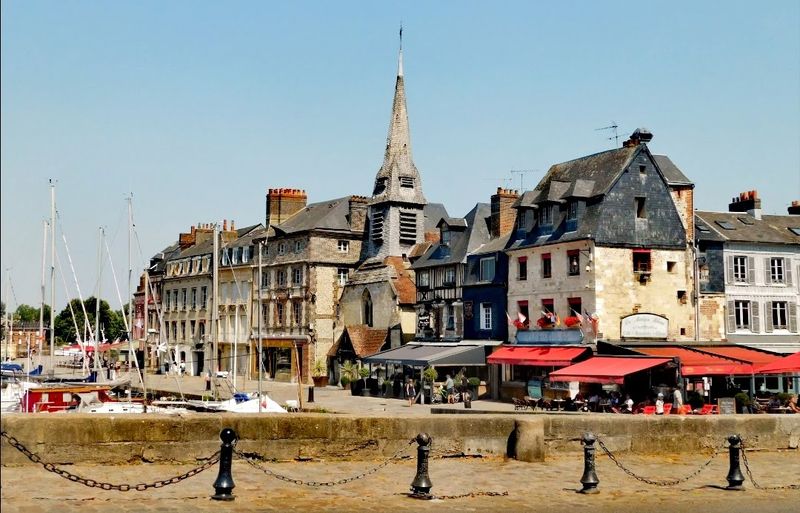
Artists have been obsessed with Honfleur for over 150 years, and the moment you see its famous Vieux Bassin—the old harbor lined with impossibly tall, narrow houses reflected perfectly in the still water—you’ll completely understand why. Monet, Boudin, and Courbet all painted here, captivated by the extraordinary quality of light that dances off the water and the surrounding Norman architecture.
Today, the harbor looks almost exactly as it did in those 19th-century paintings.
Eugene Boudin, the painter who first taught Monet to paint outdoors, was born in Honfleur, and the town celebrates this heritage proudly through the Musee Eugene Boudin. The museum houses an impressive collection of Impressionist and Norman art in a building just minutes from the harbor.
Even if you’re not usually an art museum person, the connection between these paintings and the actual landscapes outside the window makes the visit genuinely engaging.
Beyond art, Honfleur is a superb food destination. Norman cuisine—cream sauces, fresh seafood, local cheeses like Camembert and Livarot, and apple-based calvados brandy—is celebrated in restaurants throughout the town.
The Saturday market in the Place Sainte-Catherine square is particularly lively, with local producers selling everything from farmhouse butter to hand-picked mushrooms. Plan to spend at least one full day here.
Collioure (Occitanie Coast)
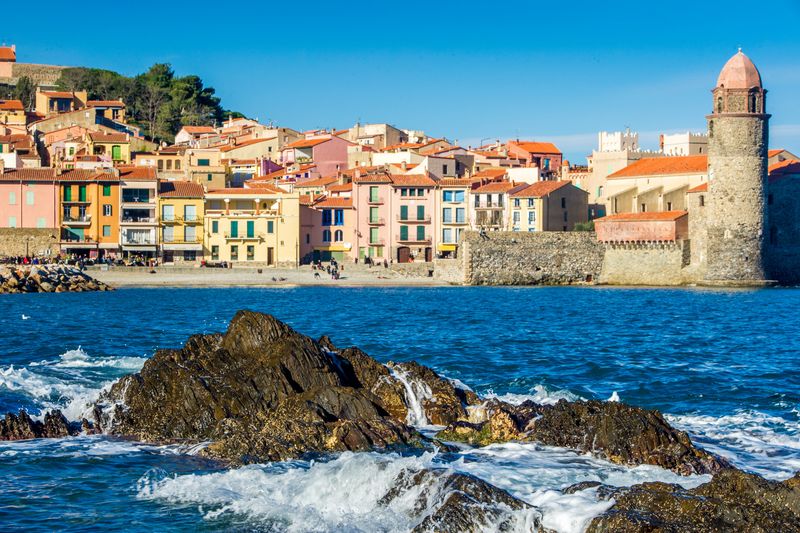
Matisse arrived in Collioure in the summer of 1905 and left with an entirely new painting style—the explosive use of pure, unblended color that launched the Fauvism movement in art history. It’s not hard to see what inspired him.
Collioure is drenched in color: cobalt blue sea, terracotta rooftops, violet bougainvillea spilling over whitewashed walls, and the warm golden light unique to this corner of the Mediterranean coast. The whole town looks like a painting.
Sitting right on the border between France and Catalonia, Collioure has a distinct cultural identity that blends French and Spanish influences in food, architecture, and daily life. The Chateau Royal, a massive medieval fortress that juts dramatically into the sea, has dominated the harbor for nearly a thousand years and is open to visitors.
Walking its battlements with views stretching toward the Pyrenees mountains is genuinely spectacular.
The beaches here are small but wonderfully atmospheric—surrounded by the castle walls and colorful fishing boats called barques catalanes that are painted in bright traditional patterns. Local restaurants serve anchovies preserved in the traditional Collioure style, which are considered among the finest in the world.
Order them on toast with a glass of local Banyuls wine and you’ll have one of the best snacks of your entire trip.
Arcachon (Atlantic Coast)
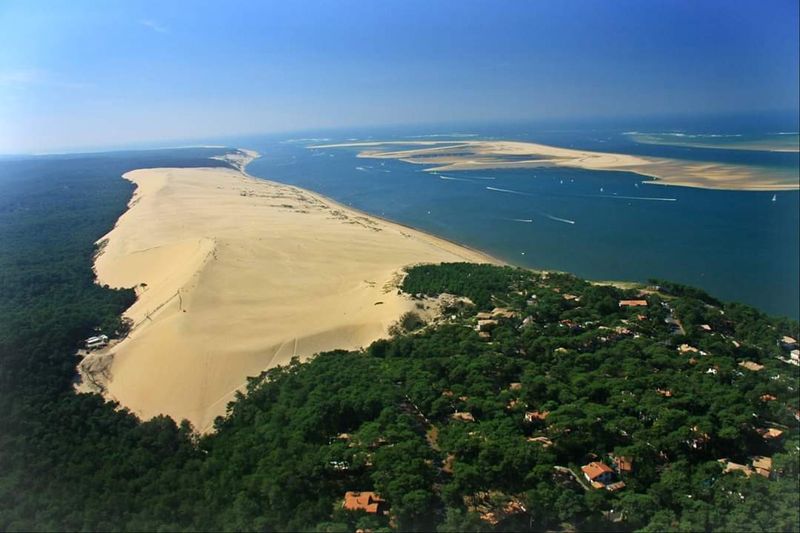
Europe’s tallest sand dune sits just outside Arcachon, and climbing the Dune du Pilat—110 meters of shifting sand that stretches for nearly three kilometers along the coast—is one of those experiences that feels genuinely surreal. The view from the top is extraordinary: the vast Atlantic Ocean on one side and a seemingly endless pine forest on the other.
The climb up is a workout, but the panorama at the summit makes every step worth it.
Arcachon Bay itself is a sheltered inland sea covering nearly 155 square kilometers, making it one of the largest lagoons in Europe. The calm, shallow water is perfect for sailing, windsurfing, and paddleboarding, and the bay’s oyster farms produce some of the most prized shellfish in France.
A boat trip across the bay to the remote Cap Ferret peninsula is a lovely half-day adventure that most visitors to Arcachon shouldn’t skip.
The town of Arcachon has four distinct neighborhoods—each built in a different era and named after the seasons—giving it an unusual architectural character unlike anywhere else on the Atlantic coast. The Winter Town quarter, with its grand 19th-century villas hidden among pine trees, is particularly atmospheric for an evening stroll.
Fresh oysters eaten dockside with a squeeze of lemon are basically mandatory here.
Menton (French Riviera)
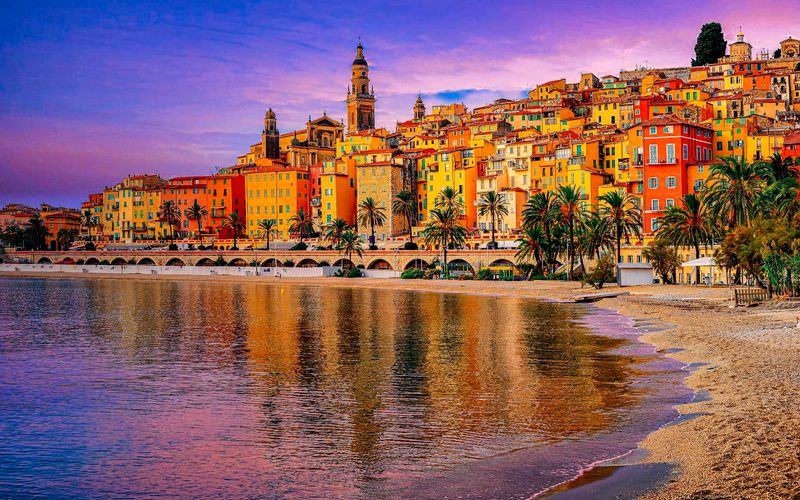
Wedged right against the Italian border with Monaco just a short drive away, Menton is the warmest spot on the entire French Riviera—and it absolutely shows. Lemon trees, orange groves, and exotic palms thrive in gardens here that would struggle to survive anywhere further north.
The town even celebrates its famous citrus harvest every February with the Lemon Festival, one of the most colorful and fragrant events on the French calendar.
The old town rises steeply above the seafront in a cascade of pastel-colored buildings—peachy pinks, warm yellows, and dusty oranges—topped by the striking Baroque facade of the Basilique Saint-Michel. Climbing the narrow lanes to reach the hilltop cemetery, which offers one of the most breathtaking panoramic views on the entire coast, is well worth the effort.
Jean Cocteau, the celebrated French artist, loved Menton so much he decorated a hall in the town hall himself.
The beaches here are a mix of public pebble beaches and smaller sandy sections, all bathed in exceptionally clear water. Because Menton sits in a natural sun trap formed by the Alps curving down to the sea, it enjoys more sunshine hours than almost anywhere else in France.
It’s a quieter, more relaxed alternative to Cannes or Nice, which makes it especially appealing for those who prefer a gentler pace.
Guéthary (Basque Coast)
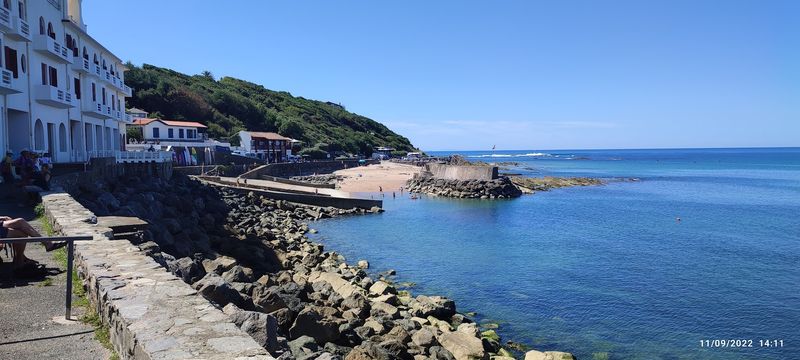
Blink and you might miss Guethary—this tiny Basque village between Biarritz and Saint-Jean-de-Luz has fewer than 1,500 permanent residents, but what it lacks in size it more than makes up for in personality. The clifftop setting is dramatic, with traditional red-and-white Basque farmhouses perched above Atlantic surf breaks that are famous among experienced surfers for being fast, powerful, and unforgiving.
It’s a place that feels genuinely off the tourist trail.
The village has a small harbor carved into the cliff face, and the views from the clifftop promenade looking south toward the Pyrenees on a clear day are breathtaking. A handful of excellent restaurants serve Basque cuisine—grilled fish, piperade, and txakoli wine—with a freshness and simplicity that feels miles away from the polished resort scene up the coast.
Eating here feels like being invited into someone’s home rather than a tourist establishment.
Guethary hosts a popular surf competition each autumn, but summer brings a different kind of energy—families on holiday, artists sketching the coastline, and locals playing traditional Basque sports in the village square. The pace is slow, the community feel is real, and the scenery is quietly spectacular.
If you want an authentic slice of Basque coastal life without the crowds, Guethary delivers it beautifully.
Sanary-sur-Mer (Provence Coast)
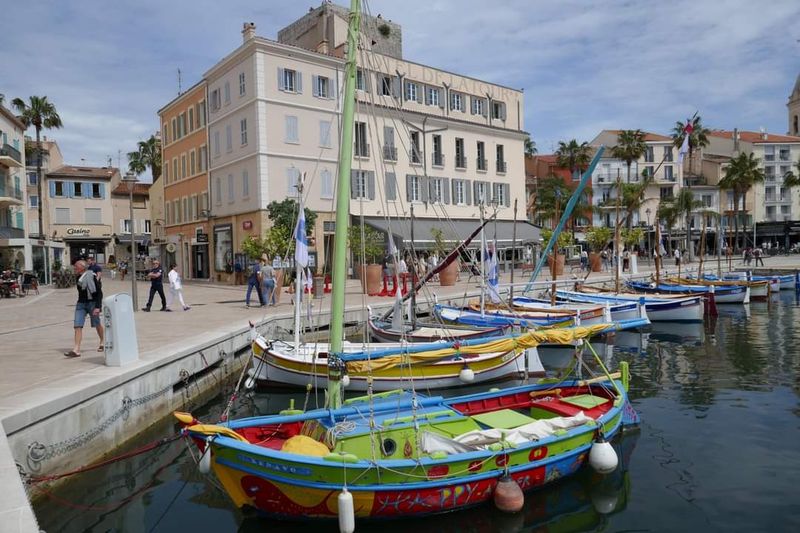
On a Tuesday or Wednesday morning in Sanary-sur-Mer, the harbor transforms into one of the most lively and fragrant markets on the Provence coast—vendors selling lavender soap, local honey, fresh fish straight off the boats, and sun-ripened tomatoes in every imaginable color. This cheerful little port town sits between Bandol and Toulon and has somehow managed to stay refreshingly genuine while much of the surrounding coast has gone upscale.
It still feels like a real working town rather than a resort.
During the 1930s, Sanary-sur-Mer became an unexpected haven for German intellectuals fleeing the Nazi regime, including authors Bertolt Brecht and Thomas Mann. That rich literary and artistic history adds an interesting cultural layer to what might otherwise seem like a simple seaside town.
A small plaque trail around town marks buildings where these exiles once lived and worked.
The harbor itself is a delight at any time of day—colorful pointu fishing boats painted in blues, reds, and yellows bob alongside the quay, and the surrounding cafes serve excellent rosé wine and fresh grilled fish at very reasonable prices by Riviera standards. Day trips by boat to nearby Bandol and the Embiez islands are easy to arrange from the port.
Sanary proves that the best Provence coast experiences don’t always come with a luxury price tag.
Share this story