South America is one of the most diverse continents on Earth, home to ancient civilizations, dramatic landscapes, and vibrant cultures. From the Amazon rainforest to the Andes mountains and iconic cities like Rio de Janeiro, the region offers experiences that feel truly once in a lifetime.
Travel experts consistently highlight its mix of natural wonders—like Iguazu Falls and Patagonia—and cultural landmarks such as Machu Picchu as some of the most unforgettable places on the planet. Here are 15 iconic destinations across South America that deserve a spot on your bucket list.
Machu Picchu, Peru
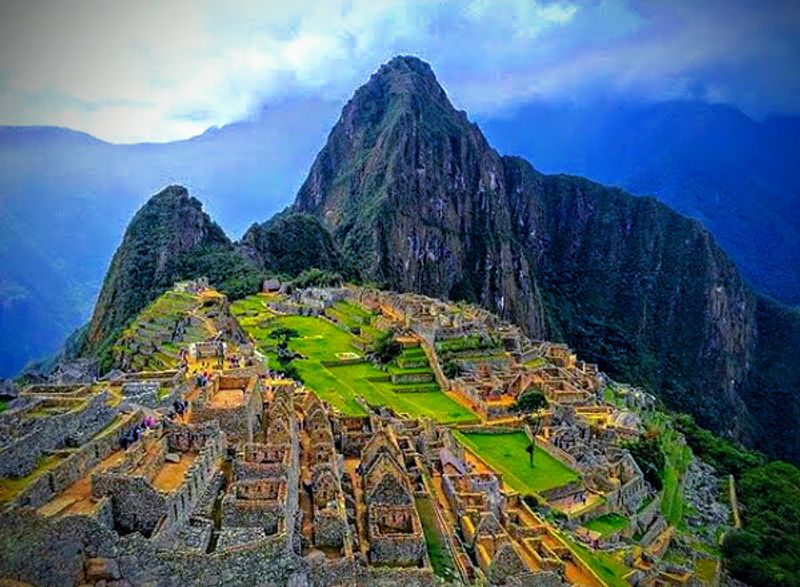
Sitting more than 7,900 feet above sea level, Machu Picchu feels like a city the clouds decided to keep secret. Built by the Inca Empire in the 15th century, this ancient citadel was largely unknown to the outside world until 1911.
Today, it stands as one of the New Seven Wonders of the World and draws nearly a million visitors each year.
Getting there is half the adventure. Many travelers choose to hike the legendary Inca Trail, a multi-day trek through cloud forests and mountain passes that ends with a jaw-dropping sunrise entrance through the Sun Gate.
Others take the scenic train ride to Aguas Calientes and then a short bus up the mountain.
Once you arrive, wander slowly through the stone terraces and temple ruins. The architecture is stunning—massive stones fitted together without a single drop of mortar.
Early mornings offer the best light and fewer crowds, so setting your alarm is absolutely worth it. Bring layers, because the weather changes fast.
Whether you are a history lover, an outdoor adventurer, or simply someone chasing a view, Machu Picchu delivers something rare: a place that actually exceeds the hype.
Iguazu Falls, Argentina/Brazil
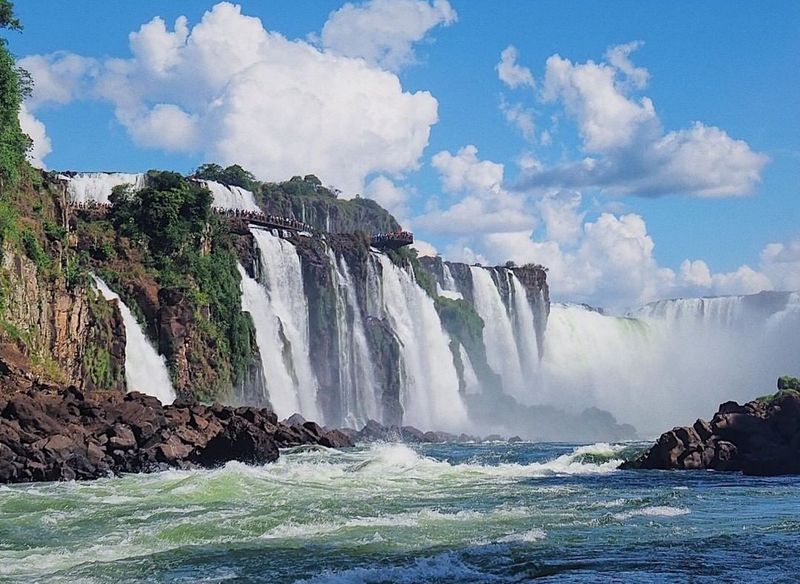
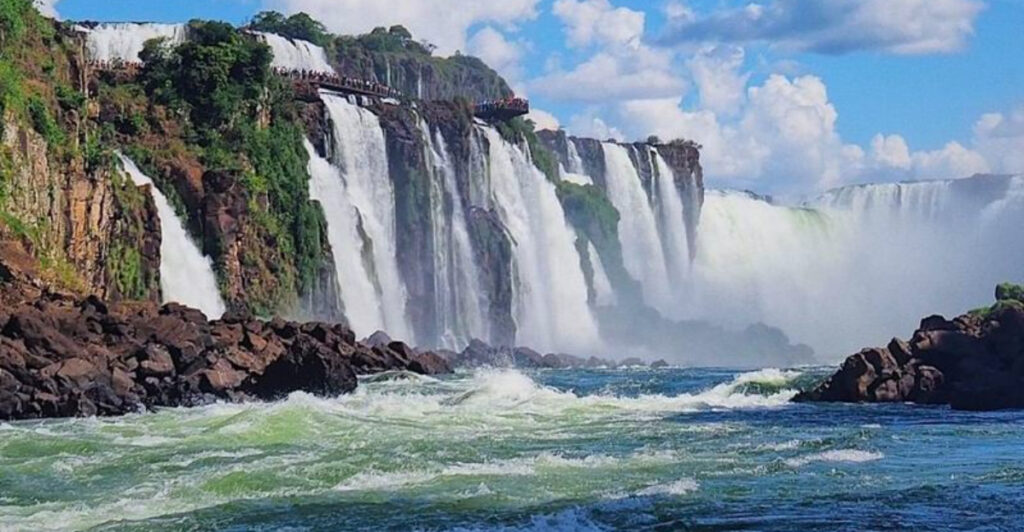
Standing at the edge of Iguazu Falls, the ground actually vibrates beneath your feet. That is not a metaphor—the sheer force of water crashing down across nearly 3 kilometers of cascades creates a physical rumble you can feel in your chest.
Eleanor Roosevelt famously looked at these falls and said, “Poor Niagara.” Hard to argue with that.
Iguazu is made up of around 275 individual waterfalls, and the most dramatic section is called the Devil’s Throat—a massive U-shaped chasm where the water absolutely roars. You can view the falls from both the Argentine and Brazilian sides, and each offers a completely different perspective.
The Argentine side lets you walk right up to the cascades on elevated walkways, while the Brazilian side gives you that wide, sweeping panoramic shot.
Coatis—those raccoon-like animals with long noses—roam the park freely and will absolutely steal your snacks if you are not paying attention. Boat tours that take you directly under the falls are available and are equal parts terrifying and thrilling.
Plan at least two days to fully appreciate both sides. Iguazu is not just a waterfall—it is a full sensory experience that stays with you long after you leave.
Patagonia, Argentina/Chile
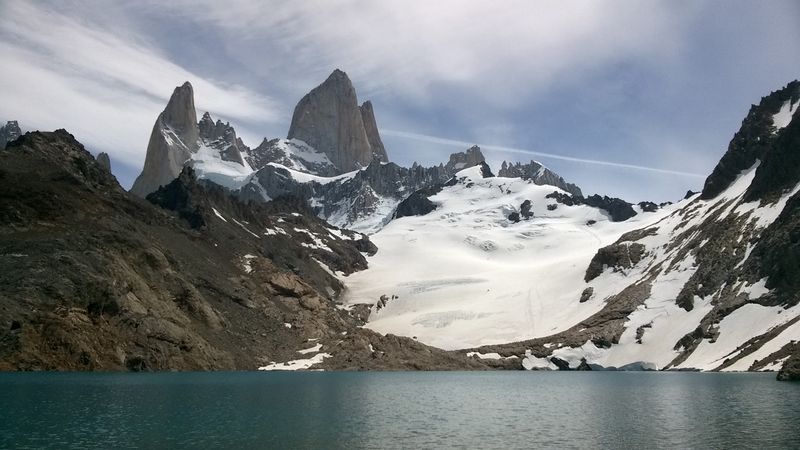
At the very bottom of the world, Patagonia waits for the brave. Spanning the southern tips of both Argentina and Chile, this wild region is home to some of the most jaw-dropping scenery on the planet—think jagged granite towers, ancient glaciers, turquoise lakes, and winds strong enough to knock you sideways.
Literally.
Torres del Paine National Park in Chile is the crown jewel of Patagonia. The famous W Trek takes hikers through valleys, past glaciers, and up to the base of the iconic Torres peaks.
Argentina’s side offers the Perito Moreno Glacier, one of the few glaciers in the world that is still growing. Watching massive chunks of ice crash into the lake below is one of those moments that makes you feel very small in the best possible way.
Wildlife here is spectacular too. Guanacos (wild relatives of llamas) roam freely, condors circle overhead, and pumas occasionally make an appearance for the luckiest visitors.
The best time to visit is between November and March, during the Southern Hemisphere summer. Patagonia is not for the overly comfort-obsessed traveler—it rewards those who embrace unpredictable weather and big, open skies with scenery that simply cannot be faked.
Rio de Janeiro, Brazil
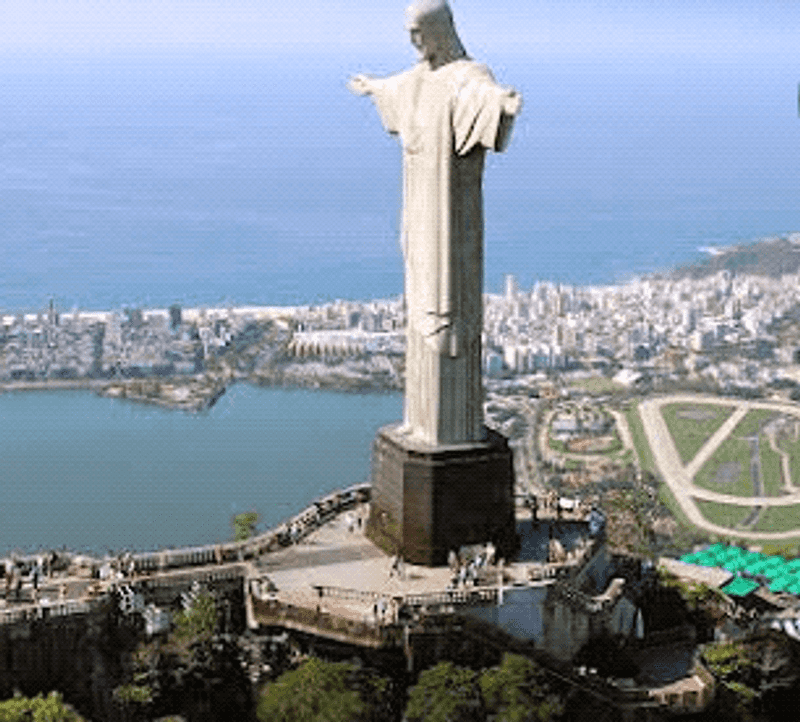
Few cities on Earth announce themselves quite like Rio de Janeiro. The moment your plane descends and you spot Christ the Redeemer standing with open arms on Corcovado mountain, you understand why people fall in love with this city before they even land.
Rio is loud, colorful, passionate, and absolutely impossible to forget.
Copacabana and Ipanema beaches are world-famous for good reason. The golden sand stretches for kilometers, lined with beach volleyball courts, açaí vendors, and locals playing footvolley—a Brazilian sport that combines soccer and volleyball with zero use of hands.
Sugarloaf Mountain offers one of the most spectacular cable car rides in the world, with views that stretch across the bay and city skyline.
Carnival, held annually before Lent, transforms Rio into the world’s biggest party, with samba schools competing in dazzling, feathered, sequined spectacle. But Rio is worth visiting any time of year.
Lapa’s nightlife, the historic Santa Teresa neighborhood, and the colorful Selarón Steps all offer layers of culture to explore. Safety awareness matters here—stick to tourist-friendly areas and join guided tours for peace of mind.
Rio rewards curious, enthusiastic travelers with memories that feel like scenes from a dream.
The Amazon Rainforest
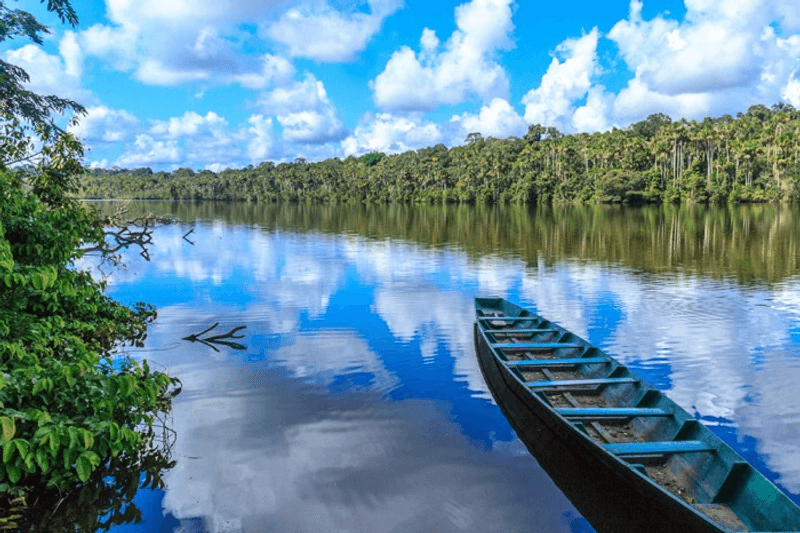
Covering more than 5.5 million square kilometers, the Amazon Rainforest is so large it creates its own weather. Scientists call it the “lungs of the Earth” because it produces about 20 percent of the world’s oxygen.
Walking beneath its canopy feels like stepping into a living, breathing world that operates by its own ancient rules.
Wildlife encounters here are unlike anything else on the planet. Pink river dolphins glide through murky tributaries, poison dart frogs flash neon colors from the forest floor, and howler monkeys make sounds that will genuinely startle you at dawn.
Guided jungle tours from base camps in Brazil, Peru, Ecuador, or Colombia offer the safest and most rewarding way to explore this ecosystem responsibly.
Canoe trips along river tributaries are particularly magical, especially at night when the forest comes alive with sounds. Visiting indigenous communities offers a humbling perspective on how people have lived in harmony with this environment for thousands of years.
The best time to visit depends on what you want—dry season means better wildlife spotting, while wet season floods the forest floor and opens up incredible boat access. Either way, the Amazon is a destination that changes how you see the natural world entirely.
Salar de Uyuni, Bolivia
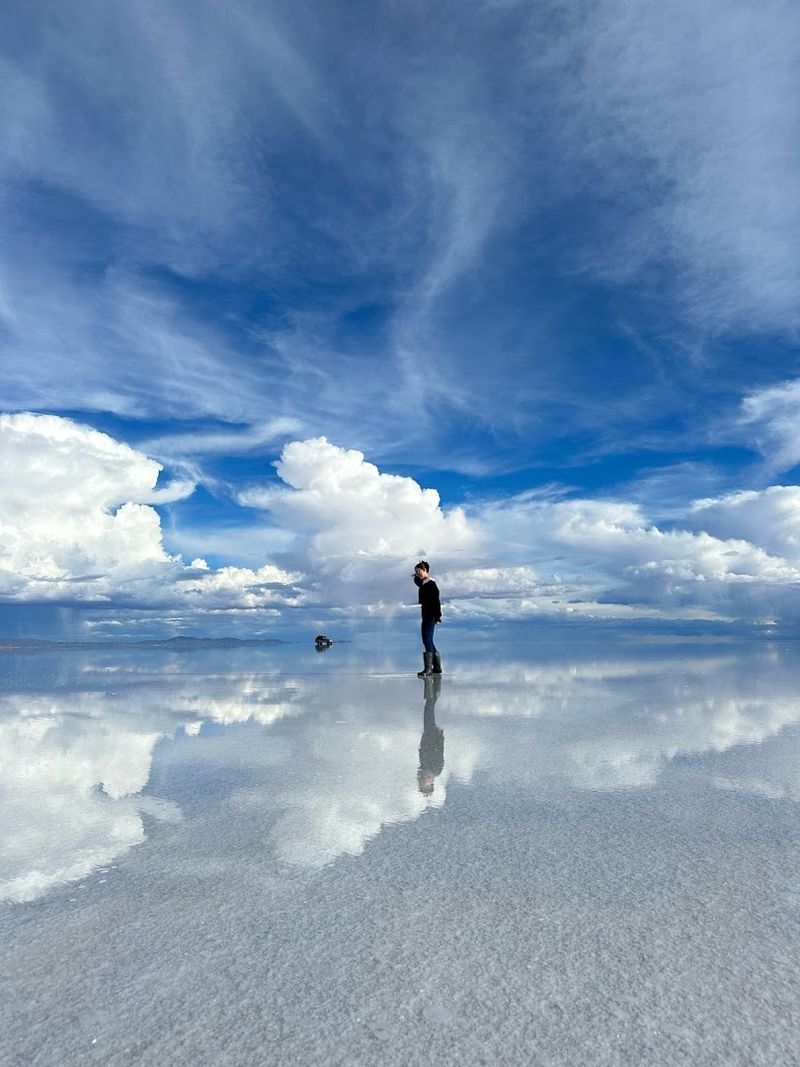
Imagine standing on a surface so flat and so white that the sky above and the ground below become one seamless mirror. That is exactly what happens at Salar de Uyuni during the rainy season, when a thin layer of water turns the world’s largest salt flat into the most extraordinary natural mirror you have ever seen.
Photos taken here look like they were edited in a dream.
Located at over 3,600 meters above sea level in southwestern Bolivia, the Salar covers more than 10,000 square kilometers. During the dry season, the cracked white salt crust creates a completely different kind of surreal landscape—one where perspective tricks make for hilarious and creative photos.
Cacti-covered islands like Isla Incahuasi rise dramatically from the flat expanse, offering panoramic views that stretch to the horizon.
Tours typically depart from the town of Uyuni and include visits to colorful lagoons, steaming geysers, and flamingo habitats in the surrounding region. The Eduardo Avaroa Andean Fauna National Reserve is often included and adds incredible variety to the journey.
Nights at the Salar are extraordinary too—the altitude and lack of light pollution make for some of the clearest stargazing on Earth. This place genuinely feels like another planet.
Galápagos Islands, Ecuador
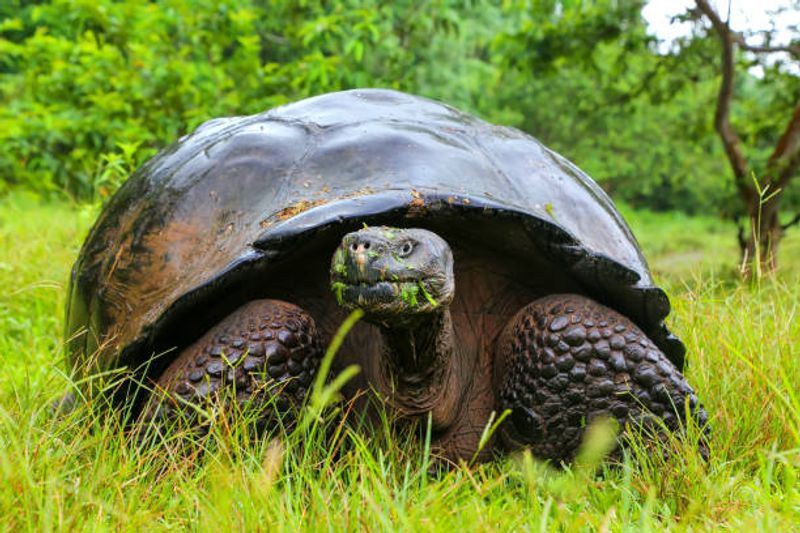
Here is something wild: the animals on the Galápagos Islands have essentially no fear of humans. Sea lions will flop down next to you on a bench, marine iguanas will ignore you completely as they sunbathe inches from your feet, and blue-footed boobies will perform their comical mating dance right in front of your camera.
It is nature on its most relaxed and confident terms.
Located about 1,000 kilometers off the coast of Ecuador in the Pacific Ocean, the Galápagos Islands are famous for being the place that inspired Charles Darwin’s theory of evolution in 1835. The unique species here—giant tortoises, flightless cormorants, Galápagos penguins—evolved in isolation and developed traits found nowhere else on Earth.
Snorkeling with sea lions and swimming alongside sea turtles are regular highlights of any visit.
The islands are a UNESCO World Heritage Site, and strict conservation rules are in place to protect the ecosystem. Visitors must be accompanied by certified naturalist guides at all times while in protected areas.
This is not a destination for party tourism—it is for those who genuinely want to witness nature in its most raw and undisturbed form. The Galápagos will make you a better appreciator of the natural world, guaranteed.
Buenos Aires, Argentina
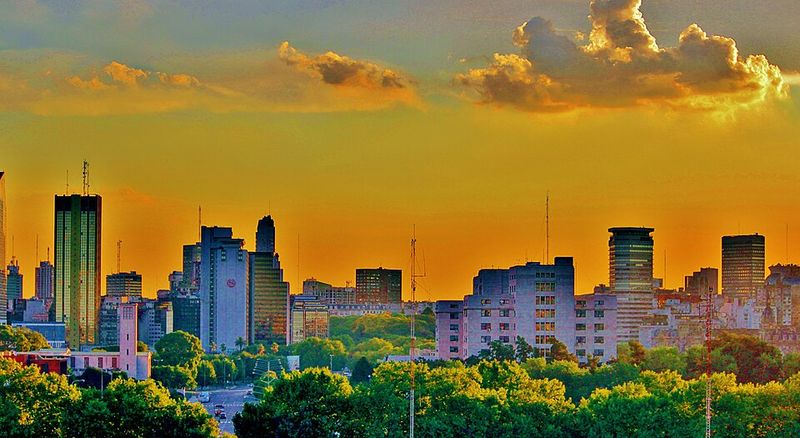
Buenos Aires has been called the Paris of South America, but that nickname actually undersells it. This city has its own distinct personality—passionate, stylish, late-night obsessed, and deeply proud of its steak and wine.
Porteños (Buenos Aires locals) do not eat dinner before 9 p.m., and they consider that early. Adjust your schedule accordingly and you will thrive here.
The neighborhoods are the real story of this city. La Boca is famous for its colorful corrugated metal houses and street tango performances.
Palermo is packed with parks, restaurants, and boutique shops. San Telmo hosts a lively Sunday antique market where you can find everything from vintage vinyl records to hand-painted mate gourds.
Recoleta is home to the famous cemetery where Eva Perón is buried—a surprisingly moving place to visit.
Tango was born in Buenos Aires, and watching a live milonga performance is an absolute must. The food scene is extraordinary—Argentine beef is legendary for a reason, and the empanadas, dulce de leche desserts, and fresh pasta (thanks to Italian immigration) are equally outstanding.
Buenos Aires rewards slow travelers who take time to sit in a café, watch the world go by, and let the city’s unique rhythm sink in. It is endlessly livable.
Cartagena, Colombia
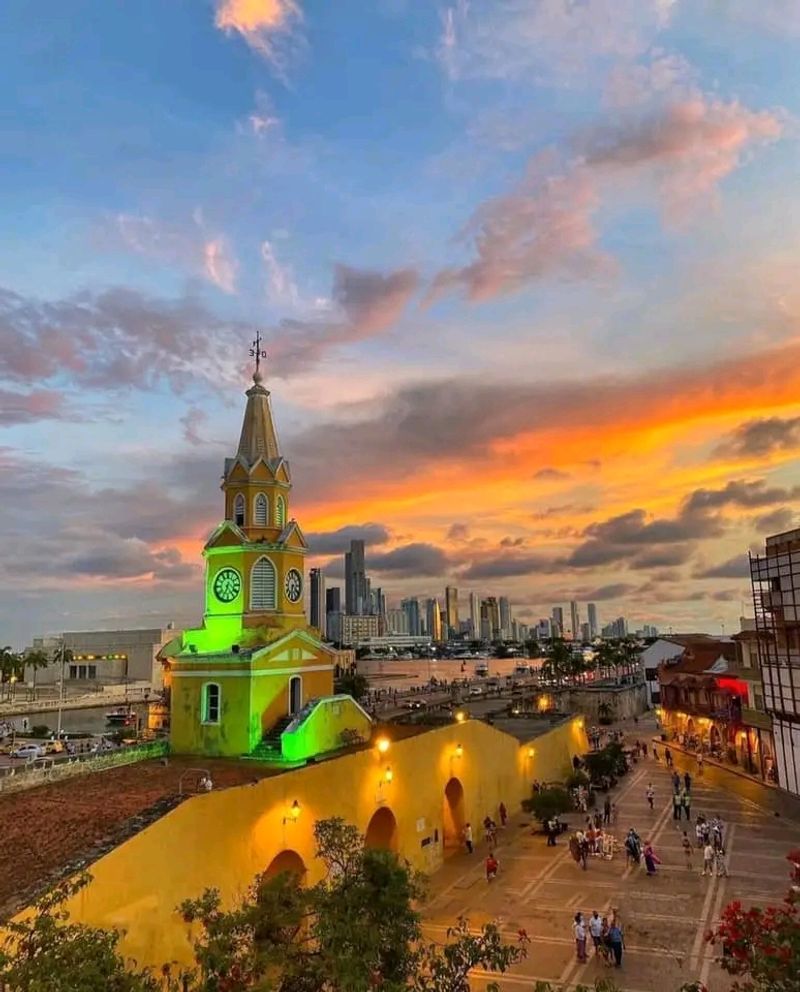
Walking through Cartagena’s walled old city feels like flipping through the pages of a Gabriel García Márquez novel—magical, sun-drenched, and impossibly beautiful. The colonial architecture is painted in shades of yellow, turquoise, coral, and deep red, with bougainvillea spilling over iron-railed balconies above cobblestone streets.
It is one of those places that looks even better in person than in photos, which is saying something.
Founded in 1533, Cartagena was once one of Spain’s most important ports in the Americas and was a major center of the transatlantic slave trade. The city’s walls—built to defend against pirate attacks—still stand strong today and are a UNESCO World Heritage Site.
Walking the top of the walls at sunset offers spectacular views over the Caribbean Sea and the colorful rooftops below.
The food in Cartagena is fantastic, especially the fresh seafood and Caribbean-influenced dishes. Arepa de huevo (fried cornmeal stuffed with egg) is the perfect street food snack.
Day trips to the Rosario Islands offer crystal-clear Caribbean waters ideal for snorkeling. The nearby Mud Volcano of El Totumo—where you can bathe in a crater full of warm mud—is one of the quirkiest and most fun experiences in all of Colombia.
Cartagena is simply irresistible.
Atacama Desert, Chile
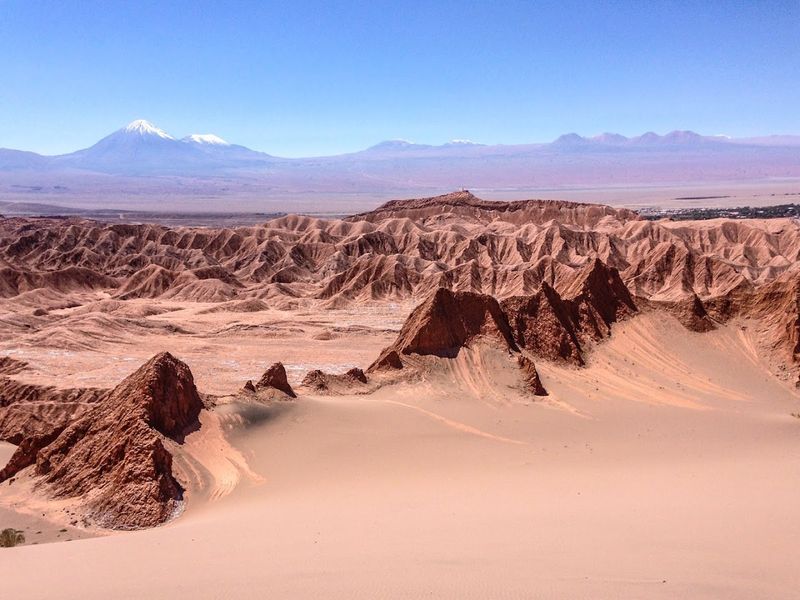
The Atacama Desert is so dry that some parts of it have not seen rain in recorded human history. NASA actually uses it to test Mars rovers because the environment is so similar to the red planet.
Yet despite being the driest non-polar desert on Earth, the Atacama is absolutely packed with things to see, do, and wonder at.
The landscapes here shift dramatically within short distances. One moment you are standing on a vast salt flat, and the next you are surrounded by rust-colored canyons and steaming geysers at 4,000 meters above sea level.
The Valle de la Luna (Valley of the Moon) is a must-visit—its eroded rock formations and sand dunes glow orange and purple at sunset in a way that genuinely stops you in your tracks.
At night, the Atacama becomes one of the world’s best stargazing destinations. The extreme altitude, dry air, and lack of light pollution make the Milky Way visible to the naked eye with stunning clarity.
Several observatories in the region offer guided tours. San Pedro de Atacama is the main hub for tours and accommodation—a small, charming adobe town that serves as a perfect base.
The Atacama proves that harsh environments can hold extraordinary beauty.
Lake Titicaca, Peru/Bolivia
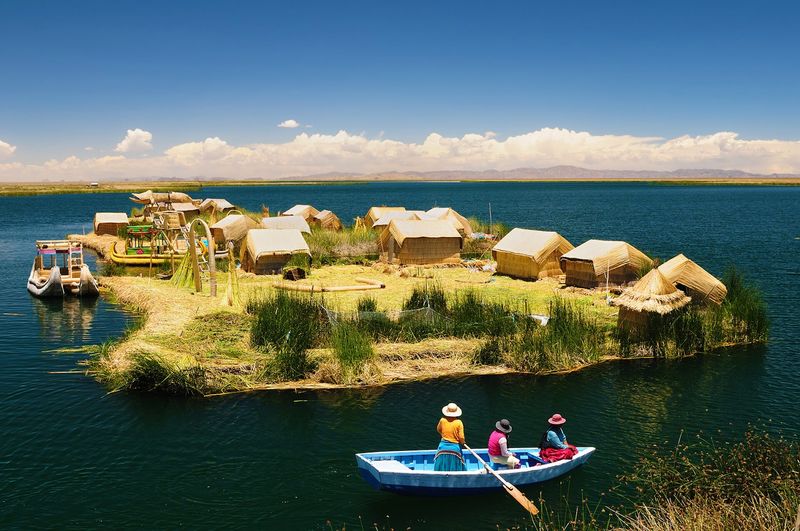
At 3,812 meters above sea level, Lake Titicaca holds the remarkable title of the world’s highest navigable lake—and the altitude will remind you of that fact the moment you step off the boat and feel slightly breathless. But push through the thin air, because what waits here is one of the most culturally rich experiences in all of South America.
The lake sits on the border of Peru and Bolivia and is sacred in Andean mythology—believed by the Inca to be the birthplace of the sun and the origin of their civilization. The most fascinating attraction is the floating islands of the Uros people, constructed entirely from dried totora reeds.
The islands float on the lake’s surface and have been home to the Uros community for centuries. Visiting is a genuinely humbling and eye-opening cultural exchange.
Taquile Island is another highlight, where the local community maintains ancient weaving traditions so impressive that UNESCO has recognized their textile art as an intangible cultural heritage. The men of Taquile knit hats as a social practice, and their work is extraordinarily detailed.
Sunsets over the lake turn the water shades of gold and deep blue. Lake Titicaca is a destination that connects you to something ancient and deeply human.
Valparaíso, Chile
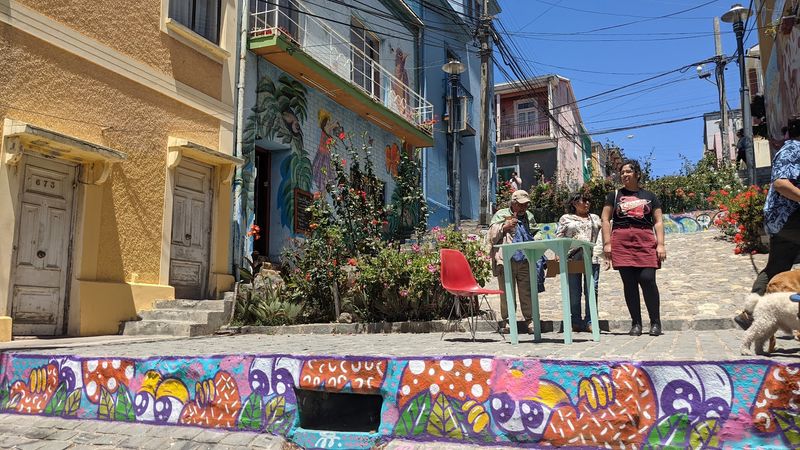
Valparaíso does not follow the rules. This port city on the Chilean coast is a magnificent, chaotic, gloriously colorful mess of steep hills, vintage funiculars, and street art that covers nearly every available surface.
Chilean poet Pablo Neruda called it the most beautiful city in the world, and once you see it, that claim feels completely reasonable.
The city is built across more than 40 hills, called cerros, each with its own distinct character and community. Getting around means riding the historic ascensores—old wooden funicular elevators that creak up the hillsides and have been operating since the late 1800s.
From the top, the views over the bay and the colorful maze of rooftops below are genuinely stunning. Wandering without a fixed plan is the best strategy here.
Valparaíso earned its UNESCO World Heritage status for its unique urban planning and architecture, which reflects waves of immigration from Europe during the 19th century. The restaurant and bar scene is outstanding, with creative Chilean cuisine and excellent local wine.
Cerro Alegre and Cerro Concepción are the most visitor-friendly neighborhoods, lined with cafés, galleries, and boutique guesthouses. The city has a slightly bohemian, artistic soul that makes it feel different from anywhere else in South America.
It rewards slow, curious exploration.
Medellín, Colombia
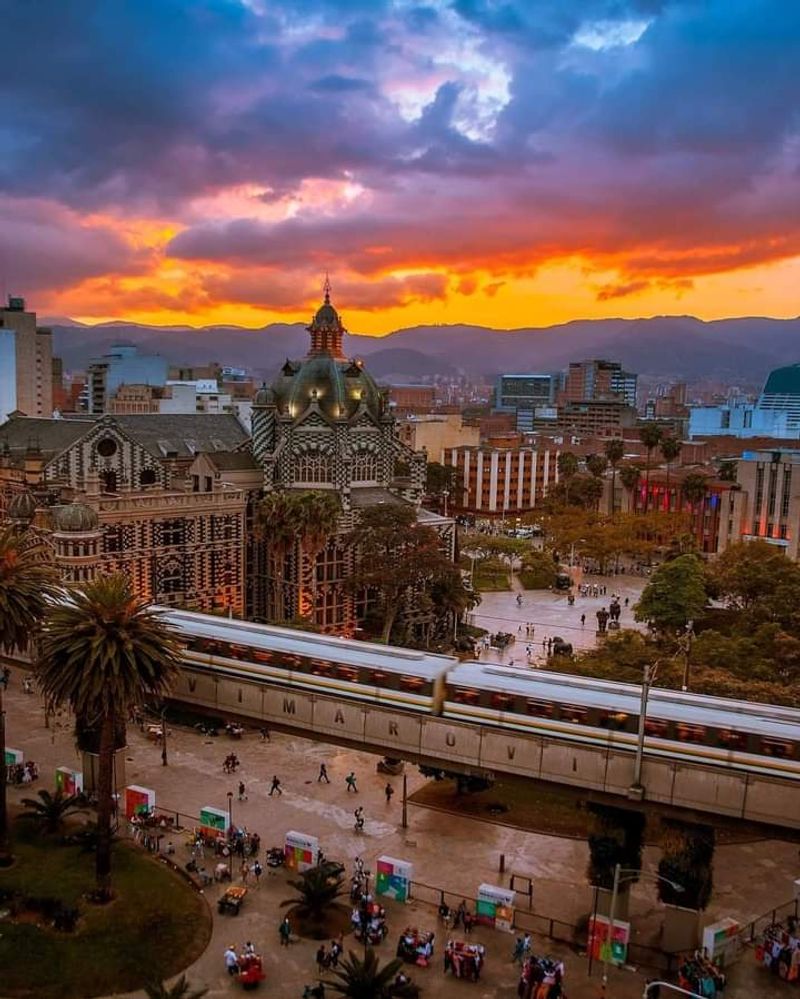
Not many cities in the world can claim the kind of comeback story that Medellín has pulled off. Once considered one of the most dangerous cities on Earth in the 1990s, Medellín has reinvented itself so dramatically that it was named the world’s most innovative city by the Urban Land Institute in 2013—beating out New York and Tel Aviv.
That transformation is genuinely inspiring.
Nicknamed the “City of Eternal Spring” because of its near-perfect year-round temperature of around 22°C, Medellín sits in a lush Andean valley and is surrounded by green mountains. The cable car system—originally built to connect impoverished hillside neighborhoods to the city center—is now one of the most celebrated urban innovations in the world.
Riding it offers spectacular views and a fascinating perspective on the city’s social progress.
The neighborhoods of El Poblado and Laureles are lively hubs for restaurants, nightlife, and coffee shops. The Botero Plaza in the city center features larger-than-life bronze sculptures by Fernando Botero, Colombia’s most famous artist—free to visit and endlessly photogenic.
Day trips to the nearby Guatapé rock (El Peñón) are highly popular, offering a 740-step climb to breathtaking views over a reservoir-dotted landscape. Medellín earns its buzz every single time.
Easter Island, Chile
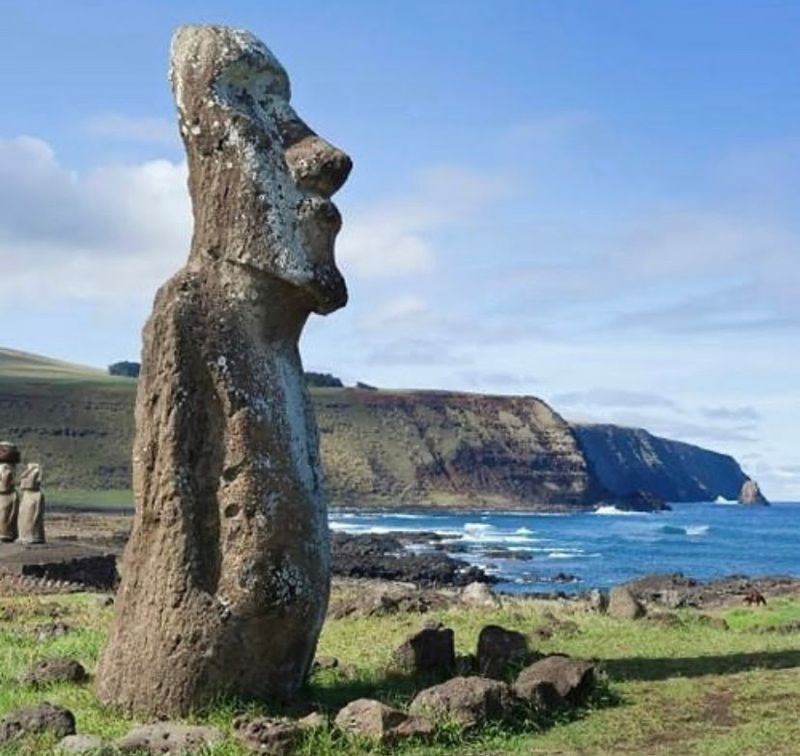
Easter Island sits so far out in the middle of the Pacific Ocean that the nearest inhabited island is more than 2,000 kilometers away. That staggering isolation is part of what makes it so magnetic.
This tiny speck of land—just 163 square kilometers—holds one of the world’s greatest archaeological mysteries: the massive stone Moai statues carved by the Rapa Nui people between the 13th and 16th centuries.
There are 900 Moai scattered across the island, and no one fully agrees on how the Rapa Nui transported these enormous statues—some weighing over 80 tons—across the island without modern machinery. Current theories involve rocking them upright and walking them forward, but the full story remains beautifully unresolved.
Standing face to face with a Moai at Ahu Tongariki, where 15 statues stand in a row overlooking the sea, is one of those moments that genuinely gives you chills.
The island is a Chilean territory, reachable by a roughly five-hour flight from Santiago. Accommodation is limited and books up quickly, so planning ahead is essential.
Renting a bicycle or scooter to explore the volcanic craters, beaches, and ceremonial sites at your own pace is the best approach. Easter Island is remote, mysterious, and utterly unforgettable—a destination that feels like the edge of the world.
Angel Falls, Venezuela
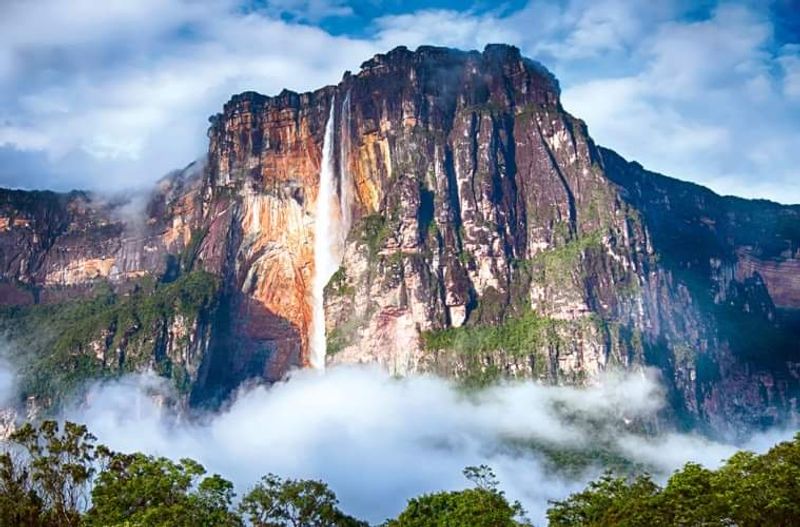
Dropping nearly 979 meters from the edge of a flat-topped mountain called Auyán-tepui, Angel Falls is so tall that the water turns to mist before it even reaches the ground on windy days. It is the highest uninterrupted waterfall on Earth—about 15 times taller than Niagara Falls—and it sits deep inside Canaima National Park, one of the largest national parks in the world.
Despite the name, there is nothing angelic about the journey to get there—and that is exactly the point. Reaching Angel Falls requires a flight to the jungle town of Canaima, followed by a motorized dugout canoe ride through winding rivers, and then a hike through dense rainforest.
The effort is significant, but arriving at the base of the falls and craning your neck upward at that impossible column of water is a payoff that few experiences in life can match.
The falls were named after American aviator Jimmie Angel, who flew over them in 1933 and later crash-landed his plane on top of the tepui. His plane remained on the summit for 33 years before being removed.
The best time to visit is during the rainy season (June to December) when water flow is at its peak. Venezuela’s current travel situation requires careful research and planning, but for those who go, Angel Falls is absolutely worth the effort.
Share this story