History class usually covers wars, discoveries, and great leaders, but it leaves out some of the strangest, funniest, and most head-scratching moments ever recorded. From countries declaring war on birds to cities flooded with molasses, the past is full of moments that sound made up but are completely real.
These events remind us that humans have always had a talent for getting into ridiculous situations. Get ready to see history in a whole new, wonderfully weird light.
1. The Great Emu War (1932)
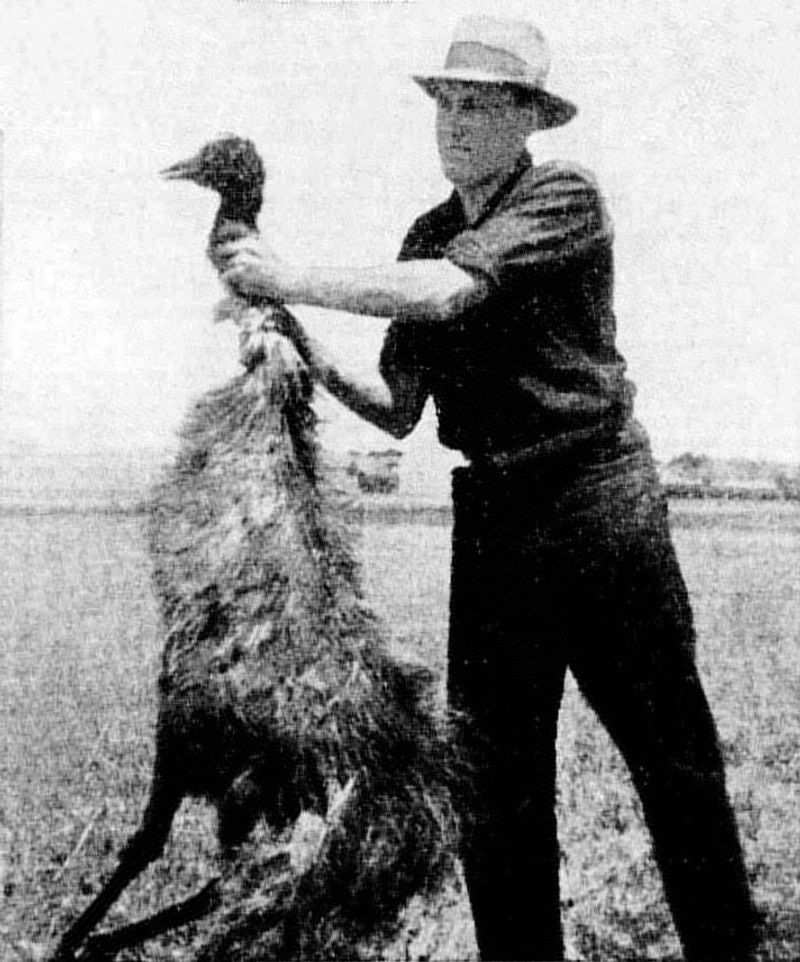
Australia once declared war on a bird, and the bird won. In 1932, the Australian government sent soldiers armed with machine guns to control a massive population of emus that were destroying wheat crops in Western Australia.
It seemed like a straightforward mission, but nobody told the emus.
The birds were surprisingly fast, tough, and nearly impossible to pin down. They scattered across the land in small groups, making organized attacks nearly useless.
Soldiers fired thousands of rounds and barely made a dent in the emu population.
Major G.P.W. Meredith, who led the operation, reportedly said the emus could take several bullets and keep running.
After weeks of embarrassing failure, the military withdrew. Farmers were left to deal with the emus themselves using simple fencing.
The Great Emu War remains one of the most gloriously absurd military defeats in recorded history.
2. The Dancing Plague (1518)
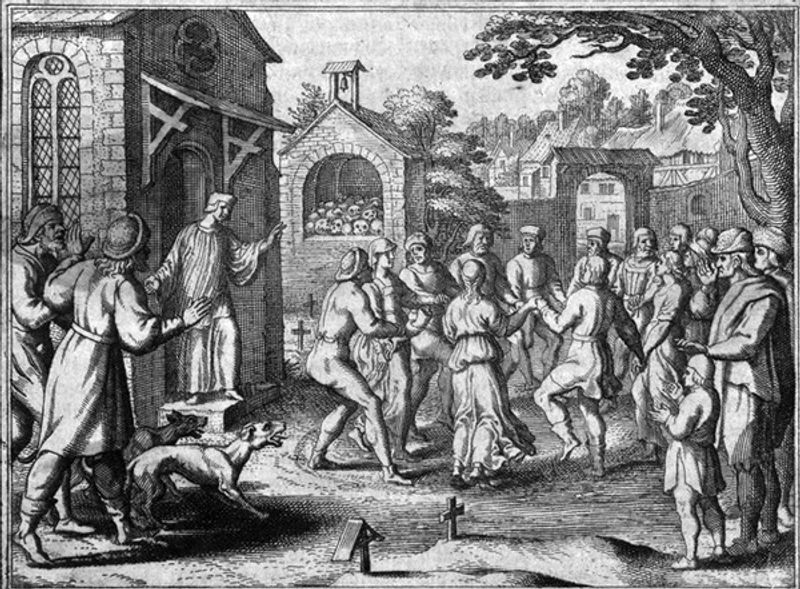
Imagine being unable to stop dancing, no matter how tired or hungry you became. That is exactly what happened in Strasbourg in July 1518, when a woman named Frau Troffea stepped outside and began dancing nonstop in the street.
Within a week, dozens of others had joined her without any music playing.
At its peak, around 400 people were reportedly dancing day and night. Some collapsed from exhaustion.
Others reportedly died from heart attacks or strokes. Local authorities, baffled by the situation, actually hired musicians thinking more dancing would help people get it out of their systems, which made things worse.
Historians still debate what caused it. Some believe it was mass hysteria triggered by extreme stress and famine.
Others point to ergot fungus on food crops, which can cause convulsions. Either way, the Dancing Plague of 1518 stands as one of history’s strangest unsolved mysteries.
3. The Cadaver Synod (897 AD)
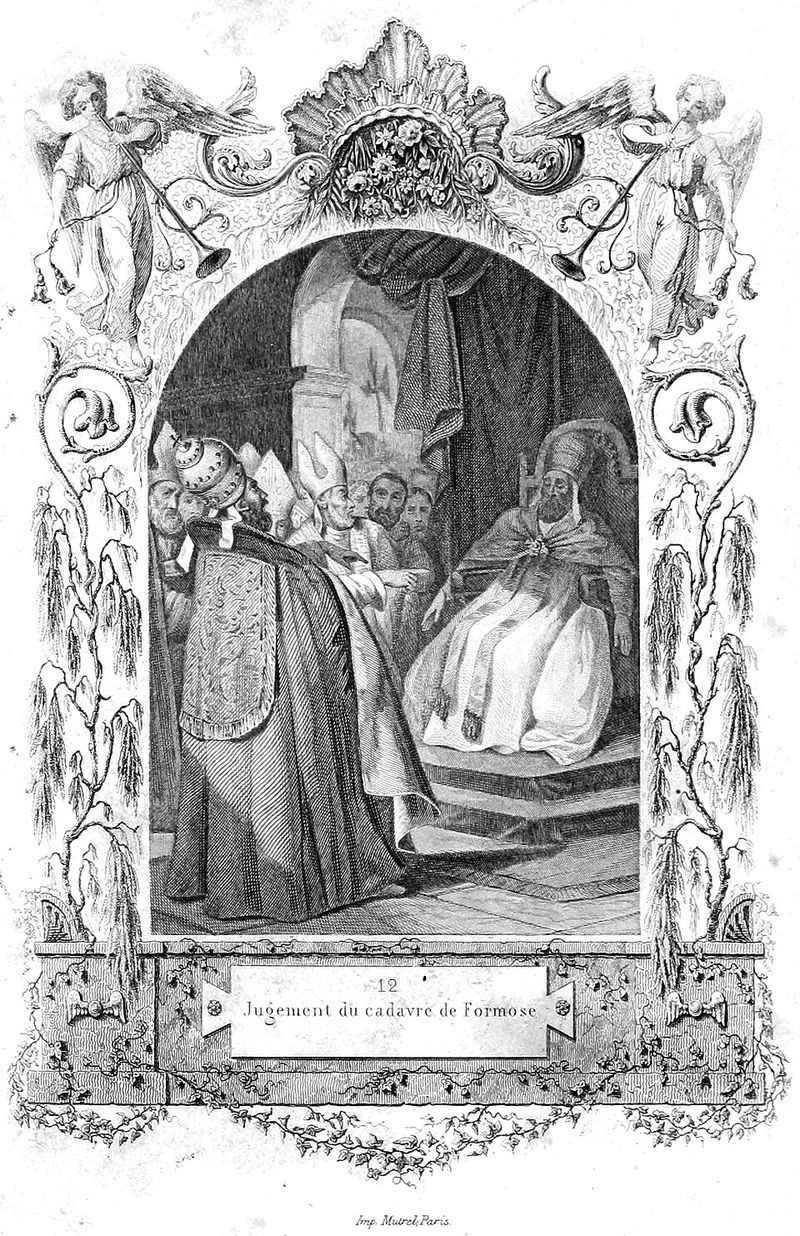
Few events in history are as bizarre as putting a dead man on trial. In January 897 AD, Pope Stephen VI ordered the exhumed body of his predecessor, Pope Formosus, to be dressed in papal robes and propped up in a courtroom chair.
A deacon was appointed to speak on behalf of the corpse.
Stephen VI screamed accusations at the rotting body throughout the trial, demanding answers the dead man obviously could not give. Formosus was found guilty of various church violations.
His papal vestments were torn off, three fingers on his right hand were cut off, and his body was eventually thrown into the Tiber River.
The whole spectacle horrified the Roman public. Shortly after, Stephen VI was overthrown, imprisoned, and strangled in his cell.
The Cadaver Synod became a symbol of how badly church politics could spiral out of control in the medieval era.
4. The Defenestration of Prague (1618)
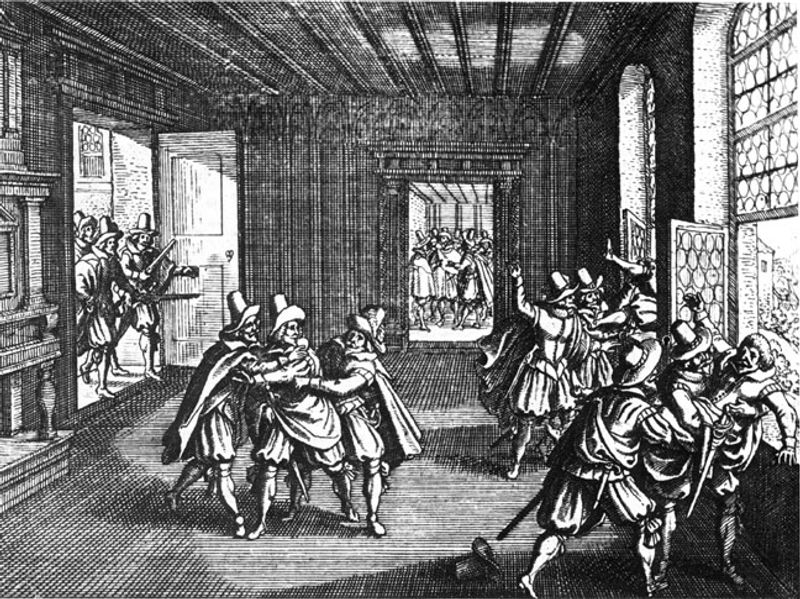
Getting thrown out of a window sounds like a guaranteed disaster, but three men in 1618 managed to survive it in the most undignified way possible. During a heated political dispute in Prague, two Catholic royal governors and their secretary were grabbed by Protestant noblemen and hurled from a castle window roughly 70 feet above the ground.
Miraculously, all three men lived. Catholics declared it a divine miracle.
Protestants, however, pointed out the less glamorous truth: the men had landed in a large pile of horse manure and garbage that cushioned their fall. The word defenestration literally means the act of throwing someone out of a window, and this event is so famous it actually gave us that word.
The incident helped spark the Thirty Years War, one of Europe’s deadliest conflicts. It is a rare moment in history where a pile of manure may have literally changed the course of civilization.
5. The Bucket War (1325)
Wars have been started for many reasons throughout history, but few are as gloriously petty as a stolen wooden bucket. In 1325, soldiers from the city of Modena raided the nearby city of Bologna and stole an oak bucket from a well.
Bologna demanded it back. Modena refused.
What followed was an actual armed conflict known as the War of the Oaken Bucket, or the Battle of Zappolino. Thousands of soldiers clashed in open battle over this wooden pail.
Modena won the battle decisively, and just to rub it in, they kept the bucket. The bucket reportedly still exists today and is displayed inside a tower in Modena.
Historians note that the bucket was really just the excuse, as deeper political rivalries between the two city-states fueled the conflict. Still, the idea that a bucket triggered a war and became a trophy is one of history’s most entertainingly petty chapters.
6. Napoleon Attacked by Bunnies (1807)

Napoleon Bonaparte conquered much of Europe, but he met his match at a rabbit hunt in 1807. After signing the Treaties of Tilsit, Napoleon organized a celebratory rabbit hunt for himself and his marshals.
His chief of staff, Alexandre Berthier, was put in charge of gathering the rabbits for the event.
The trouble was that Berthier collected domesticated rabbits instead of wild ones. When the cages were opened, hundreds of rabbits did not scatter in fear.
Instead, they charged straight toward Napoleon and his men, probably expecting to be fed. The swarm was relentless.
Napoleon tried shooing them away with his riding crop. His men tried forming lines to block them.
Nothing worked.
Napoleon was eventually forced to retreat to his carriage and escape. The great military genius was routed by bunnies.
It remains one of the most cheerfully humiliating moments in the career of one of history’s greatest commanders.
7. The London Beer Flood (1814)
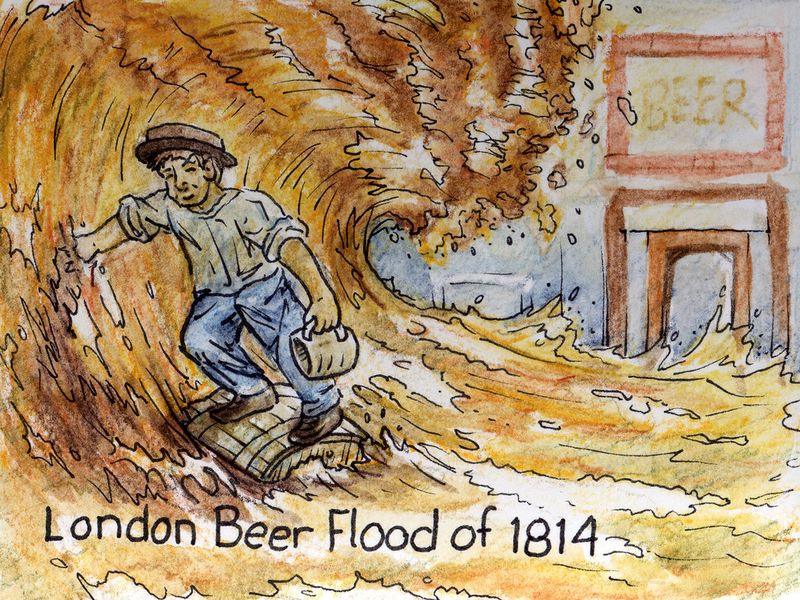
On October 17, 1814, a giant fermentation vat at the Meux and Company Brewery in London ruptured. The resulting chain reaction caused several other vats to burst as well, releasing a wave of over 100,000 gallons of beer into the surrounding streets of the St. Giles neighborhood.
The flood was powerful enough to knock down walls and destroy homes. Eight people died, most from drowning or being crushed by debris.
Some residents reportedly tried to scoop up the free beer with pots and cups before it disappeared into the gutters, which is either resourceful or deeply troubling depending on how you look at it.
The brewery was taken to court but was ultimately found not liable since the flood was ruled an act of God. The London Beer Flood is a strange reminder that industrial accidents in the early 1800s could be as bizarre as they were tragic, leaving a literally sticky mark on history.
8. The Pig War (1859)
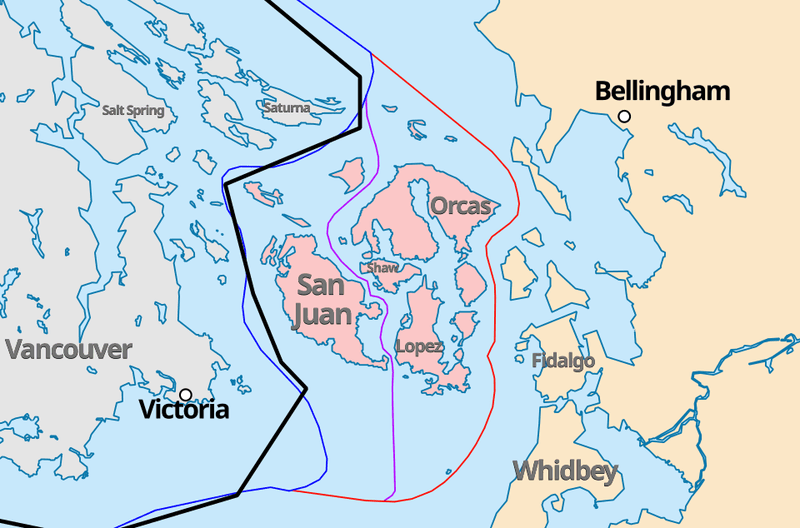
In June 1859, an American farmer named Lyman Cutlar shot a pig on San Juan Island, located between what is now Washington State and British Columbia. The pig belonged to the Hudson’s Bay Company, a British firm.
That single gunshot nearly triggered a war between the United States and Great Britain.
Both countries claimed the island, and the pig incident gave both sides an excuse to flex their military muscle. American soldiers arrived.
British warships followed. At the peak of the standoff, over 460 American troops faced five British warships with 2,140 men.
Cooler heads eventually prevailed, and both sides agreed to a joint military occupation of the island while diplomats sorted things out.
The dispute was finally settled in 1872, with San Juan Island going to the United States. The Pig War lasted over a decade but resulted in zero human casualties.
Only one pig lost its life in the entire conflict.
9. The War of the Stray Dog (1925)
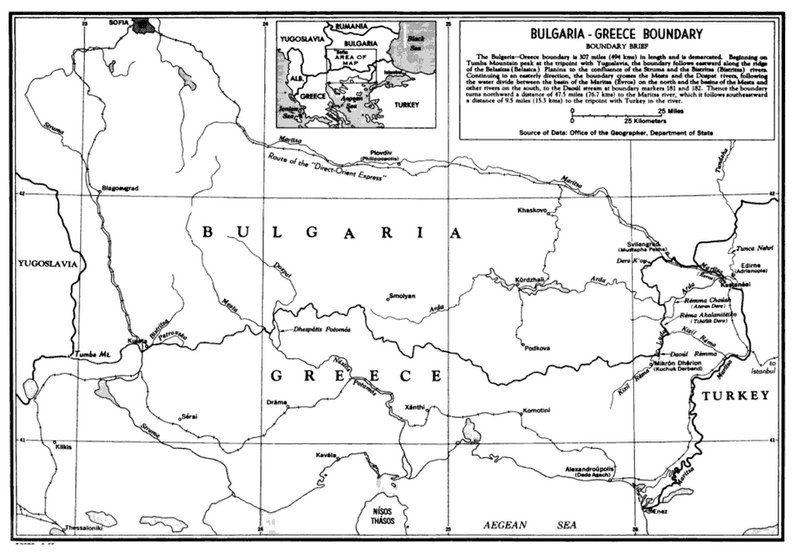
A soldier chasing his runaway dog across an international border might sound like the setup for a joke, but in 1925 it nearly caused a full-scale war. A Greek soldier reportedly crossed into Bulgarian territory while pursuing his stray dog and was shot dead by Bulgarian border guards.
Greece responded with outrage and immediately invaded Bulgaria.
Greek forces occupied several Bulgarian villages near the border. Bulgaria, unable to defend itself effectively, appealed to the League of Nations for help.
The League condemned Greece’s actions and demanded a ceasefire, ordering Greece to pay Bulgaria reparations of around 45,000 pounds. Greece complied and withdrew its troops.
The incident became known as the War of the Stray Dog, or sometimes the Incident at Petrich. It is often cited as one of the League of Nations’ rare early successes in preventing a larger conflict.
All because one soldier could not keep track of his dog on a quiet afternoon.
10. The Great Molasses Flood (1919)
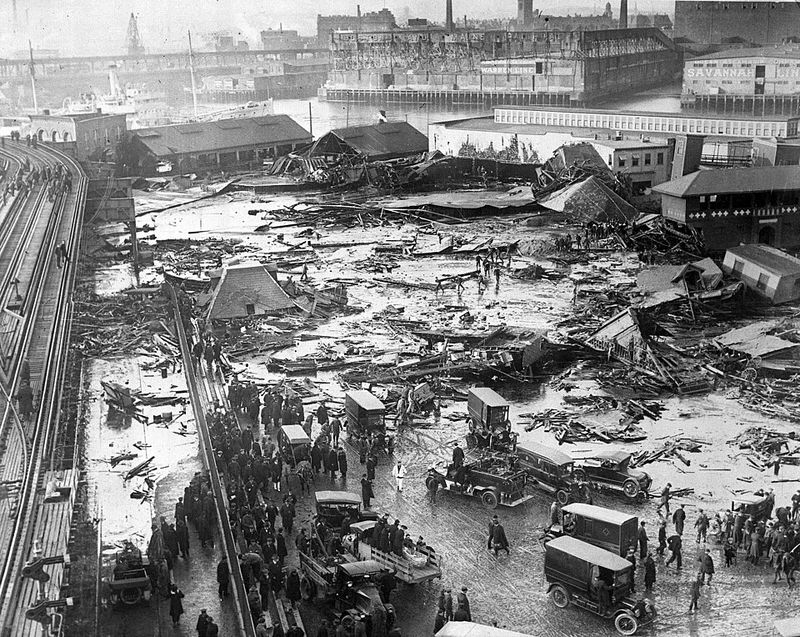
Boston, Massachusetts experienced one of history’s stickiest disasters on January 15, 1919. A large storage tank owned by the United States Industrial Alcohol Company ruptured on Commercial Street, releasing approximately 2.3 million gallons of molasses into the surrounding neighborhood.
The wave reportedly reached speeds of 35 miles per hour.
The flood killed 21 people and injured 150 more. Buildings were destroyed, an elevated railway structure was damaged, and horses became trapped in the thick syrup.
Cleanup crews worked for weeks, and locals reportedly claimed for years afterward that the neighborhood smelled faintly of molasses on hot summer days.
Investigations later revealed that the tank had been poorly constructed and had shown signs of leaking for some time. The company eventually paid out damages to victims.
The Great Molasses Flood is a genuinely tragic event, but it also stands as one of the most surreal industrial disasters in American history.
11. The Time Sweden Had Two February 30ths (1712)

Most people know that February 30th does not exist, but Sweden managed to create it anyway. In the early 1700s, Sweden decided to gradually switch from the Julian calendar to the Gregorian calendar by skipping leap days over several years.
The plan was logical on paper but messy in practice.
Sweden forgot to skip the leap day in 1704 and 1708, which left them on their own unique calendar that matched neither the Julian nor the Gregorian system. To fix the confusion, Sweden decided in 1712 to simply add two extra days to February, creating both February 29th and February 30th in the same year.
This brought them back in sync with the Julian calendar.
Sweden did not fully switch to the Gregorian calendar until 1753. The accidental invention of February 30th remains a delightful example of how trying to fix a problem can sometimes make things wonderfully, spectacularly worse before they get better.
12. The Banana as Evidence (1974)
Legal history is full of strange cases, but few are as delightfully odd as the 1974 incident involving a banana as courtroom evidence. A man named Jimmy Lee Smith, already convicted of murder, attempted to use a banana during a court proceeding as part of an unusual argument related to his case in California.
The banana was reportedly brought in as a prop or symbolic object during one of his many post-conviction hearings. The presiding judge had to formally address the fruit’s presence in the courtroom, and the incident was recorded in court documents.
It did not help Smith’s legal situation in any meaningful way.
While the banana itself had no legal weight, the case became a quirky footnote in California legal history. It is a reminder that courtrooms, designed for serious and solemn proceedings, are not entirely immune to moments of pure absurdity.
Sometimes history is made one piece of fruit at a time.
13. The Tulip Mania (1630s)
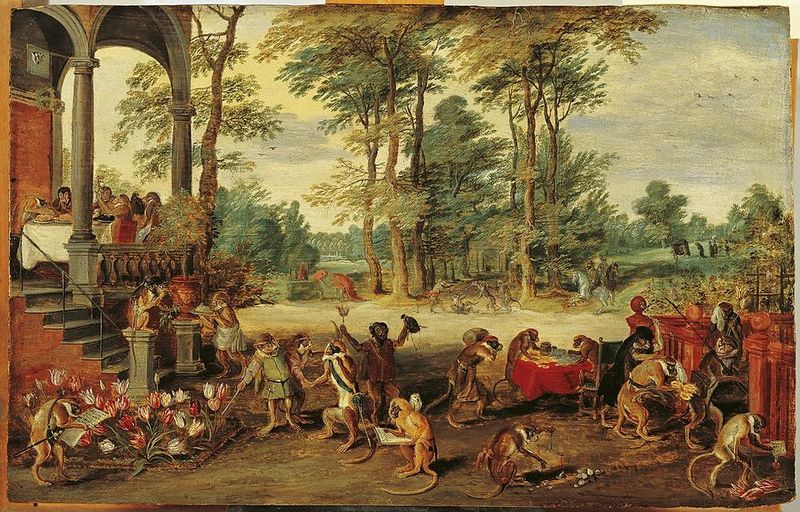
At the height of Tulip Mania in the Netherlands during the 1630s, a single tulip bulb could cost more than a skilled craftsman earned in an entire year. Some rare varieties, like the famous Semper Augustus, reportedly sold for the equivalent of a luxury canal house in Amsterdam.
People were not buying the flowers themselves, just the promise of bulbs that had not even bloomed yet.
Tulip bulbs became a full-blown speculative market, with contracts being traded like stocks. Everyone from wealthy merchants to regular tradespeople jumped in, convinced prices would keep rising.
Then in February 1637, the market collapsed almost overnight. Buyers stopped showing up, prices crashed, and many people lost fortunes they had borrowed to invest.
Tulip Mania is often cited as one of the first recorded speculative economic bubbles in history. It is a surprisingly modern story about greed, hype, and the painful lesson that not everything that blooms is worth its price tag.
14. The War Against Christmas (1647)
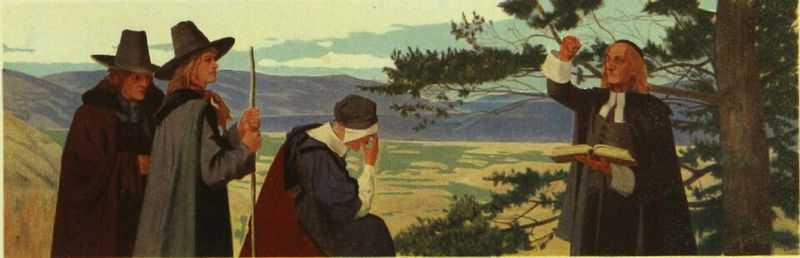
England once officially banned Christmas, and people were not happy about it. In 1647, the Puritan-controlled Parliament passed laws canceling Christmas celebrations across England, Scotland, and Wales.
The Puritans believed that Christmas had become too rowdy, too connected to Catholic traditions, and not serious enough for proper religious observance.
Markets were shut down. Churches that held Christmas services were fined.
Holly and decorations were forbidden. Rather than quietly accepting the ban, many English citizens pushed back hard.
Riots broke out in several towns, including Canterbury, where protesters hung holly decorations in defiance and clashed with authorities in the streets.
The ban remained in place until the monarchy was restored in 1660 under King Charles II, who brought Christmas celebrations back with considerable enthusiasm. The episode is a fascinating reminder that holiday traditions run deep, and that trying to cancel something people love rarely works out well for whoever is doing the canceling.
15. The CIA’s Cat Spy Project (1960s)
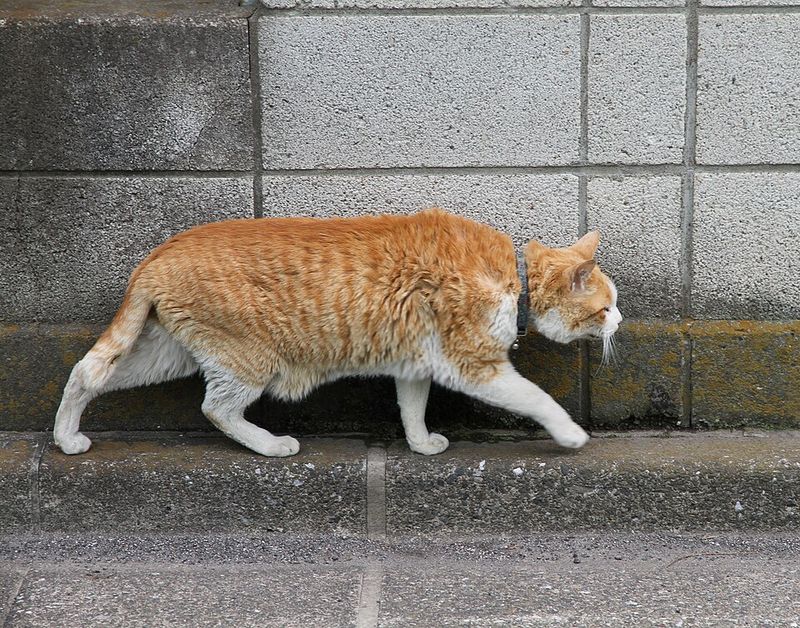
During the Cold War, intelligence agencies tried some genuinely creative approaches to gathering information, but few were as spectacularly impractical as Operation Acoustic Kitty. In the 1960s, the CIA spent approximately 20 million dollars developing a program to turn ordinary cats into living surveillance devices.
Surgeons implanted a microphone in a cat’s ear canal, a small radio transmitter at the base of its skull, and ran an antenna through its tail. The idea was that a cat wandering near Soviet officials in parks or embassies could pick up conversations without raising suspicion.
Cats, after all, go anywhere they please.
The first field test ended immediately when the cat walked away from the target and was struck by a passing taxi. The CIA reportedly concluded that cats were simply too independent and unpredictable to be reliable spies.
Operation Acoustic Kitty was officially shut down, leaving behind one of the most expensive and fur-brained ideas in espionage history.
Share this story