Cape May, New Jersey is already famous for its Victorian architecture and wide sandy beaches, but tucked along Delaware Avenue, right beside the harbor, there is a nature destination that quietly outshines many of the bigger attractions in town. A free, family-friendly campus run by New Jersey Audubon, it draws curious kids, bird enthusiasts, and anyone who wants a break from the beach without actually leaving the waterfront.
The place features an observation tower, themed gardens, live animals, and hands-on activities that keep both children and adults genuinely engaged. What makes it even more interesting is how much is packed into a relatively compact space, and how well the whole experience connects visitors to the natural world of the Jersey Shore.
Read on to find out exactly why this spot deserves a spot on every Cape May itinerary.
Where You Will Find It and What to Expect
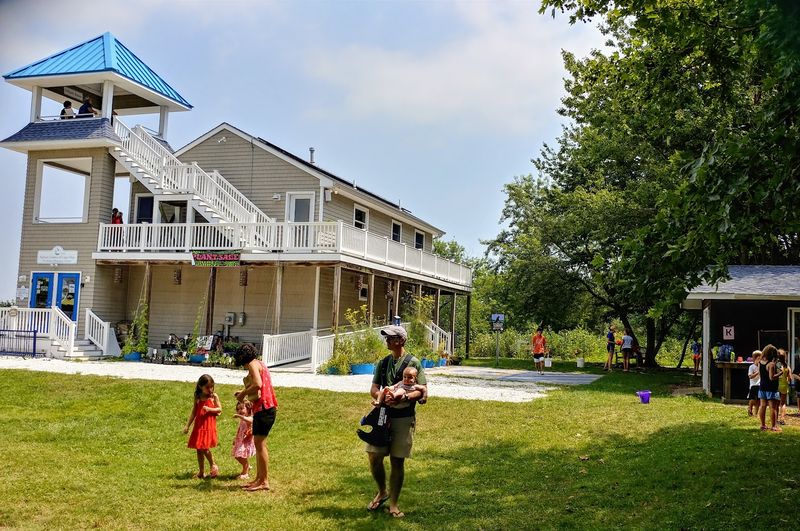
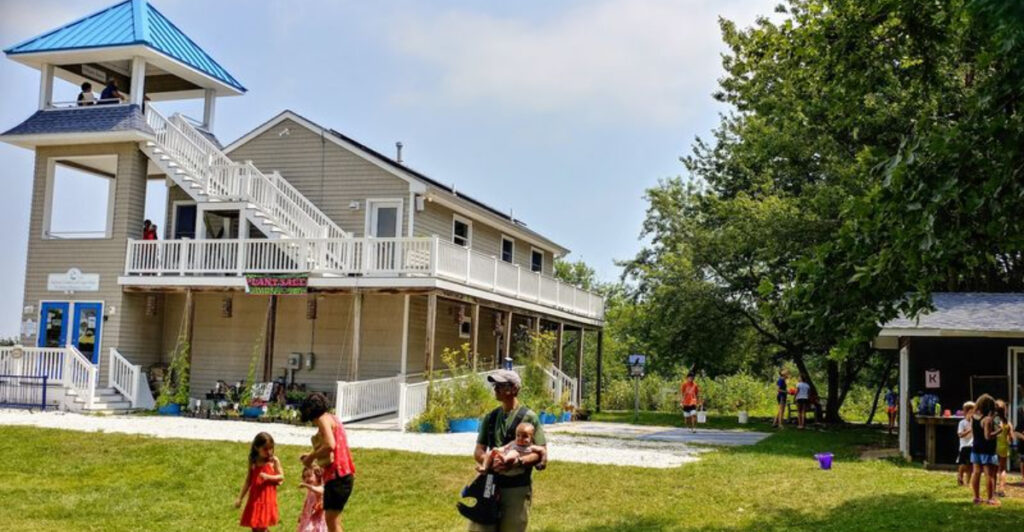
Right on the edge of Cape May Harbor, the Nature Center of Cape May sits at 1600 Delaware Ave, Cape May, NJ 08204, operated by New Jersey Audubon. The building itself is compact but surprisingly well-organized, with multiple floors dedicated to different types of programming and exploration.
The center is open daily from 10 AM to 4 PM, which makes it easy to fit into a morning or afternoon outing without much planning. Admission is completely free, which is a genuinely rare thing in a tourist town like Cape May.
The location next to the harbor is not just scenic but also practical. Across the street, kayak rentals are available for those who want to get out on the water.
The surrounding area includes native plant gardens and short walking paths, making the whole block feel like a connected natural experience rather than just a single building to pop in and out of.
A Building That Works on Multiple Levels
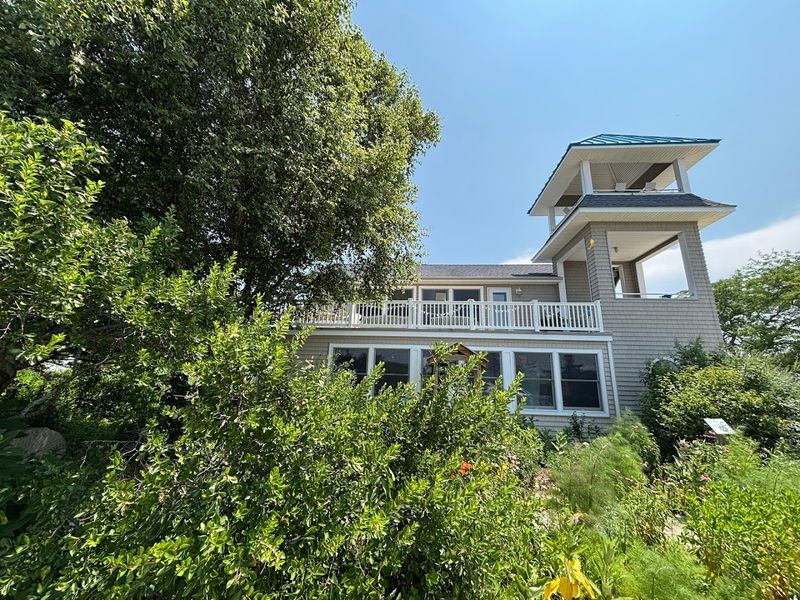
The layout of the Nature Center of Cape May is one of its most practical strengths. The first floor holds a well-stocked gift shop with reasonably priced items, a rarity in a town where most souvenir shops lean heavily toward the premium end of the market.
Head upstairs and the second floor opens up into displays featuring insects, small animals, and interactive exhibits that hold a child’s attention without requiring constant adult explanation. There are tanks with reptiles, two chinchillas, and benches positioned so that younger kids can get up close to the live animals without struggling to see over the edge.
The third floor is where the building truly earns its place beside the harbor. A wrap-around observation deck and a top-tier lookout offer clear views across the water, and the center provides free binoculars for anyone who wants to scan the bay for birds.
That kind of thoughtful detail makes the whole visit feel genuinely welcoming.
The Aquatic Lab That Surprises Everyone
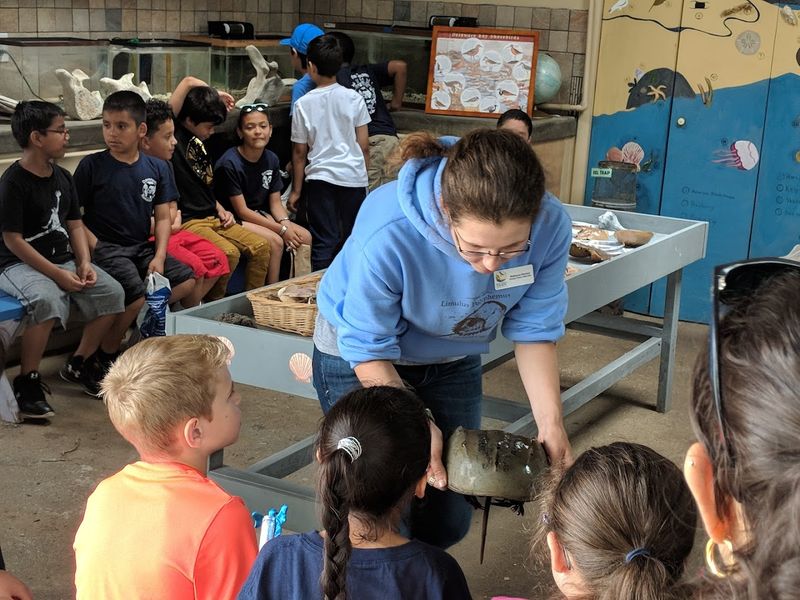
Around the back of the main building, there is a separate structure that tends to catch people off guard in the best way. The aquatic lab is a hands-on space filled with tanks holding crabs, fish, horseshoe crabs, and various marine fossils that can actually be touched.
For kids who have spent days at the beach without getting close to the actual wildlife living in that water, this room is a genuine revelation. Horseshoe crabs, which look like something from a science fiction film, are one of the highlights, and the staff are knowledgeable enough to answer the stream of questions that kids inevitably fire off.
Class trips regularly use this space, and it is easy to see why. The setup allows for structured learning without the stiff formality of a classroom.
Even adults who think they know the Jersey Shore coastline tend to leave the aquatic lab having learned something they did not know before walking in.
Gardens Built for Butterflies and the People Who Love Them
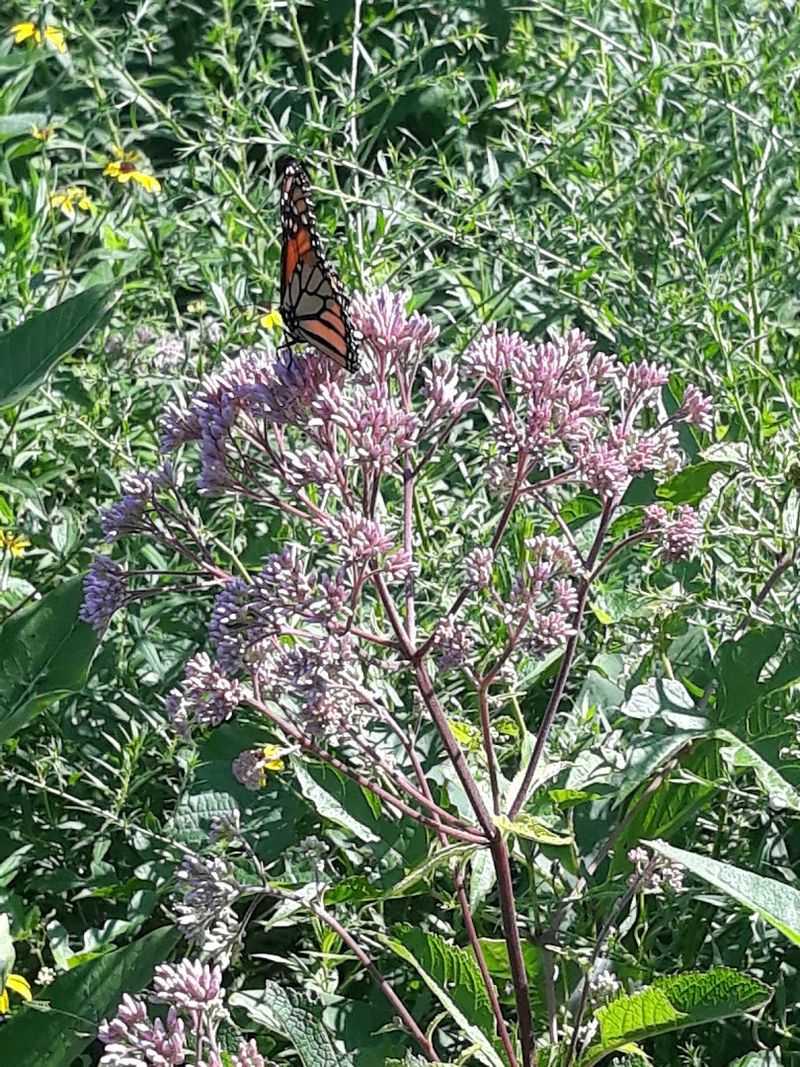
Outside the main building, a garden path winds through plantings of milkweed and other native species specifically chosen to support monarch butterflies. The garden is not just decorative.
It is a functioning habitat that plays a real role in monarch butterfly conservation along the Atlantic flyway.
Cape May sits at a critical point on the migration route for monarchs traveling south in the fall, and the Nature Center leans into that geography with purpose. The milkweed plantings give migrating butterflies a place to stop, feed, and continue their journey.
Native plants from the garden are also available for purchase, which means visitors can take a piece of the conservation effort home with them. For anyone interested in creating a butterfly-friendly yard, the staff can offer practical guidance on which plants work best in New Jersey’s climate.
The garden manages to be both beautiful and genuinely useful, which is a combination that does not come along as often as it should.
The Monarch Butterfly Festival Is Worth Planning Around
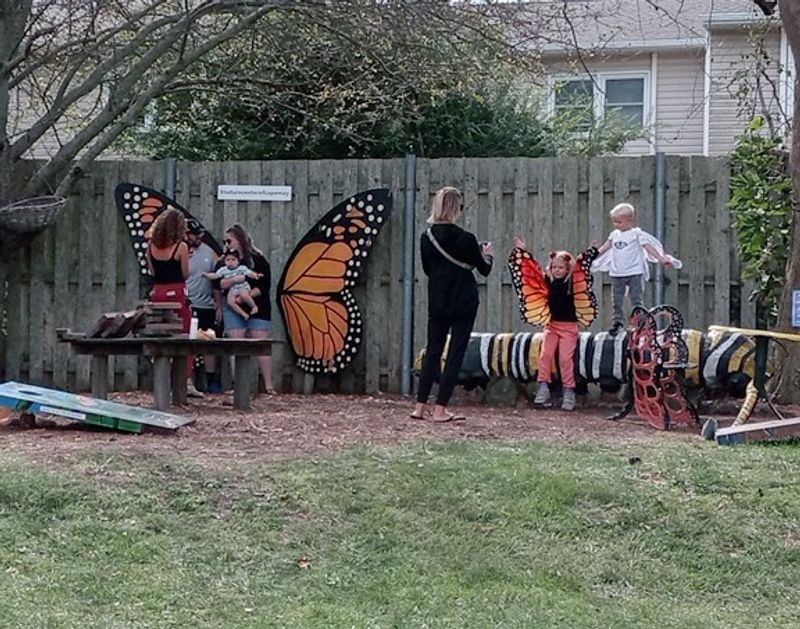
Once a year, the Nature Center of Cape May hosts the Monarch Butterfly Festival, and it transforms the campus and surrounding area into one of the most lively community events on the Cape May calendar. The festival draws a crowd that includes families, nature enthusiasts, and people who simply want to spend a few hours near the harbor doing something different.
The event typically features live music, food trucks, a variety of local vendors, and a monarch tagging demonstration that is genuinely one of the more memorable things you can watch on the Jersey Shore. The tagging process involves carefully attaching a small sticker to a butterfly’s wing so researchers can track its migration route.
The festival has a relaxed, community-fair atmosphere that makes it accessible to all ages. For families with young children, it is one of those rare outdoor events where the kids stay engaged the entire time without anyone needing to check a phone for entertainment.
Bird Watching Right by the Harbor
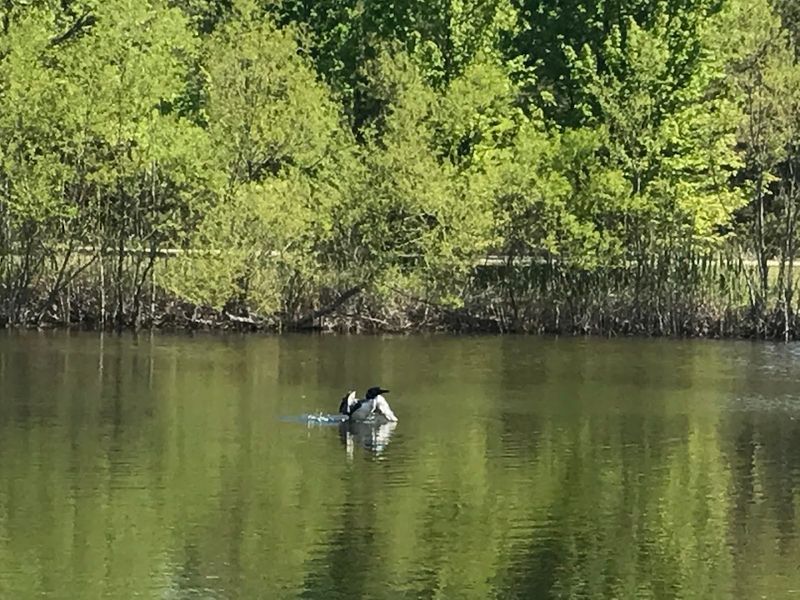
Cape May is one of the top bird-watching destinations in the entire United States, and the Nature Center of Cape May is positioned right in the middle of that action. The observation deck on the upper floor of the building looks directly out over the waterway across the street, where birds gather in numbers that can genuinely surprise first-time visitors.
The center provides free binoculars to anyone who wants to use them, which removes one of the most common barriers for casual bird watchers who have not yet invested in their own equipment. Staff members are available to help identify species and point out what to look for at different times of year.
Cape May sits along the Atlantic Flyway, one of the major migration corridors in North America, and the fall season in particular brings an extraordinary variety of species through the area. The center serves as a calm, accessible starting point for both experienced birders and those who have never thought much about birds before.
Programs That Go Beyond the Building
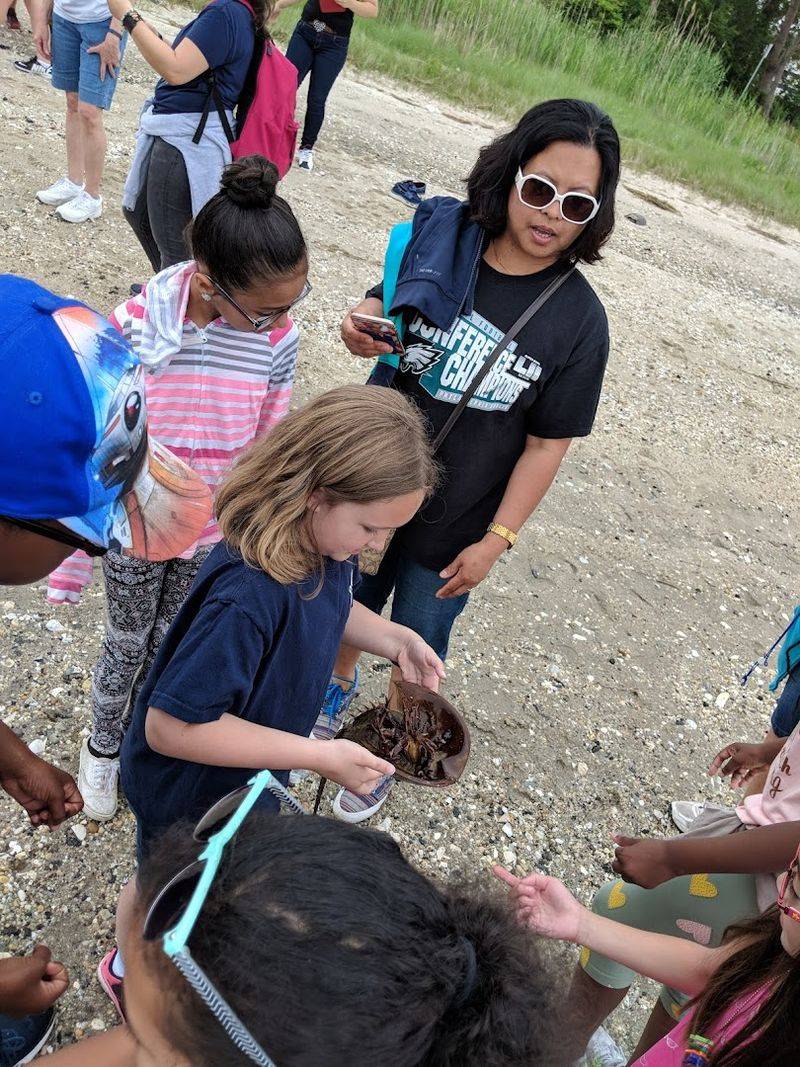
The Nature Center of Cape May runs a rotating calendar of programs that extend well beyond the walls of the main building. The Harbor Tour program is one of the standouts, taking participants out along the waterway to learn about the wildlife living in and around Cape May Harbor.
The tours are led by knowledgeable staff who explain local ecosystems in a way that connects abstract ideas to the actual environment right in front of the group. For kids, having a naturalist point to a real bird or a real crab while explaining its role in the habitat is far more effective than reading about it in a book.
Other programs have included guided tours of beach plum habitats in the dunes, which combine local botanical history with a short hike. The variety of offerings means that repeat visits to the center rarely feel like the same experience twice, which is one of the better arguments for adding it to a regular Cape May rotation.
Summer Camp With a Serious Nature Focus
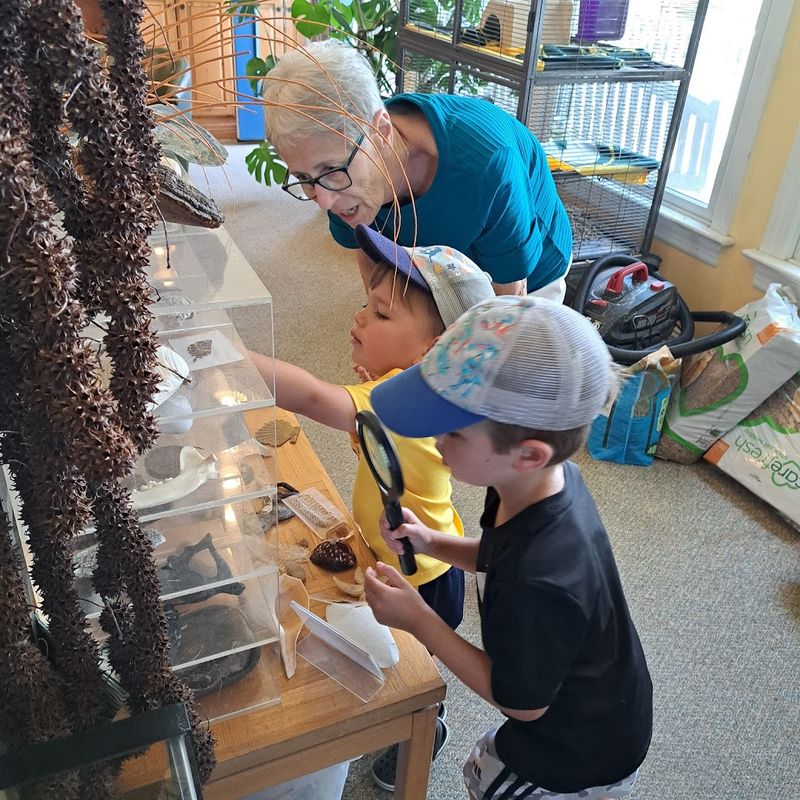
For families who spend extended time in Cape May during the summer, the Nature Center runs a summer camp program sponsored through New Jersey Audubon. The camp is designed for children who have a genuine interest in the natural world, and it covers topics ranging from marine life to bird identification to local plant ecology.
The pricing is considered reasonable compared to many other summer programs in the region, and the curriculum is built around the specific ecosystems of Cape May, which gives it a depth and relevance that generic nature camps often lack.
Registration fills up, so early sign-up is recommended for families planning ahead. Kids who attend tend to leave with a noticeably stronger connection to the natural environment, which is the kind of outcome that is hard to put a number on but easy to recognize.
For parents looking for a summer program that genuinely teaches something lasting, the camp has built a strong reputation over the years.
What Makes This Place Work for Non-Beach Days
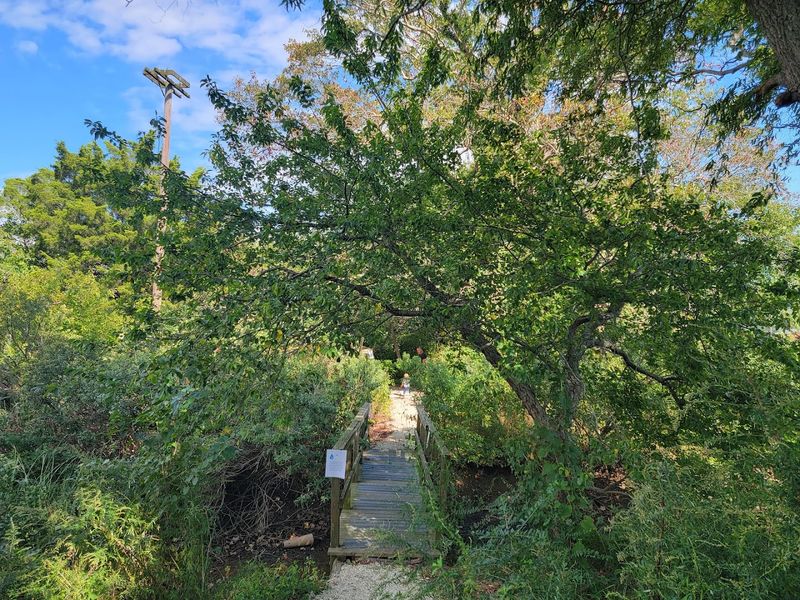
Cape May’s weather is not always cooperative, and there are days when the beach is simply not the right call. The Nature Center of Cape May has become a reliable answer to that situation for families who want to stay engaged with the environment without committing to a full indoor museum experience.
The mix of indoor exhibits, live animals, and outdoor garden paths means the visit can flex depending on the weather. On overcast days, the animal displays and aquatic lab keep kids occupied.
On clear days, the garden path and observation deck add an outdoor layer that connects the whole experience to the harbor setting.
The free admission removes the pressure that comes with paid attractions, where parents sometimes feel obligated to extract maximum value from every minute. At the Nature Center, the pace is relaxed by design, and spending an hour or two without any particular agenda is entirely normal and perfectly acceptable.
The Harbor Setting That Sets the Tone
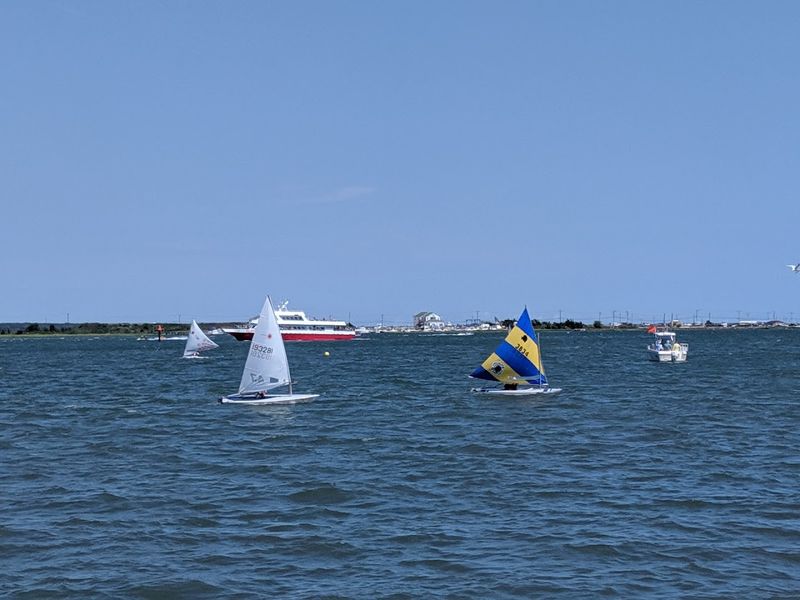
The location of the Nature Center of Cape May is not incidental. Sitting right beside the harbor means the surrounding environment is part of the experience before anyone even walks through the door.
The waterway across the street is an active habitat, with birds, marine life, and tidal movement that shift with the seasons.
That proximity to the harbor is also what gives the center’s programs their specificity. The Harbor Tour, the bird-watching deck, and the aquatic lab all draw directly from the ecosystem right outside the building.
There is a coherence to the whole setup that makes the educational content feel grounded rather than abstract.
For anyone who has spent time in Cape May primarily focused on the beach, seeing the harbor side of the peninsula offers a genuinely different perspective on what makes the area ecologically significant. The Nature Center is the most accessible entry point into that side of Cape May’s natural character.
Why It Keeps Drawing People Back
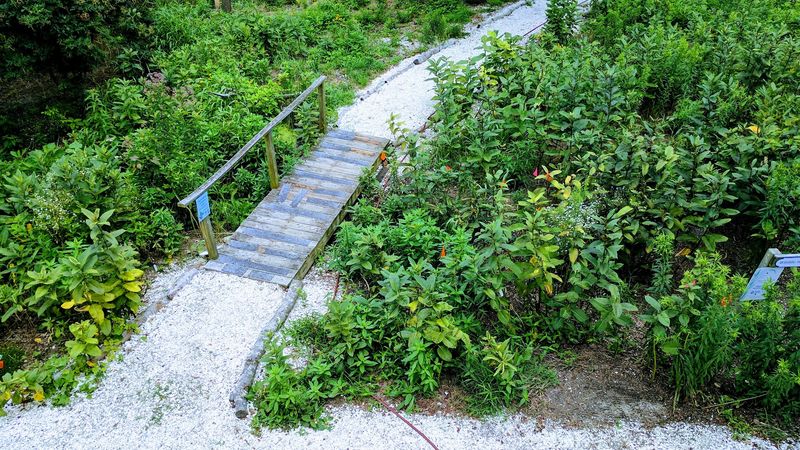
A free attraction in a popular resort town that consistently earns strong word of mouth is not something to take lightly. The Nature Center of Cape May has built that kind of reputation by focusing on what it does well and not overcomplicating the experience.
The rotating calendar of programs means the center offers something different depending on when you visit. Fall brings monarch migration events.
Summer brings camps and harbor tours. Year-round, the live animals, observation deck, and garden path provide a consistent baseline that holds up across multiple visits.
Families who return to Cape May year after year often include the Nature Center as a standard stop rather than an occasional one. The consistency of the staff, the quality of the programming, and the simple fact that it is free make it one of those places that earns loyalty without demanding it.
For a town full of reasons to visit, this one sits quietly near the top of the list.
Share this story