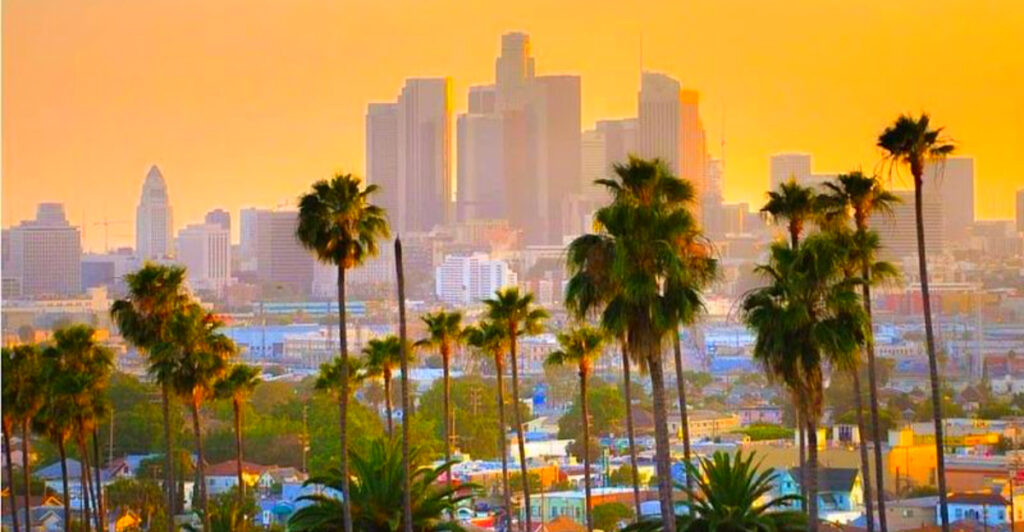
Travel in 1994 sat at a fascinating crossroads: package tours were booming, airfare felt more attainable, and glossy brochures still had real power before online booking took over. The year mixed old-school vacation habits with new global curiosity, sending families, honeymooners, and first-time international travelers toward places that defined the era.
Some destinations were riding fresh pop-culture buzz, while others were simply the reliable stars of every dream itinerary. This list revisits 16 spots that seemed to appear everywhere in 1994, and the details explain exactly why they captured so much attention.
1. Orlando, Florida, USA
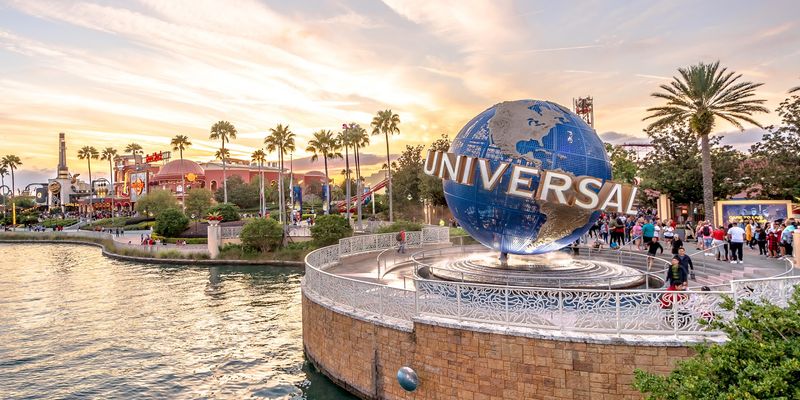
If any city had a lock on the family vacation market in 1994, it was this one. Orlando benefited from Disney’s giant pull, Universal’s rising profile, and a hotel boom that made weeklong trips feel manageable for middle-class households.
You were not just booking rides. You were buying the full mid-90s package: character breakfasts, souvenir photos, rental cars, and the promise of seeing the places featured in commercials all year.
The city also fit the decade’s taste for planned entertainment districts, making it one of the clearest examples of how tourism became a carefully engineered experience.
2. Paris, France
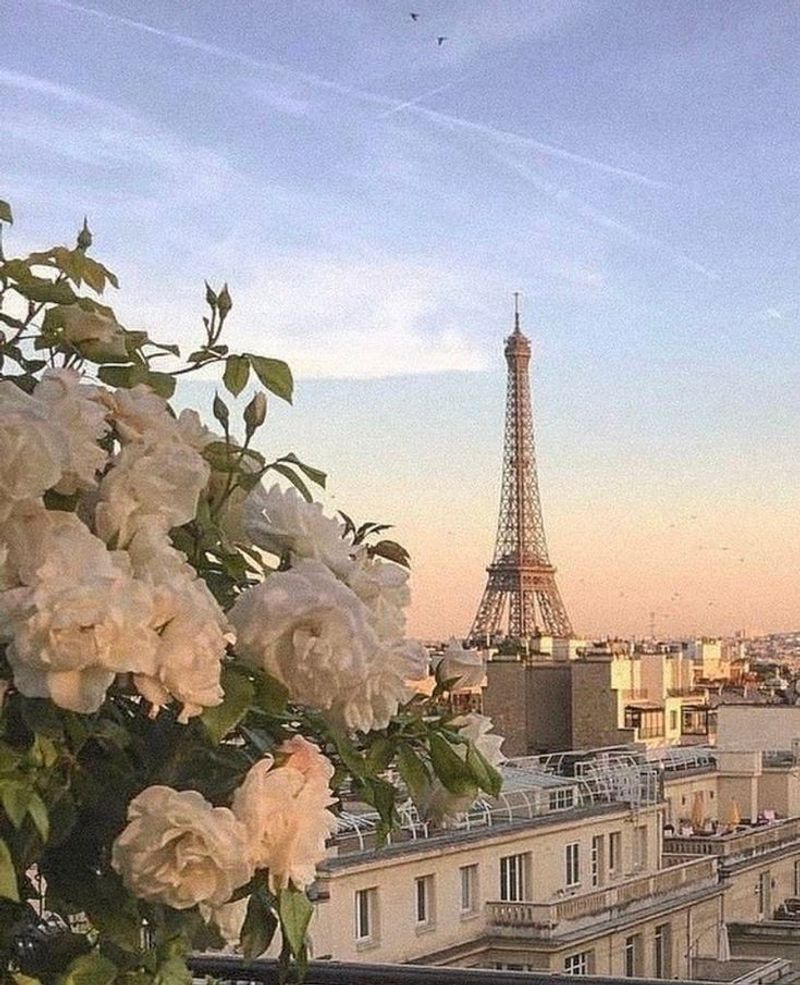
Some destinations never leave the wish list, and Paris was firmly in that category in 1994. It remained the classic European stop for first-time visitors, school trips, honeymooners, and anyone assembling the kind of itinerary that looked impressive in a photo album.
The appeal went beyond romance slogans. Paris offered instantly recognizable landmarks, major museums, reliable rail connections, and a sense of cultural prestige that travel marketing leaned on constantly during the 1990s.
For Americans especially, it represented the polished, essential Europe trip, the one that signaled you had done the real thing instead of merely collecting beach towels and airport postcards.
3. Las Vegas, Nevada, USA
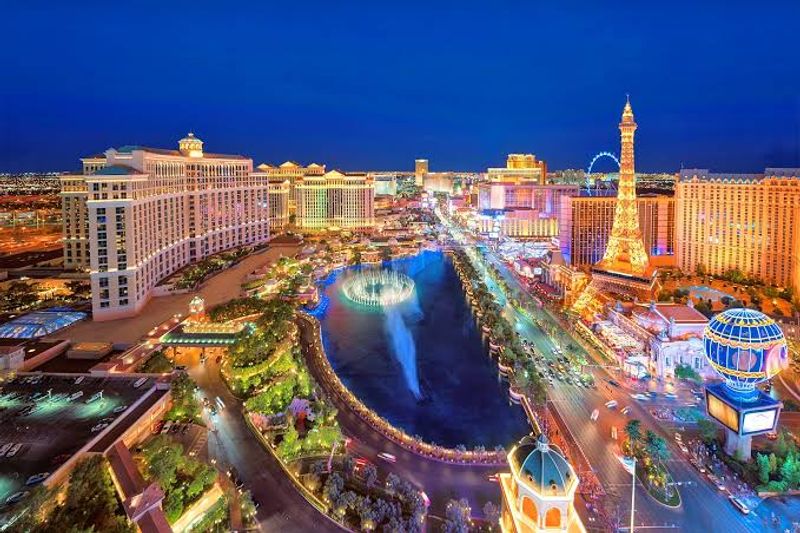
By 1994, Las Vegas was busy rewriting its image in full view of the public. The city still traded on casinos, of course, but mega-resorts, themed properties, and headline entertainment were expanding its audience far beyond traditional gamblers.
That shift mattered because it made Vegas feel like a spectacle-first destination. Families, convention visitors, and casual tourists could treat the Strip as a sightseeing zone packed with visual excess and big-name shows.
The city fit the decade’s larger taste for bigger, louder, more packaged leisure, and it was becoming clear that the future of Las Vegas was not just cards and slot machines but all-day, all-purpose tourism.
4. London, England
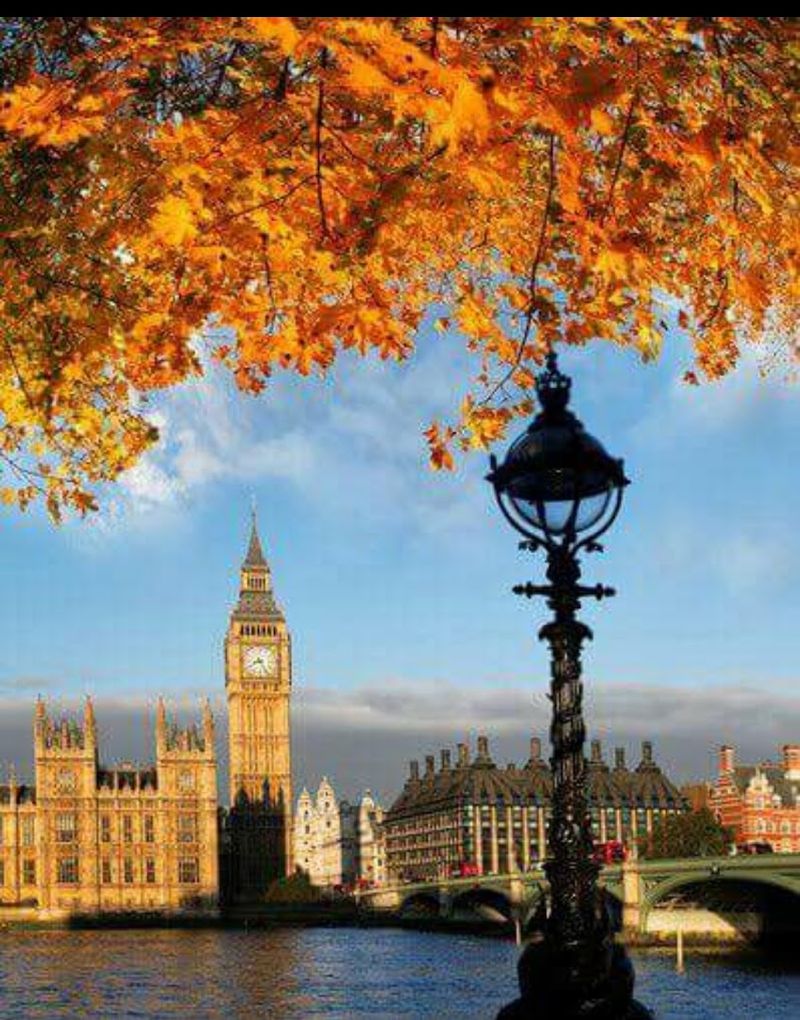
London had the rare talent of feeling traditional and current at the same time in 1994. Visitors came for the major landmarks, but they also arrived during a decade when British music, fashion, and media were making the city seem newly influential to younger travelers.
That combination gave London unusual reach. It worked for history-focused tourists, shoppers, theatergoers, and people chasing the broader cultural buzz that would soon be labeled Cool Britannia.
Easy English-language navigation helped too, especially for North American travelers trying Europe without wanting every part of the trip to feel unfamiliar. London was comfortable, global, and packed with icons, which is usually enough to keep airports busy.
5. Rome, Italy
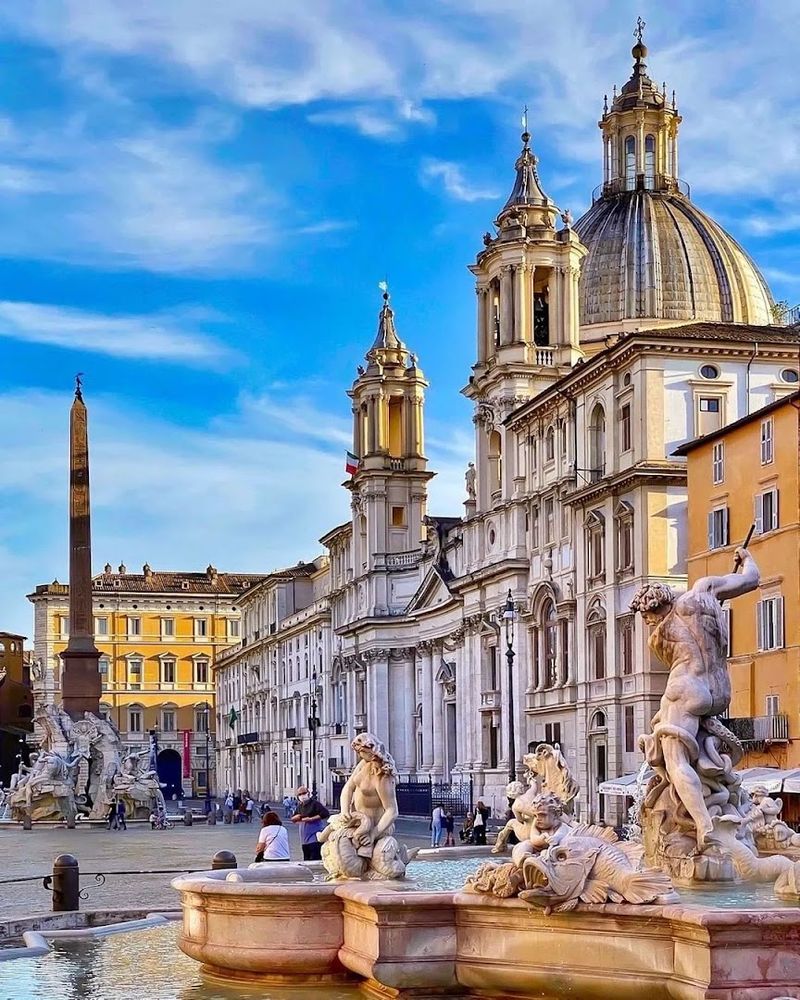
History did plenty of the marketing for Rome in 1994. Few cities could match its concentration of famous sites, and tour companies loved that it fit neatly into broader European itineraries built around art, ruins, churches, and reassuringly photogenic piazzas.
Rome also benefited from the decade’s strong appetite for multicity vacations. Travelers wanted destinations that delivered obvious landmarks, and the Colosseum, Vatican, and Roman Forum did that without needing much explanation.
The city could be crowded, chaotic, and unforgettable all at once, which was part of its hold on visitors. If a 1994 traveler wanted a trip that sounded educational and looked impressive in snapshots, Rome was an easy sell.
6. New York City, USA
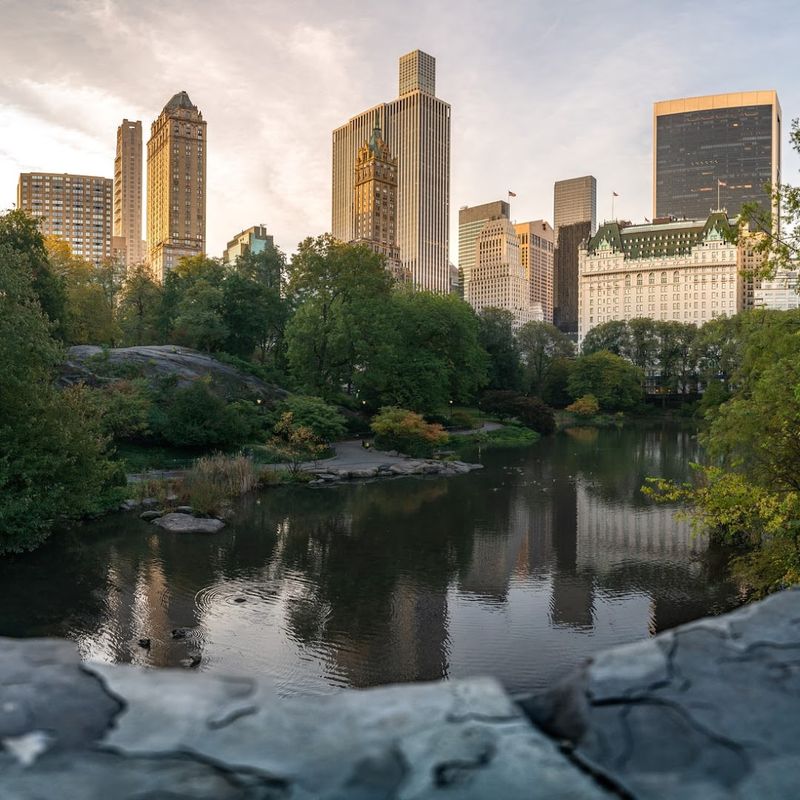
No city sold ambition and tourism in the same package quite like New York in 1994. Visitors arrived for Broadway, museums, department stores, famous streets, and the simple bragging rights of saying they had tackled the country’s biggest urban playground.
The city also had a major media advantage. Films, television, and magazines kept Manhattan permanently visible, so even first-time travelers felt they already knew parts of it before arriving.
In the mid-90s, New York was increasingly marketed as both cultural capital and vacation challenge, the kind of place where you could spend all day moving between landmarks and still feel behind schedule. That was not a drawback.
It was part of the sales pitch.
7. Honolulu, Hawaii, USA
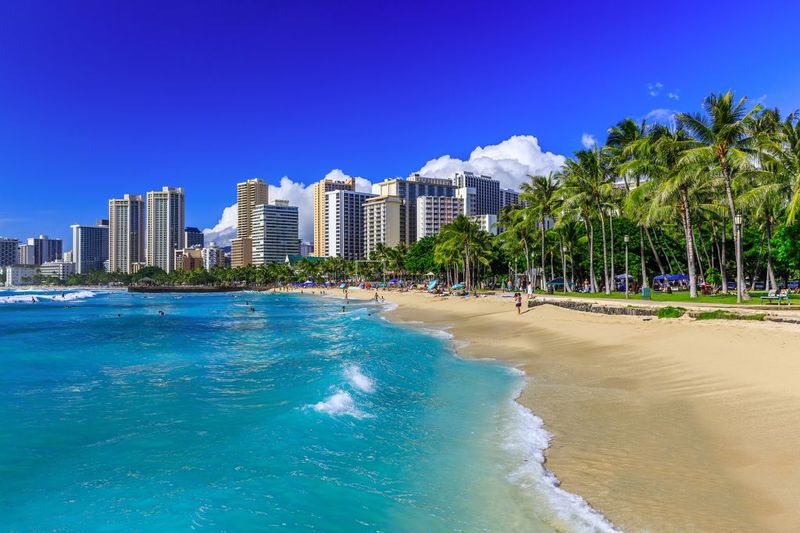
For plenty of travelers in 1994, Honolulu represented the dream trip that still felt possible with enough planning. Waikiki’s famous strip, major resorts, and recognizable beach image made it the most approachable gateway to Hawaii for visitors coming from the mainland United States.
Its strength was variety. You could frame Honolulu as a beach escape, a family trip, a honeymoon, or a base for outdoor activities, and all of those versions had ready-made tourism infrastructure behind them.
Airlines and tour packages helped reinforce that accessibility. Even people who never made the trip knew the visuals from ads and television, which gave Honolulu a familiar status long before anyone started calling places bucket-list destinations.
8. Barcelona, Spain
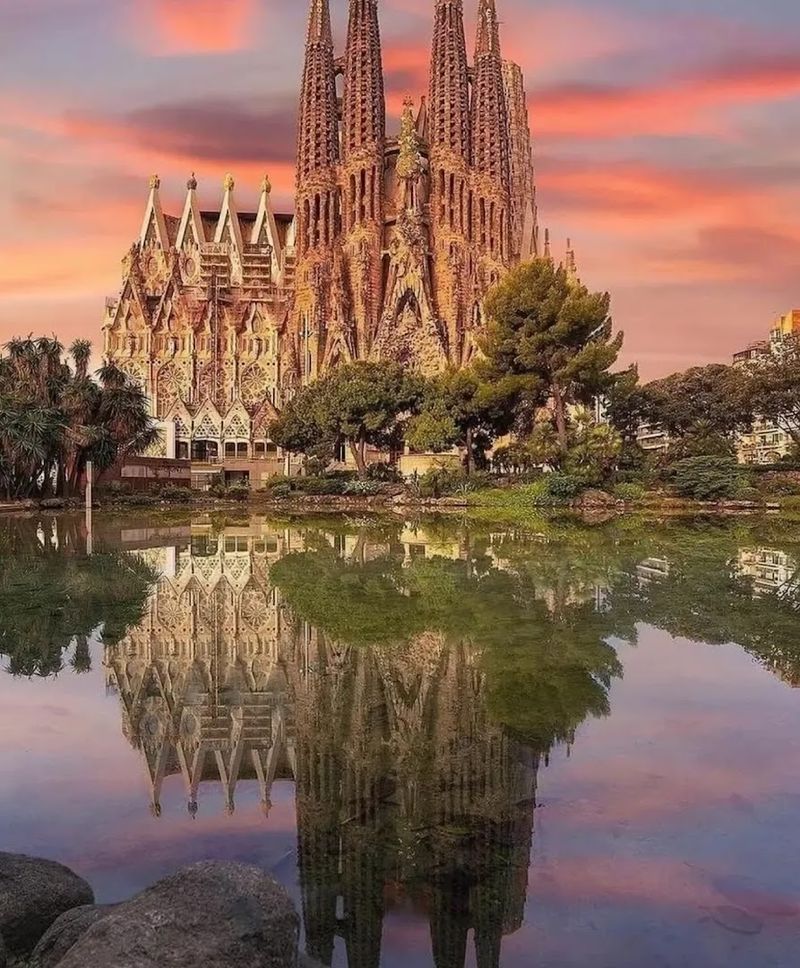
Barcelona spent the early 1990s doing something cities dream about: converting a major event into lasting tourism momentum. After the 1992 Olympics, international attention stayed fixed on the city, and by 1994 it had become one of Europe’s most talked-about urban getaways.
Travelers could get architecture, museums, beaches, and nightlife without choosing only one version of the trip. That flexibility made Barcelona especially attractive to younger visitors and first-time Spain travelers who wanted a city break with obvious personality.
The Olympic makeover had improved public spaces and boosted global recognition, while Gaudi’s buildings gave guidebooks an easy visual hook. In short, Barcelona looked modern, distinct, and newly confident, which was exactly what 1990s tourism loved.
9. The Bahamas
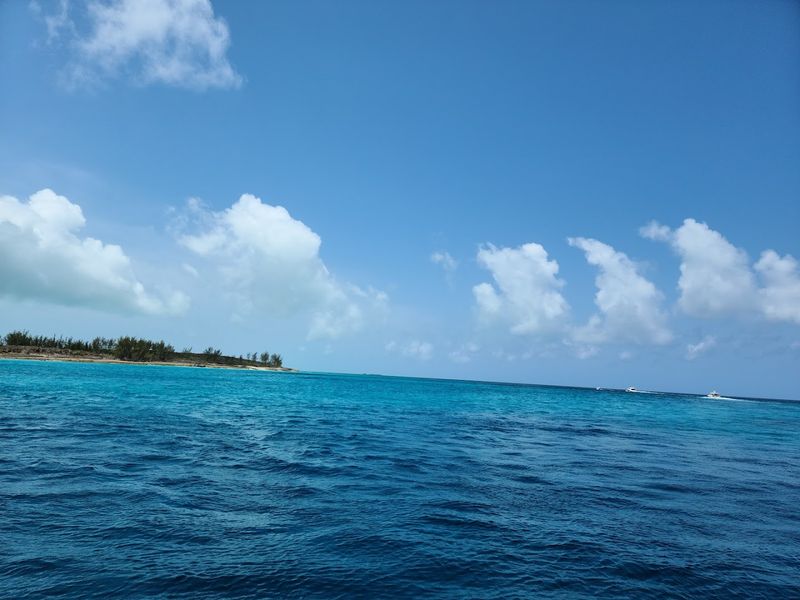
Nothing says 1994 cruise-era convenience quite like a Bahamas stop on the itinerary. The islands benefited from proximity to Florida, heavy promotion by cruise lines, and a reputation for giving travelers Caribbean scenery without requiring especially complicated travel logistics.
That ease mattered in a decade when cruising was expanding into a broader middle-class market. Many visitors experienced the Bahamas as part of a packaged trip, which reinforced its image as an accessible tropical break rather than an intimidating faraway destination.
Nassau and Paradise Island, in particular, became familiar names through brochures and television advertising. For plenty of vacationers, the Bahamas were not just popular.
They were the Caribbean starter kit.
10. Los Angeles, California, USA
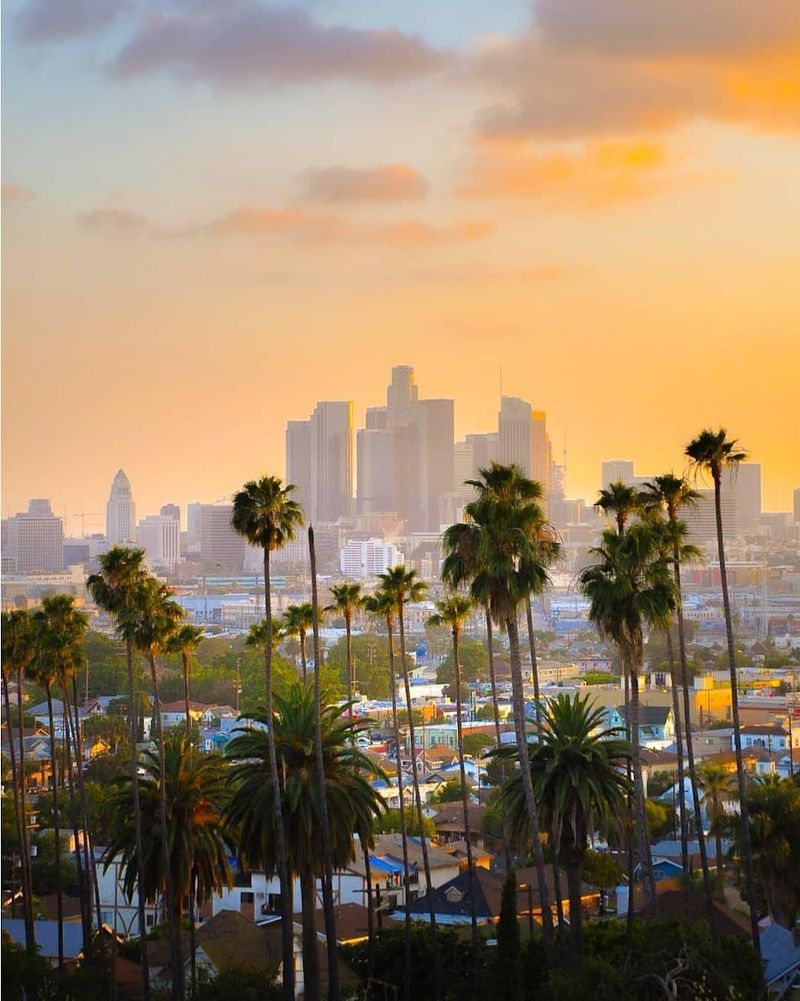
Celebrity culture did a lot of free advertising for Los Angeles in 1994. Tourists came hoping for Hollywood glamour, studio connections, famous streets, and the chance to combine city sightseeing with beach time in a way few destinations could match.
Los Angeles also fit the decade’s fascination with entertainment as a lifestyle category. Movie studios, themed attractions, shopping districts, and recognizable neighborhoods turned the city into a giant pop-culture map.
Even when the experience was mostly traffic and strategic planning, the name itself carried enormous appeal. People wanted to see where television and film were made, and they wanted proof of it in snapshots.
In the mid-90s, Los Angeles still delivered that very effectively.
11. Amsterdam, Netherlands
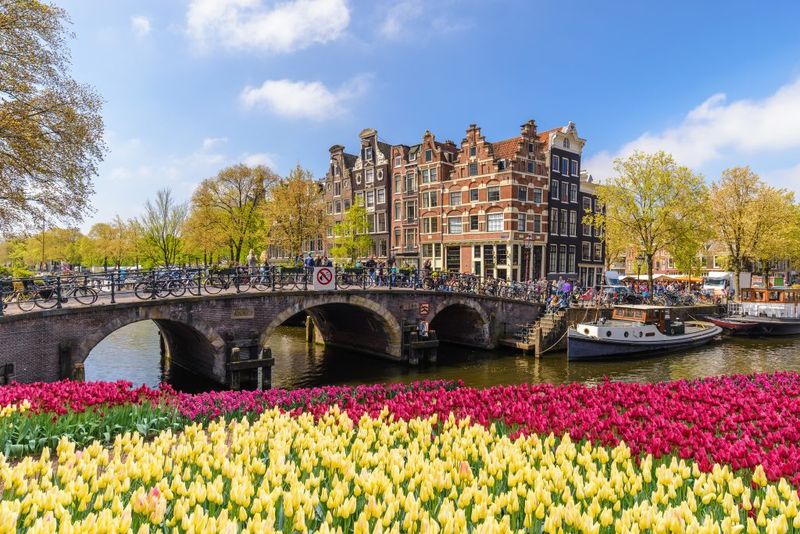
Amsterdam had a knack for seeming cultured, relaxed, and slightly unconventional all at once in 1994. Travelers were drawn by its canals, museums, compact walkability, and a reputation for personal freedom that made it stand out sharply from more formal European capitals.
It was also easy to fit into a broader Europe trip, which helped. Visitors could cover major sights efficiently, then spend the rest of the day in neighborhoods that felt distinct without being difficult to navigate.
The city’s visual identity did a lot of work too. Canals, narrow houses, and bicycles gave travel photography a ready-made character that brochures loved.
Amsterdam managed to feel historic and contemporary together, a dependable recipe for tourist interest.
12. San Francisco, California, USA
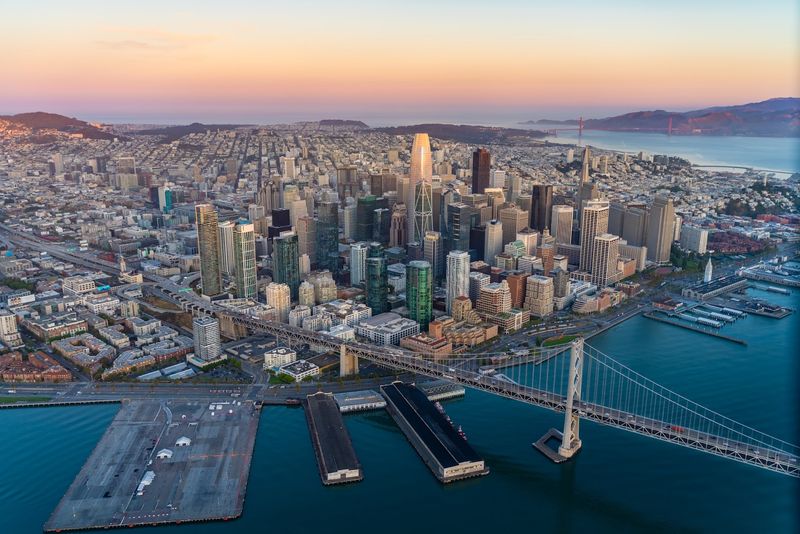
Some cities practically come preloaded with postcard material, and San Francisco was one of them in 1994. Visitors came for the Golden Gate Bridge, cable cars, waterfront attractions, and neighborhoods that offered enough personality to make every tourist feel briefly well informed.
The city also benefited from a broader reputation for creativity and counterculture, even when travelers mostly stuck to familiar routes. Fisherman’s Wharf, Alcatraz, Chinatown, and the steep streets gave vacations a full checklist without requiring a car-heavy strategy.
San Francisco looked distinctive in photos and felt culturally important, which was useful in a decade when travelers increasingly wanted destinations that promised identity, not just amenities. It remained a reliable classic.
13. Athens, Greece
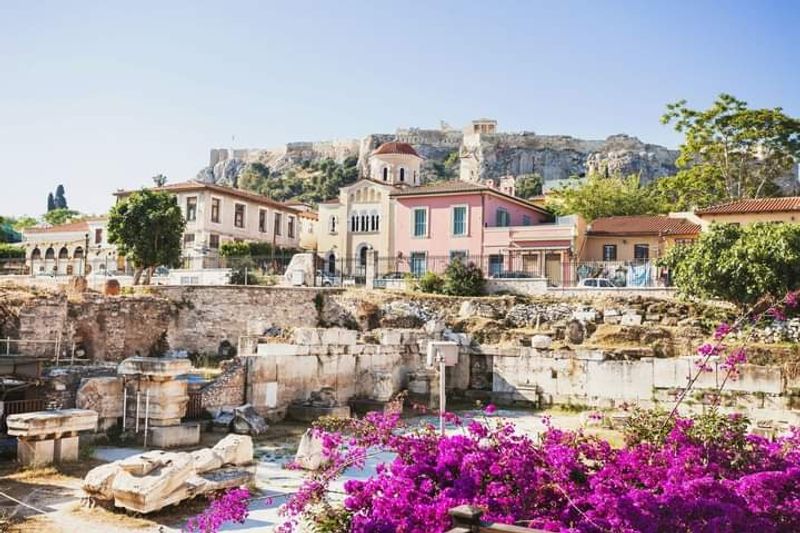
When travelers wanted ancient history with very little ambiguity, Athens was the obvious answer in 1994. The Acropolis alone made it a major stop, and many European itineraries treated the city as both a cultural destination and a launching point for island travel.
Athens attracted visitors who wanted famous ruins they had actually encountered in schoolbooks, which gave the trip a built-in sense of significance. At the same time, practical package planning helped keep it popular.
It connected well with cruises and island-hopping routes that were heavily marketed throughout the decade. The city could be hectic, but tourism rarely suffered because the historical importance was so visible and the broader Greece vacation narrative remained compelling.
14. Miami, Florida, USA
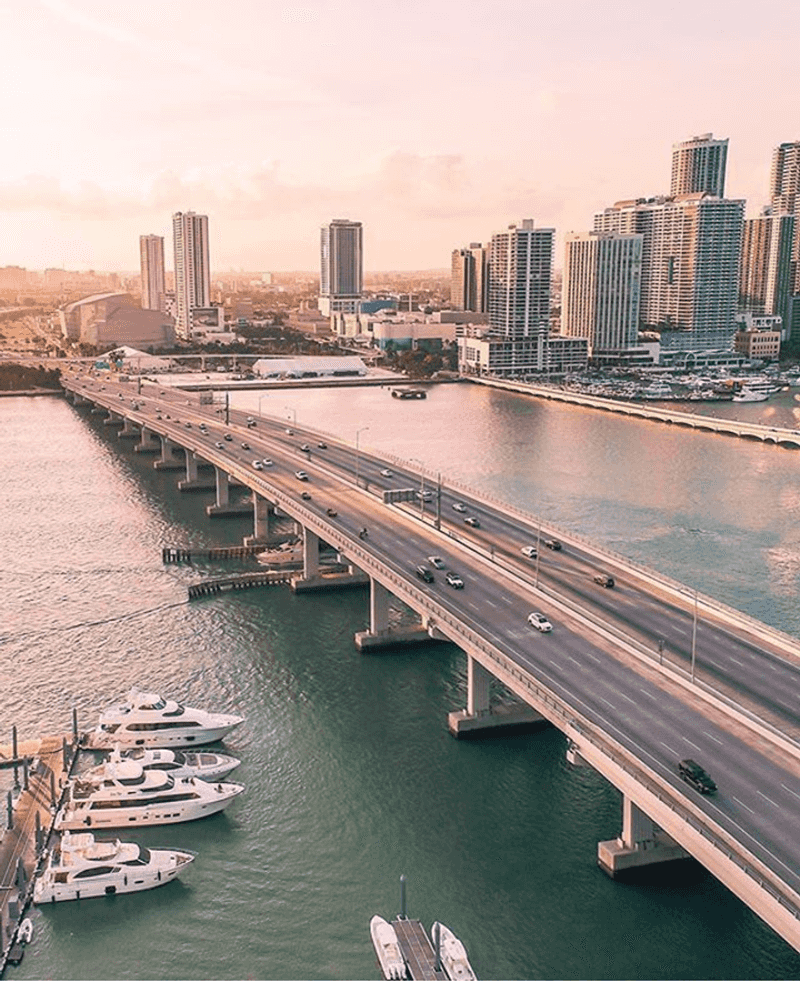
Miami in 1994 was surfing a wave of style-driven attention that made it impossible to ignore. South Beach had become shorthand for Art Deco revival, fashion photography, beach culture, and nightlife, giving the city a sleek image that appealed well beyond Florida.
The interesting part is how much branding power architecture suddenly had. Rows of restored pastel hotels helped turn South Beach into a recognizable visual product, while television and celebrity coverage amplified the city’s image as modern and glamorous.
Yet Miami also remained practical for domestic travelers seeking warm weather and urban energy in one trip. It was stylish, yes, but it was also easy to reach, and that is often what turns buzz into bookings.
15. Rio de Janeiro, Brazil
Rio de Janeiro had no trouble standing out on a 1994 travel poster. Its beaches, famous mountain backdrops, and Carnival reputation gave it a larger-than-life image that appealed to travelers looking for a destination with immediate global recognition.
Even beyond major events, Rio sold a powerful combination of urban tourism and coastal leisure. Visitors could focus on beaches, landmark viewpoints, and the city’s internationally known cultural identity without needing much introduction.
Travel media often presented Rio as one of South America’s essential experiences, which strengthened its status for long-haul vacation planning. For many people, it represented the kind of trip you discussed with extra seriousness because it felt adventurous, recognizable, and undeniably worth documenting in every available photo.
16. Tokyo, Japan
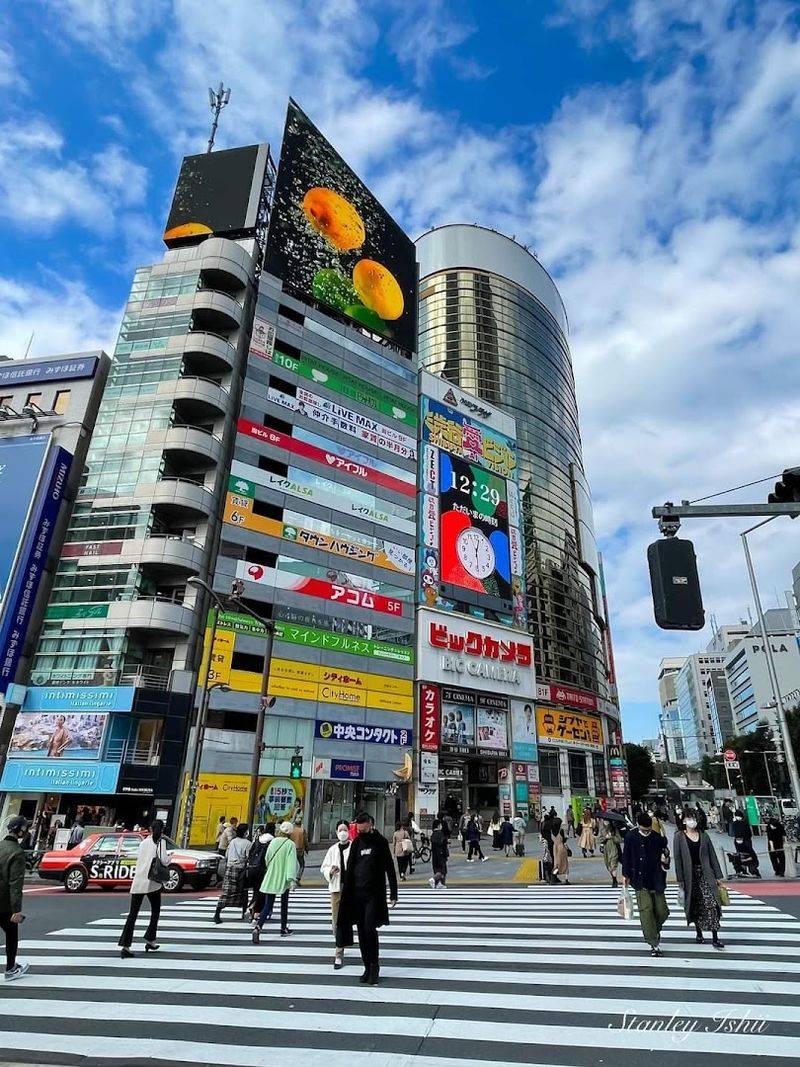
If you wanted your 1994 vacation to feel strikingly current, Tokyo was hard to top. The city fascinated international visitors with its scale, efficiency, shopping, technology culture, and the compelling contrast between globally recognized modern districts and older traditions.
Tokyo also benefited from the decade’s intense curiosity about Japanese consumer culture. Electronics, design, fashion, and food all gave travelers concrete reasons to go beyond sightseeing.
At the same time, the city carried enough mystery for first-time visitors to feel they were entering a truly different system rather than just another big metropolis. That mix of modern convenience and cultural specificity made Tokyo one of the most memorable and conversation-starting destinations of the period.
Share this story