There is a place in southern New Jersey where military history is not locked behind glass or buried in textbooks. It sits on a working airfield, in original World War II-era buildings, and it does not charge a single dollar to walk through the door.
This museum packs decades of stories, artifacts, real aircraft, and military vehicles into a space that consistently surprises people who think they already know what a small local museum looks like. From interactive binders full of old documents to a full-size tank parked outside, this spot in Cumberland County has earned a reputation as one of the most underrated history destinations in the state.
Whether you have a deep interest in aviation or simply enjoy discovering places that feel genuinely cared for, this museum delivers something that is hard to find anywhere else.
Where the Museum Calls Home
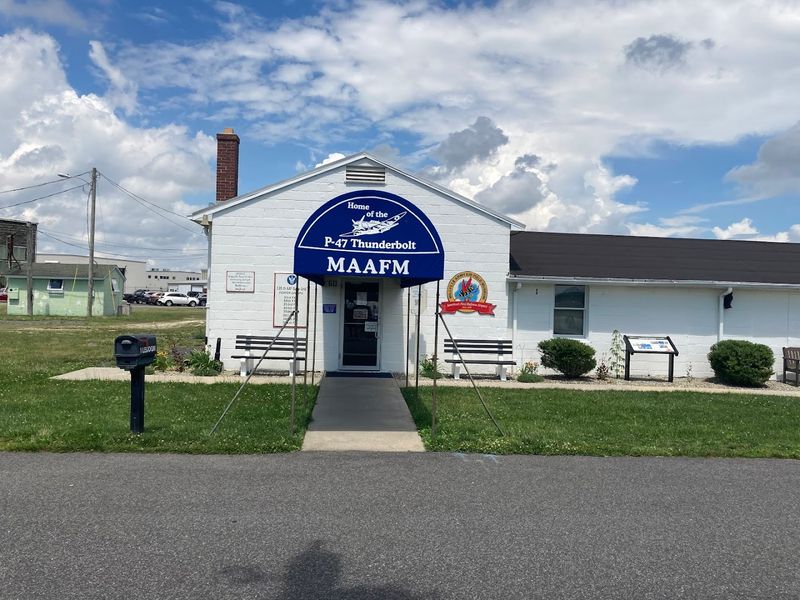
Tucked right onto the grounds of Millville Executive Airport, the Millville Army Air Field Museum sits at 1 Leddon Street, Millville, NJ 08332, in Cumberland County, southern New Jersey. The building itself is part of the story.
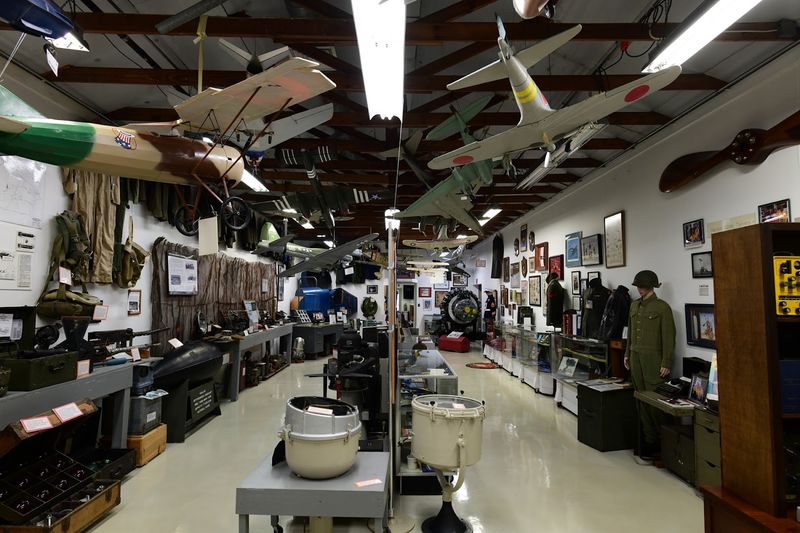
The museum occupies original structures from World War II, which means the walls around every exhibit have genuine history built into them. That connection between the physical space and the historical content is something most museums simply cannot replicate.
The airport is still active, so it is common to watch small planes take off and land while exploring the outdoor displays. That combination of living airfield and preserved history creates a layered experience that feels nothing like a typical indoor exhibit hall.
The museum is open Wednesday through Sunday, 10 AM to 4 PM, and is closed on Mondays and Tuesdays. Admission is free, though donations are warmly encouraged and genuinely help keep the collection growing.
A Wartime Airfield With a Remarkable Origin Story
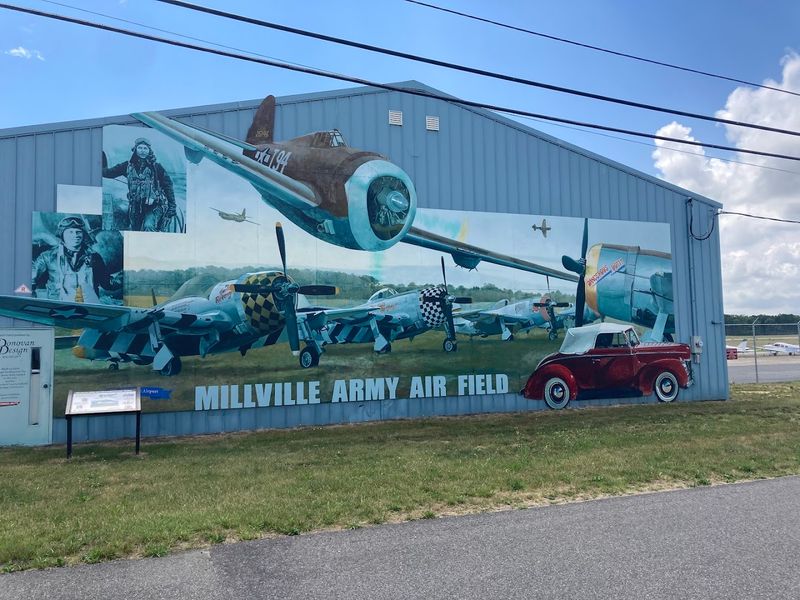
Millville Army Air Field opened in 1941, just before the United States entered World War II. It was built specifically to train fighter pilots, and the P-47 Thunderbolt became the aircraft most closely associated with the base.
The field earned the nickname “America’s First Defense Airport” because Millville was one of the very first municipalities in the country to fund an airport specifically for national defense purposes. That distinction is not just a local point of pride; it is a historically documented fact that sets this place apart from countless other wartime training sites.
Thousands of pilots cycled through the base during the war years, learning to fly and fight before being deployed overseas. The museum preserves that legacy with photographs, documents, and artifacts that connect the physical location to the broader scope of the war effort.
Understanding that history makes every exhibit inside feel more grounded and more meaningful than a standard military collection.
Outdoor Aircraft and Military Vehicles You Can Get Close To
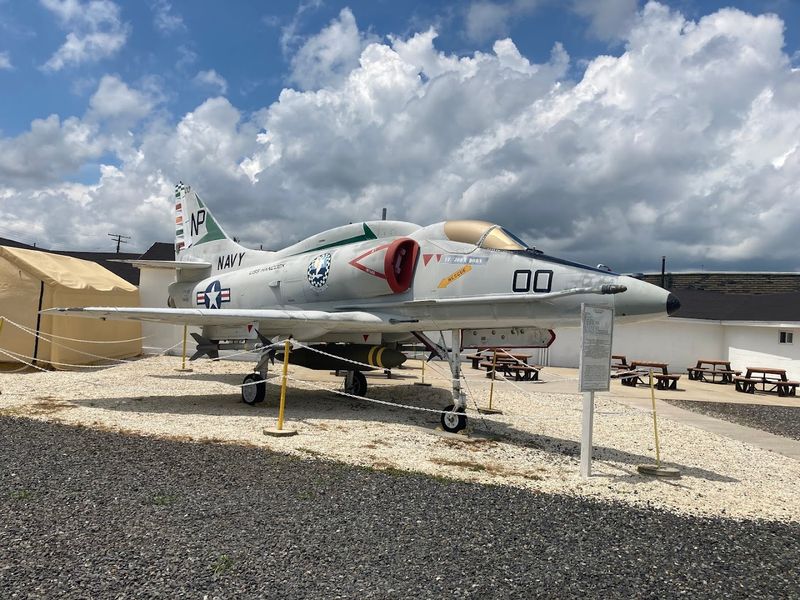
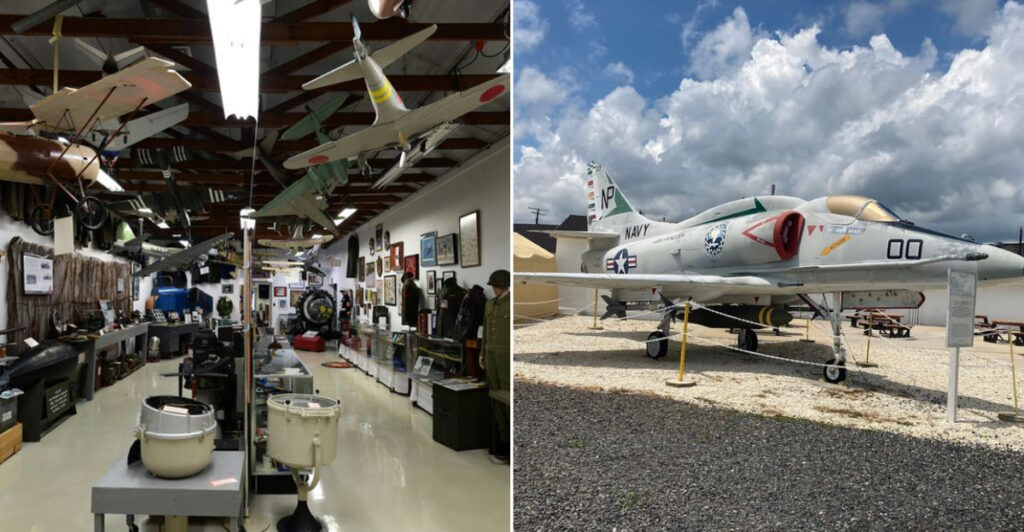
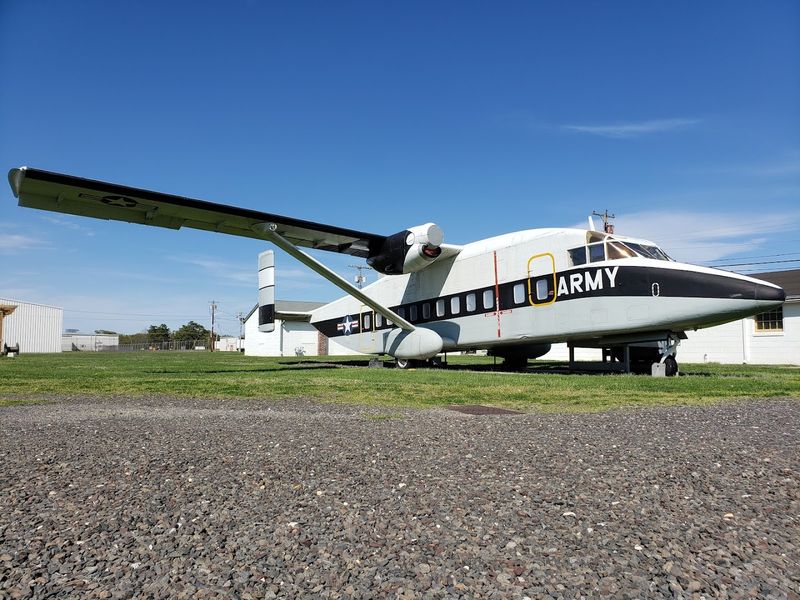
The outdoor collection at this museum is genuinely impressive for a facility of its size. Parked on the grounds are several full-scale aircraft, including a McDonnell Douglas A-4F Skyhawk, a Shorts C-23A Sherpa, and a PLZ TS-11 Iskra, along with a nose section from a Douglas R4D-6.
Then there is the Chrysler Defense Engineer M60A3 Main Battle Tank, which tends to stop people in their tracks the moment they spot it. Kids especially respond to the sheer scale of it, and the museum allows interaction with some of the outdoor vehicles, making the experience feel far less restricted than most formal institutions.
Volunteers have been known to open cockpits and jeeps for younger visitors, walking them through the features of each piece of equipment with patience and enthusiasm. That kind of access is rare and speaks to the museum’s commitment to making history tangible rather than purely visual.
Exhibits That Go Well Beyond World War II
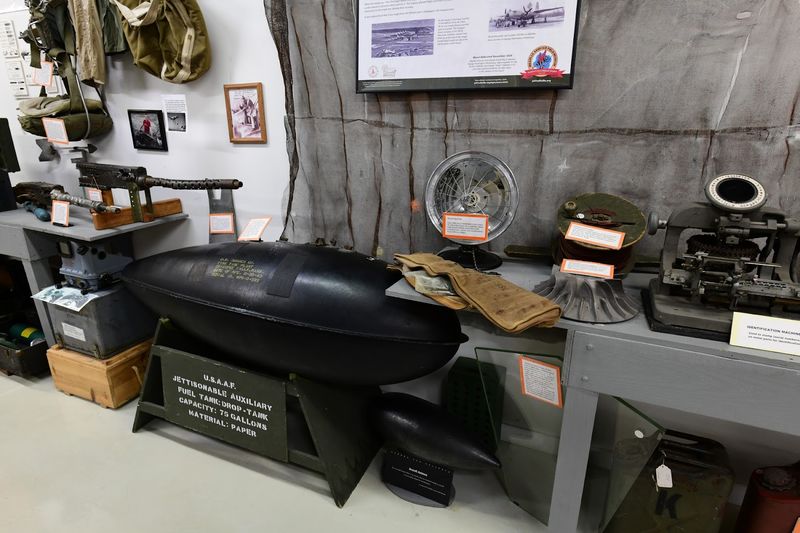
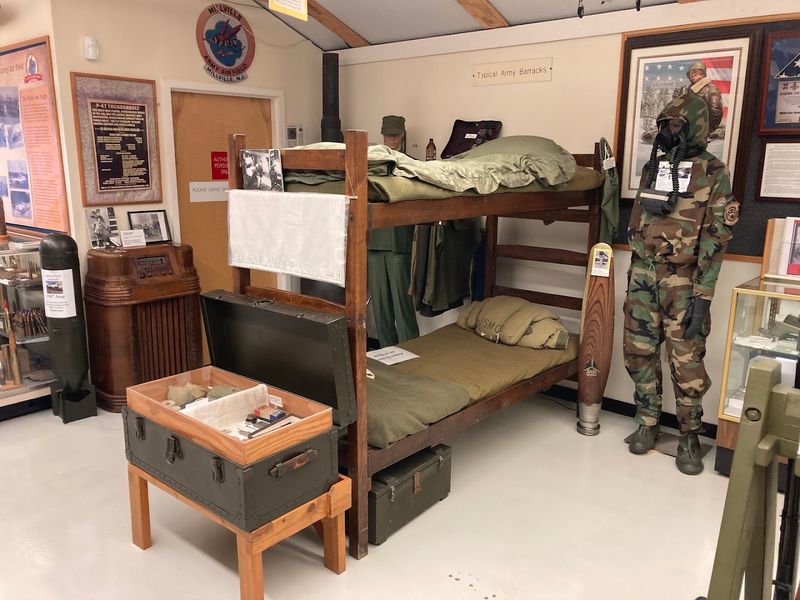
World War II is the foundation of the museum’s collection, but the exhibits reach across multiple conflicts and eras. Displays covering the Korean War, Vietnam War, and Desert Storm are woven throughout the building, giving the collection a broader scope than the airfield’s origins might suggest.
Each era is represented with its own artifacts, photographs, and contextual information, so the museum never feels like it is repeating the same story with different dates attached. The variety keeps the experience moving and gives visitors with different areas of interest something specific to connect with.
Vietnam-era items include weapons and equipment that visitors are permitted to handle in certain sections, which is the kind of detail that turns a passive walk-through into an active exploration. The museum’s approach to multi-era coverage is one of the reasons people report spending two to three hours inside without running out of things to examine.
Each room genuinely introduces something new rather than recycling the same themes.
Honoring Groups Who Are Often Left Out of the Main Narrative
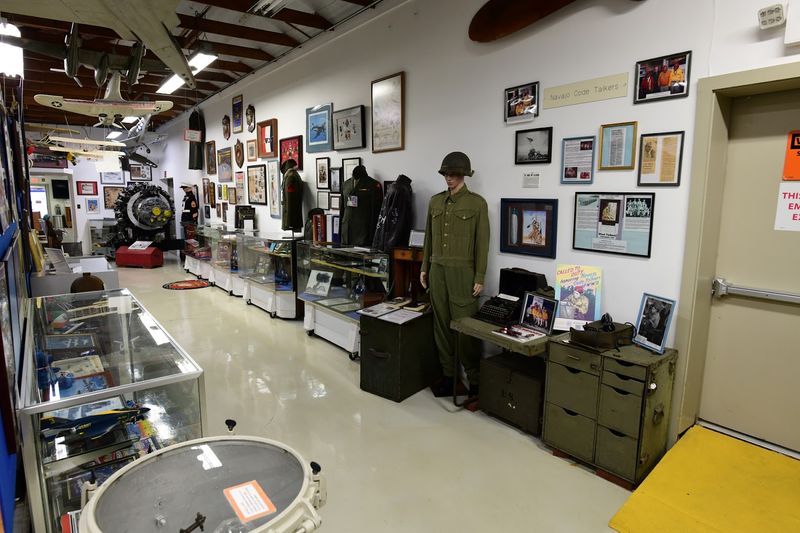
One of the most thoughtful aspects of the Millville Army Air Field Museum is its deliberate effort to recognize groups whose contributions to military history have historically been overlooked or minimized. Dedicated exhibits cover the Tuskegee Airmen, Japanese American soldiers, and women who served in the military across multiple conflicts.
These displays are not afterthoughts tucked into a corner. They are integrated into the broader collection in a way that treats these stories as essential chapters rather than supplementary footnotes.
The Red Cross nurse documentation folder is one specific example that has drawn particular attention, offering a window into the medical and support roles that kept military operations functioning.
For many visitors, these exhibits are the most emotionally resonant part of the entire museum. They add layers to the conventional war narrative and make the collection feel genuinely inclusive in a way that reflects the full complexity of who served and what they contributed.
Interactive Binders and Documents That Pull You In
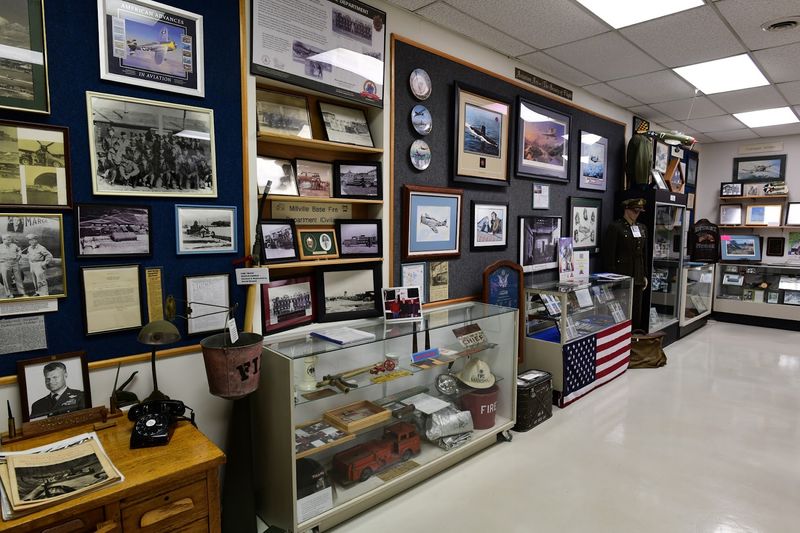
Not every exhibit at this museum involves a physical object behind a barrier. One of the more distinctive features is the collection of interactive binders filled with original documents, photographs, and records that visitors are free to page through at their own pace.
These binders contain materials that range from official military correspondence to personal photographs and medical records. The depth of the archival material is significant enough that some visitors have reported returning multiple times specifically to continue reading through documents they did not finish on previous visits.
There is something fundamentally different about holding a piece of paper that was produced during a historical event rather than reading a summary of that event on a placard. The museum understands this distinction and leans into it fully.
For anyone with a serious interest in primary sources and original records, the document collection alone justifies a dedicated visit, and the staff is knowledgeable enough to provide context for what you are reading.
Free Admission and the Donation Model That Sustains It
Walking into the Millville Army Air Field Museum costs nothing. There is no ticket counter, no tiered pricing, and no premium access section.
The museum operates entirely on a donation-based model, which makes it accessible to families of any budget and removes the financial barrier that keeps some people away from cultural institutions.
The donation bucket near the entrance is not a gimmick or an afterthought. The collection has grown substantially over the years because of community support, and the museum continues to acquire new vehicles and artifacts through the generosity of those who visit and contribute what they can.
For families with multiple children, the free admission makes a two-to-three-hour visit an exceptional value compared to almost any other educational outing. The gift shop offers reasonably priced items for those who want to take something home, and membership options are available for people who want to stay connected to new acquisitions and upcoming events.
What the Flight Training Center Adds to the Story
The flight training center exhibit is one of the sections that tends to draw the longest visits. It focuses specifically on how pilots were trained during World War II, covering the curriculum, the equipment, and the physical and psychological demands placed on young men preparing for combat aviation.
The training context is important because it grounds the broader war narrative in something very specific and very human. These were not career military professionals in most cases; they were young people who learned an entirely new skill under significant pressure in a relatively short period of time.
Displays in this section include original training materials, diagrams, and instruments that give a concrete picture of what the learning process actually looked like. The flight training center also connects directly to the physical location of the museum, since this was the actual site where that training took place.
That geographical authenticity gives the exhibit a weight that a replica or traveling display simply could not carry on its own.
Air Shows, Events, and Reasons to Return

The museum is not a one-and-done destination. Beyond the permanent collection, the site hosts air shows and special events throughout the year that bring the airfield back to life in a way that static displays cannot fully achieve.
Watching historic aircraft in motion above the same runway where wartime pilots once trained adds a dimension to the experience that is genuinely hard to describe without resorting to exaggeration.
Event schedules are communicated through the museum’s website and to members who receive periodic mailings with updates on new acquisitions and upcoming programming. Becoming a member is one of the best ways to stay connected to a place that is actively growing rather than simply maintaining what it already has.
New vehicles and aircraft have been added to the collection in recent years, which means repeat visitors regularly find something they have not seen before. That ongoing development is a sign of an institution with momentum, and it gives every previous visit a reason to be followed by another one.
Why This Museum Belongs on Your New Jersey Itinerary
Southern New Jersey does not always make the top of travel lists, but the Millville Army Air Field Museum is the kind of place that changes how people think about what this region has to offer. It is compact enough to explore fully in a single visit yet deep enough to reward multiple return trips.
The combination of free admission, hands-on access, knowledgeable volunteers, outdoor vehicles, and a collection that spans multiple conflicts and multiple communities makes this museum genuinely difficult to categorize. It is not just a war museum, not just an aviation museum, and not just a local history project.
It manages to be all three at once without losing focus.
For families, history enthusiasts, aviation fans, and anyone passing through Cumberland County with a few hours to spare, a stop at 1 Leddon Street is one of the most rewarding decisions a traveler can make in the Garden State. The history here is real, the welcome is genuine, and the stories stay with you long after you leave.
Share this story