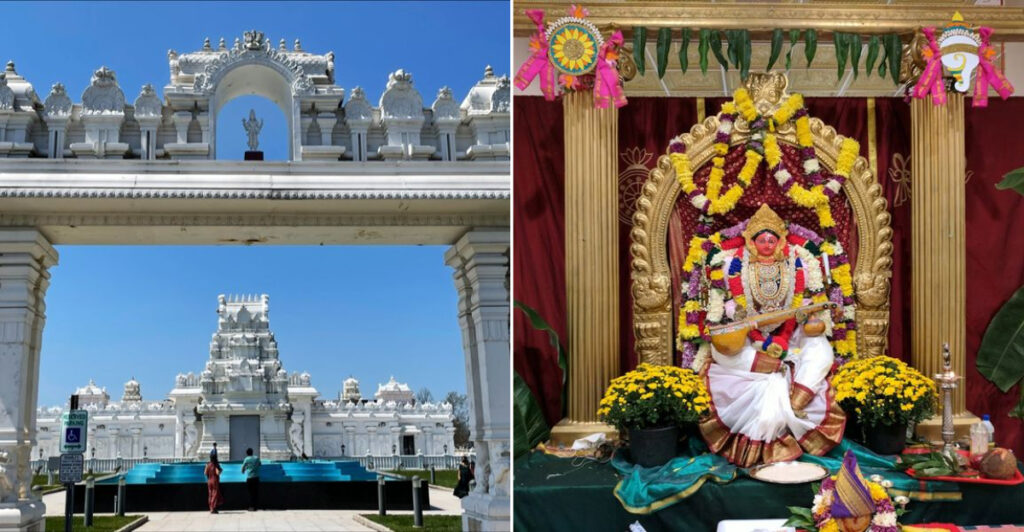
New Jersey has plenty of surprises tucked into its busy towns and quiet suburbs, but few places stop people in their tracks quite like a towering South Indian temple rising up in the heart of Bridgewater. Most people driving through Somerset County have no idea that one of the most architecturally stunning and culturally significant Hindu temples in the entire United States is just off the highway.
This temple draws thousands of devotees and curious visitors from across the country every year. Whether you are familiar with Hindu traditions or simply appreciate remarkable history and architecture, this place has something genuinely worth your time.
The Story Behind One of America’s Oldest Hindu Temples
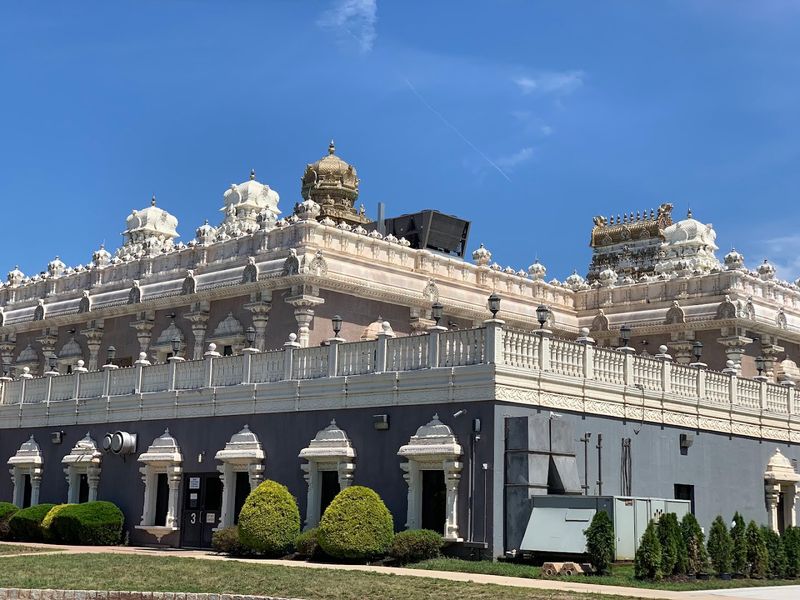
The Sri Venkateswara Temple in Bridgewater is one of the oldest Hindu temples constructed in the United States, a fact that gives it a unique place in American religious history. The temple was established by the Hindu Temple Society of North America, founded to serve the growing South Indian Hindu community that had settled across the northeastern United States.
Construction of the temple followed traditional Agamic principles, meaning every detail of its design and consecration followed ancient Sanskrit texts that govern how a proper Hindu temple must be built. This was not a simplified or adapted version of a temple; it was built to the full standard of temples found in South India.
That commitment to authenticity has made it a point of pride for the Indian-American community for decades. The temple stands as proof that cultural heritage can be preserved and celebrated with full integrity, even thousands of miles from its place of origin.
Architecture That Makes You Stop and Look Twice
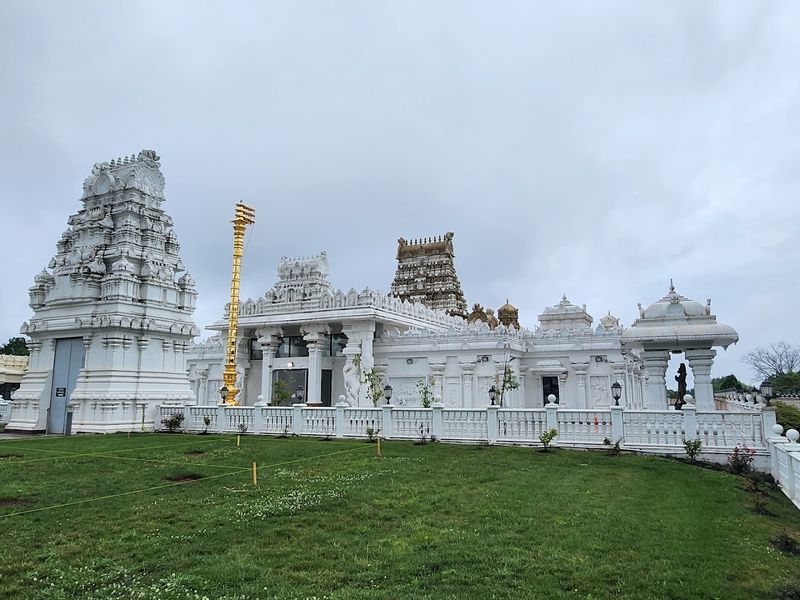
The most immediately striking thing about this temple is the architecture. Built in the traditional Dravidian style of South India, the temple features a towering gopuram, which is an ornamental gateway tower covered in intricate carvings of deities, mythological figures, and decorative patterns.
The craftsmanship on display is extraordinary. Skilled artisans were brought from India to work on specific sections of the temple, ensuring that the construction methods and artistic traditions remained true to their origins.
The level of detail in the stonework is the kind that takes years to complete and requires knowledge passed down through generations.
Beyond the gopuram, the temple complex includes multiple shrines, each with its own architectural character and decorative program. The outer walls, the pillared halls, and the inner sanctum all reflect a coherent design vision rooted in ancient temple-building traditions.
For anyone interested in architecture, this place is genuinely hard to walk away from quickly.
Lord Venkateswara: The Deity at the Center of Everything
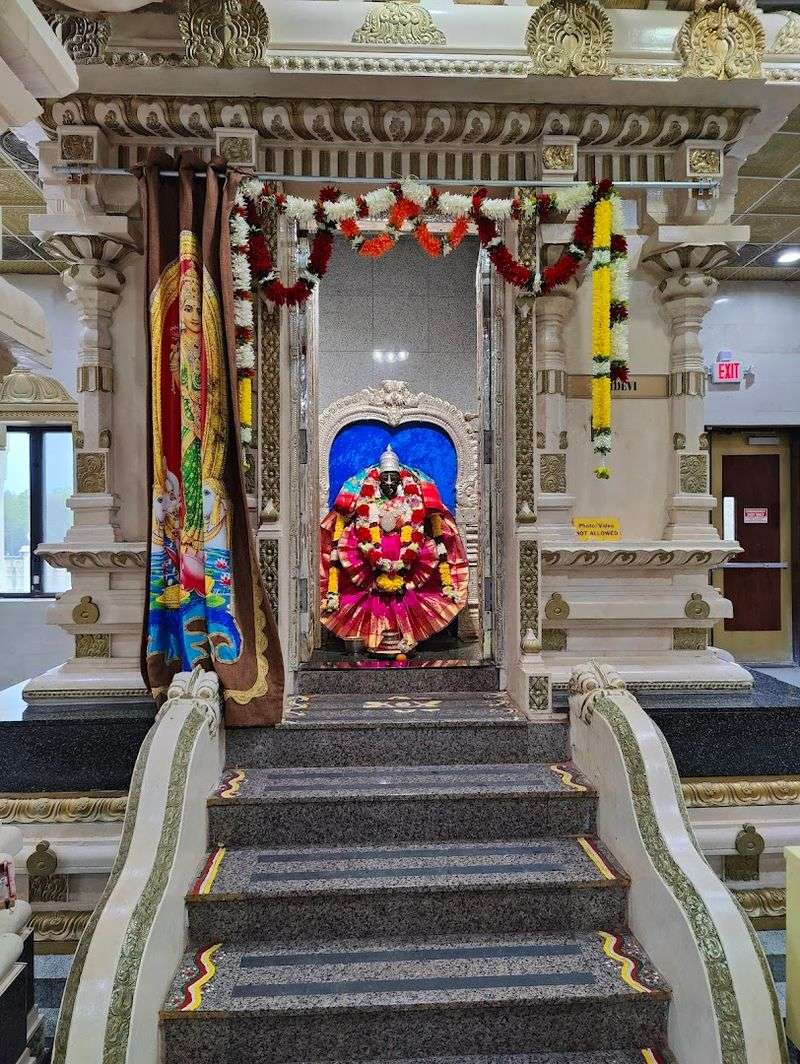
At the heart of the temple stands the main deity, Lord Venkateswara, also widely known as Balaji. He is one of the most revered forms of Lord Vishnu in Hinduism and is the presiding deity of the famous Tirumala Tirupati temple in Andhra Pradesh, India, which is considered the most visited pilgrimage site in the world.
The idol at the Bridgewater temple is crafted with the same devotional care as its counterpart in Tirupati. Adorned with elaborate gold ornaments, fine silks, and fresh flower garlands, the deity is presented according to strict ritual guidelines that govern everything from the timing of adornments to the specific prayers offered throughout the day.
For many members of the Indian-American community in New Jersey, the darshan here, which is the act of beholding the deity, carries deep emotional and spiritual meaning. People who grew up visiting Tirupati in India describe the experience here as remarkably similar in its atmosphere of calm and devotion.
More Than One Deity: A Full Pantheon Under One Roof
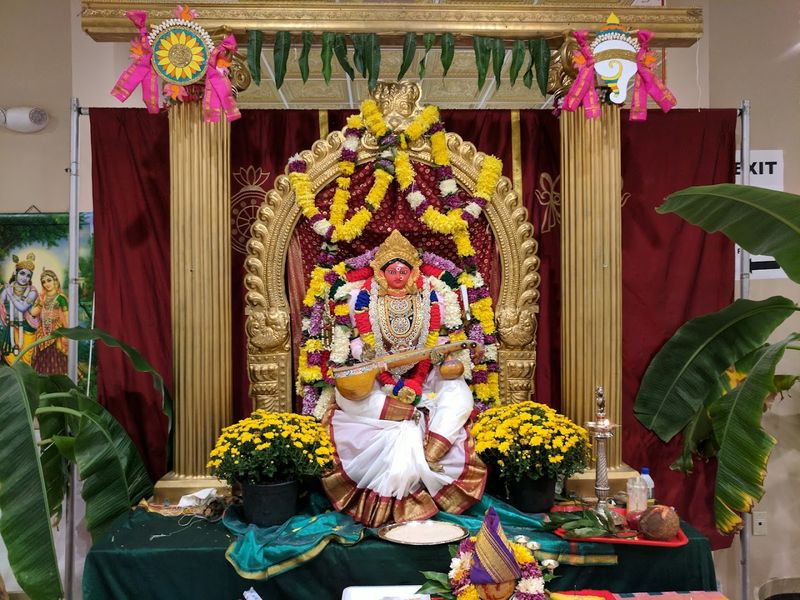
While Lord Venkateswara is the primary deity, the temple is far from a single-purpose shrine. The complex houses a remarkable collection of deities drawn from across the Hindu tradition, making it a comprehensive place of worship for Hindus from many different regional and devotional backgrounds.
Among the deities present are Lord Shiva, represented by a Shiva lingam where devotees can offer water during Abhishekam rituals, as well as Goddess Durga, Lord Ganesha, Lord Murugan, Lord Rama, Lord Krishna, and others. Each deity has its own dedicated shrine, decorated and maintained with individual care.
This breadth of representation is significant. Hindu worship is deeply personal, and different families or individuals may have strong devotional connections to different deities.
Having so many represented under one roof means the temple functions as a true community worship space, welcoming people from Tamil, Telugu, Kannada, and many other South and North Indian backgrounds without anyone feeling left out.
Daily Rituals and the Rhythm of Temple Life
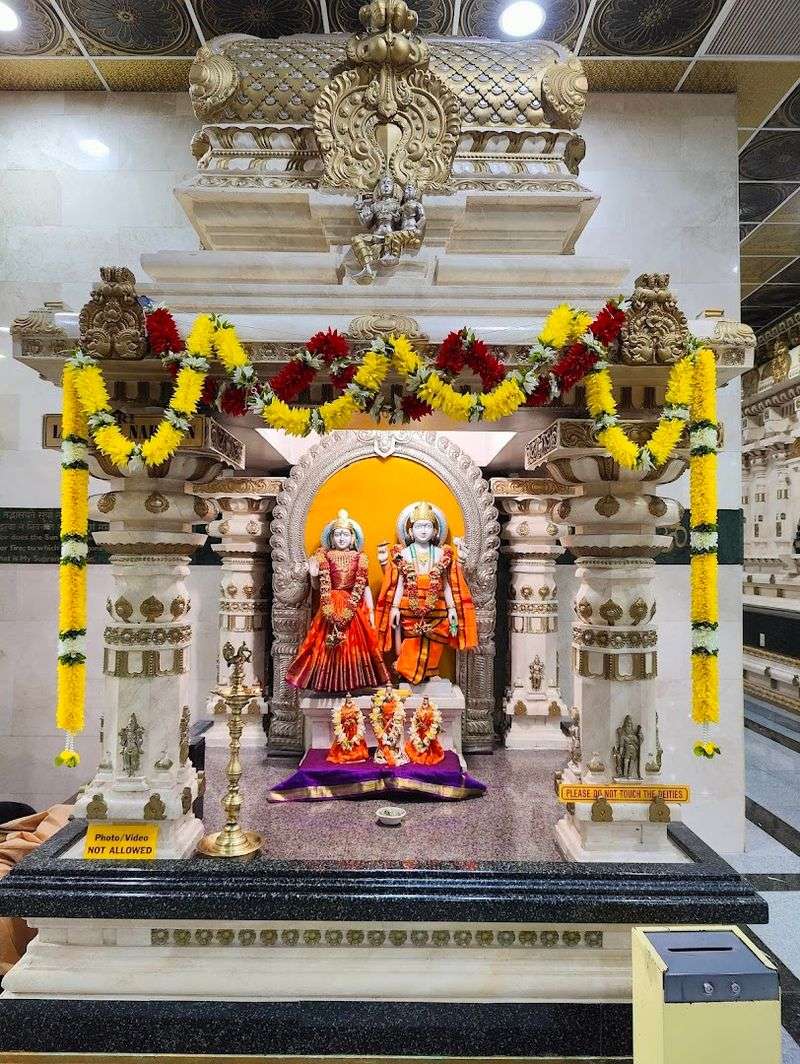
The temple operates on a daily schedule that follows ancient ritual traditions. On weekdays, the temple is open from 8:30 AM to 12:30 PM, while on Saturdays and Sundays the hours extend from 8:30 AM all the way to 8:30 PM, accommodating the larger crowds that gather on weekends.
Throughout the day, priests perform scheduled poojas, which are formal worship ceremonies involving prayers, offerings, and the use of sacred fire and ritual items. Aarti, the waving of lamps before the deity, is one of the most visually compelling of these rituals and draws devotees to gather together at specific times.
Archana, a personalized prayer service where a devotee’s name and birth star are recited before the deity, is also available and requires a small offering. The priests conducting these rituals are trained in the Agamic tradition and bring a level of knowledge and dedication that adds depth to every ceremony performed within the temple walls.
Festival Days When the Temple Truly Comes Alive
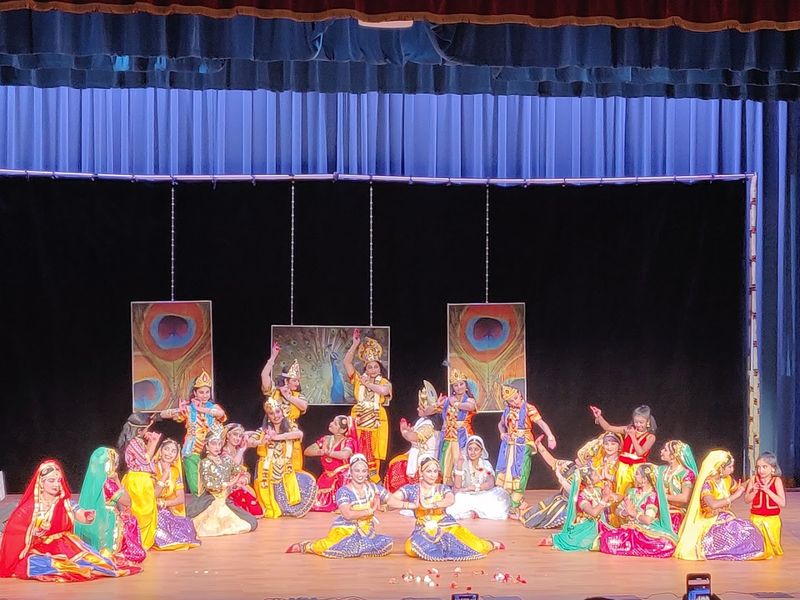
If a regular visit to the temple is memorable, arriving during a major festival takes the experience to an entirely different level. The Sri Venkateswara Temple celebrates a full calendar of Hindu festivals throughout the year, drawing enormous crowds from across the tri-state area and beyond.
Brahmotsavam, the grand annual festival dedicated to Lord Venkateswara, is among the most significant events on the temple calendar. During this multi-day celebration, the deity is taken out in elaborate processions on decorated vehicles called vahanas, and special rituals are performed from dawn until late at night.
Other major festivals like Diwali, Navaratri, Ganesh Chaturthi, and Tamil New Year are also celebrated with full programs of worship, cultural performances, and community gatherings. The temple management puts considerable effort into organizing these events smoothly, and even during the busiest festival days, the flow of devotees tends to be well-coordinated and organized.
The Community Center: Where Culture Extends Beyond Prayer
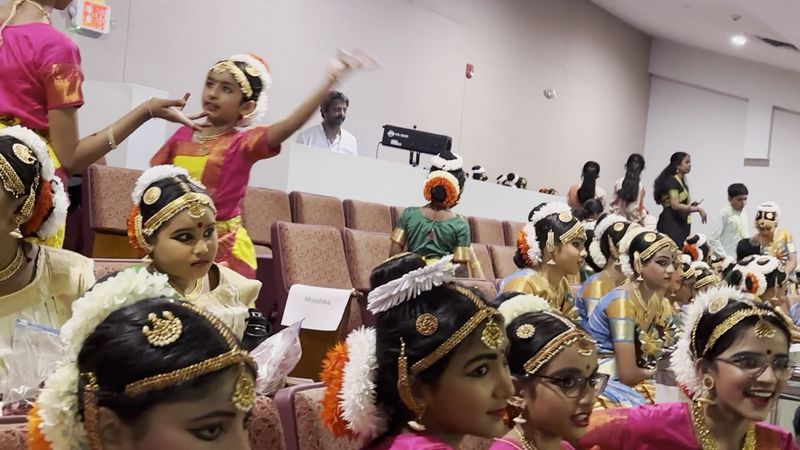
The Sri Venkateswara Temple is not just a place of worship; it is also a fully functioning community center with facilities that serve the South Indian and broader Hindu-American community in significant ways. The complex includes a large auditorium, a marriage hall, and dedicated event spaces that host cultural programs, classical music and dance performances, and religious education classes.
These facilities have made the temple a central gathering point for Indian-American families across New Jersey and neighboring states. Weddings, naming ceremonies, and other major life events are regularly held here, connecting families to their cultural roots in a setting that feels appropriate and meaningful.
The temple has also expanded its physical footprint over the years, adding new buildings and amenities to meet the growing needs of its community. That ongoing growth reflects the dedication of the people who support it and the central role the temple plays in maintaining cultural identity for thousands of families living far from India.
The Cafeteria: South Indian Comfort on a Plate
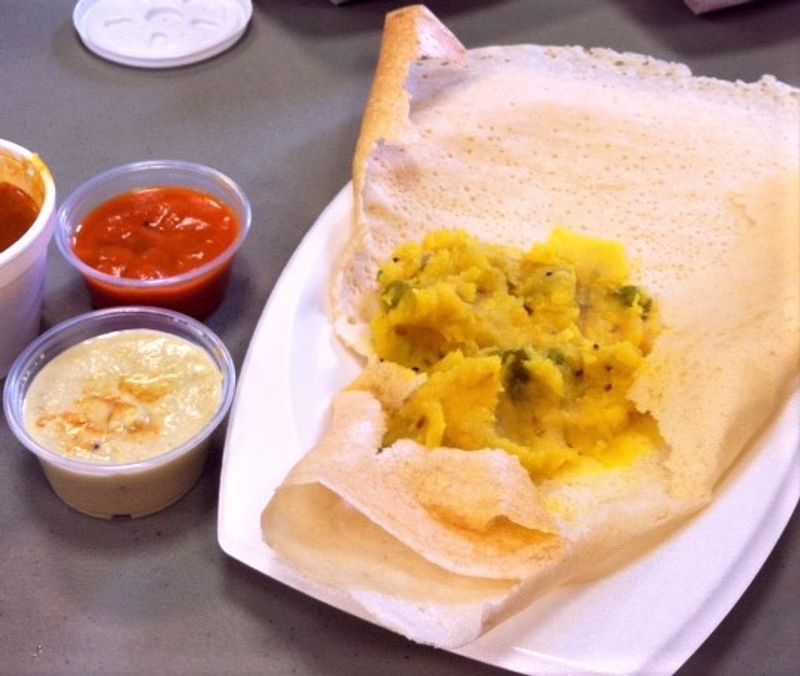
After darshan, most visitors make their way to the temple cafeteria, which serves traditional South Indian vegetarian food. The menu includes familiar favorites like idli, dosa, pongal, tamarind rice, and bisi bele bath, all prepared in the style of home cooking rather than restaurant fare.
On weekends, the cafeteria operates with a fuller menu and tends to draw long lines, so arriving early or during off-peak hours is a practical tip worth keeping in mind. Weekday visits offer a quieter cafeteria experience with simpler but still satisfying options available.
The temple also has a counter where devotees can purchase prasadam, which is food that has been offered to the deity and then distributed as a blessing. Laddoos and vadas from this counter are particularly popular.
For the large number of people who grew up eating this food, the cafeteria offers something that goes beyond just a meal; it is a genuine connection to home.
The Gift Shop and Pooja Store: Taking a Piece Home
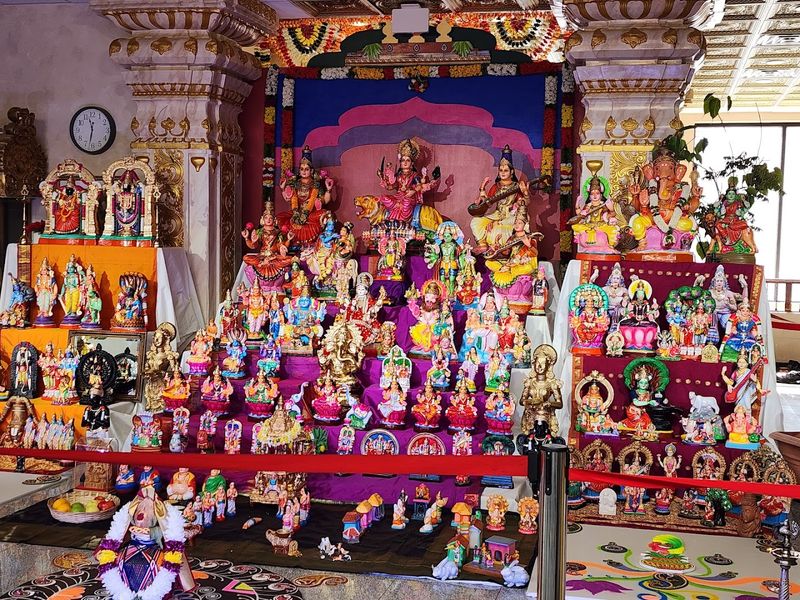
For those who want to bring a little of the temple experience home, the complex includes both a souvenir store and a dedicated pooja store. These small but well-stocked shops offer a range of items that serve both practical devotional needs and the simple desire to have a meaningful keepsake from the visit.
The pooja store carries items used in Hindu worship, including incense, camphor, flowers, and ritual supplies that devotees may need for their home shrines. The souvenir store offers religious books, small brass idols, framed pictures of the deities, and other culturally significant items.
For families visiting with children who may be experiencing a Hindu temple for the first time, browsing these shops can be a relaxed and educational part of the trip. The shops also serve as a practical resource for the local Indian-American community, providing access to items that might otherwise be difficult to find in central New Jersey.
Parking, Planning, and Making the Most of Your Visit
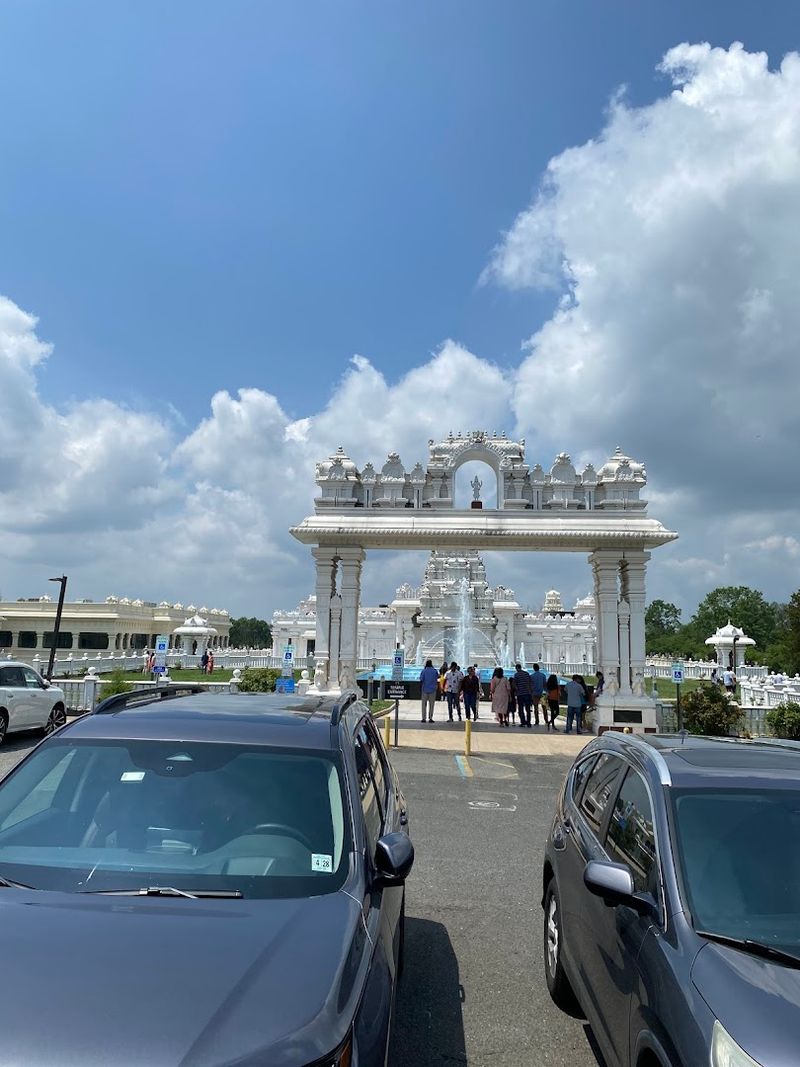
One practical concern that often comes up with popular religious sites is parking, and the Sri Venkateswara Temple handles this remarkably well. The complex has a large, well-organized parking area that can accommodate significant numbers of vehicles, even during busy festival weekends and crowded Sunday afternoons.
For first-time visitors, a few simple tips make the experience smoother. Arriving on a weekday morning means shorter lines, a quieter atmosphere, and easier access to the priests for personalized services like archana.
Weekends are busier but offer the full cafeteria menu and a more lively community atmosphere.
Dress modestly when visiting, as this is an active place of worship. Removing footwear before entering the main temple is required, and the temple provides designated areas for shoes.
The website at venkateswaratemple.org lists current schedules, special events, and any specific guidelines for upcoming festival days, making it easy to plan a visit that fits what you are hoping to experience.
A Spiritual Connection to Tirupati, Right Here in New Jersey
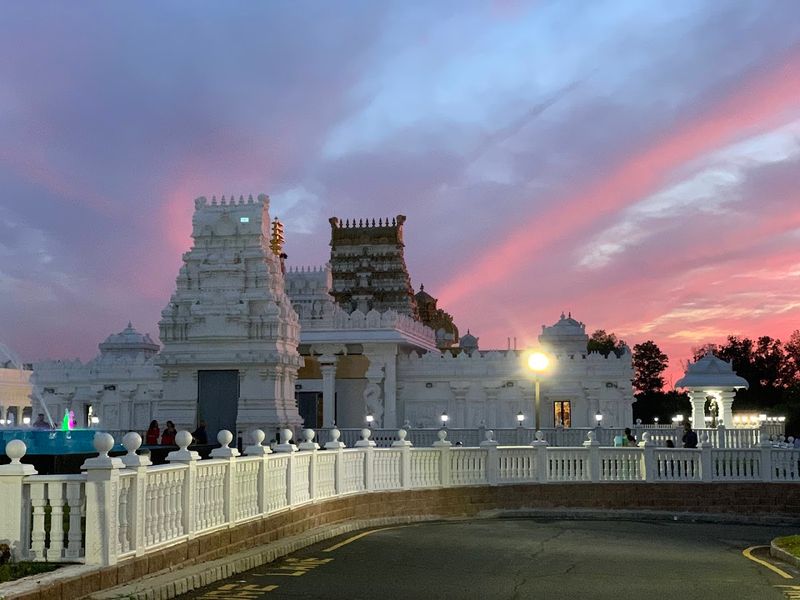
For many devotees, the Sri Venkateswara Temple in Bridgewater holds a special emotional significance because of its connection to the Tirumala Tirupati Devasthanams in Andhra Pradesh, India. The presiding deity, Lord Venkateswara, is the same deity worshipped at Tirupati, one of the most sacred pilgrimage destinations in the world.
The temple in Bridgewater was established with direct involvement and guidance from the Tirupati temple authorities, ensuring that the rituals, consecration processes, and standards of worship followed the same traditions observed in India. That lineage gives the temple a level of authenticity that is rare among Hindu temples built outside of India.
For members of the Telugu and Tamil communities in particular, this temple is not simply a local place of worship; it represents a living connection to a tradition that stretches back centuries. People who cannot easily travel to India describe the Bridgewater temple as the closest experience to Tirupati they can access from the United States.
Why This Temple Deserves a Spot on Your New Jersey Travel List
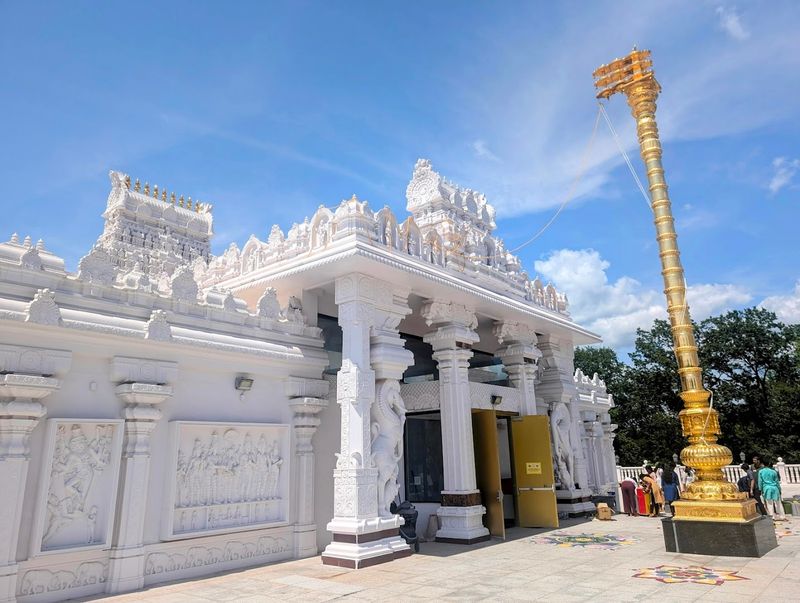
Not every worthwhile destination in New Jersey comes with a boardwalk or a famous skyline view. The Sri Venkateswara Temple in Bridgewater makes a compelling case that some of the most interesting places to visit in the state are the ones that quietly go about their purpose without needing much promotion.
The temple offers something genuinely rare: a place where extraordinary architecture, living religious tradition, cultural history, and community life all exist in one location. A single visit can include witnessing an ancient ritual, admiring world-class craftsmanship, learning about a tradition with thousands of years of history, and sharing a meal that tastes like it came from a kitchen in Chennai or Hyderabad.
The temple is open to all respectful visitors regardless of religious background, and the experience of simply walking through the space and observing the life that happens there is worthwhile on its own. New Jersey has many interesting places, but few quite like this one.
A Sacred Address in the Heart of New Jersey
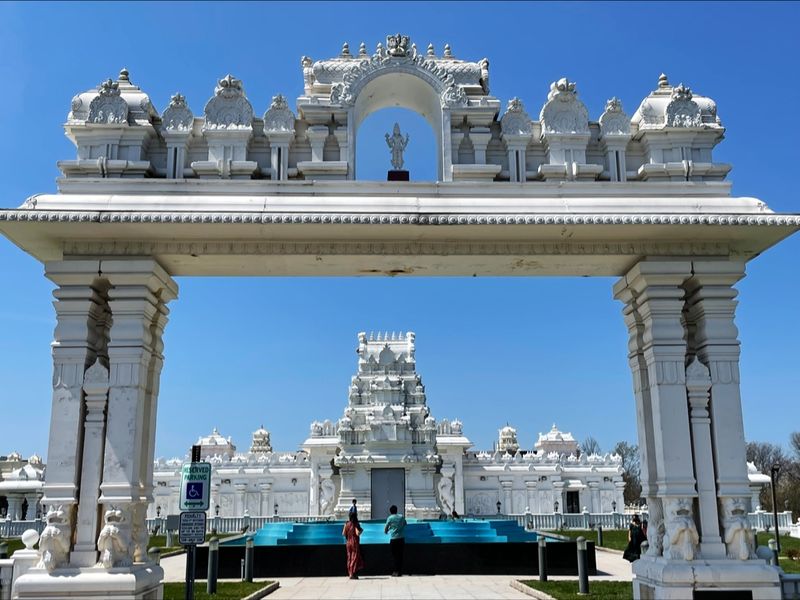
Few addresses in New Jersey carry as much spiritual weight as 1 Balaji Temple Dr, Bridgewater, NJ 08807. Nestled in Somerset County, this is the home of the Sri Venkateswara Temple and Community Center, a landmark that has quietly become one of the most visited Hindu temples in the entire country.
The location itself is easy to reach from major highways, making it accessible for devotees and curious travelers alike. Despite sitting in a suburban New Jersey setting, the temple grounds feel distinctly set apart from the surrounding landscape.
The temple serves the greater New Jersey area and draws people from New York, Pennsylvania, and well beyond. Its presence in Bridgewater has helped transform the region into a recognized hub for South Indian culture and Hindu worship outside of India.
Arriving here for the first time, most people do a double-take at the sheer scale of what has been built.
Share this story