A single dollar will not perform magic tricks anymore, but in some small American towns it still manages a respectable encore. These places keep everyday spending grounded, so coffee, counter snacks, thrift finds, and routine errands do not immediately turn into budget drama.
I picked towns where modest prices still show up in ordinary life, helped by smaller populations, practical local businesses, and fewer big-city markups. Keep reading and you will get a quick tour of communities where value is not a nostalgic myth, and where your wallet can finally unclench for a minute.
1. Cairo, Illinois
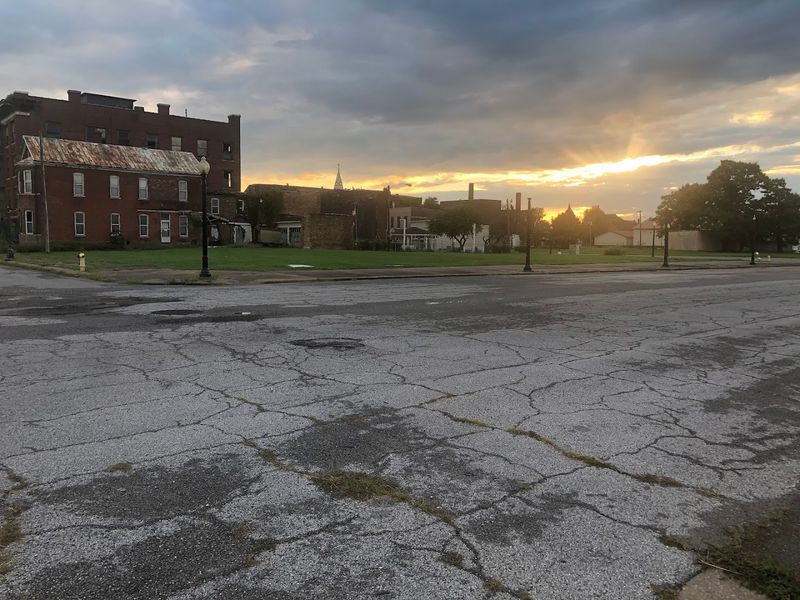
Quiet streets can hide a very helpful talent: reasonable prices. Cairo remains one of those places where old-school diners, practical shops, and a slower commercial pace help everyday costs stay more manageable than in busier markets.
You will notice the difference in modest meals, basic groceries, and small purchases that still feel tied to necessity rather than trend. The town’s historic character adds interest, but the bigger story is how local routines remain refreshingly plain in the best possible way.
That simplicity works in your favor when you are stretching a budget. Businesses often cater to regulars, not passing hype, so a coffee, snack, or household item can still land at a price that feels sensible, which is surprisingly satisfying in a world where even a muffin sometimes acts like luxury merchandise.
2. Truth or Consequences, New Mexico
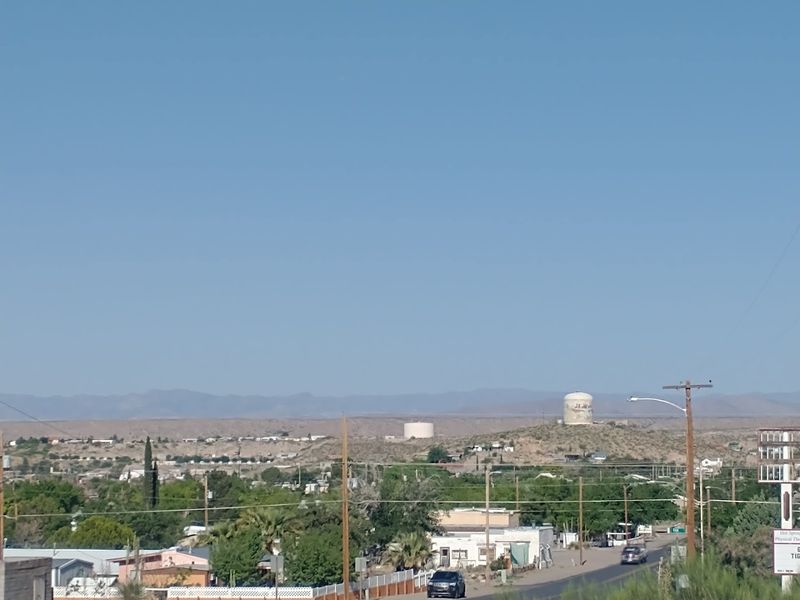
The name alone deserves a drumroll, but the prices are the real plot twist. Truth or Consequences offers a quirky identity, a compact layout, and many everyday costs that still feel pleasantly down to earth.
You can find casual cafes, modest markets, and practical local services that lean more useful than flashy. Even with its hot springs reputation and offbeat personality, the town often avoids the inflated pricing that follows trendier desert destinations.
That makes it appealing for travelers and locals who prefer value with character. Smaller scale businesses, lower overhead, and a community built around regular routines help keep common purchases within reason, so your dollar may not buy the whole outing, but it still contributes enough to feel like a participant instead of a forgotten coin hiding in a cup holder.
3. McCook, Nebraska
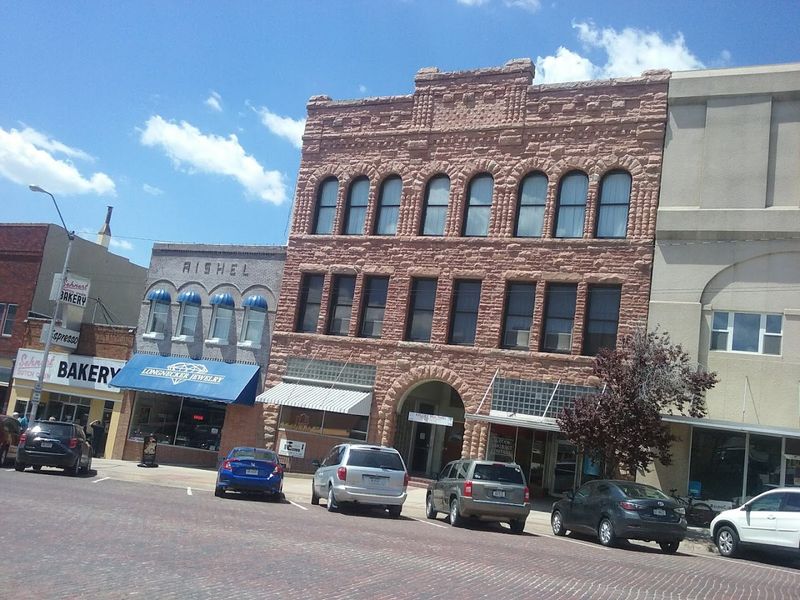
No fanfare needed – McCook makes affordability look wonderfully ordinary. This classic Nebraska town keeps many day-to-day expenses modest, especially where local diners, bakeries, and practical shops still focus on regular customers.
You are more likely to encounter straightforward value than curated pricing here. Meals tend to be filling without becoming expensive, and routine errands often cost less than they would in larger regional hubs where every purchase arrives with extra financial drama.
That predictability is part of the appeal. A smaller population, a strong local rhythm, and businesses built around repeat visits all help hold prices in a sensible range, which means your dollar may still cover part of breakfast, a cup of coffee, or a small household need without making you wonder who exactly approved these national price tags.
4. Pikeville, Kentucky
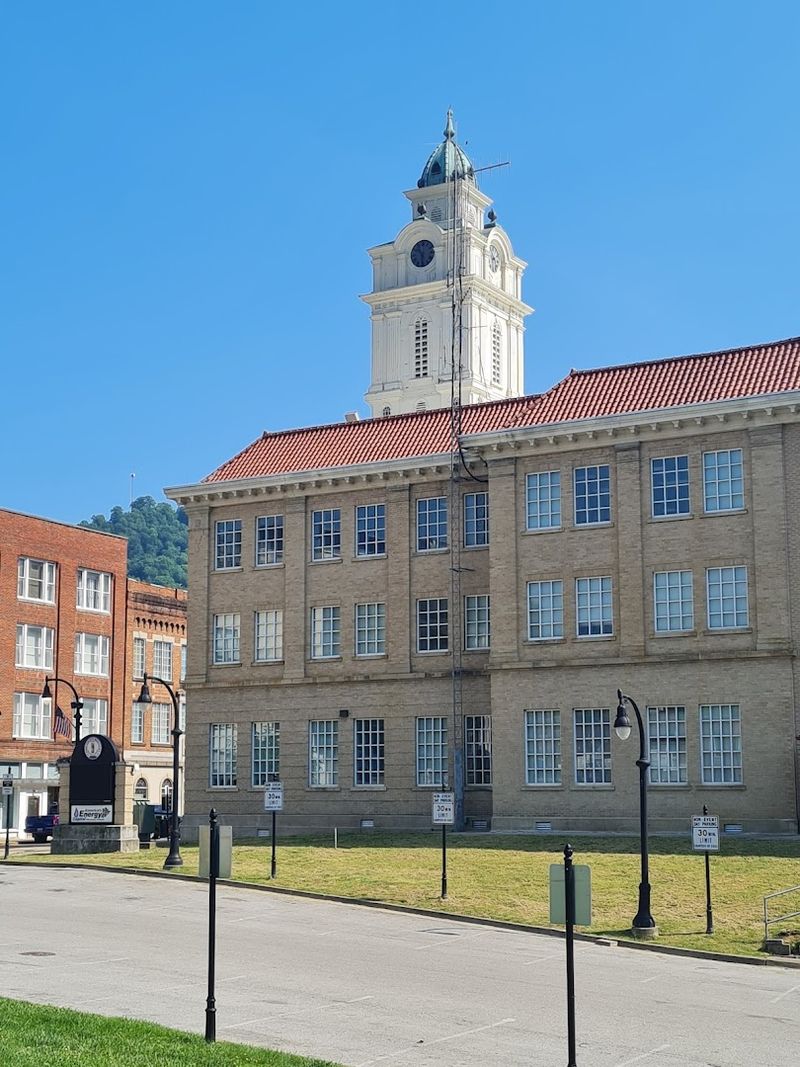
Tucked into the mountains, Pikeville keeps everyday spending on a shorter leash. The town’s working character and practical outlook show up in the prices of common meals, convenience items, and local services.
You will not find every purchase inflated by trend or tourism. Instead, many businesses still serve people who expect fair value, which helps keep things like breakfast plates, coffee, and quick snacks in a range that feels more human.
That matters when small costs pile up faster than anyone likes to admit. Pikeville’s manageable scale and lower commercial pressure support a more grounded economy, so your dollar still contributes something useful, even if it is just part of lunch or a simple errand, and honestly that tiny financial victory can feel oddly satisfying on a regular Tuesday.
5. Clarksdale, Mississippi
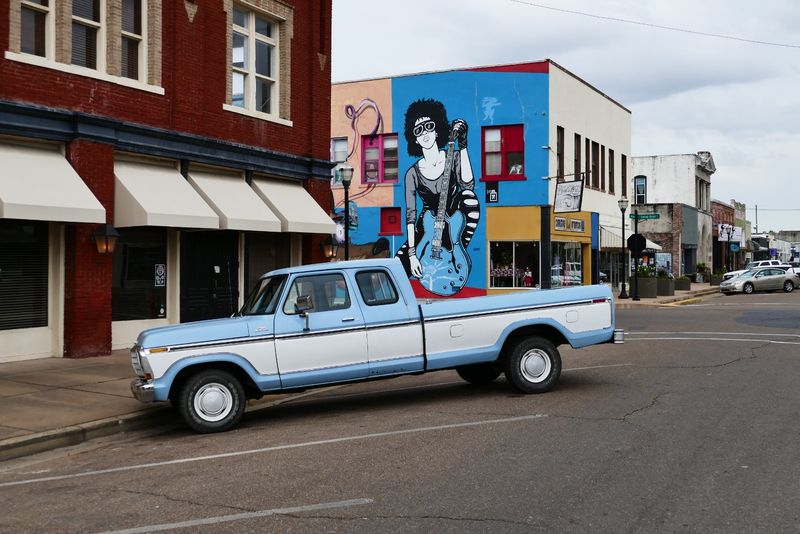
Here, a dollar still earns a little respect. Clarksdale keeps daily spending fairly grounded, especially at no-frills cafes, corner stores, and long-running local counters where basics stay practical.
You are not arriving for polished luxury pricing, and that is the charm. In a town shaped by deep musical history and a relaxed pace, simple purchases often feel tied to ordinary community life rather than tourist markups.
Menu boards and snack shelves tend to favor familiar, affordable options instead of flashy extras. Rent and overhead remain lower than in larger destinations, so small businesses can keep prices steadier, which means your change still matters and small comforts do not require a strategy meeting with your bank account.
6. Bisbee, Arizona
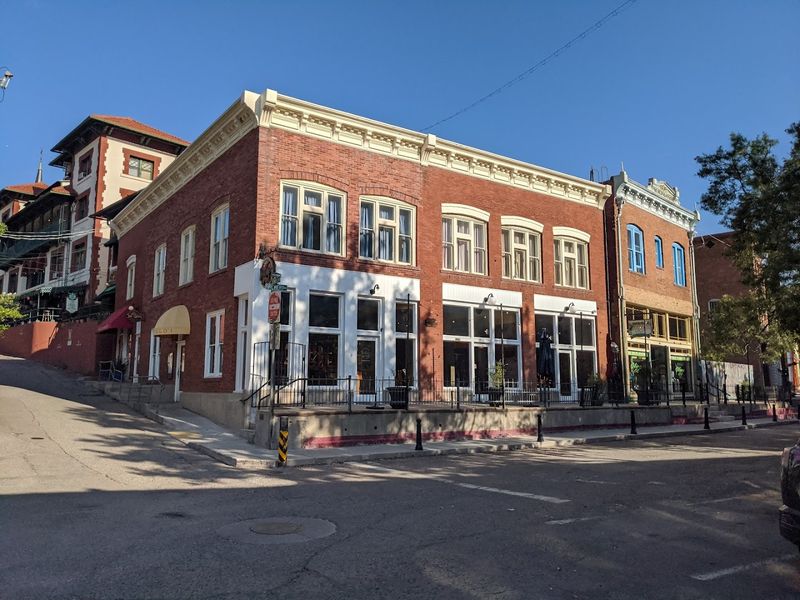
Bisbee has style, but thankfully it has not priced every sandwich like a collector’s item. This historic Arizona town mixes artistic personality with enough practical options that casual meals and small purchases can still stay approachable.
You will see the difference in cafes, bakeries, and low-key lunch spots where the menus often remain more relaxed than in flashier desert destinations. The streets are memorable, yet the daily economics still lean toward regular people who need coffee and lunch without a full financial debrief.
That balance gives Bisbee extra appeal. It feels interesting without insisting that every cookie, burrito, or bottle of water should carry a prestige fee, so a dollar may not go wildly far, but it still matters here and can chip away at a simple purchase instead of vanishing instantly into expensive-town absurdity.
7. Galesburg, Illinois
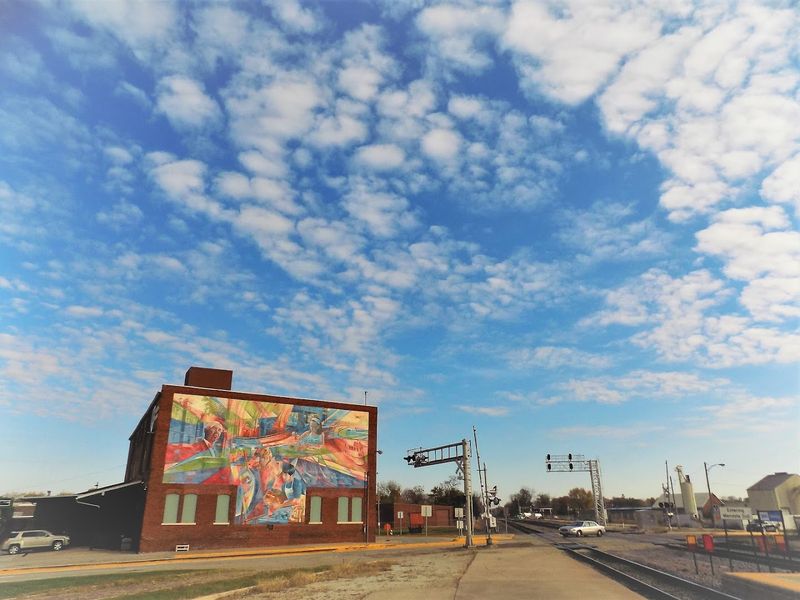
College-town energy usually warns your wallet, but Galesburg keeps things more reasonable. Thanks to its smaller scale and practical local businesses, many basics here still land at prices that feel manageable rather than ambitious.
You can spot that value in coffee shops, lunch counters, and everyday stores where the goal is serving the community, not staging a pricing experiment. Students, locals, and visitors all benefit when the bill stays grounded and the extras remain optional.
That does not mean everything is cheap, but many routine purchases still feel refreshingly normal. In a time when a snack can somehow cost as much as a full meal once did, Galesburg offers a nice correction, giving your dollar enough purpose to matter and enough dignity to avoid disappearing the second it leaves your pocket.
8. Roswell, New Mexico
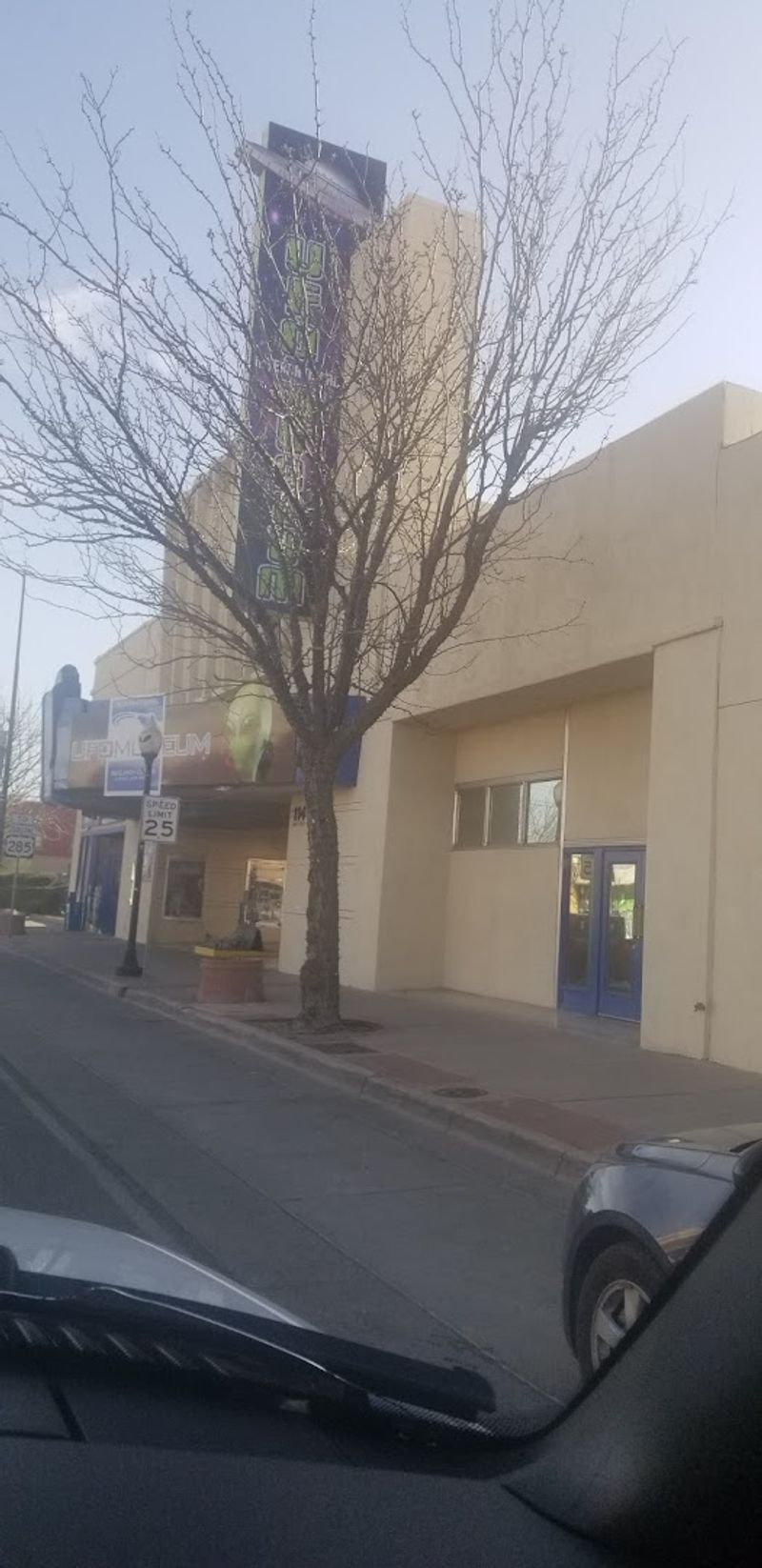
Roswell gets the headlines for little green mascots, but your budget may be the real believer. Beneath the novelty, this southeastern New Mexico town often keeps everyday spending more reasonable than many visitors expect.
You can still find basic breakfasts, casual lunches, and convenience purchases that do not seem designed for maximum shock value. Tourist themes exist, of course, yet much of the town serves local routines first, and that helps prices stay on friendlier terms.
The result is a place where ordinary expenses remain fairly grounded while the town keeps its famously unusual identity. Your dollar will not levitate, but it can still participate in a snack, coffee, or simple store run, which feels downright impressive in modern America, where some receipts now read like they were prepared by an overconfident science fiction villain.
9. Muskogee, Oklahoma
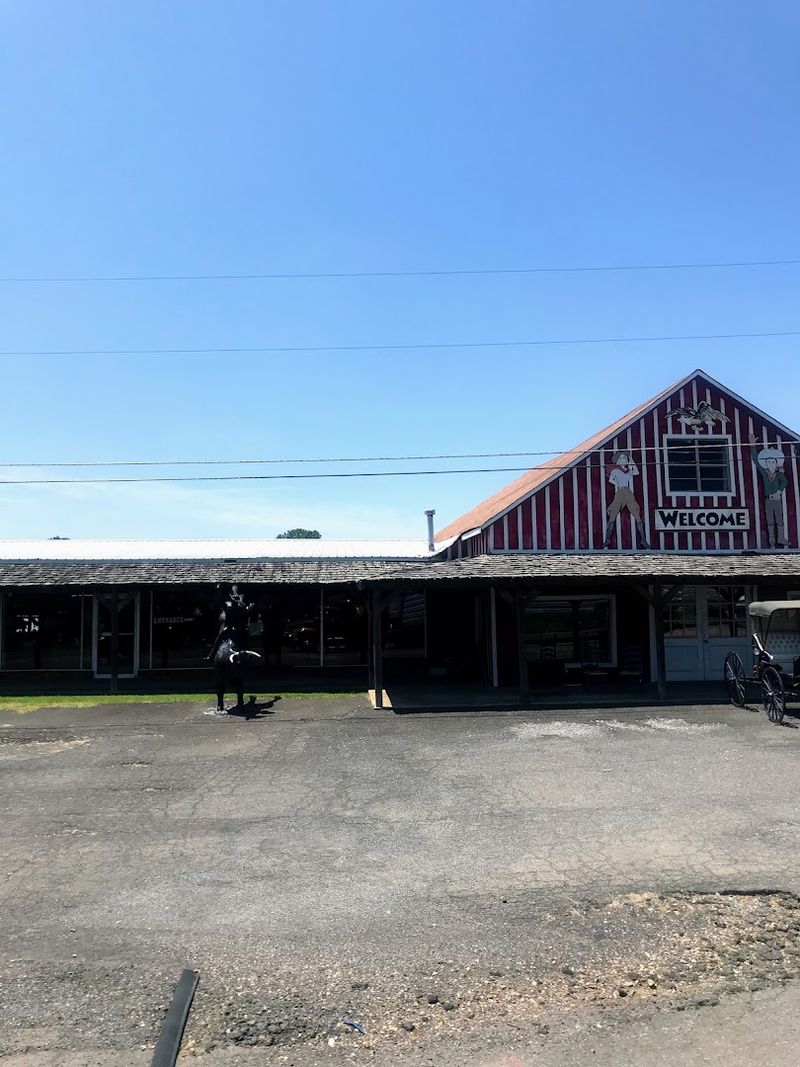
Muskogee does not try to impress your wallet – it simply treats it fairly. That alone makes this Oklahoma town stand out, because many everyday expenses still feel tied to practical local habits instead of relentless markup culture.
You will find value in modest cafes, basic stores, and simple service businesses where prices often reflect community expectations. A quick coffee, snack, or lunch stop can remain pleasantly ordinary, and ordinary has become a rare luxury in its own right.
This is the kind of place where small comforts are still within reach. Lower costs, fewer high-end commercial pressures, and a steadier pace all help, so your dollar keeps enough relevance to matter in daily life, proving that sometimes the best economic news is not dramatic at all – it is just a receipt that fails to ruin your afternoon.
10. Bluefield, West Virginia
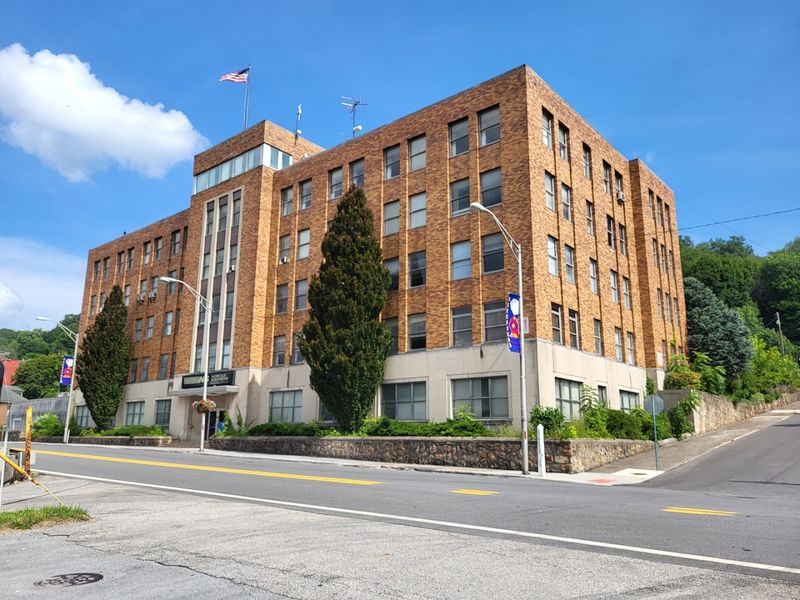
Bluefield plays its value card with quiet confidence. In this mountain town, a practical streak runs through local businesses, and that often translates into prices that stay friendlier for everyday needs.
You are likely to notice it at diners, bakeries, and neighborhood stores where basic purchases still feel sized for real life. The town’s reputation for simple pleasures is not just charming wording – it often shows up on the receipt in ways your budget will appreciate.
That affordability comes from a mix of lower overhead, community-oriented service, and a pace that does not reward unnecessary inflation. A dollar may only cover part of what you buy, but it still contributes enough to feel useful, and that is no small thing in an era when tiny purchases somehow arrive with premium attitudes and suspiciously large totals.
11. Selma, Alabama
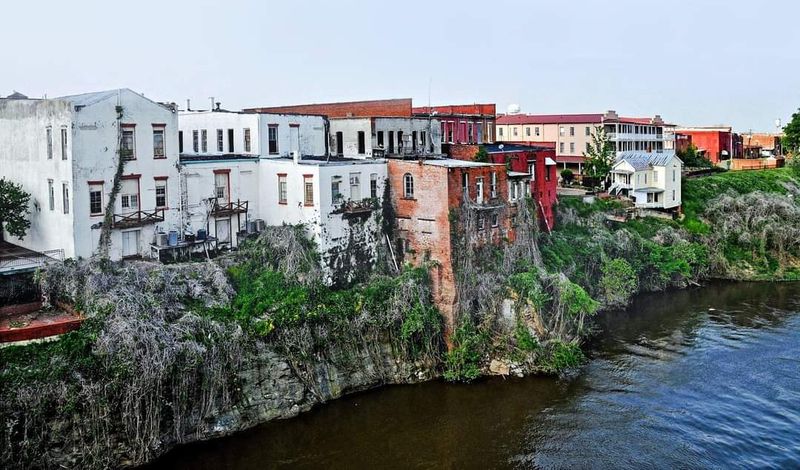
History gives Selma depth, but affordability gives it daily appeal. Compared with larger Southern cities, this Alabama town often keeps routine spending more accessible, especially when you are looking at basic meals and everyday purchases.
You can still come across lunch counters, coffee spots, and local stores where prices seem intended for regular people with regular budgets. That grounded approach matters, because it makes the town easier to experience without every stop becoming a negotiation with your checking account.
Selma’s lower costs and steadier local rhythms help preserve that advantage. Your dollar may not be running the show, but it still has enough influence to count toward a snack, drink, or simple errand, which is a modest kind of relief and one that deserves more credit than the loud, overpriced places usually receive.
12. Trinidad, Colorado
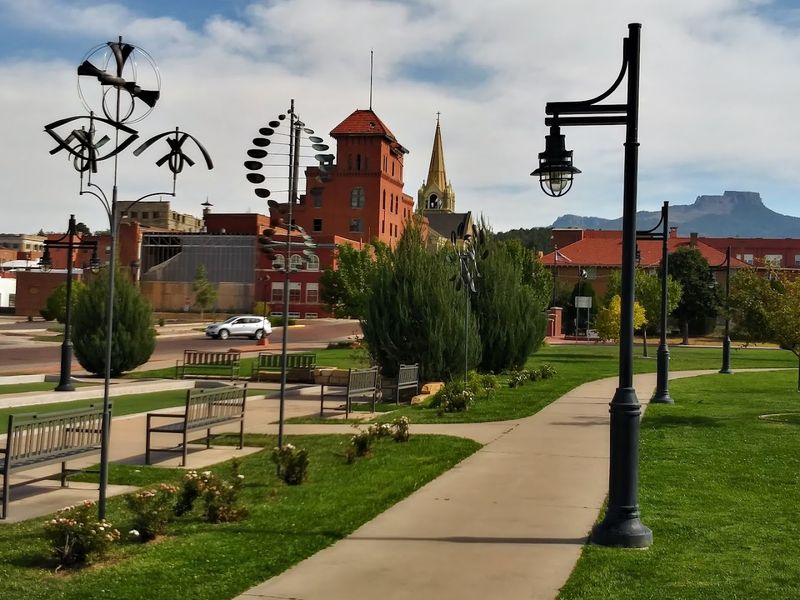
Trinidad proves that mountain-town charm does not always demand mountain-sized prices. This small Colorado community still offers diners, cafes, and practical businesses that cater to everyday budgets more than image-driven spending.
You will notice a welcome lack of resort-style inflation in many ordinary transactions. Instead of paying extra for atmosphere alone, you can often find honest portions, basic coffee, and small necessities at prices that feel more connected to local life.
That distinction matters in Colorado, where some towns treat a muffin like a luxury asset. Trinidad remains more approachable, helped by its scale, its working-town history, and businesses that still value repeat customers, so your dollar keeps enough credibility to matter and can still participate in breakfast, a quick snack, or a simple stop without immediate financial regret.
13. Helena-West Helena, Arkansas

Some towns keep life simple, and Helena-West Helena wears that habit well. In this Delta community, lower everyday costs remain part of the local identity, especially in places built around routine needs instead of polished trends.
You are more likely to encounter straightforward prices at neighborhood cafes, small stores, and practical service spots. That kind of value may not sound flashy, but it makes a real difference when you are buying food, grabbing a drink, or checking off one more errand.
The town’s traditional rhythm helps keep spending from drifting into nonsense. With fewer upscale pressures and a stronger focus on basic usefulness, your dollar still carries enough weight to matter in daily transactions, and in a country where even tiny purchases can suddenly feel theatrical, that plain old affordability deserves a respectful nod and maybe a second biscuit.
14. Douglas, Arizona
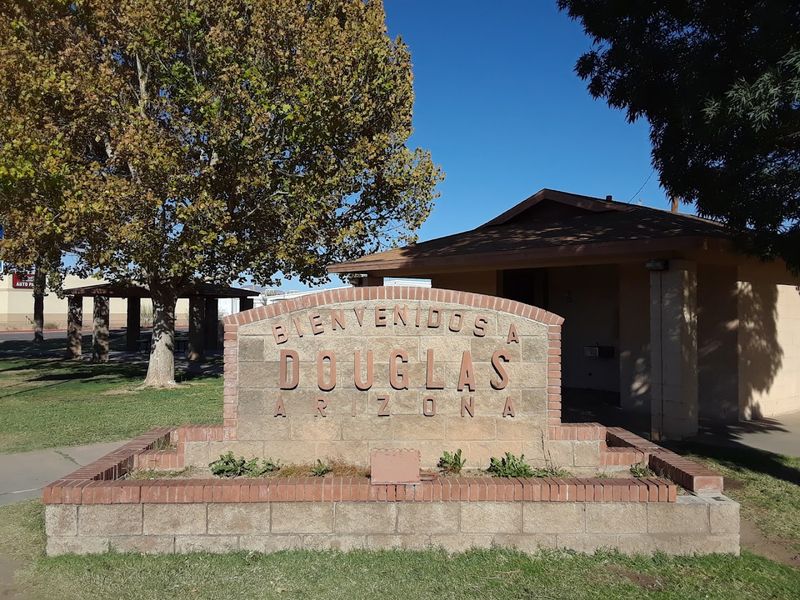
Douglas keeps its priorities practical, and your budget benefits from that attitude. This border town has a working-class character that shows up in many everyday prices, especially at local eateries and routine retail stops.
You will often find casual food and small purchases staying within a reasonable range, without the premium polish that drives costs higher elsewhere. The town feels built around getting things done, and that straightforward approach tends to support better value.
For visitors, that means daily spending can remain refreshingly manageable. A dollar may only cover part of a meal or snack, but it still has purchasing power instead of symbolic value, and that is a meaningful difference when so many places now treat ordinary transactions like special events that somehow require special-event pricing for absolutely no convincing reason.
15. Ironwood, Michigan
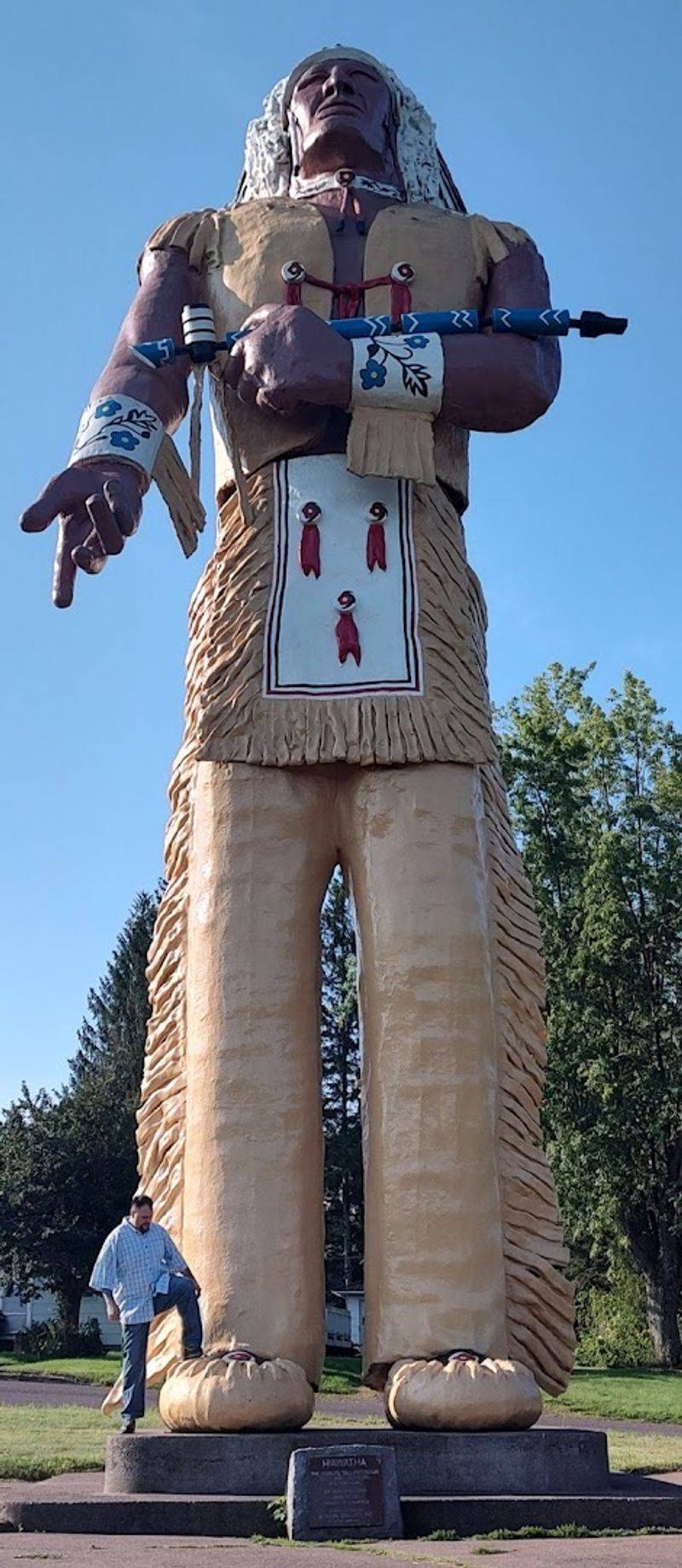
Up near the Upper Peninsula, Ironwood keeps things admirably unfussy. Simple living remains part of the appeal, and that often translates into everyday prices that are easier on the budget than in larger Midwestern cities.
You can still find straightforward cafes, practical stores, and local meal options where the totals do not spiral out of control. The town’s smaller scale helps, but so does a community mindset that values usefulness over expensive extras.
That combination makes ordinary spending feel less dramatic and more reasonable. Your dollar may not command the whole menu, but it still has enough influence to count toward breakfast, coffee, or a quick convenience stop, which is more than can be said for plenty of trendier places where a basic snack now behaves like it graduated from an elite financial academy.
16. Greenville, Mississippi
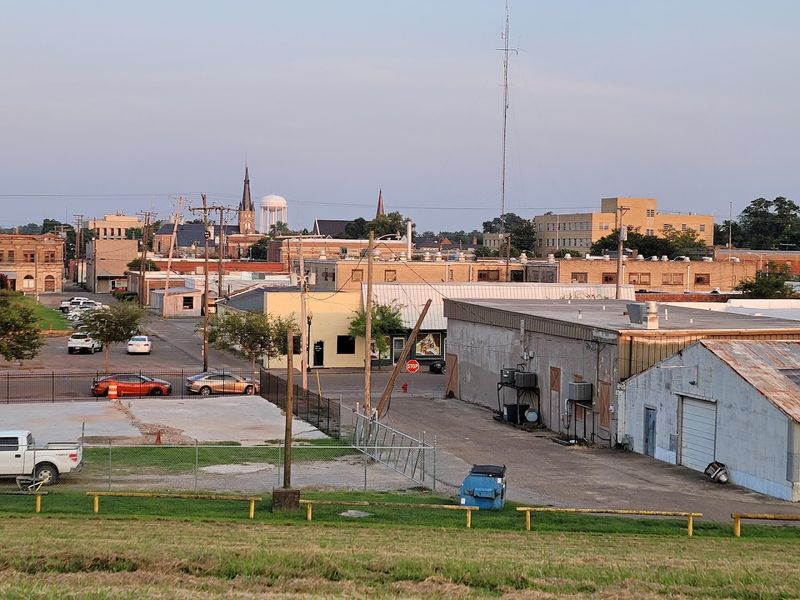
Greenville rounds out the list with a useful talent: everyday value that still feels visible. In this Delta town, shopping and dining often remain accessible enough that small purchases do not immediately start a budget lecture.
You are likely to see that in local restaurants, cafes, and stores serving regular community needs. Prices may not be frozen in time, but many basics still feel more attainable here than in bigger cities where minor errands somehow become major financial events.
Lower costs and a more grounded local economy help explain why a dollar still matters. It can contribute to a coffee, a snack, or part of a simple meal, and while that may sound modest, modest is exactly the point – sometimes the best bargain is just a town that remembers money should still do something.
Share this story