A historic lighthouse on Michigan’s Upper Peninsula shoreline offers a rare look at life on Lake Superior in the 1800s. Still standing along the southern shore, it has earned near-perfect reviews from visitors who make the trip to see it.
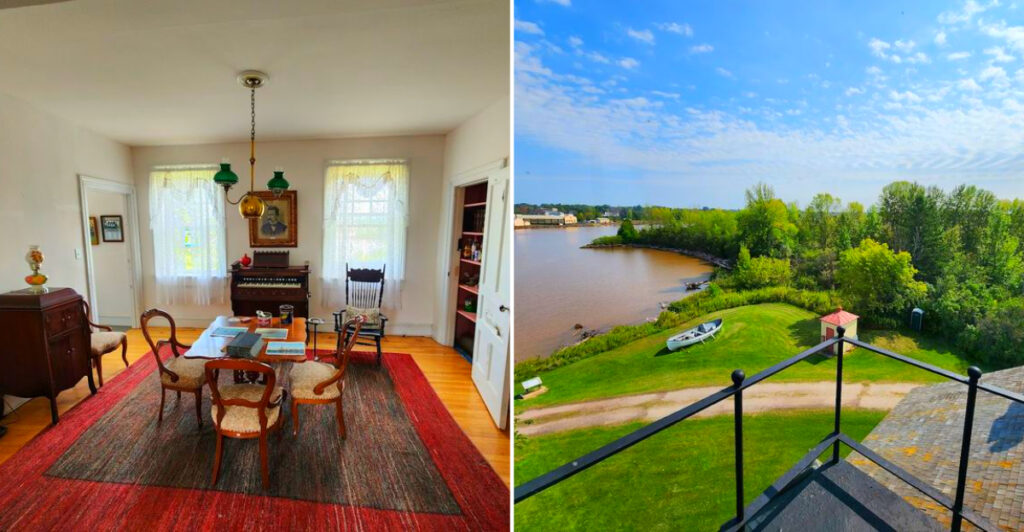
Inside, the rooms are preserved to reflect how lighthouse keepers once lived, complete with original-style furnishings and a narrow spiral staircase leading to the top. The setting is simple but authentic, giving visitors a clear sense of its history without modern distractions.
It’s not widely known, but that’s part of the appeal. For those who find it, the experience feels far more personal than larger, more crowded landmarks.
Where Exactly This Lighthouse Stands
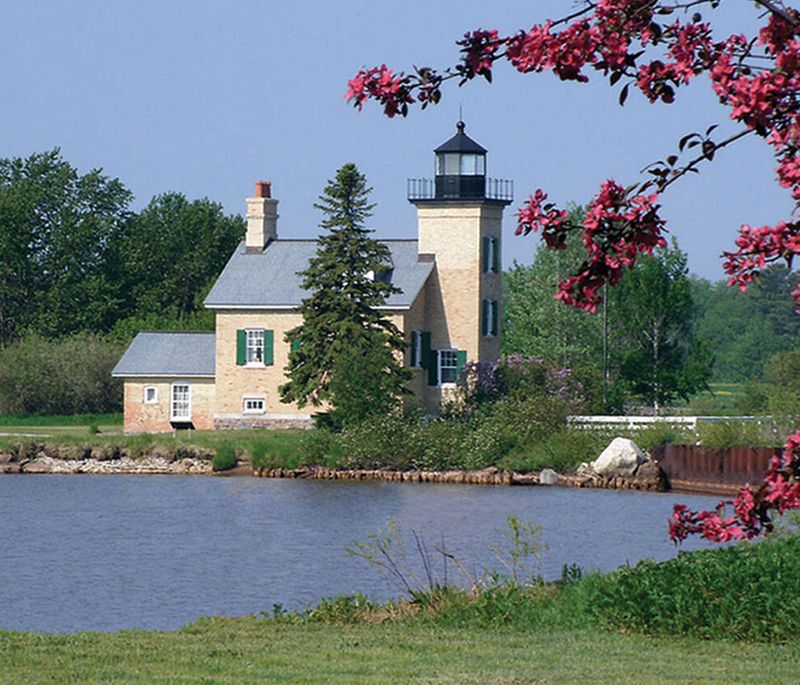
The Ontonagon Lighthouse sits at 999 Lighthouse Lane, Ontonagon, MI 49953, right at the mouth of the Ontonagon River where it empties into Lake Superior. This is Michigan’s Upper Peninsula, a region that feels genuinely far from everything, in the best possible way.
The town of Ontonagon is small and quiet, surrounded by forests and shoreline that stretch in every direction. Getting here requires a real road trip, and that sense of arriving somewhere off the beaten path is part of the appeal.
A locked gate controls access to the lighthouse property, so the site is only open during touring hours, typically from 11 a.m. to 3 p.m. Tickets can be purchased at the lighthouse itself or at the Ontonagon County Historical Museum in downtown Ontonagon.
The admission fee is just $5 to $7 per adult, making it one of the most affordable and rewarding stops in the entire region.
A History That Stretches Back to the 1800s
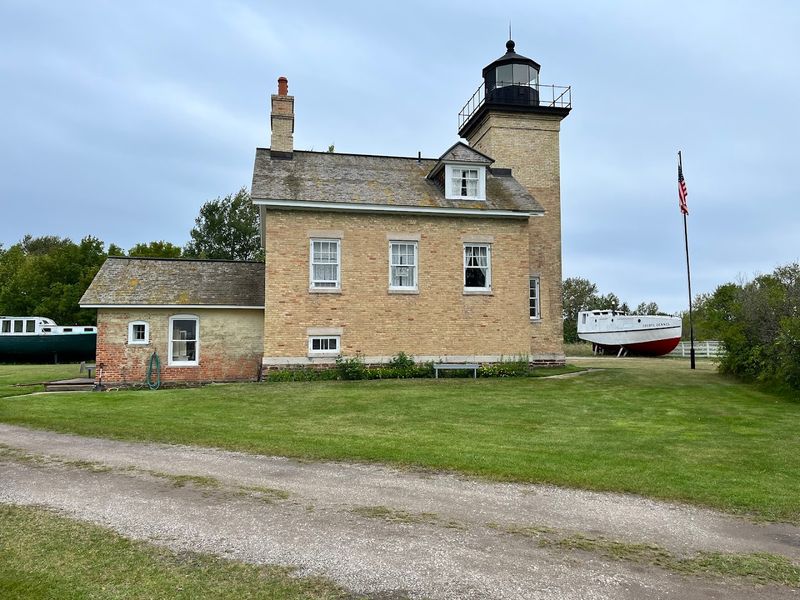
The Ontonagon Lighthouse has a long and layered past that reaches back deep into the 19th century. The current structure dates to 1866, when it replaced an earlier lighthouse that had been built at the same location in 1853 to guide vessels through the tricky waters near the river mouth.
Lake Superior was a major commercial highway during that era, with copper mining booming in the Keweenaw Peninsula and ships constantly moving ore, supplies, and passengers through these waters. A reliable light at Ontonagon was not a luxury; it was a necessity.
One of the most captivating pieces of history preserved inside the building involves a lighthouse keeper who performed his duties with only one arm. The story is documented in the keeper’s bedroom, and it serves as a quiet reminder of just how demanding and physically grueling this job truly was.
That detail alone is worth the trip.
The Restored Keeper’s Home That Feels Lived In
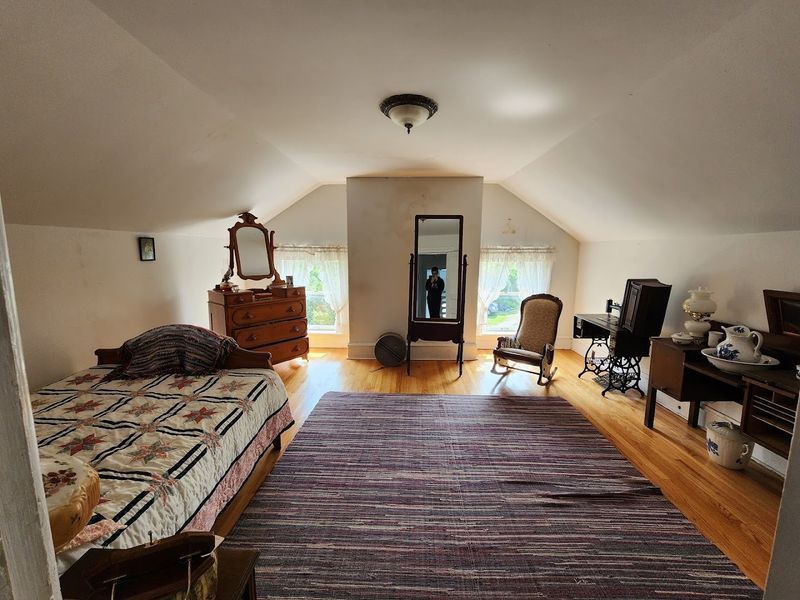
One of the most memorable things about this lighthouse is how the interior has been restored. The keeper’s living quarters on the second floor are furnished with period pieces that make the rooms feel genuinely occupied rather than staged for a museum display.
Old beds, wooden furniture, kitchen items, and personal objects are arranged throughout the rooms in a way that makes it easy to picture a real family living here through long Lake Superior winters. The restoration team clearly put serious thought and care into every detail.
Visitors are free to explore these upper rooms on a self-guided basis after a brief introduction from one of the knowledgeable volunteer docents on the ground floor. The overall effect is less like a tour and more like being quietly let into someone’s home from another century.
And honestly, that feeling is hard to find anywhere else along this stretch of shoreline.
Climbing the Spiral Staircase to the Top
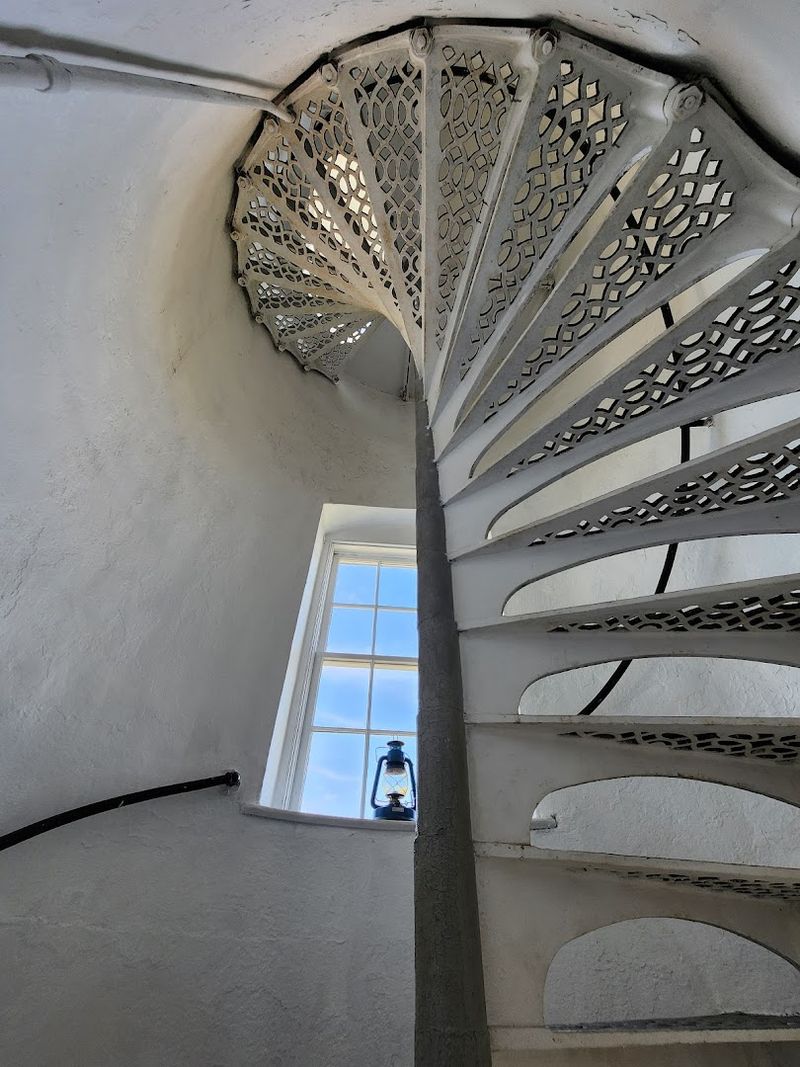
The staircase inside the lighthouse tower is tight, and the steps are steep enough that a few visitors have described them as tricky, especially for younger children. That said, the climb is absolutely worth it, and most people who make it to the top say it is one of the highlights of the whole visit.
The spiral staircase winds upward through the brick tower in a way that feels genuinely old-fashioned. There are no modern handrails that feel out of place, no shiny renovations that break the spell.
It feels like the real thing because it is the real thing.
At the top, the watch room opens up to a view of Lake Superior that stretches out to the horizon. The water is a deep, shifting blue-gray, and on a clear day you can see for miles in every direction.
That view alone is enough reason to make the climb, even if your knees protest on the way back down.
The View From the Watch Room Over Lake Superior
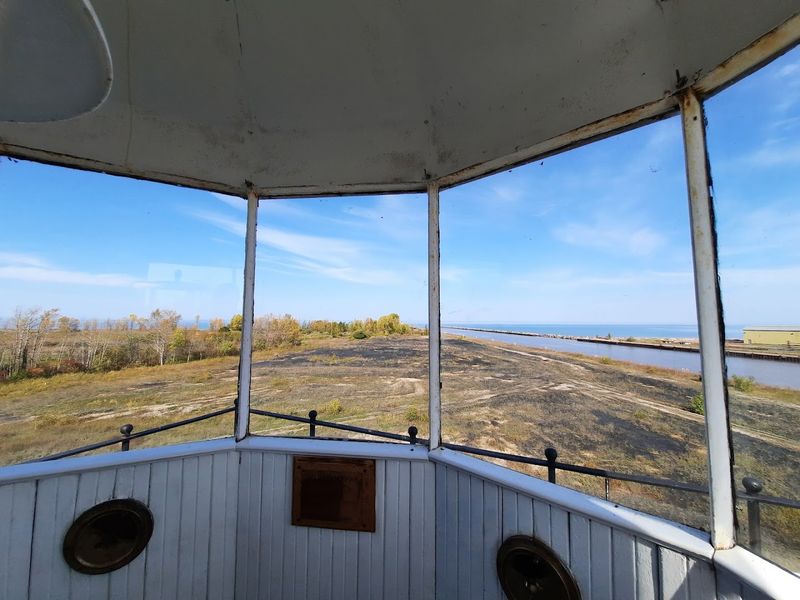
From the watch room at the top of the Ontonagon Lighthouse, the scale of Lake Superior becomes immediately clear. This is not a lake that looks small from any angle.
The water spreads out in every direction, flat and enormous, and the far shore is simply not visible.
The mouth of the Ontonagon River is visible directly below, cutting through the sand and gravel before merging with the lake. On calm days, the water near the shore is clear enough to see the bottom in the shallows, and the contrast between the river’s darker water and the lake’s open expanse is striking.
Visitors who camp along the Lake Superior shoreline nearby have noted that sunsets from this area are genuinely spectacular, and the lighthouse provides one of the best elevated vantage points for watching the light change over the water in the late afternoon. That combination of history and natural beauty is something this place delivers without any effort at all.
The Volunteer Docents Who Bring the Stories to Life
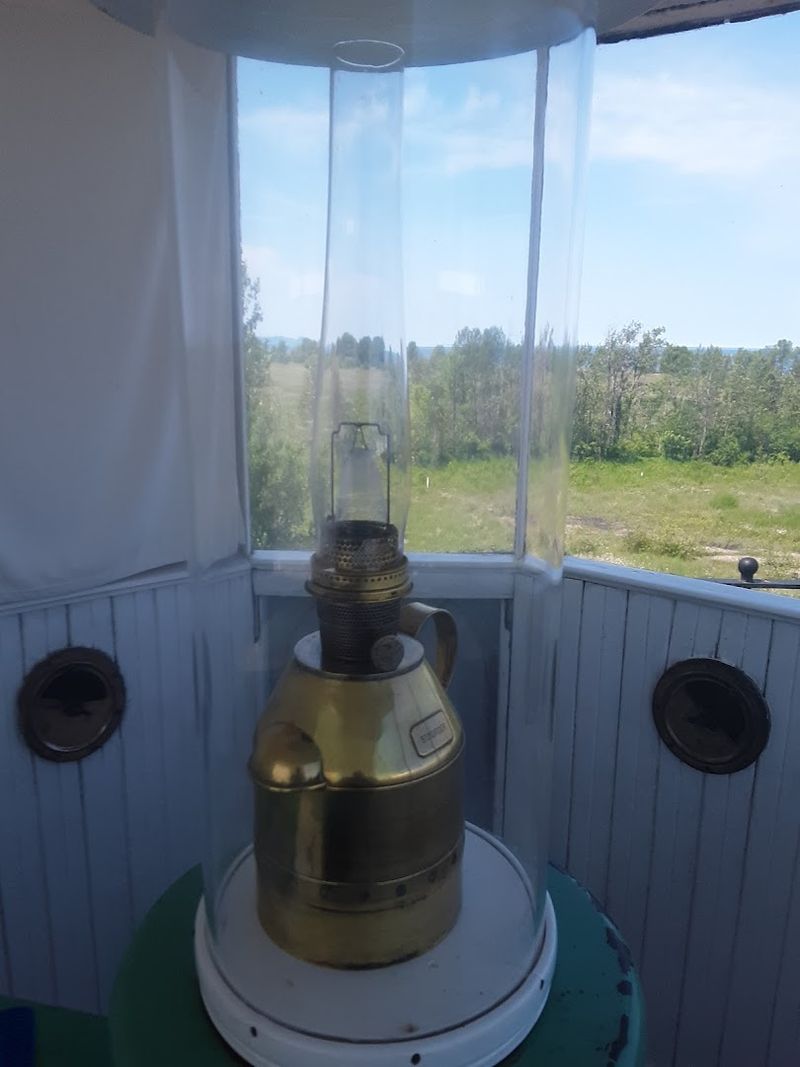
Every visit to the Ontonagon Lighthouse seems to be shaped in large part by whoever happens to be volunteering that day. The docents here are not just ticket-takers.
They are enthusiastic, deeply knowledgeable, and genuinely eager to share what they know about the building and the surrounding region.
One volunteer has been noted for giving a live demonstration of an antique foghorn, which is exactly the kind of unexpected moment that turns a decent visit into a memorable one. Another regular volunteer is actually the president of the local historical society, which means the history you hear is coming from someone who has spent years researching and preserving it.
The tone at this lighthouse is warm and unhurried. Nobody rushes you through.
The ground floor introduction typically turns into a real conversation, and visitors often end up spending more time chatting than they planned. That kind of personal connection is increasingly rare at historical sites, and it is one of the things that makes this place stand out.
What the Self-Guided Tour Actually Covers
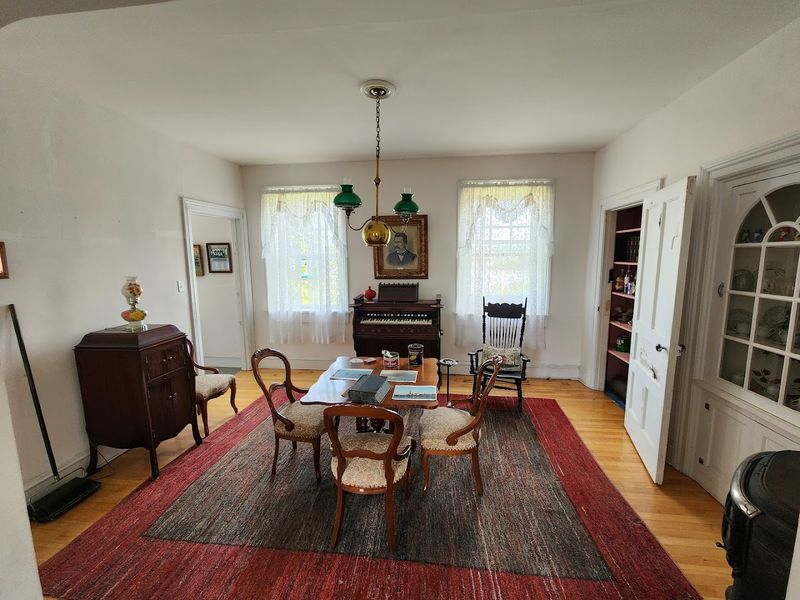
The self-guided tour at the Ontonagon Lighthouse covers more ground than the modest exterior might suggest. After the docent walks visitors through the ground floor and provides historical context, guests are free to explore the upper floors at their own pace.
The keeper’s living quarters take up a substantial portion of the interior, and there are multiple rooms to move through, each furnished and arranged to reflect a specific period in the lighthouse’s operational history. Historic photographs showing the building before and after restoration are displayed throughout, and they make the transformation feel genuinely impressive.
There is also a small artifact exhibit with items connected to the lighthouse’s history, including pins and souvenirs available for purchase near the entrance. The overall tour takes anywhere from 20 minutes to over an hour depending on how much time you spend reading the posted information and talking with the volunteers.
There is no rush, and that relaxed pace is part of what makes the experience feel so enjoyable.
The Fascinating Story of the One-Armed Lighthouse Keeper
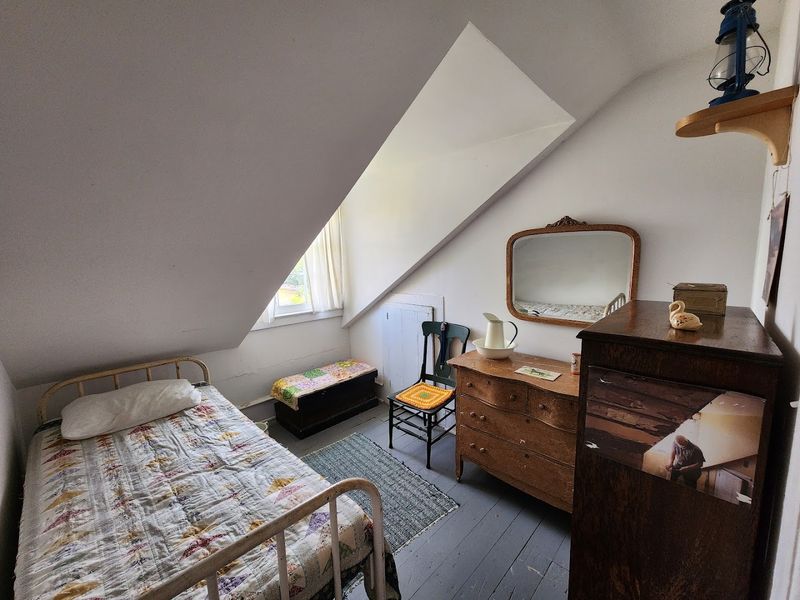
Tucked inside the keeper’s bedroom on the upper floor of the lighthouse is documentation about one of the most remarkable figures in this building’s history: a lighthouse keeper who performed all of his duties with only one arm. The details are presented simply, without dramatization, and that restraint makes the story hit harder.
Running a lighthouse in the 19th century was physically demanding work. Keepers had to maintain the light, polish the lens, log weather conditions, manage fuel, and respond to emergencies on the water, all in a remote location with no backup and no modern equipment.
Doing all of that with one arm is not something most people could easily imagine.
The story is just one example of the human dimension that makes the Ontonagon Lighthouse more than a pretty old building. There are real people woven into every room here, and the way the site preserves those stories is one of its most underrated qualities.
Keep reading, because the restoration story is just as compelling.
How the Restoration Transformed the Building
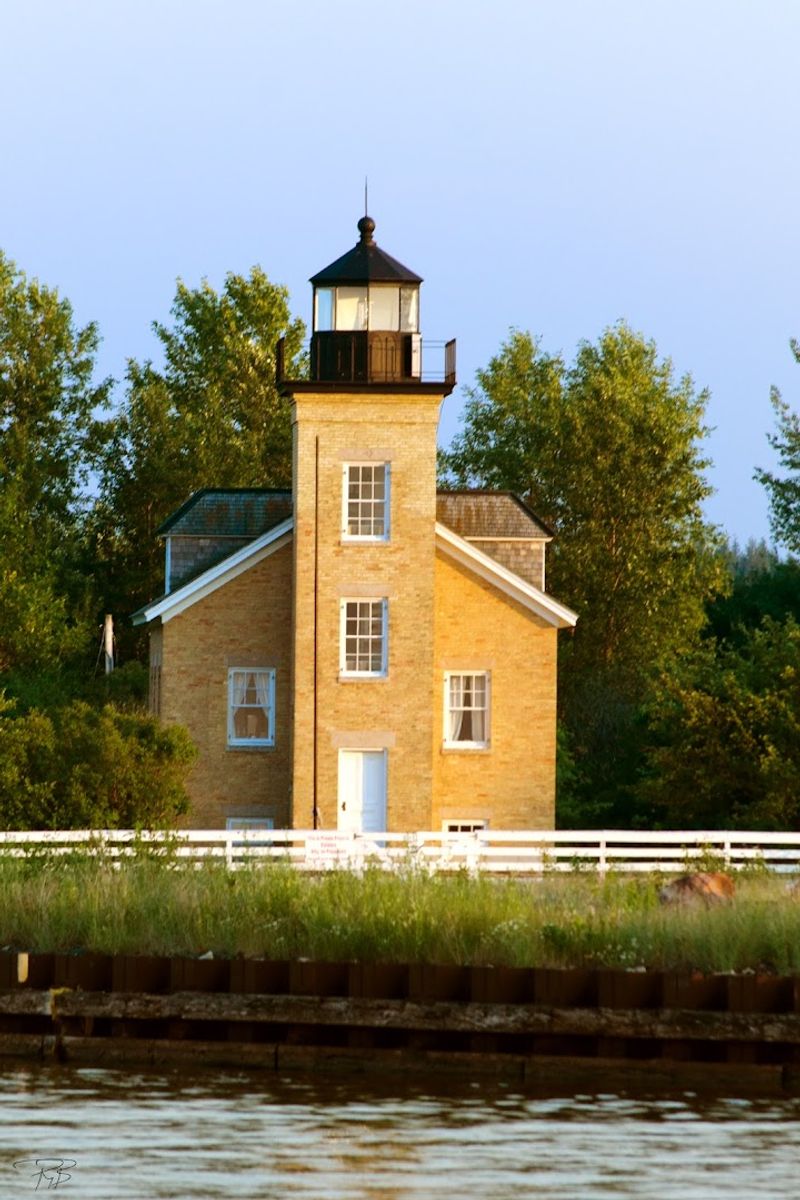
The Ontonagon Lighthouse did not always look the way it does today. Historic photographs displayed throughout the building show a structure that had fallen into serious disrepair before the restoration effort began.
The contrast between those old images and the current condition of the building is genuinely striking.
The Ontonagon County Historical Society took on the restoration project and has done meticulous work bringing the building back to its 19th-century appearance. The brick exterior is well-maintained, the interior rooms are carefully arranged, and the overall condition of the structure reflects years of dedicated effort by volunteers and preservationists.
The $5 admission fee goes directly toward supporting ongoing restoration and maintenance, which means every ticket purchased is a small contribution to keeping this piece of history intact. Visitors who appreciate historic preservation tend to find that context meaningful, and it adds a layer of purpose to the visit that goes beyond simple sightseeing.
The building is still a work in progress, and that ongoing story is part of its character.
Practical Tips Before You Make the Drive
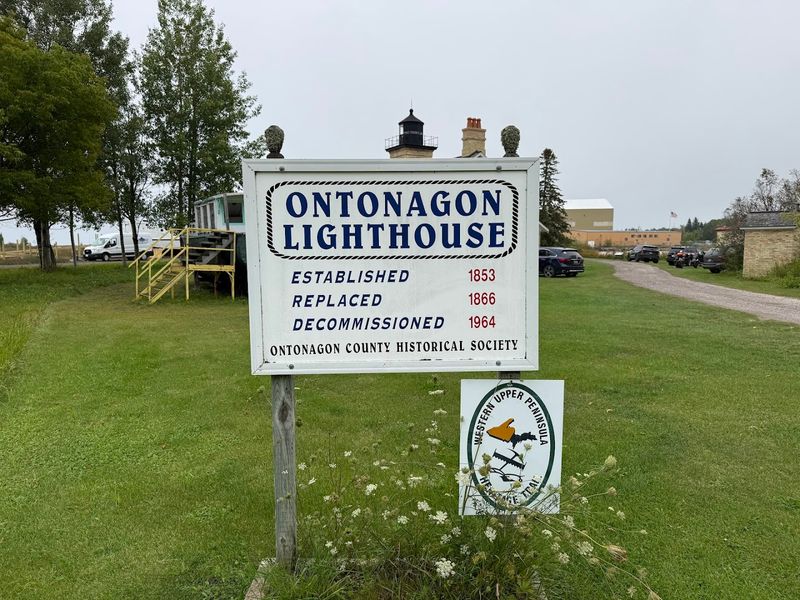
A few practical details can make the difference between a smooth visit and a frustrating one. The lighthouse property is accessed via a gated road, and that gate is locked outside of touring hours.
Arriving before 11 a.m. or after 3 p.m. means you will not be able to get close to the building, and the view from outside the gate is limited.
Tickets can be purchased either at the door or in advance at the Ontonagon County Historical Museum in downtown Ontonagon. Parking is on grass near the property, and there is a portable restroom on site since the building does not have functioning indoor bathrooms.
The stairs inside the tower are narrow and steep, so visitors with mobility concerns should plan accordingly. Children under 5 or 6 may find the climb challenging.
Bringing a small amount of cash is a good idea since the admission is modest and the site sells souvenir pins that make genuinely nice keepsakes from the trip.
Why This Quiet Corner of Michigan Deserves More Attention
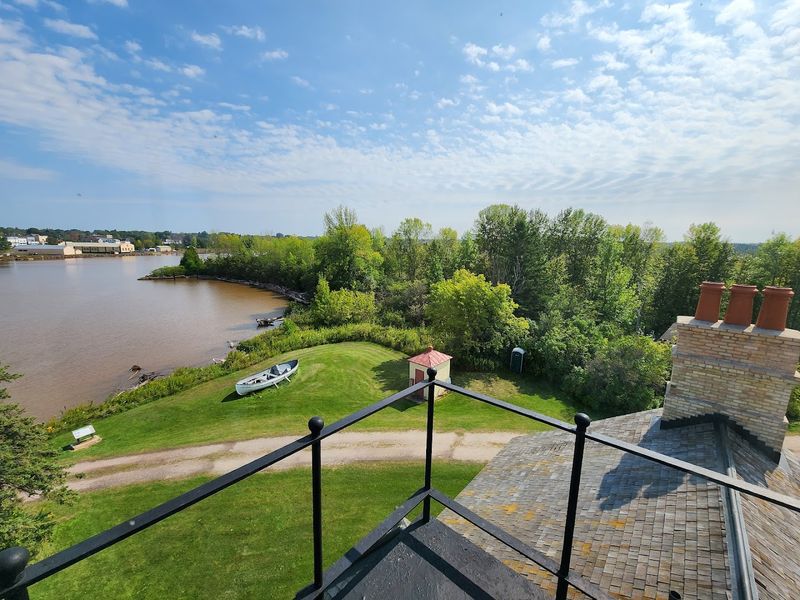
Ontonagon is not a place most travelers stumble across by accident. It takes a deliberate decision to drive out to this corner of Michigan’s Upper Peninsula, and that effort filters the crowd down to people who genuinely want to be there.
The result is a visit that feels personal and unhurried in a way that busier tourist spots rarely manage.
The town itself is small and unpretentious, with a shoreline that delivers some of the most beautiful Lake Superior sunsets in the region. Campers who spend a night or two along the water near the lighthouse property describe waking up to a stillness that is hard to find in more traveled areas.
The lighthouse sits at the center of all of it, a 160-year-old building that has watched over this stretch of water through copper booms, brutal winters, and quiet decades of change. That kind of endurance is worth a road trip, and this particular road trip will not disappoint.
Share this story