Hidden Lake Gardens in Lenawee County covers 755 acres and offers far more than a typical botanical garden. Visitors can walk a 65-foot canopy bridge, explore a tri-dome conservatory, see extensive hosta collections, and follow more than 12 miles of trails through wooded areas.
Located just off M-50, it is easy to reach but often overlooked. The layout includes both curated garden spaces and more natural sections, giving it a mix of structured and open exploration.
What makes it worth the trip is the range. You can move from indoor plant displays to elevated walkways to quiet forest trails in a single visit, which is why many people end up spending more time here than planned.
Where Exactly This Place Is and How to Find It
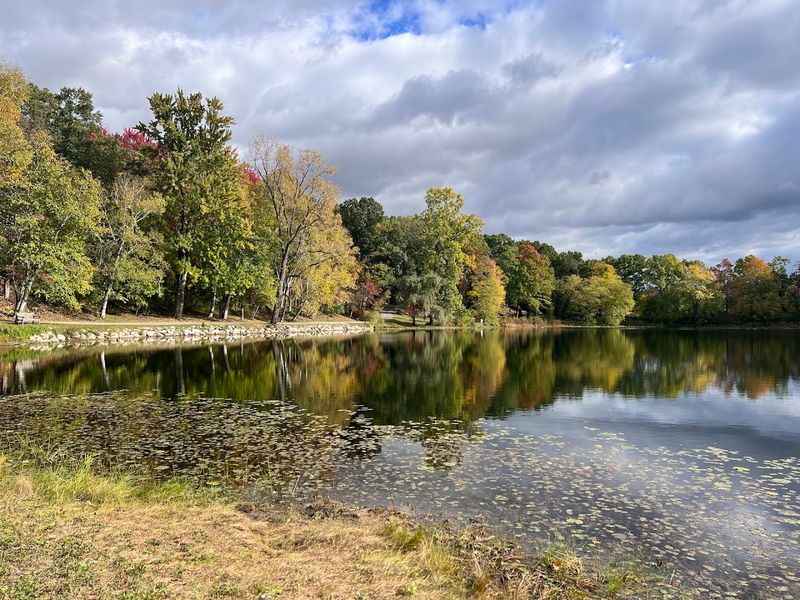
The full address is 6214 Monroe Road (Highway M-50), Tipton, MI 49287, and that detail matters because the area around it is surprisingly rural, with very few landmarks to guide you in.
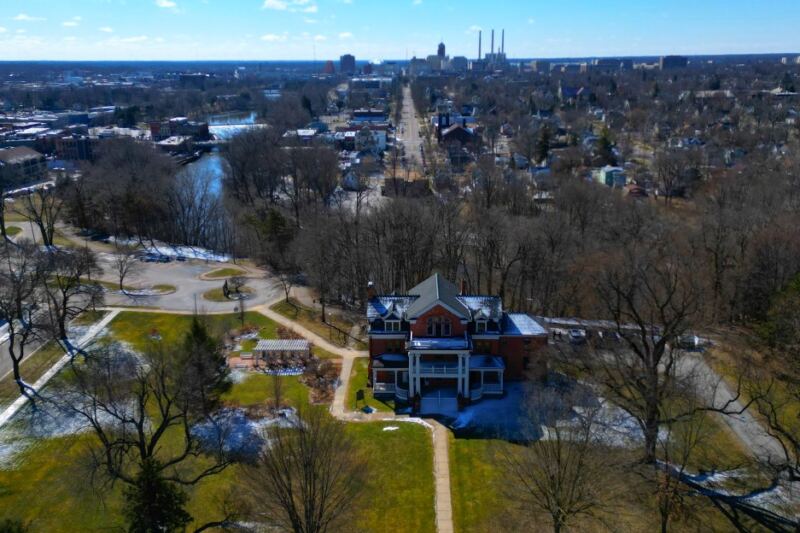
Hidden Lake Gardens is managed by Michigan State University and sits in Tipton, a small community in Lenawee County in southern Michigan. The drive in feels almost deliberately quiet, like the landscape is asking you to slow down before you even park.
The garden is open Wednesday through Sunday from 9 AM to 5 PM and is closed on Mondays and Tuesdays. Admission runs about $10 per adult, $5 for students with ID, and free for children under four.
You can reach the garden by phone at (517) 431-2060 if you need to confirm seasonal hours or special events before making the trip.
Plan for at least four to five hours, because the grounds are far larger than they look from the entrance.
755 Acres That Feel Completely Different From Any Other Garden
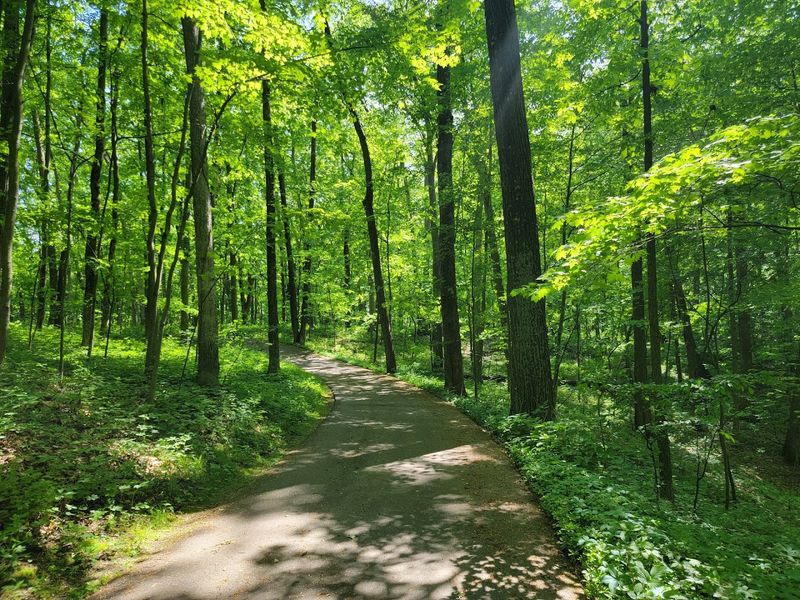
Most botanical gardens feel curated to the point of being sterile. Hidden Lake Gardens feels alive in a way that is harder to pin down, partly because the sheer scale of 755 acres means you are never fully surrounded by other visitors.
The property includes woodlands, open meadows, a natural lake, and cultivated garden collections that transition into each other almost seamlessly. One moment you are walking a paved path past labeled conifers, and the next you are deep inside a forested trail with nothing but birdsong and the crunch of gravel underfoot.
Michigan State University has managed the gardens since 1945, and that institutional care shows in the quality of the plantings and trail maintenance. But the space never feels like a classroom exhibit.
It feels like a working natural landscape that has been quietly tended for decades without losing its character.
And the lake itself, more on that shortly, is worth the visit alone.
The Reach for the Sky Canopy Walk That Changes Your Perspective
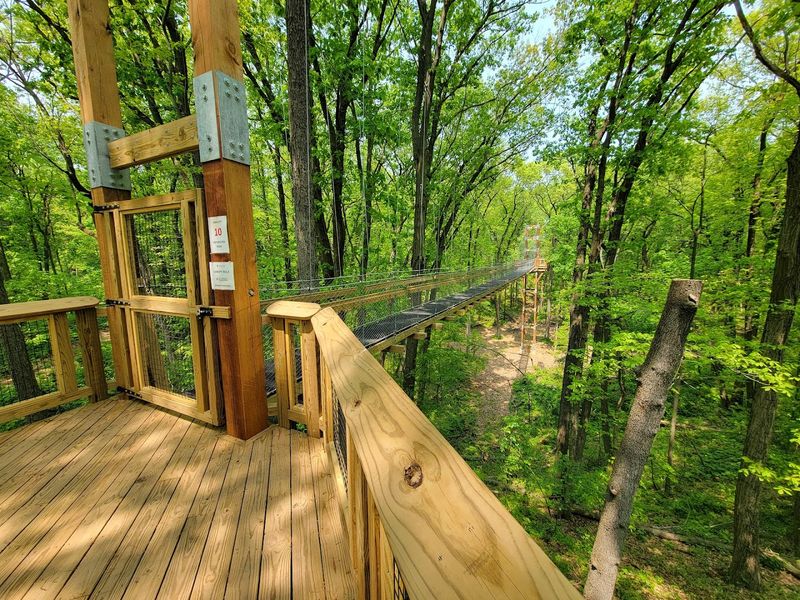
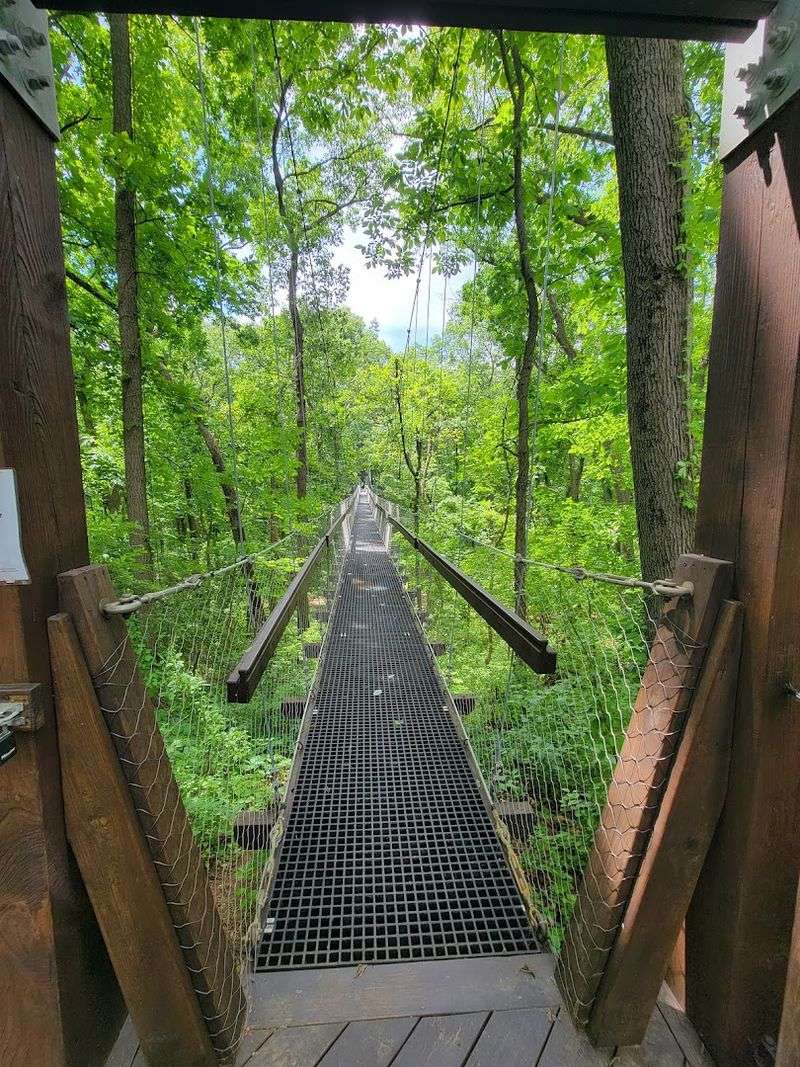
Opened in 2023, the Reach for the Sky Canopy Walk is the newest and arguably most dramatic feature at Hidden Lake Gardens, and it genuinely delivers on its promise.
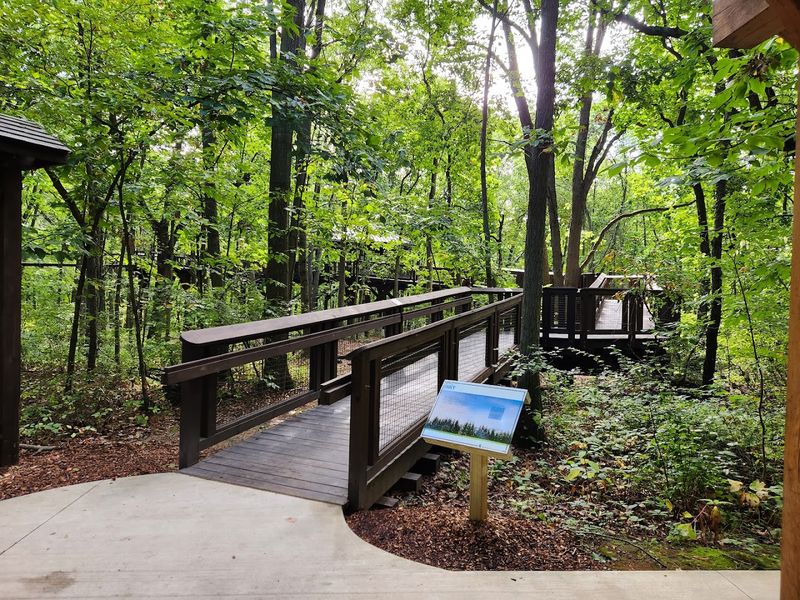
The structure rises 65 feet above the forest floor and stretches about 700 feet in total, making it one of the longest canopy walks in Michigan. The walk up to it is not short, and the path turns to large gravel about a third of the way in, so sturdy shoes are a real recommendation rather than a polite suggestion.
Once you are up there, the forest spreads out below you in a way that is quietly disorienting in the best possible way. On hot days, the tree canopy keeps the temperature noticeably cooler than the open areas of the garden.
Only ten visitors are allowed on the bridge at one time, which keeps the experience calm and unhurried.
The path leading up to it is lined with informative signs, so the journey there is worth savoring too.
The Conservatory With Three Worlds Under One Roof
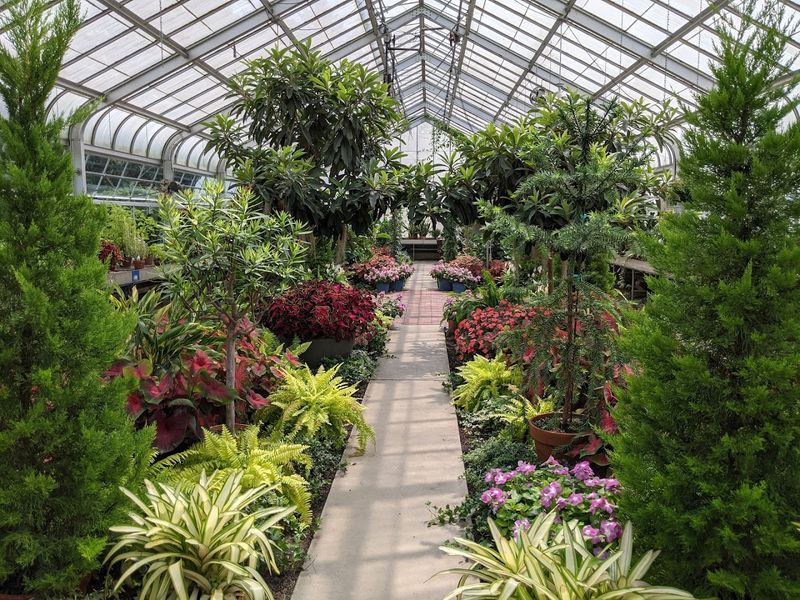
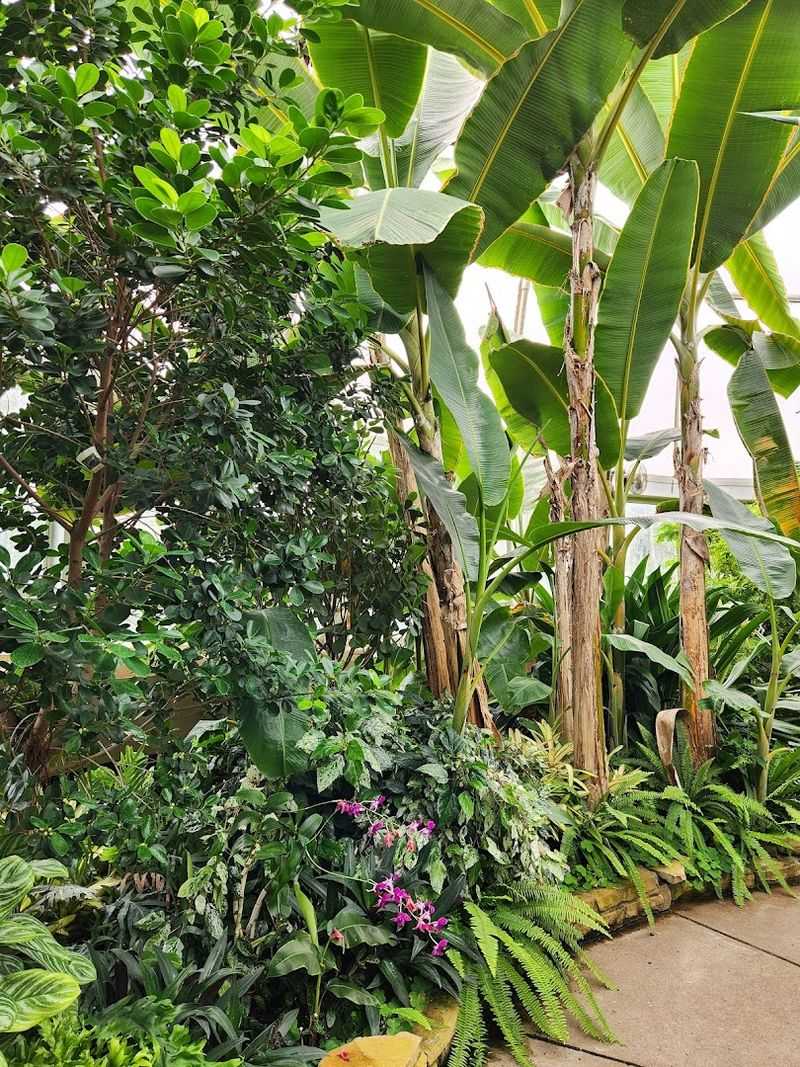
There is something genuinely surprising about walking through a door and suddenly being surrounded by giant cacti in rural Michigan, but that is exactly what the conservatory at Hidden Lake Gardens delivers.
The building is divided into three distinct climate zones: tropical, arid, and temperate. Each section houses a completely different plant collection, and the contrast between them makes the experience feel like three short trips packed into one building.
The tropical dome is lush and humid, the arid section is full of towering cacti and succulents, and the temperate area offers a middle ground that feels almost like a well-tended greenhouse.
The plants throughout are in exceptional condition, which reflects the ongoing care that MSU staff and volunteers put into maintaining the collections. It is also one of the few indoor spaces on the property, making it a particularly good destination on cooler or unpredictable weather days.
First-time visitors often spend more time here than they expected, and that is not a complaint.
Hosta Hillside and the Quiet Art of Leaf Diversity
Before visiting Hidden Lake Gardens, I would have described a hosta as a basic shade plant that people tuck under trees when they run out of ideas. The Hosta Hillside corrected that impression entirely.
The collection features over 700 cultivars, which means 700 distinct variations in leaf color, texture, size, and form. Some are deep blue-green, others are nearly yellow, and many display bold variegated patterns that look almost painted.
The hillside setting allows the plants to cascade down toward a bubbling stream, which adds both visual depth and a pleasant sound to the whole area.
Spring and early summer are the peak seasons for the hosta collection, when the foliage is at its freshest and most vivid. The stream running alongside creates a natural focal point, and several visitors I noticed simply sat on nearby rocks for long stretches, not photographing anything, just watching the water move.
That kind of quiet engagement is exactly what this garden seems designed to encourage.
Bonsai Trees That Reward Slow Looking
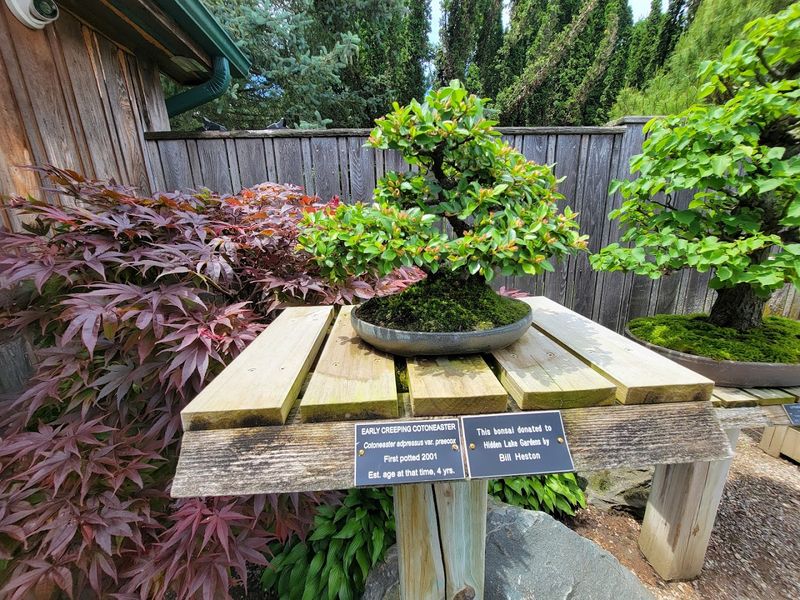
The Elsie MacCready Memorial Bonsai Collection at Hidden Lake Gardens is one of those features that can easily be rushed past, and that would be a real mistake.
Bonsai cultivation is a patient art, and the trees on display here represent years, sometimes decades, of careful shaping and tending. Each one is a miniature landscape with its own character, and the courtyard setting gives visitors enough space to move around each piece and appreciate it from multiple angles.
The collection is typically displayed outdoors during the warmer months, so timing your visit accordingly is worthwhile. On the day I visited, a volunteer near the courtyard was happy to offer context on a few of the trees, which added a layer of appreciation that I would have missed entirely on my own.
One visitor I overheard described the bonsai area as the most memorable part of the whole garden, rating it even above the canopy walk, which tells you something about how quietly compelling it is.
Rare Conifers That Most People Walk Right Past
The dwarf and rare conifer collection at Hidden Lake Gardens is the kind of thing that sounds unremarkable until you are standing in the middle of it, looking at trees that seem to have come from a different planet.
The variety is genuinely astonishing. There are weeping forms, globular shapes, fastigiate varieties that shoot straight upward, and dwarf specimens that look like they were borrowed from a fantasy novel.
The collection sits near the conservatory, making it easy to combine both into a single loop.
Labels mark many of the specimens, though getting close enough to read them requires a little patience depending on how densely the plants are grouped. The range of textures alone, from soft and feathery to sharp and architectural, makes the conifer section worth a slow walk-through even for visitors who would not normally seek out evergreens.
It is the kind of collection that turns casual curiosity into genuine interest, and that seems to be exactly the point.
Over 12 Miles of Trails Through Real Wilderness
Twelve miles of trails sounds like a lot until you realize just how varied the terrain at Hidden Lake Gardens actually is, and then it starts to feel like exactly enough.
The trail network includes both paved paths and more rugged hiking-style routes through dense forest. The paved sections are accessible for wheelchairs and strollers, which makes the garden genuinely usable for a wide range of visitors.
The forested trails feel more adventurous and reward hikers with a sense of real seclusion that is unusual for a managed botanical garden.
Trail signage is present but not always abundant, so downloading the garden map before heading out is a practical move. Sturdy shoes, water, and sunscreen or bug spray are all worth bringing, especially for the longer woodland loops.
The forest sections in particular have a cool, shaded quality even on warm days, and the sound of wind through the canopy overhead is the kind of thing you tend to remember later.
Hidden Lake Itself and the Stillness Around It
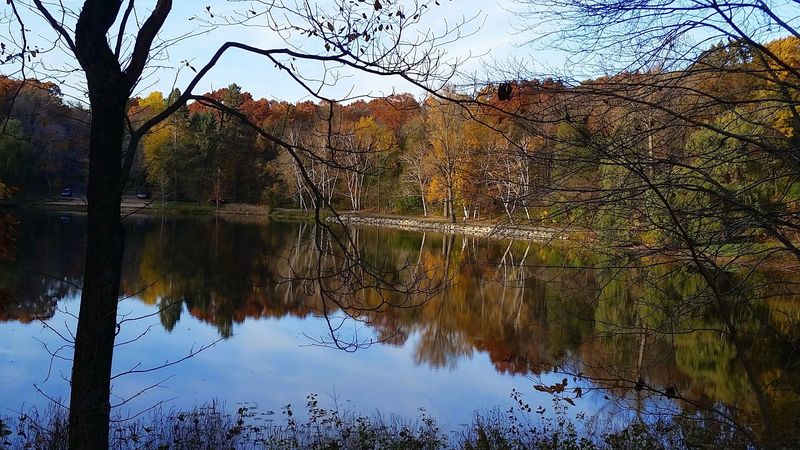
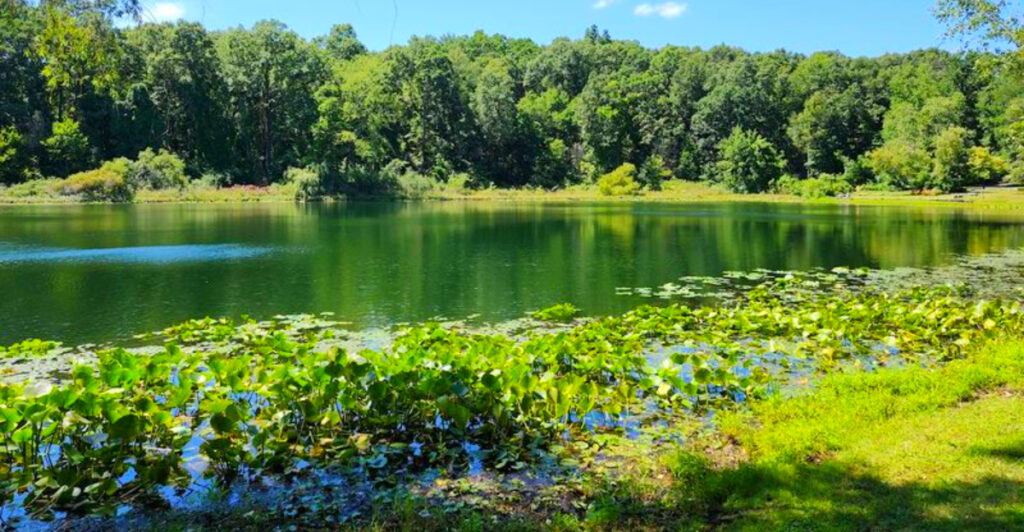
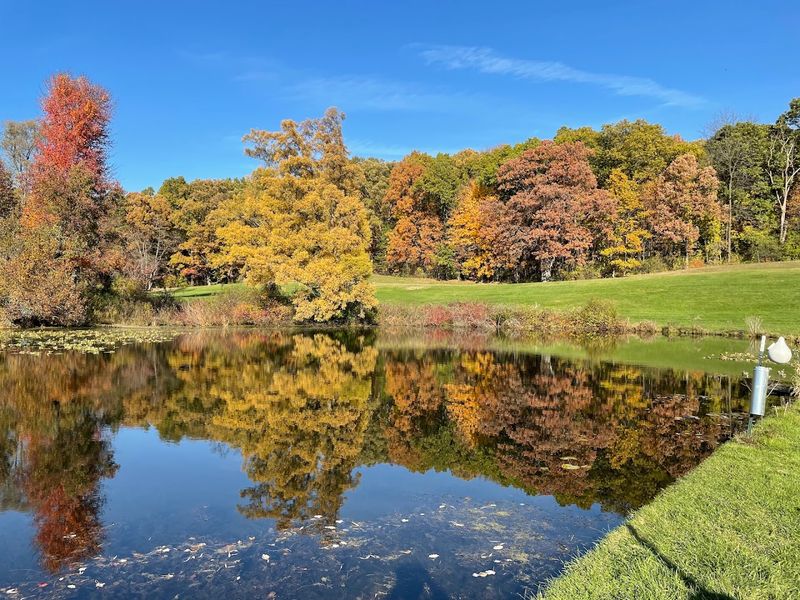
The lake that gives the garden its name is not a decorative pond. It is a proper natural lake, and its presence shapes the atmosphere of the entire property in ways that are easy to feel but harder to describe.
From certain viewpoints, especially from the hillside near the canopy walk trail, the water reflects the surrounding tree canopy and sky in a way that makes the whole scene feel almost too composed to be real. In early November, the chipmunk activity near the lakeshore is particularly lively, and the combination of rustling leaves, calling crows, and shimmering water creates a sensory experience that no garden designer could fully plan for.
There are benches positioned near the water at several points, many of them covered, which encourages visitors to stop and simply be still for a while. The lake is not a destination you walk to and check off a list.
It is more of a place you find yourself returning to throughout the day.
Fall Colors That Turn the Whole Garden Into Something Else
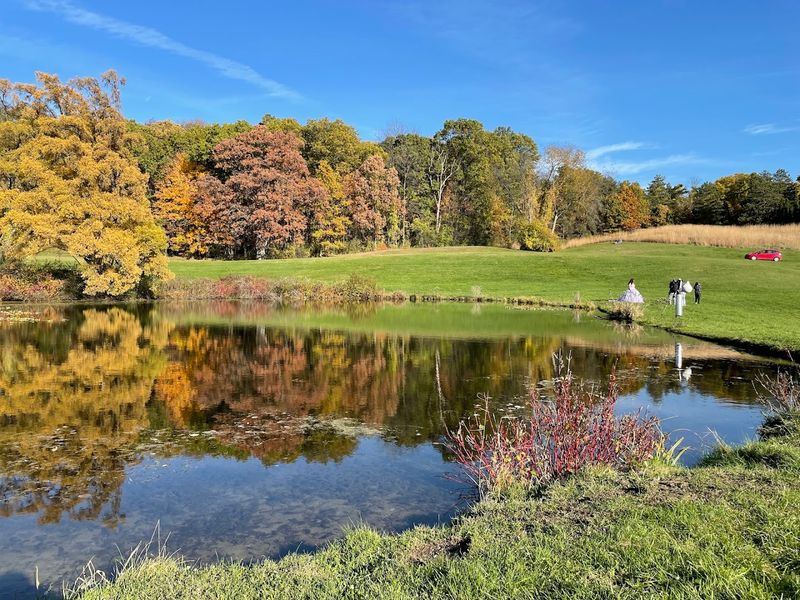
Autumn at Hidden Lake Gardens operates on a different level than most fall foliage destinations, partly because the diversity of tree species means the color palette is far richer than a standard maple-heavy forest.
The garden hosts an annual Fall Festival and Pumpkin Fest during October, which adds a festive layer without overwhelming the natural beauty of the season. Crowds are manageable, parking is straightforward, and the overall atmosphere stays relaxed even during popular weekends.
The canopy walk in fall is a specific highlight, with the bridge offering a bird’s-eye view of the color change that ground-level trails simply cannot replicate. The conifers provide a steady green contrast against the warm tones of the deciduous trees, which gives the landscape a visual complexity that photographs well but looks even better in person.
Multiple visitors have described the fall experience here as exceeding every expectation, and based on what I saw, that reaction makes complete sense.
Practical Tips That Will Make Your Visit Much Smoother
A few logistical details can make a real difference between a good visit and a great one at Hidden Lake Gardens, and most of them are easy to plan for in advance.
Admission is $10 per adult and $5 for students with a valid ID. Children under four enter free, and senior discounts are available.
The garden is closed Mondays and Tuesdays, so mid-week visitors should plan accordingly. Cash is accepted at the gate, and the day pass allows you to leave and return, which is useful if you want to grab food and come back for an afternoon loop.
There is no food sold on-site, at least outside of special festival days, so packing a lunch and snacks is strongly recommended. Picnic tables and benches are plentiful throughout the property.
Nature center members affiliated with ANCA organizations may qualify for free admission, so it is worth checking your membership before arriving.
Good walking shoes, water, and bug spray will carry you through a full day here with no regrets.
Why This Garden Stays With You Long After You Leave
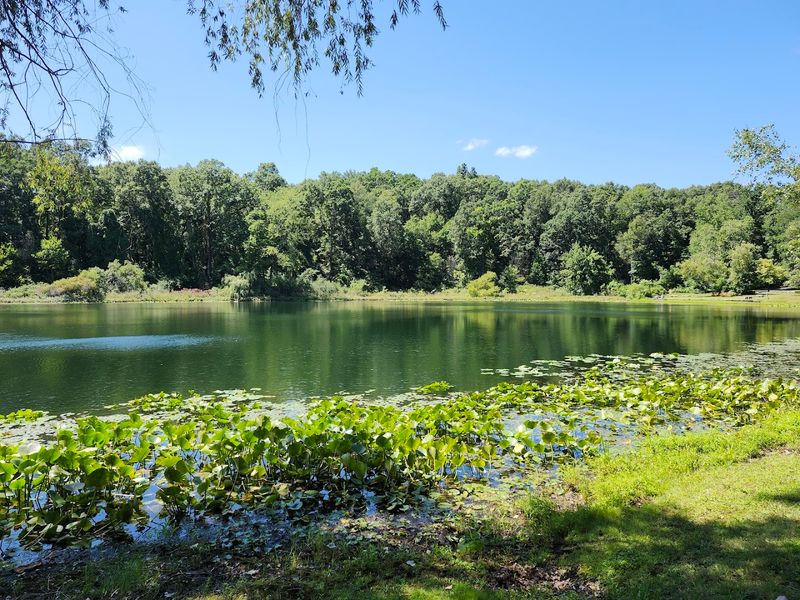
There is a specific quality to Hidden Lake Gardens that is difficult to name but easy to recognize once you have experienced it. The place feels genuinely unhurried, like it was designed for people who are willing to pay attention.
The combination of cultivated collections and wild-feeling woodland trails means the garden appeals to a wide range of visitors, from serious botanists to families with young children to couples looking for a quiet afternoon away from screens. The staff and volunteers add warmth to every interaction, and the overall sense of care throughout the property reflects decades of thoughtful stewardship by Michigan State University.
With a 4.8-star rating across hundreds of reviews, the garden’s reputation is built on consistent, genuine experiences rather than novelty. First-time visitors regularly describe planning a return trip before they have even reached the parking lot on the way out.
That kind of loyalty is earned slowly, over 755 acres and many quiet hours, and Hidden Lake Gardens has clearly put in the work.
Share this story