There is a place in central Florida where time quietly stopped somewhere around the late 1800s, and honestly, that is a very good thing. Spread across 16 wooded acres, this open-air museum pulls you into a world of one-room schoolhouses, old train depots, and blacksmith forges that still spark to life on special days.
The buildings are real, the artifacts are genuine, and the stories they tell are surprisingly gripping. Whether you are a history lover, a curious family, or just someone looking for a genuinely different Florida outing, this place delivers something most modern attractions simply cannot offer: a raw, honest look at how Florida pioneers actually lived.
A Living Village Hidden in Dade City
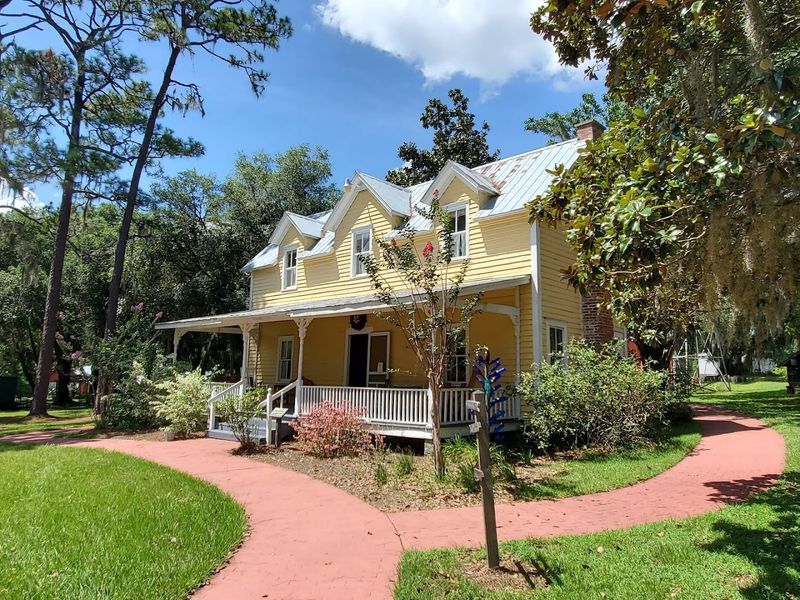
Most people drive through Dade City without realizing that one of Florida’s most remarkable open-air museums sits just off the main road. The Pioneer Florida Museum and Village is located at 15602 Pioneer Museum Rd, Dade City, nestled in the green hills of Pasco County.
The museum spans roughly 16 wooded acres, and from the moment you arrive, the sheer scale of what has been preserved here is genuinely surprising. Relocated historic buildings line pleasant walking paths shaded by mature trees, giving the whole place a calm, unhurried atmosphere that feels completely removed from modern Florida.
Free parking is available on-site, which is a welcome bonus. Admission runs $12 for adults, $10 for seniors and students, and $6 for children, with kids under five getting in free.
It is open Tuesday through Saturday from 10 AM to 5 PM.
The Story Behind the Museum’s Founding
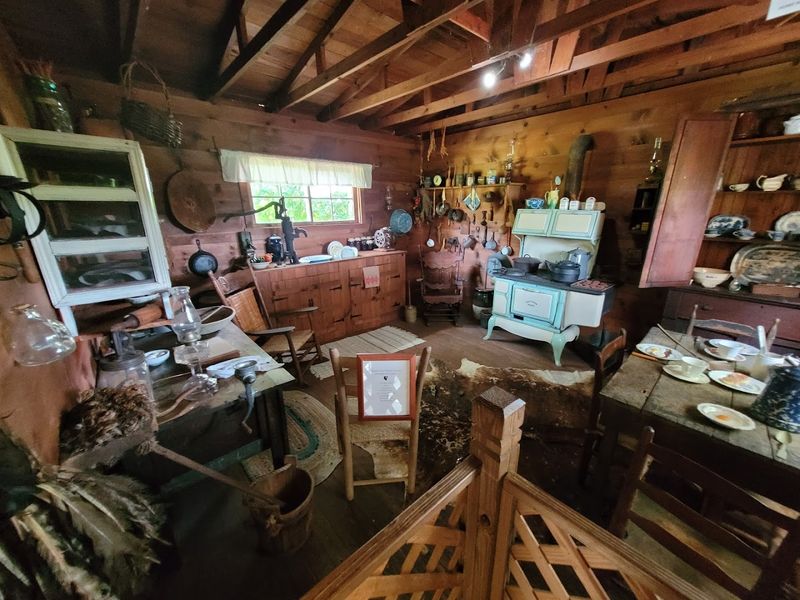
The Pioneer Florida Museum has been collecting donated artifacts and historic structures since 1961, which means it has had more than six decades to build one of the most complete collections of frontier-life culture in the entire state.
The museum was founded on a simple but powerful idea: preserve the everyday objects, buildings, and stories of Florida’s early settlers before they disappeared entirely. Generous donors, hundreds of dedicated volunteers, and a passionate staff have kept that mission alive and growing.
What makes this origin story especially compelling is that nothing here was manufactured for tourism. Every tool, every piece of furniture, and every building was used by real people who carved out lives in rural Florida long before air conditioning or paved roads made any of that easy.
That authenticity is felt throughout every corner of the grounds, and it gives the museum a weight and sincerity that is hard to replicate.
The Overstreet House and Its 1890s Charm
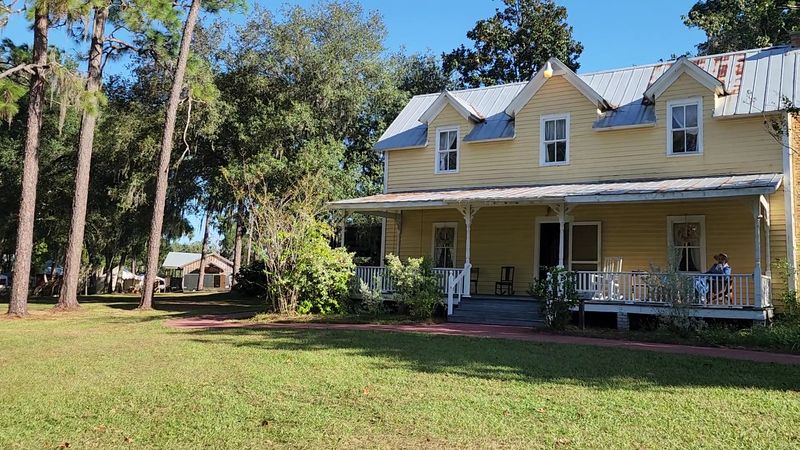
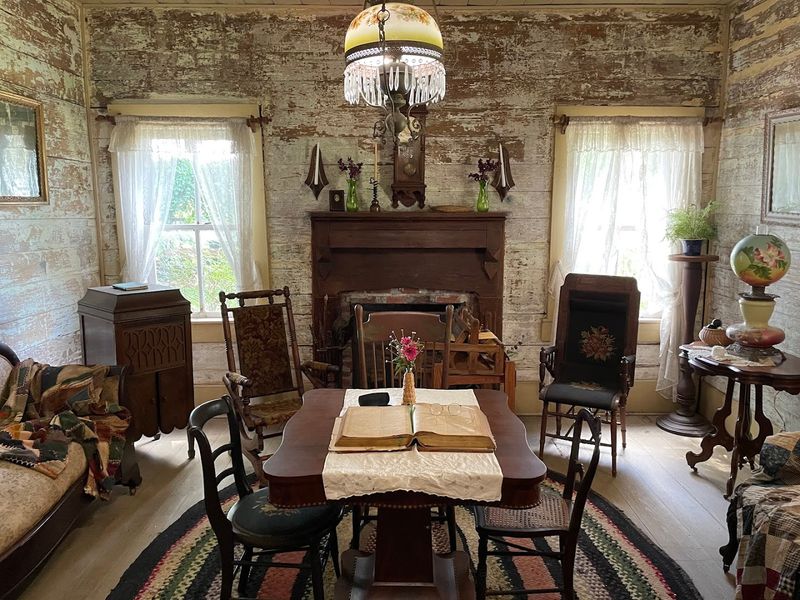
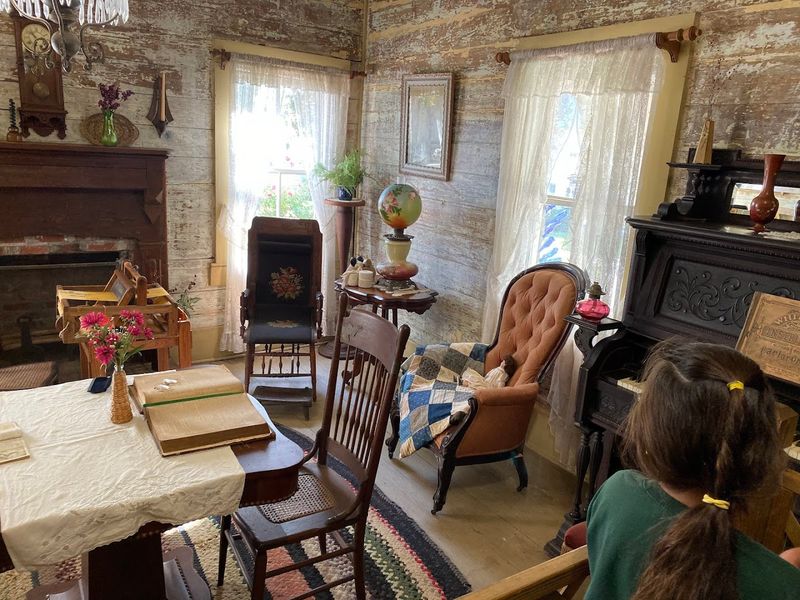
One of the crown jewels of the village is the Overstreet House, a restored structure dating back to the 1890s that gives visitors a remarkably clear picture of what domestic life looked like for early Florida settlers.
The rooms are furnished with period-appropriate items, from hand-stitched quilts on the beds to cast-iron cookware near the hearth, and every detail has been carefully considered. Wandering through the house feels less like touring a museum and more like accidentally walking into someone’s living history.
The building itself was relocated to the museum grounds and painstakingly restored, which is a process that took considerable effort and expertise. That level of care shows in the condition of the structure today.
For visitors who appreciate architectural history or just love old houses, the Overstreet House alone is worth the price of admission, though there are at least a dozen more structures still waiting on the path ahead.
The One-Room Schoolhouse from Lacoochee
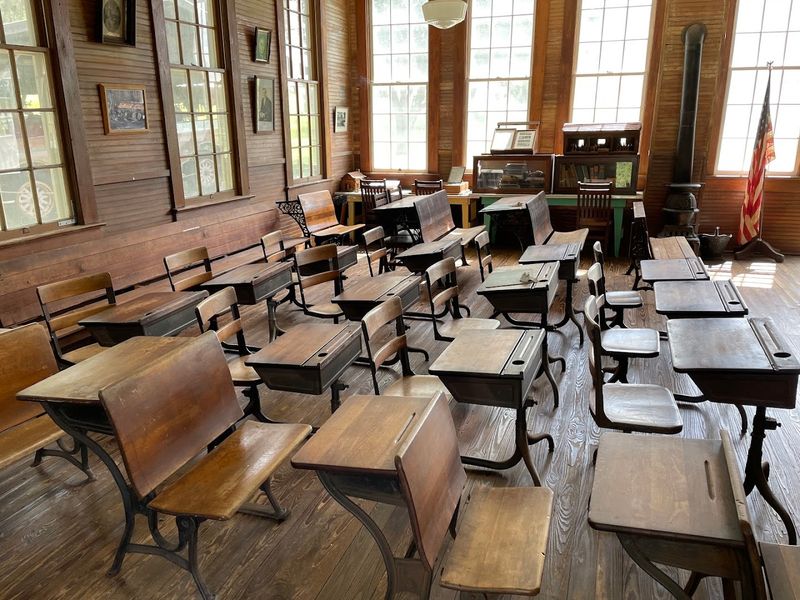
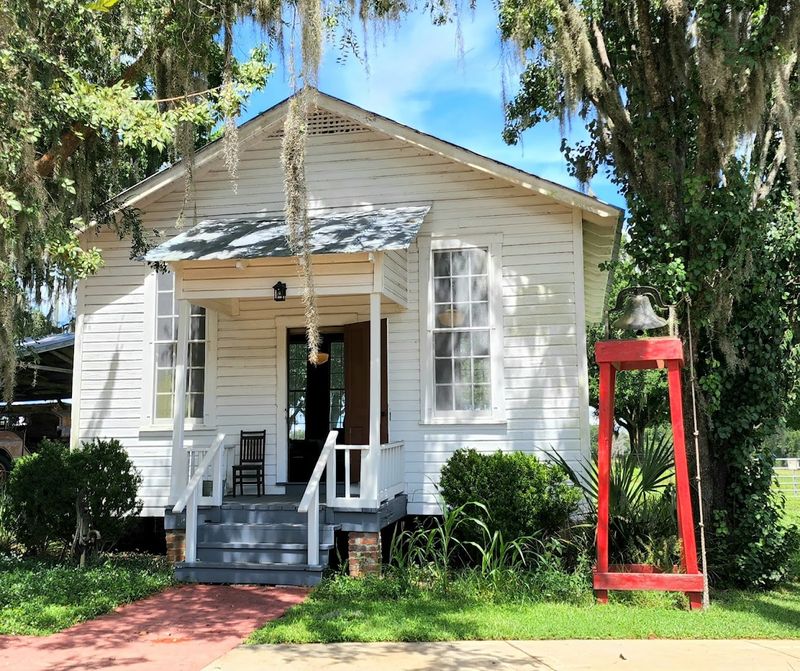
There is something quietly powerful about standing inside a one-room schoolhouse and realizing that children once sat at those tiny wooden desks, learning to read and write in a single shared space with students of all ages.
The schoolhouse at Pioneer Florida Museum was relocated from Lacoochee, a small community in Pasco County, and it represents the kind of rural education that shaped generations of Florida families. The desks, the chalkboard, and the simple teaching tools on display make the experience feel tangible rather than textbook.
For families visiting with kids, this building tends to spark genuine curiosity. Children often get very quiet inside it, which says something about how effectively the space communicates the past.
It is also a great conversation starter about how much has changed in education over the past century, and how much the core goal, teaching young people to think, has actually stayed the same.
The Trilby Train Depot and Railroad History
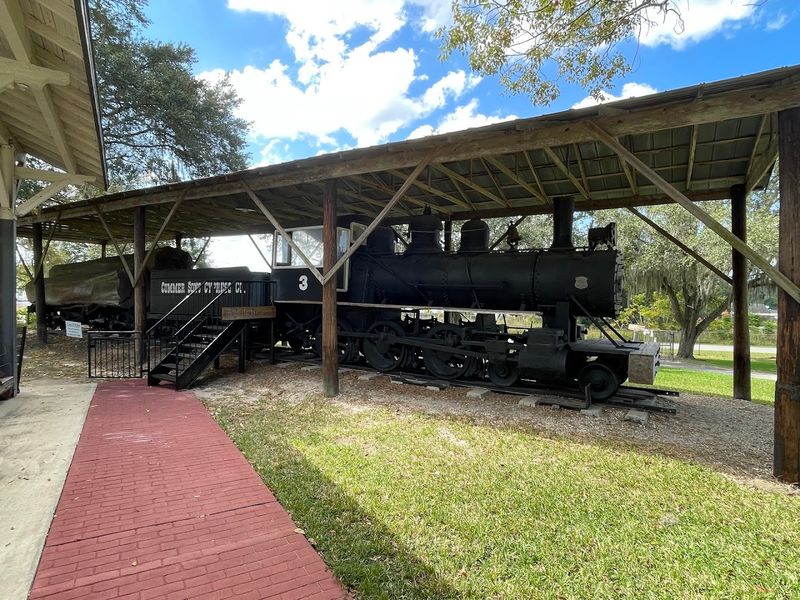
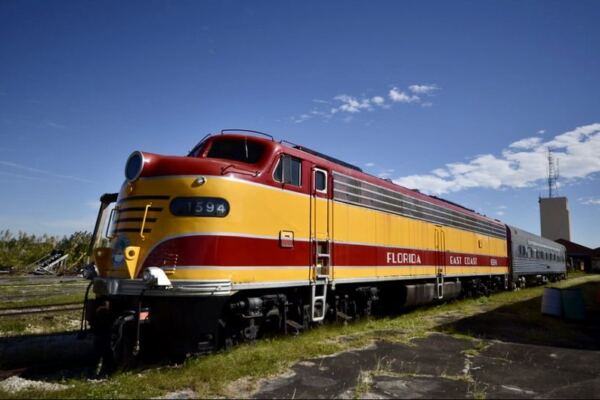
Railroad history runs deep in this part of Florida, and the Trilby Train Depot is one of the most visually striking buildings on the museum grounds. The depot was originally part of the Henry Plant railroad network, which played a major role in opening up central Florida to settlement and commerce in the late 1800s.
The building has been relocated and restored, and it sits on the grounds looking exactly like the kind of small-town station where passengers once waited nervously for trains that ran on their own unpredictable schedules.
Inside and around the depot, exhibits explain how the railroad transformed rural communities like Trilby, bringing goods, people, and new ideas into previously isolated areas. The connection between rail expansion and Florida’s development as a state is a story that does not get told often enough.
Standing next to the depot with that context in mind makes the whole structure feel like more than just an old building; it feels like a turning point in history.
The Blacksmith Shop and Living Demonstrations
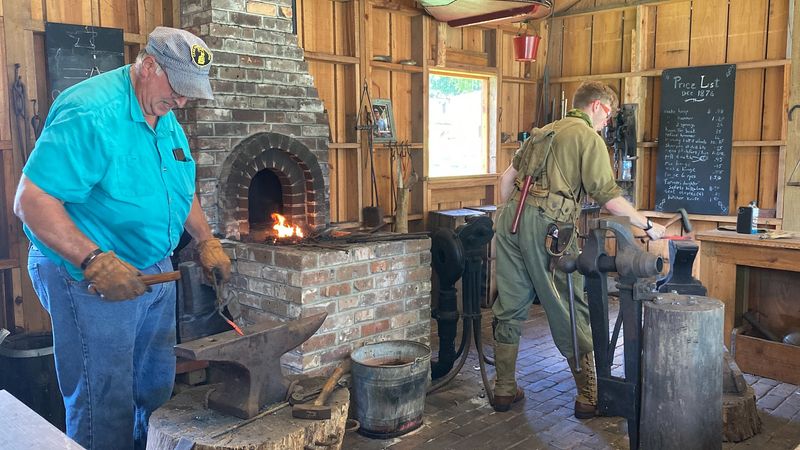
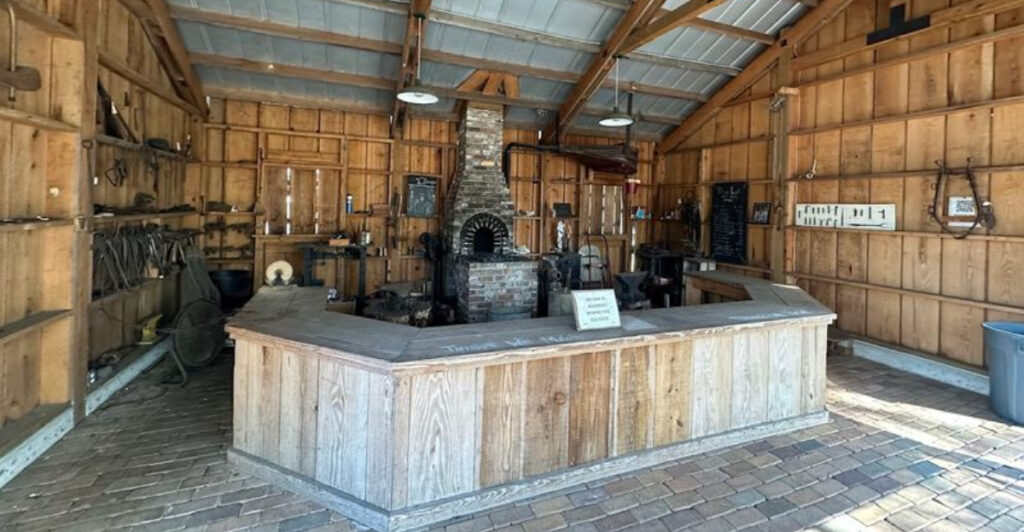
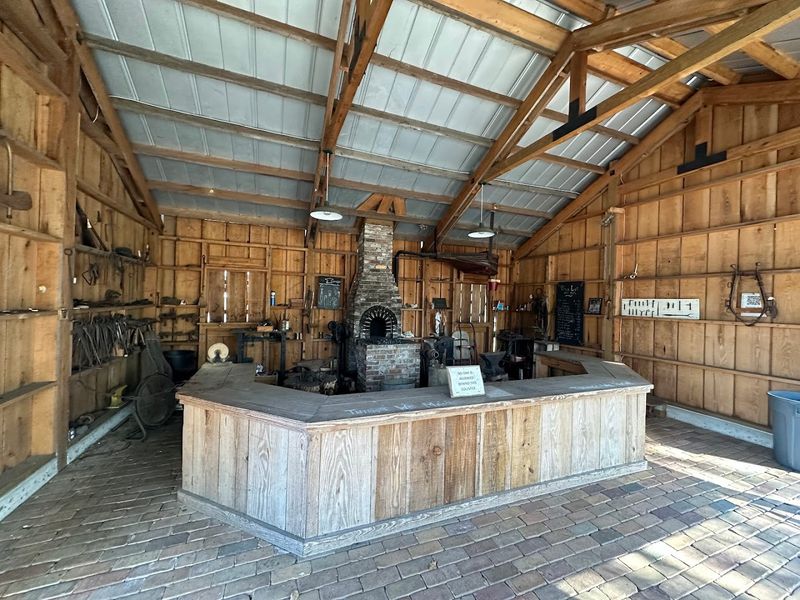
Few things grab attention at a history museum quite like a working blacksmith forge. On event days at Pioneer Florida Museum, the blacksmith shop comes fully alive, with skilled demonstrators teaching visitors how iron was shaped into tools, hardware, and household essentials by hand.
The rhythmic clang of the hammer on hot metal is genuinely mesmerizing, and watching a skilled smith work is a reminder of just how much physical knowledge and craft went into everyday pioneer life. Kids especially tend to crowd around the forge, wide-eyed and completely absorbed.
The shop itself is a faithful recreation of a working frontier smithy, filled with authentic tools and equipment that reflect the real demands of 19th-century rural craftsmanship.
Even on quieter visiting days without live demonstrations, the blacksmith shop is worth a long look, because the tools and layout alone tell a detailed story about the skill and endurance required to build a life from raw materials.
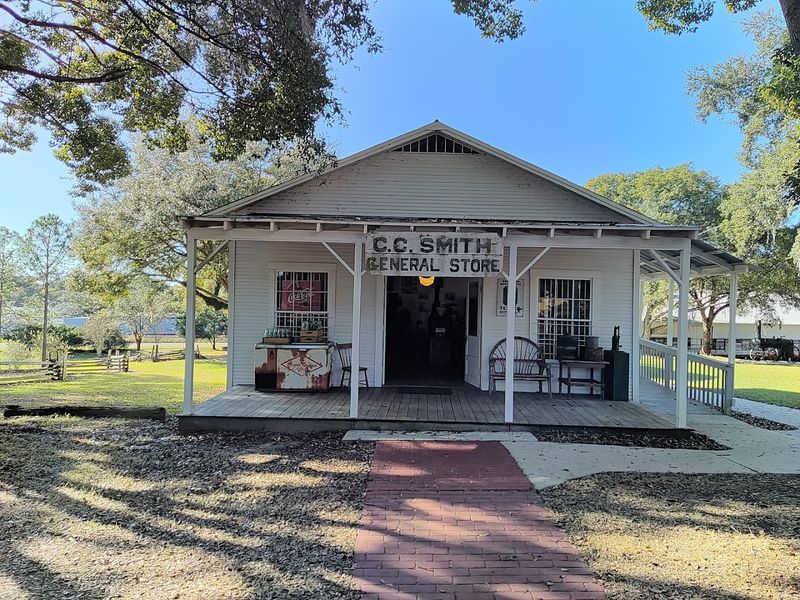
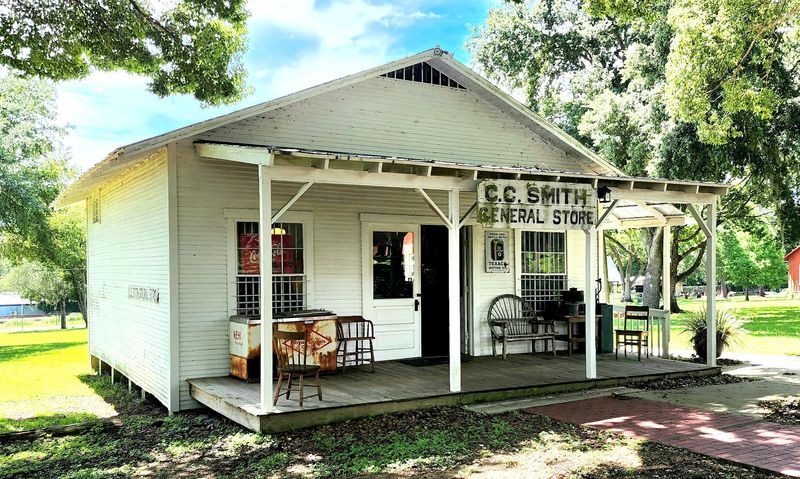
The General Store and Everyday Pioneer Life
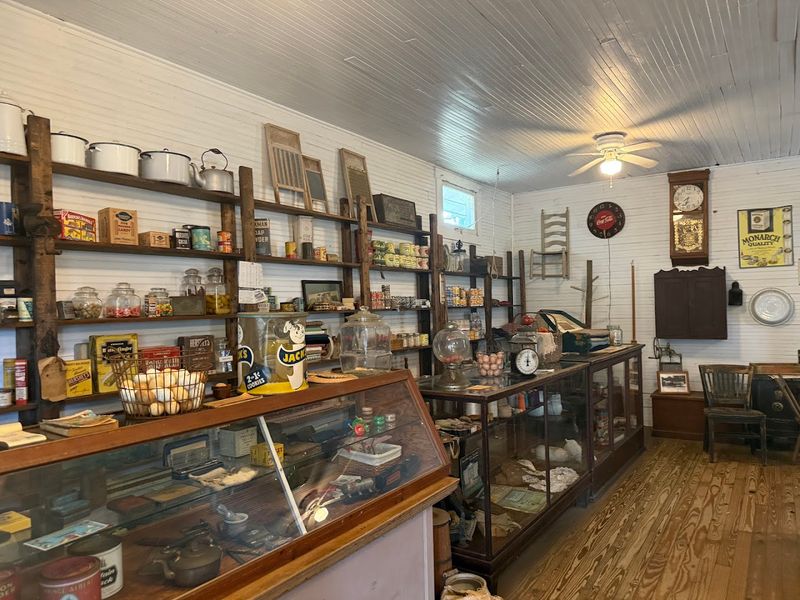
A general store in a pioneer community was not just a place to buy things. It was the social hub of the entire area, where news traveled, credit was extended to struggling families, and the rhythms of community life were quietly negotiated over the counter.
The general store at Pioneer Florida Museum captures that dual role beautifully. The shelves are stocked with period goods and antique merchandise, and the layout reflects how these spaces were actually organized to serve a rural population with very specific and practical needs.
Spending time in the store is a good way to think about how differently people managed daily life without the convenience of modern supply chains or online ordering. Everything required planning, patience, and a relationship with the person behind the counter.
The details inside the store, from the old scales to the handwritten price tags, make it one of the more quietly engaging stops on the self-guided tour of the village.
The Impressive Indoor Artifact Collection
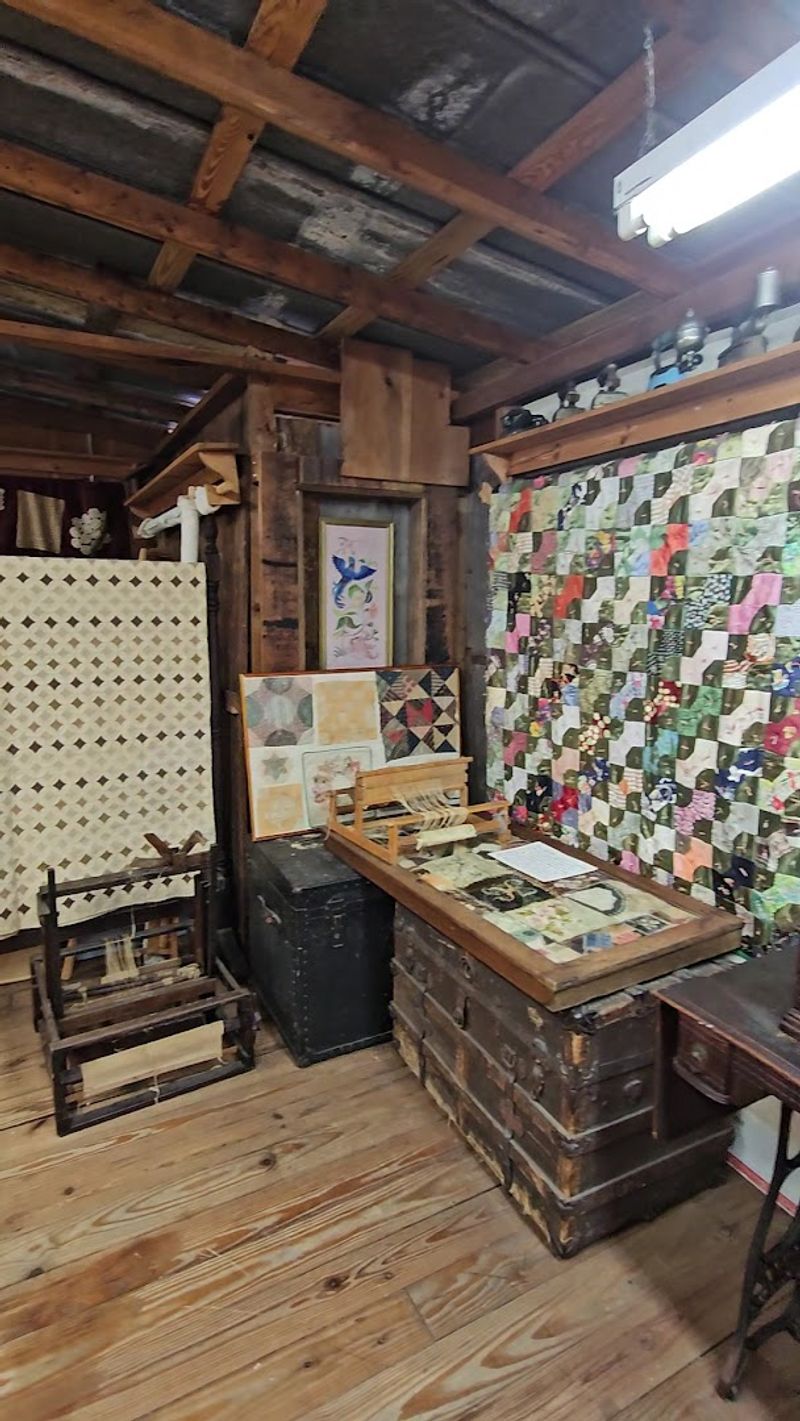
Beyond the outdoor buildings, the main museum structure houses an artifact collection that consistently surprises first-time visitors with its depth and variety. Farm tools, household items, native beadwork, weaving machines, sewing equipment, and even a steam engine are all part of the permanent collection.
The range of objects on display reflects the full spectrum of pioneer experience, from the hard agricultural labor that sustained families to the domestic crafts that filled evenings and built community bonds. Each display case feels like a chapter in a larger, richly detailed story.
There is also a collection of First Lady dolls and exhibits that highlight the cultural and social history of the region, adding layers of context that go well beyond farming and tools.
Staff members are known for being genuinely knowledgeable and happy to answer questions, so do not hesitate to ask about specific pieces. Some of the best information at this museum never makes it onto a label.
Special Events That Bring History to Life
The museum’s calendar of special events is one of its most compelling features, and if you can time your visit to coincide with one, the experience jumps to a completely different level. Events like the Farm Festival and Quilt Show draw vendors, demonstrators, draft horses, live music, and re-enactors who bring the pioneer era to vivid, entertaining life.
Past events have included alligator shows, historical re-enactments, and food vendors serving everything from fresh treats to hearty lunch options. The energy during these events is warm and festive, with a genuine community spirit that feels very much in keeping with the museum’s overall character.
There is typically an additional fee for special events beyond the standard admission price, so checking the museum’s website at pioneerfloridamuseum.org before your visit is a smart move.
The event schedule changes throughout the year, and each one tends to offer a slightly different angle on Florida pioneer culture, which keeps repeat visitors coming back with fresh enthusiasm.
Self-Guided Tours Across 16 Wooded Acres
The self-guided tour format at Pioneer Florida Museum is one of its greatest strengths, because it lets you move at your own pace through a landscape that genuinely rewards slow, curious exploration. The paths connecting the buildings are pleasant and shaded, which matters quite a bit during a Florida afternoon.
Most visitors report spending between one and a half and five hours on the grounds, depending on how deeply they engage with each building and exhibit. That range says a lot about how much there is to see and how easily the place holds attention.
Families with younger children tend to appreciate the open, walkable layout, since kids can move freely between buildings without feeling confined or rushed. The grounds are well-maintained and easy to navigate without any special preparation.
Bringing comfortable shoes and a water bottle is genuinely useful advice here, because once you start exploring, it is easy to lose track of time entirely.
A Church That Still Speaks to the Past
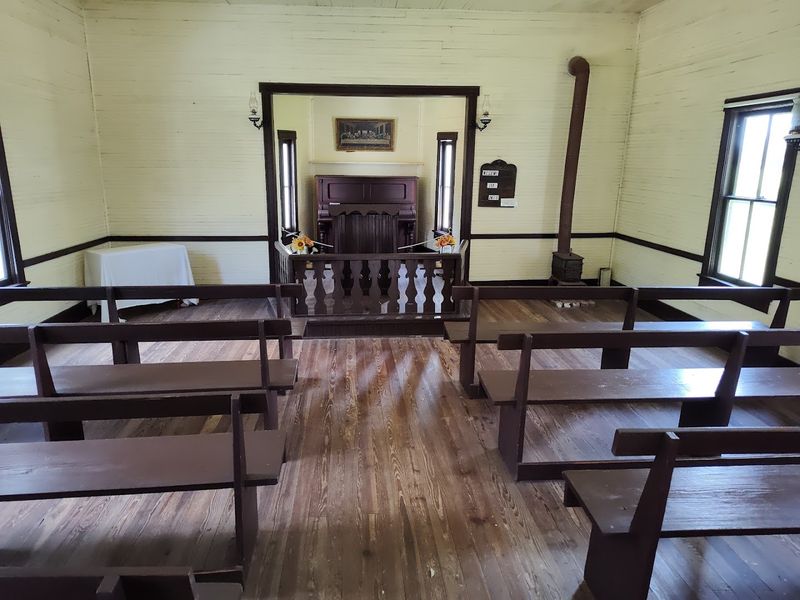
Religion was central to pioneer community life in ways that are easy to underestimate today, and the historic church on the museum grounds makes that point quietly but effectively. The building has been relocated and restored, and it retains the simple, earnest character of a frontier house of worship.
Inside, the wooden pews, plain windows, and modest altar reflect a community that built its spiritual life with the same practical hands it used to build everything else. There is no ornamentation here for its own sake; every element served a purpose.
The church is also a popular stop during special events, when it sometimes serves as a gathering space or backdrop for demonstrations and performances that align with the museum’s historical programming.
For visitors who appreciate religious history or just find old buildings genuinely moving, the church offers a moment of quiet reflection that feels like a natural counterpoint to the more energetic parts of the pioneer village experience.
The Carpenter Shop and Frontier Craftsmanship
Woodworking was not a hobby for Florida pioneers; it was a survival skill. The carpenter shop at Pioneer Florida Museum reflects that reality with a collection of hand tools and workbench setups that show exactly how furniture, structures, and everyday objects were built without power tools or pre-cut lumber.
The variety of tools on display is genuinely impressive, and the layout of the shop communicates how a working carpenter would have organized his space for maximum efficiency under demanding conditions. Every chisel, plane, and saw has a story attached to it.
For visitors with any interest in woodworking or traditional craftsmanship, this building is an absolute highlight. Even for those with no background in the craft, the sheer number of specialized tools raises interesting questions about the depth of knowledge required to work with wood at a professional level in the 1800s.
The carpenter shop is one of those stops that tends to hold people longer than they expected when they walked through the door.
Membership Options and the Harvest Hosts Program
For visitors who fall in love with the museum on their first trip, which happens more often than you might expect, there are membership options worth considering. A lifetime family membership is available for $350, offering unlimited visits and the kind of access that turns a single afternoon into an ongoing relationship with Florida history.
The museum also participates in the Harvest Hosts program, which is a membership network that allows self-contained RV travelers to stay overnight at participating farms, wineries, and attractions. That detail makes Pioneer Florida Museum a genuinely unique stop for road-tripping RV families exploring the state.
Annual membership tiers are also available for those who want the benefits of repeat access without committing to a lifetime pass. Details on all membership levels can be found on the museum’s official website.
Given how much there is to see across 16 acres, a membership that encourages multiple visits is not just a good deal; it is practically a necessity for thorough exploration.
Practical Tips for Planning Your Visit
A few practical details can make a real difference in how much you enjoy your time at Pioneer Florida Museum. The museum is open Tuesday through Saturday from 10 AM to 5 PM and is closed on Sundays and Mondays, so planning around those days is essential.
Cash is helpful to have on hand, particularly during events when vendors and food sellers may not accept cards. The on-site food options during event days have included hamburgers and other lunch items that keep visitors fueled for a full afternoon of exploring.
Parking is free and plentiful, which removes one of the most common frustrations of Florida tourist attractions. The museum can be reached by phone at 352-567-0262 for questions about upcoming events or accessibility needs.
Arriving closer to opening time gives you the best chance of exploring the quieter buildings without crowds, and the morning light filtering through the tree canopy makes the whole village look especially atmospheric.
Why This Museum Deserves a Spot on Your Florida Itinerary
Florida is full of theme parks, beaches, and manufactured experiences, which makes a place like Pioneer Florida Museum feel genuinely rare. Here, the history is real, the buildings were lived in, and the artifacts were used by actual people navigating the challenges of frontier life in a state that was still figuring itself out.
The museum works equally well for solo visitors who want a quiet afternoon of exploration, families with curious kids who need room to roam, and history enthusiasts who could spend hours reading every exhibit label. That kind of broad appeal is not easy to pull off, but the museum manages it naturally.
At $12 for adults, the value is hard to argue with, especially when you factor in the free parking, the depth of the collection, and the quality of the grounds. The museum’s phone number is 352-567-0262, and the website at pioneerfloridamuseum.org keeps an updated events calendar.
Central Florida has a lot of places competing for your attention; this one earns it honestly.
Share this story