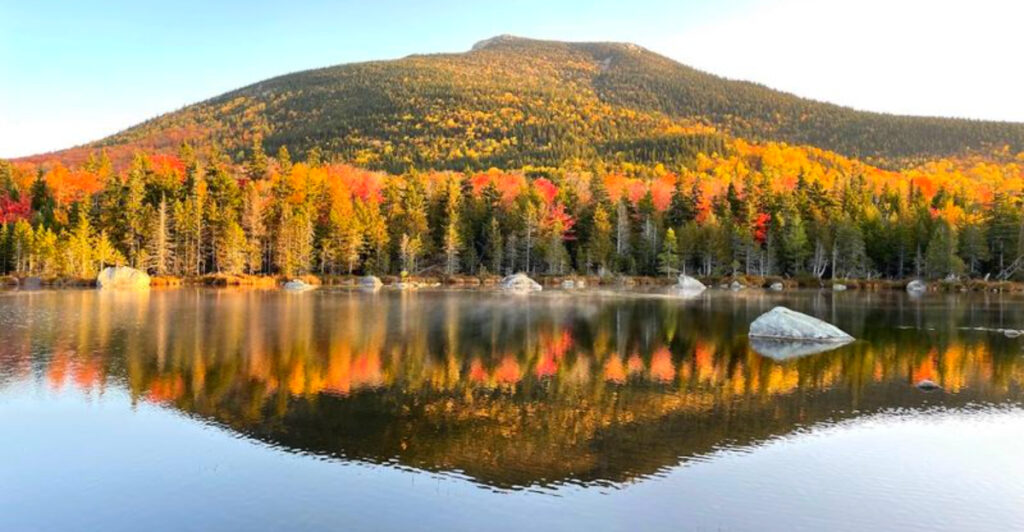
There is a place in northern Maine where the mountains rise so sharply and the forests stretch so endlessly that your phone signal disappears long before you reach the front gate, and honestly, that is part of the magic. I had heard people compare it to national parks out west, and a few friends who had visited said it changed the way they thought about the outdoors.
I will admit I was skeptical, having spent time at well-known spots from the Rockies to the Appalachians. But after just one full day inside this sprawling wilderness, I completely understood the fuss.
Keep reading, because what I found here was something truly hard to put into words.
Where Exactly You Will Find This Wild Place
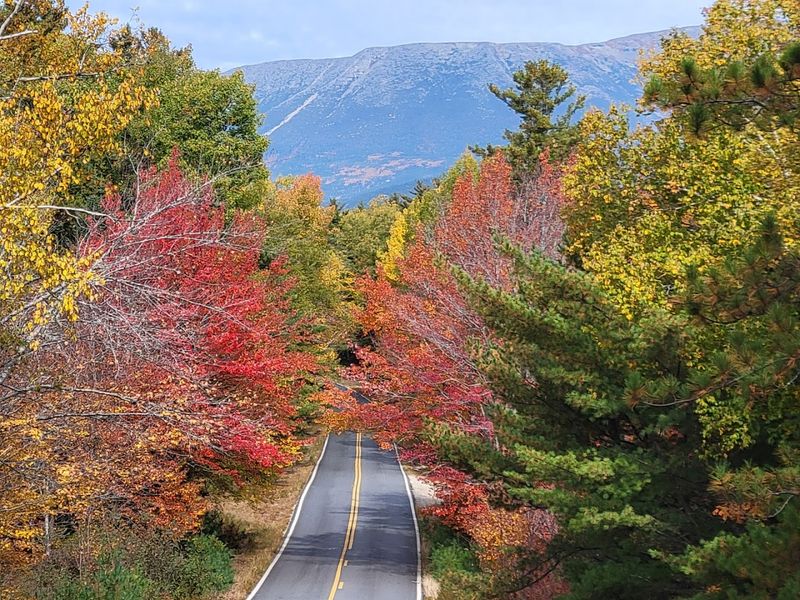
Baxter State Park sits at the end of a long and winding road near Millinocket, Maine 04462, and the drive alone tells you that you are heading somewhere special. The park’s main contact number is +1 207-723-5140, and the official website is baxterstatepark.org, where you can plan reservations well in advance.
The park office operates Monday through Sunday from 8 AM to 4 PM, so it is worth calling ahead if you have questions. Maine is no stranger to dramatic scenery, but this corner of the state feels genuinely removed from the modern world.
There is no cell service inside the park, no convenience stores within easy reach, and no shortcuts to the trailheads. You are looking at roughly a 45-minute drive on a dirt road just to reach the nearest store once you are inside.
Visitors from states as far as Oklahoma have made the long journey north, and every single one I spoke with said the remoteness was exactly what they came for. The park earns its 4.8-star rating with good reason.
The Story Behind the Park and Its Founding Vision
Few state parks in America carry as personal a story as this one. Percival Proctor Baxter, a former governor of Maine, spent decades purchasing land in northern Maine with his own money and donating it piece by piece to the state, eventually gifting over 200,000 acres with a very clear condition attached.
He wanted the land kept forever wild, meaning no commercial development, no motor vehicles on the trails, and no compromise on the natural character of the place. That founding principle still holds today, which is why the park feels so dramatically different from more commercial outdoor destinations.
Baxter believed deeply that nature should be accessible to regular people without the trappings of tourism infrastructure. That philosophy shows in every clean outhouse, every well-maintained trail, and every ranger who greets you at the gate with genuine enthusiasm.
Visitors from Oklahoma and beyond arrive expecting a pretty park and leave understanding they experienced something closer to a personal wilderness. The legacy Baxter left behind is not just land; it is a living commitment to keeping wild places genuinely wild.
Mount Katahdin and the Trail That Tests Everything You Have
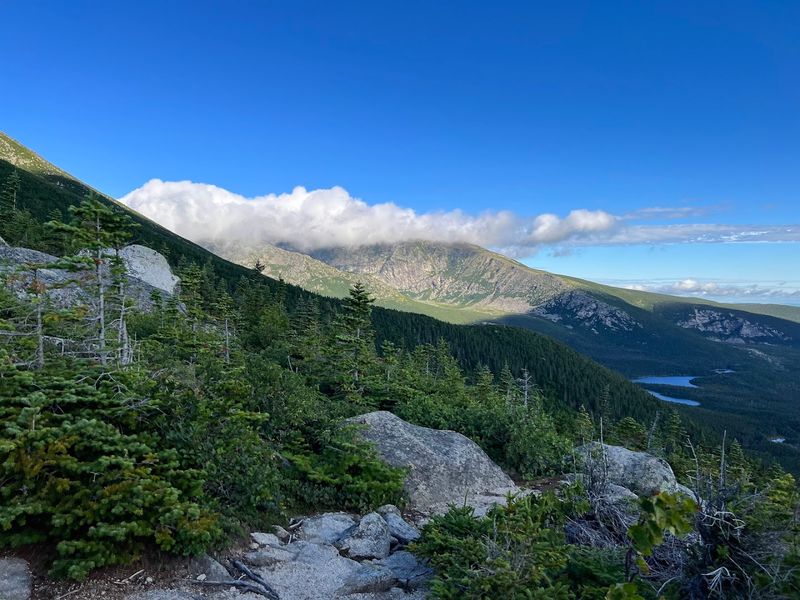
At 5,269 feet, Mount Katahdin is the tallest peak in Maine and the northern terminus of the Appalachian Trail, which stretches all the way from Georgia. Reaching the summit is not a casual afternoon stroll; rangers consistently describe it as more of a climb than a hike, and they mean that literally.
The most popular route starts at Roaring Brook Campground, moves through Chimney Pond, and then ascends via Cathedral Trail to the peak. Plan for a full 10 to 12 hours, bring more water than you think you need, and arrive at the gate by 6 AM on busy days to secure a parking spot.
The Knife’s Edge route, a narrow rocky ridge connecting Baxter Peak to Pamola Peak, is one of the most thrilling stretches of trail I have ever walked. The exposure on both sides is real, and it demands focus and steady footing.
When the clouds part and the view opens across the Maine wilderness, every ounce of effort dissolves instantly. Hikers from Oklahoma and across the country make this summit a bucket-list destination, and the mountain absolutely delivers on that reputation.
The Knife’s Edge: A Ridge Walk That Earns Its Name
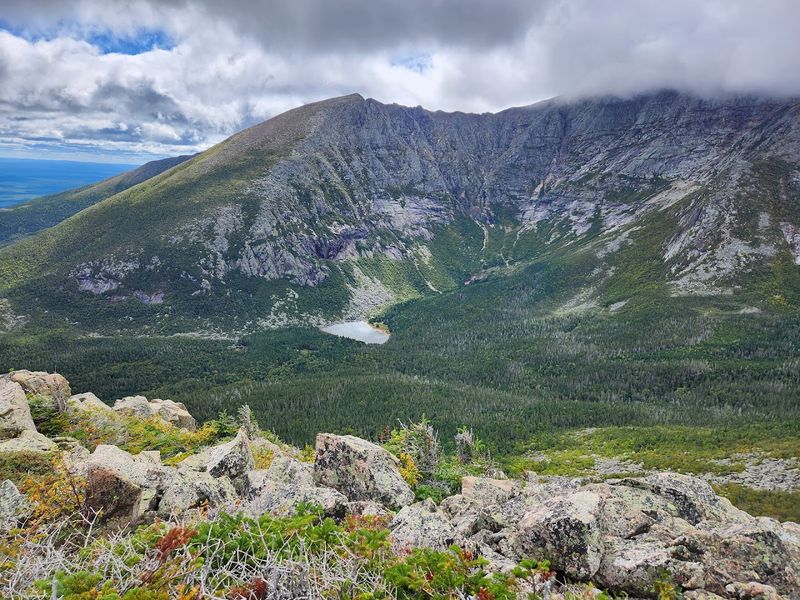
The Knife’s Edge is exactly what it sounds like: a jagged, narrow ridge of exposed rock connecting Baxter Peak to Pamola Peak, with dramatic drop-offs on either side. It is roughly 1.1 miles long, but those miles feel entirely different from anything else in the northeastern United States.
There are sections where the trail narrows to just a few feet wide, and you are using both hands and feet to move forward. It is not technically a rock climb, but it demands full physical and mental engagement the entire way through.
The exposure can feel intense, and rangers recommend skipping this route entirely if there is any chance of rain or high winds.
On a clear day, though, the views from the ridge are genuinely hard to believe. You can see ponds, forests, and distant peaks in every direction, and the sense of being completely above the treeline is unlike anything a flat trail can offer.
I spent about 90 minutes crossing it and stopped to catch my breath, not from exhaustion but from the sheer visual impact of what surrounded me. The Knife’s Edge rewards preparation and punishes carelessness, which somehow makes completing it feel even better.
Chimney Pond: The Hidden Heart of the Park
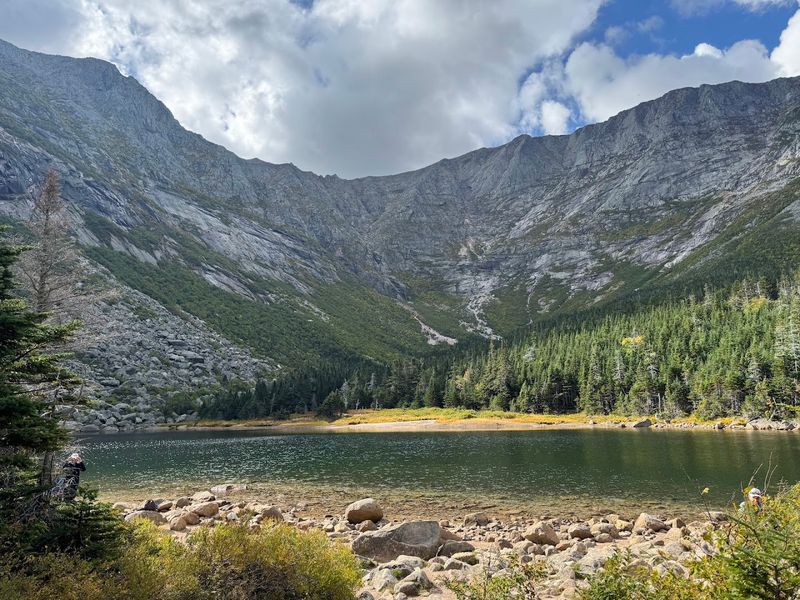
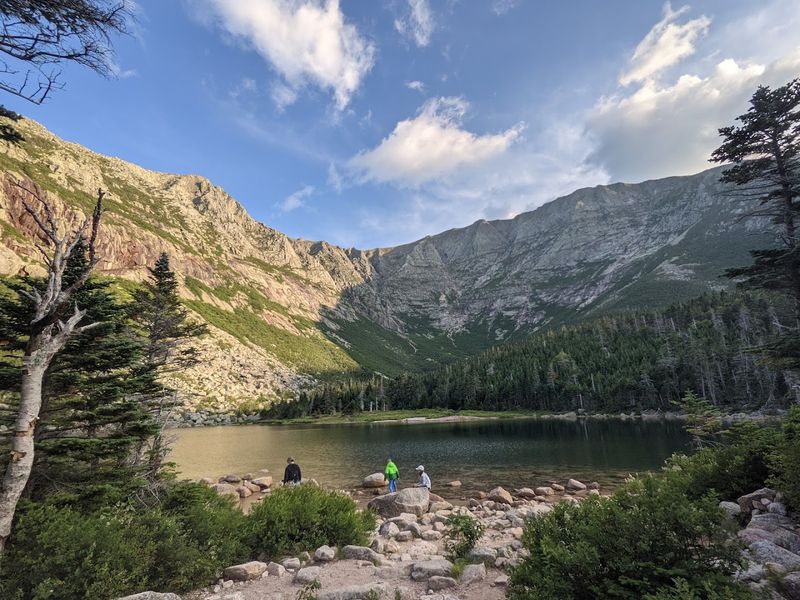
Tucked inside a glacial cirque below the main peaks, Chimney Pond is one of the most visually striking spots in the entire park. The water is calm and clear, the surrounding granite walls rise steeply on three sides, and the whole scene has a quiet, almost surreal quality that stops hikers in their tracks.
Getting there requires a 3.3-mile hike from Roaring Brook Campground along a trail that gains about 1,400 feet in elevation. It is a solid workout, but the terrain is well-maintained and the forest along the way is thick with birch and spruce trees that filter the light beautifully.
There is a ranger station at Chimney Pond, and the rangers stationed there are some of the most knowledgeable and friendly I have encountered anywhere. They can answer questions about wildlife, trail conditions, and weather with impressive depth.
Many hikers use Chimney Pond as a base camp before attempting the summit the following morning, and the campground there fills up fast. Reservations are essential, especially for summer weekends.
The pond itself is worth the hike even if you never take another step toward the summit above it.
Wildlife Sightings That Make the Trip Unforgettable
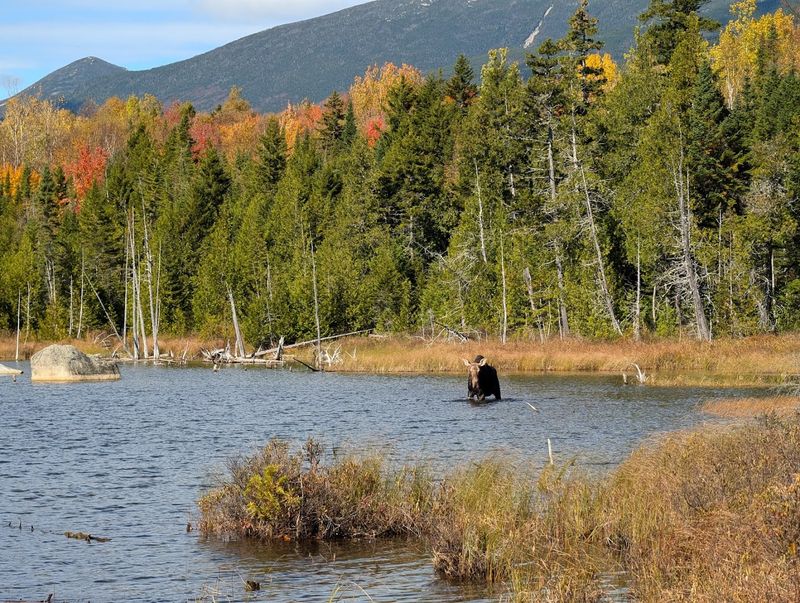
Sandy Stream Pond is one of the best places in the entire northeastern United States to spot a moose in the wild. The pond sits near the Roaring Brook Campground, and in the early morning hours, moose regularly wade in to feed on aquatic vegetation while the mountain looms in the background.
I arrived just after sunrise and waited quietly at the water’s edge for about 20 minutes before a large bull moose appeared from the tree line and walked calmly into the shallows. It was one of those moments that no photograph fully captures, though I took about 40 anyway.
Beyond moose, the park is home to black bears, white-tailed deer, loons, bald eagles, and a wide variety of songbirds. The no-pets rule, which surprises some first-time visitors, exists precisely to protect these animals and keep their habitat undisturbed.
Wildlife encounters here feel natural and unscripted because the animals are not accustomed to crowds or human interference. Visitors from places like Oklahoma, where large wilderness areas are rarer, often describe these encounters as the single most memorable part of their entire trip to Maine.
Camping Options Ranging From Rustic to Genuinely Comfortable
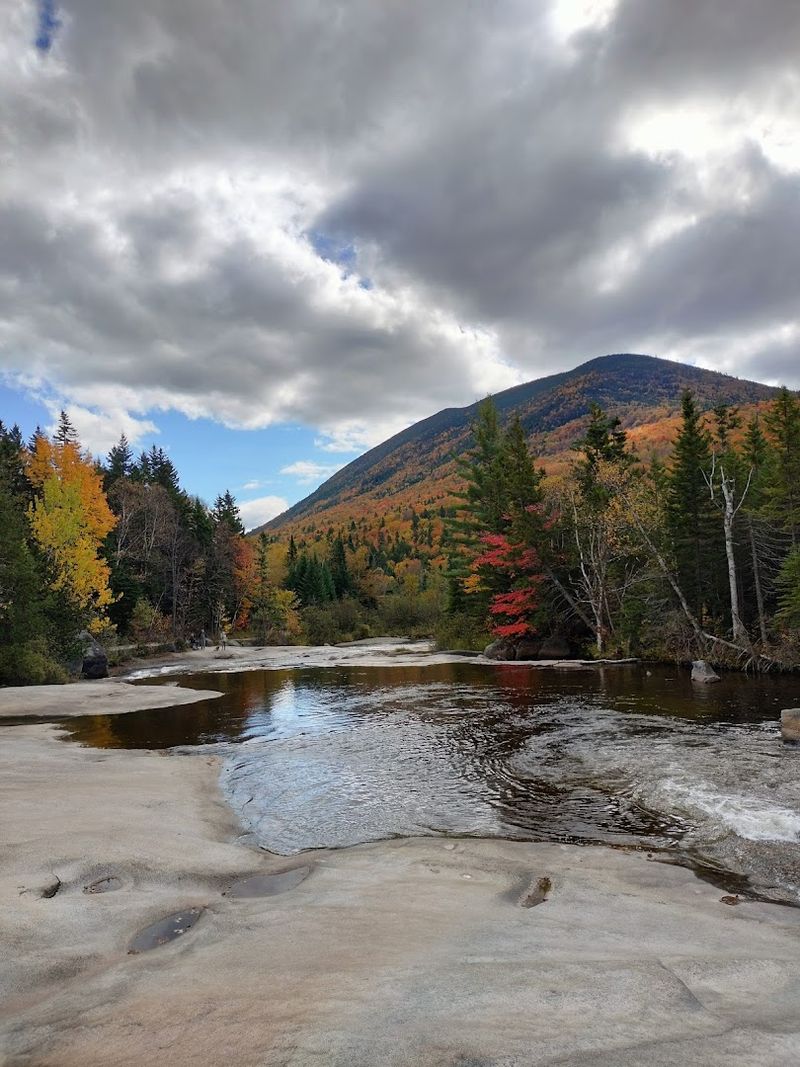
The camping experience at Baxter State Park covers a surprisingly wide range of comfort levels. At one end, you have the fully rustic lean-to and tent sites at spots like Nesowadnehunk Campground, where you fall asleep to the sound of running water and wake up to bird calls with no electricity anywhere nearby.
At the other end, the cabins at Kidney Pond offer a genuinely cozy experience, with views of the lake through the trees and a sense of seclusion that most campgrounds cannot replicate. The cabins are simple but well-maintained, and the setting more than compensates for anything they lack in modern amenities.
One practical note: there is no potable water available at most sites, so bringing your own supply is non-negotiable. Reservations for all camping fill up quickly, sometimes months in advance, and the booking system can be a bit confusing for first-time users.
Calling the ranger office directly at +1 207-723-5140 can help clarify availability and rules. The outhouse facilities throughout the park are, without exaggeration, the cleanest I have ever encountered at any campground, which says a lot about how seriously the staff takes their responsibilities here.
The Trails Beyond Katahdin That Deserve Far More Attention
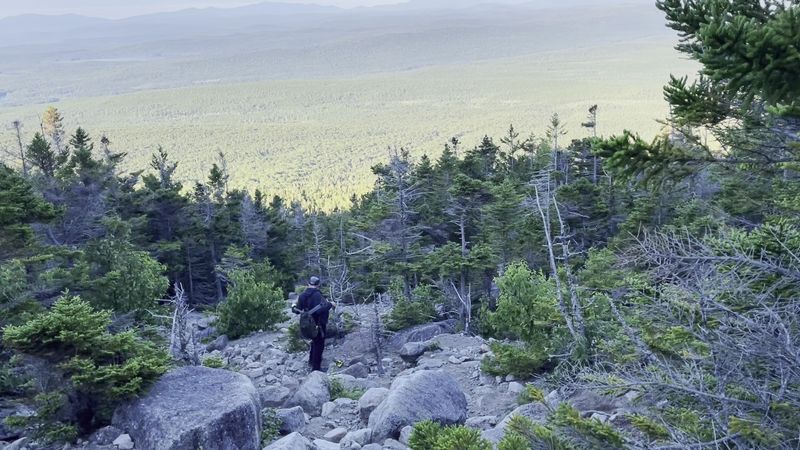
Most visitors arrive with their eyes fixed entirely on Katahdin, and while that peak absolutely earns the obsession, the park’s trail network extends far beyond one mountain. The Black Cat Mountain Loop, the Blueberry Ledges Trail, and the South Turner Mountain route each offer rewarding views with significantly less foot traffic than the main summit routes.
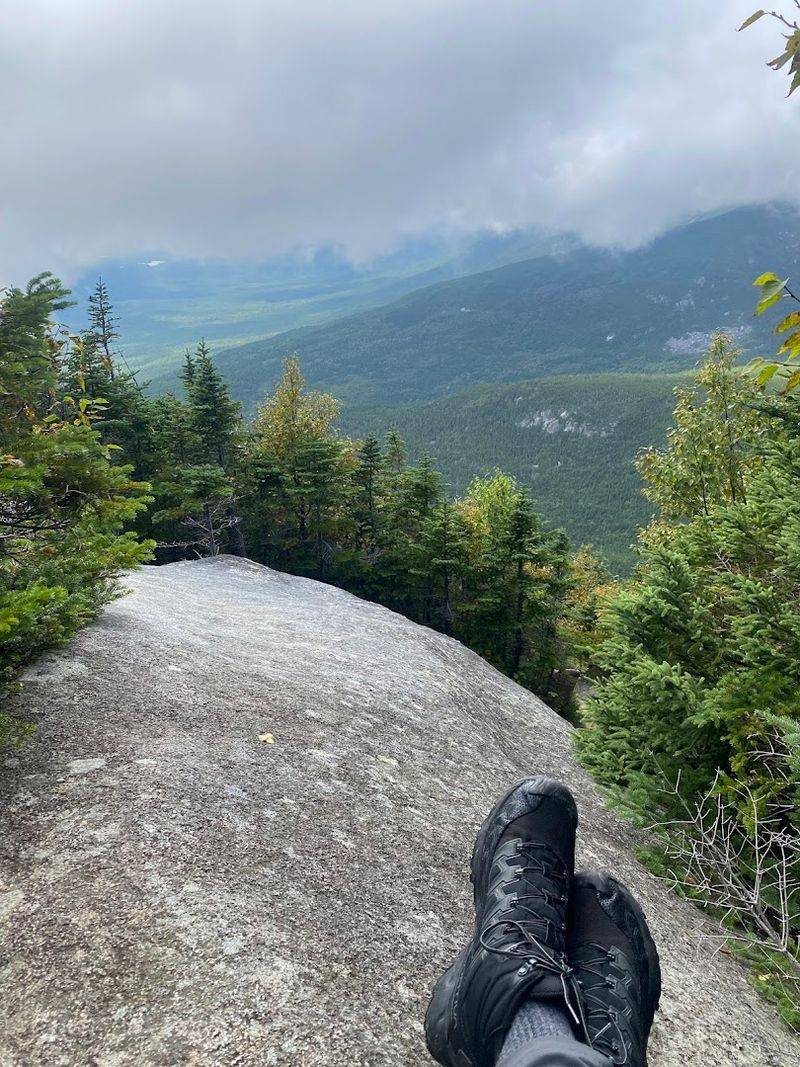
South Turner Mountain is a personal favorite of mine. The trail climbs steadily through dense forest before opening onto a rocky summit with a direct, unobstructed view of Katahdin across Sandy Stream Pond.
It is one of the best vantage points in the park, and on the day I visited, I had the entire summit to myself for nearly an hour.
Daicey Pond also offers a network of gentler trails that are ideal for hikers who want scenery without extreme elevation gain. Canoes are available at several ponds throughout the park, adding a paddle option to the hiking-heavy experience.
The variety of terrain here means the park genuinely has something for every ability level, from first-time hikers to seasoned mountaineers who have tackled peaks from Oklahoma to Oregon.
Practical Tips That Will Save Your Trip Before It Starts
Planning a visit to Baxter State Park requires more preparation than most parks, and that is not a complaint but a fair warning. The park limits daily visitors to protect the wilderness experience, which means popular trailheads and campgrounds reach capacity fast, especially on summer weekends and fall foliage weekends.
For Katahdin specifically, rangers recommend arriving at the gate no later than 6 AM on busy days. The park gates open at 6 AM during peak season, and parking at Roaring Brook fills up well before 8 AM on weekends.
If you are not camping the night before, that early start is essential.
Out-of-state vehicles pay a $16 entrance fee per car, which is genuinely reasonable given the scale of what you are accessing. Dogs and other pets are not permitted anywhere in the park, so plan accordingly if you are traveling with animals.
Drones are also prohibited, which keeps the airspace as quiet as the trails. The rangers are consistently helpful and knowledgeable, so asking questions at the gate is always a good use of two minutes.
Visitors from Oklahoma and other distant states especially benefit from calling ahead to confirm current conditions before making the long drive.
Why This Park Stays With You Long After You Leave
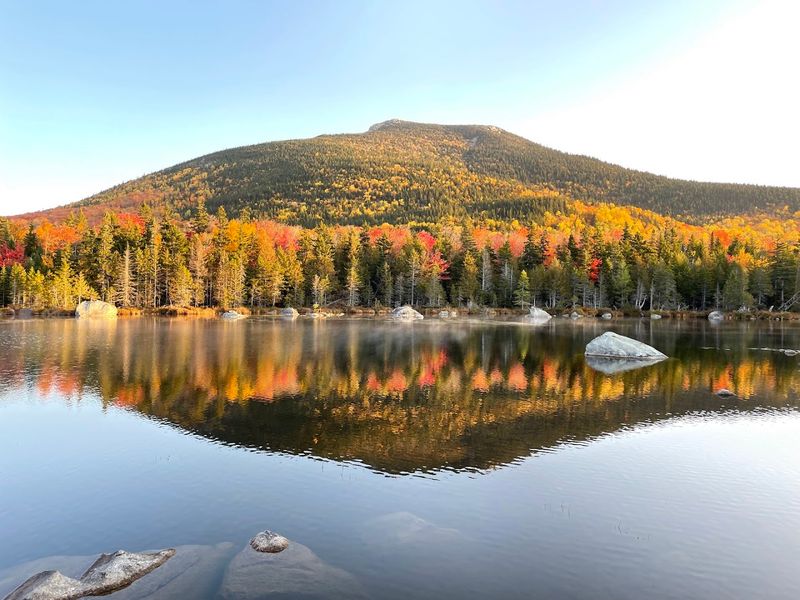
There is something about Baxter State Park that does not let go easily. Part of it is the scale: over 200,000 acres of forest, mountains, ponds, and trails that could keep a dedicated hiker busy for weeks without repeating a single route.
Part of it is the silence, the kind that becomes noticeable and almost physical when you are used to the constant background noise of daily life.
But the biggest part, the thing that keeps people coming back year after year from as far away as Oklahoma and New Jersey and beyond, is the feeling that this place has been genuinely protected. No billboards, no souvenir shops, no commercial noise of any kind.
Just the land, the sky, and the trails.
Percival Baxter’s vision was to give people access to wild nature without letting that access destroy what makes it worth visiting. Decades later, that vision holds.
The park staff maintains that standard with a level of care that shows in every clean trail marker, every well-graded dirt road, and every friendly ranger interaction. Leaving Baxter feels less like ending a vacation and more like saying goodbye to a place that quietly reminded you what really matters.
Share this story