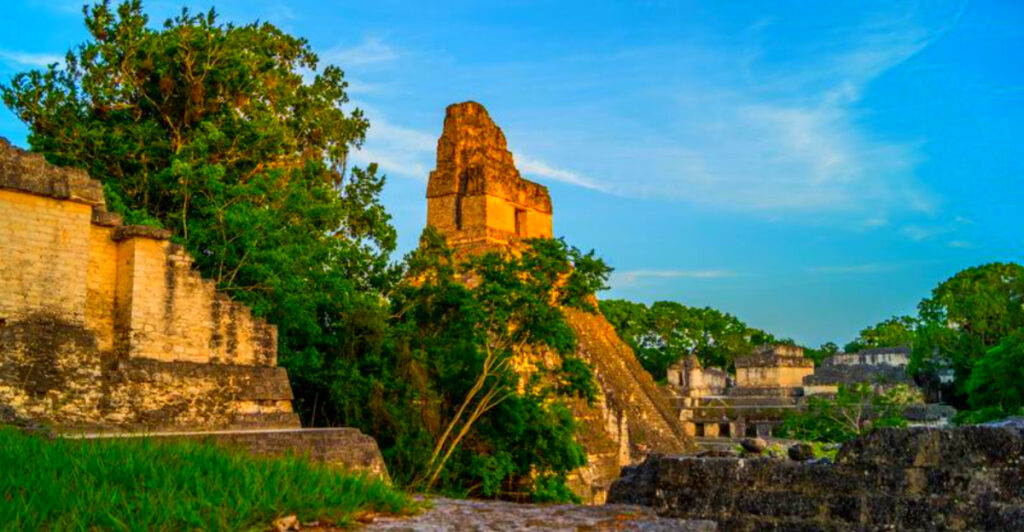
Somewhere deep in the jungle of northern Guatemala, ancient stone pyramids pierce the forest canopy like silent giants holding centuries of secrets. Long before modern cities existed, a civilization so advanced it still puzzles researchers thrived in this dense, humid wilderness.
Tikal National Park is not just a collection of ruins; it is a living, breathing window into a world that scholars are still struggling to fully understand. Recent technologies like LiDAR have revealed that what we thought we knew about ancient Mayan civilization barely scratches the surface.
Vast urban networks, hidden causeways, and thousands of undocumented structures continue to emerge from beneath the jungle floor, forcing historians to rethink everything. The more archaeologists uncover here, the more questions arise about just how large, complex, and interconnected this ancient city truly was.
Read on, because what this jungle has been hiding will genuinely surprise you.
Where in the World Is Tikal, Exactly
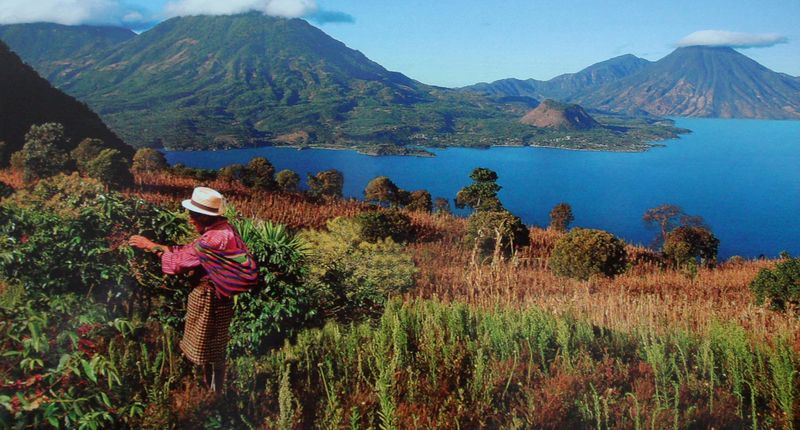
Tucked inside the dense rainforest of the Peten region in northern Guatemala, Tikal National Park sits at coordinates 17.2220409, -89.6236995, about 64 kilometers north of the town of Flores. The official address is simply Tikal, Guatemala, and it falls under the administration of Guatemala’s Ministry of Culture and Sports, reachable at +502 2239 5000.
The park covers roughly 576 square kilometers and is both a UNESCO World Heritage Site and a protected biosphere reserve. Getting here typically involves flying into Guatemala City, then catching a connecting flight or taking a long bus ride to Flores, followed by a roughly one-hour drive through jungle roads to the park entrance.
The park is open daily from 6 AM to 5 PM, with special sunrise tickets available for those who want to enter as early as 4 AM. Entrance for foreign visitors costs around 150 quetzales, with tickets available online or at the gate.
The remoteness of this place is part of what makes it feel so extraordinary.
A City That Refused to Stay Buried
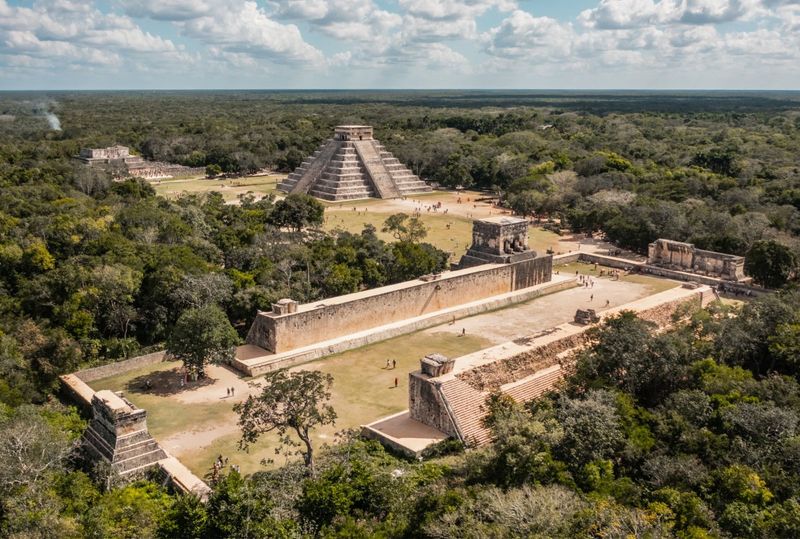
Tikal’s story begins around 900 BCE, making it one of the oldest continuously occupied urban centers in the ancient Maya world. At its peak between 200 and 900 CE, this city housed an estimated 100,000 to 200,000 people, a number that rivals many modern cities of today.
The civilization here built towering temples, elaborate palace complexes, ceremonial plazas, and an intricate system of reservoirs that collected rainwater for the entire population. They developed advanced writing, astronomy, mathematics, and trade networks that stretched across Mesoamerica.
Then, around 900 CE, Tikal’s population declined dramatically. The city was gradually reclaimed by the jungle, and for nearly a thousand years it remained largely hidden.
Spanish explorers heard rumors of it, but serious archaeological work did not begin until the 1950s and 1960s. Even now, researchers estimate that only a fraction of the total structures have been fully excavated, and new LiDAR scans keep revealing how much more there is still waiting underground.
What LiDAR Is Finding Beneath the Trees
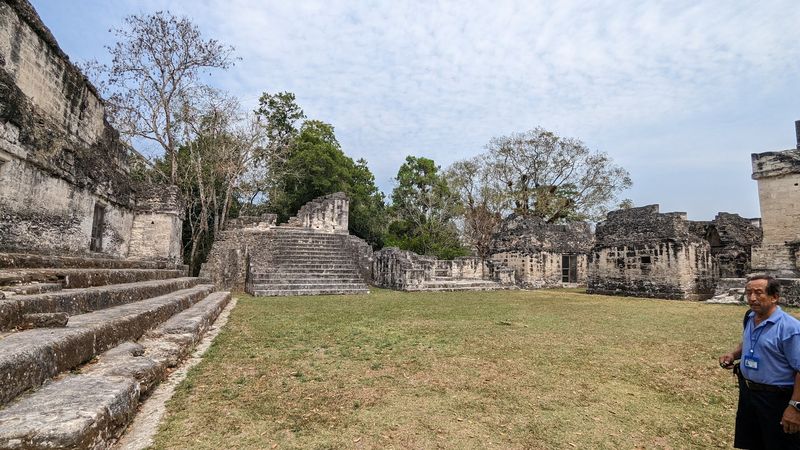
For decades, archaeologists worked with shovels, brushes, and hand-drawn maps. Then LiDAR technology arrived and changed everything.
Short for Light Detection and Ranging, LiDAR uses laser pulses fired from aircraft to map the ground beneath dense forest cover with remarkable precision.
When researchers applied LiDAR to the greater Tikal region, they found something astonishing. Hidden beneath the jungle were thousands of previously unrecorded structures, including houses, roads, agricultural terraces, and defensive earthworks stretching far beyond the known boundaries of the city.
The scale of what was uncovered suggested that Tikal was not just a ceremonial center but a fully functioning urban metropolis with suburbs and interconnected communities.
Similar LiDAR discoveries at other Mayan sites, like the 2024 find of Valeriana in southern Mexico with over 6,000 structures, and the early Khmer capital Mahendraparvata in Cambodia, show a global pattern. Ancient civilizations were far more organized and densely populated than anyone previously imagined, and Tikal sits at the center of this rewriting of history.
The Temples That Stop You Cold
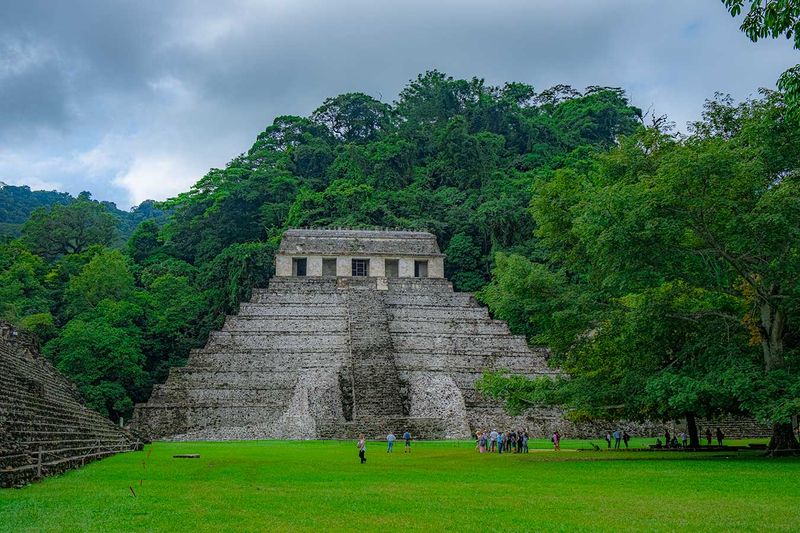
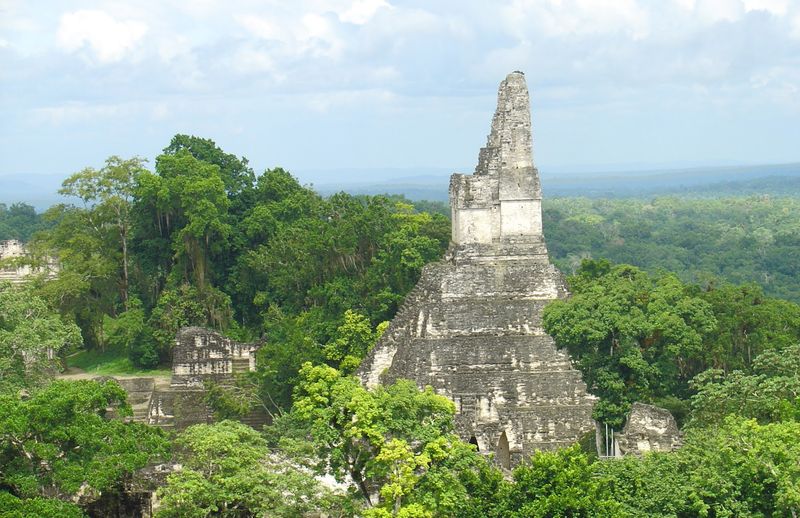
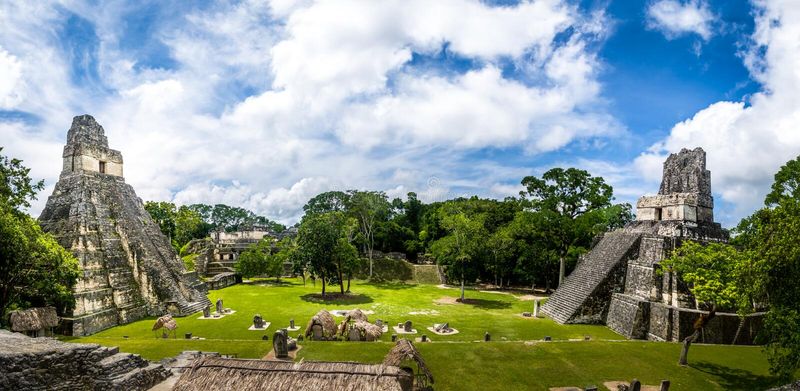
Nothing prepares you for your first glimpse of Temple I, also called the Temple of the Great Jaguar, rising 47 meters above the Grand Plaza. The structure is so tall and steep that standing at its base and craning your neck upward gives you a genuine sense of vertigo.
Directly across the plaza stands Temple II, the Temple of the Masks, slightly shorter but no less imposing. These two temples face each other across a flat ceremonial space lined with stelae and altars that once recorded the deeds of powerful rulers in carved stone and painted plaster.
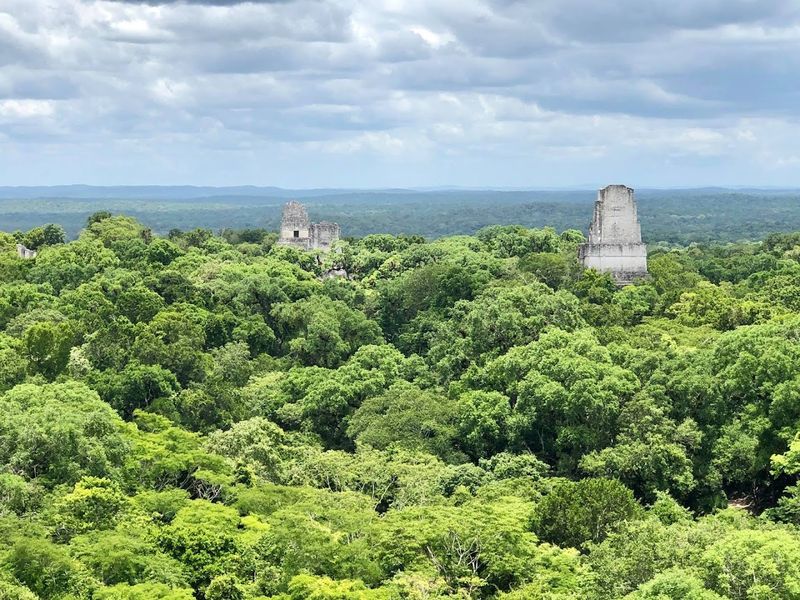
Temple IV is the tallest structure in the park at 65 meters and remains one of the tallest pre-Columbian buildings ever constructed in the Americas. Wooden staircases allow visitors to climb to its summit, where the view stretches across an unbroken ocean of jungle canopy in every direction.
That view alone is worth the entire trip, and it genuinely makes you question everything you thought you knew about ancient engineering.
The Grand Plaza and the Acropolis Complex
The heart of Tikal is the Grand Plaza, a massive open ceremonial space that once served as the political, religious, and social hub of the entire city. Surrounding it are the North Acropolis and the Central Acropolis, two enormous architectural complexes that were built, rebuilt, and expanded over the course of more than a thousand years.
The North Acropolis alone contains the remains of over a hundred different buildings layered on top of one another, each new ruler constructing over the work of the last. Archaeologists have excavated deep shafts here that reveal construction phases dating back to before the Common Era, providing a kind of architectural timeline of Mayan ambition and craftsmanship.
The Central Acropolis served as a royal palace complex, with multiple courtyards, long gallery buildings, and elevated terraces where the ruling elite conducted affairs of state. Wandering through its corridors, you can almost feel the weight of the decisions that were once made in these very rooms.
The scale of the place is humbling in the best possible way.
Wildlife That Makes the Ruins Feel Alive
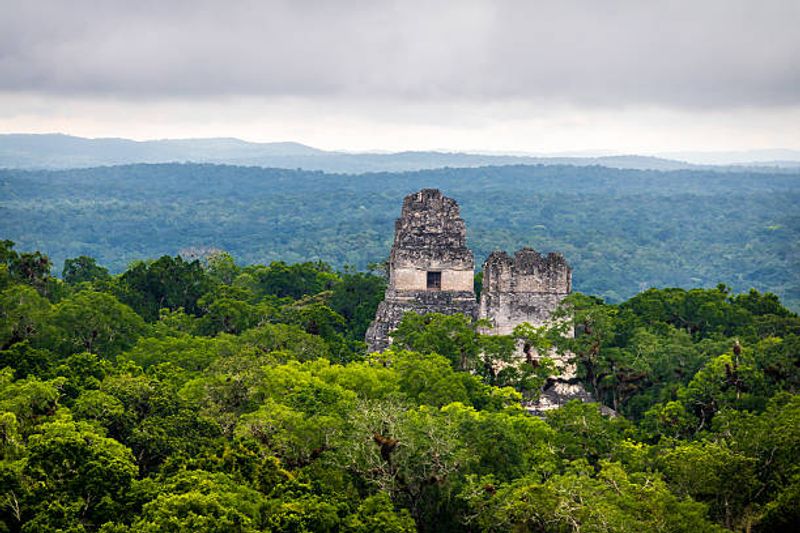
Tikal is not just an archaeological site; it is a fully functioning subtropical jungle teeming with wildlife that seems completely unbothered by human visitors. The sound that greets most visitors long before they see a single temple is the deep, resonant roar of howler monkeys echoing through the treetops, a sound so loud and primal it genuinely makes the hair on your arms stand up.
Spider monkeys swing through the canopy overhead, and coatis, those long-nosed relatives of the raccoon, trot across the paths with surprising confidence. Toucans flash their enormous colorful bills from high branches, and dozens of parrot species fill the air with color and noise.
Tarantulas and lizards are common sights along the forest floor, and the lucky few catch a glimpse of a jaguar track or even the animal itself near dawn.
The biodiversity here is genuinely staggering, and it adds a layer of magic to the ruins that no museum exhibit could ever replicate. Nature has not abandoned Tikal; it has embraced it completely, and that combination is unlike anything else on earth.
Sunrise and Sunset at the Temples
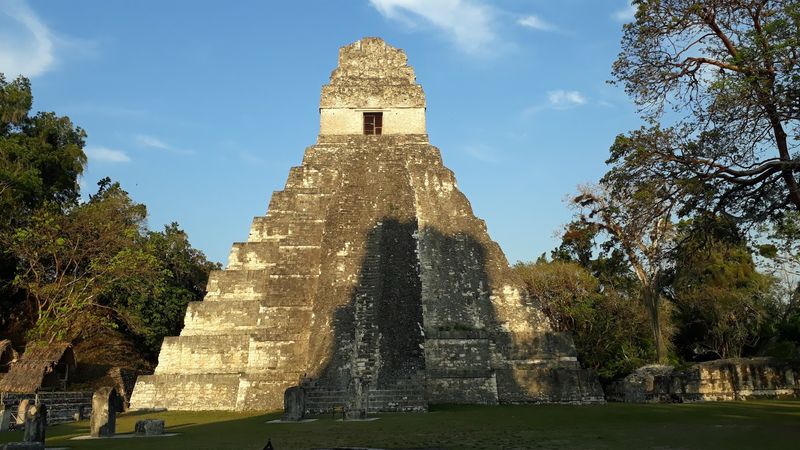
There is a reason people set their alarms for 3 AM when visiting Tikal. The sunrise experience here, accessed through a special ticket that costs an additional 100 quetzales and allows entry from 4 AM, is one of the most atmospheric things you can do anywhere in Central America.
Climbing Temple IV in the dark, guided only by flashlights and the sounds of the waking jungle, feels like something out of an adventure novel. As the sky slowly lightens, the tops of other temples emerge from the mist below you like islands in a sea of cloud, and the jungle fills with the calls of hundreds of bird species beginning their day.
Sunset tours offer a different kind of magic. The temples glow in warm amber light, crowds thin out noticeably compared to midday, and the jungle transitions into its evening chorus with birds and wildlife becoming more active.
Both experiences have their own personality, and choosing between them honestly comes down to whether you prefer the freshness of dawn or the golden calm of dusk. Either way, you will not regret it.
Practical Tips That Actually Make a Difference
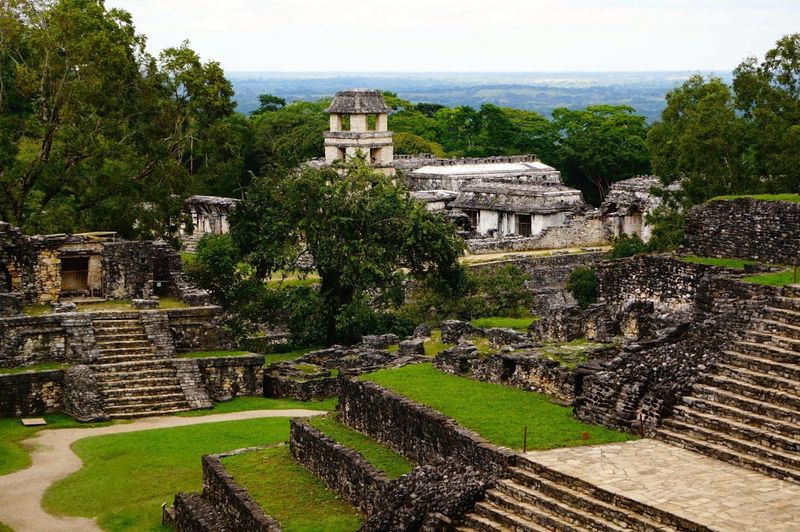
A few practical realities about Tikal are worth knowing before you arrive. The park is enormous, and most visitors who want to see the major highlights will walk somewhere between 8 and 12 kilometers over the course of a full day.
Comfortable, closed-toe shoes with good grip are not optional here; they are essential, especially on the steep temple staircases.
Bring more water than you think you need. The subtropical climate is hot and humid, and the jungle does not provide much breeze at ground level.
Hydration packs or large water bottles are strongly recommended. Bug spray and sunscreen are equally non-negotiable, and a lightweight rain jacket or poncho is smart to pack since afternoon showers can arrive without much warning.
Food vendors and small snack stalls are scattered throughout the park, so you can purchase drinks and light meals on-site. A full lunch restaurant also operates near the main plaza area.
Hiring a certified guide is widely recommended, as the park is large enough that navigating it without help can mean missing significant structures entirely, and a good guide transforms the experience from sightseeing into genuine storytelling.
The Hidden World of Mayan Astronomy and Calendar Science
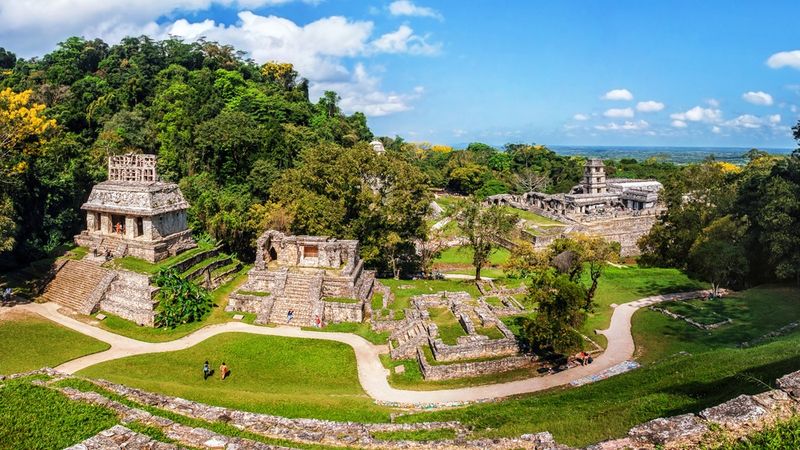
One of the most mind-bending aspects of Tikal is how much its builders understood about the cosmos. The Maya of Tikal developed one of the most precise calendar systems in human history, tracking not just the solar year but also the movements of Venus, Mars, and the moon with an accuracy that rivals modern calculations.
Several structures at Tikal are oriented to align with specific astronomical events. The Group E complex, one of the oldest architectural groups in the park, was specifically designed so that the sun rises directly behind the eastern temple on the spring and autumn equinoxes and at the extreme points of the horizon on the solstices.
Standing there on those days is a genuinely eerie experience.
The stelae and altars scattered throughout the park are essentially stone calendars, recording historical events alongside astronomical data in a writing system that took modern scholars over a century to fully decode. Every carved glyph carries layers of meaning, and researchers are still finding new interpretations that deepen our understanding of how these people saw time, the universe, and their own place within it.
Getting Here and Where to Stay Nearby
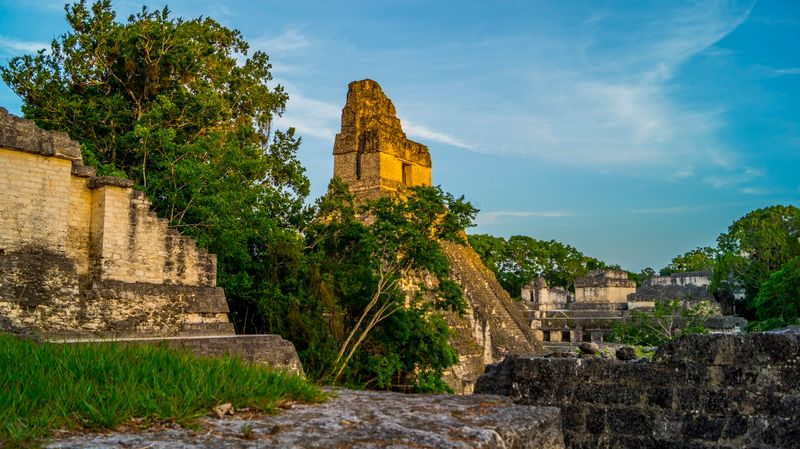
Reaching Tikal requires a bit of planning, but the logistics are straightforward once you understand the options. Most international travelers fly into Guatemala City’s La Aurora International Airport and then catch a domestic flight to Mundo Maya International Airport near Flores, about an hour’s drive from the park.
The domestic flight takes roughly 45 minutes and saves hours compared to overland travel.
Alternatively, many visitors arrive from San Ignacio in Belize, which is a popular cross-border route that involves a bus and border crossing before reaching Flores and then Tikal. This route is well-traveled and generally smooth for experienced travelers.
Accommodation options range from budget guesthouses in Flores, which has a charming island setting on Lake Peten Itza, to lodges located directly inside the park boundaries. Staying inside the park is a genuinely special experience because you get to hear the jungle at night and reach the main plazas before day-trippers arrive in the morning.
Booking well in advance is strongly advised, especially during the dry season between November and April when visitor numbers peak significantly.
The Political Drama Behind the Ancient Walls
Tikal was not just an architectural wonder; it was the seat of one of the most powerful and politically complex dynasties in the ancient Maya world. The city engaged in centuries of warfare, diplomacy, and rivalry with other major centers like Calakmul in Mexico, and the political soap opera recorded on its stelae reads like something from a modern thriller.
Around 378 CE, a mysterious event known as the arrival of Siyaj Kahk, believed to be a military emissary connected to the powerful central Mexican city of Teotihuacan, essentially overthrew Tikal’s ruling dynasty and installed a new king. This single event reshaped the political landscape of the entire Maya lowlands and introduced new artistic styles, military strategies, and trade connections that transformed the city.
Tikal later suffered a devastating military defeat at the hands of Calakmul in 562 CE, entering a period known as the Star Wars hiatus when no new monuments were erected for over a century. Its eventual comeback under rulers like Siyaj Chan Kawil II and later Jasaw Chan Kawil I stands as one of the great political revivals in ancient history, and the victory stela commemorating it still stands in the park today.
Why This Place Deserves More Than a Single Day
Most organized tours allocate about half a day to Tikal, and while that is enough to see the main plaza and a couple of temples, it barely touches the surface of what is here. The park contains over 3,000 individual structures spread across its protected area, and many of the most atmospheric and least-visited complexes require longer walks and a full-day commitment.
The Temple of the Inscriptions, the Lost World Complex, and the Seven Temples Plaza each offer completely different architectural styles and historical contexts that reward visitors who take the time to seek them out. Early mornings and late afternoons are the best times to explore, both for the quality of light and for the relative quiet that settles over the park once day-tour groups have departed.
Spending two days here, with an overnight stay inside the park, gives you a completely different relationship with the place. You experience the jungle at night, catch the dawn chorus from your doorstep, and arrive at the Grand Plaza before the first tour buses pull in.
Tikal does not reveal everything at once, and that slow unfolding is exactly what makes it one of the most rewarding archaeological destinations anywhere on the planet.
Share this story