Florida has a lot going for it, but few places pack as much wild variety into one spot as this enormous national forest near Silver Springs. We are talking about over 600 lakes, rivers, and springs, dense pine scrub that feels nothing like the beach Florida most people picture, and yes, actual wild monkeys swinging through the trees.
I first visited on a whim one fall weekend, and I ended up staying two extra days because there was simply too much to see. Whether you are craving a refreshing swim in 72-degree spring water, a long hike through untouched Florida wilderness, or a kayak paddle past Spanish moss and cypress knees, this place delivers all of it without any fuss.
Keep reading, because what this forest holds is genuinely surprising.
Where the Forest Begins: Location and Access
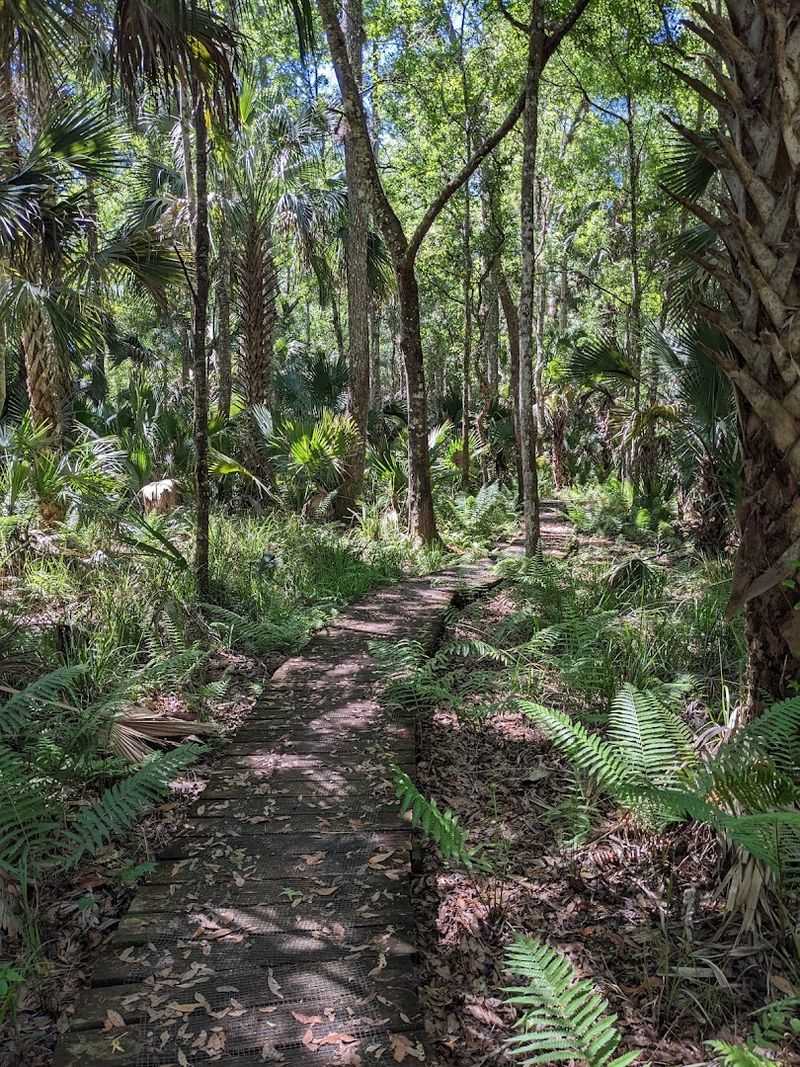
The address most people use as a starting point is FL-40, Silver Springs, which puts you right at the western edge of Ocala National Forest. This is the largest national forest east of the Mississippi River, covering nearly 600 square miles of central Florida.
Getting there is straightforward from Silver Springs, and the forest has multiple entry points along FL-40, SR-19, and SR-445. Each entrance opens into a different part of the forest, so picking the right one depends on what you want to do.
Note that some spring areas are operated by third parties and do not accept the America the Beautiful pass, so bring cash or a card just in case.
The Crystal-Clear Springs That Make This Forest Famous
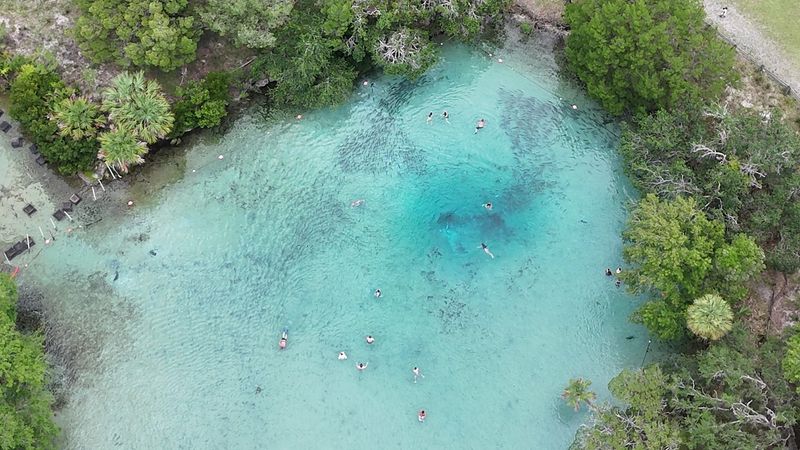
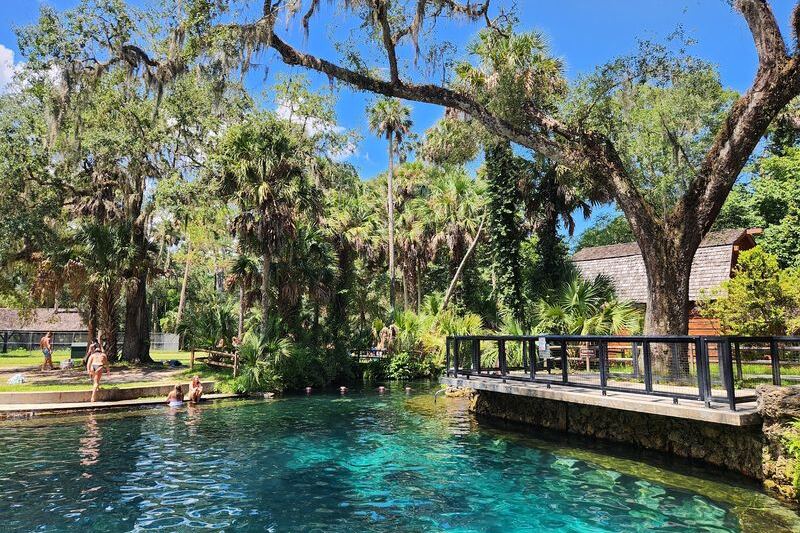
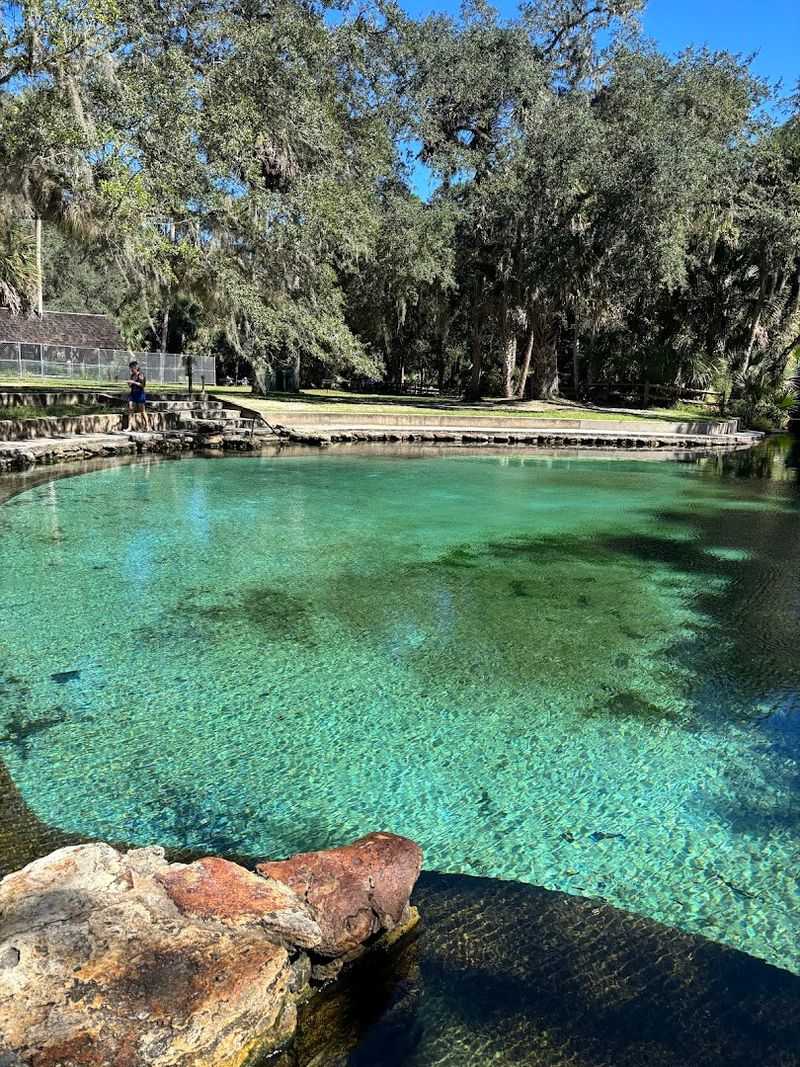
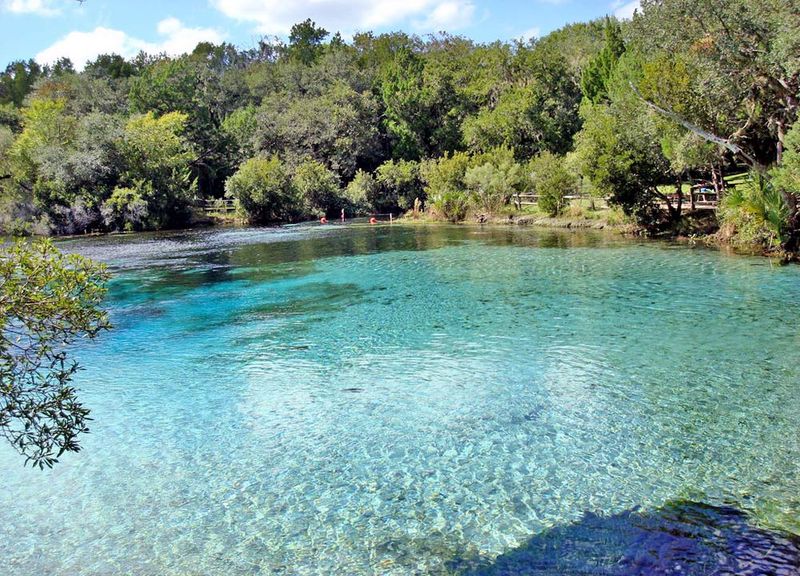
Nothing quite prepares you for your first look at Juniper Springs. The water is so clear and so blue-green that it looks digitally enhanced, but it is completely real and stays at a constant 72 degrees year-round.
Alexander Springs is another favorite, offering a wide, calm pool perfect for snorkeling. Little fish dart around your feet, and the visibility underwater is almost unreal.
Both springs draw families, solo hikers, and serious snorkelers who want a cool break from the Florida heat.
A heads-up worth sharing: the springs charge entry fees and are managed by a third-party concessionaire, so your National Parks pass will not cover the cost. Fees are reasonable, usually around ten dollars per person, but plan for it.
Arriving early on weekends is genuinely smart advice, because these spots fill up fast and parking can get tight by mid-morning.
The Wild Monkeys of Silver Springs
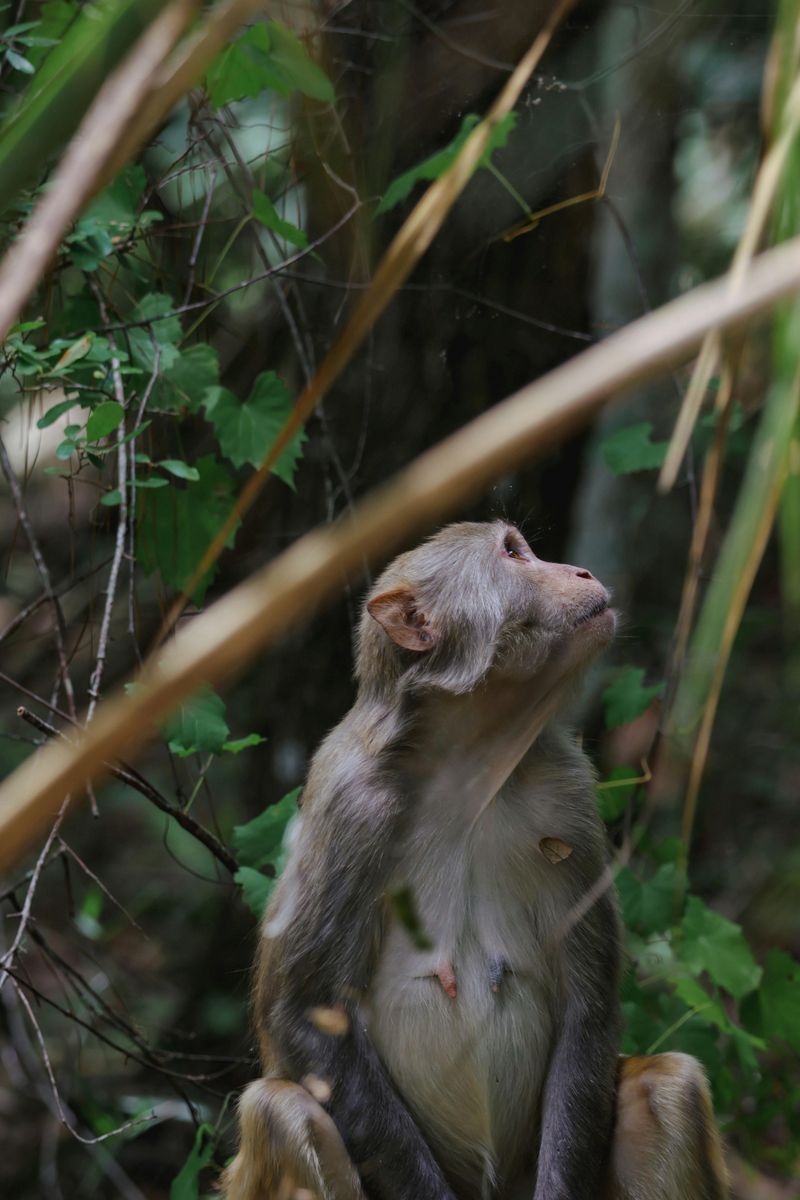
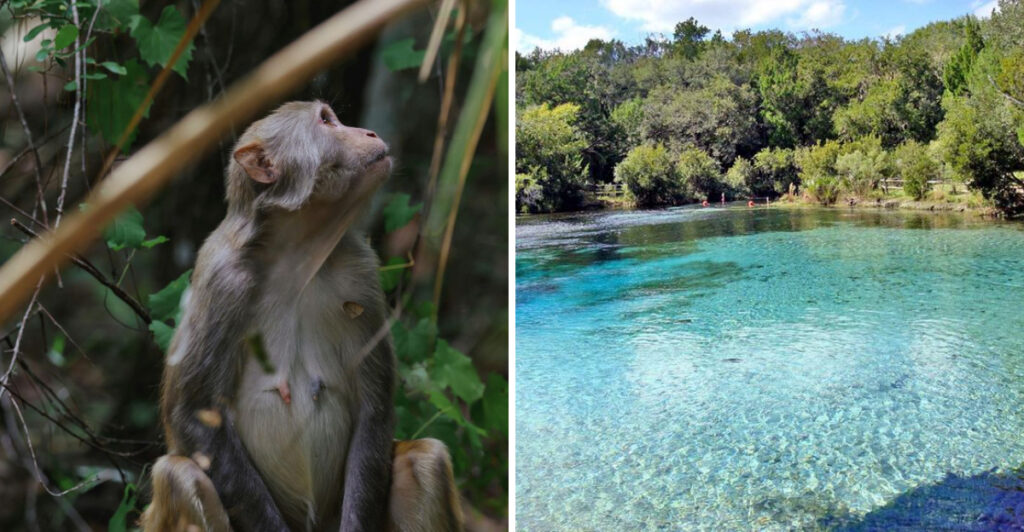
One of the most unexpected things about this part of Florida is the free-roaming rhesus macaque monkeys. They were introduced to the Silver River area in the 1930s, originally as a tourist attraction, and they have thrived ever since along the Silver River and into the edges of the forest.
Spotting them on a kayak trip down the Silver River is a genuine thrill. They sit in the cypress trees, watch you float by, and occasionally come down to the water’s edge.
It feels like something out of a nature documentary, not central Florida.
That said, feeding the monkeys is strongly discouraged and actually dangerous. They are wild animals with sharp teeth and unpredictable behavior.
Watching from a respectful distance is the way to go, and honestly, it makes the sighting feel even more special when you let them do their thing naturally.
Hiking Trails Through Five Different Ecosystems
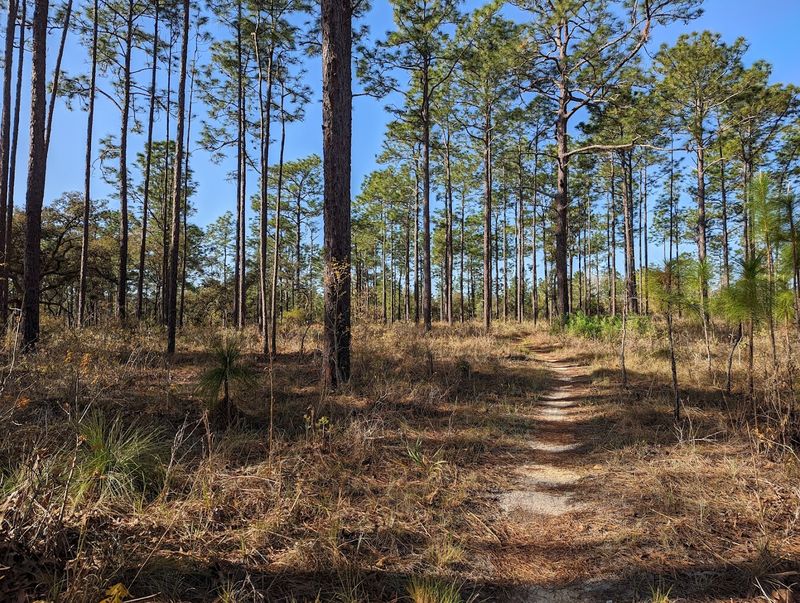
Few places in Florida let you walk from pine flatwoods to open prairie to cypress swamp in a single afternoon, but Ocala National Forest does exactly that. The Florida National Scenic Trail passes through the entire forest, offering a serious long-distance option for backpackers.
Shorter trails like the Yearling Trail and the St. Francis Trail are excellent for day hikers who want a real taste of wild Florida without committing to multiple nights out. The Pat’s Island to Juniper Springs route is a particular favorite, passing through diverse scrub habitat and ending at a spring-fed reward.
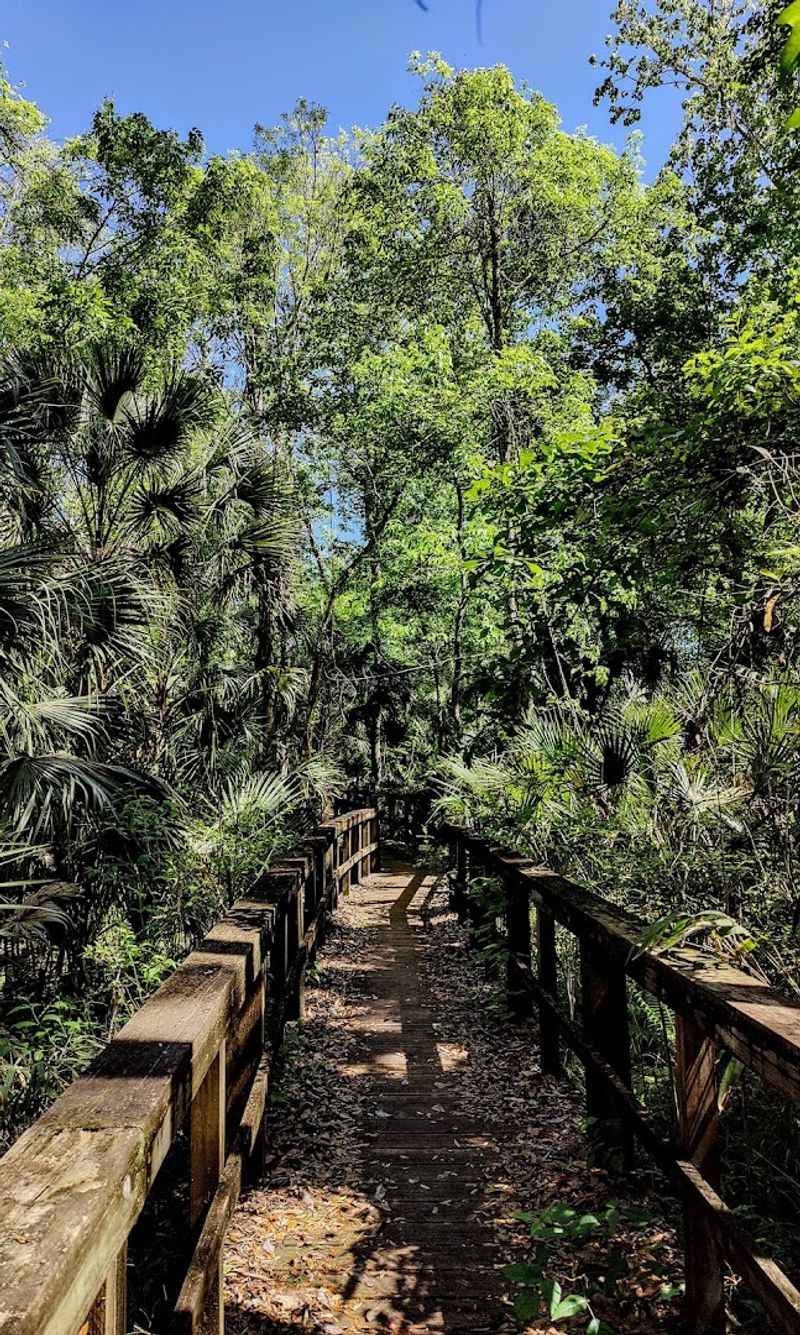
Trails here are minimally maintained, which means you get genuine wilderness rather than a manicured path. Bring plenty of water, a good map, and tick repellent.
Overnight tent camping is permitted on most trails, making it easy to turn a day hike into a multi-day adventure without booking anything in advance.
Kayaking and Canoeing the Oklawaha River
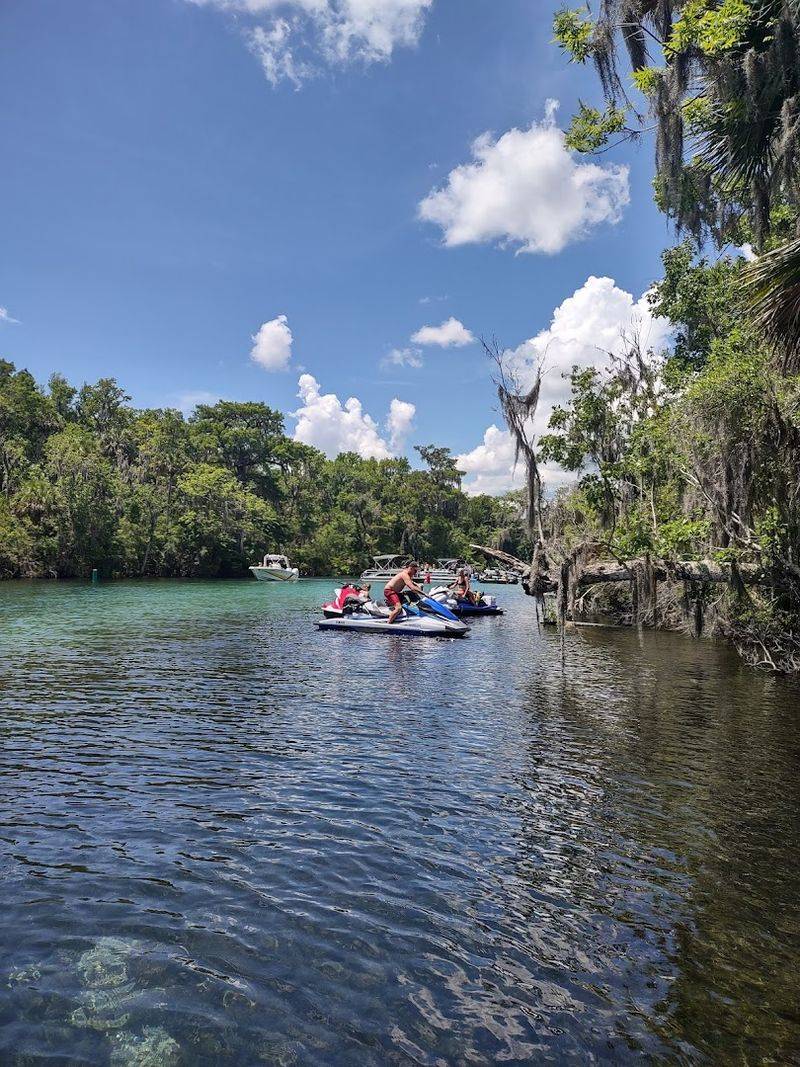
The Oklawaha River winds along the western boundary of the forest and offers one of the most atmospheric paddling experiences in Florida. Cypress trees draped in Spanish moss line the banks, herons stand perfectly still in the shallows, and the water has that dark tea color that comes from natural tannins.
Boating up the Oklawaha toward the dam is a popular trip, and the river remains navigable for most of its length. Be aware of submerged logs near overhanging trees, as they can hide just below the surface and surprise you if you are moving quickly.
Canoe rentals are available at Clearwater Lake campground, run by a friendly team that also sells firewood and ice. For a more guided experience, several outfitters near Silver Springs offer kayak tours along the Silver River, where you are almost guaranteed a monkey sighting along the way.
Wildlife Encounters You Will Actually Remember
Ocala National Forest is genuinely wild in a way that surprises people. Black bears are active throughout the entire forest, and while most hikers never come face to face with one on the trail, roadside sightings are common enough that you should always keep food secured.
Deer, bobcats, wild hogs, and Florida sandhill cranes are also regular sightings. The forest is one of the best places in the state to spot the endangered Florida Scrub-Jay, a curious and surprisingly bold bird that may actually approach you on the trail.
Gators are present near most water bodies, as they are throughout Florida, so swimming in unmarked areas is not recommended. The diversity here is remarkable: you can go from spotting a black bear in the morning to watching a family of deer graze at dusk, all within a few miles of your campsite.
Camping Options From Rustic to Comfortable
Camping in Ocala National Forest ranges from primitive backcountry spots to developed campgrounds with showers and bathrooms. Clearwater Lake campground is one of the most well-regarded options, with solid facilities and a warm, helpful management team on site.
Lake Dorr offers first-come, first-served sites that fill quickly on weekends but reward early arrivals with a peaceful lakeside setting. Juniper Springs campground sits right next to the spring, making it one of the most coveted spots in the entire forest.
Free dispersed camping is also allowed throughout much of the forest, and the coordinates near Juniper Springs along forest roads are popular with campers who want solitude under a genuinely dark sky. Stars here are spectacular away from city lights.
Bring insect repellent, check for ticks after every outing, and pack out everything you bring in, because the forest depends on visitors treating it with care.
Snorkeling and Swimming in Natural Springs
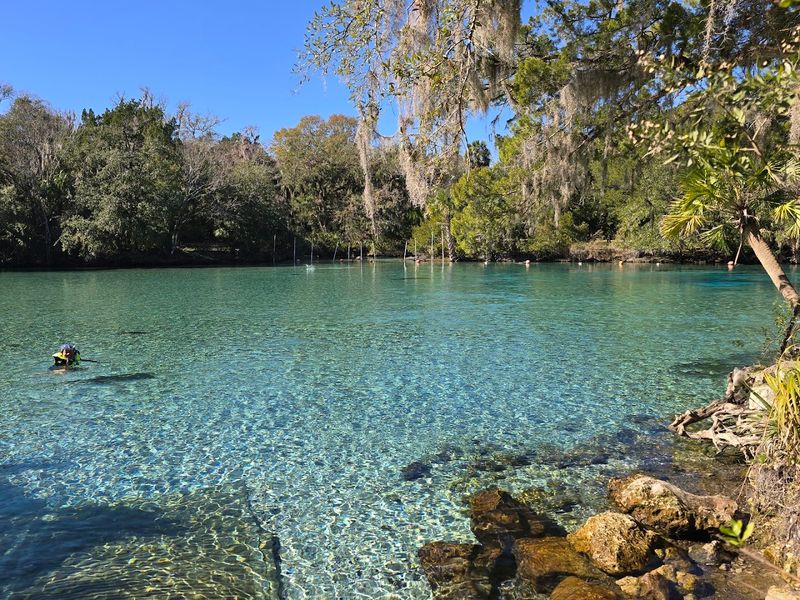
Alexander Springs is the kind of place that makes you forget you are in the middle of a pine forest. The spring vent pumps out 76 million gallons of clear, 72-degree water every day, creating a natural pool that is perfect for snorkeling even without advanced skills.
Small bream and bass hover near the bottom, and the visibility is good enough to spot them from the surface without even putting your face in the water. Snorkel gear rentals are available near the spring entrance, making it accessible for first-timers.
Salt Springs is another option worth knowing about, with a slightly warmer temperature and a more mineral-rich feel that some visitors find uniquely refreshing. Each spring in the forest has its own personality, so if you have a few days, visiting more than one is a great way to compare the experience and find your personal favorite.
Off-Road Trails and Jeep Adventures
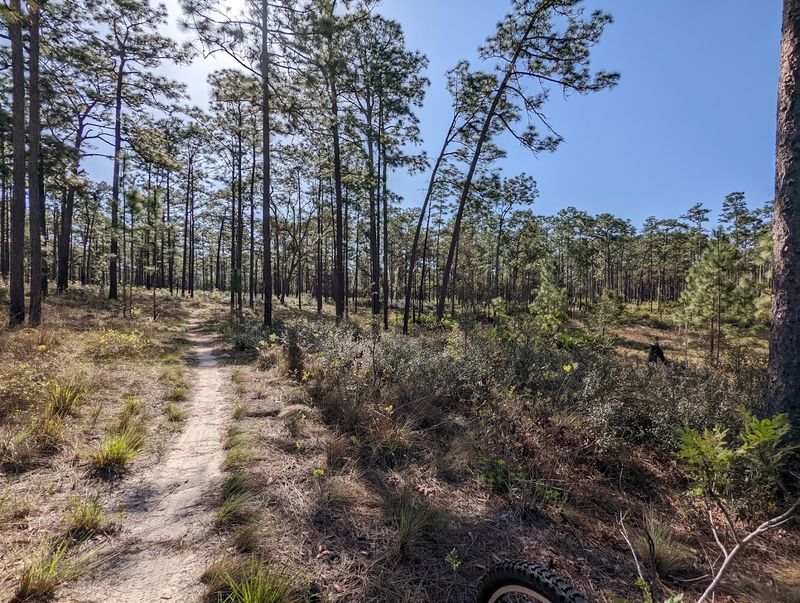
For visitors who prefer horsepower to hiking boots, Ocala National Forest has a serious network of off-road trails that attract Jeep enthusiasts and ATV riders from across the state. The sandy forest roads range from graded gravel paths to rough, rutted tracks that require genuine four-wheel drive.
Many areas allow dispersed motorized recreation, and the forest’s size means you can explore for hours without retracing your path. Popular off-road zones are concentrated in the northern sections of the forest, where the sand pine scrub gives way to open corridors perfect for trail riding.
A two-wheel-drive vehicle with decent clearance can handle many of the main forest roads, but the deeper tracks genuinely require four-wheel drive. Checking current road conditions with the ranger station before heading out is always a smart move, especially after heavy rain, when soft sand can become unexpectedly challenging even for experienced drivers.
Fishing Across 600-Plus Lakes and Rivers
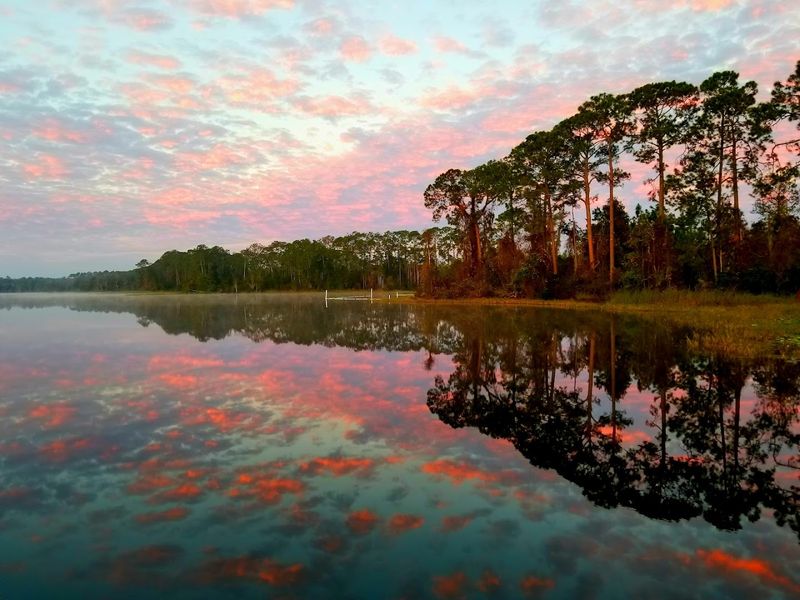
Ocala National Forest contains more than 600 lakes, ponds, rivers, and streams, which makes it one of the most productive freshwater fishing destinations in Florida. Bass fishing is the main draw, and the forest’s remote lakes often hold fish that rarely see a lure.
Lake Dorr and Farles Prairie are two well-known spots among local anglers, offering catch-and-release opportunities in a setting that feels genuinely off the beaten path. The Oklawaha River also holds bass, catfish, and bream throughout its length.
A valid Florida fishing license is required for anyone 16 and older, and you can purchase one online through the Florida Fish and Wildlife Conservation Commission website before your trip. Boat ramps are available at several points around the forest, and canoe rentals at some campgrounds mean you do not need to trailer a boat to get out on the water and enjoy a quiet morning cast.
The Florida Scrub-Jay and Birdwatching Hotspots
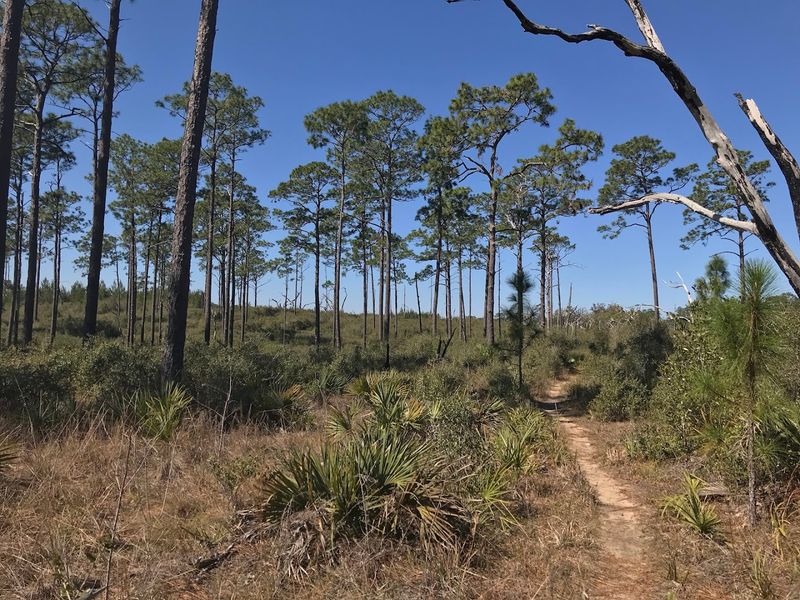
Birdwatchers treat Ocala National Forest as one of Florida’s best-kept secrets, and the star of the show is the Florida Scrub-Jay. This endemic species exists only in Florida and is listed as threatened, making every sighting feel meaningful.
The scrub-jays in the forest are famously curious and will sometimes approach hikers closely enough for a remarkable photo opportunity. They are most reliably found in open sand pine scrub habitat, which the forest has in abundance.
Beyond scrub-jays, the forest attracts sandhill cranes, bald eagles, red-cockaded woodpeckers, and a wide variety of warblers during spring migration. Early morning is the best time to bird, when activity is high and temperatures are comfortable.
Bringing binoculars and a field guide to Florida birds will dramatically improve your experience, and the quiet forest roads make for easy, slow driving between birding stops.
Tips for Making the Most of Your Visit
A visit to Ocala National Forest rewards preparation. The forest is massive, and without a plan, it is easy to spend your first day just figuring out where you are.
Downloading the forest map from fs.usda.gov/ocala before you arrive is one of the most useful things you can do.
Water is non-negotiable here. Trails have no facilities, and Florida heat is serious even in cooler months.
Carrying at least two liters per person per day is a smart baseline, and a water filter lets you refill from clear spring-fed ponds along longer routes.
Pack insect repellent, check for ticks after every outdoor activity, and store food securely at your campsite to avoid attracting bears. The forest is genuinely wild, and that wildness is exactly what makes it so worth visiting.
Treat it with respect, pack out your trash, and it will reward you with an experience that is hard to find anywhere else in the eastern United States.
Share this story