The trips people talk about for years usually include one moment that quietly changes the whole itinerary. It is not just the landmark, the beach, or the photo, but the local ritual that reveals how a place organizes memory, identity, and everyday life.
From ceremonies shaped by medieval court culture to festivals tied to agricultural calendars and ancient belief systems, these experiences show you history in motion rather than behind glass. Keep reading, and you will see how twelve traditions across the world can turn a vacation from pleasant to genuinely unforgettable.
1. Tea Ceremony (Japan)
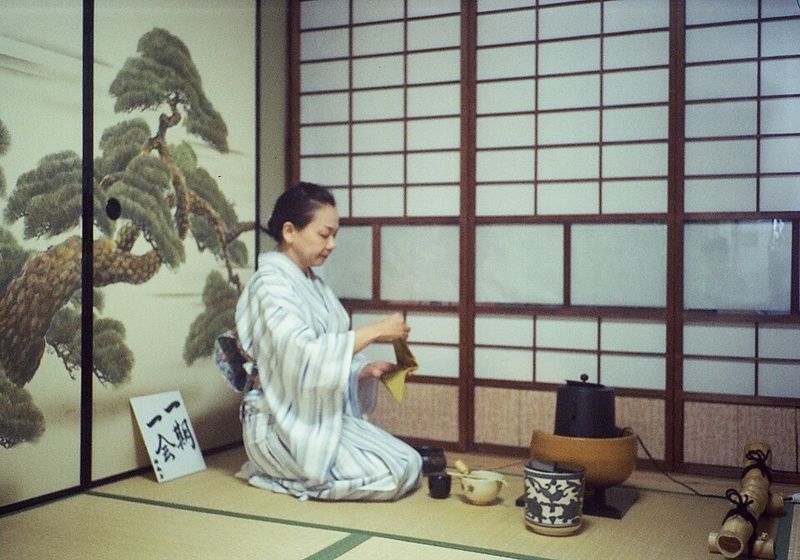
What looks simple at first quickly turns into a master class in intention. In Japan, the tea ceremony, or chanoyu, developed over centuries through Zen practice, elite patronage, and the aesthetic ideas refined by Sen no Rikyu in the sixteenth century.
You are not just drinking matcha. You are watching a codified sequence shaped by harmony, respect, purity, and tranquility, with each bowl, cloth fold, and bow carrying meaning that regular sightseeing rarely delivers.
Rooms are often deliberately spare, reflecting ideals that prized restraint over display during periods when warrior rule and court culture overlapped in surprising ways. Even the utensils matter historically, since ceramic styles, lacquerware, and bamboo tools connect regional craft traditions to seasonal customs and social rank.
For travelers, the ritual changes your pace in the best possible way. Instead of collecting attractions, you pay attention, and that shift is exactly why a tea ceremony can define a trip to Japan more clearly than a crowded checklist ever could.
2. Day of the Dead Celebrations (Mexico)
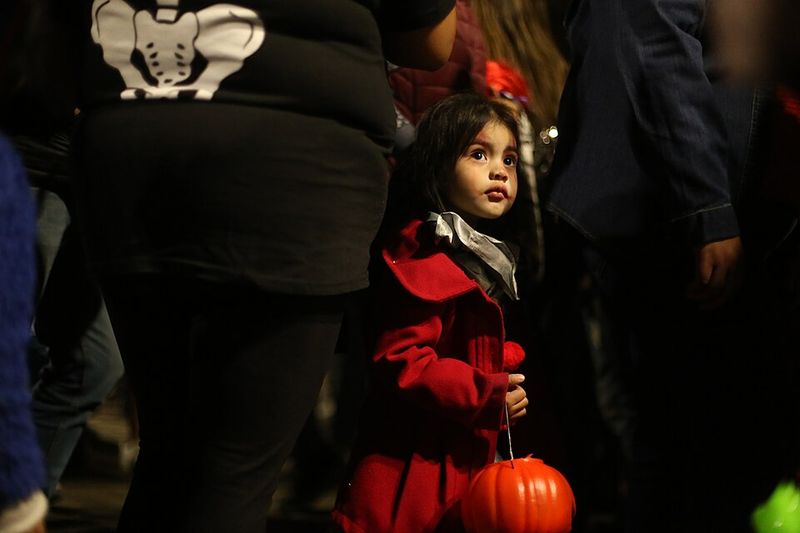
This celebration rewrites what many visitors think remembrance is supposed to look like. In Mexico, Day of the Dead blends Indigenous traditions with Catholic observances introduced during the colonial era, especially around November 1 and 2.
You will see altars called ofrendas filled with photographs, favorite foods, candles, marigolds, and symbolic objects that welcome relatives from earlier generations into family life. The result is not gloomy or abstract.
It is structured, intimate, and full of cultural memory, with roots linked to pre Hispanic ceremonies later synchronized with All Saints and All Souls observances.
Regional differences matter, which is part of the appeal. In Oaxaca, Mexico City, Michoacan, and smaller towns, the balance between public parade, home altar, cemetery visit, and community art can change noticeably, giving the tradition real local character rather than a single postcard version.
For travelers, that complexity is the point. You are not watching a costume event but entering a living ritual where food, design, family history, and public space all work together to explain Mexico with unusual clarity.
3. Holi Festival (India)
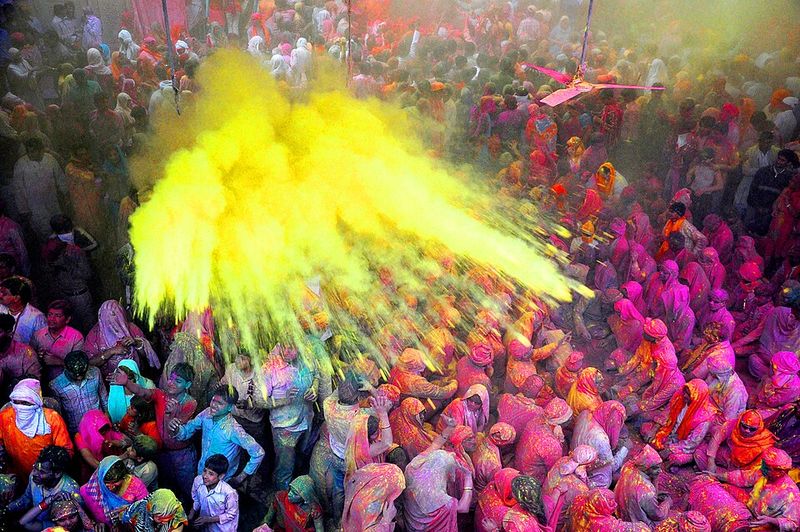
For one day, public space follows a different rulebook. Holi, celebrated across India and in many diaspora communities, marks the arrival of spring and carries layers of meaning connected to Krishna traditions, seasonal change, and the triumph of good over harmful forces.
You probably know the powder first, because photos travel fast. Yet the festival is more than color throwing.
In many places it begins with Holika Dahan, a bonfire observance held the night before, followed by a day when age, status, and everyday reserve loosen noticeably in parks, streets, and neighborhood courtyards.
That social reset is part of why Holi feels so distinctive on a trip. Historical patterns differ by region, from Braj celebrations linked to Krishna lore to urban versions shaped by tourism, music culture, and modern event planning, so there is no single national script.
Still, the core appeal remains consistent. You are stepping into a festival where myth, calendar, and community behavior briefly align, creating a public celebration that feels both ancient and current, which is not an easy trick for any tradition to pull off.
4. Flamenco Performances (Spain)
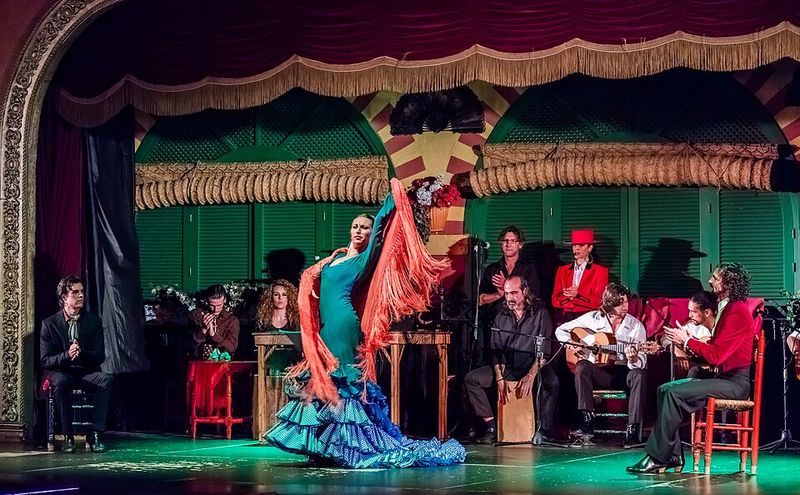
Some performances entertain you, and some explain a country in real time. Flamenco belongs to the second category, shaped in Andalusia through Romani, Moorish, Jewish, and regional Spanish influences that developed into a recognized art form between the eighteenth and nineteenth centuries.
You are not simply watching dance steps. Flamenco joins cante, toque, baile, palmas, and jaleo into a tightly structured exchange where rhythm, improvisation, and emotional control matter as much as visible intensity.
That history gives the form more weight than the souvenir version many visitors expect. Cafes cantantes helped popularize it in the nineteenth century, Franco era politics repackaged parts of it for national image making, and later artists and scholars worked to preserve regional depth beyond tourist shorthand.
Seeing a strong live performance during a Spain trip can reset your understanding of the country. Instead of generic Mediterranean fantasy, you encounter a tradition built from migration, marginal voices, formal discipline, and local pride, all of which makes flamenco feel less like a show and more like cultural argument set to rhythm.
5. Maasai Jumping Dance (Kenya & Tanzania)
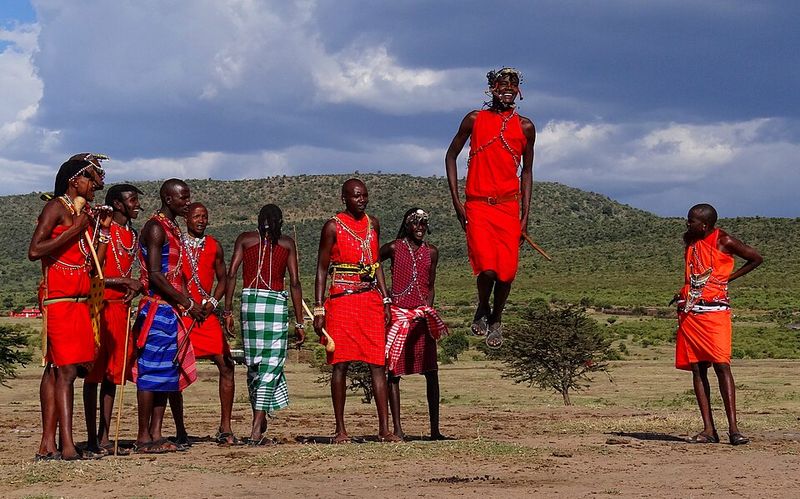
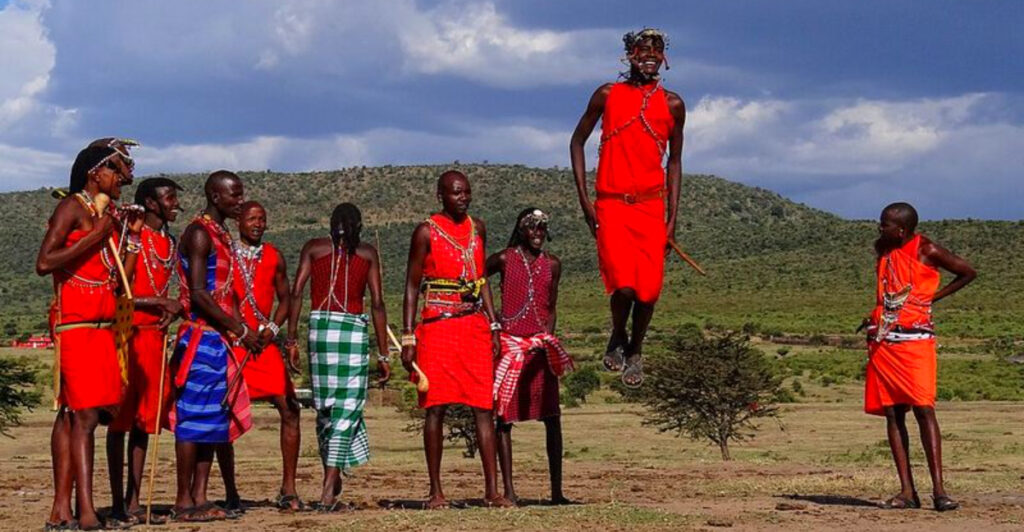
Few travel moments make community identity look this direct. Among the Maasai of Kenya and Tanzania, the adumu, often called the jumping dance, appears during ceremonial gatherings and is associated with age sets, social status, and collective pride.
You do not need a lecture to understand its impact. Participants form a circle, sing in rhythmic call and response, and individuals step forward to leap vertically, showing stamina, control, and confidence within a shared performance rather than as isolated showmanship.
That distinction matters because the dance is tied to broader Maasai social organization, where rites of passage, cattle culture, dress, beadwork, and intergenerational roles have long structured daily life. Modern tourism has sometimes flattened this into a quick spectacle, yet in community led settings, you can still appreciate how the dance expresses belonging instead of serving as simple entertainment.
For travelers, the experience works best when it is approached respectfully and with context. You leave understanding that movement here is social language, carrying history, discipline, and continuity across borders that outsiders often treat as just another map line.
6. Balinese Temple Offerings (Indonesia)
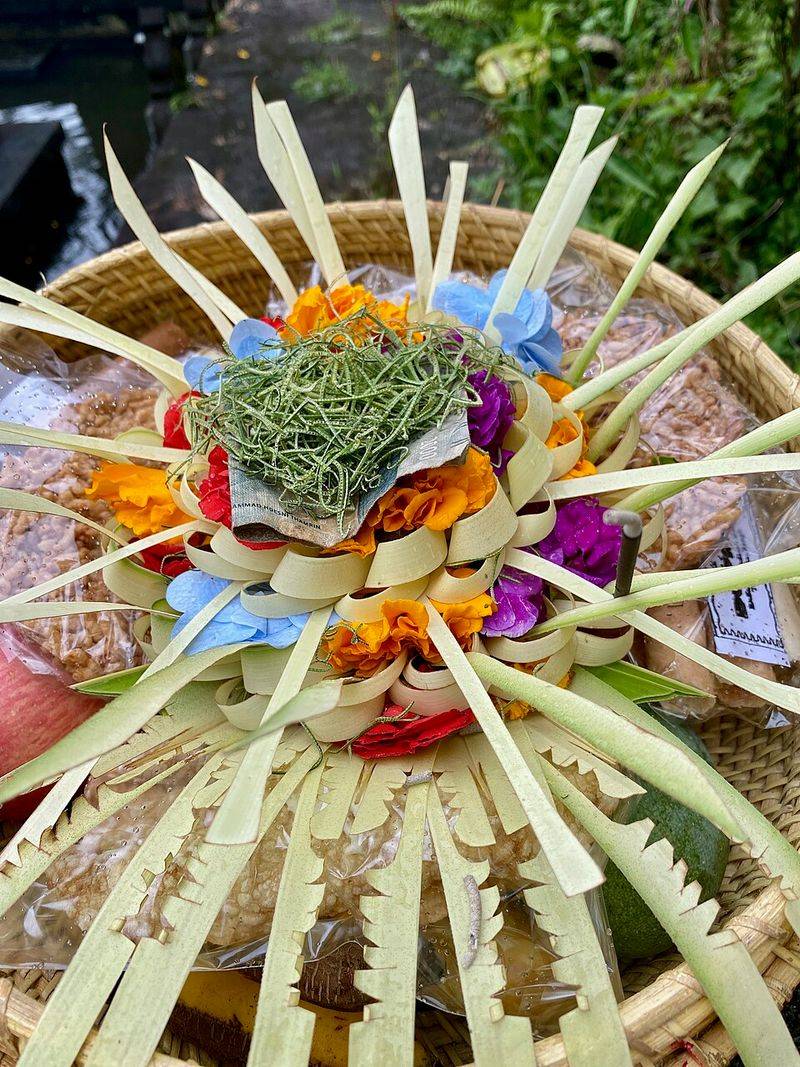
Daily rituals rarely make travel brochures, which is exactly why this one stays with you. In Bali, small offerings called canang sari appear outside homes, shops, shrines, and temples, quietly showing how Hindu practice is woven into ordinary routines across the island.
You notice them fast, then realize they are everywhere. Made from woven palm leaf trays and filled with flowers and other symbolic items, the offerings express gratitude, balance, and devotion within a religious system shaped by local custom as much as formal doctrine.
That everyday repetition tells you more than a single staged ceremony could. Balinese Hinduism developed through layers of Indigenous belief, Indian influence, court culture, and village organization, so even a modest offering reflects larger ideas about harmony between people, nature, and spiritual forces.
For travelers, the lesson is practical as well as memorable. You start paying attention to thresholds, temple etiquette, dress rules, and neighborhood rhythms, and Bali becomes less about resort shorthand and more about a living civic religion that structures time, space, and behavior with remarkable consistency.
7. Viking Fire Festivals (Scotland)
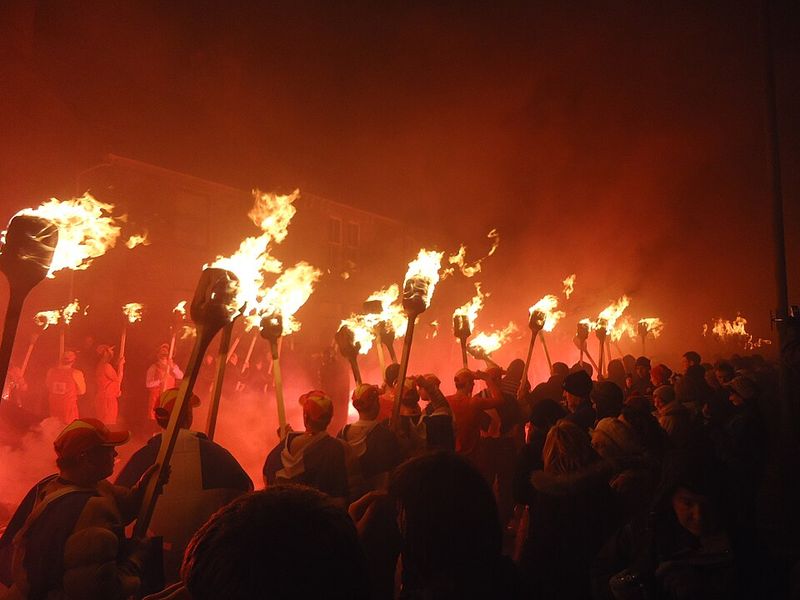
History gets a public relations upgrade when an entire town carries torches. Scotland’s Viking fire festivals, especially Up Helly Aa in Shetland, draw on Norse heritage, local pageantry, and nineteenth century civic organizing to create one of Europe’s most unusual winter spectacles.
You might assume the event is ancient in its present form, but much of what visitors see was formalized in the 1800s, when community groups shaped processions, costumes, and ceremony into a modern tradition that still leaned hard on regional identity. That does not make it less meaningful.
It makes it a great example of how heritage is actively built, curated, and performed.
The torchlit march, guizer squads, and symbolic longship burning connect Shetland’s Scandinavian past to contemporary local pride without pretending history stayed frozen for a thousand years. Festivals in other parts of Scotland vary, yet the same appeal remains: public ritual as historical storytelling with strong civic participation.
For travelers, that combination is hard to beat. You get Norse references, community organization, and a vivid reminder that tradition often survives by being reinvented carefully, not by standing still.
8. Pushkar Camel Fair (India)
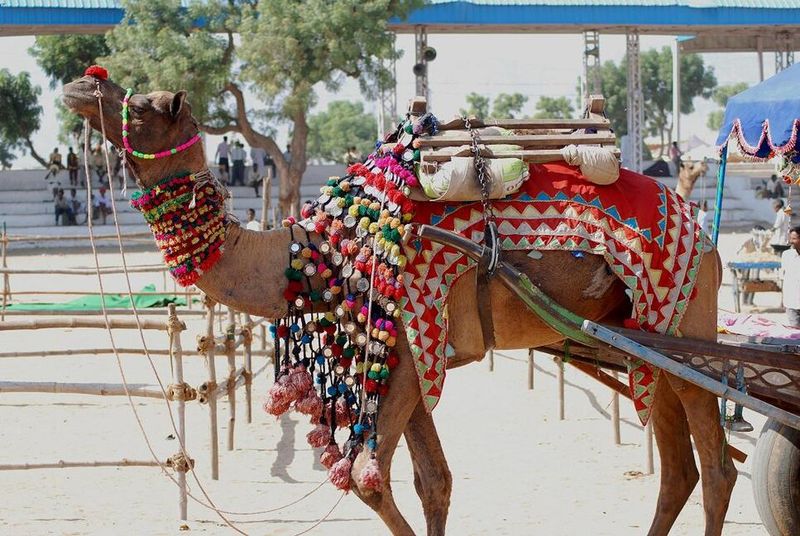
Markets can be rituals too, especially when they operate at this scale. The Pushkar Camel Fair in Rajasthan combines livestock trading, religious pilgrimage, and festival atmosphere into one of the most visually striking gatherings in India.
Thousands of camels, horses, and traders converge alongside pilgrims visiting the sacred Pushkar Lake. Competitions, performances, and temporary settlements turn the desert town into a layered cultural event that mixes economy with belief.
For travelers, the experience works because it feels unscripted. You are stepping into a functioning tradition, not a staged display, where commerce and ritual unfold side by side.
9. Turkish Hammam Ritual (Turkey)
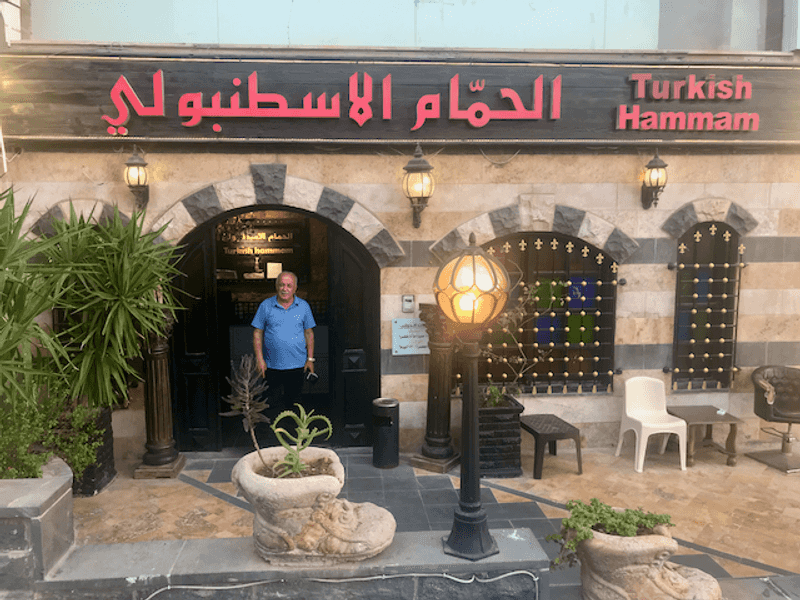
Some traditions understand public architecture better than most governments ever will. The Turkish hammam ritual turns a bathhouse into a social institution, combining cleansing, relaxation, and communal routine within a form shaped by Roman, Byzantine, and Ottoman precedents.
You enter expecting a spa treatment and leave with a clearer sense of urban history. Classic hammams were built around steam, heated marble platforms, washing areas, and service sequences that reflected not only hygiene but also neighborhood life, hospitality, and important events such as wedding preparations.
Ottoman cities treated hammams as civic necessities, and many historic examples still display the empire’s practical genius for merging function with architecture. Today, some venues cater heavily to travelers, while others preserve a more local rhythm, yet the core ritual of warming, scrubbing, rinsing, and resting still carries the structure that made hammams socially central for centuries.
That is why the experience defines a trip so effectively. You are not just booking downtime.
You are stepping into a long lived institution where design, etiquette, and daily habit reveal Turkey through routine rather than spectacle, which is often the better teacher.
10. Songkran Water Festival (Thailand)
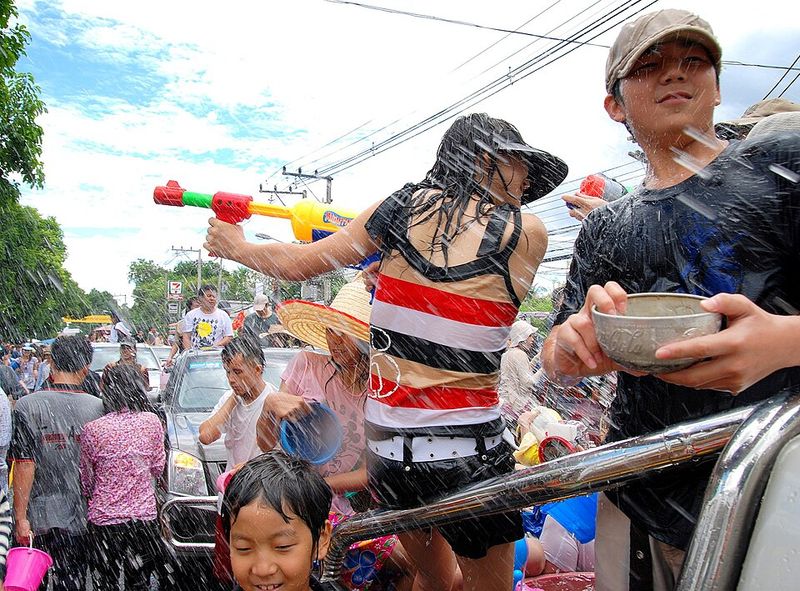
A national holiday that becomes a giant public splash has excellent staying power. Songkran marks the Thai New Year, traditionally in mid April, and combines merit making, family visits, temple rituals, and symbolic water pouring with the street celebrations travelers know best.
You can enjoy the playful side without missing the older structure underneath it. Water originally represented cleansing and renewal, often poured respectfully over Buddha images and elders’ hands, while households also used the holiday for reunions, offerings, and practical resets before a new annual cycle.
Modern urban celebrations, especially in Bangkok, Chiang Mai, and tourist hubs, have expanded into massive public events shaped by transport patterns, tourism campaigns, and local regulations. Even so, the festival still reflects Thai ideas about respect, transition, and community participation, which is why it feels more culturally grounded than a simple party with buckets.
For travelers, Songkran offers a rare combination of ritual meaning and total accessibility. You can join in quickly, but if you pay attention, you also see how a symbolic act evolved into a nationwide custom that links family tradition, religion, and public life.
11. Albuquerque Balloon Fiesta (USA)
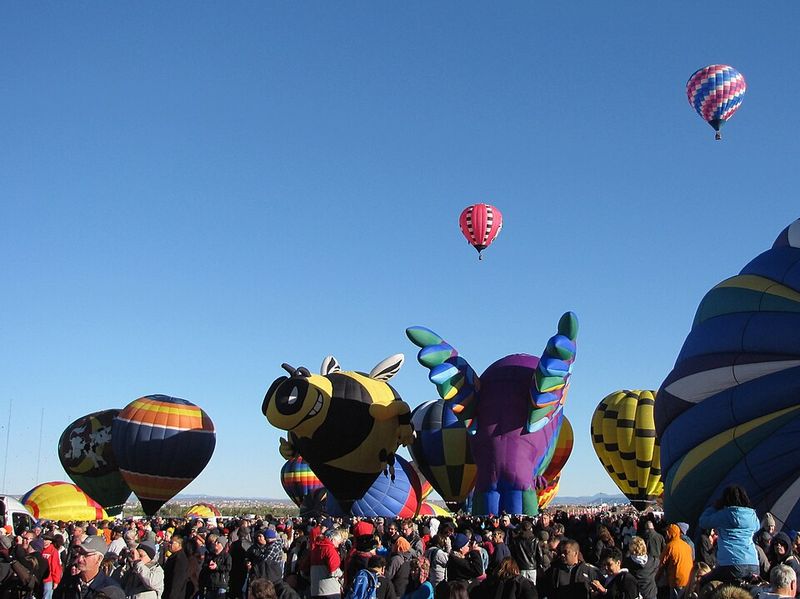
Some modern gatherings feel almost ceremonial in their repetition and scale. The Albuquerque International Balloon Fiesta fills the New Mexico sky with hundreds of hot air balloons, creating a coordinated display that has become a defining regional tradition.
Mass ascensions, night glows, and carefully timed launches turn open desert space into a shared visual event. While the origins are recent, the structure has developed its own rhythm and expectations over time.
For travelers, it offers a different kind of ritual – one built around atmosphere and timing rather than history, yet just as memorable in shaping a place’s identity.
12. Ethiopian Coffee Ceremony (Ethiopia)
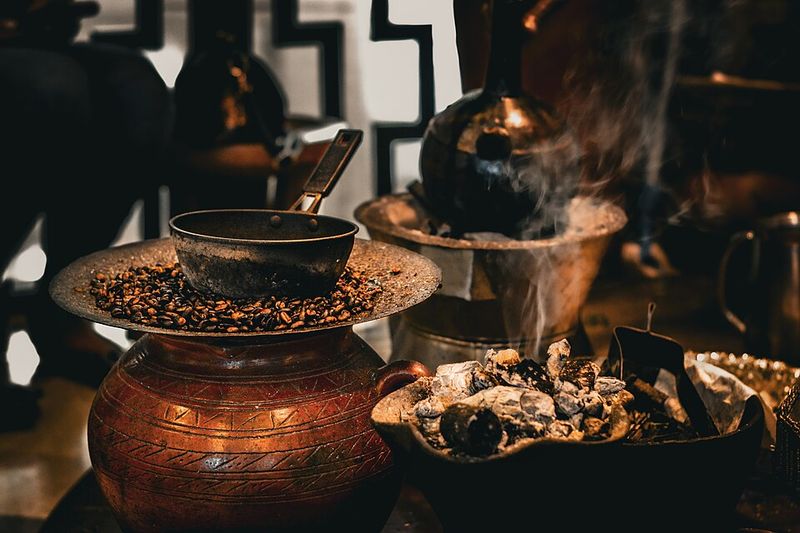
Your daily coffee habit starts to look underdressed after this. The Ethiopian coffee ceremony turns brewing into a structured social ritual, reflecting the country’s long association with coffee cultivation and its role in hospitality, conversation, and community life.
You usually watch green beans roasted, ground, and brewed in a jebena, then served in multiple rounds that encourage people to stay, talk, and participate rather than rush off with a paper cup. That pace matters historically, because coffee in Ethiopia is tied not just to agriculture and trade but to domestic etiquette and neighborhood relationships.
The ceremony varies by region and household, yet the larger pattern remains consistent: preparation is visible, service is communal, and attention is part of the offering. For travelers, it is one of the clearest examples of how an everyday product can carry national identity without becoming stiff or ceremonial in a distant way.
That is why it defines a vacation so well. You leave with more than caffeine.
You leave understanding how Ethiopia turns a global commodity into a local ritual centered on presence, generosity, and shared time.
Share this story