A great band name can do more work than most people realize. It can suggest attitude, era, style, and ambition before a single note reaches you, which is why some near misses in rock history are so funny in hindsight.
From practical placeholders to names that sounded oddly polite, several future giants came close to branding themselves into a corner. Keep reading and you will see how a few smart switches helped turn promising groups into unforgettable cultural fixtures.
1. Pink Floyd → The Tea Set
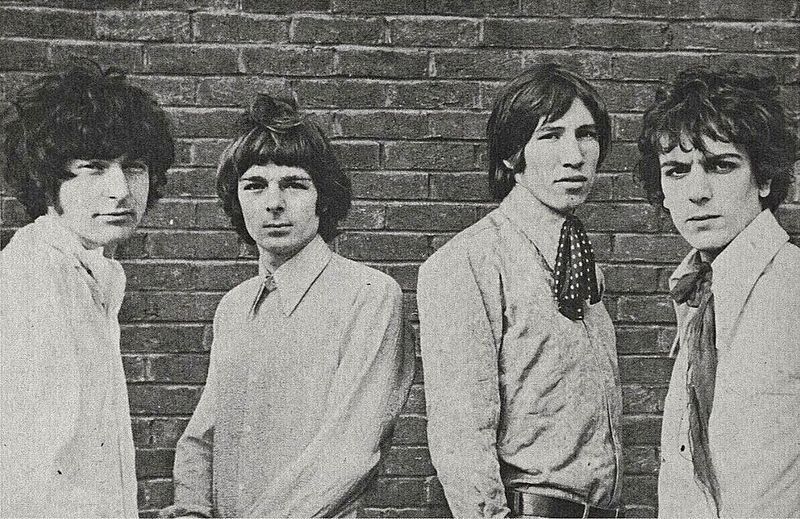
Nothing says future psychedelic innovators quite like a name that could also fit a polite afternoon gathering. Early in their London club days, the group that became Pink Floyd performed as The Tea Set, a harmless title that quickly ran into trouble when another act on the same bill used the exact same name.
That awkward booking coincidence forced a change, and Syd Barrett responded by combining the first names of blues musicians Pink Anderson and Floyd Council. The result sounded mysterious, modern, and slightly off-center, which matched the band’s transition from rhythm and blues roots to the experimental underground swirling around mid-1960s London.
The Tea Set might have worked for a modest local run, but it would have struggled once albums like The Piper at the Gates of Dawn and later Dark Side of the Moon entered the picture. Pink Floyd gave the band room to become larger, stranger, and more enduring.
2. Queen → Smile
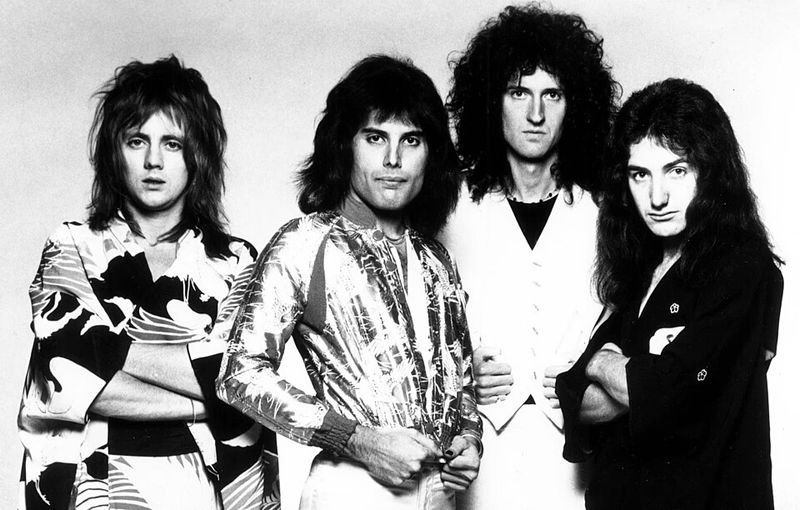
A band headed for theatrical grandeur almost kept a name that sounded pleasantly harmless. Before Freddie Mercury took command of the image and direction, guitarist Brian May and drummer Roger Taylor played in Smile, a late-1960s group that also included bassist Tim Staffell and leaned toward bluesy, melodic rock.
Smile was not a bad title, but it lacked tension, drama, and memorability. When Mercury joined after Staffell’s exit, he pushed for a complete rethink, choosing Queen because it felt regal, direct, and provocatively bold in a British rock landscape that rewarded identity as much as musicianship.
The switch mattered because Queen was never going to be a modest pub-band proposition. The new name framed the group’s ambition before the harmonies, operatic structures, and stadium-sized performances even had a chance to do their work, and it helped turn four musicians into one of rock’s most recognizable brands.
3. The Beatles → The Quarrymen / Johnny and the Moondogs
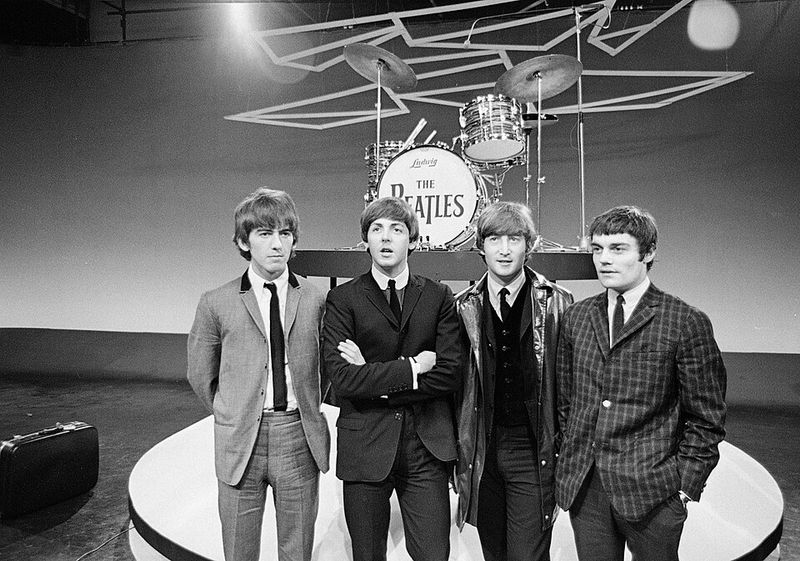
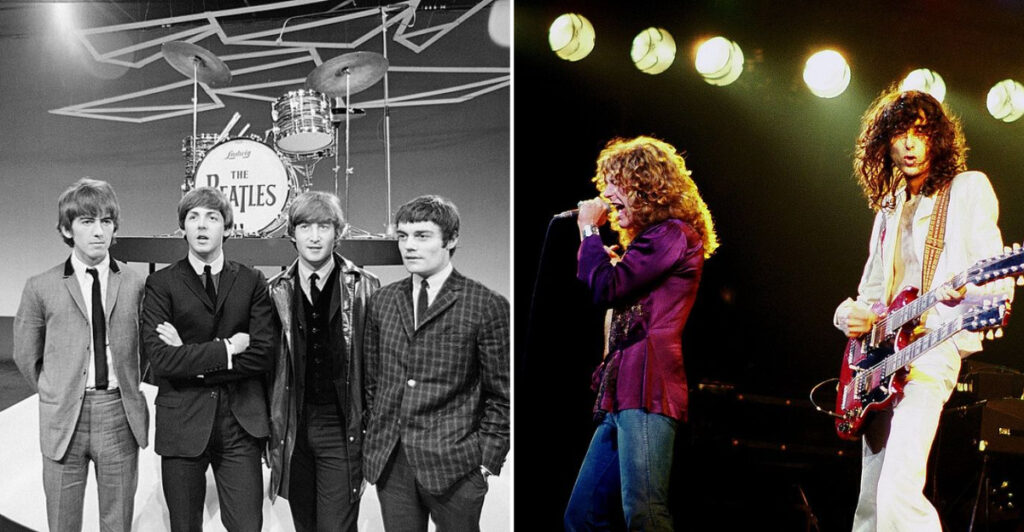
History nearly gave the biggest band on Earth a name that sounded like a school talent show entry. Before The Beatles locked into their famous punning identity, they performed as the Quarrymen, a skiffle group tied to Quarry Bank High School, and briefly used Johnny and the Moondogs during the late 1950s club circuit.
Those names made sense for a local act finding its feet, but neither carried the sharp, modern edge that the coming 1960s demanded. As the lineup evolved from John Lennon’s skiffle roots to the Lennon-McCartney-Harrison core, the band needed a name that felt compact, witty, and distinct in a growing pop marketplace.
The Beatles delivered that immediately, blending beat music with a playful nod to Buddy Holly’s Crickets. Once Beatlemania arrived, it became impossible to imagine any other label on the records, posters, lunchboxes, and headlines that followed across the decade.
4. Black Sabbath → Earth
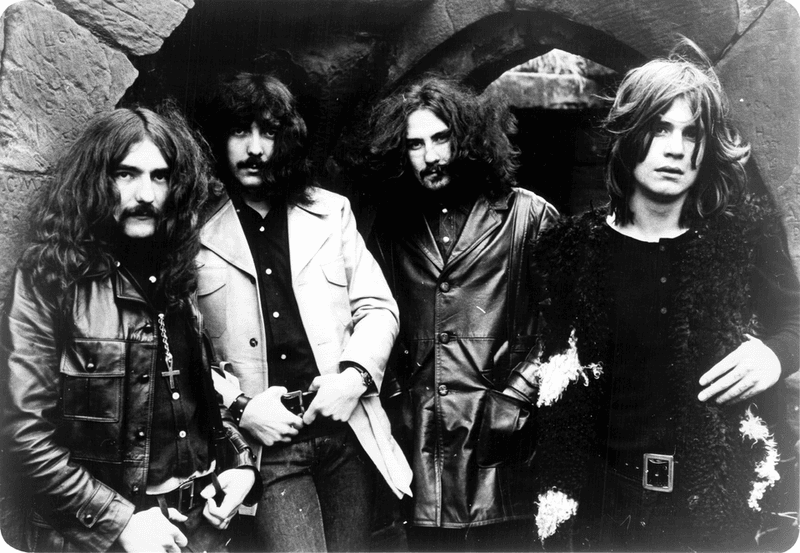
Sometimes a single word can move a band from generic local act to cultural landmark. Before they became Black Sabbath, the Birmingham group used the name Earth, which was simple enough but hopelessly broad for a band developing a darker, heavier approach in the late 1960s British club circuit.
The change came after the musicians noticed audiences reacting strongly to sinister themes in movies and music. Inspired in part by the title of a Boris Karloff film, they adopted Black Sabbath and aligned the name with the ominous tritone riffs and social unease that would shape their debut album in 1970.
Earth could have belonged to almost any rock outfit with long hair and amplifiers. Black Sabbath, by contrast, created an immediate frame for the band’s subject matter and sound, helping establish the language of heavy metal before the genre even had a settled identity in the public imagination.
5. Led Zeppelin → The New Yardbirds
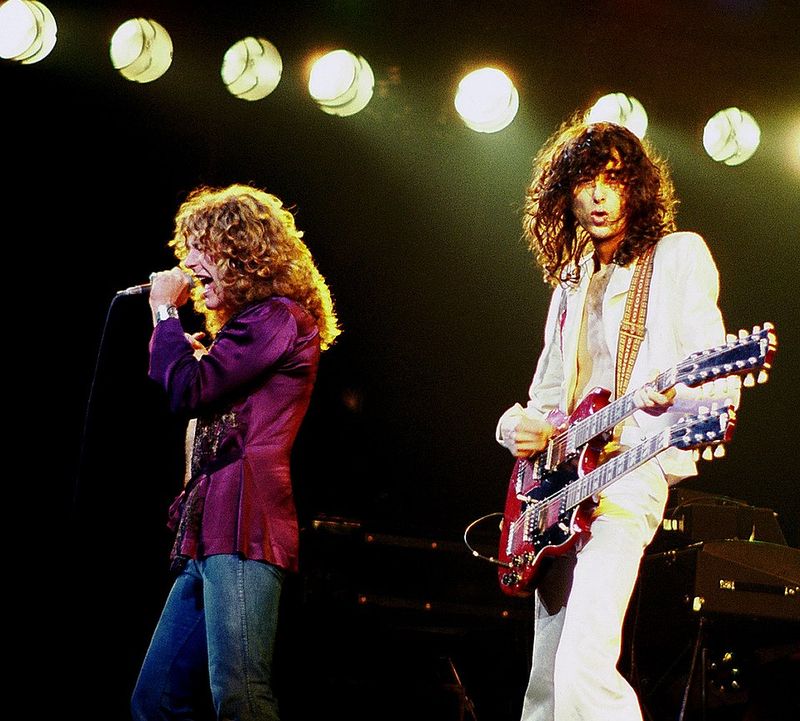
Few upgrades in rock history were as dramatic as moving from a hand-me-down name to one built for myth. In 1968, Jimmy Page assembled a new group from the wreckage of the Yardbirds and used The New Yardbirds for contractual obligations, especially on Scandinavian dates booked before the earlier band fully dissolved.
The temporary title explained the lineage, but it also made the group sound like an administrative update rather than a major new force. Once Robert Plant, John Paul Jones, and John Bonham were in place, the music had little to do with polite continuity and everything to do with scale, weight, and personality.
Led Zeppelin solved the problem at once. Drawn from the famous quip about going over like a lead balloon, the name was strange, bold, and impossible to confuse with anyone else, which suited a band about to redefine hard rock in the 1970s.
6. Radiohead → On a Friday

One of alternative rock’s smartest names began as little more than a scheduling note. While attending school in Oxfordshire, the future members of Radiohead rehearsed on Fridays, so On a Friday became the practical placeholder for a group still forming its style long before major-label attention arrived.
The name had a certain dry charm, but it also sounded temporary, like it belonged on a wall calendar rather than on an album sleeve. When the band signed with EMI in the early 1990s, they chose Radiohead from the Talking Heads song “Radio Head,” giving themselves a title that felt technological, uneasy, and distinctly modern.
That mattered because their music was about to move beyond standard guitar rock into something more ambitious and emotionally complex. On a Friday might have fit a student rehearsal room, but Radiohead could hold The Bends, OK Computer, and the uneasy mood of the digital age.
7. Nirvana → Pen Cap Chew
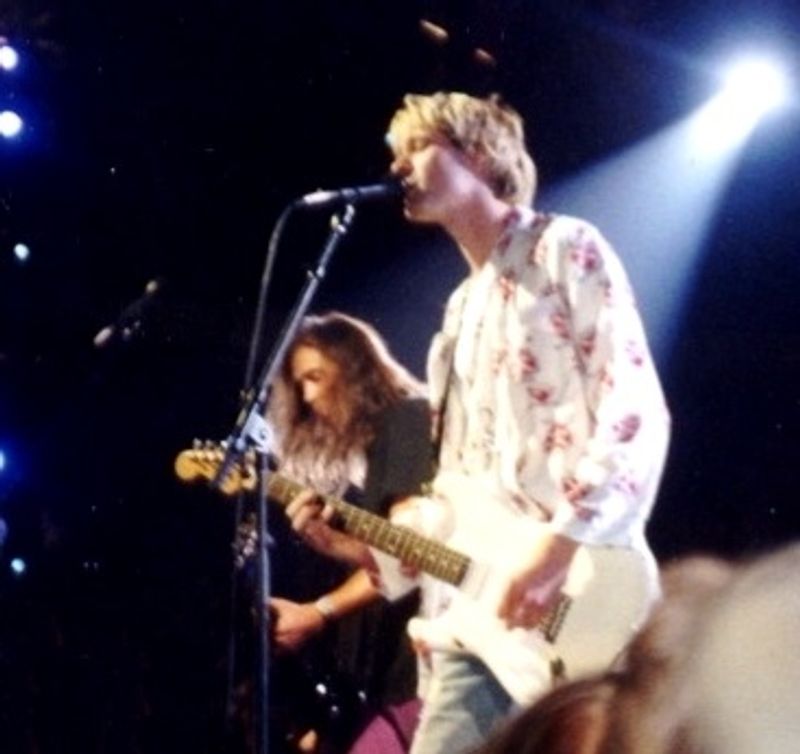
Seattle’s most famous grunge export nearly carried a name that sounded like a distracted note from the back of a classroom. Kurt Cobain tested several odd possibilities before Nirvana stuck, and Pen Cap Chew remains one of the most famously awkward contenders from the band’s formative period in the late 1980s.
That kind of title fit Cobain’s taste for absurdity and anti-polish humor, but it would have created a strange mismatch with the band’s eventual impact. As the trio sharpened its mix of punk force and melodic hooks, Nirvana offered a cleaner contrast, borrowing a spiritual term and using it in a way that felt calm, elusive, and memorable.
The contrast became especially powerful once Nevermind broke into the mainstream in 1991. Pen Cap Chew might have been an amusing inside joke on a demo tape, but Nirvana had the clarity and reach needed for a band that quickly became shorthand for a generational shift.
8. Pearl Jam → Mookie Blaylock
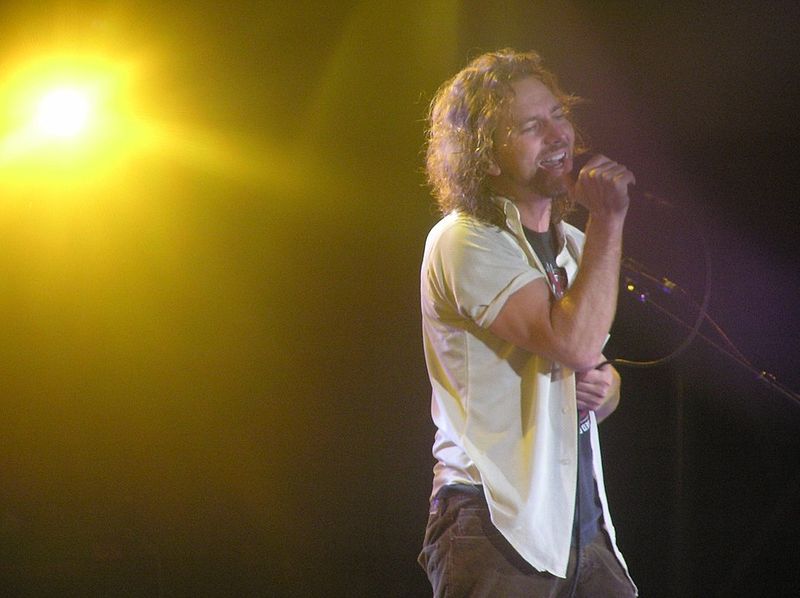
A future arena staple once borrowed its identity from a professional basketball player, which was never going to be a long-term solution. Early on, the Seattle group used Mookie Blaylock, honoring the NBA guard and even naming its 1991 debut album Ten after his jersey number before legal realities encouraged a change.
The sports reference had energy, but it boxed the band into a joke that could not easily scale with its music. Pearl Jam, though still somewhat mysterious in origin, gave the group more room to project seriousness, ambiguity, and a broader artistic identity as grunge moved from regional story to major commercial force.
The timing was crucial because the early 1990s music press was already busy turning Seattle into a category. A specific athlete’s name would have dated quickly, while Pearl Jam sounded independent of any single trend, helping the band carry from the Ten era into a far longer and more stable career.
9. Green Day → Sweet Children

Pop-punk history came close to being saddled with a name better suited to a Saturday morning singalong. Before Green Day settled on the title that would carry Dookie into the center of 1990s youth culture, Billie Joe Armstrong and Mike Dirnt performed as Sweet Children on the East Bay punk scene.
The early name reflected their age and origins, but it lacked the sly, slightly scruffy edge that punk often needs. Green Day, lifted from slang and carrying a lazy, memorable rhythm, suited the band’s mix of humor, impatience, and catchy songwriting far better as they moved from local clubs to a major-label audience.
That switch helped frame them as part of punk’s evolving mainstream moment rather than as a novelty act. Sweet Children might have remained a charming footnote from the 1980s Bay Area, but Green Day became a durable label for a band that survived trends, criticism, and multiple reinventions.
10. The Rolling Stones → Little Boy Blue and the Blue Boys
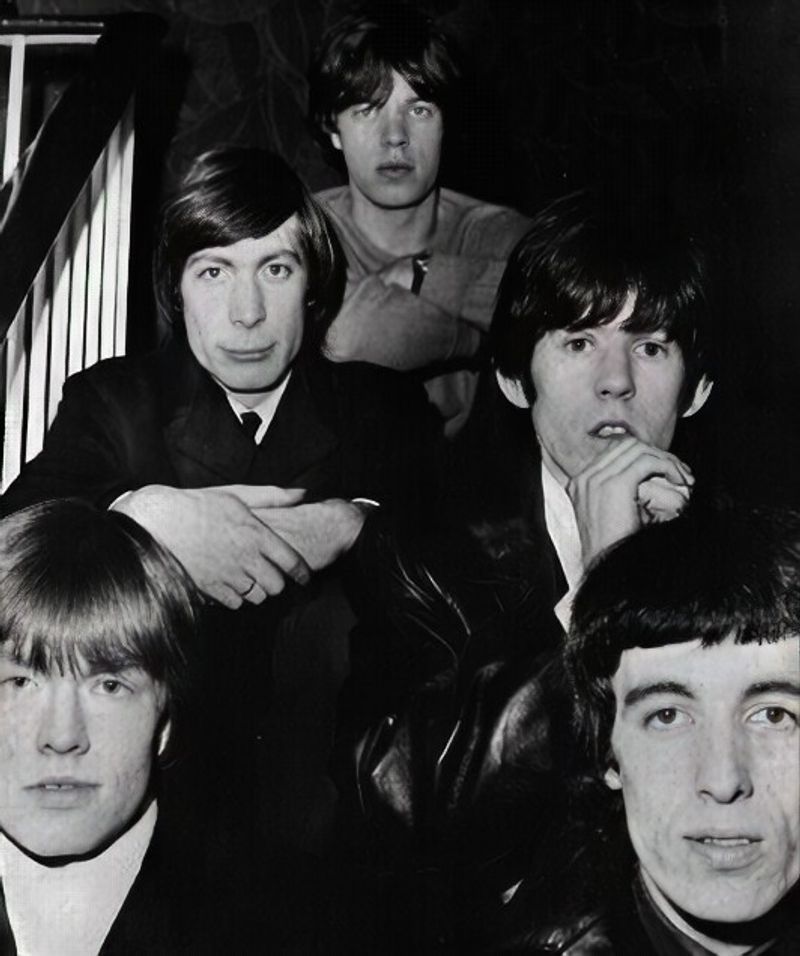
Try fitting this one onto a marquee and you can see why a rewrite was necessary. Before The Rolling Stones became a central force in the British Invasion, Mick Jagger, Keith Richards, and Brian Jones were associated with the cumbersome name Little Boy Blue and the Blue Boys during their early rhythm and blues period.
It reflected American blues influence and a youthful obsession with imported records, but the title was far too long and far too quaint for the group’s eventual image. The Rolling Stones, borrowed from Muddy Waters’ “Rollin’ Stone,” kept the blues connection while sounding tougher, leaner, and much more marketable in a rapidly changing early-1960s music scene.
That economy mattered once the band began competing for attention with the Beatles and every other sharp-suited act crossing Britain. A shorter name looked better on posters, read better in newspapers, and matched the stripped-down swagger that soon became central to the band’s identity for decades.
11. Red Hot Chili Peppers → Tony Flow and the Miraculously Majestic Masters of Mayhem
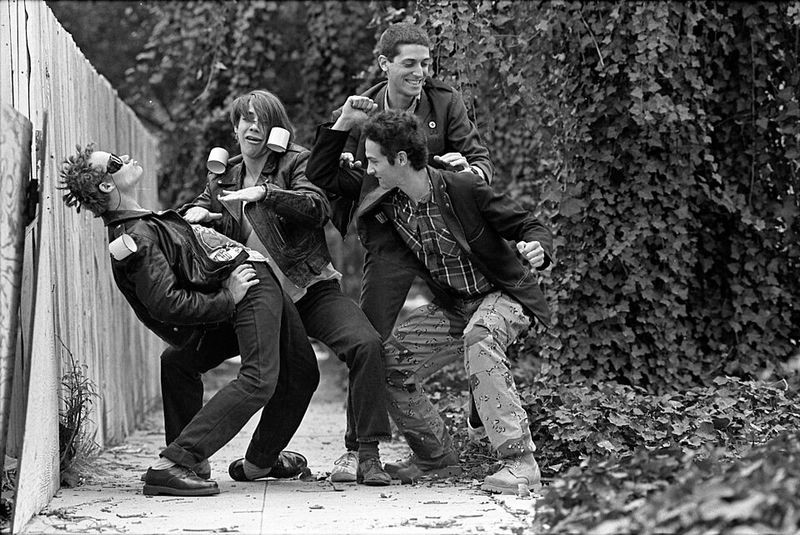
Only Los Angeles in the 1980s could briefly make a name this long seem like a workable plan. The band that became Red Hot Chili Peppers first performed under the sprawling title Tony Flow and the Miraculously Majestic Masters of Mayhem, a joke-heavy introduction that fit one-off chaos better than long-term career planning.
That original label captured the group’s irreverent funk-punk spirit, but it also threatened to bury them under their own punch line. Once the band focused on recording and building momentum beyond local notoriety, Red Hot Chili Peppers offered the same comic energy with far more precision and far less risk of exhausting a radio host.
The revised name still sounded colorful, unpredictable, and slightly ridiculous, which was exactly the point. It became one of rock’s most recognizable brands by balancing personality with brevity, allowing the band’s mix of funk bass lines, punk attack, and pop instincts to travel much farther.
12. U2 → Feedback / The Hype
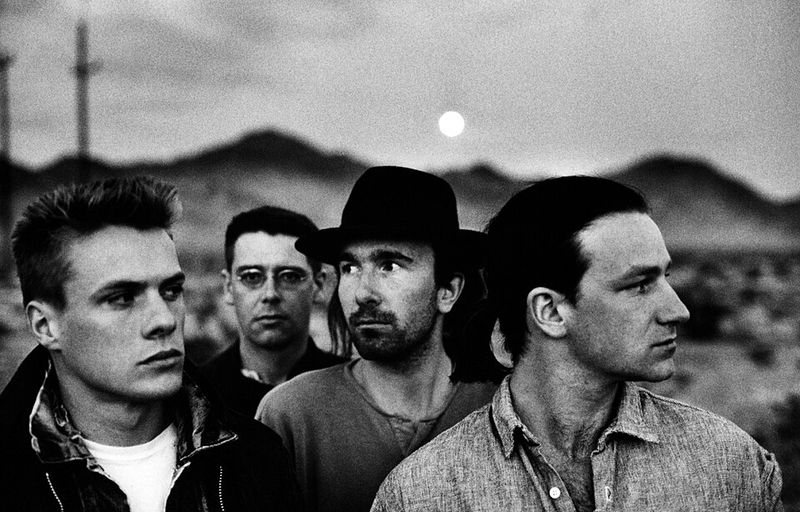
Before becoming one of the most globally recognizable names in rock, the Dublin quartet cycled through titles that sounded either generic or vaguely temporary. The earliest version of the group used Feedback, then shifted to The Hype, both understandable choices for teenagers in the late 1970s still working out their musical identity.
Neither name fully fit the band’s developing seriousness or the stripped, urgent quality of post-punk. U2, reportedly chosen from a shortlist with little consensus, won by being short, ambiguous, and visually strong, giving Bono, the Edge, Adam Clayton, and Larry Mullen Jr. a title that invited interpretation rather than overexplaining itself.
That ambiguity turned into an asset as the band moved from Irish clubs to global tours in the 1980s. Feedback and The Hype sounded like placeholders for local gigs, but U2 looked clean on posters, memorable on album covers, and flexible enough to survive huge shifts in style and scale.
13. Bon Jovi → Johnny Electric
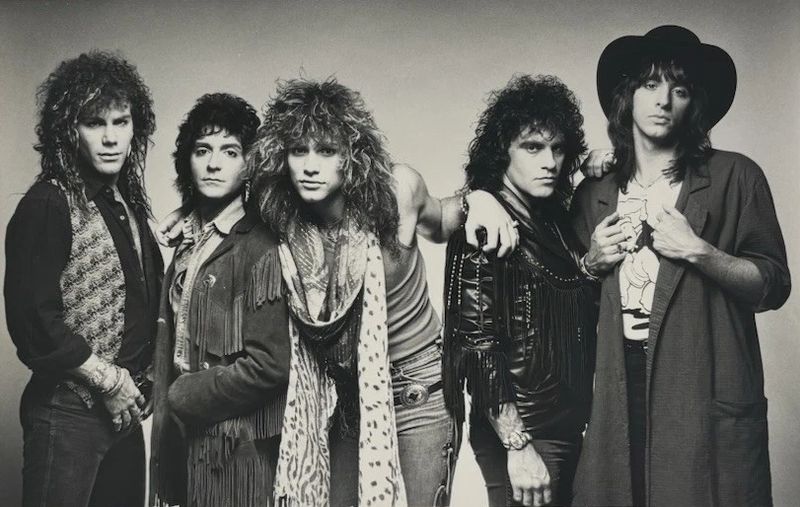
Some almost-names sound like they were designed for exactly one era and then stuck there forever. Johnny Electric was floated during Jon Bon Jovi’s early career development, and while it had a certain comic-book snap, it lacked the straightforward identity that would later help the band cross from hard rock into mainstream pop success.
Using the singer’s surname, slightly reshaped for style, anchored the act in a real person while still sounding polished enough for radio, posters, and MTV. That mattered in the 1980s, when image was inseparable from commercial reach and a band needed a name that could survive both arena tours and power-ballad chart runs.
Johnny Electric might have worked for a single album or a character on a lunchbox. Bon Jovi, by contrast, felt personal and scalable, giving the New Jersey group a brand sturdy enough to carry Slippery When Wet, worldwide fame, and decades of reinvention without sounding trapped in a gimmick.
14. The Who → The Detours
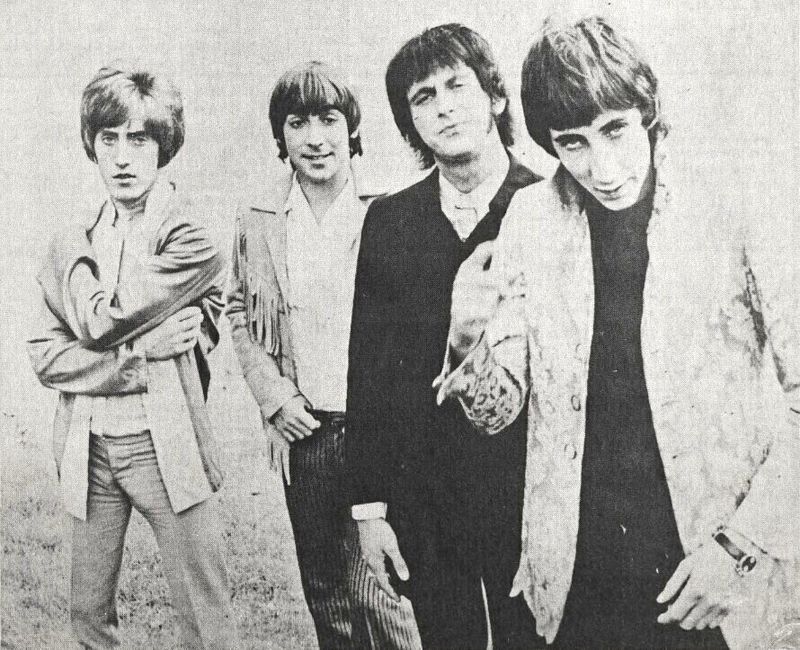
Minimalism rescued this band from a name that could have vanished in a stack of local gig flyers. In the early 1960s, the group that would become The Who played as The Detours, a serviceable title for a young London act but one that offered little distinction during a crowded beat boom.
The change reportedly came after discovering another band already used the name, a practical problem that led to an inspired result. The Who was short, abrupt, and slightly confrontational, which fit a group built on sharp mod style, Pete Townshend’s restless songwriting, and a willingness to push pop structure into something more aggressive.
It also invited curiosity in a way The Detours never could. By the time the band moved through “My Generation,” rock opera, and larger conceptual ambition, the final name looked almost absurdly perfect, while the original survived mainly as proof that even major innovators sometimes start with paperwork-level branding.
15. Van Halen → Mammoth
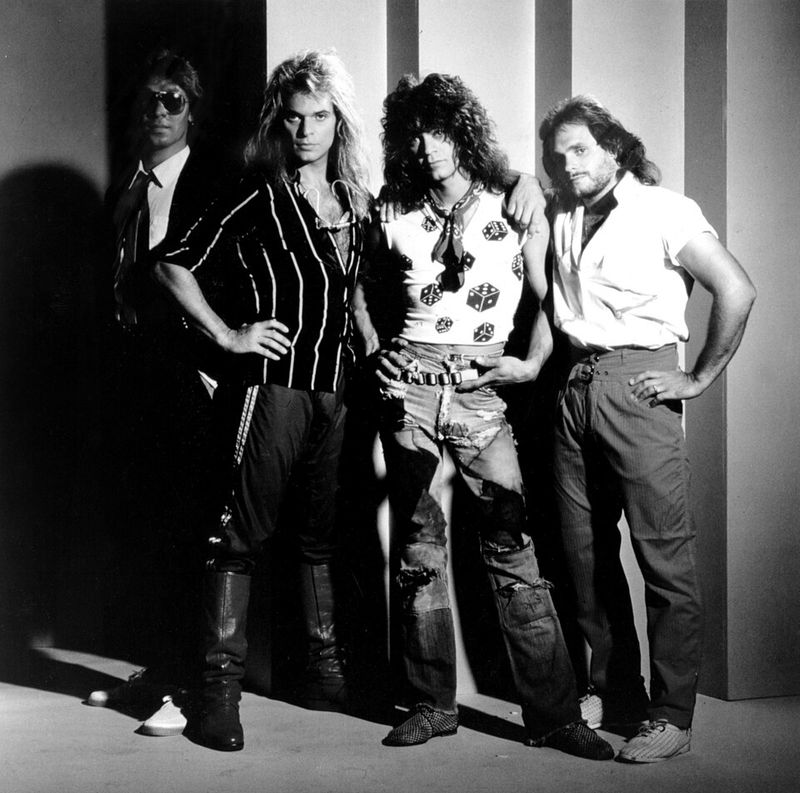
For a moment, one of guitar rock’s most famous surnames was almost replaced by a blunt piece of prehistoric branding. In the mid-1970s, Eddie and Alex Van Halen used Mammoth for an early version of the band, a name that certainly suggested size but did not offer much individuality in a busy Southern California scene.
The shift came after discovering another group already claimed Mammoth, and singer David Lee Roth reportedly pushed for using the brothers’ surname instead. That decision instantly personalized the band, turning it from a generic hard-rock proposition into something tied to a specific family identity, especially as Eddie’s playing began separating the group from peers.
Van Halen looked elegant on a poster and distinctive on an album cover without trying too hard. Mammoth might have promised heaviness, but the final name carried both technical prowess and star power, which helped the band define mainstream rock at the end of the 1970s and beyond.
Share this story