Greece isn’t just a destination—it’s a living mythology. Across the country, ancient ruins, mountains, islands, and temples are directly tied to the stories of gods, heroes, and epic battles that shaped Western culture.
Many legendary tales—from Zeus ruling the heavens to Odysseus’ journey home—are rooted in real places you can still visit today. From sacred sanctuaries to dramatic landscapes, these destinations bring ancient myths vividly to life.
Mount Olympus
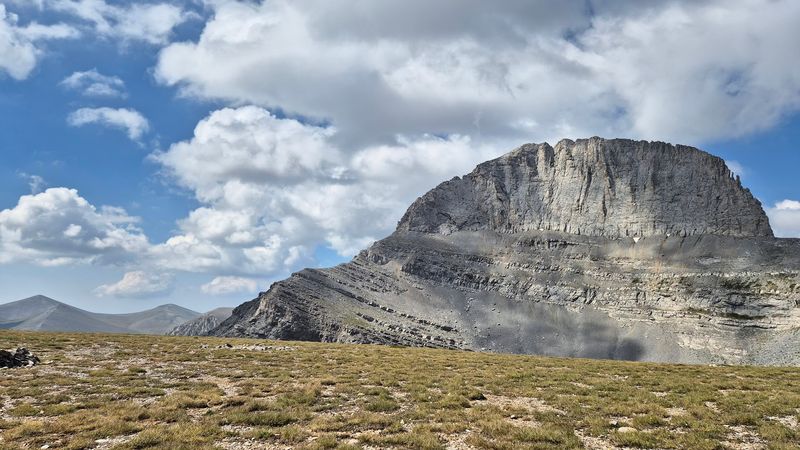
Stand at the base of Mount Olympus and you will understand immediately why the ancient Greeks handed it over to the gods. Rising nearly 3,000 meters into the sky, this is Greece’s tallest mountain—and its most mythologically loaded.
The twelve Olympian gods, led by the thunderbolt-wielding Zeus, were believed to hold court right at the top.
Hikers today can follow marked trails through dense forests, wildflower meadows, and rocky ridgelines that ancient poets described in vivid detail. The mountain has two main summits: Mytikas and Skolio, both reachable by fit adventurers.
Reaching the top on a clear day feels genuinely electric.
The national park surrounding Olympus is home to over 1,700 plant species, making it a UNESCO Biosphere Reserve. Wild beauty and mythological weight combine in a way few places on Earth can match.
Whether you believe in gods or not, something about this mountain makes you feel like you should.
Delphi
Imagine traveling hundreds of miles by foot, across rough terrain and unpredictable weather, just to hear a single cryptic answer from a woman sitting over a crack in the earth. That was the reality for thousands of ancient Greeks who made pilgrimages to Delphi.
The Oracle of Apollo, known as the Pythia, was considered the most powerful voice in the ancient world.
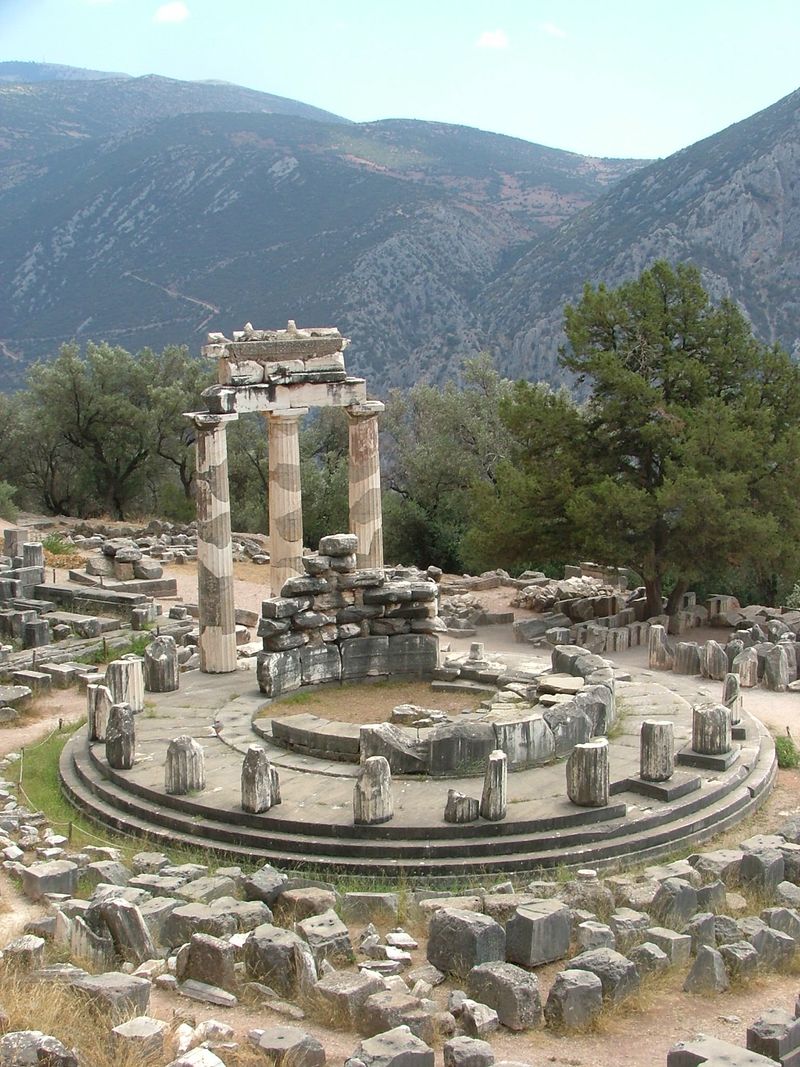
Located on the dramatic slopes of Mount Parnassus, Delphi was declared the “navel of the world” by Zeus himself—at least according to the myth. Today, the site is a UNESCO World Heritage Site featuring the Temple of Apollo, the ancient theater, and the impressive Treasury of the Athenians.
Visiting in the early morning, before the tour buses arrive, gives you a rare moment of quiet among the ruins. The sacred way still winds uphill through weathered stone, just as it did for ancient pilgrims.
Few archaeological sites in Greece pack this much historical and mythological punch into one breathtaking location.
Athens (Acropolis)
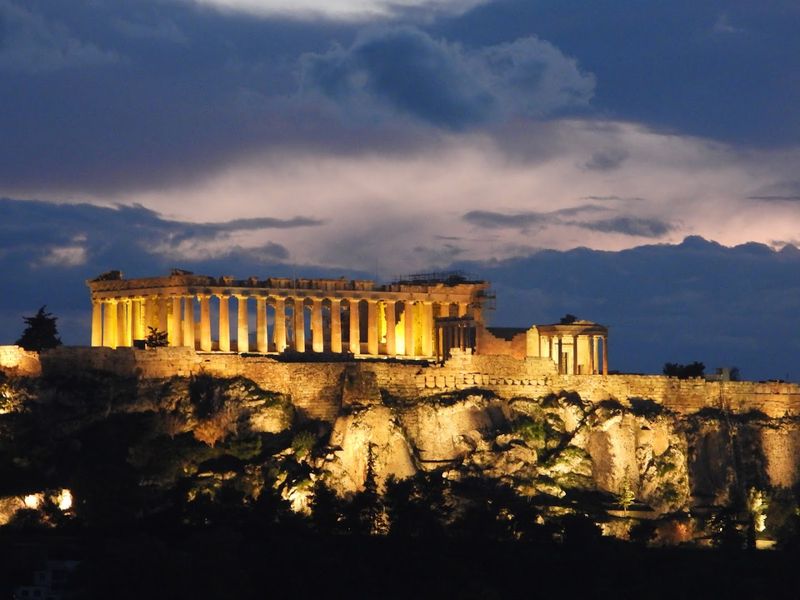
Long before Athens became a sprawling modern capital, it was the prize in a divine competition. According to myth, both Athena and Poseidon wanted to be the city’s patron.
Poseidon struck his trident into the rock and produced saltwater. Athena offered an olive tree.
The gods judged the olive more useful, and Athens got its name.
The Acropolis, perched dramatically above the city, is where that story lives on in stone. The Parthenon—built in the 5th century BCE—was dedicated entirely to Athena and remains one of the most recognizable buildings on the planet.
Even in its partially ruined state, it commands complete attention.
Beyond the Parthenon, the Acropolis holds the Erechtheion with its famous Porch of the Caryatids, and the Temple of Athena Nike. The Acropolis Museum at the base does an excellent job of explaining what everything looked like in its full, colorful glory.
Athens connects myth and reality more seamlessly than almost anywhere else in Greece.
Knossos (Crete)
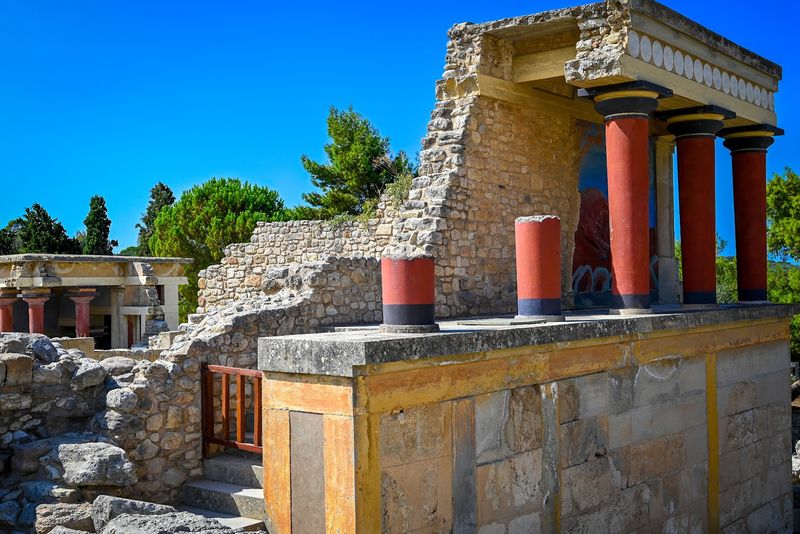
Somewhere beneath the sprawling palace ruins of Knossos, a monster is said to have waited in the dark. The Minotaur—half-man, half-bull—lived in a maze so complex that no one who entered could find their way out.
That maze, the Labyrinth, is believed by many scholars to be inspired by the palace of Knossos itself.
Built by the Minoan civilization around 1900 BCE, Knossos is the largest Bronze Age archaeological site on Crete. Its multi-story layout, with hundreds of interlocking rooms and corridors, absolutely feels like a labyrinth in real life.
British archaeologist Arthur Evans partially reconstructed parts of the palace in the early 1900s, sparking debate that continues among historians today.
The palace features stunning frescoes of bull-leaping athletes, dolphins, and ceremonial processions. These images hint at a sophisticated civilization that the ancient Greeks both admired and mythologized.
Walking through Knossos, you genuinely feel the presence of something ancient and slightly mysterious—which is exactly how the best mythological sites should feel.
Delos Island
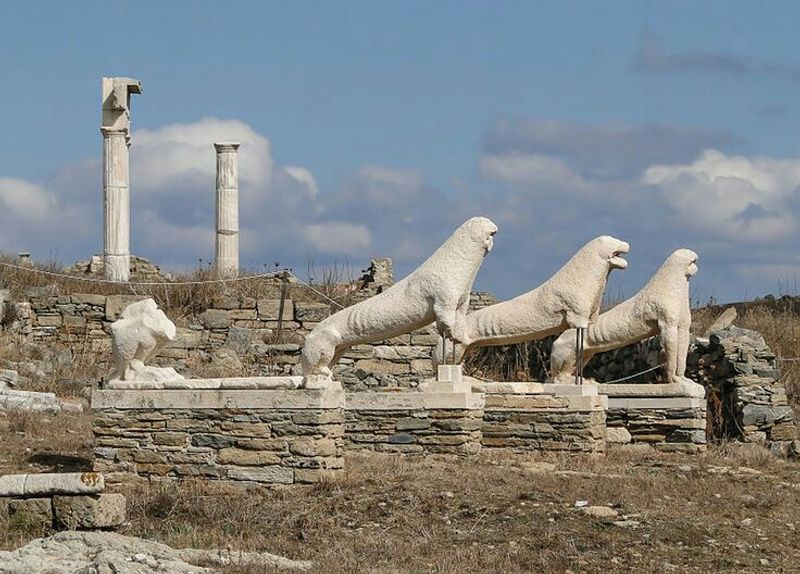
No one is allowed to be born or die on Delos—and that rule has been enforced since ancient times. This tiny, uninhabited island in the Cyclades was considered so sacred that even natural human events like birth and death were banned within its boundaries.
That level of reverence makes sense when you know what the island is supposedly famous for.
Delos is said to be the birthplace of Apollo, god of the sun, music, and prophecy, and his twin sister Artemis, goddess of the hunt. According to myth, the island was a floating rock until Poseidon anchored it to the seafloor so Leto could give birth to her divine children there.
That divine origin story turned Delos into one of the most important religious centers in the ancient Greek world.
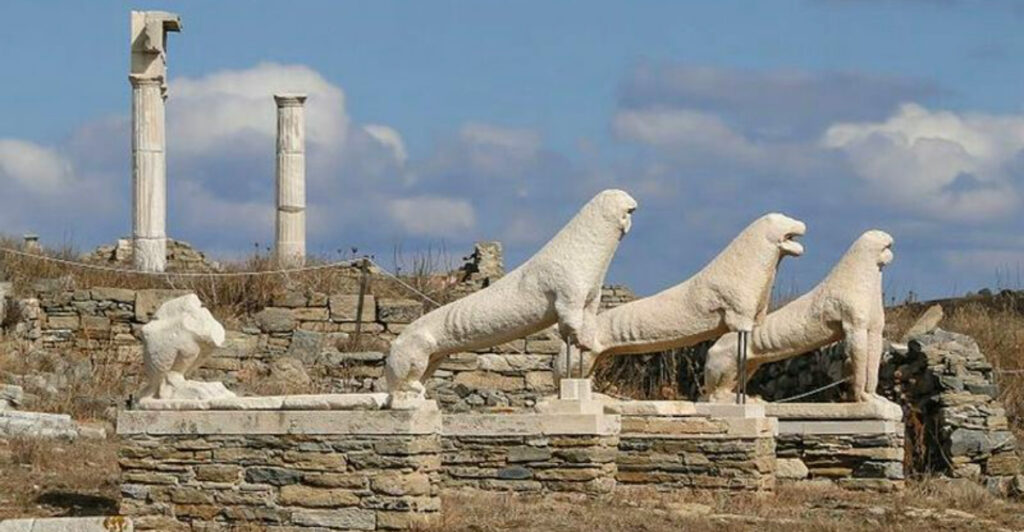
Today, the island is a UNESCO World Heritage Site accessible only by boat from nearby Mykonos. Its ruins include temples, a sacred lake, and the iconic Terrace of the Lions.
No hotels, no restaurants—just pure, uninterrupted archaeology under the blazing Aegean sun.
Ithaca
Ten years of war followed by another ten years of shipwrecks, monsters, and divine interference—Odysseus had the worst commute in history. His destination?
Ithaca, the rocky island kingdom he loved more than immortality itself. When the goddess Calypso offered him eternal life if he stayed with her, he chose to go home instead.
That is how much Ithaca meant to him.
The island sits in the Ionian Sea off the western coast of mainland Greece. While debate continues among scholars about whether Homer’s Ithaca matches the modern island precisely, the connection to The Odyssey is deeply woven into local culture.
Archaeological findings, including artifacts suggesting long-standing worship of Odysseus, add weight to the island’s legendary identity.
Modern Ithaca is a quiet, relatively unspoiled island with clear water, hiking trails, and a relaxed pace of life. The main town, Vathy, sits inside one of the deepest natural harbors in the Mediterranean.
Visiting feels less like a tourist trip and more like tracking down a character from the world’s oldest adventure story—which is exactly what it is.
Cape Sounion
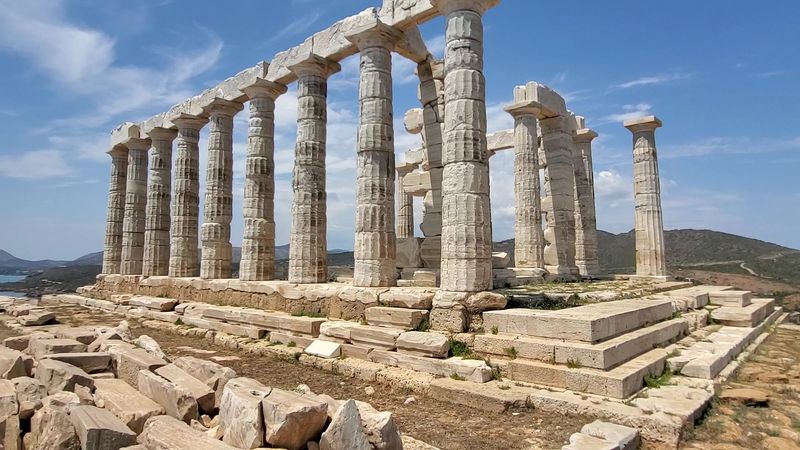
Picture a king scanning the horizon every single day, desperate for a glimpse of his son’s ship returning from a dangerous quest. That king was Aegeus of Athens, and the cliff he stood on was Cape Sounion.
When he saw black sails instead of white—a mix-up that meant his son Theseus had forgotten to change them after defeating the Minotaur—Aegeus threw himself into the sea in grief. That sea is now called the Aegean.
The Temple of Poseidon crowns the cape at about 60 meters above the water, and it is genuinely one of the most dramatic settings for any ancient structure in Greece. Built around 440 BCE, it features 15 surviving Doric columns that glow amber and gold during sunset.
The English poet Lord Byron was so moved by the site that he carved his name into one of the columns—which was romantic but also technically vandalism.
Cape Sounion sits about 70 kilometers south of Athens, making it a very manageable day trip. The combination of mythology, architecture, and jaw-dropping coastal scenery makes it one of Greece’s most underrated stops.
Thebes
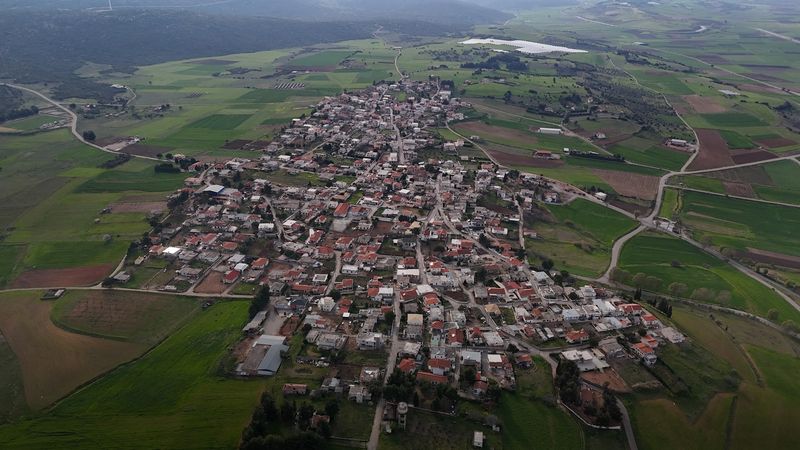
If ancient Greek mythology had a drama quota, Thebes filled it several times over. This city produced some of the most tragic and gripping stories in all of Greek legend—starting with the founding myth itself, where Cadmus followed a divine cow and built a city where she collapsed.
It only got wilder from there.
Thebes is the birthplace of Hercules, the most famous hero in Greek mythology. It is also the city destroyed by Oedipus, who unknowingly killed his father and married his mother—a story so psychologically complex that Sigmund Freud named a theory after it.
The tragedies of Sophocles and Euripides made Thebes their favorite setting for a reason.
Modern Thebes (Thiva) sits on top of ancient Thebes, which means excavation is ongoing and sometimes inconvenient for locals. The Archaeological Museum of Thebes holds remarkable finds including Mycenaean jewelry, Linear B tablets, and painted coffins.
The city does not always get the tourist attention that Athens or Delphi receives, but for mythology lovers, it is absolutely essential. Thebes is where the legends got complicated—and that is what makes it so fascinating.
Nemea
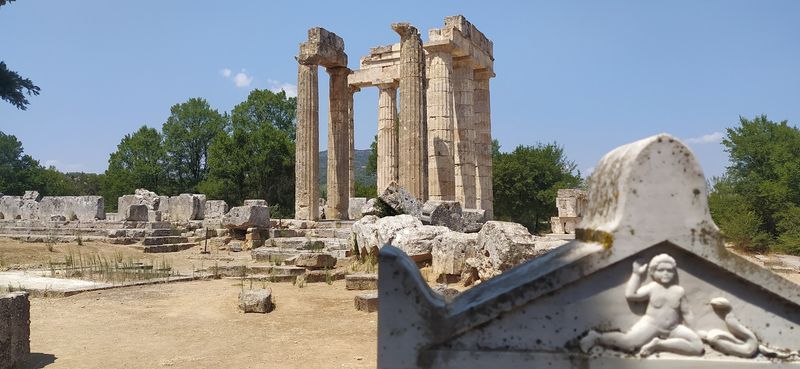
Hercules walked into a valley, faced a lion that no weapon could kill, and strangled it with his bare hands. That valley was Nemea, and the story of the Nemean Lion became the first of Hercules’ Twelve Labors—the legendary tasks assigned to him as punishment and redemption.
Defeating an invincible beast with nothing but strength and nerve is a pretty compelling origin story for a hero.
The ancient site of Nemea sits in the northeastern Peloponnese, surrounded by vineyards producing the region’s famous Agiorgitiko red wine. The partially reconstructed Temple of Zeus still stands with three original Doric columns, and the ancient stadium nearby hosted the Nemean Games—one of the four great Panhellenic athletic festivals of ancient Greece.
Every four years, the modern Nemean Games are revived here, with athletes competing barefoot in ancient-style tunics. It is one of the most unusual and joyful athletic events in the world.
Nemea also has a small but excellent archaeological museum with finds from the site. The combination of mythology, ancient sport, and world-class wine makes Nemea one of Greece’s most rewarding and undervisited destinations.
Acheron River
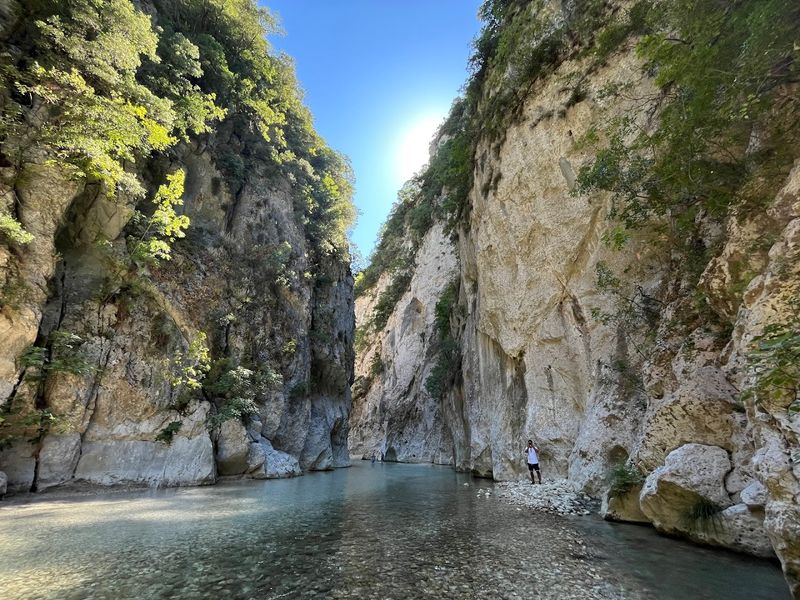
The ancient Greeks believed that when you died, your soul had to cross the Acheron River to reach the Underworld. Charon, the creepy ferryman of the dead, would row you across—but only if someone had placed a coin on your eyes or under your tongue for payment.
No coin, no crossing. It was a strictly cash-only operation in the afterlife.
The real Acheron River flows through the Epirus region in northwestern Greece, and it earns its eerie reputation. The water runs dark and cold through a narrow gorge flanked by towering limestone cliffs and thick, tangled vegetation.
Ancient Greeks built the Necromanteion of Acheron nearby—a sanctuary where people came to communicate with the dead. Archaeologists discovered underground chambers there that were likely used in ritual ceremonies.
Today, visitors can hike along the river gorge, swim in its surprisingly refreshing pools, and kayak through stretches of the canyon. The landscape feels genuinely remote and slightly otherworldly, even in full daylight.
If any river in the world deserves its mythological reputation, it is this one—dark, cold, and hauntingly beautiful in equal measure.
Eleusis (Elefsina)
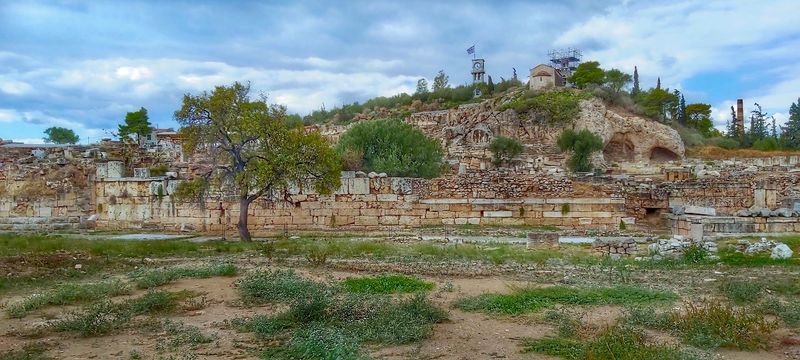
For nearly two thousand years, thousands of people made a sacred journey from Athens to Eleusis every autumn—and absolutely none of them ever revealed what happened when they arrived. The Eleusinian Mysteries were the most important secret religious rituals in ancient Greece, and the penalty for revealing them was death.
Whatever initiates experienced inside the Telesterion, the great initiation hall, they took to their graves.
The myth at the heart of Eleusis is Persephone’s abduction by Hades and her mother Demeter’s desperate search for her. When Demeter stopped the crops from growing in her grief, Zeus intervened and negotiated Persephone’s partial return—explaining the seasons.
Eleusis was where Demeter was said to have rested during her search, and the sanctuary built there became a center of worship for over 1,500 years.
Modern Elefsina is an industrial city, which makes finding the ancient site a bit surprising at first. But the ruins of the sanctuary are genuinely impressive, and the small on-site museum houses fascinating artifacts.
Elefsina was named a European Capital of Culture for 2023, bringing renewed attention to its extraordinary and secretive ancient past.
Mount Pelion
Chiron was not your average centaur. While most of his half-horse, half-human relatives were wild and violent, Chiron was wise, kind, and extraordinarily well-educated.
He tutored the greatest heroes of Greek mythology—Achilles, Jason, and Asclepius among them—right here on the slopes of Mount Pelion. If ancient Greece had an elite boarding school, this mountain was it.
Mount Pelion rises dramatically from the Magnesia peninsula in central Greece, its peaks covered in dense forests of chestnut, oak, and apple trees. The mountain is also where the Centaurs were said to live, and where the Argonauts built the ship Argo before sailing off to find the Golden Fleece.
The myths here layer on top of each other like geological strata.
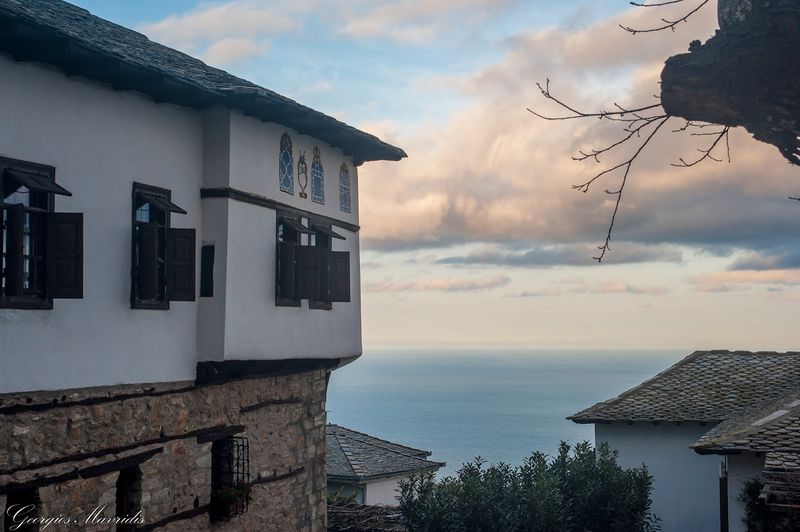
Today, Mount Pelion is famous for its beautiful stone-built villages like Makrinitsa and Tsagarada, connected by ancient cobblestone paths called kalderimia. These paths wind through forests so thick and green that sunlight barely reaches the ground.
The combination of mythological heritage, stunning natural scenery, and charming traditional architecture makes Pelion one of the most atmospheric destinations in all of Greece.
Naxos
Ariadne had just helped Theseus escape the Labyrinth, abandoning her home and family to run away with him—and then he left her asleep on the beach of Naxos and sailed away. Rough.
But according to myth, her luck changed dramatically when Dionysus, god of wine and revelry, found her there and fell completely in love. She went from abandoned to divine consort, which is quite the upgrade.
Naxos is the largest island in the Cyclades and one of the most self-sufficient, producing its own olive oil, wine, cheese, and marble. The iconic Portara—a massive marble gateway from an unfinished Temple of Apollo—stands on a small peninsula at the entrance to Naxos Town and is visible from miles away.
It is one of the most photographed sights in the Aegean.
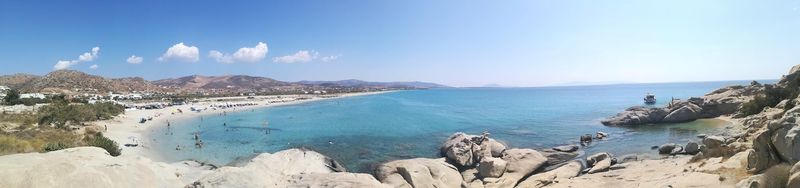
Beyond its mythology and history, Naxos offers long sandy beaches, a medieval Venetian castle in its hilltop town, and mountain villages worth exploring. The island feels less crowded and more authentic than nearby Mykonos or Santorini.
Naxos rewards visitors who slow down, wander without a plan, and let the island’s layered history unfold naturally around them.
Phlegra (Halkidiki)
Few mythological battles were bigger, louder, or more cosmically chaotic than the Gigantomachy—the war between the Olympian gods and the Giants. Mountains were hurled like frisbees.
Islands were used as weapons. The earth itself shook.
And according to ancient sources, this divine slugfest took place at a location called Phlegra, identified with the Pallene peninsula in modern-day Halkidiki.
The Giants, born from the blood of the wounded Uranus, rose up against the gods of Olympus in a bid to overthrow the cosmic order. Zeus, Athena, Poseidon, Hercules, and the entire divine team fought back in a battle that ancient poets described as the ultimate showdown between order and chaos.
The gods eventually won, and the Giants were buried beneath various volcanic regions across Greece.
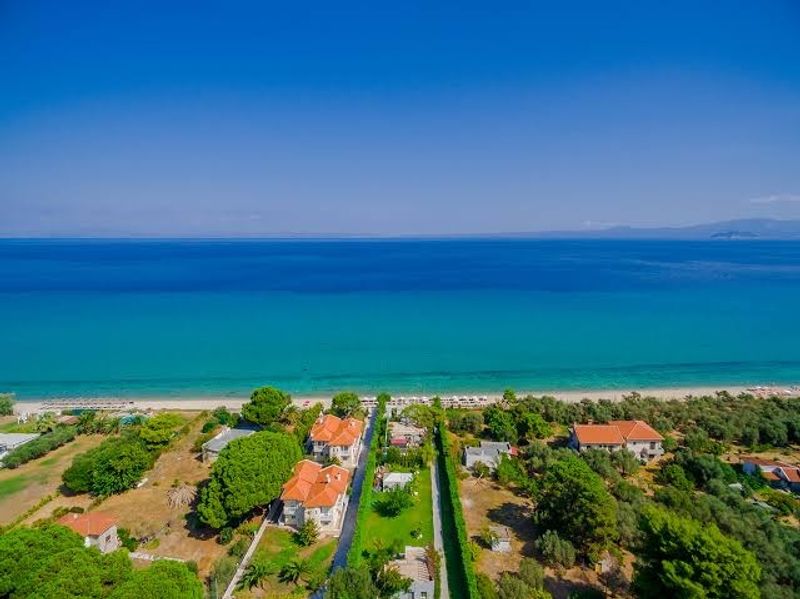
Halkidiki today is best known as a beach destination—three finger-like peninsulas extending into the crystal-clear northern Aegean. The Pallene peninsula, now called Kassandra, is popular for summer tourism.
But beneath its sandy beaches and resort hotels, the ground supposedly holds the buried remains of defeated giants. That is a genuinely extraordinary thing to think about while you are sunbathing.
Olympia
Every four years, wars stopped. Soldiers put down their weapons, city-states suspended their rivalries, and athletes from across the Greek world traveled to a valley in the western Peloponnese to compete in the Olympic Games.
The sacred truce that made this possible was called the Ekecheiria, and it was honored for over a thousand years. Olympia made that possible.
The site was dedicated to Zeus, and the ancient Temple of Zeus here once housed one of the Seven Wonders of the Ancient World—a colossal gold and ivory statue of the god himself, crafted by the sculptor Pheidias. The statue is long gone, but Pheidias’ workshop has been excavated, and the site’s museum houses the stunning sculptural program from the temple’s pediments.
The ancient stadium at Olympia still stands, its stone starting line perfectly preserved. Visitors can actually walk onto the track and stand where athletes competed more than 2,500 years ago.
The Olympic flame is still lit here every four years before each modern Olympic Games, using a curved mirror to focus sunlight. Olympia is mythology, history, and living tradition all in one remarkable place.
Meteora
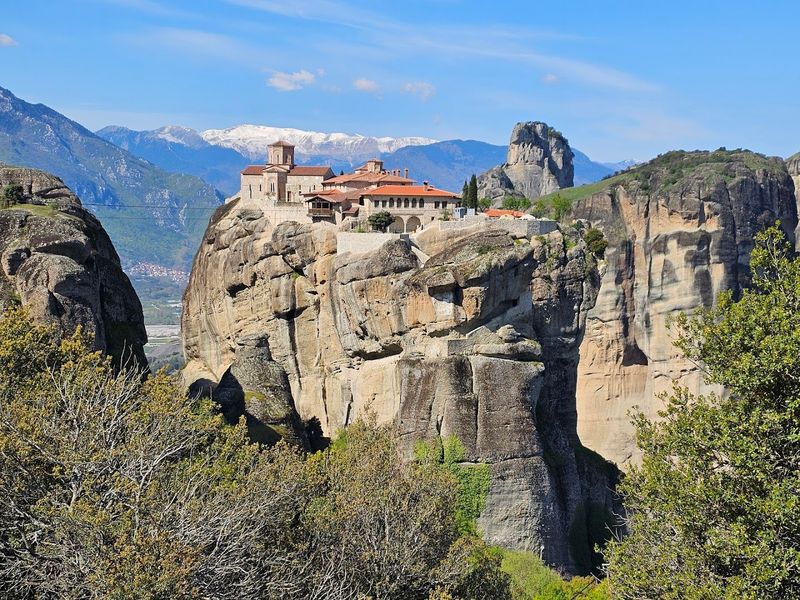
When you first see Meteora, your brain genuinely struggles to process it. Enormous sandstone pillars shoot straight up from the flat Thessaly plain, some reaching over 400 meters, with ancient Byzantine monasteries somehow balanced on top of them.
No ramps, no roads—for centuries, monks reached their clifftop homes only by rope ladders and nets hauled up by hand. The sheer audacity of building there is staggering.
While Meteora’s monasteries are Christian rather than ancient Greek, the landscape itself feels mythological in the most primal sense. Ancient Greeks believed the rock formations were the result of a catastrophic flood or divine force that shaped the world in its earliest days.
The name Meteora means “suspended in the air” or “in the heavens”—which is exactly how it looks.
Six monasteries are still active today, home to small communities of monks and nuns. Visitors can tour several of them, viewing Byzantine frescoes, illuminated manuscripts, and relics that date back centuries.
UNESCO added Meteora to its World Heritage List in 1988, recognizing both its cultural and natural significance. Standing at the base of those impossible pillars, looking up, you understand completely why ancient peoples believed the gods were responsible.
Share this story