Mountain living in the U.S. often comes with a high price tag—think Aspen or Jackson Hole—but there are still places where you can enjoy scenic landscapes, outdoor adventure, and small-town charm without overspending. Across regions like the Rockies, Appalachians, and the West, some towns remain surprisingly affordable thanks to lower housing costs, smaller populations, and fewer crowds.
Whether you’re planning a trip or considering a longer stay, these mountain towns prove you don’t need a luxury budget to enjoy breathtaking views and a relaxed lifestyle.
Butte, Montana
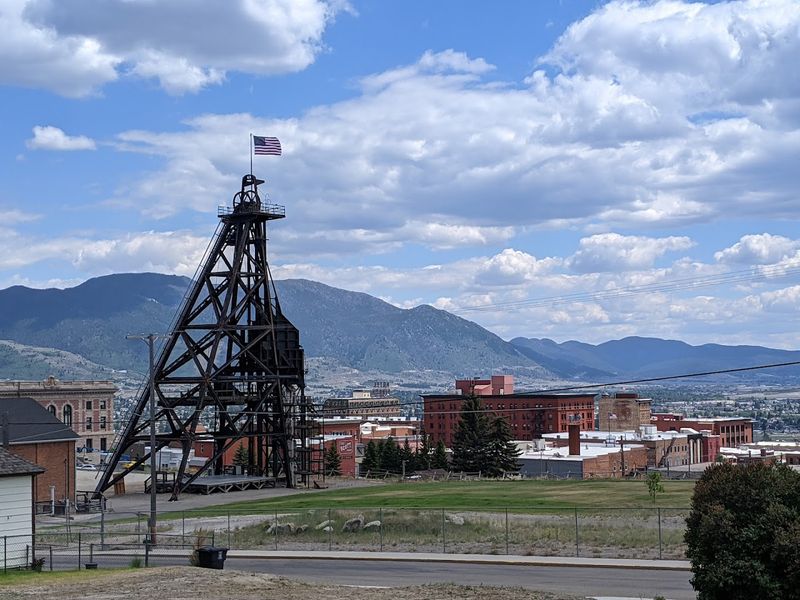
Once the richest hill on earth, Butte still carries that bold, hard-working spirit—just without the outrageous price tag. Home prices here sit well below the national average, making it one of the most wallet-friendly spots in all of Montana.
You get real Big Sky scenery without paying resort-town rates.
The town is packed with Victorian-era architecture, quirky local restaurants, and a genuine blue-collar personality that feels refreshing. Butte’s historic uptown district is a National Historic Landmark, so culture lovers will find plenty to explore.
Outdoor access is excellent too, with hiking, fishing, and skiing all within easy reach.
Winters are cold, no sugarcoating that, but summers are absolutely stunning. The cost of groceries, utilities, and dining out stays manageable compared to flashier Montana destinations like Whitefish or Bozeman.
If you want authentic mountain living with money left in your pocket, Butte delivers without asking much in return.
Beckley, West Virginia
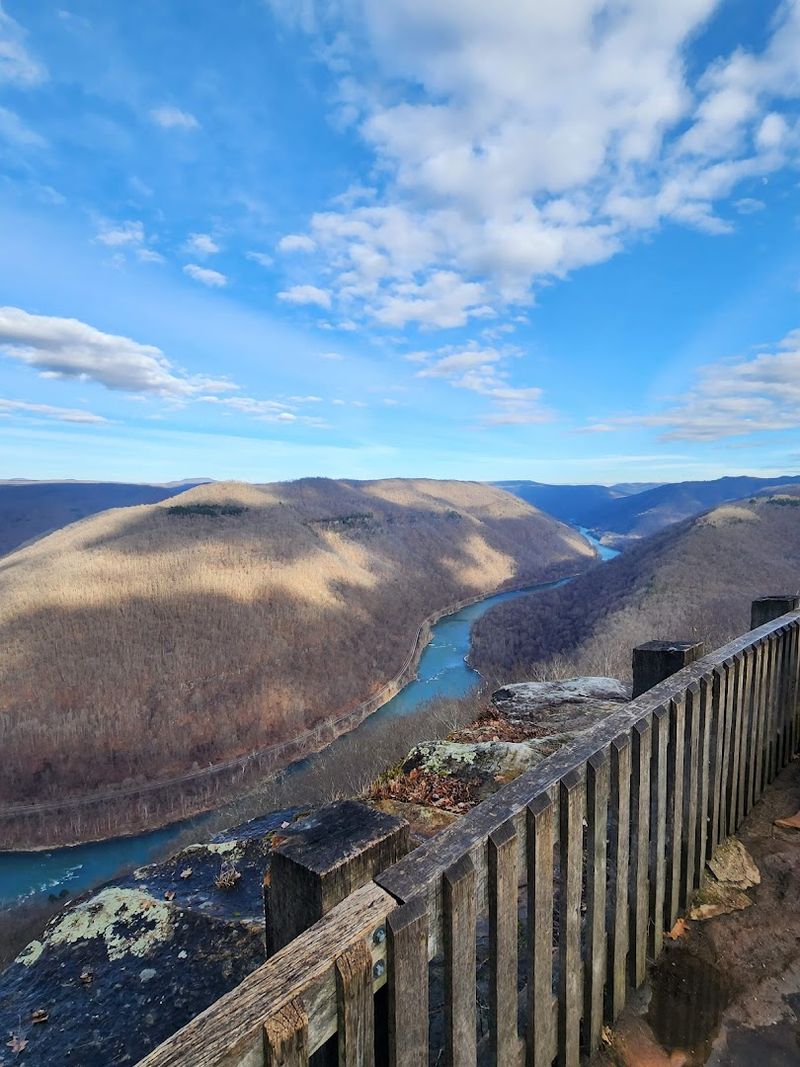
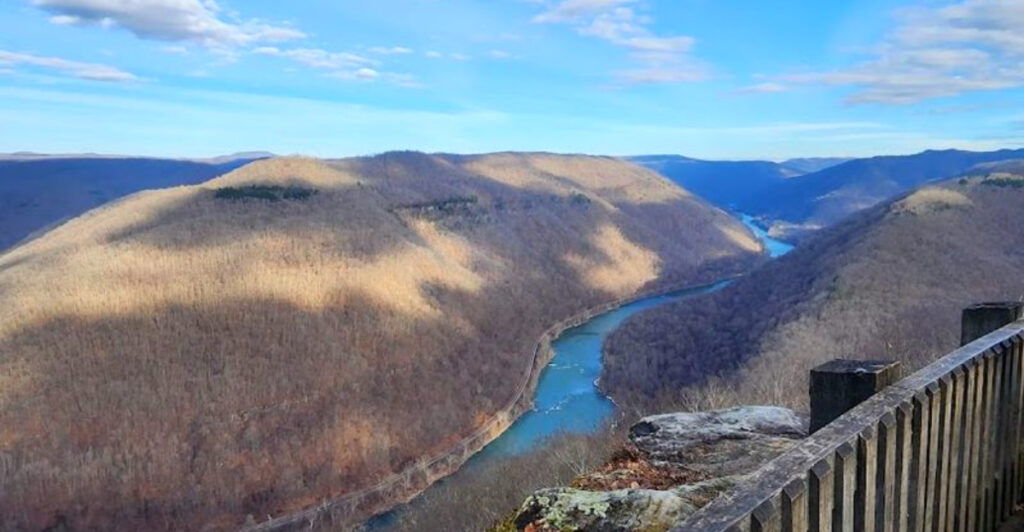
Sitting just a short drive from New River Gorge National Park, Beckley might be the best-kept secret in Appalachian adventure travel. Housing costs here are among the lowest of any mountain-adjacent town in the entire country.
That means your budget goes a long, long way before it even breaks a sweat.
The national park nearby draws rock climbers, white-water rafters, and hikers from across the country, yet Beckley itself stays refreshingly uncrowded. Local restaurants serve hearty, home-style meals at prices that feel almost nostalgically affordable.
The community is tight-knit and welcoming, with a small-town atmosphere that never feels rushed.
Beckley also has a fascinating coal mining history worth exploring, including an outdoor exhibition coal mine you can actually tour. Seasonal festivals and farmers markets add a lively community feel throughout the year.
For budget travelers who want serious outdoor adventure paired with genuine Appalachian culture, Beckley punches well above its weight class.
Pocatello, Idaho
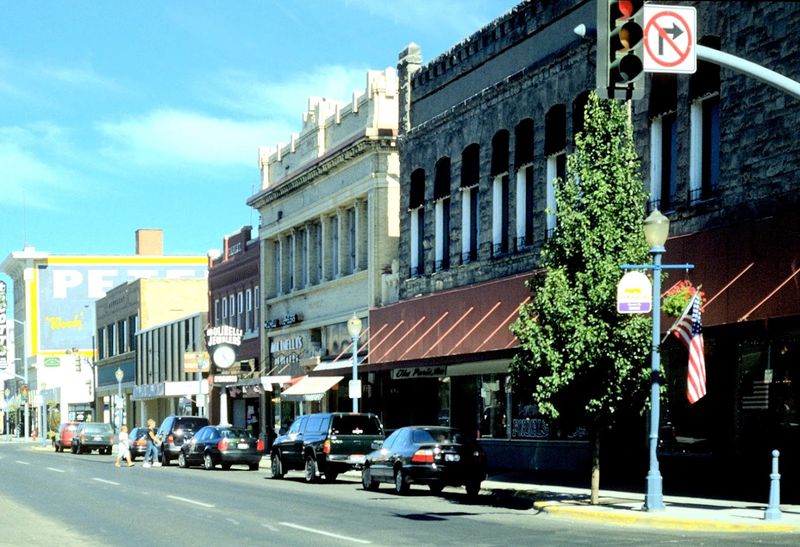
Forget paying Boise prices—Pocatello gives you Idaho mountain living at a fraction of the cost. Known affectionately as “Poky” by locals, this city blends small-town comfort with genuine outdoor access that bigger Idaho cities can only dream about.
The Portneuf Range practically shows up on your doorstep.
Home prices here remain well below the Idaho state average, which has climbed sharply in recent years. That gap is great news for anyone priced out of Boise or Sun Valley.
Pocatello also hosts Idaho State University, which keeps the cultural scene lively and the coffee shops busy year-round.
Skiing at Pebble Creek, hiking in the Caribou-Targhee National Forest, and mountain biking trails right in town make outdoor recreation practically unavoidable. The downtown area has been steadily revitalizing, with local breweries and eateries adding character.
Pocatello rewards those willing to look past the flashier Idaho destinations—your bank account will genuinely thank you for the discovery.
Pueblo, Colorado
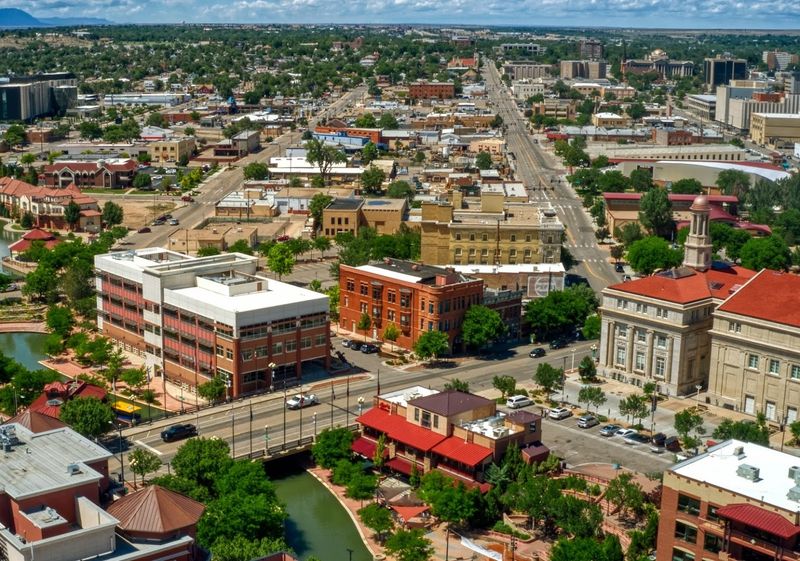
Colorado’s resort towns love charging premium prices for mountain access, but Pueblo quietly skips that whole script. Located along the Arkansas River with clear views of the Rockies, it offers genuine Colorado scenery without the Aspen-sized mortgage.
Home prices here are dramatically lower than Denver or Colorado Springs.
The city has a fascinating steel-making history that shaped its tough, creative personality. That industrial grit has slowly transformed into a thriving arts scene, with murals, galleries, and live music venues popping up across town.
The Historic Arkansas Riverwalk is a lovely spot for an evening stroll that costs absolutely nothing.
Outdoor enthusiasts can reach world-class hiking and skiing within an hour or two, while staying based in affordable Pueblo. The local food scene leans heavily on the famous Pueblo chile pepper—a genuinely spicy claim to fame worth tasting.
Warm, sunny weather for most of the year is another bonus that residents never stop appreciating. Pueblo keeps growing, so getting in early while prices stay reasonable is a genuinely smart move.
Ruidoso, New Mexico
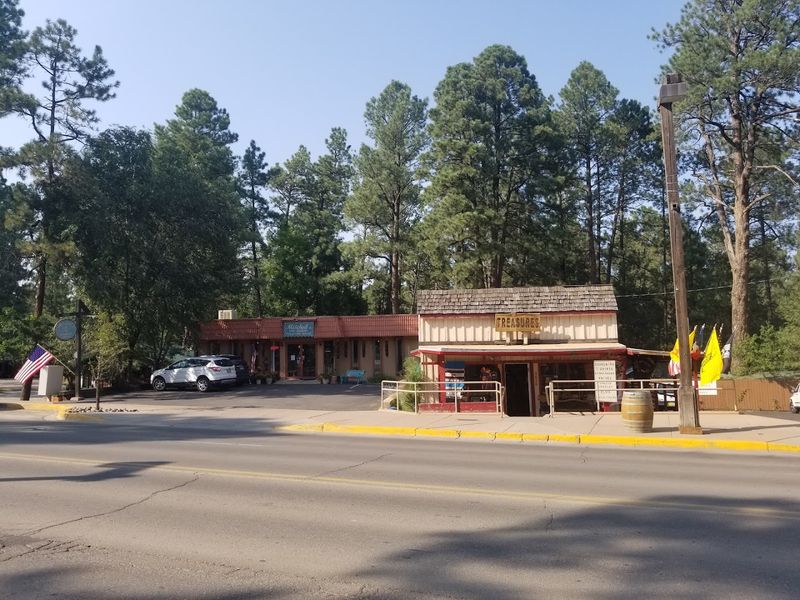
Tucked into the Sacramento Mountains at nearly 7,000 feet, Ruidoso smells like pine trees and feels like a permanent vacation. This small New Mexico mountain town draws visitors year-round with skiing in winter, horse racing in summer, and hiking trails that never seem to get old.
Best of all, it stays surprisingly easy on the wallet.
Compared to trendier Southwestern destinations like Taos or Santa Fe, Ruidoso’s cost of living and lodging rates are noticeably friendlier. Vacation cabin rentals are plentiful and affordable, making it a smart pick for families or groups looking to stretch their travel budget.
The local dining scene features excellent New Mexican cuisine that leans flavorful and affordable.
Ruidoso Downs Racetrack adds a quirky, festive energy to summer weekends that you won’t find anywhere else in the region. The nearby Mescalero Apache Reservation contributes rich cultural experiences and the beautiful Inn of the Mountain Gods resort.
Whether you’re skiing Sierra Blanca or simply relaxing among the pines, Ruidoso delivers a mountain escape that feels special without demanding a special budget.
Asheville, North Carolina
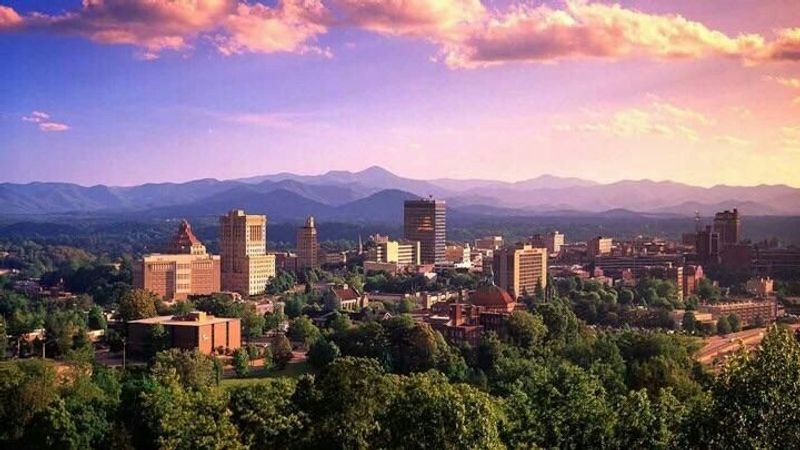
Asheville has earned serious buzz over the past decade, but compared to similarly vibrant mountain cities, it still offers remarkable value—especially if you plan smart. Nestled in the Blue Ridge Mountains, it combines a world-class food scene, thriving arts culture, and stunning fall foliage in one ridiculously charming package.
The energy here is creative, welcoming, and genuinely hard to replicate.
The city’s famous River Arts District is home to working artists, galleries, and studios that transformed old industrial buildings into cultural gold. Craft breweries are practically a local religion, with dozens of options scattered across walkable neighborhoods.
Many of the best experiences—hiking the Blue Ridge Parkway, exploring local markets—cost little to nothing.
Budget-savvy travelers can find solid accommodation options outside the downtown core without sacrificing proximity to the action. Day trips to nearby Black Mountain or the Pisgah National Forest add even more value to any visit.
Asheville rewards those who explore beyond the tourist hotspots, uncovering neighborhood restaurants and hidden trails that locals love. It’s the kind of place people visit once and immediately start planning a return trip.
Ogden, Utah
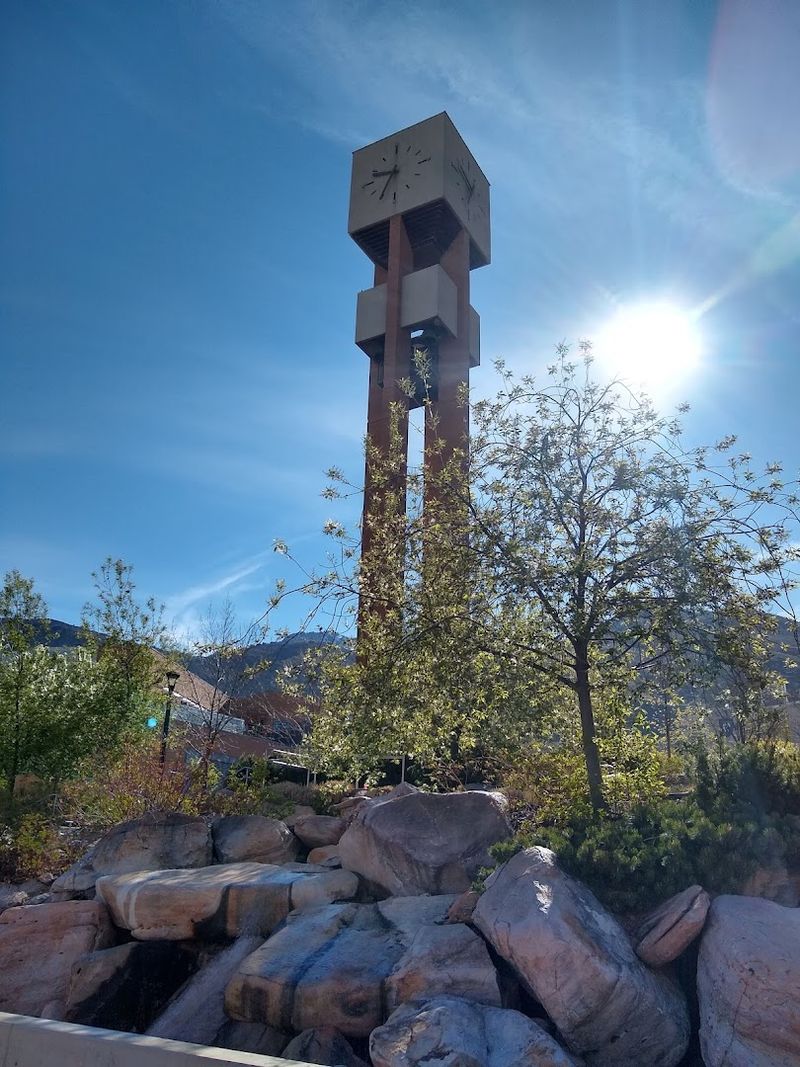
Salt Lake City gets all the Utah headlines, but Ogden has been quietly building one of the best value propositions in the entire Wasatch Front. Sitting at the base of the dramatic Wasatch Range, it offers ski resort access, mountain biking trails, and a revitalized downtown—all at prices noticeably lower than its famous neighbor to the south.
Snowbasin and Powder Mountain are practically in the backyard.
Historic 25th Street is the beating heart of Ogden’s downtown, lined with independent restaurants, coffee shops, and bars that have replaced what was once a rough-and-tumble railroad district. The transformation has been impressive without pushing out affordability, which is a genuinely rare achievement.
Local eateries offer excellent food at prices that feel almost too good for a mountain town this connected to great skiing.
Outdoor recreation options are staggering for a city this size—mountain biking at Snowbasin, kayaking the Ogden River, and world-class climbing nearby. Weber State University keeps the population young and the cultural calendar busy.
If you’ve been sleeping on Ogden while obsessing over Park City prices, consider this your official wake-up call.
Dahlonega, Georgia
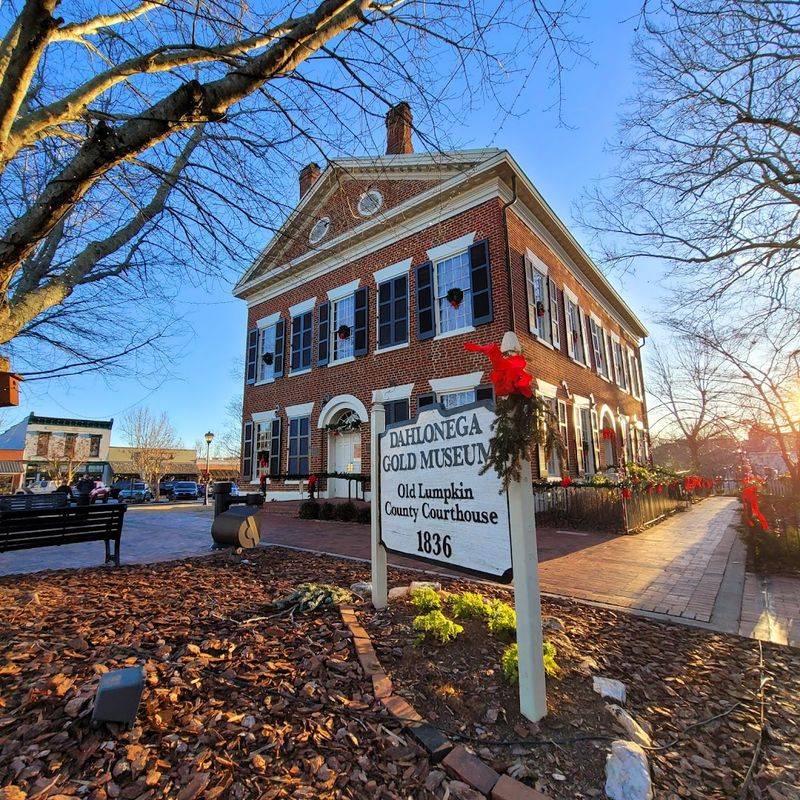
Gold was discovered here in 1828, sparking America’s first major gold rush—and Dahlonega has been charming visitors ever since with far less drama. Nestled in the North Georgia Mountains, this small town feels like a storybook version of mountain life, complete with a picturesque town square, wineries, and leaf-peeping that rivals anything in New England.
Home prices around the mid-$300K range keep it firmly in affordable territory for the Southeast.
The Appalachian Trail’s southern terminus at Springer Mountain is just a short drive away, making Dahlonega a popular launching point for serious hikers. But you don’t need to tackle a 2,000-mile trail to enjoy the area—local waterfalls, state parks, and scenic drives offer plenty of beauty at zero cost.
The town’s wine trail features several family-owned vineyards producing surprisingly good bottles.
Downtown Dahlonega fills with visitors on weekends but retains a genuine small-town warmth that never feels manufactured. Local festivals celebrate everything from gold rush history to fall harvest season with contagious enthusiasm.
For Southeastern mountain charm at a price that won’t require a second mortgage, Dahlonega sits comfortably at the top of the list.
Ellijay, Georgia
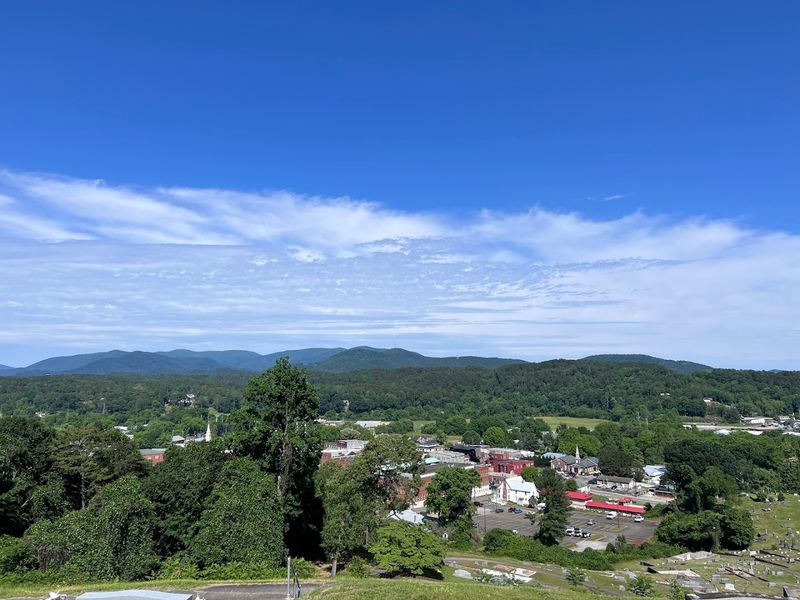
Every September and October, Ellijay turns into apple country, and the whole town smells incredible. Known as Georgia’s Apple Capital, this small Appalachian town draws visitors for its orchards, mountain views, and a pace of life that feels genuinely unhurried.
What makes it even better is that staying and eating here won’t drain your travel fund.
The cost of living in Ellijay sits well below the national average, and cabin rentals in the surrounding hills offer cozy mountain stays without the resort price tag. Local farm stands sell fresh apples, cider, and homemade goods at prices that feel almost too good.
The community has a warm, unpretentious character that makes visitors feel like neighbors rather than tourists.
Hiking in the Chattahoochee National Forest is practically on everyone’s agenda here, with trails ranging from easy riverside walks to more challenging ridge hikes. The Cartecay River runs nearby, offering tubing and fishing for those who prefer their adventures horizontal.
Ellijay doesn’t try too hard to impress—it just quietly delivers mountain beauty, fresh air, and genuine Southern hospitality at a price that leaves room for a second slice of apple pie.
Hot Springs, Arkansas
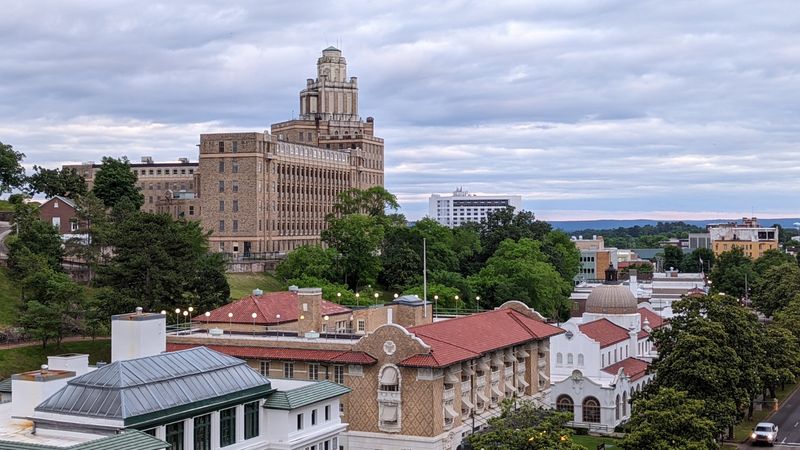
Thermal springs bubbling out of the earth, a national park right on the main street, and home prices that still feel like a different era—Hot Springs, Arkansas is genuinely one of America’s most underrated mountain towns. The Ouachita Mountains provide a lush, forested backdrop that turns spectacular in autumn.
And the whole package costs far less than you’d ever expect.
Bathhouse Row on Central Avenue is a jaw-dropping stretch of early 20th-century spa architecture that now houses museums, galleries, and even a working bathhouse where you can soak in natural thermal water. Hot Springs National Park is one of the few national parks embedded directly inside a city, making outdoor access effortless.
The local food scene has grown impressively, with farm-to-table restaurants and quirky diners competing for your appetite.
Lake Ouachita nearby offers world-class fishing, boating, and some of the clearest freshwater in the entire country. Housing costs in Hot Springs are substantially below the national median, making it attractive for remote workers and retirees alike.
With its blend of natural hot springs, mountain scenery, and historic character, Hot Springs offers a unique lifestyle that rarely shows up on expensive best-of lists—but absolutely should.
Bluefield, West Virginia
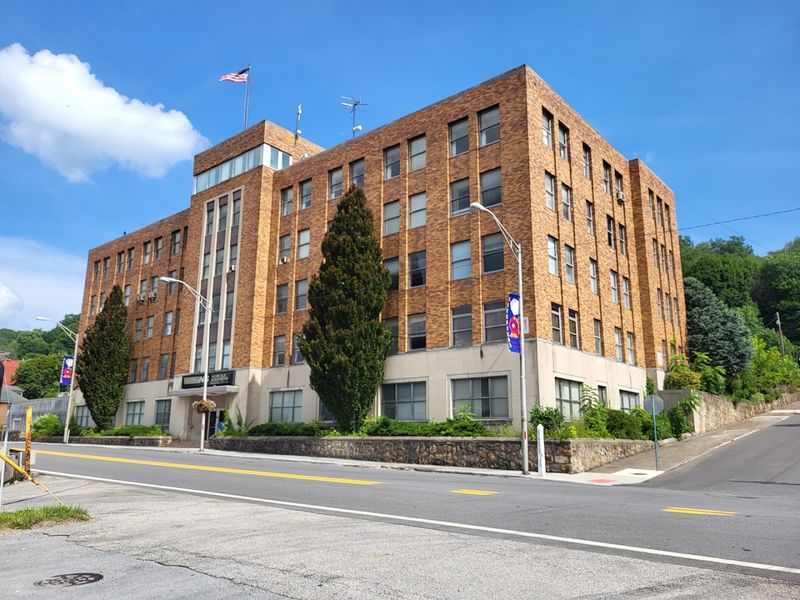
Bluefield holds a quirky local tradition: whenever the temperature hits 90 degrees Fahrenheit, the Chamber of Commerce hands out free lemonade—because it almost never gets that hot. Sitting at 2,600 feet in the Appalachian Mountains, this town stays cool, affordable, and delightfully off the tourist radar.
Home prices here are among the lowest of any mountain town in the entire United States.
The surrounding Appalachian scenery is genuinely beautiful, with rolling forested ridges and quiet valleys that reward anyone willing to slow down and look around. Hiking and outdoor recreation are easily accessible from town, with several state parks and forests within a short drive.
The community has a resilient, unpretentious spirit shaped by generations of coal country heritage.
Bluefield’s low cost of living makes it particularly appealing for remote workers or retirees seeking dramatic scenery without dramatic expenses. Local restaurants serve generous portions of home-style cooking at prices that feel like a pleasant surprise every single time.
While the town faces economic challenges common to many Appalachian communities, its natural beauty and rock-bottom affordability make it one of the most compelling hidden gems on this entire list. The lemonade tradition alone earns it a mention.
Black Mountain, North Carolina
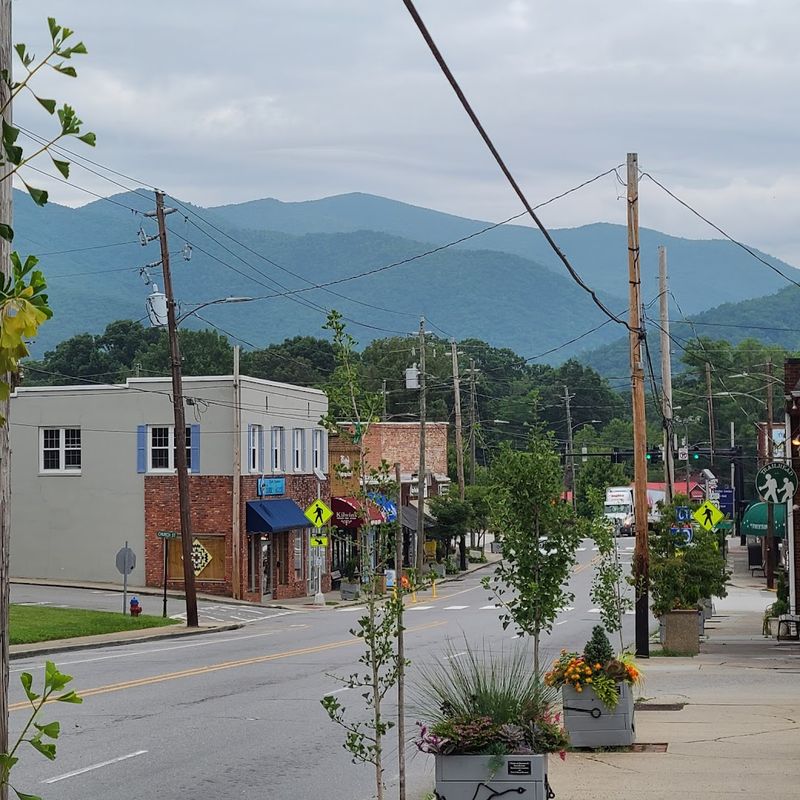
Just fifteen miles east of Asheville, Black Mountain offers everything that makes Western North Carolina so lovable—minus the crowds and the increasingly steep price tags. This small town has a deeply creative soul, having long attracted artists, musicians, and writers who wanted mountain inspiration without big-city overhead.
The downtown strip is walkable, welcoming, and full of independent shops worth lingering in.
Housing costs in Black Mountain sit noticeably below those in Asheville, making it a smart base for anyone who wants Blue Ridge Mountain access without overpaying. The town’s proximity to Asheville means all those city amenities—restaurants, concerts, festivals—are a short drive away whenever you need them.
But Black Mountain itself provides a quieter, more grounded daily experience.
The Black Mountain Recreation Park offers excellent hiking and mountain biking right in town, while the nearby Pisgah National Forest opens up miles of serious trail options. Local eateries and coffee shops carry a creative, community-first vibe that feels authentic rather than curated.
Black Mountain also hosts summer concerts and a beloved annual arts festival that draws visitors without overwhelming the town’s easy charm. It’s the kind of place that sneaks up on you and then refuses to leave your mind.
Malone, New York
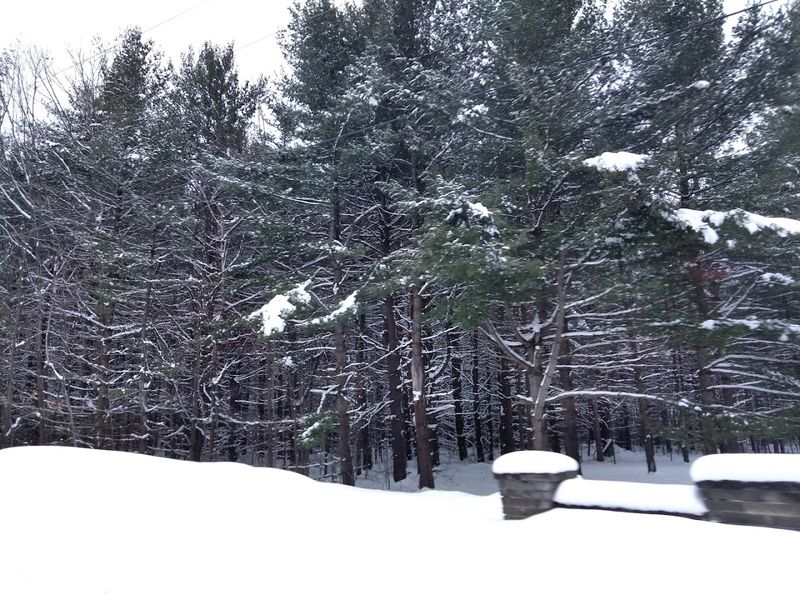
The Adirondacks are one of America’s greatest outdoor playgrounds, and Malone sits right on the northern edge of that six-million-acre wilderness with some of the most affordable home prices in all of New York State. That combination of epic nature and low costs is genuinely rare in a state better known for sky-high real estate.
Malone rewards the curious traveler willing to venture beyond the more famous Adirondack resort towns.
Whiteface Mountain—the same peak that hosted Olympic ski events—is within reasonable driving distance, offering world-class skiing without the Lake Placid premium price attached. Summer brings fishing, kayaking, and hiking in every direction, with countless Adirondack lakes and trails accessible from town.
The pace of life here is measured and unhurried, which either sounds perfect or terrifying depending on your personality.
Malone’s downtown has a classic, unpretentious upstate New York feel, with local diners and small businesses that have served the community for generations. The cost of groceries, utilities, and everyday expenses stays well below New York State averages.
For budget-minded outdoor enthusiasts who want legitimate wilderness access in the Northeast, Malone offers a compelling case that great adventures don’t require a Hamptons-sized budget.
Berea, Kentucky
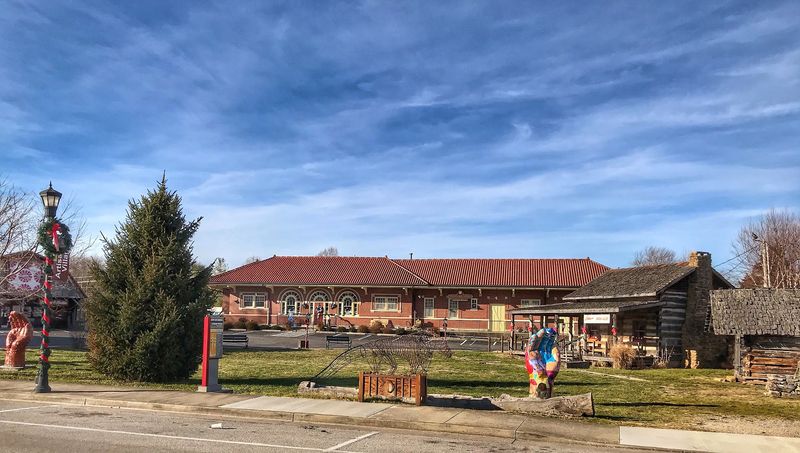
Berea calls itself the Folk Arts and Crafts Capital of Kentucky, and walking through its downtown, that title feels completely earned. Nestled in the Appalachian foothills, this college town blends cultural richness with some of the most accessible living costs in the entire mountain region.
Berea College—which charges no tuition and emphasizes Appalachian craft traditions—gives the town an intellectual and artistic energy unlike anywhere else.
The College Square area is lined with working craft studios where weavers, woodworkers, and ceramicists create and sell their work directly to visitors. Prices at local galleries and craft shops are genuinely reasonable, making it possible to bring home meaningful, handmade souvenirs without a guilt spiral.
The surrounding Daniel Boone National Forest offers hiking, rock climbing, and natural arch formations that draw outdoor enthusiasts from across the region.
Housing costs in Berea sit well below national averages, and everyday expenses remain refreshingly manageable. The town hosts several annual craft festivals that transform the already-charming streets into a celebration of Appalachian heritage and creativity.
Berea proves that affordability and cultural depth can absolutely coexist—you don’t have to choose between a rich experience and a reasonable budget when this town is on the itinerary.
Grants Pass, Oregon
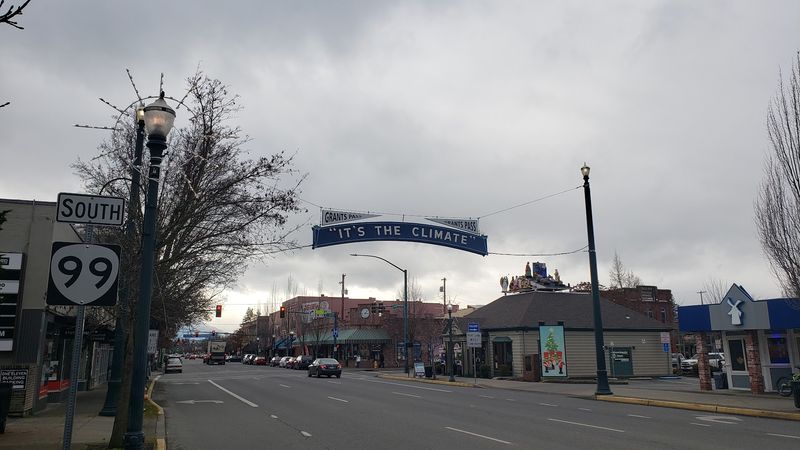
The Rogue River runs right through the heart of Grants Pass, and on a warm summer morning, watching it from a riverside park feels like one of life’s genuinely free pleasures. This southern Oregon town is surrounded by mountainous terrain and sits within easy reach of some of the best white-water rafting in the Pacific Northwest.
Unlike Ashland or Bend, it hasn’t yet been fully discovered by the premium-priced crowd.
Home prices in Grants Pass are moderate by Oregon standards, and the overall cost of living remains lower than in the state’s more famous outdoor destinations. The Rogue River-Siskiyou National Forest wraps around the region, offering hiking, fishing, and wildlife watching that could fill weeks of exploration.
Hellgate Canyon is a particular highlight—dramatic river gorge scenery accessible by jet boat tour at a surprisingly reasonable price.
The downtown farmers market runs weekly during warmer months, showcasing local produce, artisan goods, and a community spirit that feels genuinely alive. Grants Pass has a warm, Mediterranean-ish climate for Oregon, meaning more sunny days than you might expect from the Pacific Northwest.
For adventurous travelers who want serious outdoor access with moderate costs, Grants Pass makes a strong, underappreciated argument for itself.
Share this story