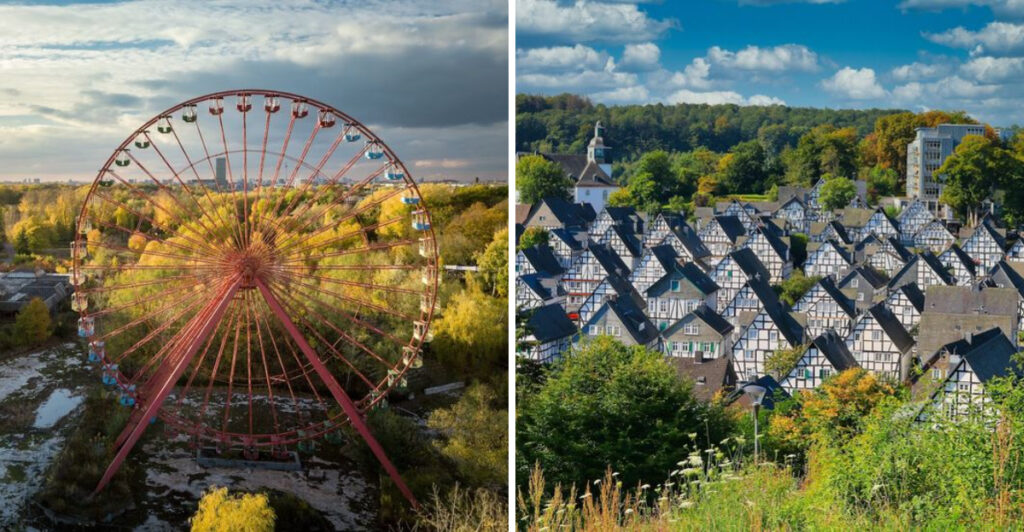
Germany is best known for castles, beer culture, and historic cities—but beyond the usual highlights lies a world of quirky museums, surreal landscapes, abandoned sites, and hidden cultural gems. Travelers willing to venture off the beaten path can discover places that feel completely different from the classic tourist experience.
From underground tunnels to bizarre theme parks and mysterious natural formations, these destinations reveal a more unusual side of the country. If you’re looking to go beyond Berlin and Bavaria, these offbeat attractions are well worth a detour.
Berliner Unterwelten (Subterranean Berlin)
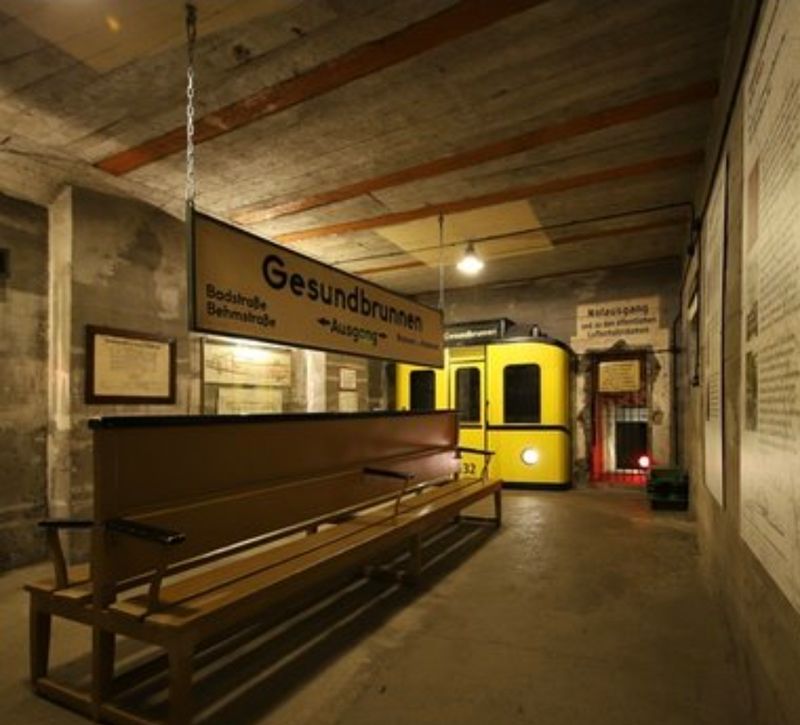
Step beneath the bustling streets of Berlin and you’ll find a world most tourists never even know exists. Berliner Unterwelten offers guided tours through an extraordinary network of bunkers, tunnels, and air-raid shelters built during World War II and the Cold War.
The atmosphere down here is genuinely chilling—in every sense of the word.
The tours are run by a nonprofit organization that has spent decades researching and restoring these underground spaces. Each tour follows a different route, covering distinct periods of history.
You might walk through a shelter where thousands of Berlin residents once huddled during bombing raids, surrounded by original equipment and eerie silence.
What makes this experience stand out is how tangible everything feels. You’re not staring at artifacts behind glass—you’re standing inside history.
The guides are knowledgeable and passionate, adding personal stories that make the history feel very real. Tours run in multiple languages, so international visitors are well catered for.
Book ahead because spots fill up fast, especially during summer. This is one underground experience that absolutely earns its place on any serious traveler’s Germany itinerary.
Spreepark (Abandoned Amusement Park), Berlin
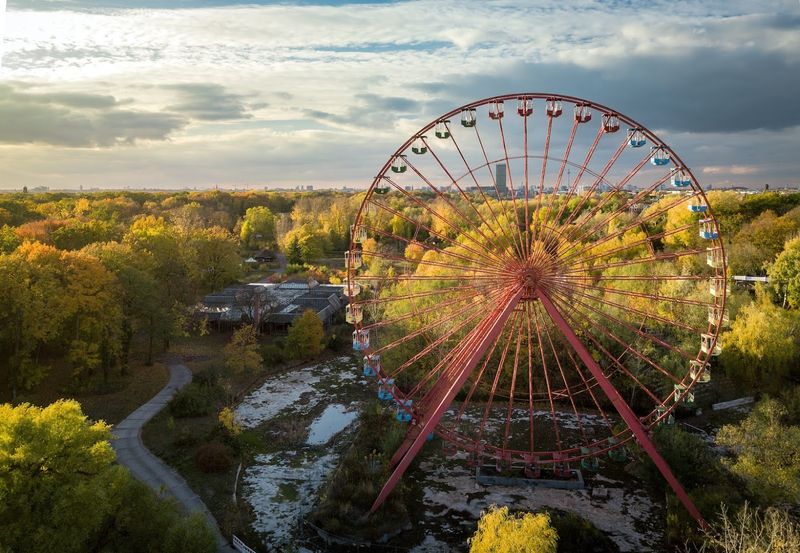
Somewhere between creepy and fascinating, Spreepark is the kind of place that makes your imagination run wild. This former East German amusement park closed in 2002 and has been slowly reclaimed by nature ever since.
A rusting Ferris wheel peeks above the treetops, and half-collapsed dinosaur sculptures stare blankly from overgrown clearings.
For years, the site was accessible only through unofficial urban exploration—trespassing included. Today, guided tours are legally available through the park’s management, making it possible to explore without the risk of a fine.
The tours are atmospheric and genuinely fascinating, blending urban decay with Cold War history.
Spreepark has a surprisingly dramatic backstory. Its former operator fled to Peru with several rides loaded onto a container ship, later getting arrested for drug smuggling.
The park has been tied up in legal battles ever since, adding another layer of intrigue to an already strange story. Plans for redevelopment exist, but for now the eerie charm remains intact.
If you enjoy photography, bring your best camera—every corner offers a hauntingly beautiful shot. It’s one of Berlin’s most talked-about hidden gems for very good reason.
Wadden Sea Mudflats
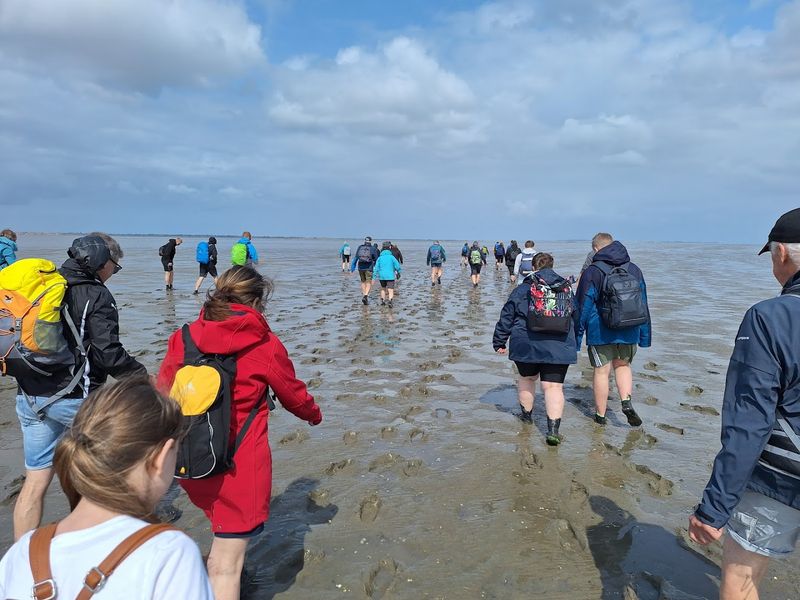
Squishing through knee-deep mud while seabirds circle overhead is not everyone’s idea of a beach holiday—but at the Wadden Sea, it’s an unforgettable adventure. When the tide retreats, it exposes an enormous stretch of seabed along Germany’s North Sea coast, creating a walkable landscape unlike anything else in the country.
This UNESCO World Heritage Site is one of the most productive ecosystems on the planet.
Guided mudflat walks, known locally as Wattwanderungen, take visitors across the exposed sea floor between islands. Experienced guides point out lugworms, cockles, and tiny crabs hiding just beneath the surface.
The experience is messy, occasionally smelly, and completely brilliant.
Timing is everything here. Tides dictate when and where you can walk, so always go with a registered guide who knows the area well.
Getting stranded by a returning tide is a real danger for solo explorers. The best base towns for mudflat walks include Cuxhaven, Husum, and the island of Sylt.
Wear clothes you don’t mind ruining and prepare to laugh at yourself. This is the kind of travel memory that sticks around long after the mud has washed off your boots.
Teufelsmauer (Devil’s Wall)
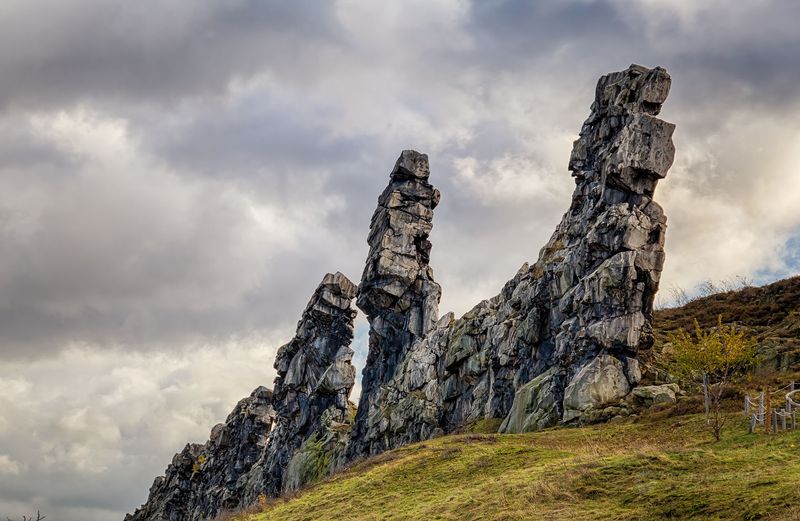
Legend says the devil built this wall overnight after losing a bet with God—and honestly, looking at it, you can see why people believed that. The Teufelsmauer, or Devil’s Wall, is a striking ridge of jagged sandstone rocks that runs for several kilometers through the Harz Mountains in central Germany.
The formations look almost artificially placed, which is exactly why the myths started in the first place.
Geologically, the wall formed over millions of years as softer surrounding rock eroded away, leaving the harder sandstone exposed. The result is a dramatic, serrated ridge that towers above the surrounding forest.
Hiking trails run along and around the formation, offering spectacular views and plenty of photo opportunities.
The most popular section is near the town of Blankenburg, where a well-maintained trail follows the ridge for several kilometers. The hike is moderately challenging and suitable for most reasonably fit visitors.
Spring and autumn are particularly beautiful, when the surrounding forest changes color. Combine a walk here with a visit to nearby Quedlinburg, a UNESCO-listed medieval town just a short drive away.
The Harz region is full of surprises, and the Devil’s Wall is one of its most dramatic highlights.
Böttcherstraße, Bremen
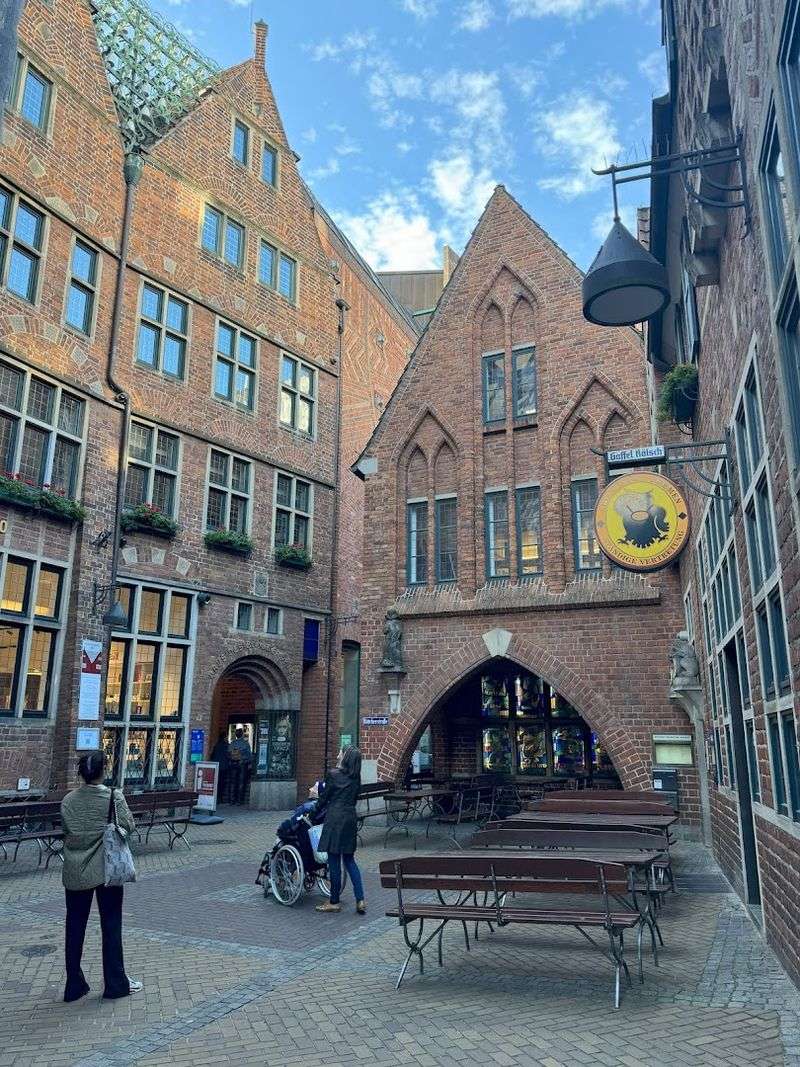
Tucked between two ordinary city blocks in central Bremen, Böttcherstraße is one of those places that stops you dead in your tracks. This 100-meter-long street was redesigned in the 1920s by the coffee merchant Ludwig Roselius as a monument to art, culture, and expressionist architecture.
What he created is nothing short of extraordinary—a street that feels like it belongs in a fantasy novel.
The facades are sculpted red brick, twisted into dramatic shapes and adorned with golden reliefs. Art galleries, craft workshops, restaurants, and two museums line the narrow lane.
The Roselius House museum displays medieval art, while the Paula Modersohn-Becker Museum celebrates one of Germany’s most important early modern painters.
Every hour between noon and six in the evening, a carillon of Meissen porcelain bells plays a short melody from one of the buildings. It’s a charming, slightly surreal moment that fits the street perfectly.
Entry to the street itself is free, though the museums charge admission. Böttcherstraße was actually condemned by the Nazi regime as degenerate art, which makes its survival all the more remarkable.
Plan at least an hour here—there’s more to discover than the short distance suggests.
Landschaftspark Duisburg-Nord
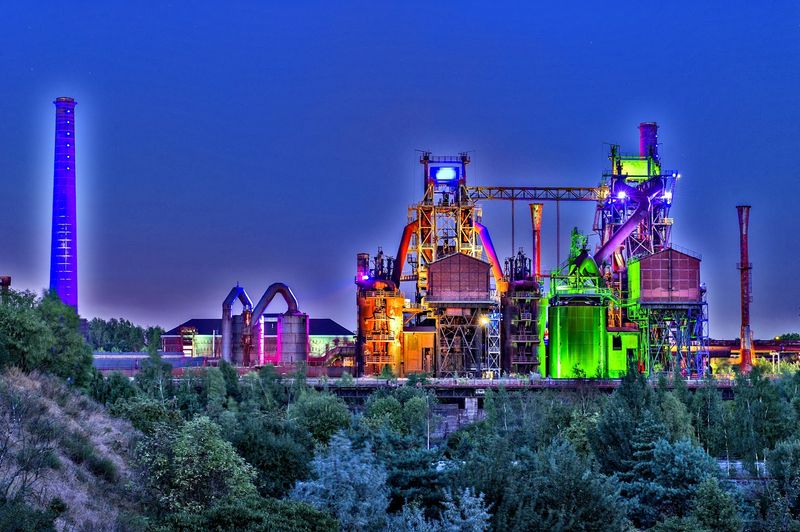
Most people don’t think of an old steelworks as a tourist destination, but Landschaftspark Duisburg-Nord will change your mind completely. This former ironworks in the Ruhr Valley was transformed into a public park in the 1990s, and the result is one of the most creative urban spaces in Europe.
The massive blast furnaces, gas tanks, and ore bunkers haven’t been demolished—they’ve been repurposed.
Visitors can climb to the top of the blast furnaces for panoramic views across the Ruhr region. One of the former gas tanks has been converted into Europe’s largest artificial diving center.
Rock climbers practice on the old concrete walls, and a youth hostel operates inside one of the industrial buildings.
At night, the park transforms into something genuinely spectacular. A lighting installation designed by Jonathan Park illuminates the industrial structures in vivid colors, turning the old steelworks into a kind of open-air art installation.
The park is free to enter and open year-round, making it accessible to everyone. Guided tours are available and highly recommended for understanding the site’s industrial history.
This is industrial heritage done with imagination and style—proof that not every old factory needs to be knocked down.
Rakotzbrücke (Devil’s Bridge), Saxony
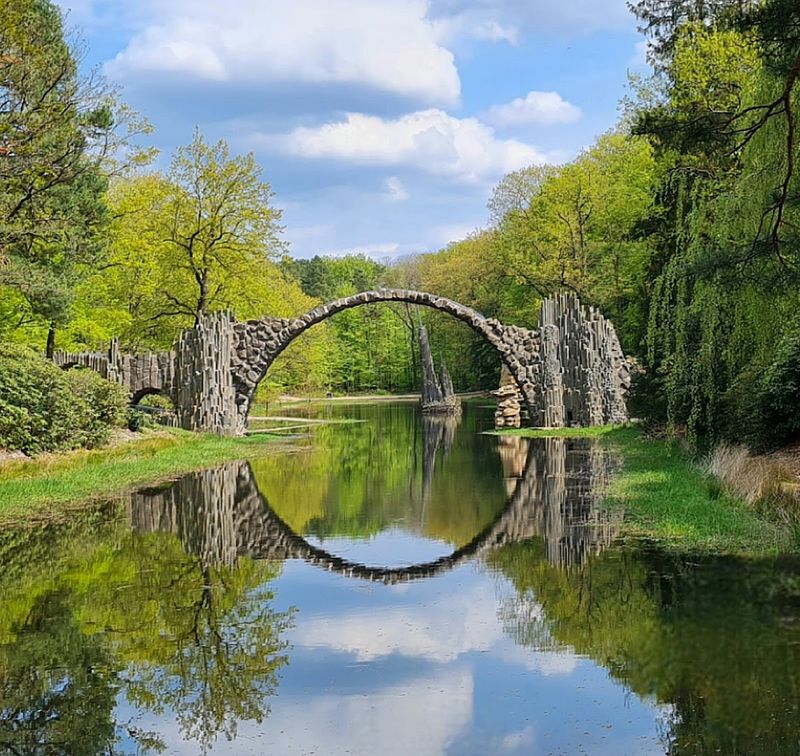
When the water is perfectly still, something almost magical happens at Rakotzbrücke. The stone arch of this 19th-century bridge and its reflection in the lake below form a flawless circle—a geometric trick that photographers travel hundreds of miles to capture.
Located in Kromlauer Park in eastern Saxony, the bridge was built specifically to create this optical effect.
The park itself is a romantic English-style landscape garden, filled with rhododendrons that bloom spectacularly in late spring. The combination of lush greenery, still water, and the perfectly symmetrical bridge creates a scene that genuinely looks too beautiful to be real.
No filters needed here.
Getting the iconic reflection shot requires calm weather and patience—even a light breeze can ripple the surface and break the circle. Early morning visits offer the best chance of still water and soft light, plus fewer other photographers competing for the same angle.
The park is located near the town of Gablenz and is open year-round. Entry is free, though donations are appreciated.
Rakotzbrücke isn’t heavily advertised, which is part of its charm. Knowing about it feels like being in on a secret—one that’s absolutely worth sharing with fellow travelers.
Eberstadt Stalactite Cave
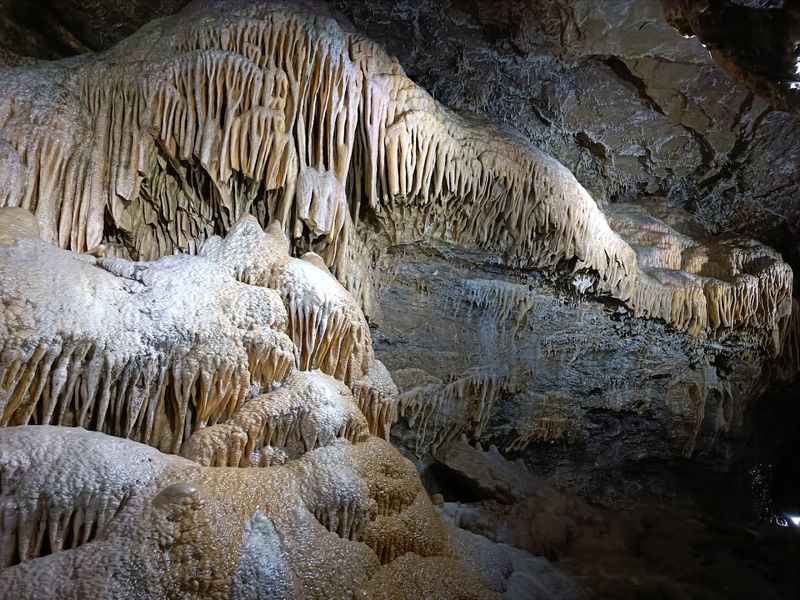
Found entirely by accident in 1971 when a farmer’s drilling equipment broke through the cave ceiling, the Eberstadt Stalactite Cave has been wowing visitors ever since. Because it was sealed underground for so long before discovery, the formations inside are remarkably well-preserved.
The stalactites are a brilliant white, almost impossibly delicate, and the cave has a quiet, cathedral-like atmosphere.
Guided tours take small groups through the illuminated chambers, where the temperature stays a constant cool throughout the year. The cave stretches around 400 meters and contains a variety of formations including stalactites, stalagmites, and rare cave coral.
The guides explain how each formation grows just one cubic centimeter every hundred years—which puts the age of some of these structures into jaw-dropping perspective.
The cave is located near Buchen in the Odenwald region of Baden-Württemberg, not far from Heidelberg. It’s an ideal stop if you’re traveling between Frankfurt and Stuttgart.
Tours run regularly throughout the day, and the cave is accessible to most visitors, though it does involve some uneven surfaces. Wear a light jacket—even in summer, the underground temperature hovers around 10 degrees Celsius.
This is one of Germany’s most underrated natural wonders, hiding quietly beneath a farmer’s field.
Karl’s Adventure Village
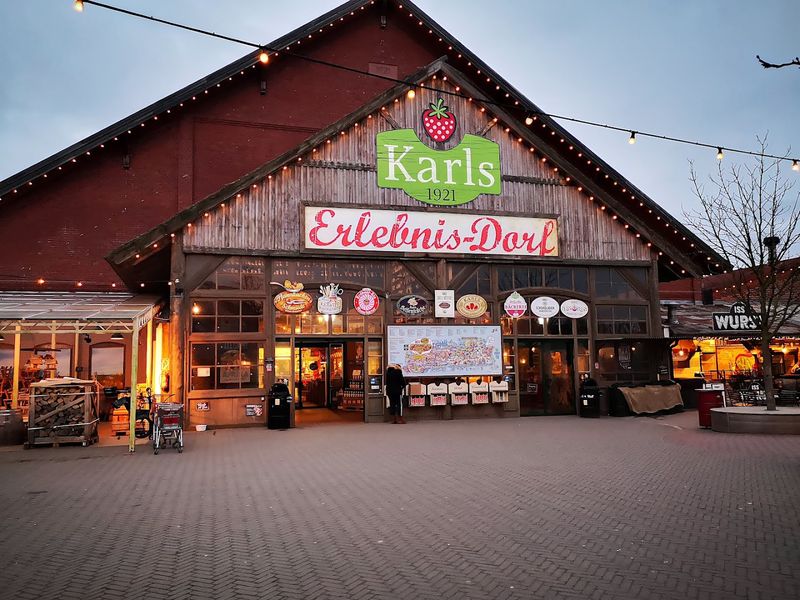
Nobody expected a strawberry farm to become one of Germany’s most beloved quirky destinations, yet here we are. Karl’s Adventure Village, or Karls Erlebnis-Dorf, started as a simple fruit farm and grew into a full-blown attraction with themed rides, markets, and experiences spread across multiple locations in northern Germany.
The strawberry motif runs through everything, from the architecture to the food stalls.
The parks are genuinely fun for families, with a mix of gentle rides, animal encounters, and unusual themed zones. But what makes Karl’s stand out from standard amusement parks is the homegrown personality.
Everything feels handmade and a little eccentric, like someone built their dream world one strawberry at a time.
The original location in Rövershagen near Rostock is the largest and most elaborate. Seasonal events run throughout the year, with the strawberry harvest season in early summer being particularly popular.
Fresh strawberry products—jam, juice, cake, and more—are available everywhere you look. Admission prices are reasonable compared to major theme parks, and younger children especially tend to love the relaxed, colorful environment.
Karl’s won’t replace a visit to a major roller coaster park, but it offers something far more original: a place with genuine character and a story worth telling.
Neanderthal Museum
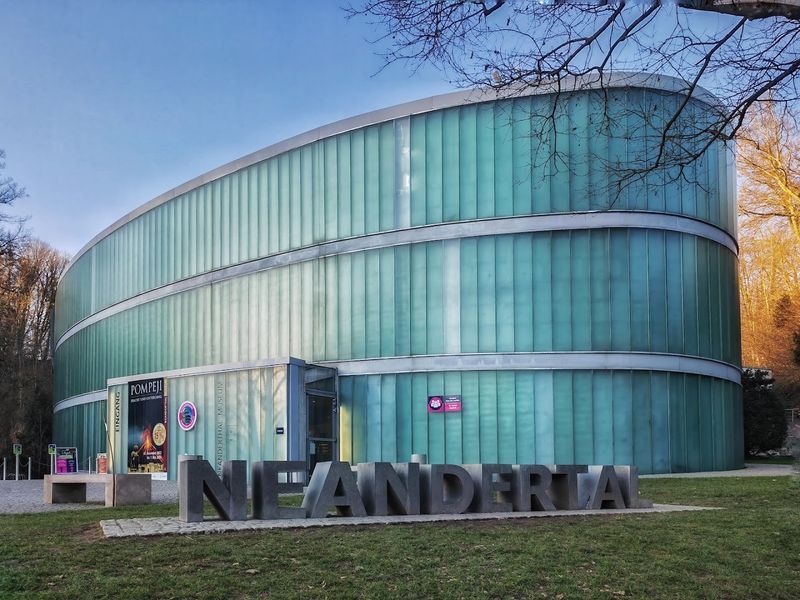
In 1856, quarry workers digging in the Neander Valley near Düsseldorf unearthed bones that would change our understanding of human history forever. Those bones belonged to a Neanderthal—and the museum built near that exact discovery site does a remarkable job of bringing that ancient story to life.
The building itself is striking, a modern spiral structure that feels like it’s emerging from the earth.
Inside, exhibits trace the entire story of human evolution from the earliest hominids right through to modern Homo sapiens. Life-size reconstructions of Neanderthal figures are startlingly realistic and a little unsettling—in the best possible way.
Interactive displays let visitors compare skull shapes, examine replica tools, and learn what daily life might have looked like for our ancient relatives.
The museum is genuinely engaging for all ages, not just science enthusiasts. Kids tend to be fascinated by the realistic figures, while adults appreciate the depth of scientific information on offer.
A short walk from the museum leads to the actual valley where the original fossils were found, which adds a powerful sense of place to the whole experience. The Neanderthal Museum sits just outside Mettmann, easily reachable from Düsseldorf by train.
Few museums in Germany manage to make prehistory feel this personal.
Devil’s Gorge (Teufelsschlucht), Eifel
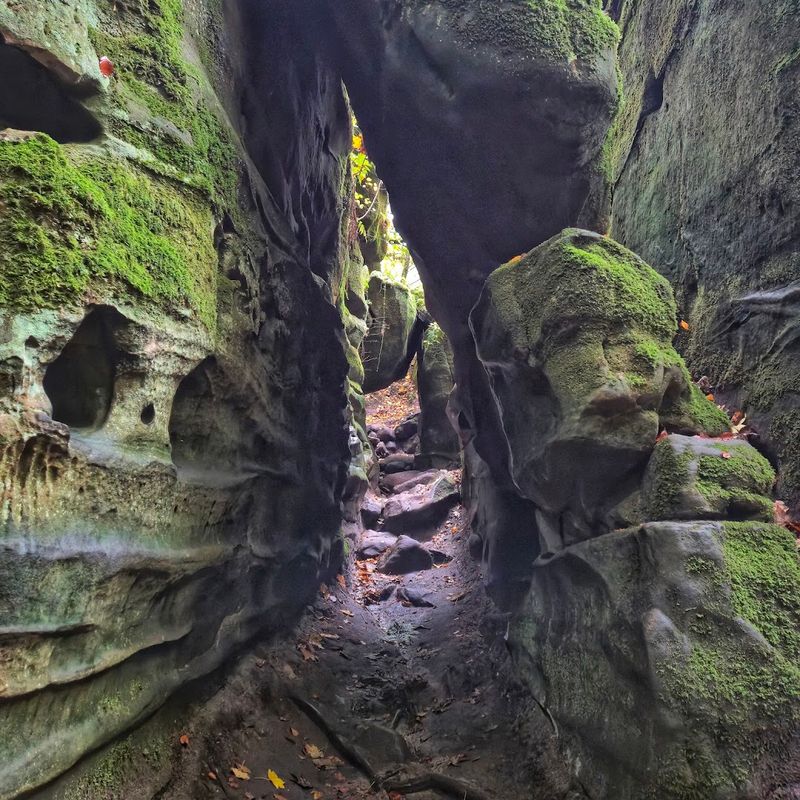
Squeeze between walls of ancient sandstone, duck under overhanging rocks, and suddenly you’ll wonder if you’ve accidentally teleported to Arizona. The Teufelsschlucht, or Devil’s Gorge, in the Eifel region of western Germany is a narrow slot canyon that genuinely surprises first-time visitors.
Most people don’t expect to find dramatic canyon scenery in this quiet corner of Germany.
The gorge stretches for about two kilometers through the Ferschweiler Plateau, and the trail running through it involves some light scrambling and a few wooden ladders. It’s accessible to most reasonably fit hikers, including older children.
The sandstone walls tower several meters above you in the narrowest sections, creating an enclosed, almost theatrical atmosphere.
The surrounding Eifel region is one of Germany’s most underappreciated natural areas, full of volcanic lakes, ancient Roman ruins, and dense forests. The Devil’s Gorge can easily be combined with a visit to the nearby Irreler Wasserfälle waterfalls, making for a full day of outdoor adventure.
Parking is available at the trailhead near the village of Irrel. Wear sturdy footwear and expect surfaces to be slippery after rain.
The Eifel rarely tops Germany travel lists, which means you’re unlikely to have the gorge to yourself—but you might come close.
Wuppertal Suspension Railway
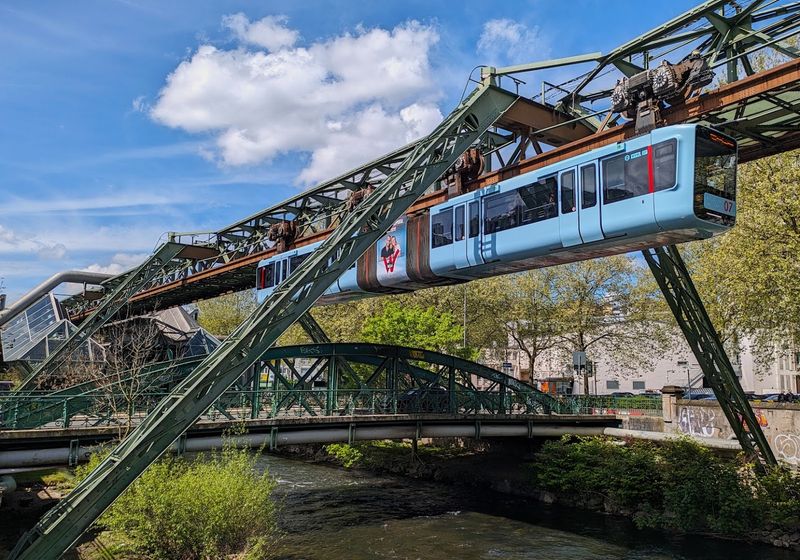
Riding the Wuppertal Schwebebahn feels like the future and the past colliding at the same time. This remarkable monorail hangs from an elevated steel track and glides above the streets and river of Wuppertal—and it has been doing so since 1901.
That makes it one of the oldest elevated railways in the world still in regular operation, which is a genuinely impressive achievement for a city most tourists overlook.
The experience of riding it is oddly serene. Swaying gently above the Wupper River, watching the city pass below through large windows, you get a perspective on urban life that no bus or tram can offer.
The whole line stretches about 13 kilometers and takes roughly 30 minutes to ride end to end.
There’s even a famous piece of Schwebebahn folklore: in 1950, a circus elephant named Tuffi was taken on the train as a publicity stunt and jumped out of the window into the river below. She survived.
The story is now part of local legend. The railway operates as a regular public transport service, meaning you can ride it for the price of a standard city transit ticket.
Wuppertal is about 30 minutes from Düsseldorf by train, making this easy to combine with a broader Rhineland itinerary.
Miniatur Wunderland, Hamburg
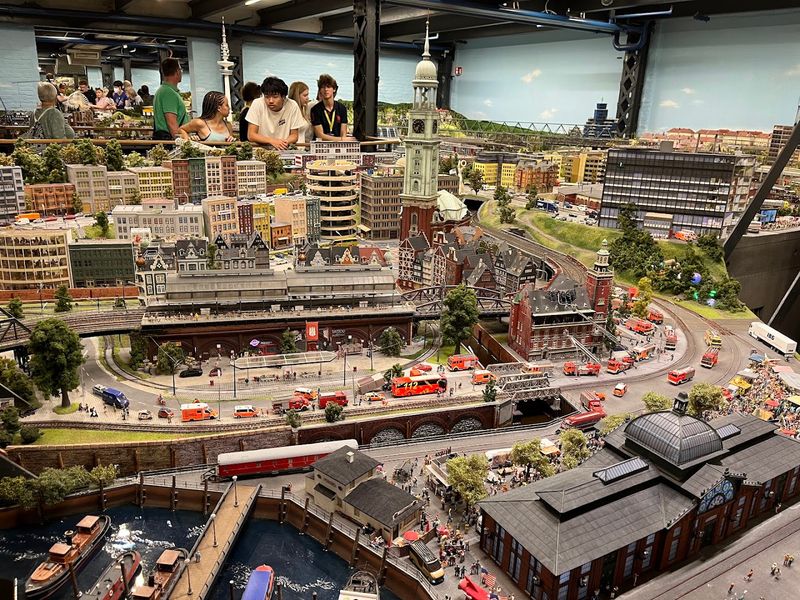
Walking into Miniatur Wunderland feels like being shrunk down to the size of a thumb. The world’s largest model railway exhibition fills multiple halls in Hamburg’s historic Speicherstadt warehouse district, and the level of detail on display is genuinely jaw-dropping.
Miniature cars drive themselves along tiny roads. Planes take off and land at a working model airport.
Thousands of tiny figures go about their miniature lives.
The layout covers over 1,500 square meters and features sections representing Germany, Scandinavia, the USA, Switzerland, Italy, and more. Each section has been built with obsessive attention to detail—look closely and you’ll spot tiny scenes of everyday life tucked into corners, some of them surprisingly funny.
The creators have a sense of humor that keeps adults as entertained as children.
Tickets must be booked online in advance because the attraction is enormously popular and sells out regularly. Time slots are allocated to manage crowd numbers, so plan ahead.
The experience typically takes two to three hours to explore properly. It’s located in the Speicherstadt area, which is worth exploring in its own right.
Miniatur Wunderland is one of those rare attractions that genuinely exceeds expectations—even for people who think they’re not particularly interested in model railways.
Freudenberg Old Town
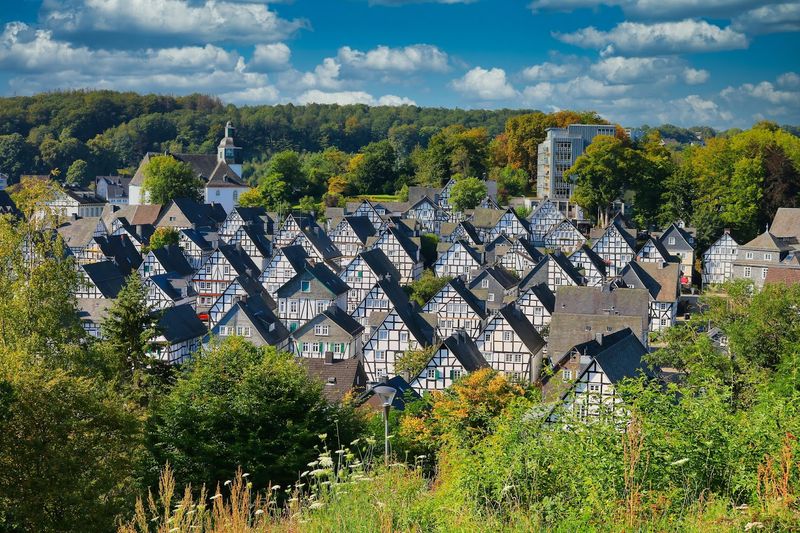
At first glance, Freudenberg’s old town looks like someone copy-pasted the same house forty times in a row—and that’s precisely what makes it so remarkable. The Alter Flecken district features row after row of nearly identical black-and-white timber-framed houses, all rebuilt in exactly the same style after a catastrophic fire destroyed the town in 1666.
The result is one of the most visually striking townscapes in all of Germany.
Walking through the narrow lanes feels strangely cinematic, like a perfectly designed film set. The uniform architecture creates a rhythm that’s both orderly and oddly soothing.
Freudenberg is located in North Rhine-Westphalia, in the hilly Siegerland region, which adds a picturesque backdrop of green rolling hills to the already postcard-perfect scene.
The town is small and easily explored in an hour or two. Most visitors come for the photography, and it’s easy to see why—the light in the early morning or late afternoon hits the black-and-white facades beautifully.
There are a handful of cafes and local shops to browse. Freudenberg is about 90 kilometers from Cologne and works well as a half-day trip.
It receives far fewer tourists than it deserves, which means you can often enjoy the streets in peaceful near-solitude. That’s a rare luxury in modern travel.
Erlebnispark Tripsdrill
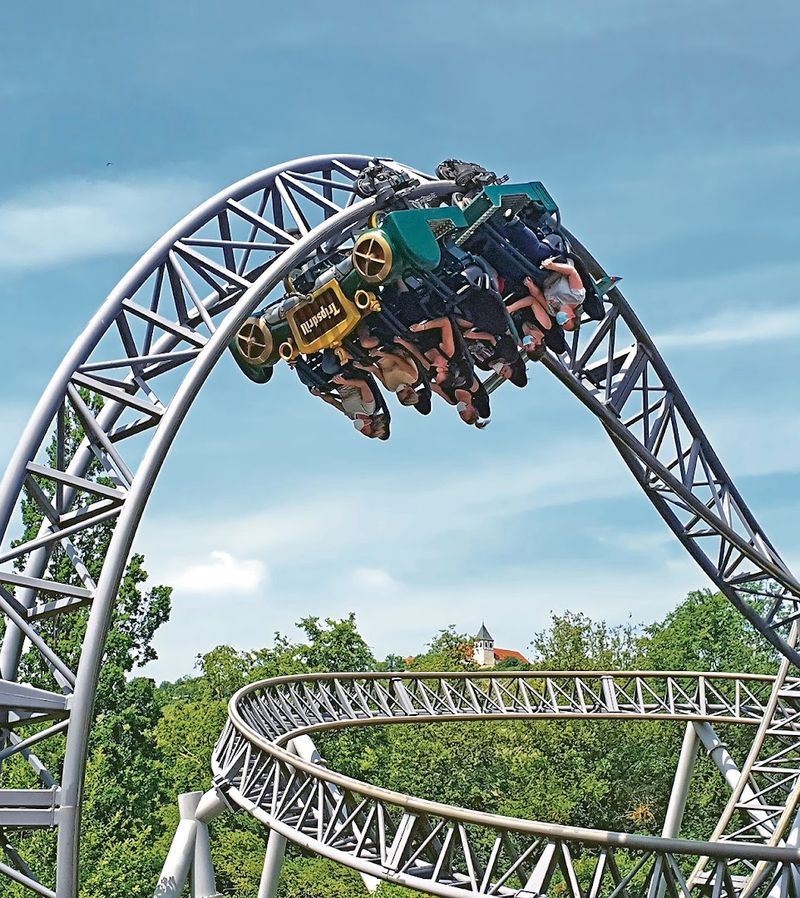
Germany’s oldest amusement park has been delighting visitors since 1929, and it shows absolutely no signs of slowing down. Erlebnispark Tripsdrill in Baden-Württemberg started as a simple wine-growing estate with a few novelty attractions and has grown into a full-scale theme park with a distinctly Swabian personality.
The humor here is local, earthy, and unashamedly old-fashioned—and it works brilliantly.
Many of the attractions carry a slapstick edge rooted in traditional Swabian folk humor. Expect water rides, roller coasters, and themed zones built around historical village life.
There’s also a wildlife park on site where deer, bison, and other animals roam in large enclosures. The combination of thrill rides and animal encounters makes it a genuinely versatile destination for mixed-age groups.
The park is located near Cleebronn, roughly between Stuttgart and Heilbronn, making it a convenient stop on a Baden-Württemberg road trip. It’s significantly less crowded than Germany’s major theme parks, which means shorter queues and a more relaxed atmosphere.
A glamping village adjacent to the park allows visitors to stay overnight in quirky themed accommodation, from barrel cabins to treetop lodges. Tripsdrill has the rare quality of feeling completely authentic—a place that has grown organically over nearly a century rather than being built to a corporate formula.
Share this story