New Jersey gets a bad rap as just a highway state, but trust me, it is hiding some seriously wild surprises. I once pulled off the Garden State Parkway on a whim and ended up standing inside a six-story elephant made of wood and tin.
That detour changed how I road trip forever. From prehistoric mining museums to life-size sculpture parks, the Garden State is packed with roadside gems that will make your GPS do a double take.
Lucy the Elephant, Margate
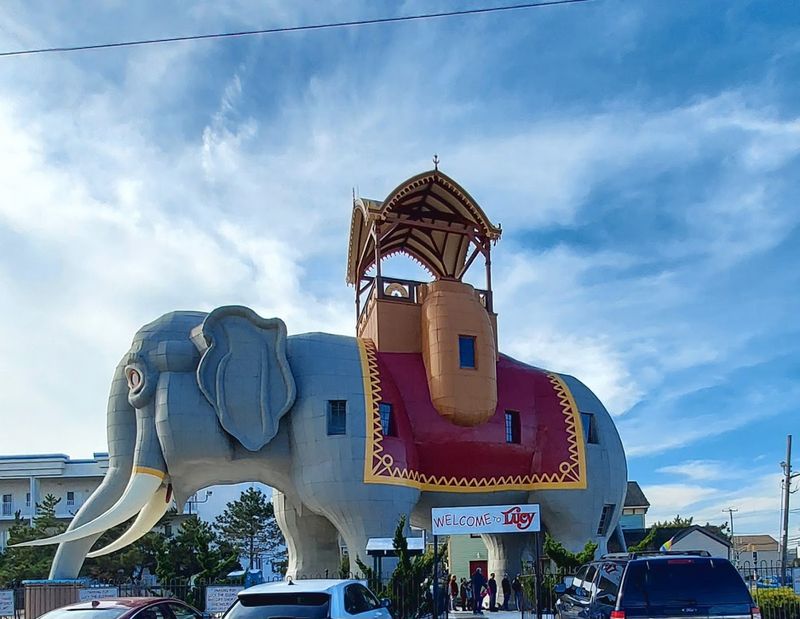
She is six stories tall, weighs about 90 tons, and yes, you can walk around inside her. Lucy the Elephant is probably the most gloriously weird building in America.
Built in 1881 by real estate developer James Lafferty, she was used as a tavern, a summer home, and even a hotel at different points in her long life.
Lucy is officially a National Historic Landmark, which means the government looked at a giant wooden elephant and said, “Yep, that counts.” She has survived storms, neglect, and a full relocation closer to the beach. Tours run regularly and give you a peek inside her quirky interior.
Kids absolutely flip out when they see her for the first time. Adults do too, honestly.
If you are driving down Absecon Boulevard and spot something enormous and grey on the horizon, do not adjust your mirrors. That is just Lucy, being magnificent as always.
Northlandz, Flemington
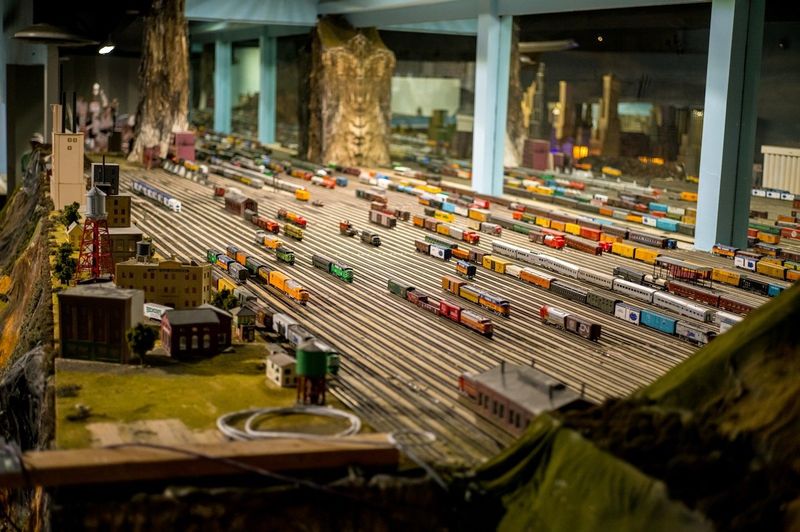
Northlandz holds the Guinness World Record for the largest model train layout on earth. That is not a typo.
One man, Bruce Zaccagnino, spent decades building this sprawling underground world of tiny trains, bridges, and mountain villages inside a massive building in Flemington.
The layout stretches over 8 miles of track. There are more than 400 trains running through tunnels, over trestle bridges, and past hand-sculpted landscapes.
The level of detail is genuinely jaw-dropping, from miniature people waiting at stations to tiny cars parked on tiny streets.
I dragged a skeptical friend here once, fully expecting a polite smile and a quick exit. Instead, we stayed for two hours and left arguing about which section was the coolest.
There is also a dollhouse museum and a pipe organ concert hall on-site, because why build just one extraordinary thing when you can build three?
Lambert Castle, Paterson
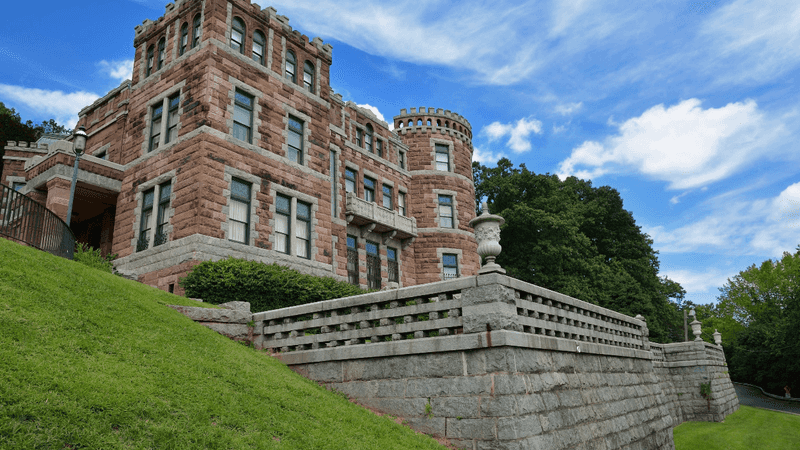
Perched on Garret Mountain, Lambert Castle looks like it got lost on the way to Scotland and decided New Jersey was close enough. Built in 1892 by silk magnate Catholina Lambert, this stone fortress was designed to showcase his enormous art collection and throw the kind of parties regular people only read about in novels.
Lambert lost his fortune and eventually had to auction off most of his beloved artwork. The castle later became a museum run by the Passaic County Historical Society.
Today, visitors can tour the building and learn about the area’s industrial past, including Paterson’s famous silk mills.
The view from Garret Mountain is spectacular, and the castle itself is free to explore the grounds. Inside exhibits change regularly, so there is usually something new to discover.
It is the kind of place where history feels genuinely dramatic rather than dry and dusty.
Paterson Great Falls, Paterson
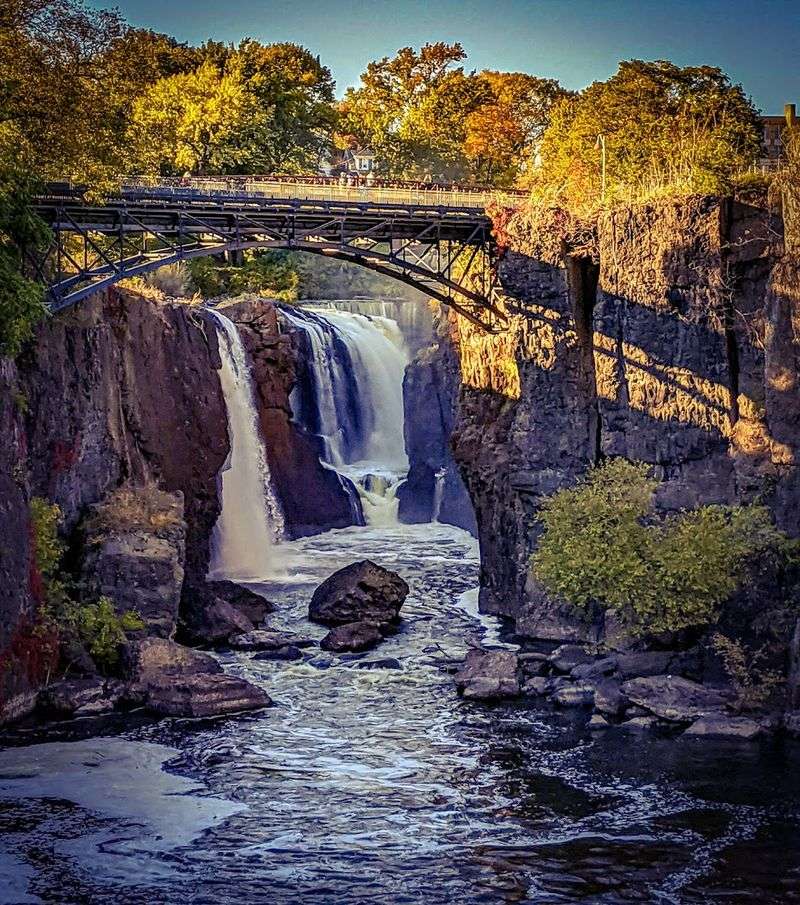
Paterson Great Falls drops 77 feet straight down in the middle of a city, and somehow most people driving through New Jersey have no idea it exists. Alexander Hamilton himself helped establish an industrial district here in 1792, making Paterson one of America’s first planned industrial cities.
The falls powered mills that shaped the entire nation’s economy.
Today the falls are protected as a National Historical Park, and the overlook platforms put you close enough to feel the mist on a good day. The surrounding Paterson neighborhood is worth exploring too, with murals, historic mill buildings, and great food nearby.
The sheer volume of water crashing down that gorge is genuinely impressive. Spring is the best season to visit when snowmelt pushes the flow to its most dramatic peak.
Parking is easy, admission is free, and the falls will absolutely make you reconsider every boring highway rest stop you have ever settled for.
Sterling Hill Mining Museum, Ogdensburg
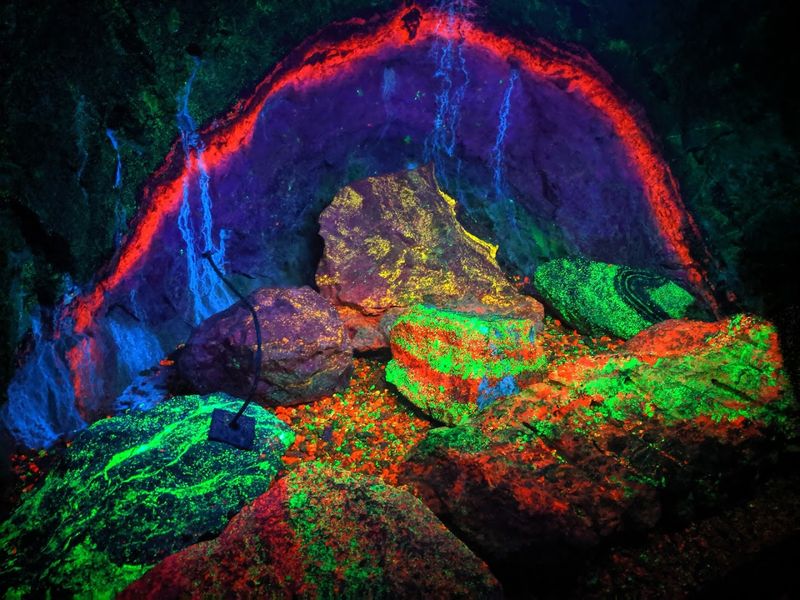
Sterling Hill Mining Museum is where rocks become rock stars. Literally.
Under ultraviolet lights, the minerals here glow in neon shades of orange, green, and red that look completely unreal. Sterling Hill was one of the most productive zinc mines in the world, and the geological diversity of its ore body is still studied by scientists today.
The underground tour takes you deep into actual mine tunnels, which is a genuinely cool experience regardless of your age. Guides explain how miners worked in these cramped, dark spaces for decades, extracting ore that helped build everything from rubber tires to paint pigments.
The museum also has a massive collection of fluorescent minerals on display, and the Rainbow Room is the kind of place that makes every adult in the group quietly say “whoa” under their breath. Kids get to keep a small rock sample, which pretty much guarantees they will talk about this trip for weeks.
Whitesbog Village, Browns Mills
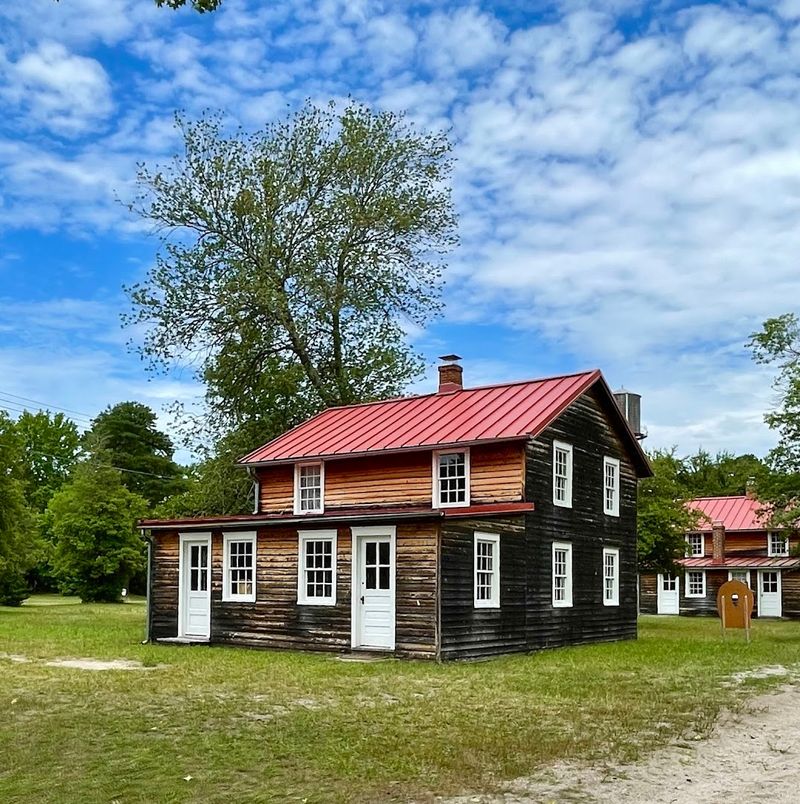
Whitesbog Village is where the cultivated blueberry was born, and that is not a small claim. In the early 1900s, Elizabeth White partnered with botanist Frederick Coville here in the Pine Barrens to develop the first commercially grown highbush blueberry.
Every blueberry muffin you have ever eaten owes a small debt to this quiet village.
The preserved company town includes original worker cottages, a general store, and packing houses that date back over a century. Walking the grounds feels like stepping into a sepia photograph, except the cranberry bogs around you are very much alive and very much real.
Whitesbog is open year-round and hosts seasonal festivals, including a blueberry festival in summer that draws serious crowds. The surrounding pine barrens trails are great for a peaceful walk.
It is low-key, unhurried, and exactly the kind of stop that sneaks up on you and becomes a favorite memory from the trip.
Batsto Village, Hammonton
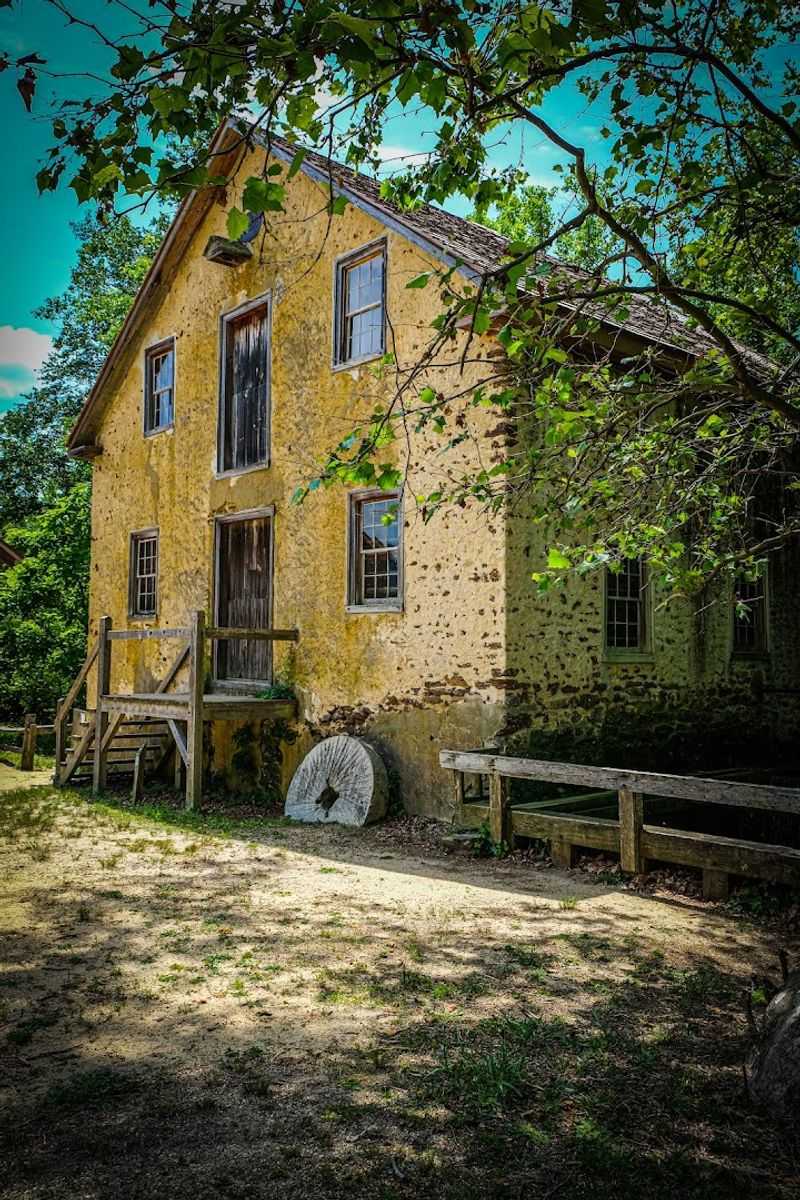
Batsto Village looks like a movie set, but every building here is completely real and historically significant. Tucked inside Wharton State Forest, this restored 19th-century industrial village was once a thriving iron and glass production center.
The mansion, workers’ cottages, sawmill, and general store are all still standing and open to explore.
The Batsto River winds through the property, adding a quiet, almost eerie beauty to the whole scene. The surrounding Pine Barrens give the place a slightly mysterious atmosphere, especially on overcast days when the mist hangs low over the water.
It is the kind of spot that makes your phone feel unnecessary.
Rangers lead tours of the mansion, which is packed with period furniture and fascinating details about life in an 1800s company town. Entry to the village grounds is free, though there is a small parking fee.
Batsto is one of those places that rewards slow, curious visitors who like to wander without a strict agenda.
Absecon Lighthouse, Atlantic City
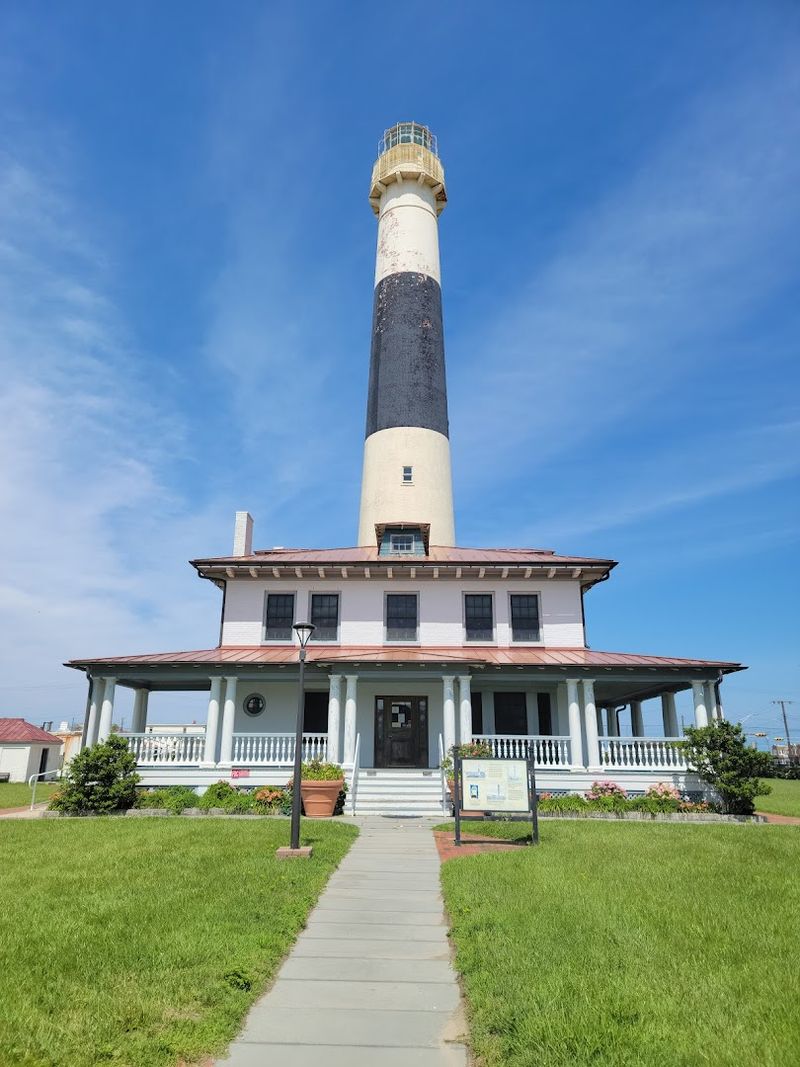
At 171 feet tall, Absecon Lighthouse is the tallest lighthouse in New Jersey and the third tallest in the entire country. It was designed by George Meade, the same general who led Union forces at Gettysburg, which is a pretty impressive side gig for a military officer.
The lighthouse has guided ships safely past the treacherous shoals of Absecon Island since 1857.
Climbing the 228 steps to the top is absolutely worth the leg burn. The view over Atlantic City, the ocean, and the surrounding marshlands is spectacular.
The restored keeper’s house at the base includes exhibits about the lighthouse’s history and the lives of the keepers who lived there.
What makes Absecon special is the contrast. You are standing next to glittering casino towers and yet somehow transported back to the 19th century.
It is a two-minute walk from the casino strip, which makes it the most undervisited attraction in Atlantic City by a wide margin.
Space Farms, Sussex
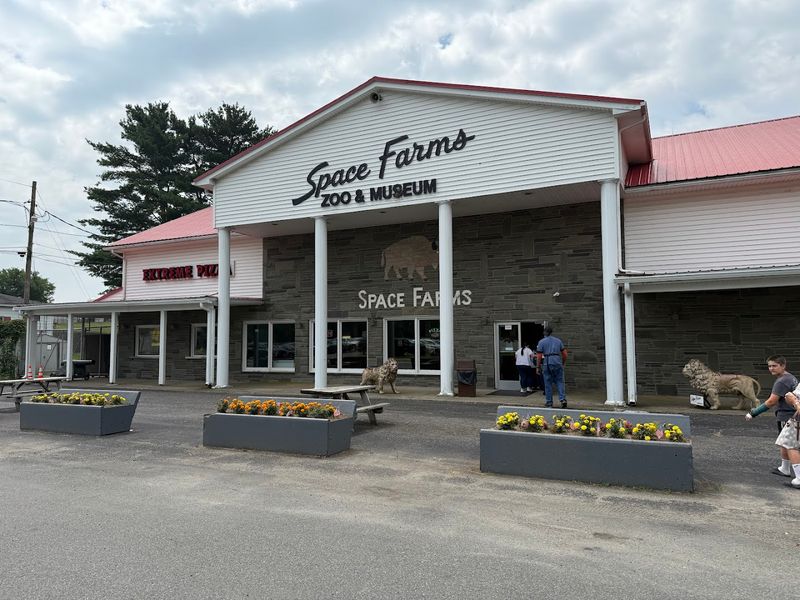
Space Farms has nothing to do with outer space and everything to do with one very dedicated New Jersey family. Founded in 1927 by Ralph Space, this zoo and museum in Sussex County has been run by the same family for nearly a century.
It houses over 100 species of North American wildlife, including bears, wolves, mountain lions, and bison.
The animal enclosures are set in a beautiful, forested hillside setting, and the animals here were mostly rescued or born in captivity. Walking the grounds feels genuinely different from a commercial zoo.
The pace is slower, the crowds are smaller, and the animals seem surprisingly close.
There is also a sprawling antique museum on the property stuffed with vintage cars, farm equipment, toys, and oddities collected over generations. It is chaotic, charming, and weirdly fascinating.
Space Farms is the rare attraction that works equally well for a five-year-old and a curious adult who appreciates things that are genuinely one of a kind.
WheatonArts, Millville
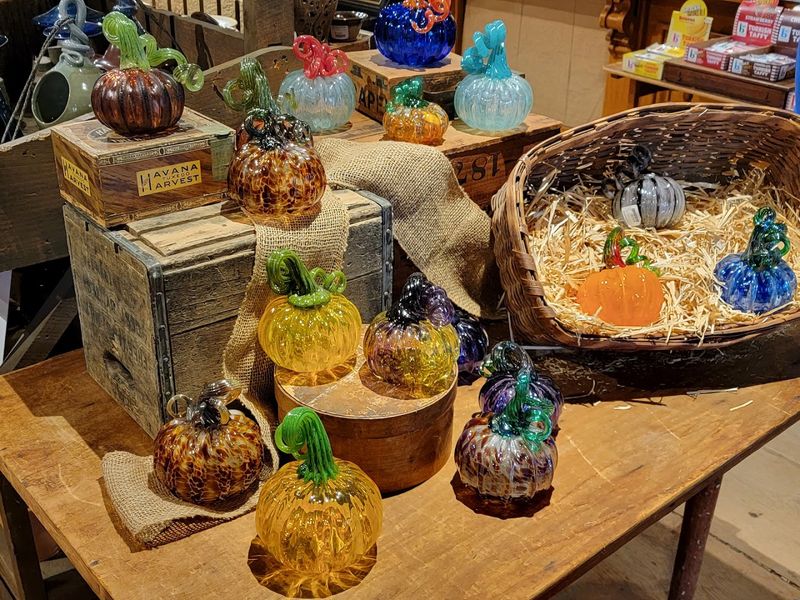
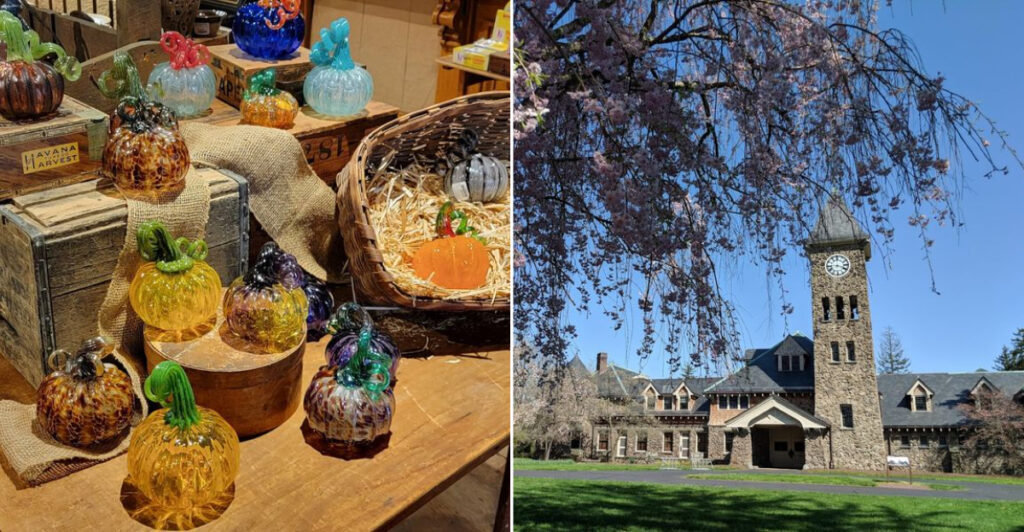
WheatonArts is where molten glass becomes art right in front of your eyes. Located in Millville, the self-proclaimed “City of Glass,” this living history campus celebrates New Jersey’s deep roots in American glassmaking.
The D.O.H. Wheaton Glass Factory once employed thousands of workers here, and the tradition lives on through working studios and daily demonstrations.
Watching a glassblower shape a glowing blob of molten glass into a perfect vase in under three minutes is legitimately mesmerizing. The on-site Museum of American Glass holds one of the largest collections of American-made glass in the country, from antique medicine bottles to stunning art pieces.
Visitors can also try glassblowing themselves in hands-on workshops, which is about as fun as it sounds and twice as tricky. The grounds include a working pottery studio and a woodworking shop too.
WheatonArts manages to feel both educational and genuinely exciting, which is a harder balance to strike than most attractions ever achieve.
Duke Farms, Hillsborough
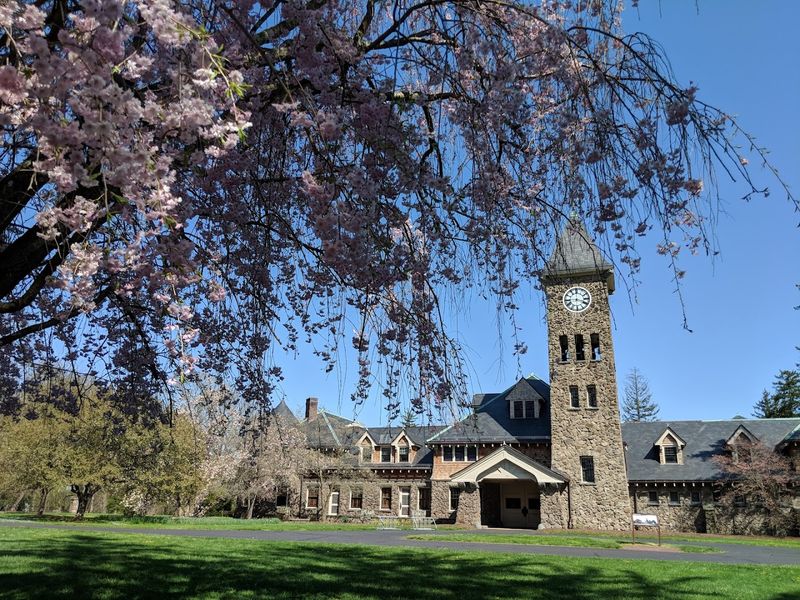
Duke Farms sits on 2,700 acres in Hillsborough and operates as one of the most ambitious conservation and sustainability projects in the northeastern United States. Originally the estate of tobacco heiress Doris Duke, the property was transformed after her death into a public environmental education center.
The sheer scale of the place is staggering.
Miles of trails wind through meadows, forests, and restored wetlands that are managed entirely with sustainability in mind. The historic farm buildings have been repurposed into education centers, and the solar panels on the property generate more energy than the whole estate consumes.
Cyclists and hikers use the trails regularly.
The Orchid Range, a restored Victorian greenhouse, is a particular highlight and houses an extraordinary collection of rare orchids year-round. Admission to the grounds is free, which feels almost too generous given how beautiful the property is.
Duke Farms is the kind of place that makes you exhale slowly and remember why getting off the highway is always worth it.
Grounds For Sculpture, Hamilton Township
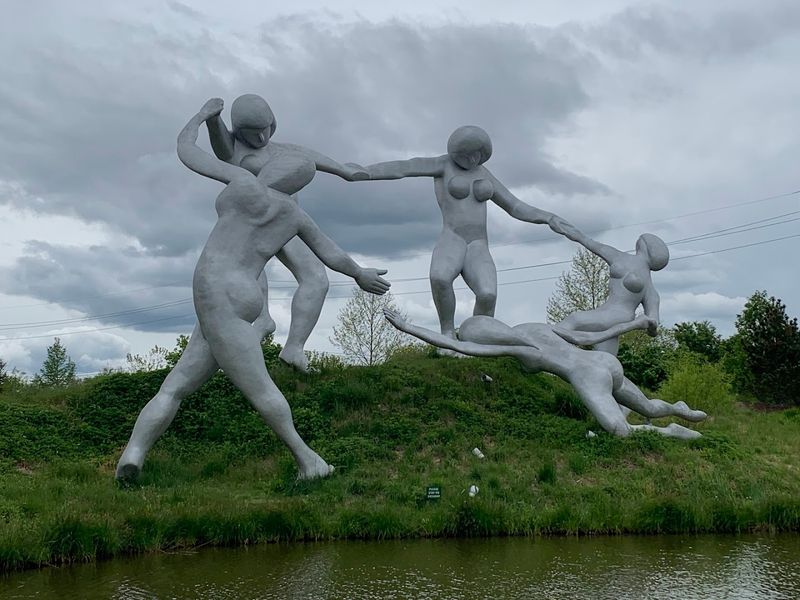
Grounds For Sculpture is 42 acres of outdoor art, and it is one of the most genuinely surprising places in New Jersey. Founded by sculptor Seward Johnson in 1992, the park features over 270 works of sculpture set among formal gardens, wooded paths, and open meadows.
Some pieces are playful, some are massive, and a few are quietly unsettling in the best possible way.
Seward Johnson is famous for his hyper-realistic bronze figures, and several of his works here recreate famous Impressionist paintings in three dimensions. Walking up to what looks like a normal park scene and realizing it is a life-size sculpture of a Monet painting is a genuinely disorienting experience.
The grounds change with the seasons, so repeat visits always feel fresh. There are also rotating indoor gallery exhibitions and a well-regarded on-site restaurant.
Grounds For Sculpture manages to make contemporary art feel completely approachable, which is no small feat. Plan for at least two hours, because you will keep finding things you missed.
Share this story