Some meals are forgettable. Others quietly rearrange your priorities.
Italy has a way of serving up both the Colosseum and a plate of pasta that somehow outranks it in your memory. These 12 restaurants are the kind of places that make you rebook your flight just to eat there again.
Villa Crespi, Orta San Giulio
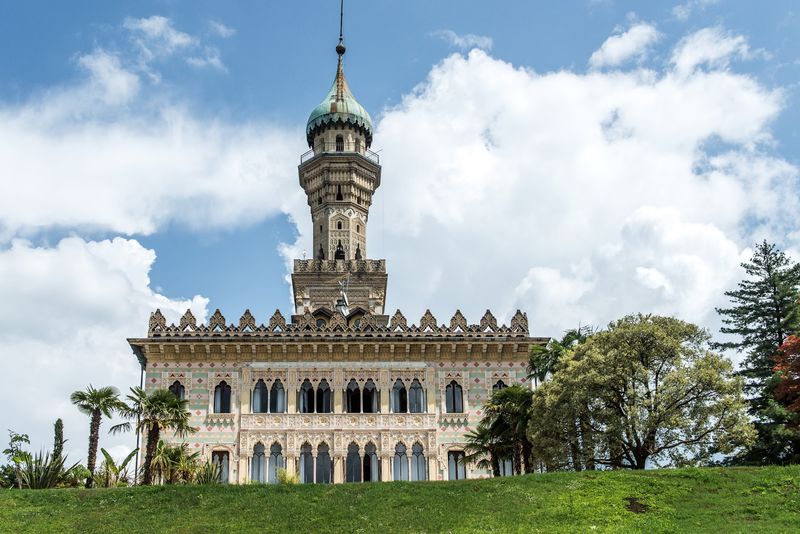
A Moorish-style tower rising beside a quiet lake sounds like a fever dream, but Villa Crespi is entirely real. Chef Antonino Cannavacciuolo runs this two-Michelin-star gem with the kind of intensity that makes every course feel like a personal declaration.
The restaurant sits in Orta San Giulio, a town so pretty it almost feels unfair. Most visitors come for the lake views.
They stay because the food refuses to let them leave.
Cannavacciuolo blends southern Italian soul with northern precision, and the results are genuinely startling. One bite of his signature pasta dishes and you understand why people plan entire vacations around a dinner reservation.
Book early. Like, months early.
The waiting list moves slower than Italian bureaucracy, and that is saying something.
Piazza Duomo, Alba
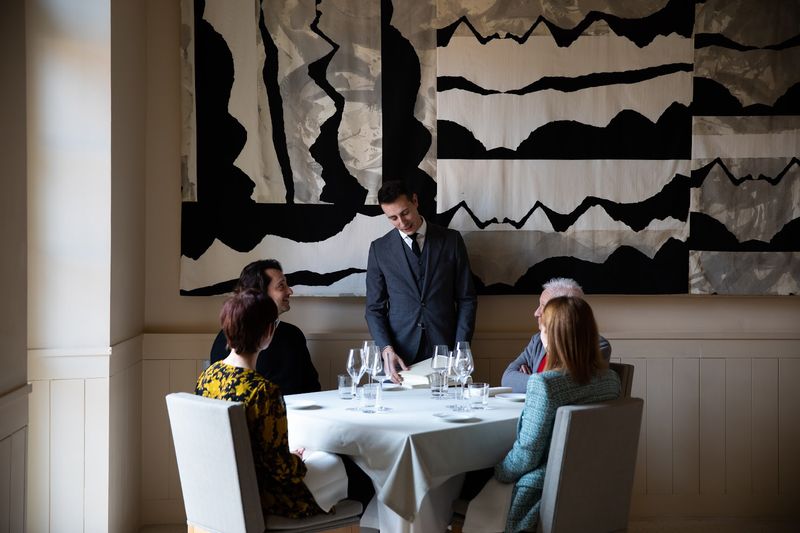
Alba is already famous for white truffles, wine, and hazelnuts. Then Piazza Duomo showed up and made everything else look like a warm-up act.
Chef Enrico Crippa holds three Michelin stars here, which feels both obvious and insufficient once you actually eat his food. His dishes pull from the vegetable garden as much as from the pantry, creating plates that look like contemporary art and taste even better than they look.
I once spent an embarrassing amount of time just staring at a dish before eating it. Worth it.
The tasting menu changes with the seasons, so returning visitors always find something new waiting for them. Alba itself is charming and walkable, full of wine bars and truffle shops.
But Piazza Duomo is the reason serious food lovers put this small Piedmontese town on their must-visit list every single year.
Casa Perbellini 12 Apostoli, Verona
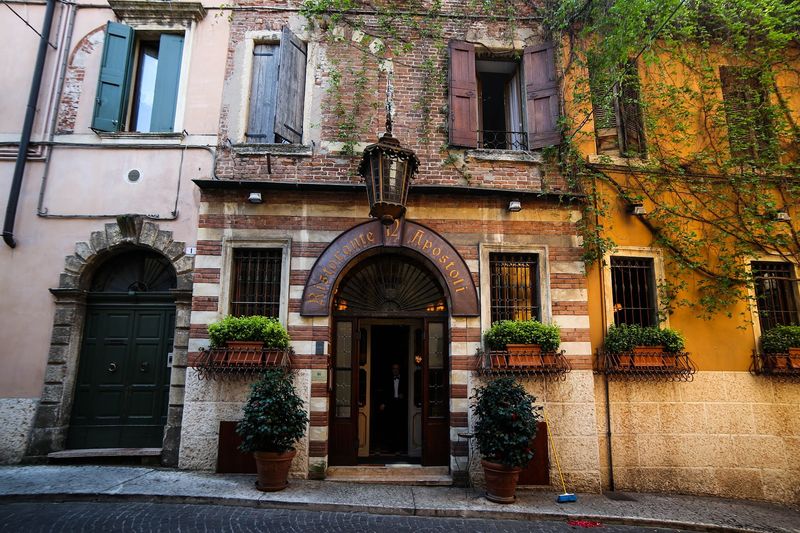
Verona already had Romeo and Juliet pulling tourist traffic. Casa Perbellini 12 Apostoli quietly added a far more compelling reason to visit.
Chef Giancarlo Perbellini works out of a historic space that dates back centuries, which gives every meal a theatrical backdrop before the first course even arrives. His cooking style is rooted in Veronese tradition but pushed forward with technical brilliance that keeps food critics coming back regularly.
The tasting menu here is a proper commitment, and absolutely worth every minute. Perbellini has a gift for making classic Italian flavors feel newly discovered.
His risotto alone has reportedly caused grown adults to go silent mid-conversation. The restaurant earned two Michelin stars, and the team handles service with warmth rather than stiffness.
Verona is already a beautiful city to wander. Add this dinner to the itinerary and the whole trip gets a serious upgrade.
La Pergola, Rome
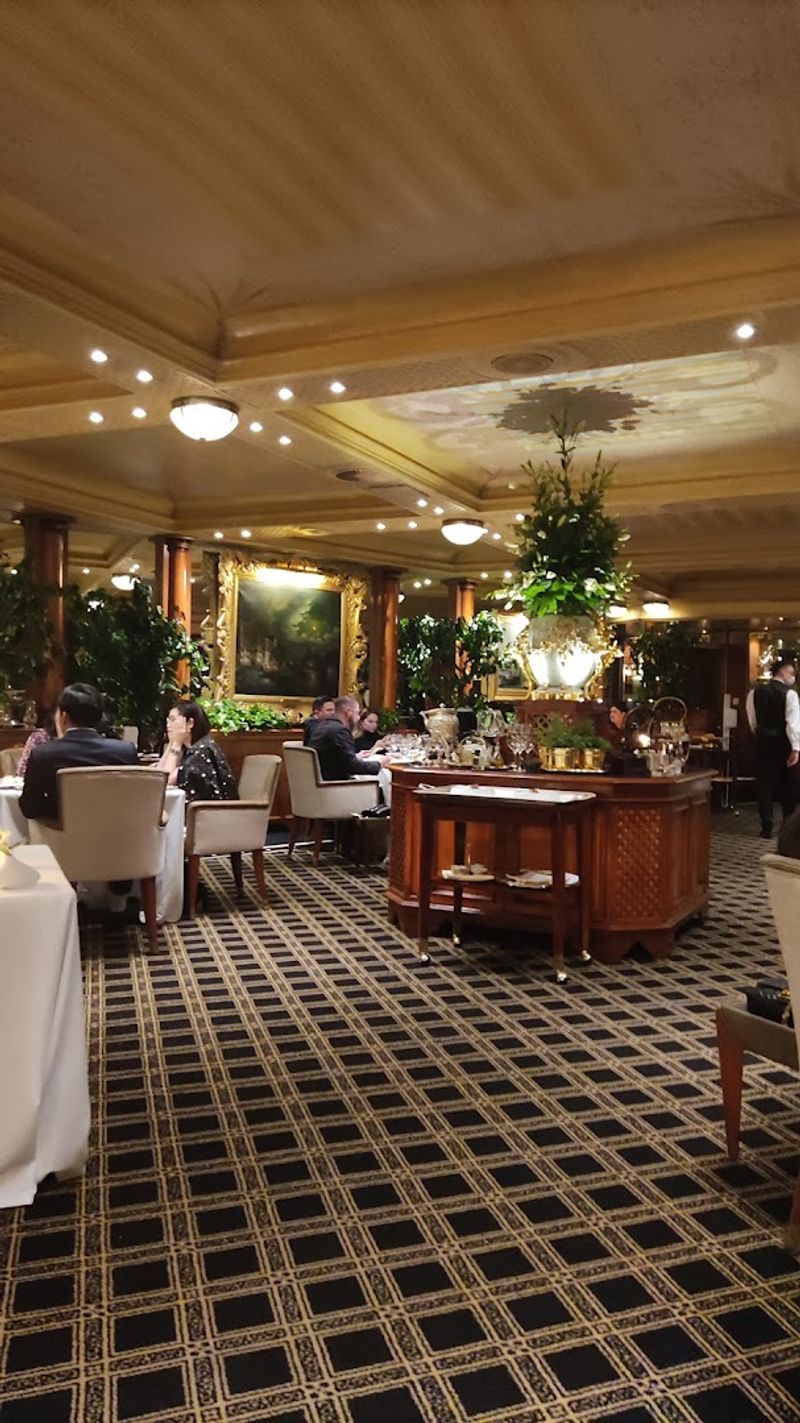
Three Michelin stars and a rooftop view of Rome. Chef Heinz Beck has been running La Pergola since 1994, and the restaurant has lost exactly zero of its prestige in that time.
Perched atop the Rome Cavalieri hotel, the dining room offers a panoramic view that makes the meal feel almost cinematic. Beck’s cooking is Mediterranean at its core but refined to a level that requires its own vocabulary.
His carbonara-inspired pasta dish is legendary among food insiders and genuinely hard to describe without sounding dramatic.
La Pergola is the only three-Michelin-star restaurant in Rome, which makes it both rare and heavily booked. Reservations open months in advance and disappear fast.
Dress the part. The room is formal, the wine list is extraordinary, and the service team moves with quiet, practiced grace.
This is Rome showing off, and it pulls it off beautifully.
Enoteca Pinchiorri, Florence
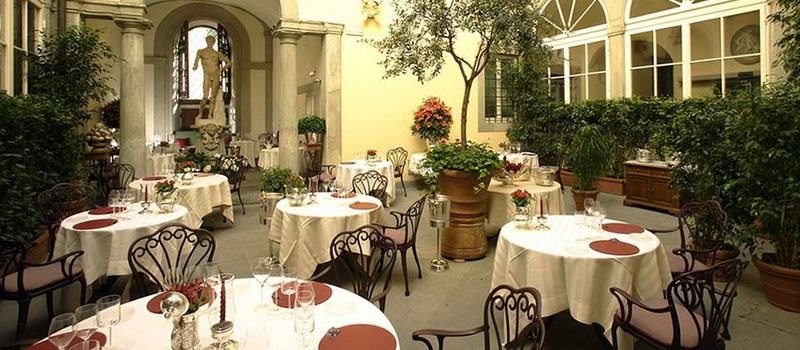
Florence has the Uffizi. It also has Enoteca Pinchiorri, and honestly the debate over which deserves more of your time is closer than you might expect.
This three-Michelin-star institution lives inside a 15th-century palazzo and holds one of the most impressive wine cellars in Europe, with over 150,000 bottles. The food matches the wine in ambition.
Chef Annie Feolde helped build this restaurant into a global reference point for Italian haute cuisine, and the legacy is unmistakable.
The dining room is formal and beautiful, the kind of space that makes you sit up slightly straighter without anyone asking you to. Dishes are Tuscan in spirit but executed with a precision that borders on theatrical.
Portions are elegant, not small. The tasting menu unfolds slowly and deliberately, which is exactly how a meal this considered should be experienced.
Plan to stay a while. Nobody rushes through Pinchiorri.
Uliassi, Senigallia
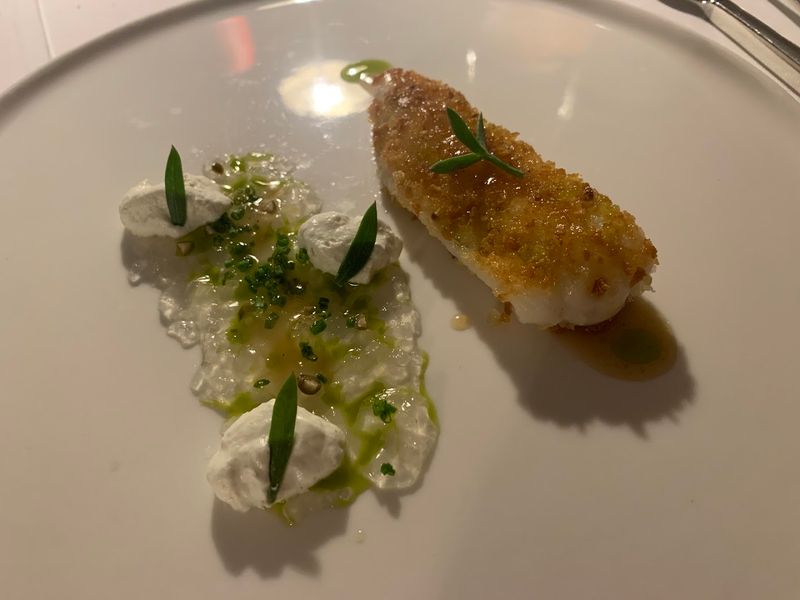
Chef Mauro Uliassi turned a beach shack into a three-Michelin-star restaurant. That sentence alone should make you pay attention.
Uliassi sits right on the Adriatic coast in Senigallia, a town most international travelers skip entirely. That is their loss.
Mauro’s cooking is rooted in the sea but refuses to stay predictable. He uses fermentation, foraged ingredients, and techniques that feel genuinely inventive without losing sight of flavor as the point of the whole exercise.
His sister Catia manages the dining room with warmth and precision, creating an atmosphere that feels relaxed and exceptional at the same time. The tasting menu changes constantly, chasing whatever the sea and the season are offering.
Sitting at a table here with the Adriatic just outside the window, working through course after extraordinary course, is one of those travel experiences that becomes a permanent reference point. Senigallia just moved to the top of the list.
Quattro Passi, Nerano
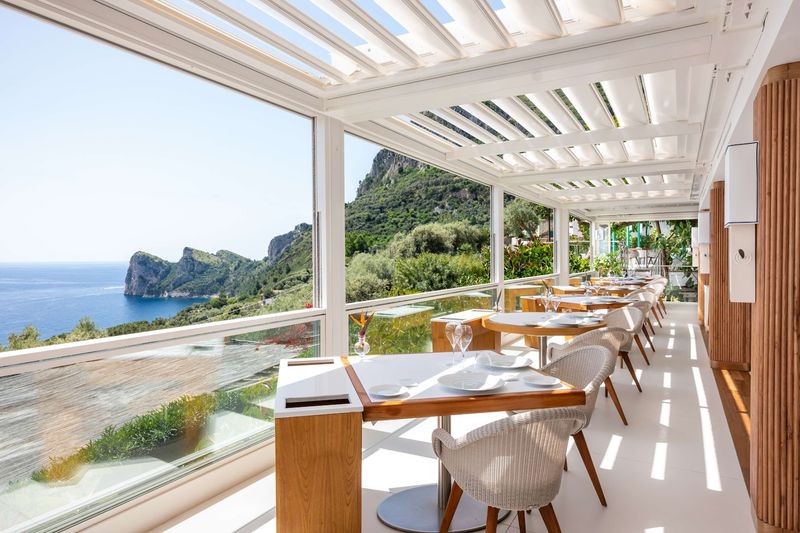
Nerano is a tiny fishing village on the Amalfi Coast where the zucchini pasta is so famous it has its own fan club. Quattro Passi takes that local obsession and builds a two-Michelin-star experience around it.
Chef Antonio Mellino has cooked here for decades alongside his sons, turning a family restaurant into one of the most celebrated spots on the southern Italian coast. The seafood is exceptional, pulled from nearby waters and handled with the kind of respect that only comes from cooking the same ingredients your whole life.
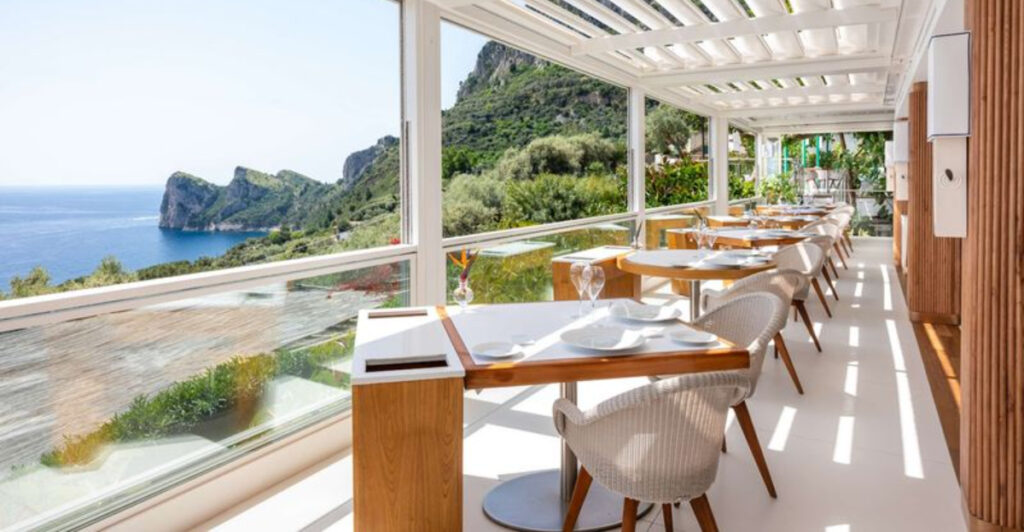
The terrace overlooks the sea, which sounds like a cliche until you are actually sitting there watching the light change over the water. Quattro Passi means four steps in Italian, a humble name for a restaurant that delivers anything but a humble experience.
Go for the pasta. Stay for everything else.
Leave already planning your return.
Reale, Castel di Sangro
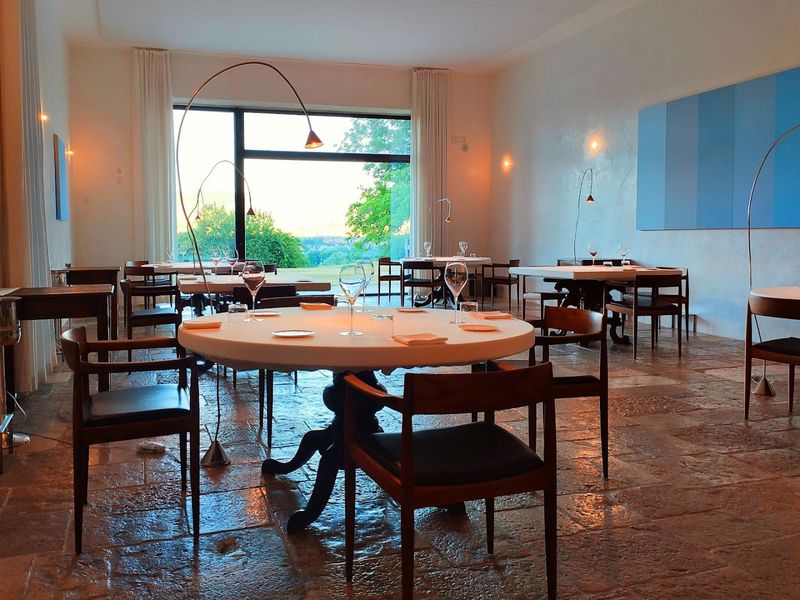
Chef Niko Romito is the kind of cook who makes other chefs slightly nervous. His restaurant Reale, housed in a converted monastery in the Abruzzo mountains, holds three Michelin stars and a reputation that punches well above its geographic profile.
Castel di Sangro is not on most tourist itineraries. That is a genuine mistake.
Romito’s cooking is stripped back, almost austere, focused on extracting maximum flavor from minimal ingredients. The results are stunning in a quiet way that sneaks up on you mid-bite.
His bread alone is worth the mountain drive. The tasting menu is an exercise in restraint and confidence, two qualities that rarely share a plate this gracefully.
Romito also runs a cooking school on the same property, which means the whole compound feels like a pilgrimage destination for anyone serious about Italian food. Remote location, extraordinary food, zero compromise.
Reale earns every star it carries.
Atelier Moessmer Norbert Niederkofler, Brunico
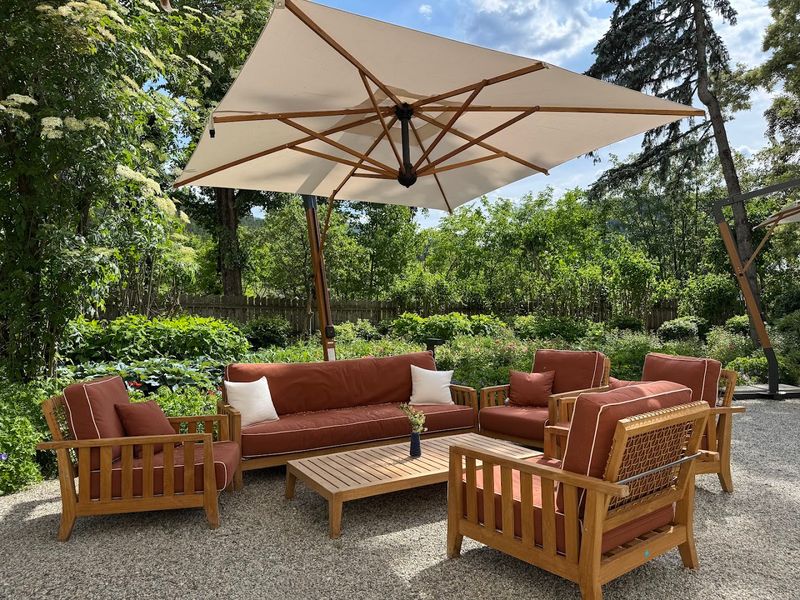
Chef Norbert Niederkofler built his entire philosophy around one rule: cook only what grows nearby. In the South Tyrolean Alps, that turns out to be an extraordinarily good rule.
His restaurant in Brunico carries three Michelin stars and a commitment to the surrounding mountains that borders on devotional. Every ingredient on the menu comes from the local alpine ecosystem, which sounds limiting until you taste what Niederkofler does with it.
Wild herbs, mountain dairy, foraged mushrooms, regional grains. The man makes altitude taste like a flavor.
The setting inside the historic Moessmer building adds another layer of character to an already distinctive experience. South Tyrol sits where Italian and Austrian cultures overlap, and the menu reflects that cultural crossroads in subtle, interesting ways.
This is not a restaurant you stumble into. You plan for it, travel for it, and talk about it for years afterward.
Exactly as it should be.
Da Vittorio, Brusaporto
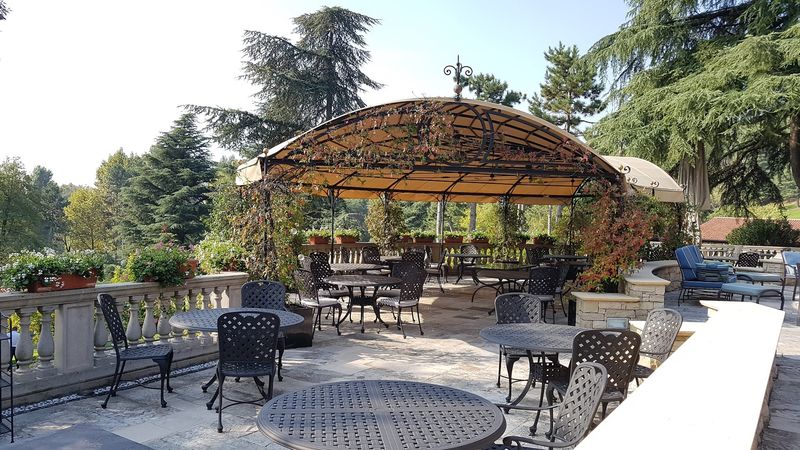
Da Vittorio has been in the Cerea family since 1966, which means it has been excellent for longer than most current food critics have been alive. Three Michelin stars.
Decades of consistency. That combination is genuinely rare.
Located in a beautiful villa near Bergamo, the restaurant blends old-school Italian hospitality with cooking that stays sharp and current. The Cerea family runs everything together, and you feel that collective pride in every detail of the service and the food.
Seafood is a particular strength here, surprising given how far Brusaporto sits from the coast. The kitchen sources exceptional fish and handles it with a lightness that keeps each course feeling fresh.
The pasta dishes are equally serious. The wine list is vast and well-curated.
Dining at Da Vittorio feels like being welcomed into someone’s home, except that home has three Michelin stars and a cellar that could make a sommelier weep with joy.
Le Calandre, Rubano
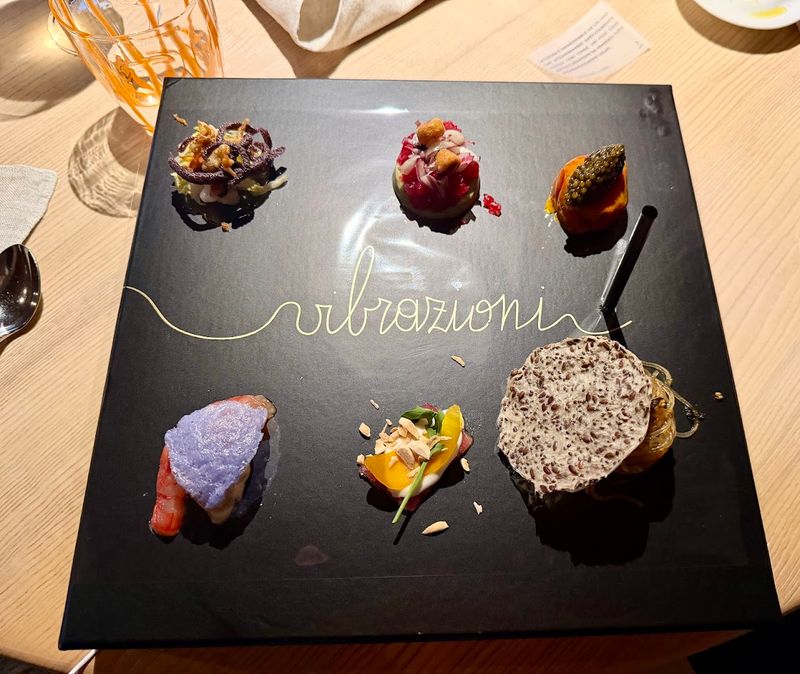
Massimiliano Alajmo became the youngest chef ever to earn three Michelin stars. He was 28.
Le Calandre, his family restaurant near Padua, has held those three stars ever since, which is the culinary equivalent of a mic drop that never quite ends.
The cooking here is inventive, playful, and technically precise. Alajmo treats traditional Italian ingredients like a creative brief rather than a constraint, producing dishes that surprise without feeling gimmicky.
His espresso-infused risotto became a modern classic almost the moment it appeared on the menu.
The dining room has a quiet confidence that matches the food. Service is attentive without hovering.
The tasting menu runs long and moves beautifully, course after course earning its place. Rubano is a short drive from Padua, making Le Calandre an easy addition to a Veneto itinerary.
Easy to reach, genuinely difficult to forget. That pretty much defines the whole experience.
Dal Pescatore, Runate
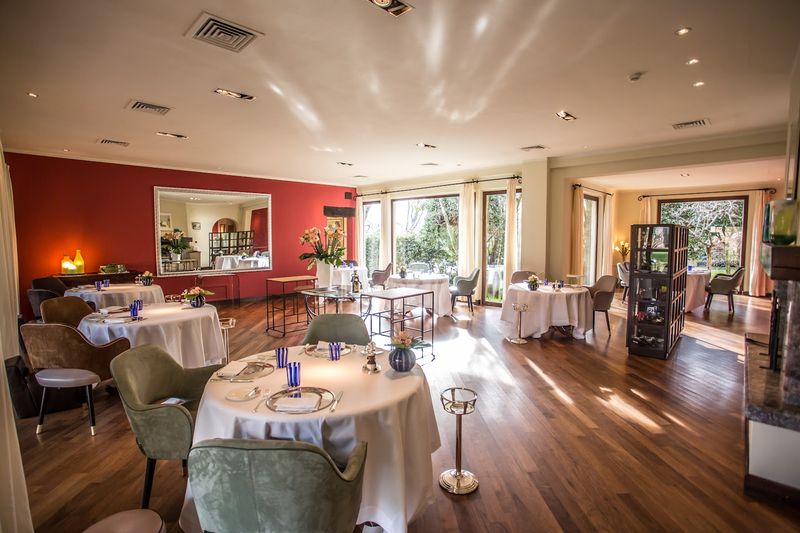
Dal Pescatore sits in Runate, a hamlet so small it barely registers on most maps. The restaurant, however, registers on every serious food lover’s radar without fail.
The Santini family has run this three-Michelin-star spot for three generations. Nadia Santini is widely considered one of the greatest Italian cooks alive, and a meal here confirms that assessment with zero ambiguity.
Her cooking is rooted in the flavors of Lombardy and Mantua, deeply traditional but never tired or predictable.
The dining room is warm and floral, the kind of space that feels like Sunday lunch scaled up to something magnificent. Tortelli di zucca, the local pumpkin pasta, is a signature dish that regularly reduces first-time visitors to grateful silence.
Getting here requires a car and some navigational patience. The reward is a meal that feels connected to place and family and time in a way that very few restaurants anywhere in the world manage to achieve.
Share this story