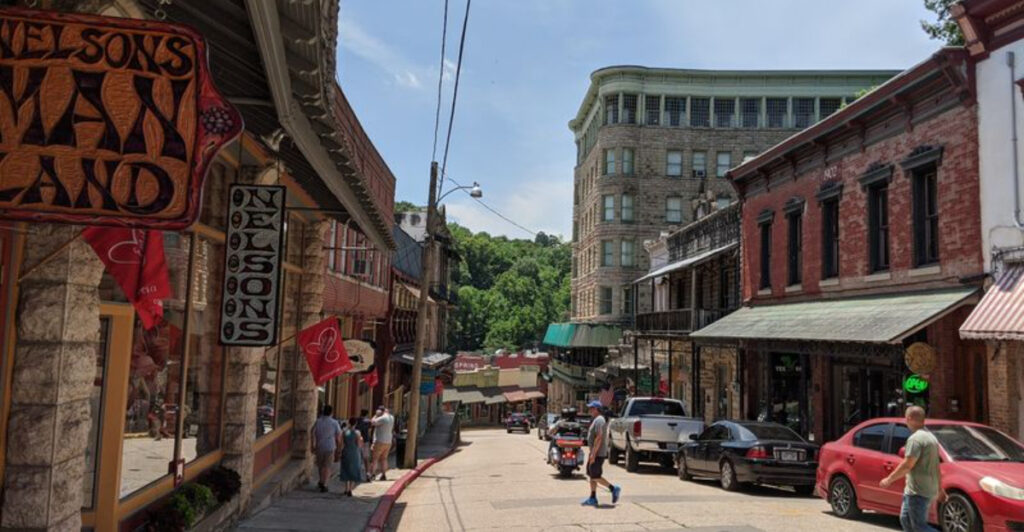
Most travelers keep circling the same big-name destinations, missing out on towns that offer just as much charm without the crowds or the crazy prices. Scattered across the country, these underrated gems pack serious character into small packages.
From artsy mountain hideouts to coastal towns frozen in time, the U.S. is full of places that reward the curious traveler. Pack your bags and get ready to rethink your next road trip.
Bisbee, Arizona
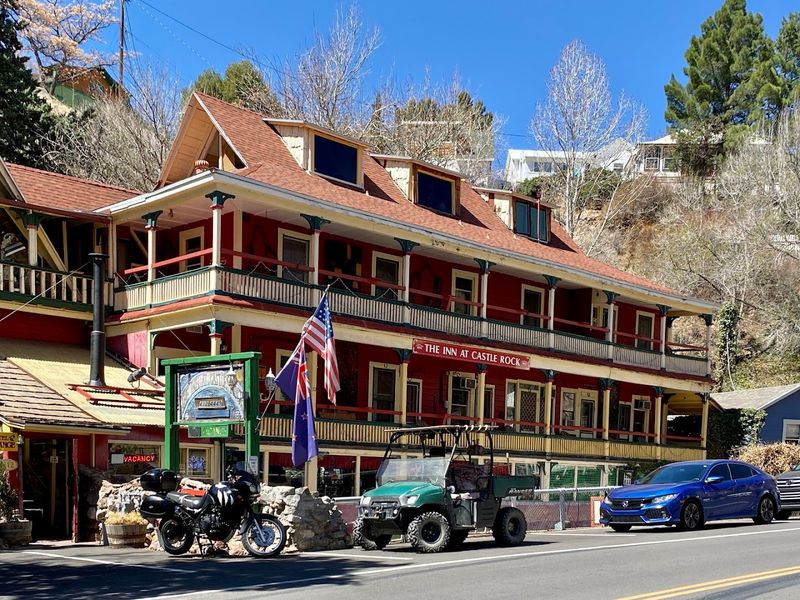
Bisbee broke the mold when it decided that being a former copper mining town was not enough. Perched in the Mule Mountains, this quirky Arizona gem layers Victorian architecture over steep hillsides, giving it a look unlike anything else in the Southwest.
The streets feel like someone stacked a European village on top of a Wild West set.
The Bisbee Mining and Historical Museum is a genuinely great stop, walking you through the town’s gritty industrial past with real artifacts and stories. Art galleries, indie coffee shops, and eclectic boutiques fill the spaces where miners once spent their wages.
The whole downtown has a lived-in creativity that feels organic rather than staged.
Bisbee also sits just a short drive from Tombstone, so you can pair your trip with some classic gunslinger history. Crowds are light, prices are reasonable, and the vibe is refreshingly weird.
That is a winning combination.
Thomas, West Virginia
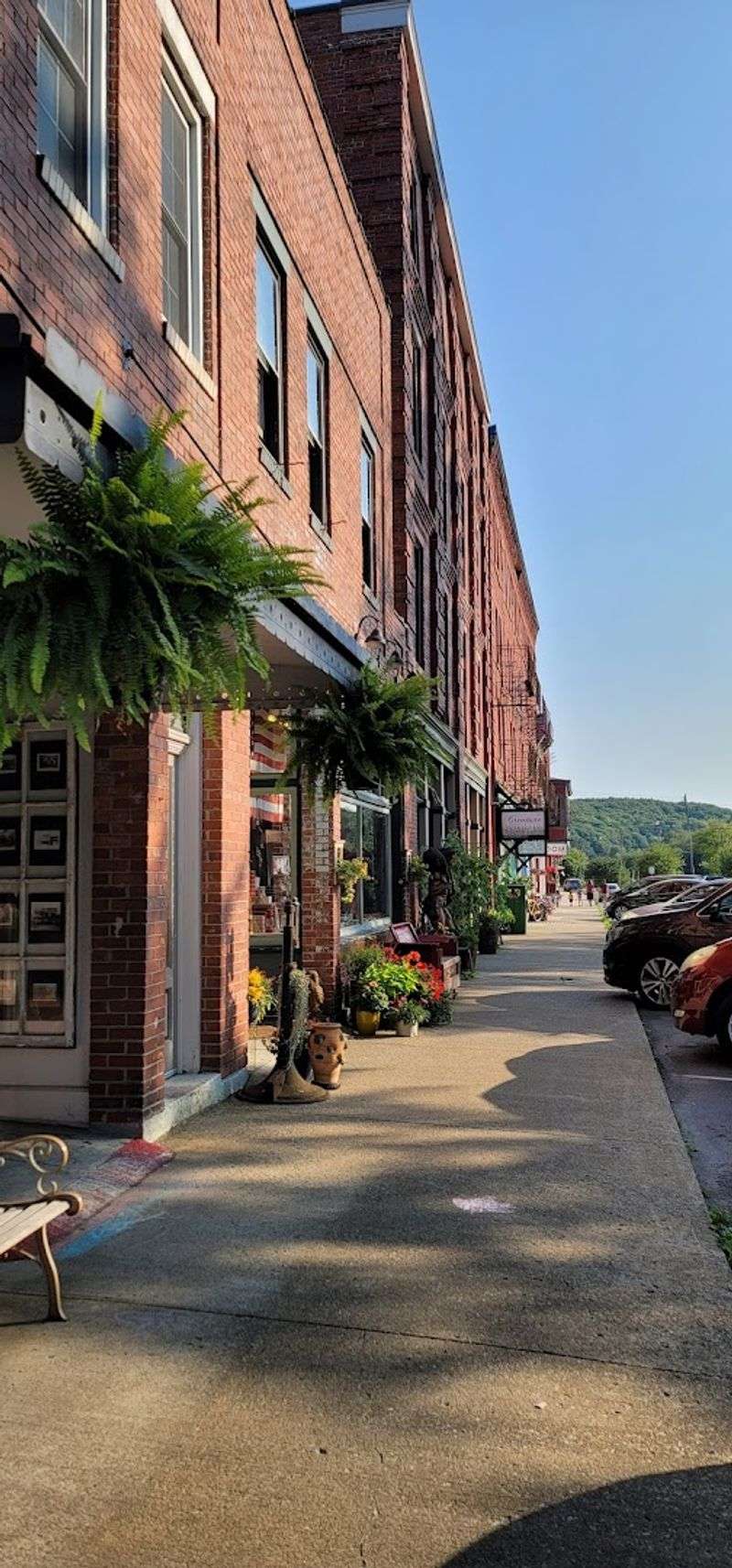
Thomas, West Virginia has a population of fewer than 700 people, yet it somehow manages to feel like a destination worth crossing state lines for. The secret weapon?
Blackwater Falls State Park sits practically next door, offering waterfalls, canyon views, and trails that look like they belong in a nature documentary.
The town itself has quietly built a cool little arts and food scene that catches first-time visitors off guard. There are craft breweries, a surprisingly vibrant music community, and independent shops that give the main street real personality.
It feels like a town that figured out its identity without trying too hard.
West Virginia State Parks actively promotes Blackwater Falls as a year-round draw, which means Thomas stays relevant in every season. Winter brings cross-country skiing.
Fall brings foliage so vivid it almost looks fake. Summer brings hiking.
Thomas is the rare small town that never really has an off-season.
Paducah, Kentucky
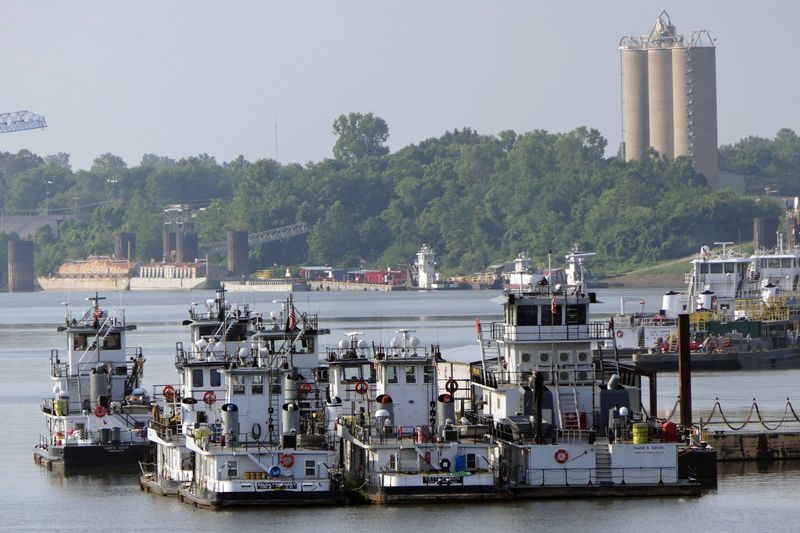
Paducah sits at the confluence of the Ohio and Tennessee Rivers, and that geography alone gives it a dramatic sense of place. But what really sets it apart is its designation as a UNESCO Creative City of Crafts and Folk Art, which is a title most American towns can only dream about.
Paducah earned that honor largely because of the National Quilt Museum, which is genuinely world-class.
The museum draws quilters and art lovers from across the globe, displaying works that are more gallery-worthy than anything you might expect from a Kentucky river town. The floodwall murals along the riverfront are another highlight, telling the city’s history in large, vivid panels that stretch for blocks.
It is an outdoor gallery hiding in plain sight.
Lower Broadway has great restaurants, antique shops, and walkable streets with real architectural character. Paducah rewards slow travel.
Give it a full weekend and you will leave wondering why it took you this long to visit.
Lanesboro, Minnesota
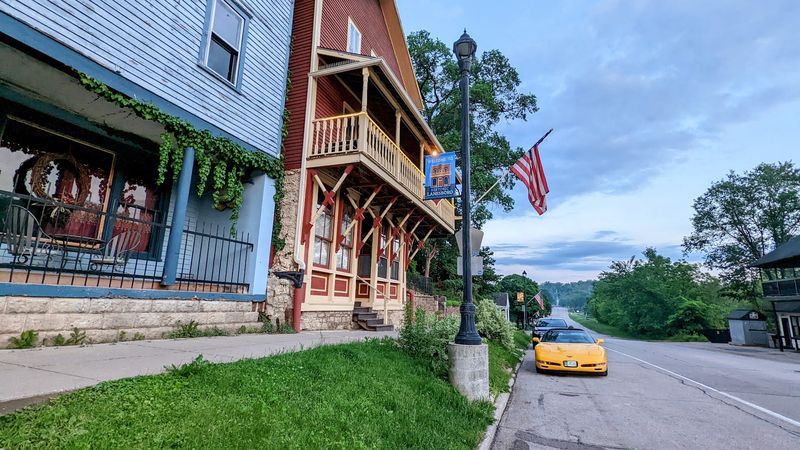
Lanesboro is the kind of small town that makes you slow down without even trying. Tucked into a limestone bluff valley in southeastern Minnesota, it sits along the Root River State Trail, one of the best paved bike trails in the Midwest.
Cyclists ride in, check into a charming bed and breakfast, and wonder why they ever bothered with bigger destinations.
The Commonweal Theatre is the town’s cultural anchor, running a full season of professional productions that would feel right at home in a much larger city. Catching a show here after a day on the trail is genuinely one of the better ways to spend a weekend.
It is a combination you do not find often.
The town’s farmers market, local restaurants, and art galleries fill out the experience nicely. Lanesboro also has a strong fly-fishing reputation, with the Root River running right through town.
Small in size, surprisingly large in things to actually do.
Apalachicola, Florida
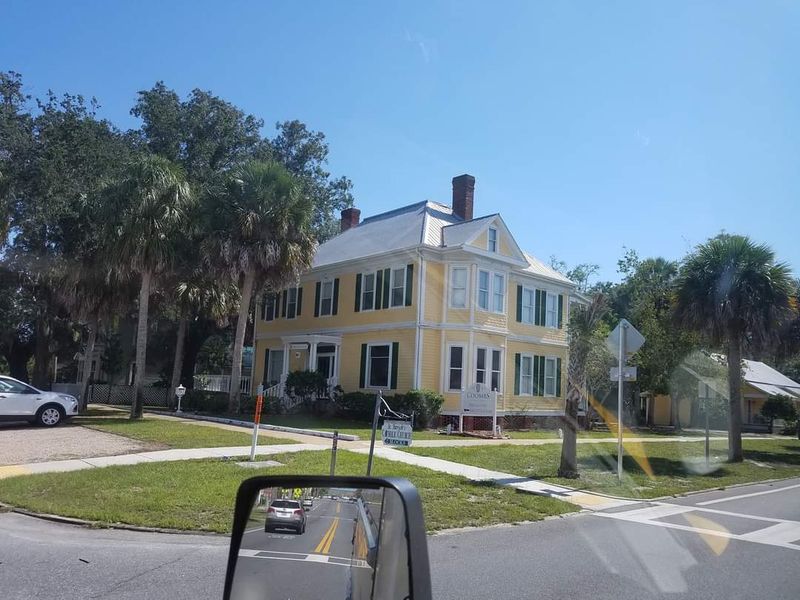
Florida has a serious overcrowding problem, but Apalachicola somehow missed the memo. This small Gulf Coast town on the Panhandle still operates at a pace that feels like the state circa 1985, before the theme parks took over everything.
The historic downtown has preserved architecture, locally owned seafood restaurants, and a harbor that actually looks like it belongs to working fishermen.
Apalachicola Bay is famous for producing some of the best oysters in the country, so eating well here requires almost no effort. The Orman House Historic State Park adds a proper cultural layer, offering a glimpse into the town’s antebellum past.
It is a surprisingly substantive stop for a town this size.
The surrounding area includes St. George Island, which offers Gulf beaches without the spring break chaos. Apalachicola works as a base for exploring the entire forgotten coast.
If you are chasing old Florida and thought it was gone forever, this is where to look first.
Silver City, New Mexico
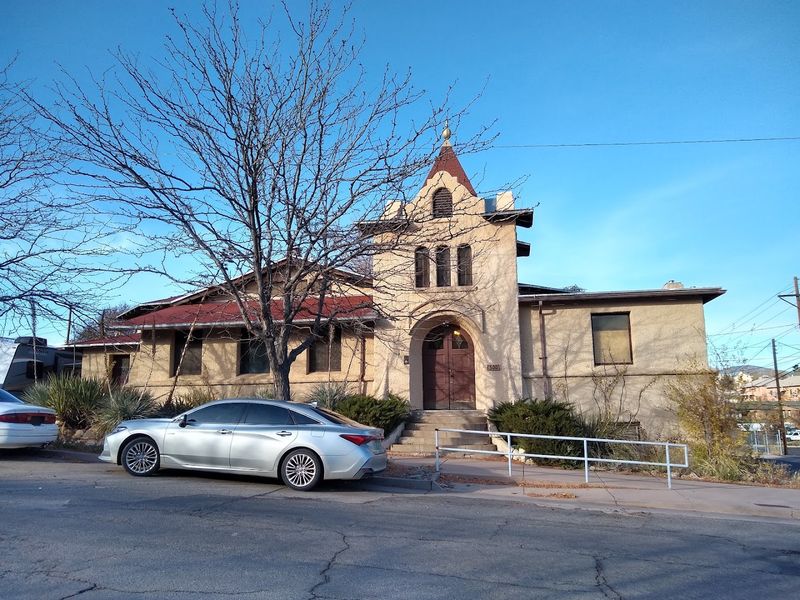
Silver City is the kind of town that serious travelers find and then refuse to stop talking about. Sitting at 5,900 feet in the Mogollon Mountains, it has a mild climate that defies New Mexico stereotypes and an arts scene that punches well above its weight.
The historic downtown mixes adobe architecture with galleries, breweries, and restaurants run by people who genuinely care about what they are serving.
The real ace up Silver City’s sleeve is Gila Cliff Dwellings National Monument, about 44 miles north of town. The National Park Service continues to operate it actively, and the drive there through the Gila National Forest is spectacular on its own.
Ancient cliff dwellings carved by the Mogollon people sit tucked into canyon walls in a way that feels almost unreal.
I made Silver City a two-night stop on a New Mexico road trip and ended up staying four. The combination of outdoor access, cultural depth, and low-key energy is hard to beat anywhere in the Southwest.
Wallace, Idaho
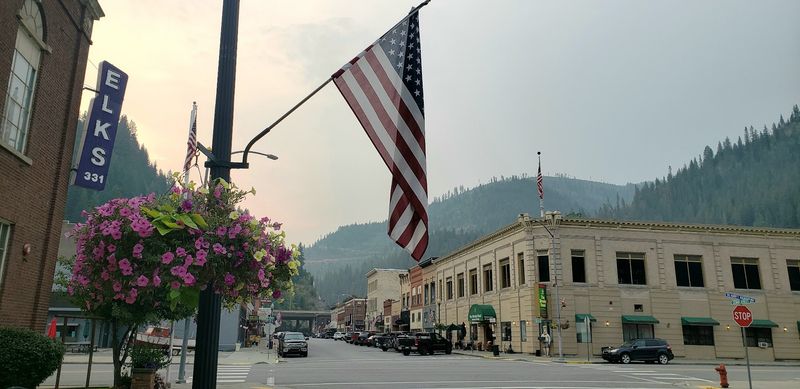
Wallace, Idaho holds a distinction that is hard to top: it once declared itself the center of the universe, and a manhole cover in the middle of town marks the official spot. That kind of confident absurdity tells you everything you need to know about this place.
Wallace leans into its quirks, and it works beautifully.
The historic downtown is a genuine time capsule of late 19th-century architecture, largely intact because a freeway bypass saved it from demolition decades ago. The Route of the Hiawatha, a converted rail trail running through old mining tunnels and across high trestles, is one of the most thrilling bike rides in the entire West.
Idaho and Forest Service pages still promote it actively, and for good reason.
The town also has a mining museum, great local bars, and a warmth that makes visitors feel welcome rather than tolerated. Wallace is small, specific, and completely worth the detour.
The manhole cover alone is worth the trip.
Port Townsend, Washington
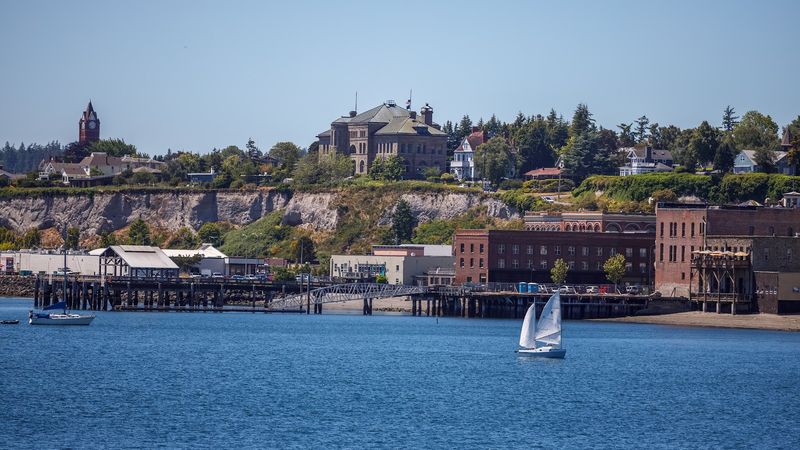
Port Townsend sits at the northeastern tip of Washington’s Olympic Peninsula, and its Victorian-era downtown is so well preserved it has been used as a film location multiple times. The town has more Queen Anne and Italianate architecture per block than almost anywhere in the Pacific Northwest.
Walking the main street feels like stepping into a 19th-century postcard.
Fort Worden Historical State Park is the town’s other major draw, offering beaches, trails, concrete gun batteries, and historic officers’ quarters that you can actually rent overnight. It is an unusual and genuinely fun place to explore.
The park also hosts events and arts programming throughout the year.
The ferry connections to Seattle and the surrounding Olympic Peninsula make Port Townsend easy to fold into a larger Washington trip. Local restaurants focus heavily on Pacific Northwest seafood and farm-to-table sourcing.
Port Townsend is the kind of place that feels like a discovery even when you arrive knowing exactly what to expect. That is a rare quality.
Galena, Illinois
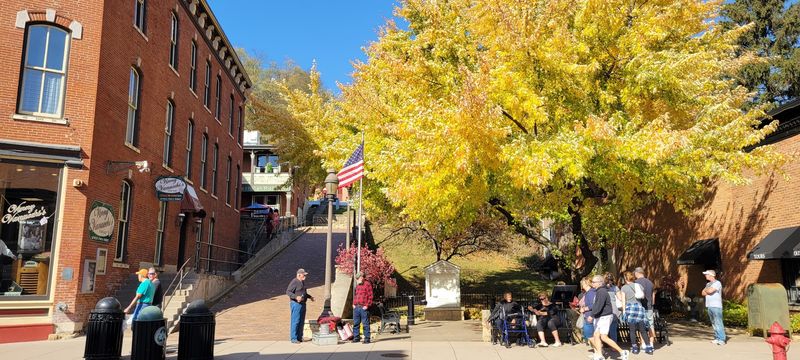
Galena is technically not unknown, but calling it overrated would be deeply unfair. This small northwestern Illinois town sits in a river valley that looks nothing like the flat prairie most people associate with the state.
The architecture is spectacular, the Main Street is genuinely walkable, and the whole place carries a historical weight that is hard to fake.
Ulysses S. Grant lived here before the Civil War, and the U.S.
Grant Home is a well-maintained state historic site with current visiting hours posted. Standing in the parlor where Grant received the news of his election as president is a surprisingly moving experience.
History hits differently when the rooms are this well preserved.
Galena also has a strong wine and food scene, with several area vineyards offering tastings within a short drive. The town gets busy on fall weekends, so a spring or summer visit earns you the same charm with fewer crowds.
Plan ahead, but do not skip it.
Staunton, Virginia
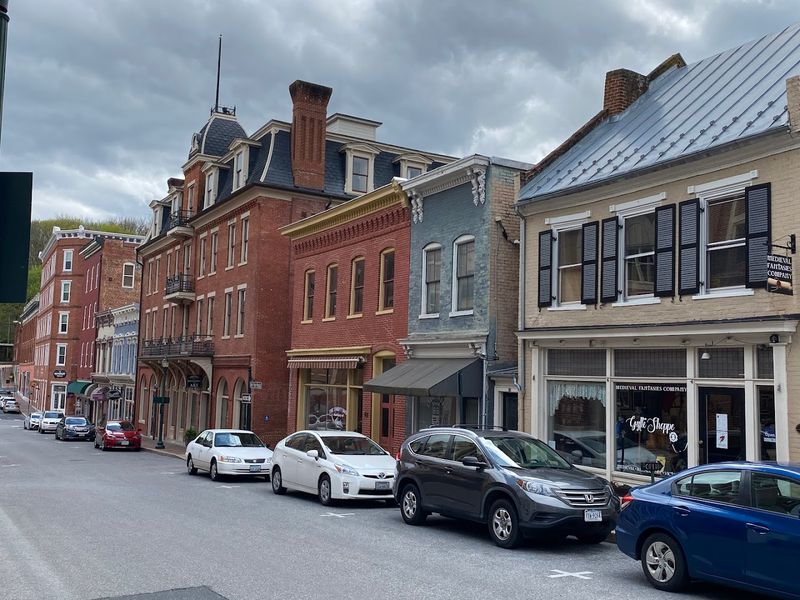
Staunton is the kind of town where you show up for a weekend and start browsing real estate listings by Sunday afternoon. The Shenandoah Valley setting is gorgeous, the downtown architecture is remarkably intact, and the city has a cultural anchor that most towns ten times its size would envy.
The American Shakespeare Center performs year-round at the Blackfriars Playhouse, a re-creation of Shakespeare’s original indoor theater.
Watching a play here with full Elizabethan staging, no dimmed house lights, and actors making direct eye contact with the audience is a completely different experience from typical theater. It is theatrical time travel in the best possible way.
The center runs multiple productions simultaneously, so there is almost always something on the schedule.
Beyond the playhouse, Staunton has a walkable downtown with great independent restaurants, a farmers market, and the Woodrow Wilson Presidential Library. The whole package makes it one of Virginia’s most rewarding small-city stops.
It earns every bit of the praise it rarely receives.
Ely, Minnesota
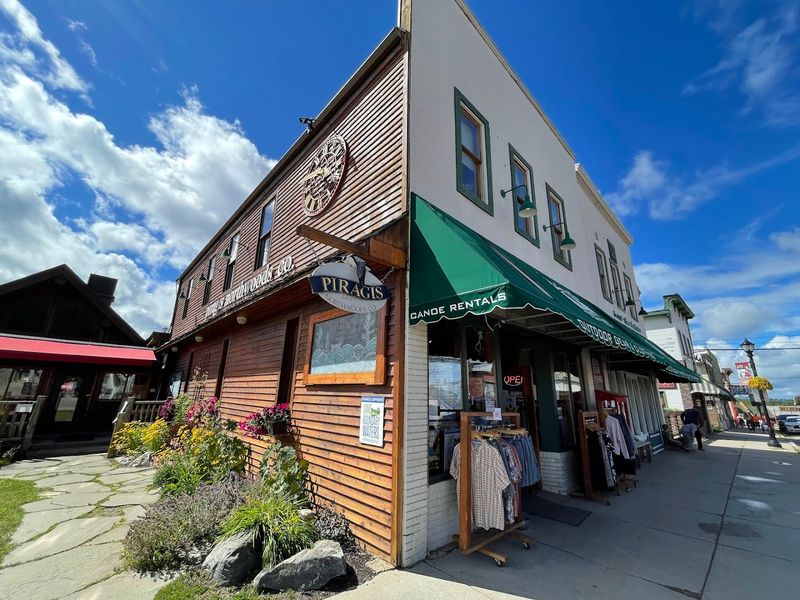
Ely sits on the edge of the Boundary Waters Canoe Area Wilderness, one of the most protected and pristine lake systems in the entire world. That alone makes it worth the drive to the northeastern corner of Minnesota.
But Ely adds something extra that most gateway towns do not bother with: genuine character and a standout attraction that reflects the surrounding wilderness perfectly.
The International Wolf Center is one of those rare wildlife facilities that manages to educate without feeling like a lecture. It is currently operating with posted visitor hours and rotating programs, and the resident wolf pack is a real highlight.
Kids and adults both leave knowing significantly more about wolves than they expected to.
The town also has excellent outfitters for canoe trips into the Boundary Waters, plus cozy lodges and good food for when you return from the wilderness smelling like a campfire. Ely rewards both hardcore adventurers and people who just want to be near wild things without actually roughing it.
Marfa, Texas
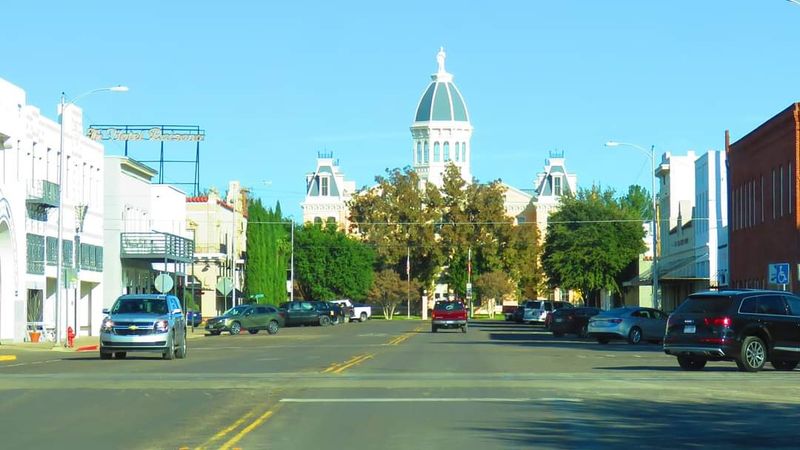
Marfa sits in the high Chihuahuan Desert, roughly four hours from the nearest major city, and somehow it became one of the most talked-about art destinations in the United States. The late artist Donald Judd moved here in the 1970s, bought up buildings, and filled them with permanent large-scale installations.
The Chinati Foundation, built around his vision, remains a major operating attraction that justifies the long drive on its own.
The town is small, the streets are quiet, and the surrounding landscape is vast and cinematic. There are no traffic jams, no theme park lines, and no one is trying to sell you a souvenir snow globe.
What Marfa offers instead is space, art, and a peculiar sense of calm that is genuinely hard to find anywhere else.
The Marfa Lights, mysterious glowing orbs visible from a designated viewing area east of town, add a supernatural bonus. Nobody has fully explained them.
Marfa keeps its secrets well, and that is part of the appeal.
Eureka Springs, Arkansas
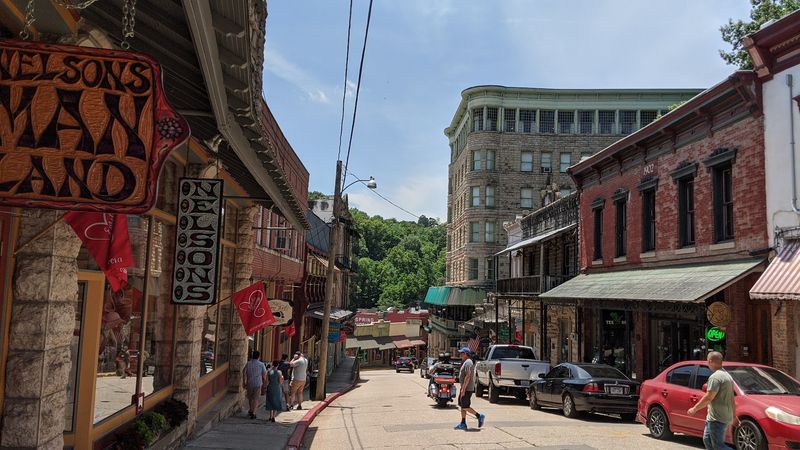
Eureka Springs does not follow the grid. The streets wind, loop, and occasionally dead-end in ways that would frustrate a city planner but delight anyone exploring on foot.
Built into the Ozark hills in the 1880s as a resort town centered on natural springs, the whole city is on the National Register of Historic Places. Every block has something worth stopping for.
Thorncrown Chapel, a short drive outside town, is a masterpiece of American architecture. Designed by E.
Fay Jones and opened in 1980, the glass-and-wood structure rises 48 feet into the surrounding forest and has won more architectural awards than most buildings five times its size. It is currently open for visitation and genuinely breathtaking in a completely secular way.
The town also hosts artists, musicians, and a surprisingly lively LGBTQ-friendly community that gives it an open, welcoming energy. The combination of Ozark scenery, Victorian architecture, and genuine creative spirit makes Eureka Springs unlike almost any other small town in the South.
Joseph, Oregon
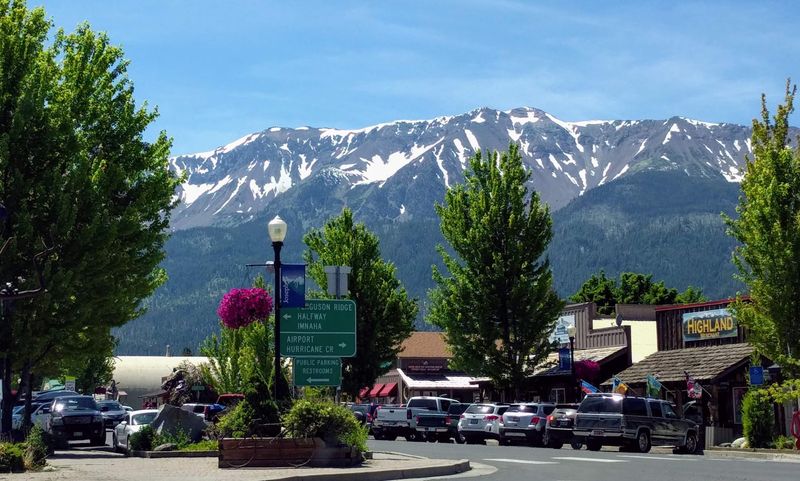
Joseph, Oregon sits at the foot of the Wallowa Mountains, which locals call the Alps of Oregon, and that nickname is not an exaggeration. The peaks are dramatic, the valley is wide and green, and the whole setting looks like it was designed specifically to make people stop their cars and stare.
Bronze sculptures line the main street, a nod to the town’s reputation as a center for fine art bronze casting.
Wallowa Lake is just a few miles south of town, offering boating, fishing, camping, and the Wallowa Lake Tramway, which carries visitors up to the summit of Mount Howard for panoramic views that genuinely stop conversations. The tramway currently lists operating hours and seasonal access, making trip planning straightforward.
The summit views cover four states on a clear day.
Joseph itself has good restaurants, galleries, and a relaxed pace that makes it easy to linger. Chief Joseph Days in late July brings rodeo energy to town.
Joseph delivers scenery and substance in equal measure, which is rarer than it sounds.
Share this story