Ancient Rome was one of the most powerful civilizations in history, but behind its grand temples and mighty armies were some truly strange customs. From recycled urine to shared bathroom sponges, Romans had habits that would make most people today cringe.
Some of these traditions were rooted in practicality, others in superstition, and a few were just plain weird. Get ready to look at ancient Rome in a whole new way.
1. Using Urine as Laundry Detergent
Believe it or not, ancient Romans scrubbed their clothes with something you would never find in a laundry aisle today: human urine. Collected from public urinals placed on street corners, the urine was fermented and used by workers called fullones to wash fabric.
The secret ingredient? Ammonia, which naturally breaks down grease and stains.
Fullones would stomp on clothes soaked in urine, kind of like a very unpleasant version of stomping grapes. The process actually worked, and Romans took their laundry seriously.
Clean, bright togas were a sign of good standing in society.
Emperor Vespasian even taxed the urine trade, which led to the famous Latin phrase “pecunia non olet” meaning money does not stink. His son complained about taxing something so gross, but Vespasian held a coin to his nose and made his point perfectly.
2. Dining While Lying Down
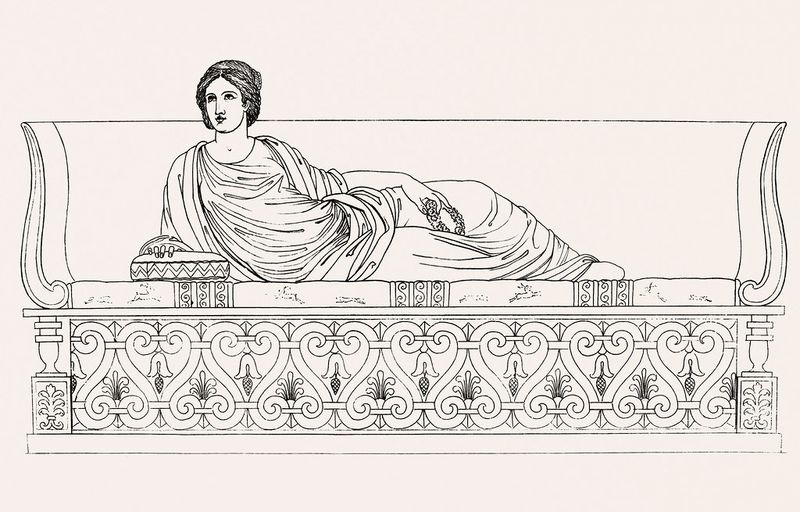
Forget sitting upright at the dinner table. Wealthy Romans stretched out on cushioned couches called lectus triclinaris and ate their meals lying on their left side.
The dining room itself was called a triclinium, and it was arranged so three couches surrounded a central table, fitting about nine guests comfortably.
Meals among the elite were not quick affairs. A proper Roman dinner could stretch for hours, featuring multiple courses, entertainment, and lively conversation.
Slaves moved around the room, serving dishes and refilling wine cups.
Reclining while eating was not just about comfort. It was a statement.
Only free citizens of status got to lounge. Lower-class Romans and slaves ate sitting or standing.
Interestingly, doctors of the time actually warned that this position could cause digestive problems, but fashion and status almost always won over medical advice in ancient Rome.
3. Gladiator Sweat as Beauty Products
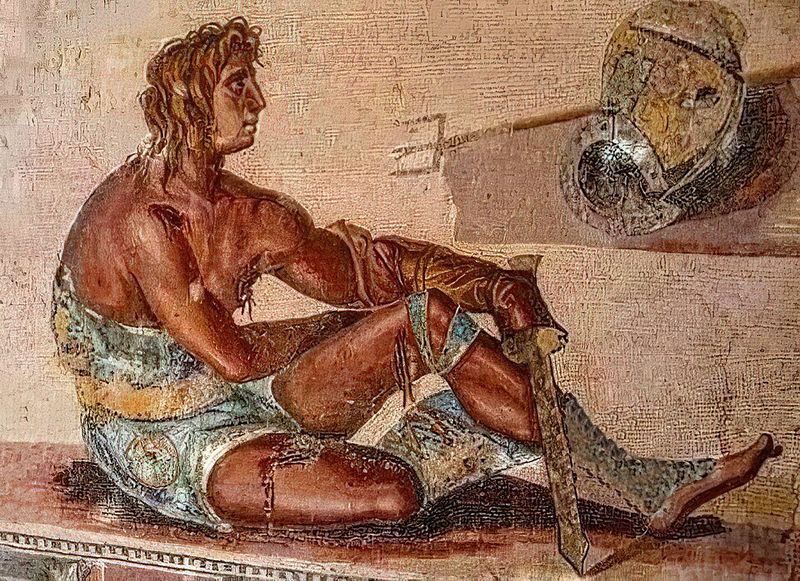
After a gladiator fight, arena workers scraped sweat, dirt, and olive oil off the fighters’ skin using a curved tool called a strigil. Most people would toss that mixture out immediately.
Romans bottled it and sold it as a luxury beauty product.
This glistening goop was called “sudor gladiatorum” and was believed to improve skin tone, boost complexion, and even work as a love potion. Women especially sought it out, and it reportedly fetched a high price at market.
The more famous the gladiator, the more valuable his sweat.
It sounds completely wild, but Romans had strong faith in the power of gladiators. These fighters were seen as the peak of physical strength and vitality, so their bodily leftovers carried almost magical status.
Think of it as ancient Rome’s version of celebrity-endorsed skincare, just considerably more pungent and definitely harder to package.
4. Public Toilets Were Social Spaces

Walk into a Roman public latrine and you would find something unexpected: a crowd of people chatting like they were at a town square. Privacy was not a Roman value when it came to bathroom visits.
Multi-seat stone latrines, called foricae, had rows of holes with no dividers between them.
Romans sat shoulder to shoulder, discussing politics, business, and daily gossip. Some latrines even had running water beneath the seats and were decorated with mosaics and statues.
Admission sometimes cost a small fee, and the facilities were considered a public service.
The shared cleaning tool, a tersorium, was a sea sponge attached to a stick. Users rinsed it in a channel of water and passed it along.
Archaeologists believe most Romans also carried their own cleaning cloths for obvious hygiene reasons. Still, the communal bathroom culture shows just how differently Romans viewed personal space compared to modern standards.
5. Exposing Unwanted Babies

One of the darkest Roman customs involved newborn babies. When a child was born, the father held the legal authority to decide whether the family would raise it.
If he chose not to accept the baby, the infant could be placed outside, often at a public location, in a practice called exposure.
The reasons varied. Poverty was a major factor, as was the birth of a child with a physical disability.
Girls were also more frequently exposed than boys in some regions, simply because raising a daughter came with the expectation of providing a dowry.
Not every exposed child died. Some were rescued by strangers and raised as household slaves or even adopted.
The practice was technically legal throughout most of Roman history, though it was increasingly criticized as the empire adopted different moral and religious values. Emperor Constantine eventually moved to discourage it by providing state support to struggling families.
6. Drinking Wine Mixed with Seawater
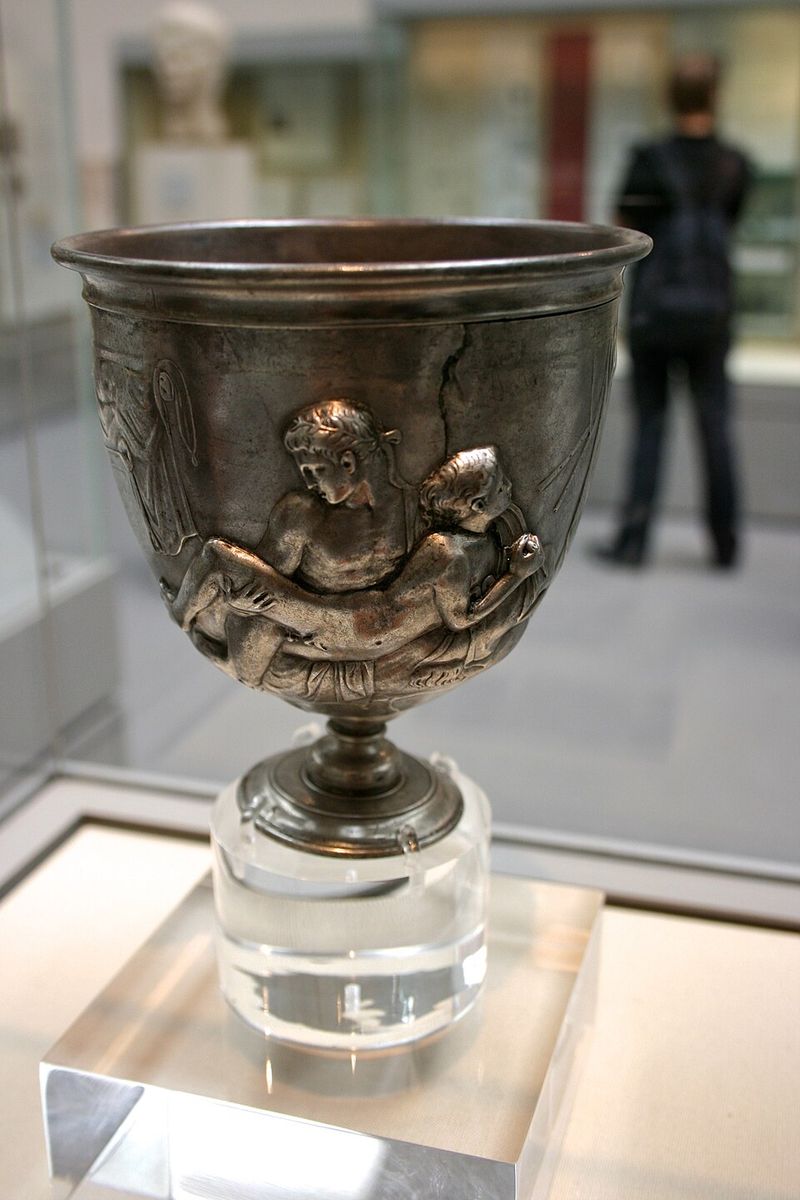
Pure wine was considered unsophisticated in ancient Rome. Drinking it straight was associated with barbarians and people with no class.
Romans almost always diluted their wine with water, typically in a ratio of about three parts water to one part wine.
What makes this tradition extra strange is that some Romans, particularly sailors and soldiers, mixed their wine with seawater. A drink called thalassites was made by fermenting wine with actual seawater added.
Traders also sometimes used seawater to preserve wine during long sea voyages.
Romans also flavored their wine with some surprising additions: honey, herbs, pine resin, and even lead acetate, which gave it a sweeter taste but was dangerously toxic. A popular drink called posca, used by soldiers, mixed wine with vinegar and water.
It was cheap, refreshing, and kept better than plain water. Roman wine culture was creative, experimental, and occasionally hazardous to your health.
7. Wearing Amulets for Protection
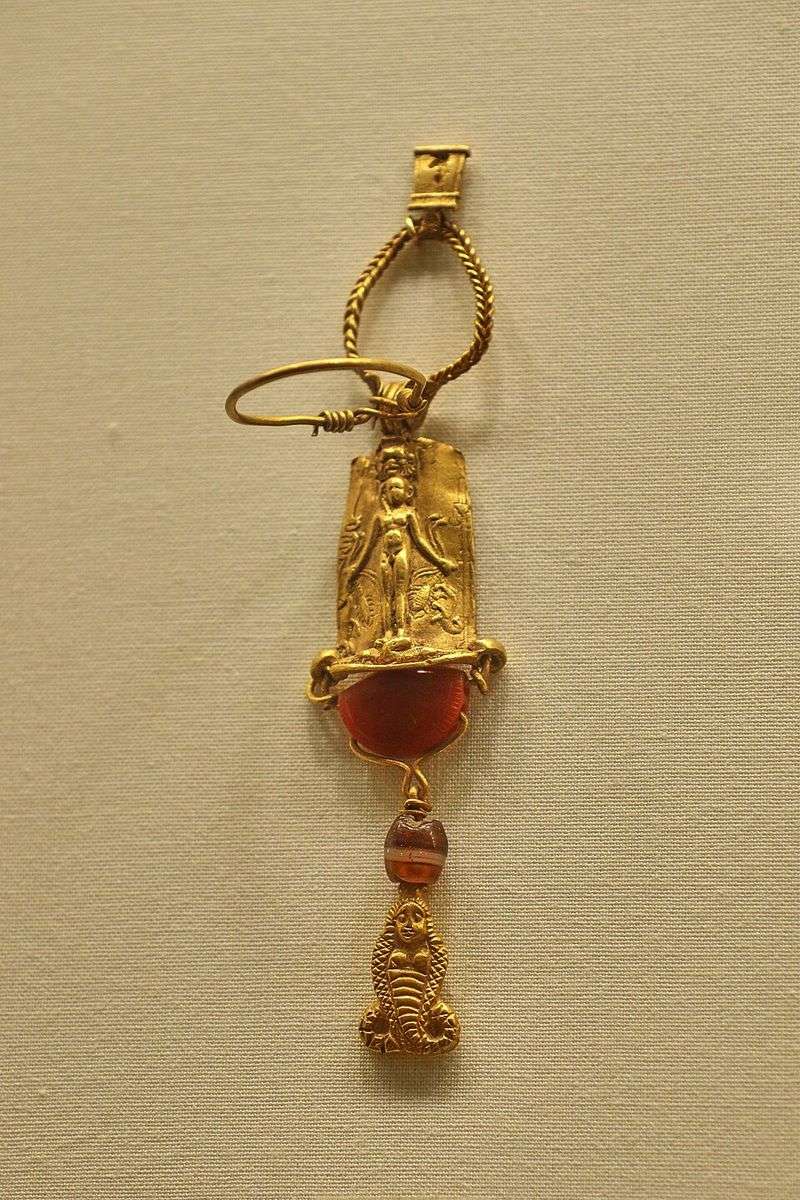
Superstition ran deep in Roman daily life. Almost every person, from senators to slaves, wore some form of protective charm.
The most well-known was the bulla, a locket-shaped amulet given to freeborn boys shortly after birth and worn until they became adults.
Girls received similar protective pendants. The items inside a bulla were kept secret and were believed to guard the wearer against evil spirits, bad luck, and the dreaded evil eye, known in Latin as the “oculus malus.” Losing or breaking a bulla was considered a very bad omen.
Adults carried their own talismans, often in the shape of a hand gesture called the mano fica, used specifically to deflect curses. Phallic symbols were also incredibly common protective charms hung on doors, worn as jewelry, and carved into public spaces.
Romans truly believed the world was full of invisible threats, and they were not taking any chances.
8. Funeral Processions with Actors
Roman funerals for wealthy families were full-on theatrical productions. Hired actors, called “mimes” in Latin, wore wax masks crafted to look exactly like the faces of the family’s deceased ancestors.
They dressed in the ancestors’ clothing, imitated their walk, and even mimicked their voices and personal habits.
The goal was to make it look like the entire family lineage had shown up to escort the newly deceased. The more ancestors an actor could impersonate, the more prestigious the family appeared.
It was public theater and political messaging wrapped into a grief ceremony.
A speaker called the “laudator” delivered a speech honoring the dead while these costumed figures stood solemnly nearby. Afterward, the masks were displayed in the family home in a special cabinet.
Julius Caesar’s funeral famously included a wax effigy of his body, which helped spark the public outrage that followed his assassination. Romans knew how to make death memorable.
9. Emperor Worship as a Civic Duty
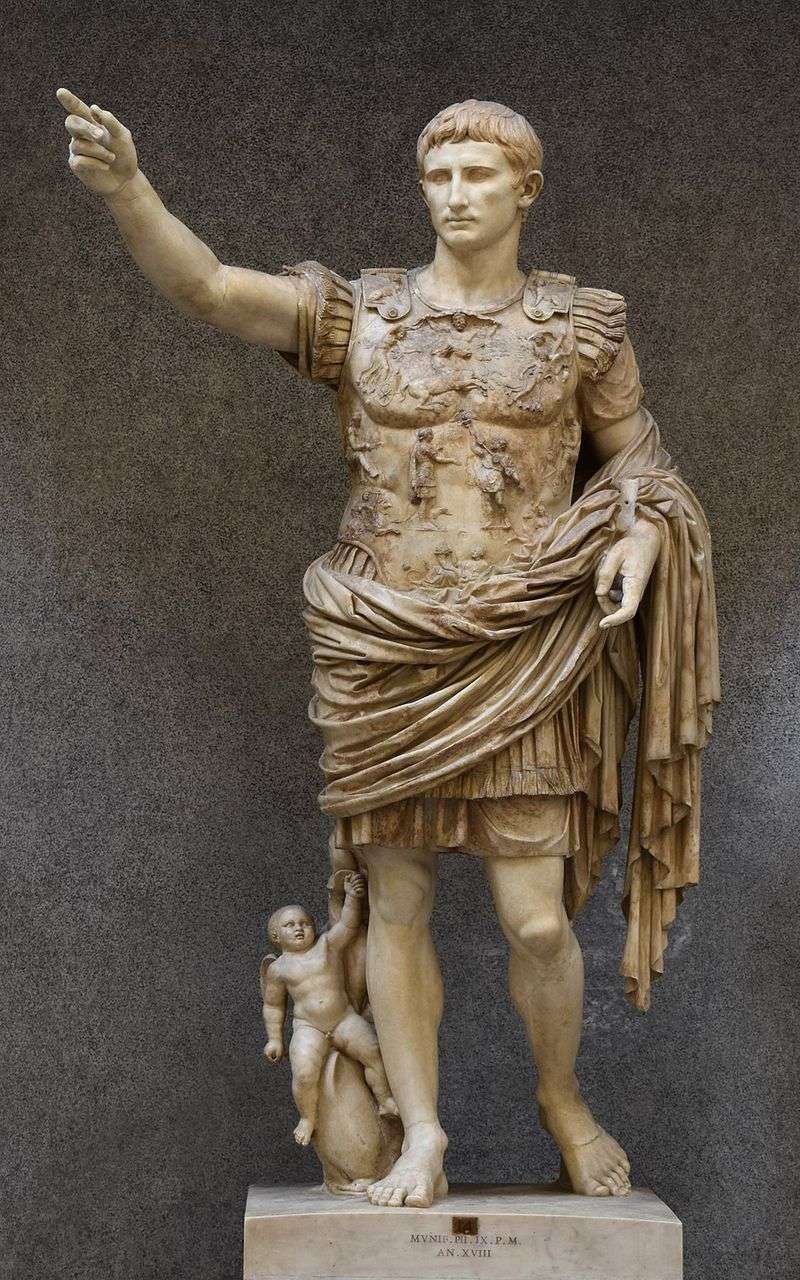
In many corners of the Roman Empire, honoring the emperor as a divine figure was not optional. It was expected.
Across provinces, temples were built in the emperor’s name, and citizens were required to perform ritual offerings to his image as a demonstration of loyalty to Rome.
The practice started more formally after Augustus, the first emperor, allowed himself to be worshipped as a god in the eastern provinces while being more cautious about it in Rome itself. After death, emperors were often officially declared divine by the Senate in a ceremony called apotheosis.
Refusing to participate in emperor worship could be seen as an act of political rebellion. Early Christians faced serious persecution partly because they refused to offer sacrifices to the emperor’s image.
The line between religion and politics in Rome was almost nonexistent. Burning a bit of incense before a statue was considered basic citizenship, not just personal belief.
10. Vomitoriums Weren’t What You Think

Ask most people what a vomitorium was and they will describe a room where Romans went to purge their food so they could keep eating at feasts. That story is completely false, and historians have been trying to correct it for decades.
The real vomitorium had nothing to do with vomiting at all.
A vomitorium was actually an architectural feature: a wide passageway or tunnel built into large public venues like the Colosseum and amphitheaters. The name comes from the Latin word “vomere,” meaning to spew forth.
These passageways allowed thousands of spectators to pour in and out of the stadium quickly and efficiently.
The design was so effective that the Colosseum could reportedly empty its 50,000 plus crowd in under 15 minutes. Roman engineers were remarkably skilled at crowd management.
So where did the feast-and-purge myth come from? Likely from exaggerated ancient accounts of Roman excess that got blended together and repeated until people accepted them as fact.
Share this story