Even the greatest musicians in history have released songs that made fans pause and wonder, “What were they thinking?” From bizarre sound experiments to awkward lyrical choices, these missteps remind us that even legends have off days. Some of these tracks were bold creative swings that simply missed the mark, while others seemed to misread the room entirely.
Here are ten songs from beloved artists that fans still find hard to listen to without cringing.
1. The Beatles – ‘Revolution 9’ (1968)
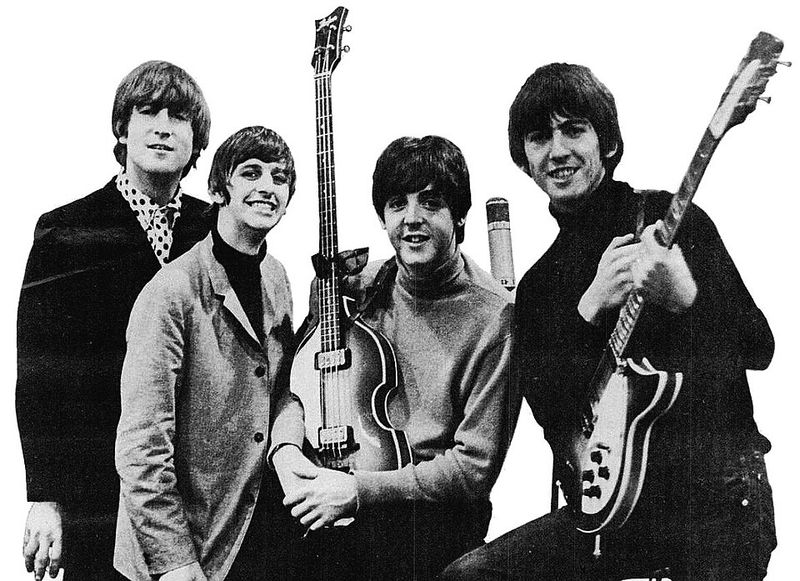
Few things are more disorienting than pressing play on a Beatles track and hearing eight minutes of tape loops, backwards audio, and someone repeating “number nine” over and over. That is exactly what “Revolution 9” delivers, and even devoted fans often skip it without guilt.
The track appeared on the White Album and was largely driven by John Lennon and Yoko Ono as an avant-garde sound collage. It borrowed heavily from experimental composer ideas popular in the late 1960s.
Most listeners agree it feels more like a museum installation than a pop song.
Paul McCartney reportedly had reservations about including it on the album. Even decades later, it remains one of the most polarizing pieces in rock history.
It takes real courage to put something so strange on a mainstream record, but that does not mean it is easy to enjoy.
2. Madonna – ‘American Life’ (2003)
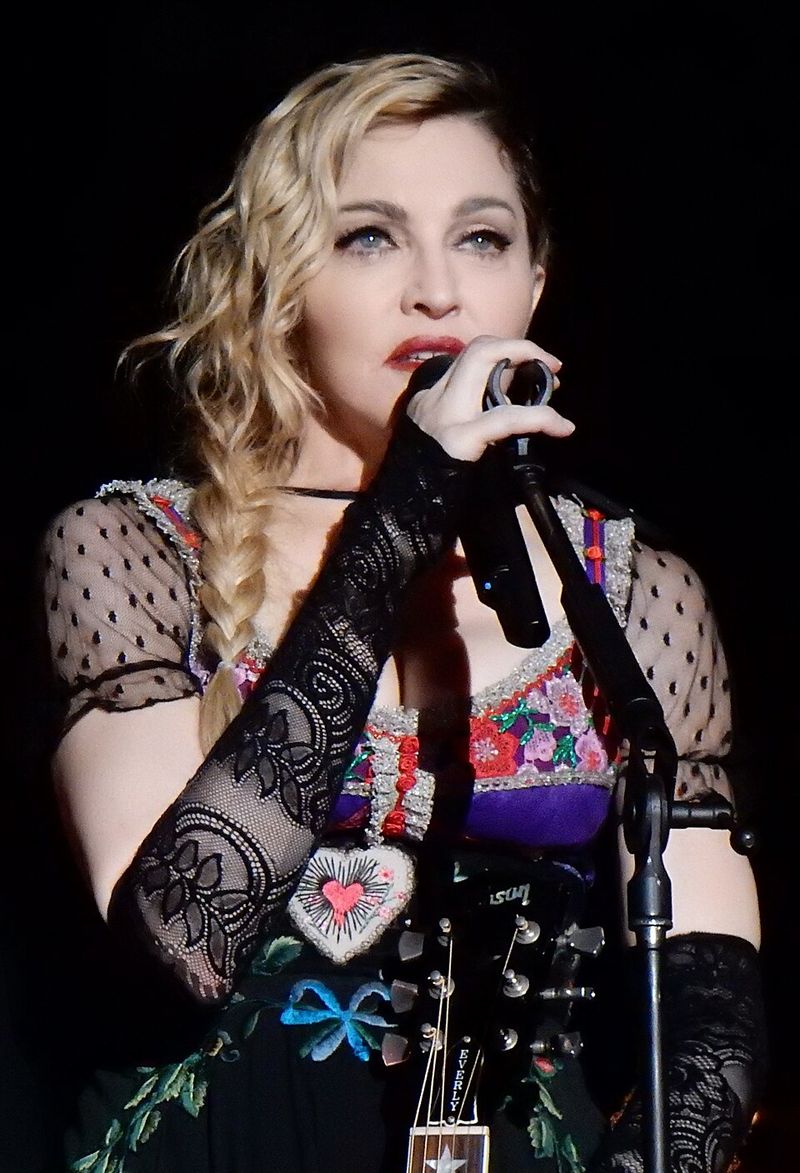
Madonna has never been shy about making bold political statements, but “American Life” arrived at one of the most tense moments in modern history, just as the Iraq War began, and the timing made everything feel off. The song featured a rap verse that critics and fans widely described as stiff and unconvincing.
Lines about Starbucks lattes and yoga classes were meant to satirize celebrity excess, but they came across as tone-deaf rather than sharp. Even the music video was pulled before its official release due to its controversial imagery.
That kind of retreat is rare for an artist known for pushing boundaries.
Madonna has always reinvented herself brilliantly, which makes this stumble stand out even more. The album it came from sold far fewer copies than her previous work.
Sometimes even the most fearless artists misjudge the moment, and this song is a textbook example of that.
3. Paul McCartney – ‘Temporary Secretary’ (1980)
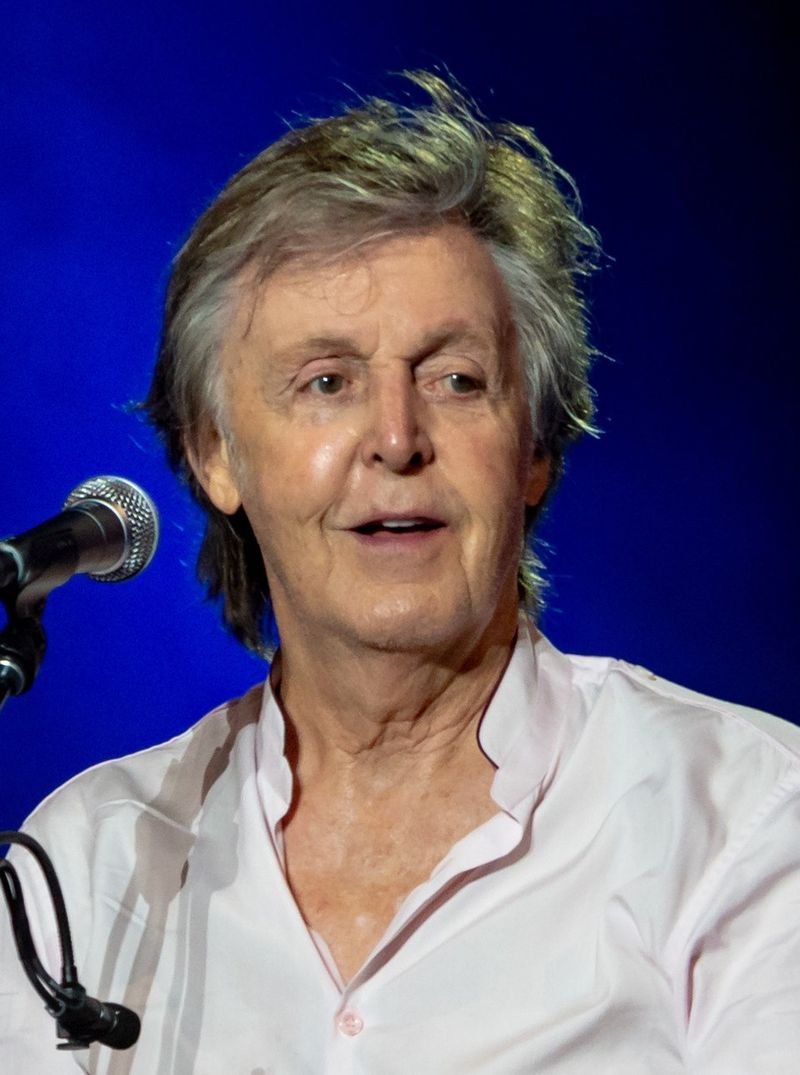
Coming from one of the most celebrated songwriters in music history, “Temporary Secretary” is a genuinely strange listen. The track features a robotic, stuttering synth pattern and lyrics about hiring office help that feel more like a quirky joke than a serious musical effort.
Released on the album McCartney II, the song was McCartney experimenting solo with synthesizers during a period when electronic music was just beginning to break into the mainstream. The result was polarizing at the time and has only grown more puzzling over the years.
That said, it has quietly developed a cult following among fans of early synth-pop.
Some listeners find a certain charming weirdness in it, while others simply cannot get past its repetitive, mechanical sound. It is a fascinating artifact of an artist stepping well outside his comfort zone.
Whether that experiment worked is still being debated by fans today.
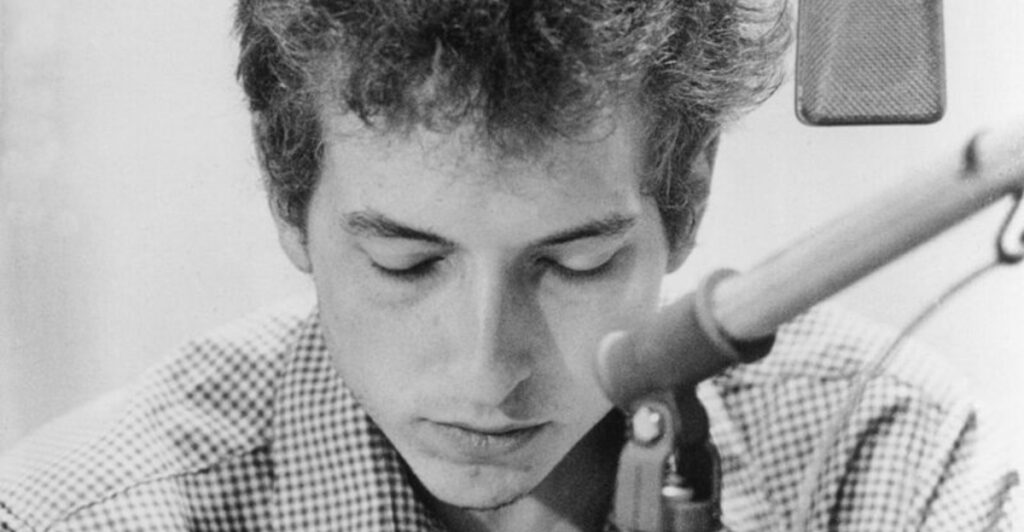
4. Bob Dylan – ‘Wiggle Wiggle’ (1990)
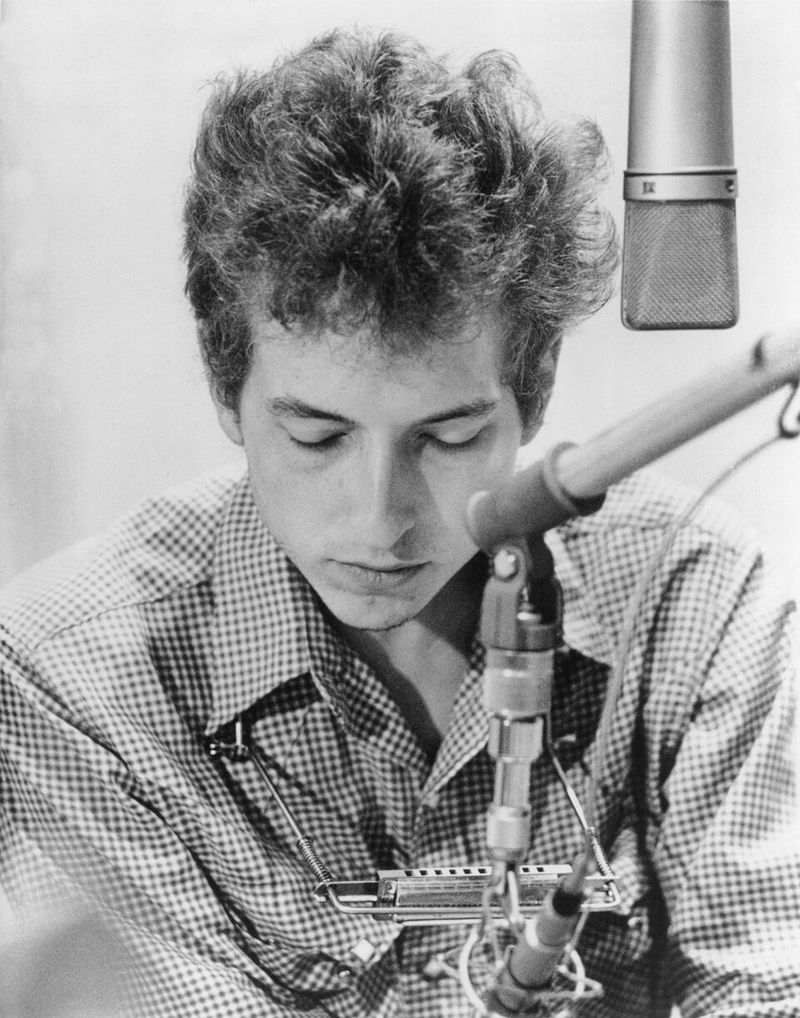
Bob Dylan wrote “Blowin’ in the Wind” and “The Times They Are A-Changin’,” so expectations are naturally sky-high with anything bearing his name. That makes “Wiggle Wiggle,” the opening track from his 1990 album Under the Red Sky, all the more baffling.
The lyrics consist largely of the word “wiggle” repeated in various combinations, including phrases like “wiggle wiggle wiggle in your boots.” For a man celebrated as one of the greatest lyricists of the 20th century, this felt like a dramatic step backward. Critics were not kind, and fans were largely confused.
Dylan has always been unpredictable, which is part of his genius. But unpredictability without payoff can feel frustrating rather than daring.
Under the Red Sky was considered one of his weakest albums overall, and this track did little to help its reputation. Even his most loyal supporters tend to skip past it quickly.
5. Britney Spears – ‘My Baby’ (2008)
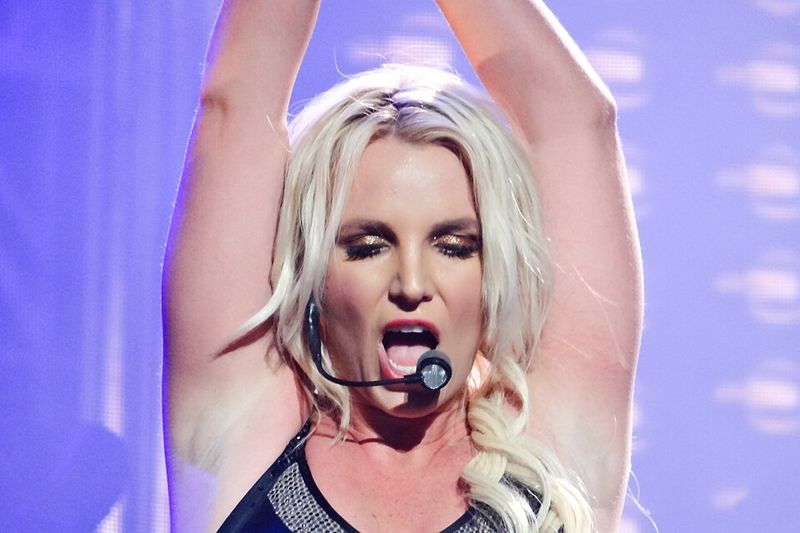
“My Baby” appeared on Britney Spears’ Circus album during one of the most turbulent periods of her personal life, and the song wears that vulnerability openly. Written as a tribute to her two young sons, it carries genuine emotion but crosses into territory that many listeners found uncomfortably saccharine.
The production is soft and lullaby-like, which fits the theme but left fans expecting the high-energy pop they loved Britney for feeling a bit let down. Some critics described it as more of a private diary entry than a radio-ready track.
Its inclusion on a mainstream pop album felt jarring next to the album’s more polished offerings.
Nobody questions the sincerity behind the song. Writing about your children is deeply personal, and that rawness comes through clearly.
Still, the execution did not quite land for most listeners, making it one of those tracks that fans acknowledge with sympathy rather than enthusiasm or repeat plays.
6. Eminem – ‘Fack’ (2005)

Eminem built his reputation on sharp wordplay, storytelling, and an ability to blend humor with genuine emotional depth. “Fack,” released as a bonus track on his Curtain Call greatest hits album, leans entirely into crude shock humor with almost no redeeming artistic value by his own high standards.
Even by Eminem’s deliberately provocative style, the song goes further than most fans were comfortable with. The lyrics are explicit to the point of being more exhausting than entertaining, and the shock factor wears off almost immediately.
It feels like a dare rather than a song.
Eminem himself has acknowledged making tracks purely for the reaction, and this one certainly got a reaction. But fans who know what he is truly capable of tend to view it as a low point in an otherwise impressive catalog.
It is the kind of track that gets mentioned mostly as an example of what not to do, even when you are talented.
7. Michael Jackson – ‘Privacy’ (2001)
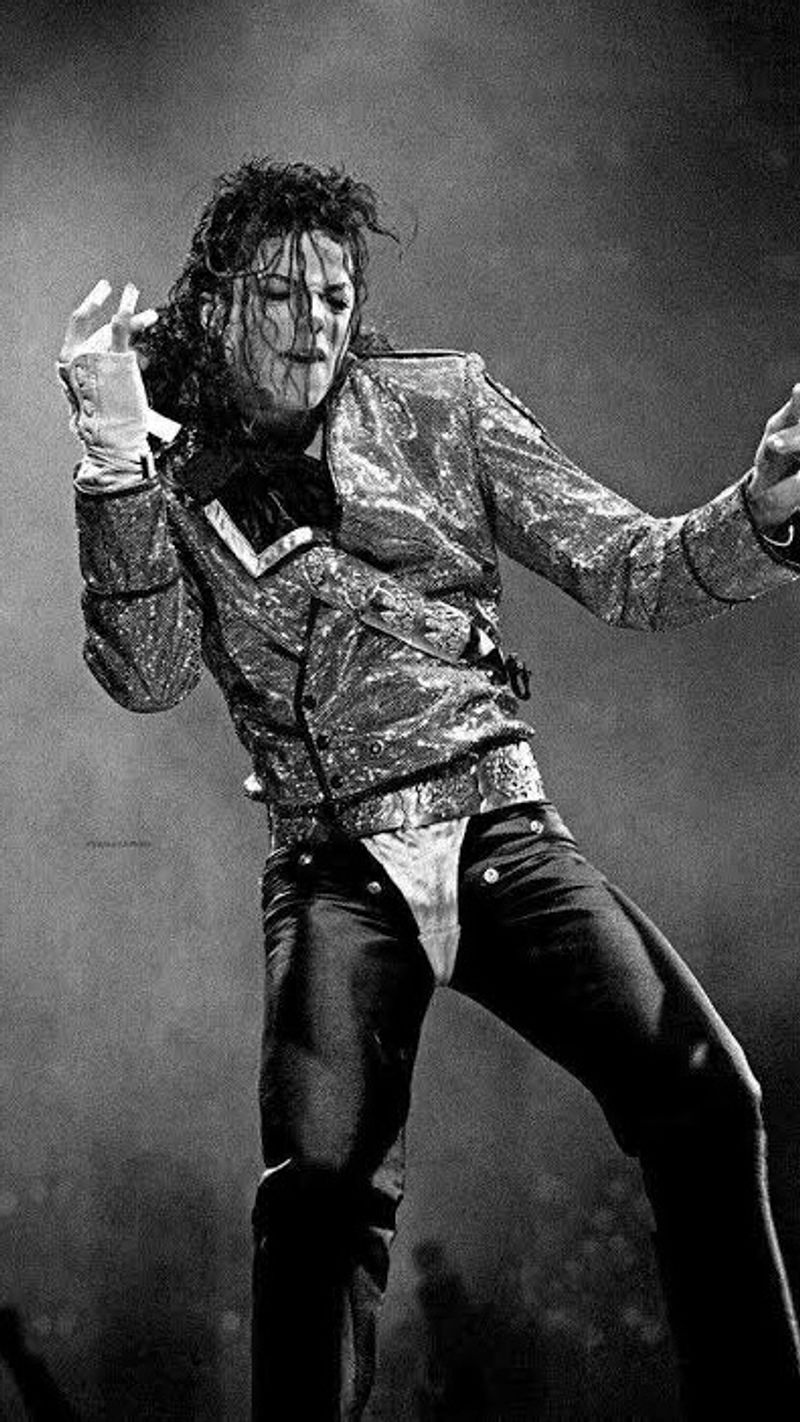
Michael Jackson was no stranger to addressing his critics through music, but “Privacy” from his Invincible album felt more like a frustrated outburst than a carefully crafted artistic statement. The song targets tabloid reporters and paparazzi, which is a relatable subject, but the execution lacks the elegance fans expected from him.
Lines like “why can’t you just leave me alone” are repeated so frequently that the track starts to feel more like a complaint than a song. Jackson had tackled media pressure far more effectively on earlier tracks, making this feel like a step back.
The production is decent, but it cannot rescue the repetitive and heavy-handed messaging.
Jackson was dealing with enormous personal and legal pressures at the time, which gives the song some context. Still, listeners hoping for the nuanced storytelling of his earlier work were left wanting more.
It remains one of the more forgettable entries in his otherwise landmark discography.
8. Kanye West – ‘Lift Yourself’ (2018)

Kanye West is known for keeping listeners on their toes, but “Lift Yourself” took that unpredictability to a genuinely baffling place. The track opens with a soulful, gospel-influenced sample that sounds like the setup for something powerful and meaningful, building real anticipation in the listener.
Then the rap verse arrives, and it consists almost entirely of nonsense syllables, most famously the phrase “poopity scoop.” Fans and critics were left genuinely unsure whether it was satire, a prank, or simply an unfinished idea released too soon. Even for an artist who thrives on subverting expectations, this felt more confusing than clever.
Some defenders argued it was a commentary on meaningless rap lyrics, while others felt it was simply an unpolished idea that escaped the studio. Either way, the contrast between its promising intro and its bewildering conclusion made it a widely discussed and widely winced-at moment in his career.
9. Lou Reed and Metallica – ‘The View’ (2011)
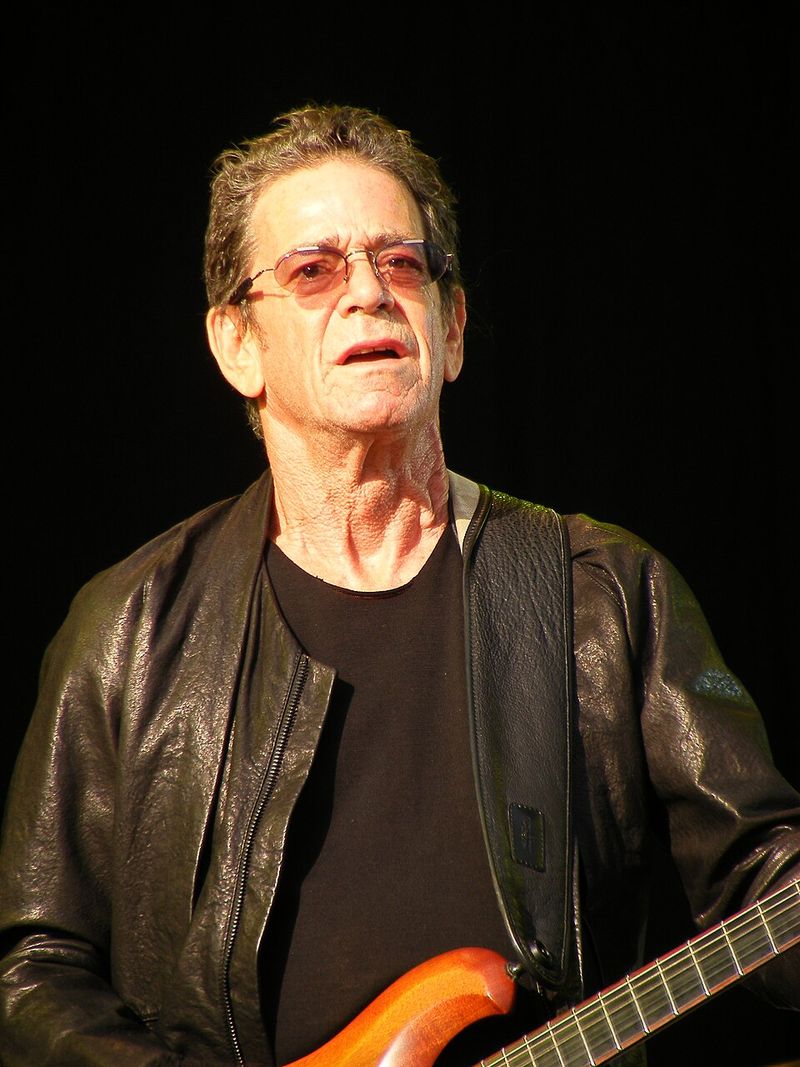
When Lou Reed and Metallica announced they were making an album together, curiosity was high. These were two legendary acts from completely different musical worlds, and the collision had potential.
Then “The View” arrived as the lead single from Luster, and that curiosity quickly turned to discomfort for many listeners.
Lou Reed’s spoken-word delivery clashes with Metallica’s heavy riffing in a way that feels less like fusion and more like two separate songs playing at the same time. His vocal performance drew particular criticism, with many describing it as tuneless and awkward against the band’s powerful instrumentation.
The chemistry simply was not there.
Luster became one of the most critically panned albums of 2011, and “The View” was frequently cited as one of its weakest moments. Both acts had impressive catalogs, which made the disappointment sting more.
Collaboration requires more than combining two big names, and this track demonstrated that lesson vividly.
10. Justin Bieber – ‘Yummy’ (2020)

Justin Bieber kicked off 2020 with “Yummy,” his first solo release in years, and fans were genuinely excited for new music. The anticipation made the final product feel even more underwhelming when the song arrived with lyrics that repeated the word “yummy” more times than seemed necessary for any artistic purpose.
Critics pointed out that the song felt like a placeholder rather than a true comeback statement. The production is polished but safe, and the lyrics offer almost nothing to hold onto beyond their most basic hook.
For an artist who had shown real vocal growth and emotional depth in earlier work, this felt like a missed opportunity.
The song did perform reasonably well commercially, which only deepened the frustration for fans hoping for something more substantial. Bieber has proven he can deliver genuine emotion in his music, making “Yummy” one of those songs that highlights the gap between an artist’s potential and what actually gets released.
Share this story