Most festivals promise music, parades, and regional food, but some communities took a very different route and never looked back. Across Europe, Asia, and the Americas, local traditions have produced events that mix religion, satire, tourism, civic pride, and pure competitive absurdity in ways no travel brochure could soften.
A few began centuries ago, others were modern publicity ideas that somehow became annual institutions, and nearly all of them reveal how inventive public ritual can be when history and local identity collide. Keep reading and you will find ceremonies built around produce, costumes, mud, radishes, monkeys, and one very famous invisible instrument, each with a backstory that is stranger and more interesting than the headline version.
1. La Tomatina (Spain)
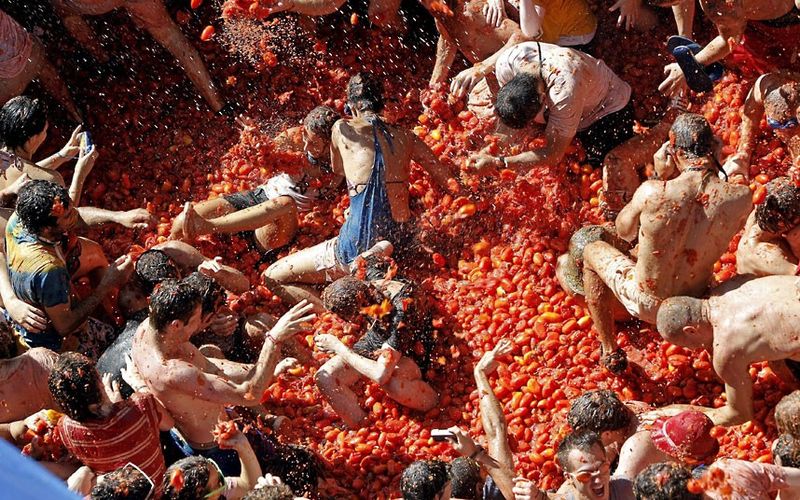
One town in Spain turned overripe produce into a global spectator sport. La Tomatina takes over Buñol each August, when thousands pack the streets for an hour-long tomato battle that began after a mid-1940s street scuffle during a local parade.
The modern event is tightly organized, which feels funny once the tomatoes start flying. Trucks deliver tons of soft tomatoes, participants are told to squash them before throwing, and the festival now requires tickets because international attention transformed a local oddity into a carefully managed attraction.
What keeps it fascinating is not just the mess, but the civic choreography behind it. Shops protect storefronts, hoses clean the streets afterward, and the town treats chaos like a scheduled municipal service, proving that even total tomato mayhem can run on a timetable in modern Spain.
2. Baby Jumping Festival – El Colacho (Spain)
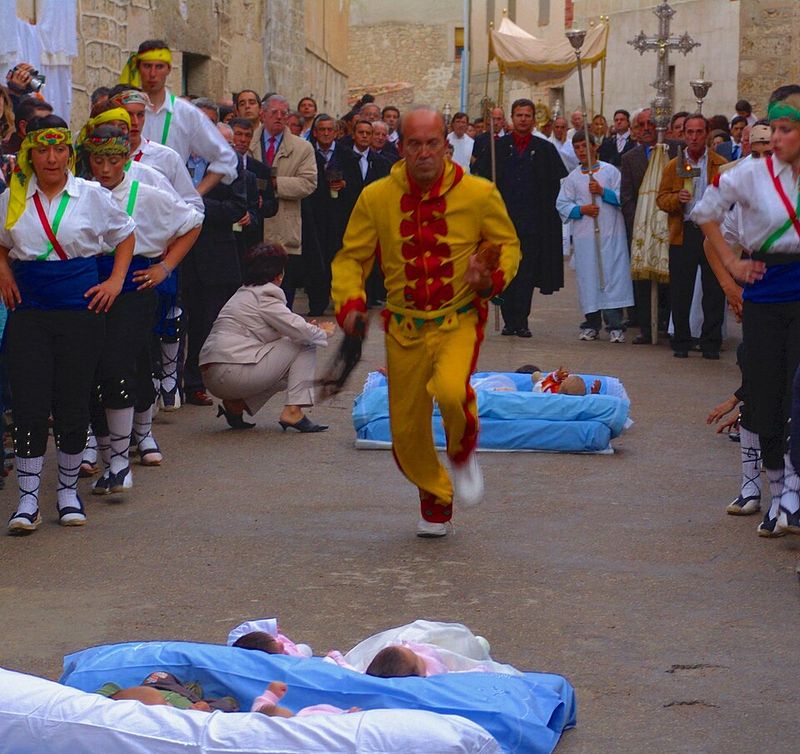
If your idea of a family festival needs fewer devils and more common sense, El Colacho will test your limits. Held in Castrillo de Murcia since the 1600s, this Corpus Christi tradition features men in striking costumes who leap over babies placed on mattresses in the street.
The ritual is linked to beliefs about blessing infants and symbolically clearing away misfortune, though the Catholic Church has kept its distance from any claim about doctrine. Locals see it as heritage, not stunt programming, and the event remains tied to brotherhood traditions that shape the town’s annual religious calendar.
What makes it unforgettable is the collision between solemn custom and visual disbelief. Photographs travel fast because the scene looks impossible, yet residents treat it with routine seriousness, which may be the strangest detail of all in an age that usually turns everything unusual into performance.
3. Cheese Rolling Festival (England)
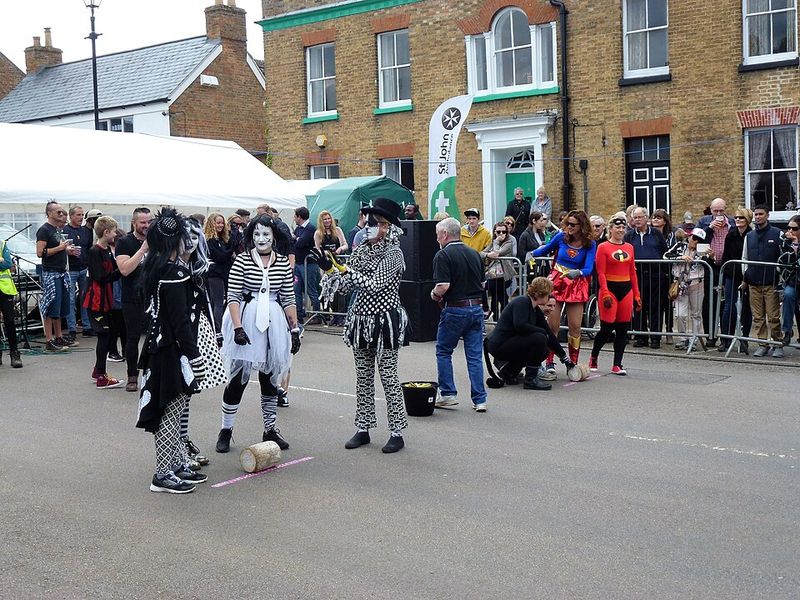
Common sense usually taps out long before the first wheel starts rolling. The Cheese Rolling Festival at Cooper’s Hill in Gloucestershire sends competitors racing after a round of Double Gloucester down a slope so steep that staying upright is more theory than plan.
References to the tradition go back at least to the early nineteenth century, and it may connect to older seasonal customs tied to land rights or spring celebrations. Official support has changed over time because of crowd size and safety concerns, yet the race continues through local determination and international curiosity.
The prize is wonderfully modest, which only makes the commitment seem more sincere. People travel from around the world for a chance at cheese, bragging rights, and a downhill lesson in gravity, proving that England can turn a hillside and dairy product into one of its most recognizable public spectacles.
4. Kanamara Matsuri (Japan)
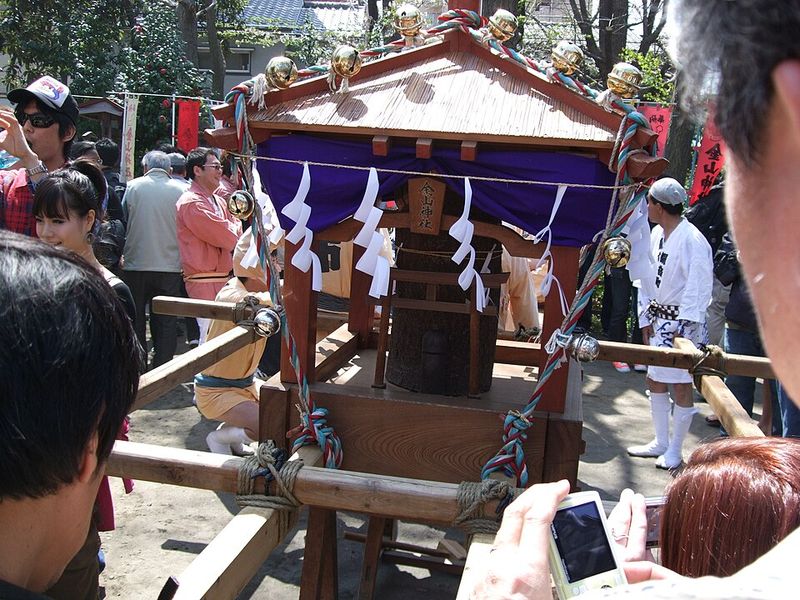
Few festivals make people do a double take as quickly as Kanamara Matsuri. Held at Kanayama Shrine in Kawasaki, this spring event centers on fertility symbols, protective folklore, and a history that blends local religion, commerce, and modern fundraising.
Its nickname, the Festival of the Steel Phallus, tends to grab headlines first, but the deeper story is older and more layered. The shrine has associations with protection in childbirth, marital well-being, and health, while the festival today also raises money for HIV awareness and community initiatives.
What surprises many visitors is how cheerful and civic the atmosphere feels once the initial shock passes. Souvenirs, candies, and parade objects may be boldly themed, yet the event is less about provocation than continuity, showing how Japan can preserve unusual symbolism without stripping it of social purpose or cultural context.
5. Monkey Buffet Festival (Thailand)
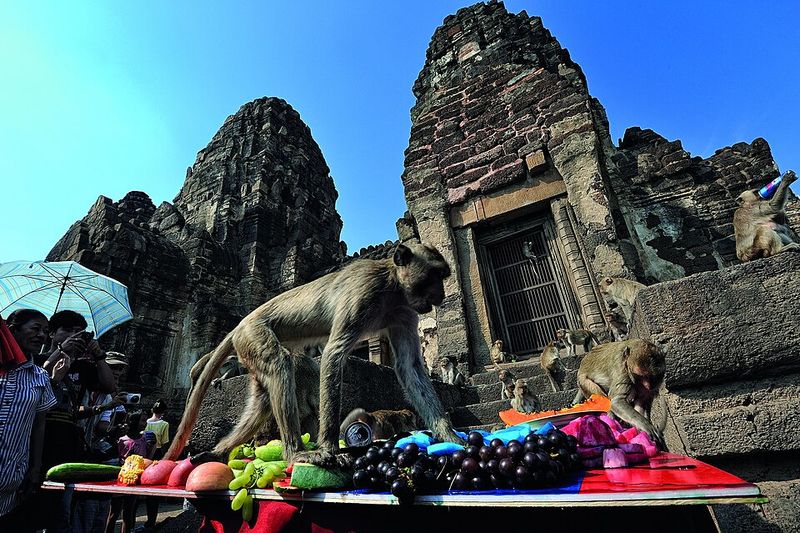
Some banquets are planned for diplomats, and some are planned for monkeys. In Lopburi, Thailand, the Monkey Buffet Festival lays out huge arrangements of fruit and vegetables for local macaques, turning animal opportunism into a tourism event with a remarkably straight face.
The festival took shape in the late twentieth century as a publicity idea tied to Lopburi’s monkey population and its Khmer-era temple setting at Phra Prang Sam Yot. Organizers promote the monkeys as symbols of local identity and economic draw, which is a polite way of saying the town learned to market a very bold resident species.
The result is part civic celebration, part wildlife negotiation, and part lesson in how tourism can reshape local customs. Visitors arrive expecting a cute feeding session and quickly realize the monkeys run the room, the tables, and probably the entire schedule once the first tray appears.
6. Boryeong Mud Festival (South Korea)
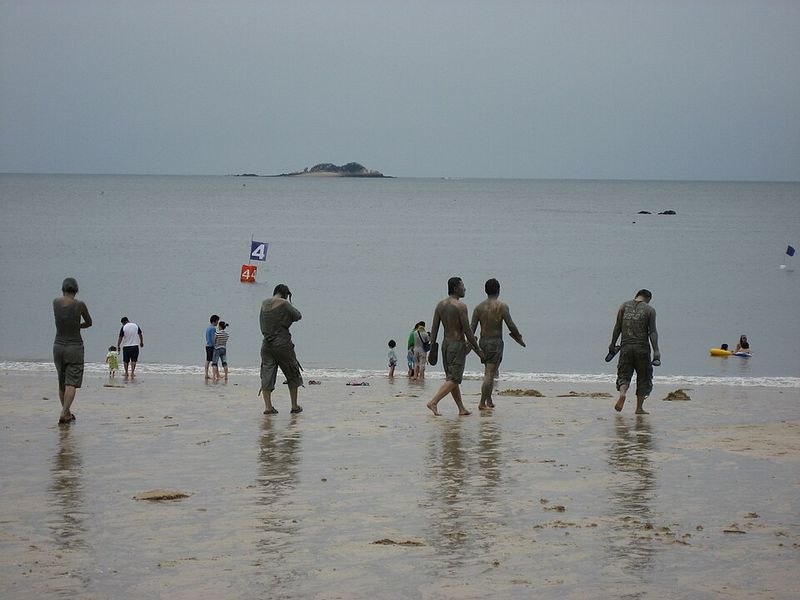
Leave it to modern marketing to turn skincare ingredients into a citywide mud riot. The Boryeong Mud Festival began in 1998 to promote cosmetics made from local mud, and it quickly grew into one of South Korea’s most recognizable summer events.
Held near Daecheon Beach, the festival offers mud pools, slides, wrestling areas, body painting, and activity zones that attract both locals and international travelers. What started as a promotional campaign became a tourism powerhouse, helped by South Korea’s broader global profile in entertainment, beauty products, and highly organized event planning.
The clever part is how openly commercial its origins are, yet people embrace it anyway. There is no ancient legend doing the heavy lifting here, just a town that looked at mineral-rich mud and saw civic branding potential, then proved that a clever idea can become tradition faster than expected.
7. Up Helly Aa (Scotland)
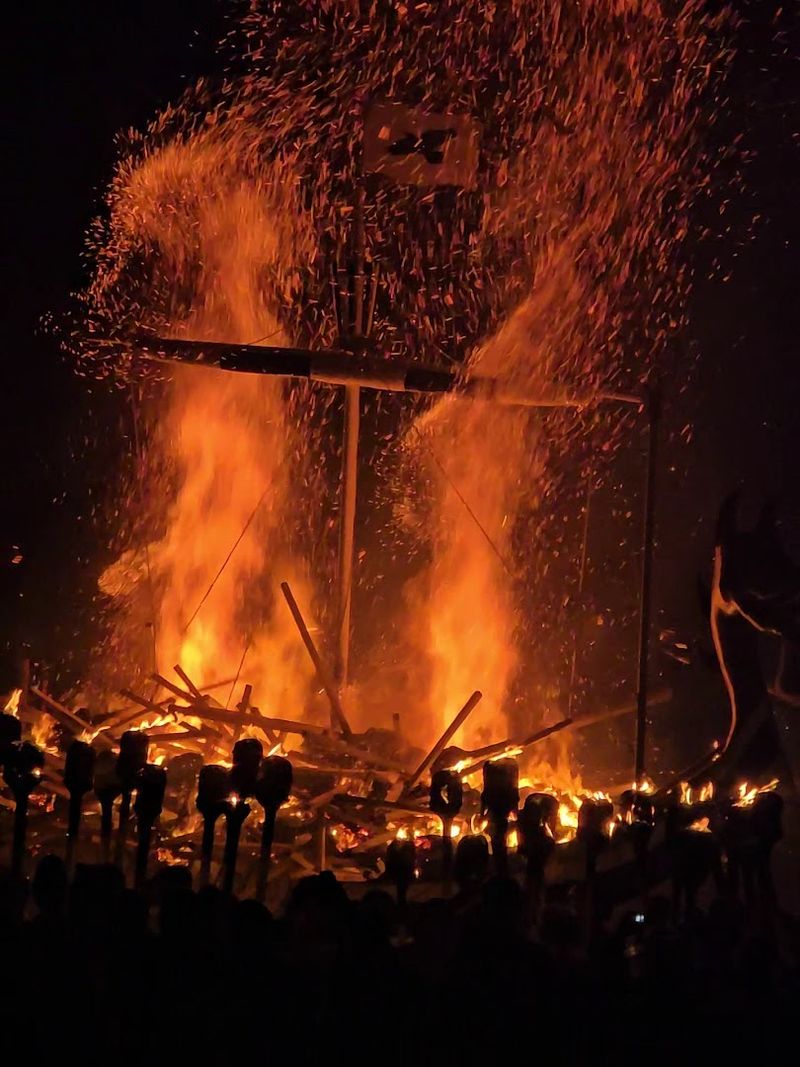
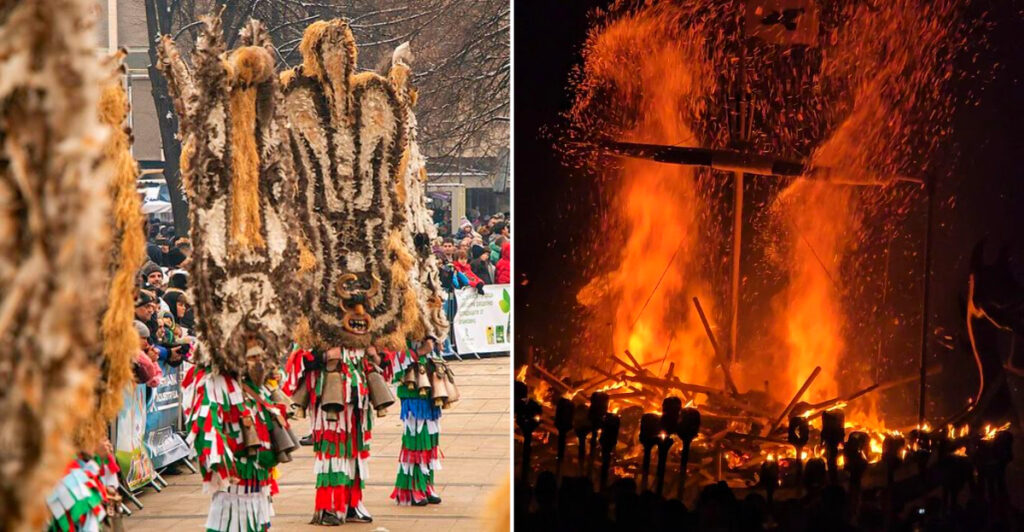
Nothing says winter community spirit quite like hundreds of people dressed as Vikings. Up Helly Aa, held in Lerwick in Scotland’s Shetland Islands, is a torchlit festival that concludes with the ceremonial burning of a Viking-style galley.
The event took shape in the nineteenth century, evolving from rougher holiday gatherings into a more structured civic celebration. Over time, organizers linked it to Shetland’s Norse heritage, and the modern festival now combines historical pageantry, neighborhood squads, elaborate costumes, songs, and months of volunteer planning.
Its power comes from discipline rather than chaos. Participants rehearse, roles are formalized, and the Guizer Jarl and accompanying squads move through the town with a level of organization that makes the final ship burning feel less like improvised drama and more like a carefully maintained annual statement of local identity.
8. Night of the Radishes (Mexico)
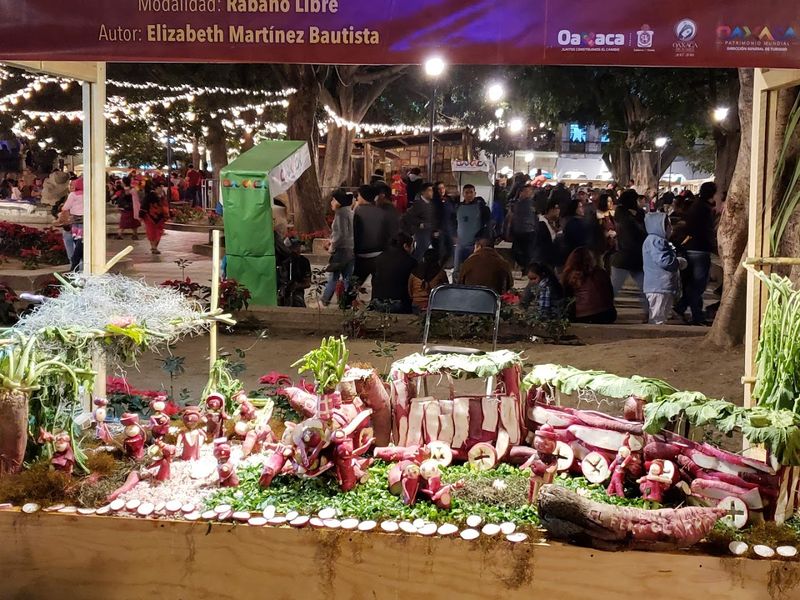
Only Oaxaca could make root vegetables feel like a serious art deadline. Night of the Radishes, or Noche de Rábanos, takes place each December 23 and features elaborate scenes carved from oversized radishes grown specifically for the event.
The tradition dates to the nineteenth century, when market vendors carved radishes to attract Christmas shoppers. City authorities later formalized it into a competition, and today artisans create detailed religious scenes, local dances, animals, and folk imagery under strict time limits because radishes wilt fast and do not negotiate.
That temporary quality is part of the appeal. Visitors gather not to see permanent masterpieces but to watch craftsmanship meet perishability in real time, which gives the festival a built-in deadline and a distinctly Oaxacan mix of market culture, public art, and holiday timing that no museum could fully reproduce.
9. Hadaka Matsuri (Japan)
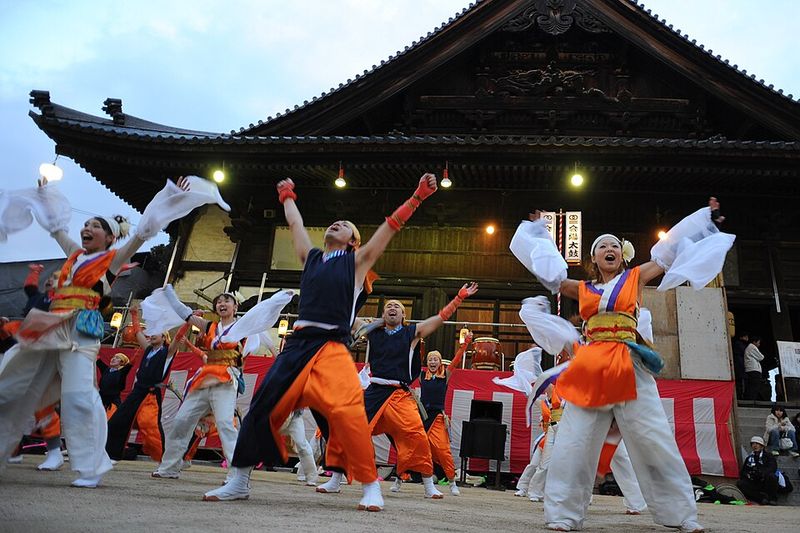
Modesty takes a scheduled holiday during Hadaka Matsuri. These Japanese festivals, held in several regions with local variations, are famous for crowds of men wearing fundoshi and competing in intense temple rituals centered on purification, endurance, and good fortune.
One of the best-known versions takes place at Saidaiji Kannon-in in Okayama, where participants scramble for sacred items tossed by priests. The custom has roots stretching back centuries, and despite international headlines focusing on near-nudity, the event is grounded in religious practice, communal identity, and the disciplined structure of temple observance.
What catches outsiders off guard is how little the participants treat it as novelty. The atmosphere is serious, preparation matters, and the rite reflects long-standing ideas about purification and luck rather than performance for tourists, even if modern media has ensured that the most visually startling images now travel far beyond the temple grounds.
10. Battle of the Oranges (Italy)
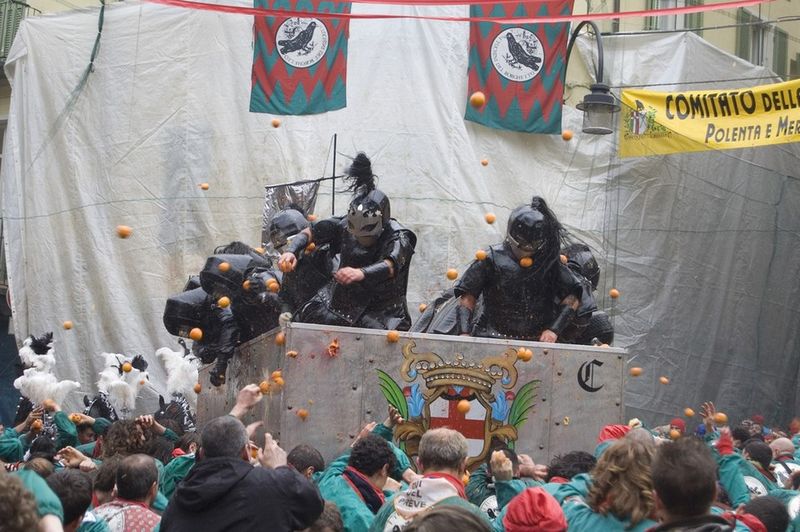
Ivrea found a way to make citrus fruit look politically symbolic and physically demanding. The Battle of the Oranges takes place during Carnival in northern Italy, where teams on foot throw oranges at riders in carts as part of a highly ritualized civic reenactment.
The event is commonly linked to a local legend about resistance against a tyrannical ruler, though the tradition developed over centuries and took its modern form in the nineteenth and twentieth centuries. Teams wear distinct uniforms, neighborhoods take sides, and the oranges themselves became the chosen projectile after older Carnival customs involving beans and other items changed over time.
What gives the battle staying power is its combination of pageantry and structure. This is not random fruit chaos but a regulated town event with rules, roles, and historical storytelling, which somehow makes thousands of flying oranges seem almost administrative once you understand how Ivrea organizes the spectacle.
11. The Air Guitar World Championships (Finland)
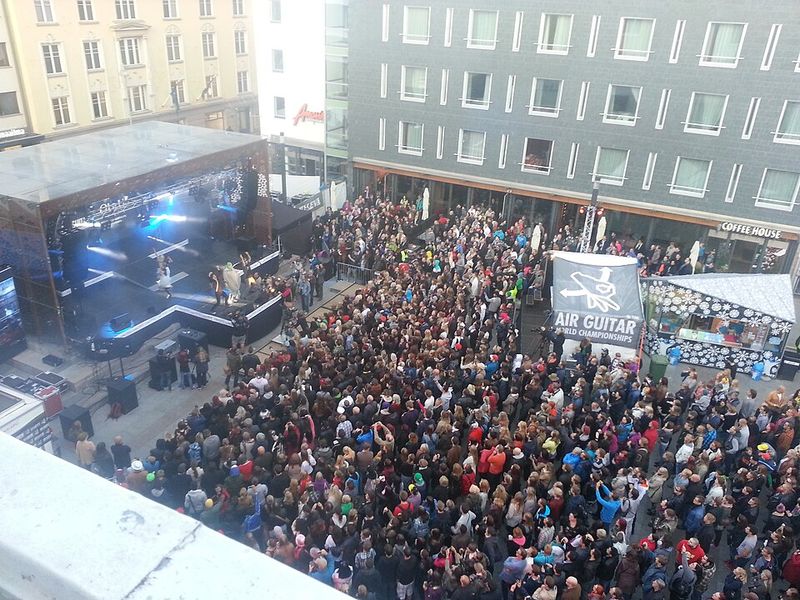
There is something deeply respectable about a competition built entirely on pretending. The Air Guitar World Championships in Oulu, Finland, began in the 1990s and turned invisible instruments into a real international contest judged on technique, stage presence, and artistic commitment.
Competitors perform short routines as if their imaginary guitars possess both weight and destiny. The event grew alongside broader late twentieth-century performance culture, where irony, sincerity, and pop music fandom increasingly overlapped, allowing contestants to be funny and skilled at the same time without needing to choose one lane.
The official slogan, often framed around the idea that air guitar promotes peace, gives the contest an extra layer of cheerful absurdity. Yet the championships endure because they reward something audiences instantly recognize: total dedication to a ridiculous premise, executed with enough discipline that the joke becomes, somehow, genuinely impressive.
12. Kukeri Festival (Bulgaria)
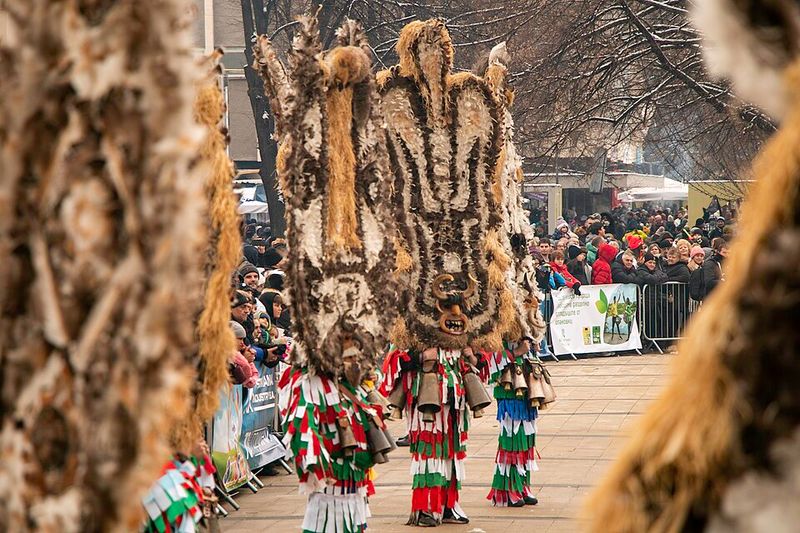
Ancient ritual rarely arrives wearing subtle accessories, and Kukeri proves the point immediately. Across parts of Bulgaria, men and sometimes boys don towering masks, decorated costumes, and large bells to perform winter and early spring processions intended to chase away evil and invite prosperity.
The custom has deep roots in pre-Christian seasonal ritual, though it later blended with local Christian calendars and village traditions. Different regions maintain distinct costume styles and performance patterns, and festivals such as the Surva celebration in Pernik helped bring Kukeri traditions to wider public attention in the modern era.
What makes Kukeri so striking is the way old symbolism survives through highly specific craft. Masks are handmade, bells are central to the costume’s impact, and each procession reflects community memory rather than generic folklore branding, giving Bulgaria one of Europe’s most visually unusual examples of ritual continuity still practiced in public today.
Share this story