By the 1960s, the drive-in was more than a place to grab dinner – it was a rolling stage for teenage freedom, family routines, and fast food habits that were changing across America. Carhops, paper trays, curb service speakers, and expanding highway culture helped turn ordinary menu items into summer icons with real staying power.
What ended up on those trays tells you a lot about postwar convenience, regional taste, and the rise of casual dining. Keep reading, and you will get a lively tour through the foods that made a parked car feel like the center of the season.
1. Double cheeseburger with lettuce and tomato
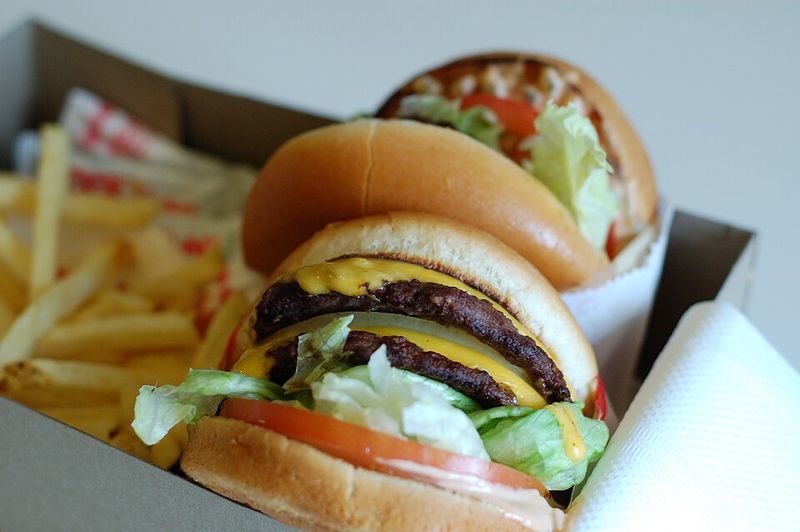
Nothing said you had arrived quite like a double cheeseburger balanced on a window tray. In the 1960s, this order captured the drive-in formula perfectly: bigger than a diner burger, easy to eat in a car, and built for speed.
Two beef patties, American cheese, iceberg lettuce, tomato, and a soft bun reflected the era’s love of standardized ingredients and dependable assembly. As chains expanded and independent drive-ins competed for repeat customers, the double cheeseburger became a benchmark item, often advertised on roadside signs with prices low enough to attract teenagers with limited cash.
It also fit the social rhythm of summer. You could order one between swimming, cruising, or a movie, and it felt substantial without slowing down the evening.
Long before gourmet burger culture arrived, this was the practical classic, part meal and part status symbol, proving that extra cheese and a second patty were already speaking fluent American ambition.
2. Patty melt
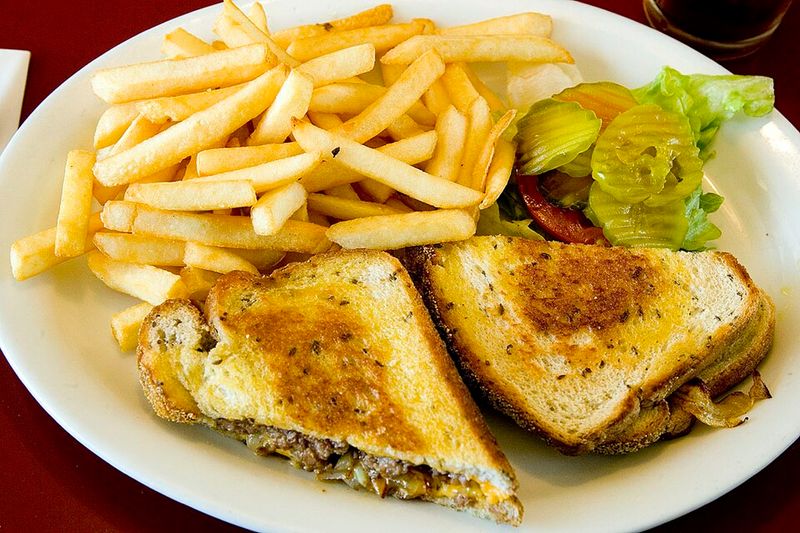
The patty melt walked into summer wearing diner clothes and somehow fit the drive-in perfectly. Part burger and part grilled sandwich, it offered a slightly more grown-up order for customers who wanted something richer than the standard bun-based routine.
Its structure was simple but effective: a beef patty, plenty of grilled onions, and melted cheese pressed between slices of rye. That combination connected drive-ins to older luncheonette traditions, showing how menus often borrowed from diner counters while adapting dishes for curb service and fast turnover.
By the 1960s, rye bread and buttery griddled sandwiches still signaled a certain midcentury practicality. The patty melt held appeal for date nights, family stops, and anyone who liked a burger with more character and less ketchup-centered predictability.
It never had the universal fame of the cheeseburger, but it had loyal fans, and that loyalty matters. Summer menus are remembered not only for spectacle, but for the item regulars quietly ordered every single week.
3. Club sandwich from a drive-in diner
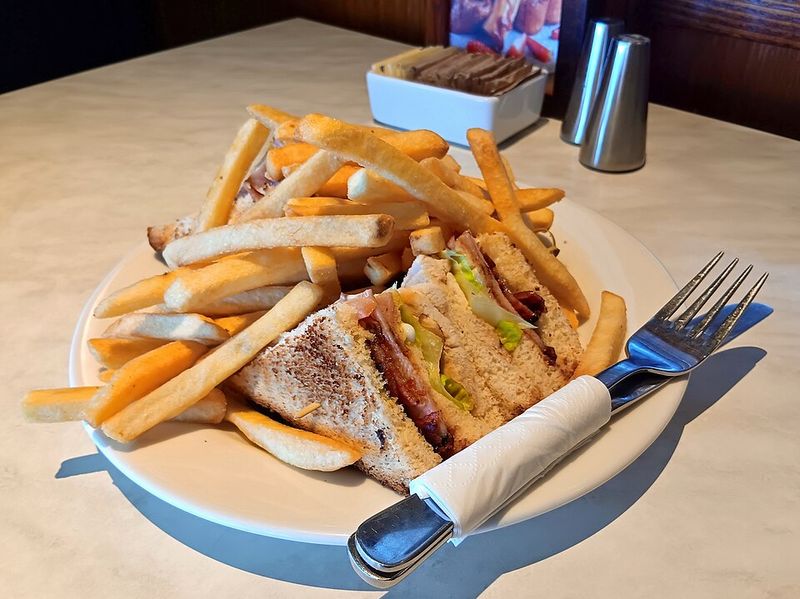
Three layers of toast made this feel a little formal, even when it arrived on a paper plate at your car door. The club sandwich gave drive-ins a bridge between soda fountain tradition and the faster, more youth-focused food culture of the 1960s.
Usually stacked with sliced turkey or chicken, bacon, lettuce, and tomato, it looked substantial without requiring kitchen gymnastics. Many drive-in diners kept clubs on the menu because they appealed to adults as much as teenagers, and they fit the broad midcentury preference for recognizable ingredients arranged in efficient, slightly oversized portions.
There was also a practical reason for its popularity. The sandwich could be cut into triangles, held together with picks, and served quickly with chips or fries, making it useful for busy summer evenings when turnover mattered.
In a landscape filled with burgers and hot dogs, the club suggested variety. It told customers the place could handle lunch, dinner, and a casual family stop without forcing everyone at the table to order the exact same thing.
4. Fried chicken basket
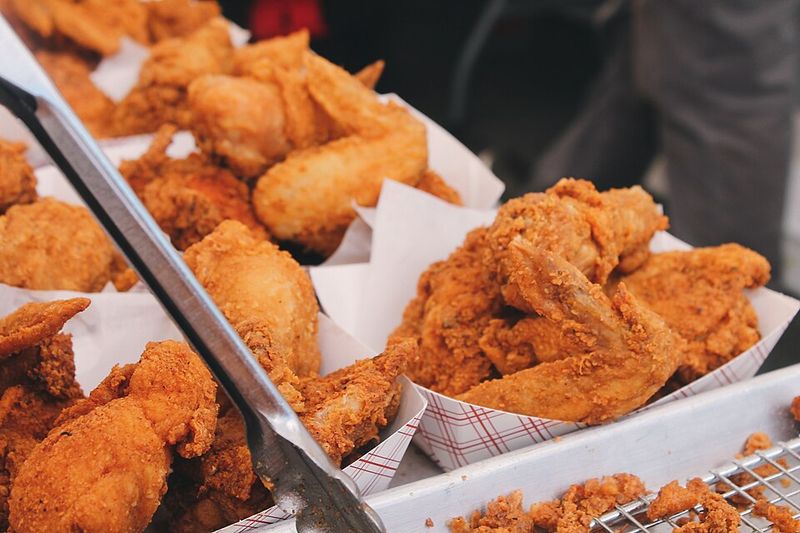
A fried chicken basket meant the drive-in was aiming beyond burgers and into full-meal territory. During the 1960s, many roadside spots expanded menus to attract families, and chicken baskets helped turn a quick stop into a dinner plan.
The usual setup included several pieces of fried chicken with fries, coleslaw, and sometimes a biscuit, all packaged for easy curbside delivery. This format worked because it mirrored the plate lunches and diner specials people already knew, while still fitting the paper-container logic of car service and high-volume summer traffic.
Chicken also carried broad appeal across age groups. Parents could order it for the family, teenagers could split a basket after a movie, and owners liked that it suggested value.
Regional chains and independents both leaned on fried chicken as menus diversified in the postwar years. The basket form kept everything portable and straightforward, which mattered when the meal had to survive a lap, a dashboard, or a picnic table beside the parking lot without causing total summer chaos.
5. Coney Island-style hot dog
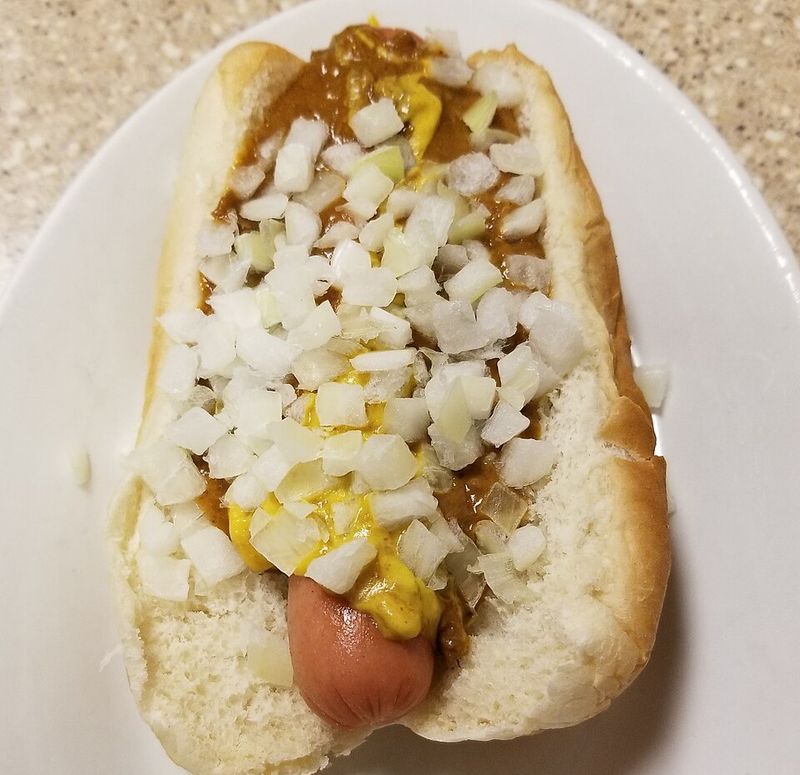
Few summer orders carried more regional pride than a Coney Island-style hot dog. Despite the name, this favorite became especially rooted in Midwestern drive-ins, where chili, onions, and mustard turned a plain frank into a local signature.
By the 1960s, many roadside stands used the Coney as a calling card, with recipes that varied from town to town but followed the same basic structure. The all-beef frank and soft bun kept it familiar, while the meat sauce gave owners a way to claim distinction in a crowded market of burgers, fries, and shakes.
That local identity mattered. Drive-ins often thrived not because they were nationally uniform, but because they gave regulars something to argue about with great confidence.
Which place had the best sauce, the right onion cut, or the better bun was part of the fun. The Coney also fit summer routines well: quick to serve, affordable, and memorable enough to pull families and cruising teens back to the same lot again and again.
6. Corn dog on a stick
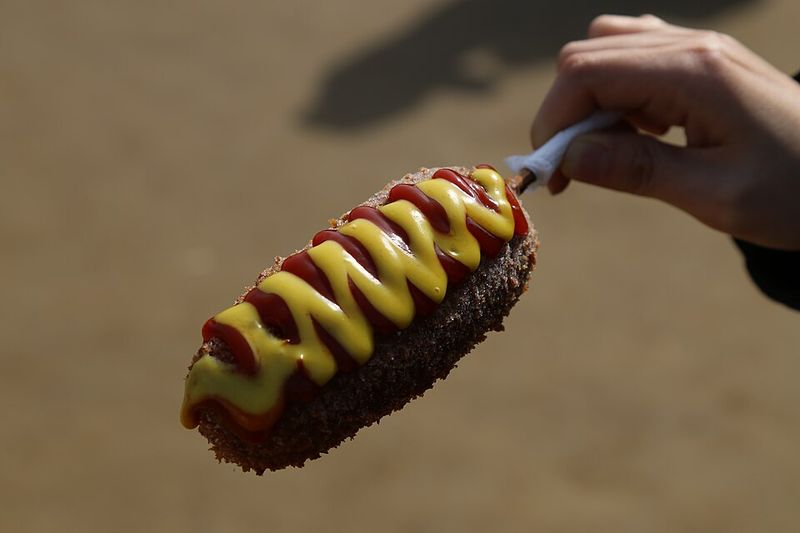
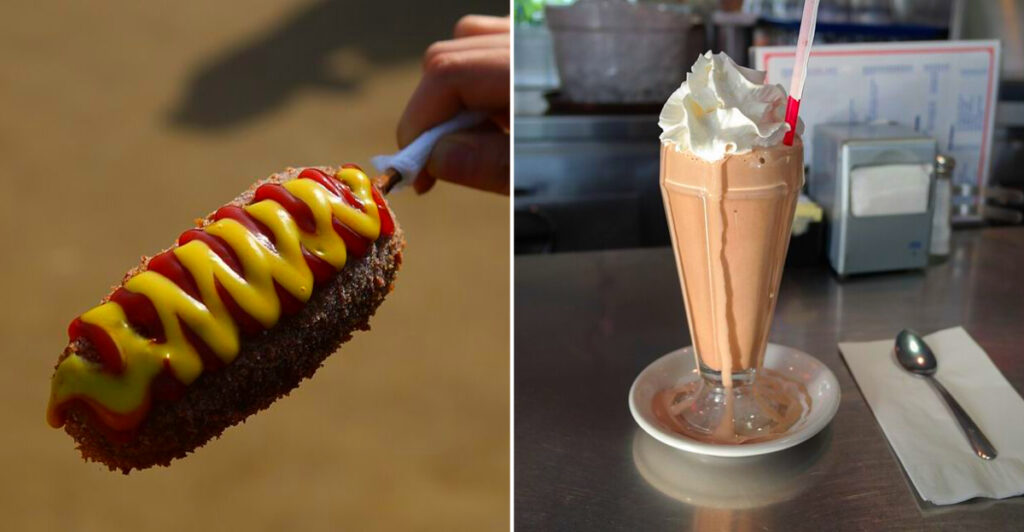
Anything served on a stick had a built-in advantage once cars became dining rooms. The corn dog fit the drive-in moment beautifully because it was portable, inexpensive, and carried a strong fairground association that made summer stops feel a bit more festive.
Its rise connected to the broader popularity of battered and fried novelty foods in postwar America. By the 1960s, drive-ins borrowed heavily from concession culture, and the corn dog offered speed, easy handling, and broad appeal for kids, teens, and adults who wanted a quick bite without juggling wrappers and condiments.
It also matched the era’s confidence in convenience foods. Mass-produced franks, standardized batter mixes, and deep-frying equipment made the item practical for busy operators.
For customers, the appeal was just as straightforward: you could eat it while standing by the car, sitting on the hood, or waiting for the next stop on a summer night. It was not complicated cuisine, and that was exactly the point.
Simplicity, portability, and a little playful presentation carried real power.
7. Chili dog with cheese
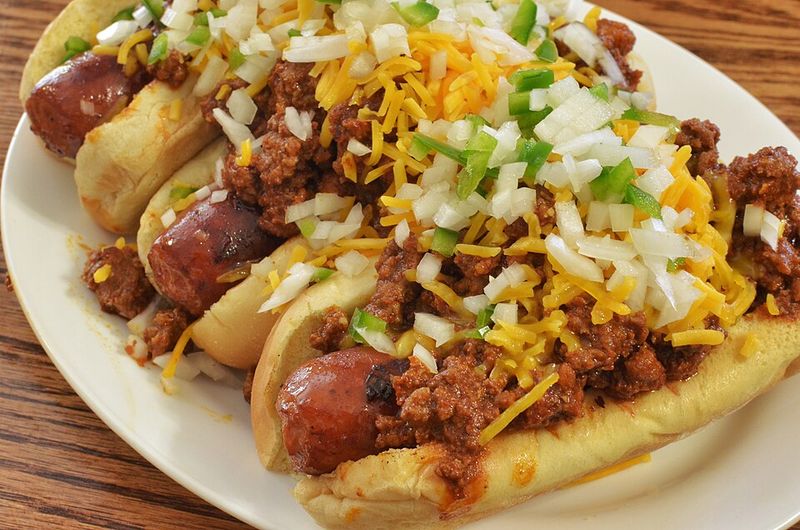
Messy food often becomes memorable food, and the chili dog with cheese proved it. This was the kind of order that required commitment, a few extra napkins, and exactly the sort of confidence that summer drive-ins encouraged.
Built from a split hot dog bun, a frank, red chili, onions, and shredded cheddar, it reflected the growing American taste for loaded toppings during the 1960s. As menus got more competitive, piling on extras helped ordinary items stand out without forcing kitchens to reinvent the wheel or buy expensive new equipment.
The cheese element also marked a shift toward richer fast-food presentations. Processed and shredded cheeses were easy to portion and highly visible in ads, which mattered when roadside signs had to catch attention quickly.
Customers liked the sense of abundance, especially at places that marketed large portions to teens and families on summer outings. The chili dog with cheese was not elegant, but it was effective.
In drive-in culture, practicality and indulgence often shared the same paper tray without any argument at all.
8. French fries with malt-vinegar or ketchup
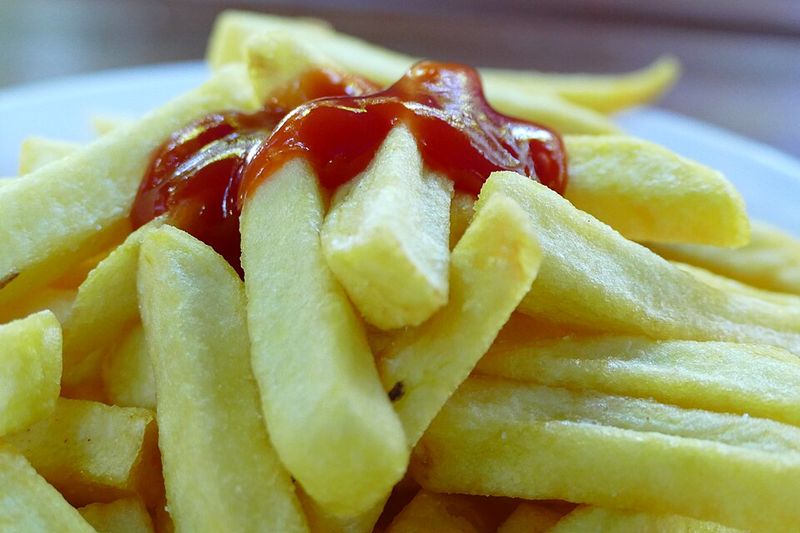
Fries were the supporting actor that kept stealing scenes all summer long. At 1960s drive-ins, they arrived in paper boats, bags, or baskets, ready to complete nearly every order and easy to share across a front seat.
The appeal was partly practical. Potatoes were affordable, fryers handled volume well, and condiments like ketchup or malt vinegar let each region and customer put a slightly different stamp on the same base item.
Some places even pushed them further with gravy, chili, or cheese, showing how flexible fries were as menus expanded.
They also tracked the changing style of fast food. Standardized cuts, frozen supply chains, and improved frying methods made fries more consistent by the decade’s later years, helping chains compete with local spots that had long depended on loyal regulars.
Whether ordered beside a burger, hot dog, or chicken basket, fries gave drive-ins their essential sidekick. They were cheap enough for teenagers, familiar enough for parents, and adaptable enough for owners.
That combination is why they never looked like an extra, even when technically they were.
9. Onion rings
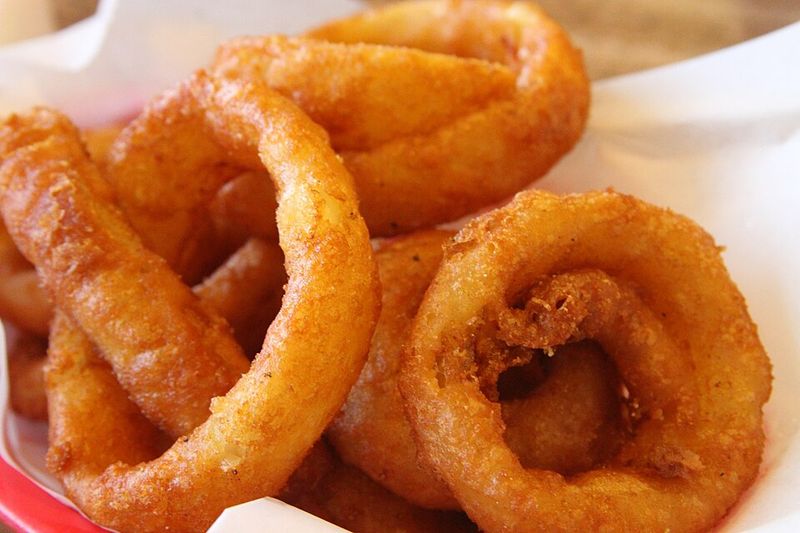
Onion rings gave the drive-in menu a little swagger without changing its basic rules. They were still fried, still portable, and still easy to pair with burgers, but they felt just different enough to turn a routine order into something worth mentioning.
During the 1960s, onion rings showed up at both independent drive-ins and growing regional chains, often promoted as a premium side. Their appeal came from simple economics and presentation: sliced onions, batter, and fryer space created a product that looked abundant and distinctive in photos, signs, and word-of-mouth recommendations.
They also reflected the era’s appetite for variation within familiar food categories. Customers did not always want an entirely new meal, but they did enjoy choosing the side that felt slightly more special than fries.
A greasy paper sack of onion rings fit that role neatly. It suggested indulgence while staying affordable, and it gave regulars one more reason to pick a favorite drive-in over a competitor down the road.
In a crowded summer food landscape, small differences mattered, and onion rings turned side-order status into a respectable headline.
10. Tater tots or hash browns
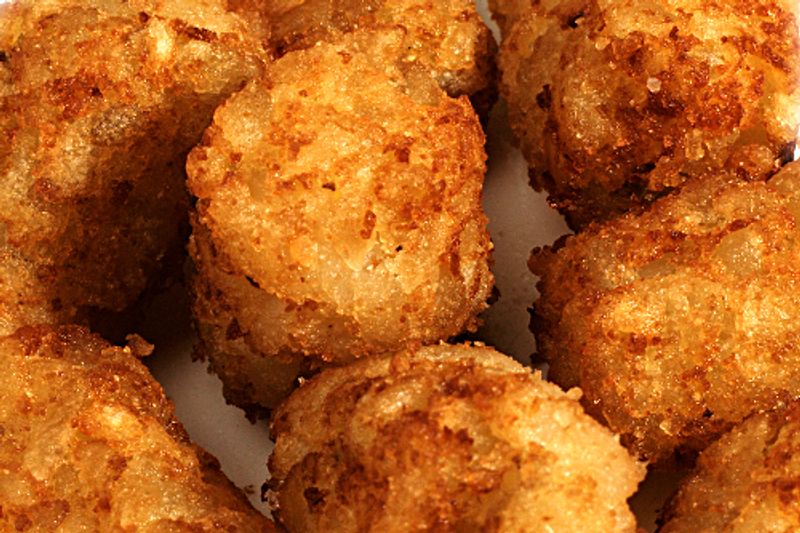
Not every drive-in side had to follow the fry basket script. Tater tots and hash browns brought diner logic into the parking lot, offering potato options that felt hearty, flexible, and especially useful at places serving breakfast, lunch, and dinner from one compact kitchen.
Hash browns had older roots in American diner cooking, while tater tots were a more modern product tied to frozen food innovation. Created in the 1950s by Ore-Ida, tots fit the 1960s push toward efficient kitchen shortcuts, helping operators serve a crisp, uniform side with minimal prep during busy summer hours.
Both items also blurred the line between side dish and full plate. Some drive-ins topped them with gravy or paired them with eggs, sandwiches, or chicken, making them adaptable across the day.
That versatility mattered in a roadside business where broad menus could attract more customers. Tater tots and hash browns may not dominate nostalgic posters, but they were workhorses.
Their quiet success tells you something important about the decade: convenience technology was reshaping menus one potato form at a time.
11. Fried zucchini or onion petals
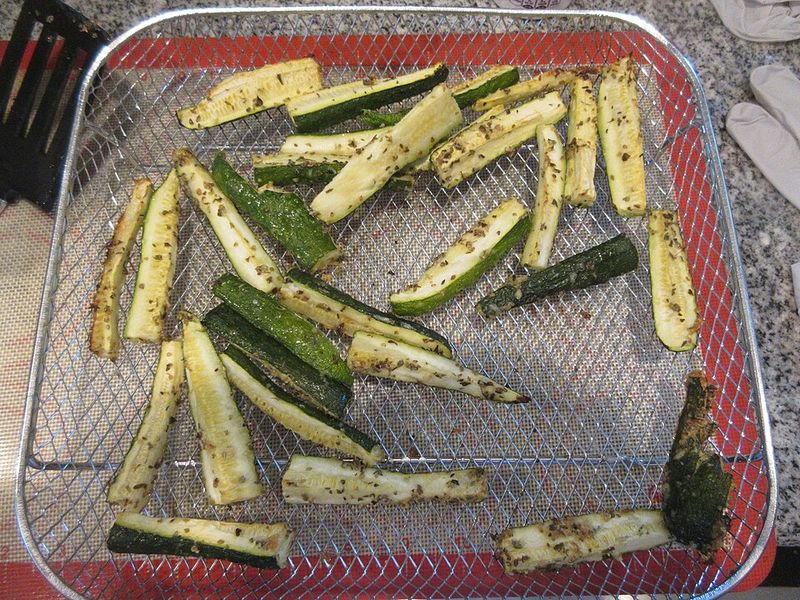
Some drive-ins flirted with fair-style experimentation, and fried zucchini or onion petals were proof. These sides felt a little more playful than standard fries, giving menus a seasonal twist without abandoning the familiar deep-fried formula customers already trusted.
Fried zucchini became more common in parts of the American West, where produce access and regional habits influenced roadside menus. Onion petals, meanwhile, offered a looser, more dramatic variation on rings, turning the same vegetable into a different shape and a slightly different selling point for places eager to stand out.
By the 1960s, this kind of menu variation reflected growing competition and broader car travel patterns. Families saw different regional specialties on vacation, and local operators noticed which items caught attention.
Fried zucchini and onion petals worked because they felt novel but not risky, a sweet spot for mainstream drive-in food. They hinted at choice, trendiness, and a tiny brush with state-fair energy.
For customers, that was enough. Summer eating often rewards the item that seems just unusual enough to order once, then memorable enough to order again.
12. Thick milkshake (vanilla, chocolate, or strawberry)
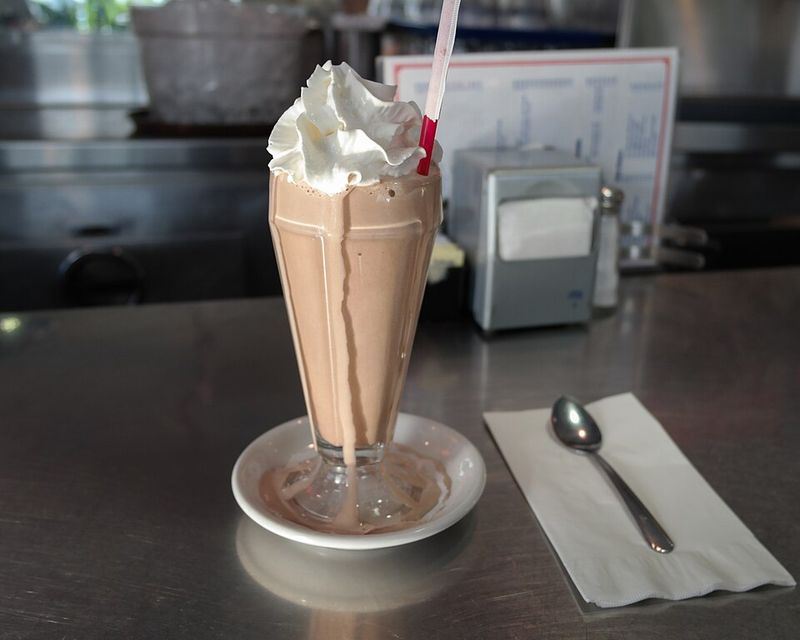
A proper drive-in milkshake asked for a straw, a spoon, and a little patience. In the 1960s, thick shakes were a centerpiece item, not an afterthought, and they linked the newer car culture of drive-ins to the older soda fountain traditions they partly replaced.
Vanilla, chocolate, and strawberry dominated because they were recognizable, easy to advertise, and easy to produce consistently with post-mix equipment or hand-mixing methods. The tall glass presentation mattered too, signaling value and giving carhops something visually impressive to deliver on a tray clipped to the car window.
Milkshakes also helped drive-ins serve multiple roles at once. They worked as dessert, snack, or a social add-on during cruising season, especially for teenagers who might order drinks and fries while lingering in the lot.
As fast food became more standardized, the thick shake remained a marker of quality. Customers noticed texture, portion size, and whether the place made it feel substantial enough to justify the price.
Few items did more to define the drive-in as both restaurant and hangout than the classic milkshake.
13. Banana split sundae at the drive-in
Few desserts looked more committed to abundance than the banana split. At drive-ins in the 1960s, it carried over directly from soda shop culture, bringing a sense of occasion to places better known for burgers, fries, and speed.
The standard arrangement was almost ceremonial: a split banana, three ice cream flavors, syrups, whipped cream, nuts, and cherries in a long dish. Its popularity reflected the midcentury affection for combination desserts, where variety itself was part of the appeal and presentation could justify a slightly higher price.
This was also one of the great sharing orders of summer. Families could divide it after dinner, couples could split one on a date, and kids viewed it as a reward worth negotiating for.
For operators, the banana split added range to the menu without requiring a full bakery operation. Ice cream, toppings, and assembly were enough.
It balanced spectacle with familiarity, which is why it lasted. Even in a setting built around convenience, customers still liked a dessert that looked like someone had made an effort on their behalf.
14. Root beer float in a frosted mug
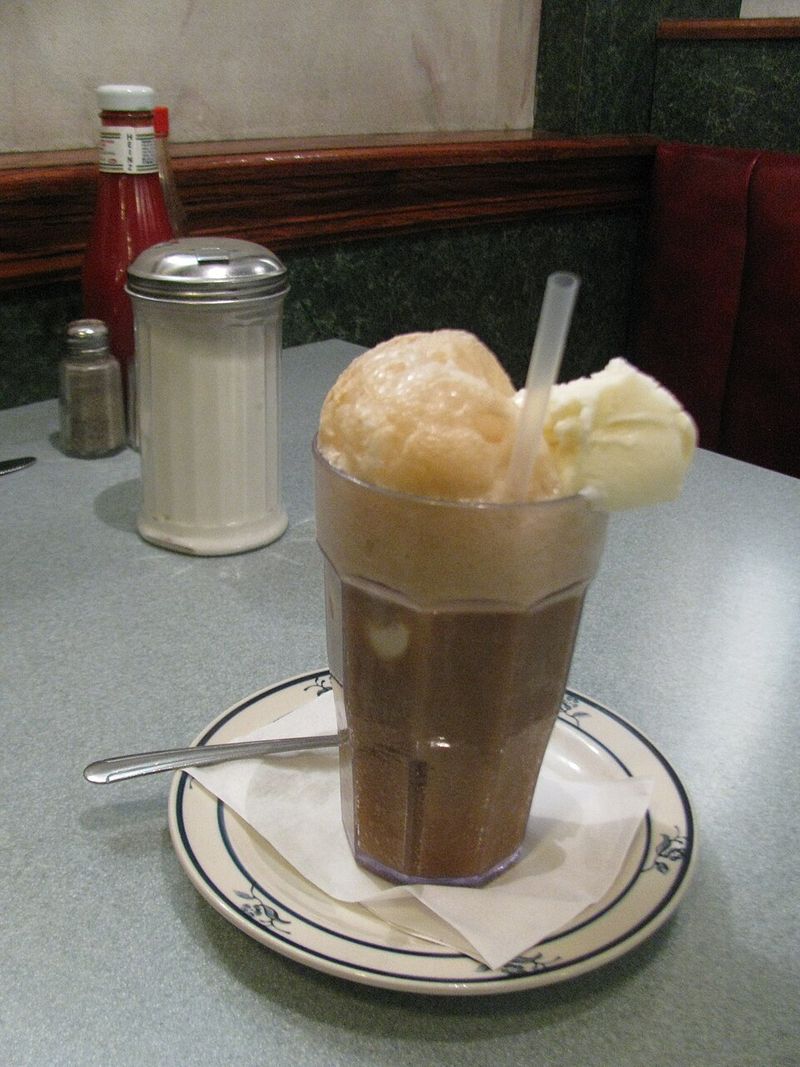
If any drink turned a parking lot into an event, it was the root beer float. The combination of root beer and vanilla ice cream was older than the 1960s, but drive-ins gave it one of its most durable public stages.
Served in a chilled mug at many locations, the float carried a strong soda fountain legacy while fitting neatly into the drive-in’s service style. It was easy to prepare, photogenic on menus, and strongly associated with chains and local stands that wanted a signature drink customers could not confuse with an ordinary fountain soda.
The root beer float also benefited from branding. Regional root beer stands and national names both used it to build loyalty, turning a simple menu item into a recognizable ritual of summer car culture.
People ordered it alongside burgers, after games, or as a lighter alternative to a full sundae. It felt old-fashioned even then, which was part of the appeal.
In a decade fascinated by modern convenience, the float quietly reminded customers that some formulas did not need improvement, only a frosted mug and a place to park.
15. Soft-serve cone or twist
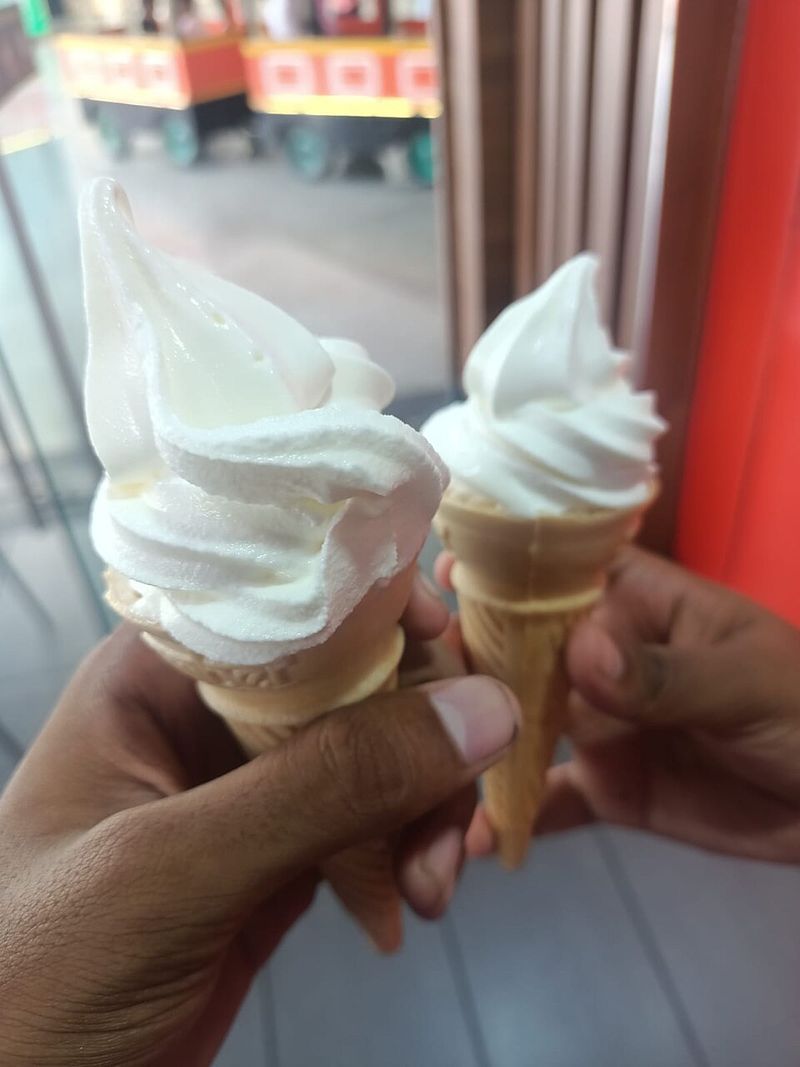
Sometimes the smartest order was the simplest one in the lot. A soft-serve cone or twist fit the 1960s drive-in perfectly because it was affordable, fast to dispense, and especially popular with families who wanted a quick dessert before the next stop.
Soft-serve technology had already transformed ice cream service by the mid-20th century, allowing operators to produce consistent cones with less labor than hard-scoop desserts. The vanilla-chocolate twist became a visual favorite because it looked slightly special while relying on the same machine and ingredients already in use.
Its cultural role mattered as much as its convenience. For many children, the cone was the first thing requested as soon as the car pulled in, while adults liked that it was inexpensive and easy to hand across a seat.
Drive-ins and roadside stands leaned on soft-serve because it encouraged impulse purchases and repeat visits throughout summer. The cone did not need toppings, dishes, or much waiting.
It delivered immediate satisfaction, which made it one of the era’s most efficient little triumphs.
Share this story