When people talk about women dominating pop in 1985, the same two or three names usually swallow the whole story. But if you dig into the charts, you find a much richer lineup of hitmakers who owned radio, clubs, and R&B playlists that year.
These artists were not side notes – they were chart forces with songs you probably still know by heart. Let’s give them their due and revisit the women who made 1985 feel bigger, bolder, and far more interesting.
1. Sheena Easton
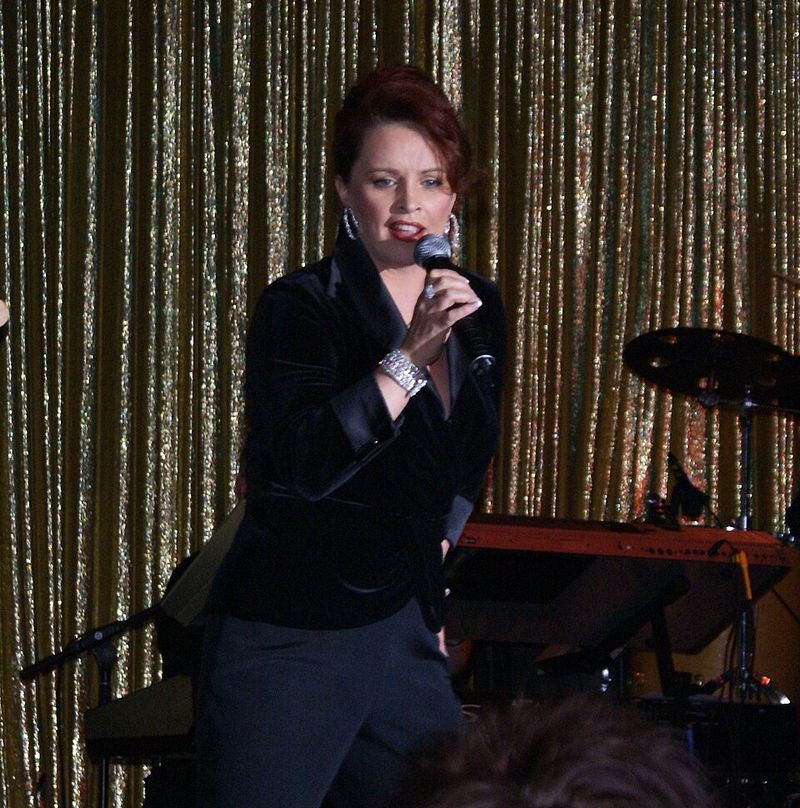
Sheena Easton was one of the most versatile women on the charts in 1985, and “Sugar Walls” proved she could be provocative, catchy, and commercially unstoppable at once. The song reached No. 9 on the Hot 100 and also topped the Dance chart, giving her a strong crossover moment.
That kind of reach mattered.
What makes the record memorable is how fearless it sounds even now. Sheena delivers the lyric with a wink and a cool confidence, while the sleek production keeps everything moving with nightclub energy and pop precision.
You can feel why it sparked attention the second it hit radio.
Her 1985 success was not some novelty moment or brief scandal boost. Sheena Easton knew exactly how to command the room, and “Sugar Walls” remains one of the clearest examples of a female artist pushing boundaries while still landing a huge mainstream hit.
2. Animotion featuring Astrid Plane
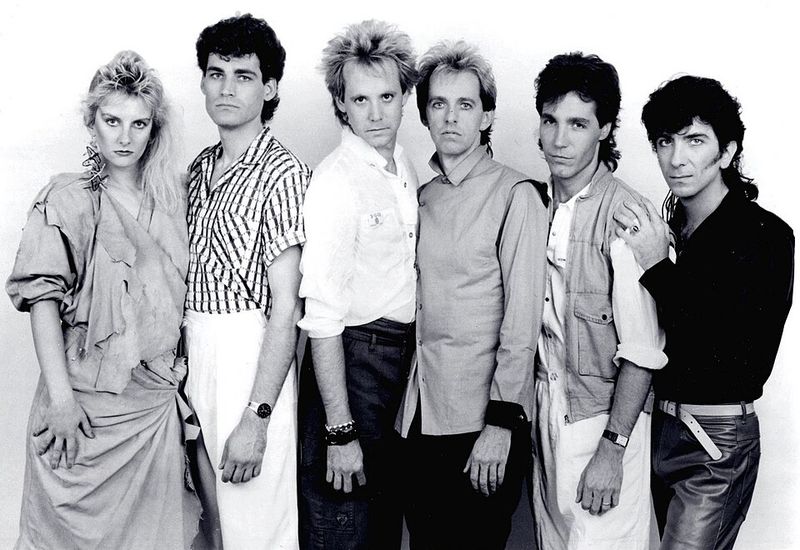
Animotion’s “Obsession” was one of those songs that seemed to arrive fully formed, slick, dramatic, and impossible to shake. Fronted by Astrid Plane alongside Bill Wadhams, the track climbed to No. 6 on the Hot 100 in 1985 and became a defining synth-pop anthem.
It sounded huge then, and it still does now.
Astrid Plane gave the song much of its allure. Her cool, detached vocal turned the push-pull lyric into something stylish and slightly dangerous, while the pulsing keyboards made it feel built for both radio and dance floors.
You do not forget that chorus once it lands.
Because the band name often gets remembered more than the individual woman at the center, Astrid Plane can slip through the cracks in nostalgia lists. But if you are talking about women who made major chart impact in 1985, she absolutely belongs in the conversation.
3. ‘Til Tuesday featuring Aimee Mann

“Voices Carry” gave ‘Til Tuesday a breakthrough in 1985, and Aimee Mann’s presence is the reason it lingers. The song reached No. 8 on the Hot 100, bringing a moodier, more emotionally precise sound into a pop landscape full of brighter hooks.
That tension is exactly what made it hit harder.
Mann never oversings the frustration at the center of the track. Instead, she delivers it with control, restraint, and just enough edge to make every line feel personal, which pulls you in more than a bigger vocal ever could.
The arrangement builds around her beautifully.
Even if the band name gets more recognition than Aimee herself in casual conversation, 1985 listeners responded to that female point of view. “Voices Carry” was not just a new wave hit. It was one of the sharpest, most enduring songs by any woman on the charts that year.
4. Tina Turner
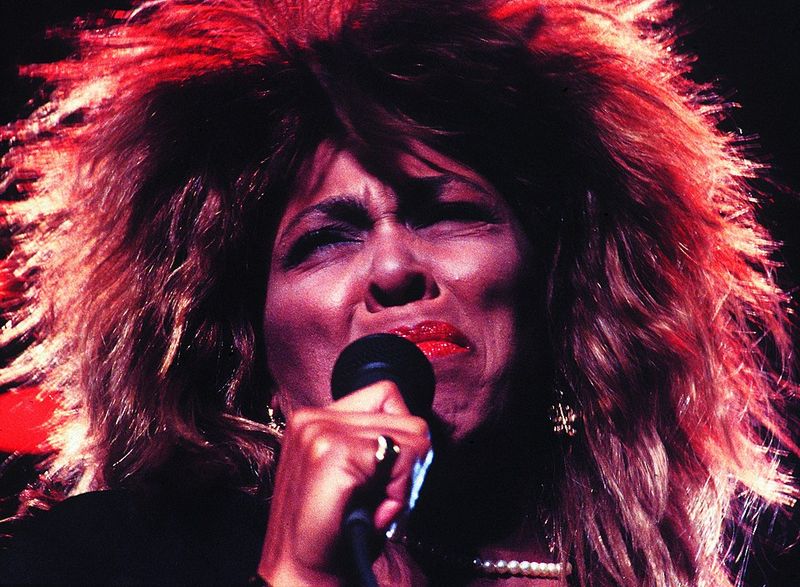
Tina Turner was already deep into a spectacular comeback by 1985, but she still found room to score another monster hit. “We Don’t Need Another Hero” reached No. 2 on the Hot 100, tying her voice to one of the year’s biggest movie moments and reminding everyone that her resurgence was no fluke. She was fully back.
The song works because Tina sounds larger than the production around her, even when that production goes cinematic. There is grit, longing, and authority in every line, which turns a soundtrack single into something much more human and memorable.
You feel the stakes immediately.
People sometimes talk about her mid-1980s success as one broad comeback story, but 1985 deserves its own spotlight. Tina Turner was not simply surviving the era.
She was helping define it, with a voice powerful enough to cut through radio, film, and pop culture all at once.
5. Teena Marie
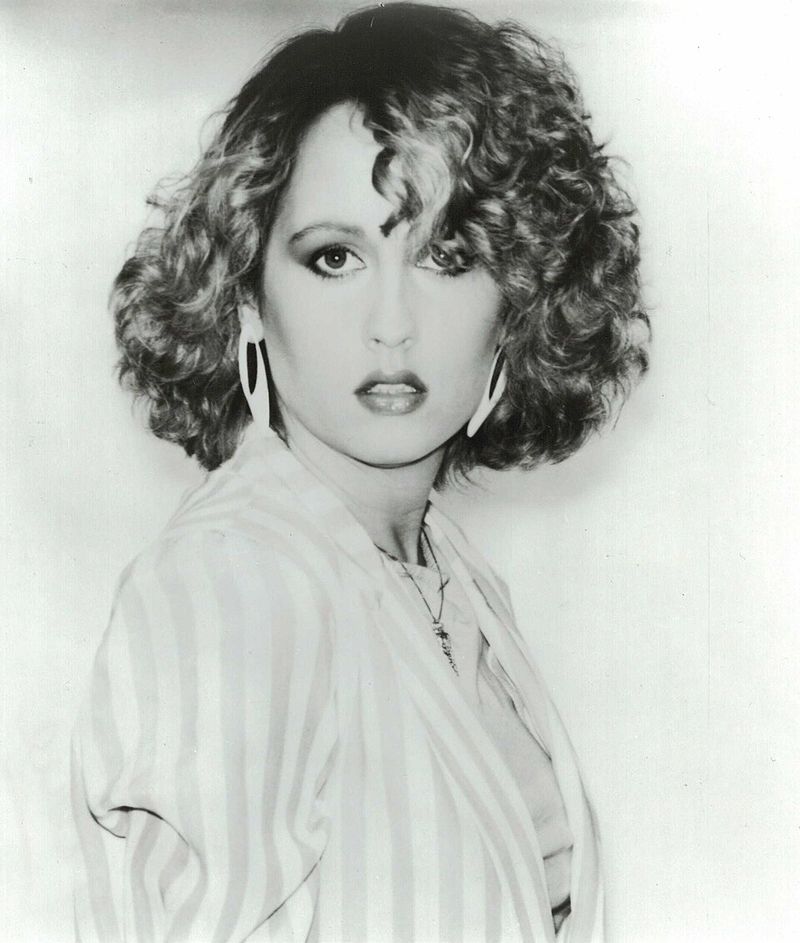
Teena Marie hit 1985 with “Lovergirl,” and you can hear exactly why it became the biggest pop crossover of her career. The single reached No. 4 on the Hot 100, proving she could turn her deep R&B roots into something glossy, playful, and radio-ready without losing attitude.
That balance made her stand out in a crowded year.
What still grabs you is how natural she sounds moving between funk, pop, and soul. “Lovergirl” feels bright and flirtatious, but the groove underneath carries real muscle, the kind that keeps a song alive long after chart week is over. She was never just chasing trends.
In a year packed with blockbuster women, Teena Marie owned a lane that was entirely her own. If you revisit 1985 with fresh ears, her impact feels impossible to ignore, and honestly, long overdue for more credit.
6. Aretha Franklin
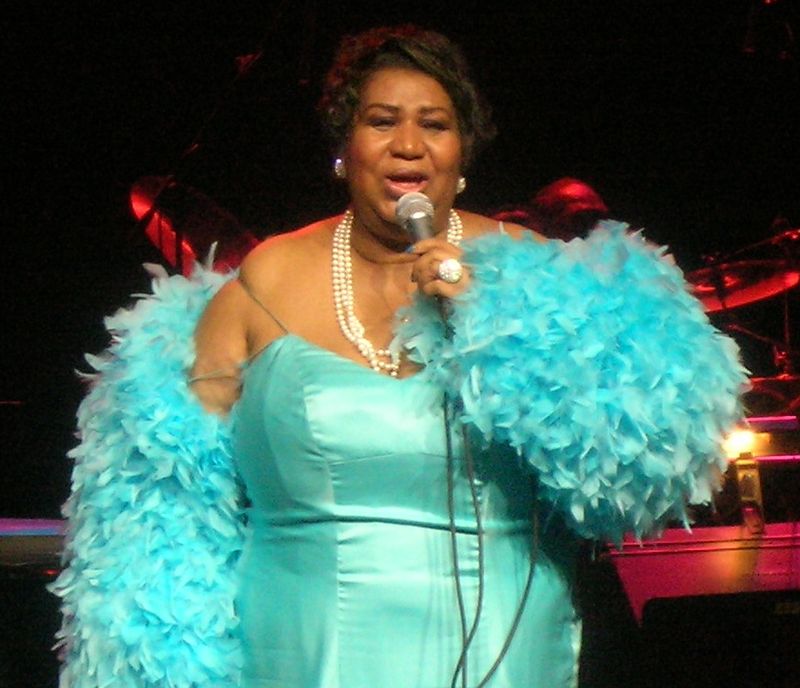
Aretha Franklin showed in 1985 that legends do not have to live on reputation alone. “Freeway of Love” raced to No. 3 on the Hot 100, giving the Queen of Soul a big crossover hit that felt lively, current, and unmistakably hers. It was a reminder that great artists can still surprise you.
The track is pure fun, but Aretha’s vocal keeps it from feeling lightweight. She sounds playful, commanding, and effortlessly musical, riding the groove with the confidence of someone who knows exactly how to lift a song from catchy to unforgettable.
That is where her greatness always lived.
In a year often remembered for younger MTV stars, Aretha earned massive chart success on her own terms. “Freeway of Love” was not just a veteran’s return to radio. It was proof that one of music’s most important women could still compete, connect, and completely steal the spotlight in 1985.
7. Pat Benatar
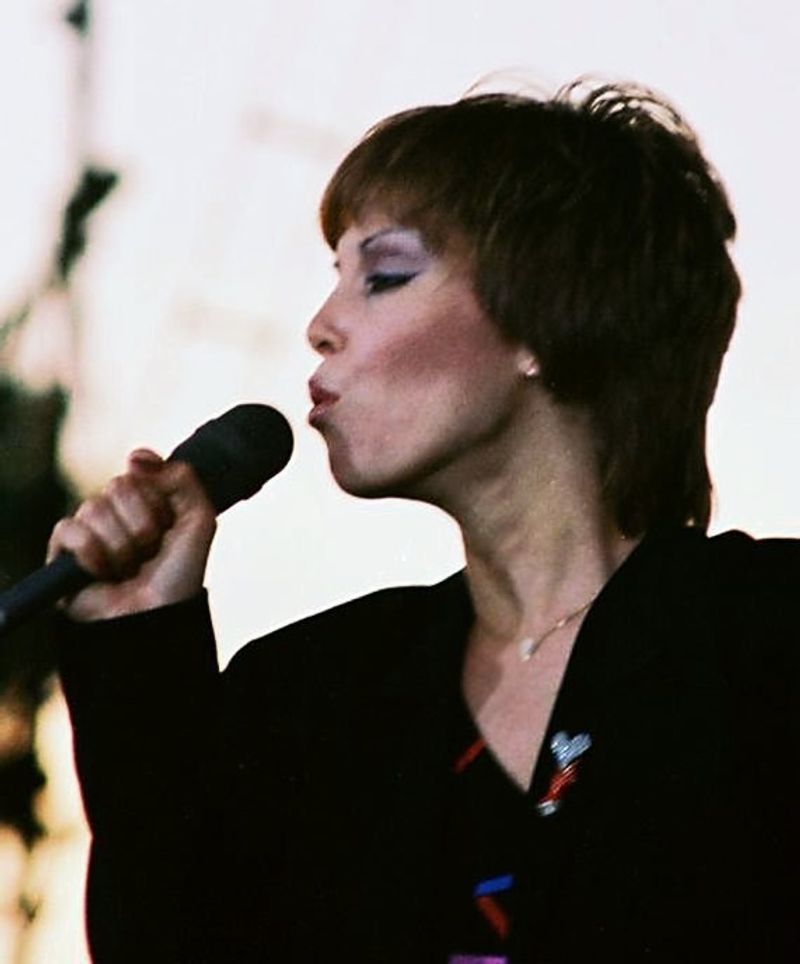
Pat Benatar did not need to reinvent herself in 1985 to stay relevant. She just needed a song with bite, and “Invincible” delivered exactly that, reaching No. 10 on the Hot 100 and reinforcing her place as one of the era’s most reliable rock voices.
The track felt urgent from the first note.
What keeps it memorable is the force she brings without ever sounding overworked. Benatar attacks the lyric with conviction, turning resilience into something anthemic, while the production gives the whole thing a cinematic, battle-ready charge that fit the mid-1980s perfectly.
You can still feel that adrenaline.
Her name is famous, but this specific chapter can get overshadowed by earlier signature hits. That is a mistake.
In 1985, Pat Benatar was still a chart threat, still unmistakable on the radio, and still delivering the kind of female rock performance that refused to soften itself for anyone.
8. Gloria Estefan with Miami Sound Machine
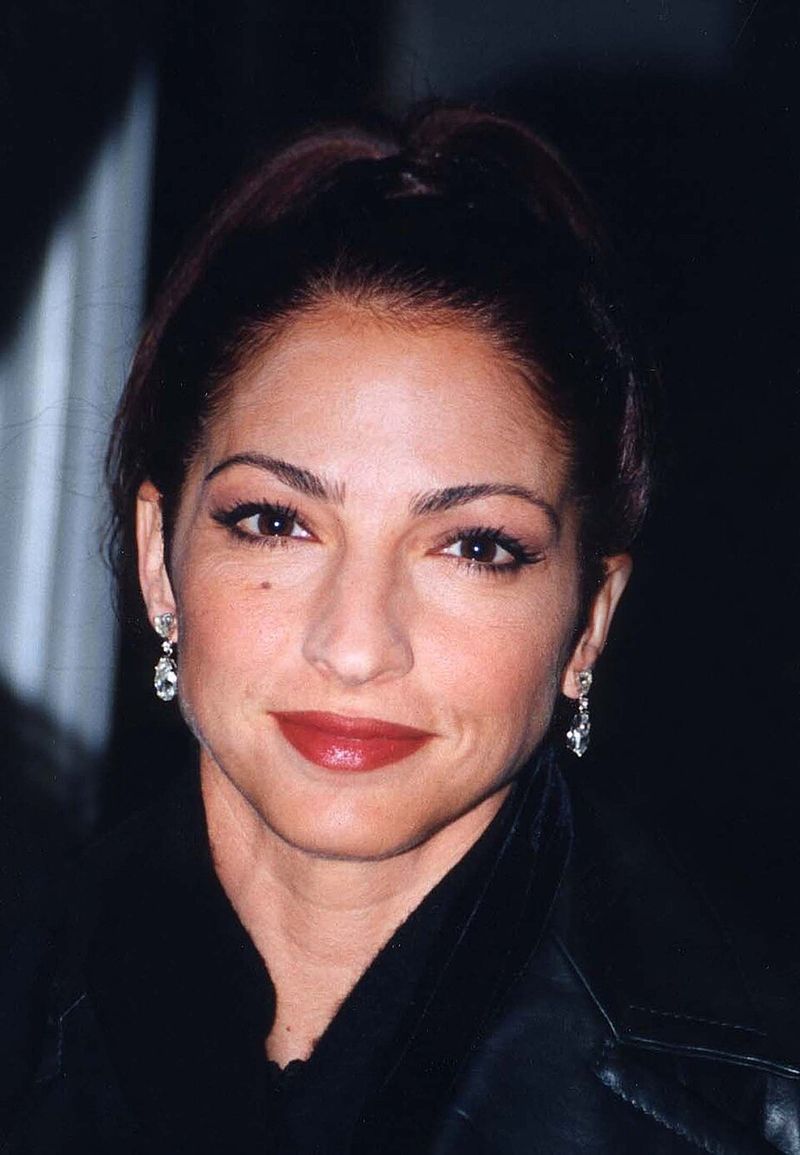
Gloria Estefan helped turn Miami Sound Machine into a crossover force in 1985, and “Conga” was the breakthrough everyone noticed. The song reached No. 10 on the Hot 100, bringing Latin rhythm into mainstream pop radio with a kind of joy you could not miss.
It sounded like a party with purpose.
What made Gloria so effective was her bright, inviting delivery. She made the song feel accessible without sanding off its personality, and that helped the record connect across pop listeners, club crowds, and anyone who simply wanted something more alive than standard radio fare.
It opened doors.
Today, “Conga” can feel so familiar that it is easy to forget how exciting its success really was in 1985. Gloria Estefan was not just part of a catchy novelty hit.
She was at the center of a major crossover moment that changed how mainstream audiences heard Latin-pop.
9. Exposé
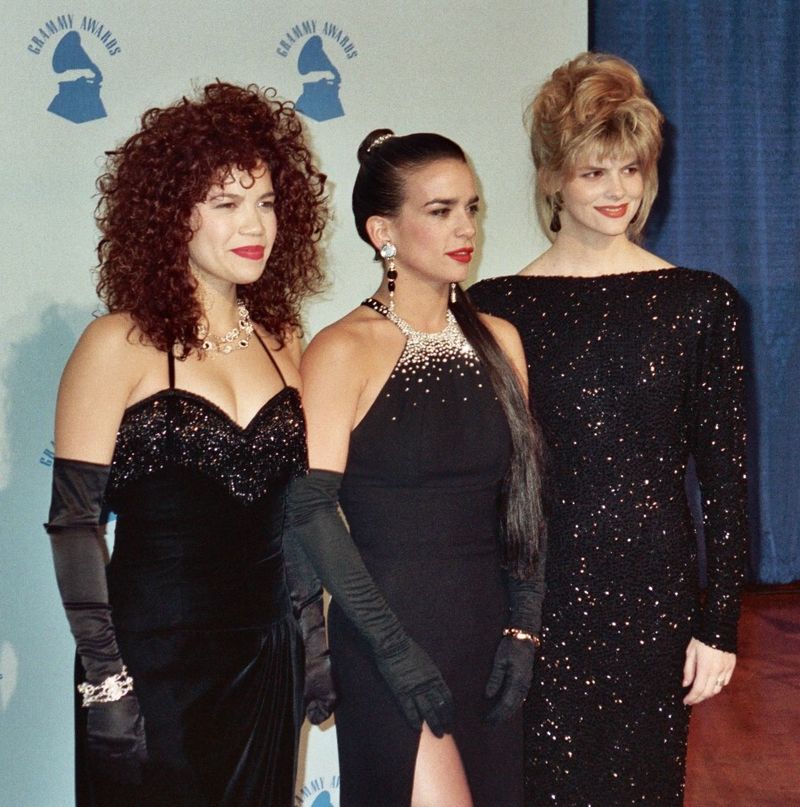
Exposé helped bring freestyle out of regional club culture and into a wider spotlight, and 1985 was a major part of that story. “Point of No Return” topped the Dance chart and established the group as a force with sleek hooks, urgent beats, and a sound built for movement. It felt fresh and local and huge.
What makes Exposé important is how naturally they translated club energy into something broader. Their vocals gave freestyle a more polished, radio-friendly face without draining away the pulse and tension that made the genre exciting in the first place.
You can hear the bridge between scenes.
They are sometimes treated like a footnote before later pop breakthroughs, but that undersells what happened in 1985. Exposé were part of a moment when female voices from dance music started claiming more mainstream space, and “Point of No Return” remains one of the clearest signs that shift was real.
10. Lisa Lisa & Cult Jam
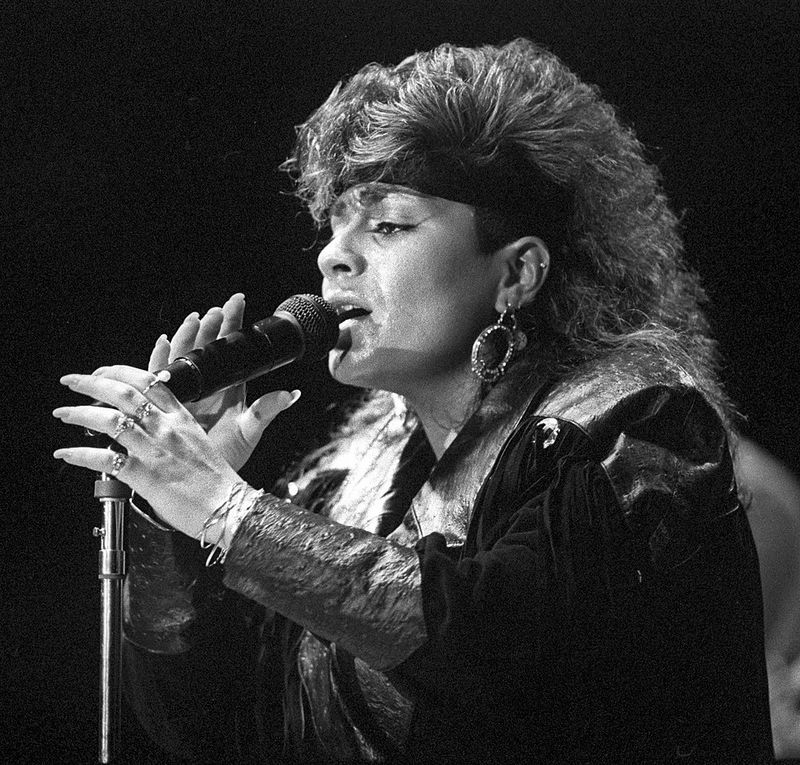
Lisa Lisa & Cult Jam gave freestyle one of its breakthrough crossover moments in 1985 with “I Wonder If I Take You Home.” The song reached No. 34 on the Hot 100 and No. 2 on the R&B chart, helping introduce a wider audience to a sound that had been building in clubs. That was a real shift.
Lisa’s voice is a huge reason the record connected. She sounds youthful and vulnerable, but never weak, and that emotional openness works perfectly against the crisp electronic beat and romantic ache running through the song.
It feels personal enough for headphones and rhythmic enough for a dance floor.
Looking back, you can hear how important this single was in making freestyle feel viable beyond regional scenes. Lisa Lisa was not just a face attached to a trend.
In 1985, she became one of the young female voices helping move urban dance-pop toward a much bigger national audience.
11. Whitney Houston
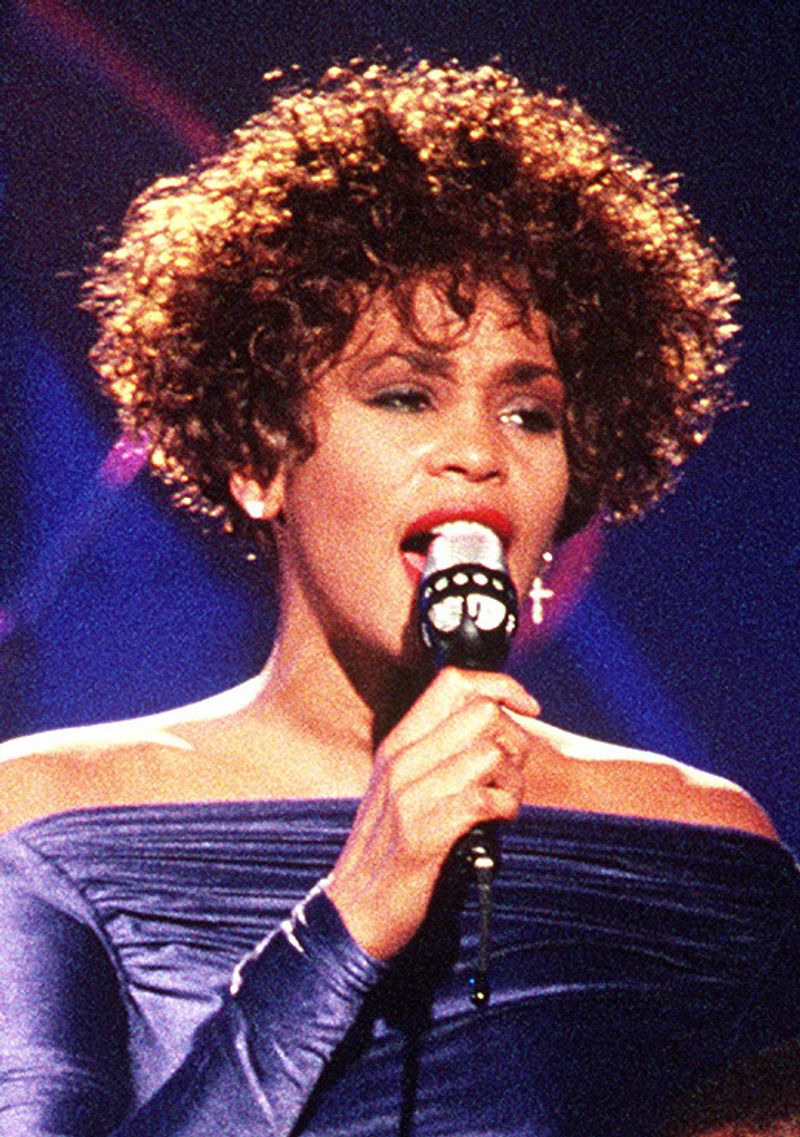
Whitney Houston may not sound forgotten in any overall history of pop, but within a list of 1985 chart powerhouses, her breakout year still deserves careful attention. “You Give Good Love” reached No. 3 on the Hot 100 and announced a new voice with rare polish, warmth, and emotional precision. Everything changed from there.
What hits you listening back is how assured she already sounds. Whitney does not overpower the song for effect.
She glides through it with control and tenderness, making the performance feel intimate while still revealing the kind of vocal ability that would soon reshape mainstream pop itself.
Because her later superstardom became so massive, the actual moment of ignition can get blurred. But in 1985, audiences were hearing something unmistakable take shape in real time.
Whitney Houston was not just another promising newcomer on the charts. She was the beginning of a completely new standard.
12. Grace Slick with Starship
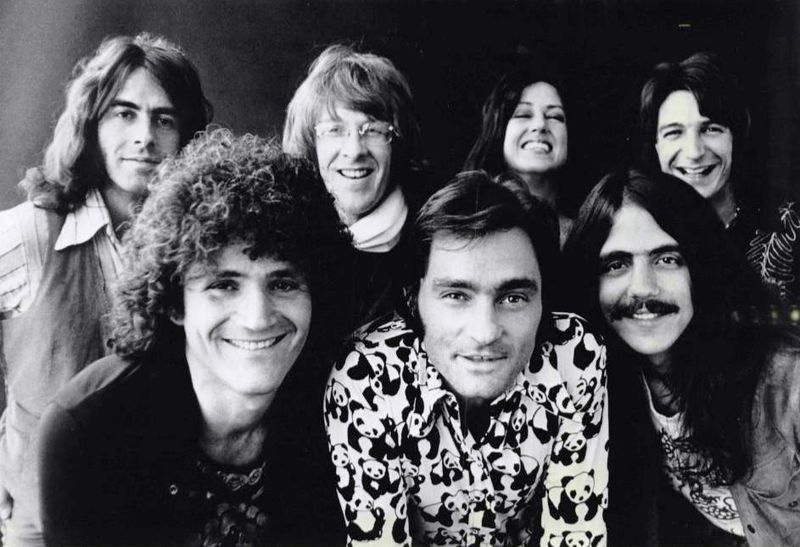
Grace Slick’s presence in Starship gave one of 1985’s biggest rock hits an edge that often gets overlooked. “We Built This City” went to No. 1 on the Hot 100, and while the song remains divisive, there is no arguing with the scale of its chart impact. It was absolutely everywhere.
Slick had already built a legendary reputation long before this era, but that is part of what makes the moment so interesting. She was not frozen in the past.
Her voice helped carry a glossy, highly commercial rock single straight to the top during the MTV age, which is no small feat.
Because discussions about the song often turn into debates over taste, Grace’s actual achievement can get buried. In pure 1985 terms, though, she belonged among the year’s major female chart figures.
A woman with deep rock history was still commanding No. 1 radio space, and that deserves respect.
Share this story