Mallorca is one of Spain’s most popular islands, known for its turquoise coves, dramatic mountains, charming villages, and vibrant capital Palma. But beyond the postcard views, a little planning can make a huge difference in how much you enjoy your trip.
From choosing the right season to navigating the island efficiently, understanding Mallorca ahead of time helps you avoid crowds, save money, and discover its hidden side. Here are 15 must-know tips before your trip.
Don’t Limit Yourself to Palma
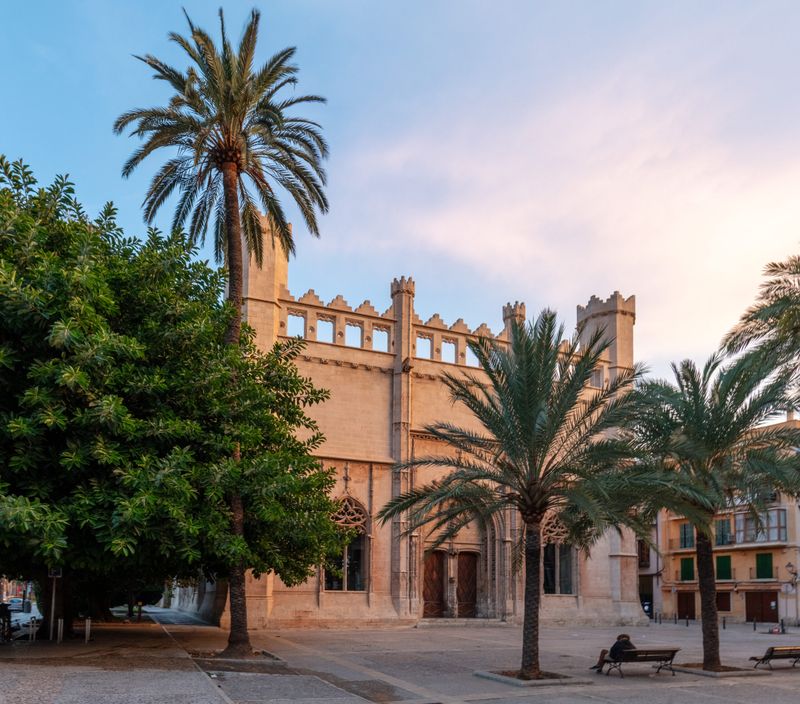
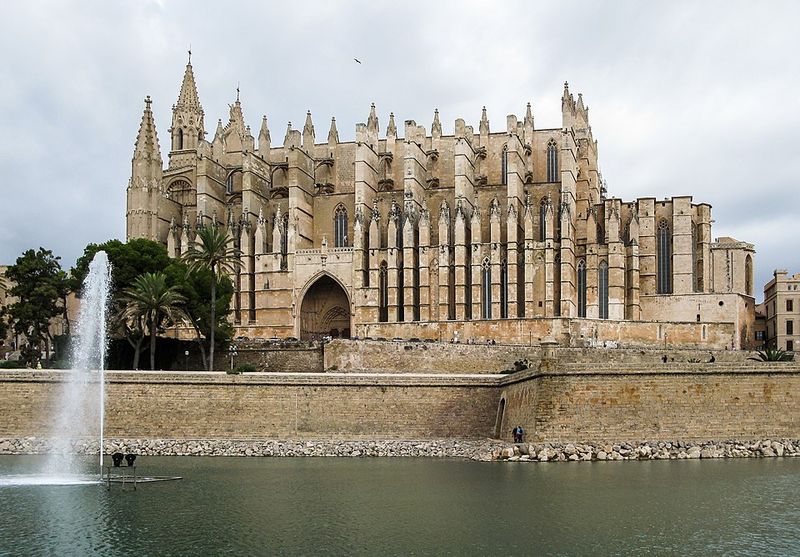
Most travelers land in Palma, fall in love with its Gothic cathedral and buzzing tapas bars, and never look up long enough to realize the whole island is waiting for them. That’s a serious missed opportunity.
Mallorca’s interior is dotted with medieval villages like Valldemossa, Deia, and Sineu, each with its own personality and charm. These places feel worlds apart from the resort strips, and they’re often just 30 to 45 minutes by car from the capital.
Stone streets, flower-draped balconies, and locals who actually stop to say hello — that’s the real Mallorca.
The eastern coastline offers dramatic sea caves and quiet coves that feel almost secret. The north is rugged, wild, and absolutely breathtaking.
Even if you only have a few days, building in at least one full day away from Palma will completely change how you experience this island. You’ll return to the city with fresh eyes and a much richer appreciation for what makes Mallorca so special.
Renting a Car Is the Best Way to Explore
Freedom has a fuel gauge in Mallorca. Public buses are reliable between major towns, but they run on fixed schedules and simply don’t reach the places that make this island unforgettable.
Renting a car unlocks everything — secluded coves accessible only by a dusty track, hilltop viewpoints with no tour bus in sight, and spontaneous detours into villages you spotted on the map. Prices are generally reasonable, especially if you book a few weeks ahead through a comparison site.
An automatic, mid-size car handles the terrain comfortably for most of the island.
One practical note: book your rental before you arrive, particularly in summer. Walk-up prices at the airport can be significantly higher, and availability shrinks fast in July and August.
Also, bring your home country driving license — most rental agencies accept it alongside your passport. Parking in Palma can be tricky, so consider using the park-and-ride options near the city center.
Outside of Palma, parking is generally easy and often free. Having your own wheels genuinely transforms the trip from good to extraordinary.
Avoid Peak Season if You Can
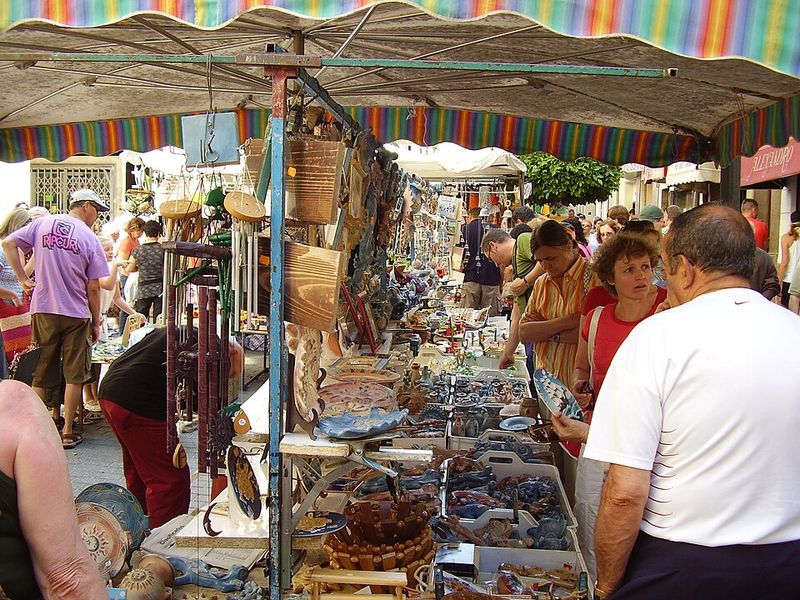
Picture this: you’ve dreamed of a quiet Mediterranean cove, crystal water, a gentle breeze. Then you arrive in August and find 400 people who had the exact same dream.
Peak season in Mallorca is real, and it hits hard.
July and August bring temperatures regularly above 32°C, jam-packed beaches, and prices that seem to climb daily. Roads get congested, restaurants fill up without reservations, and the relaxed island vibe you were hoping for gets replaced by something closer to a theme park queue.
The sweet spot is May, June, or September and October. The weather is genuinely lovely — warm enough to swim, cool enough to explore without melting.
Crowds thin out considerably, hotel rates drop, and locals seem noticeably happier. Spring also brings wildflowers across the countryside and almond blossoms in February if you visit even earlier.
October is arguably Mallorca’s best-kept secret month — warm seas, golden light, and a calm that’s hard to find in midsummer. Shifting your trip by even a few weeks either side of the peak can completely transform your experience of this island.
Mallorca Has More Than Just Beaches
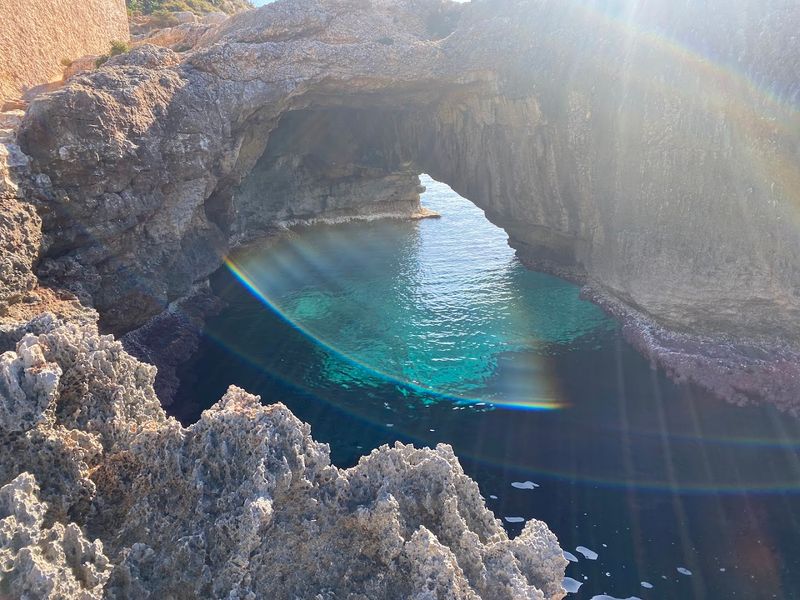
Somewhere along the way, Mallorca got labeled as a beach destination, and while the beaches are genuinely spectacular, that label seriously undersells the place. The Serra de Tramuntana mountain range alone is worth the trip.
Designated a UNESCO World Heritage Site in 2011, the Tramuntana stretches along the northwest coast with peaks reaching over 1,400 meters. Hiking trails wind through pine forests, past ancient monasteries, and along cliff edges with views that stop conversations mid-sentence.
The GR221, also known as the Dry Stone Route, is one of Europe’s great long-distance walks and passes through some of the island’s most beautiful scenery.
Beyond hiking, Mallorca offers cycling routes that attract serious riders from across Europe, historic windmills in the Es Pla flatlands, prehistoric Talayotic ruins, and wine country around Binissalem that’s genuinely worth exploring. Caves like Coves del Drac near Porto Cristo are jaw-dropping underground lakes with classical music concerts performed inside.
The island has layers that most visitors never discover simply because they spend all their time horizontal on a sunbed. Getting vertical — literally and figuratively — reveals a completely different Mallorca.
Plan Your Beach Visits Carefully
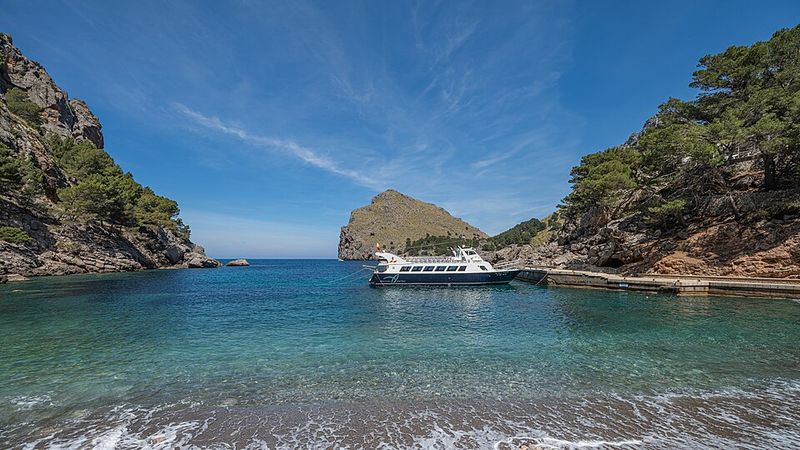
Not all beaches are created equal in Mallorca, and choosing the wrong one for your mood or travel style can leave you disappointed — or pleasantly surprised, depending on your attitude.
Sandy, family-friendly beaches like Playa de Muro and Es Trenc in the south offer calm, shallow water, sunbed rentals, and nearby cafes. They’re ideal for kids or anyone who wants a classic beach day with full amenities.
On the other end of the spectrum, hidden coves like Caló des Moro or Cala Varques require a hike to reach but reward you with stunning scenery and fewer crowds.
A few things worth knowing before you go: some popular coves now operate timed entry systems to manage visitor numbers, especially in summer. Arriving early — ideally before 9am — is the single best strategy for beating both the crowds and the parking chaos.
Nudist beaches exist too, mostly in quieter areas, so a quick search before you visit avoids any surprises. Apps like Mallorca Beach Guide or Google Maps reviews can help you match the right beach to the right day.
A little research goes a long way when the coastline has over 200 options.
Book Popular Spots in Advance
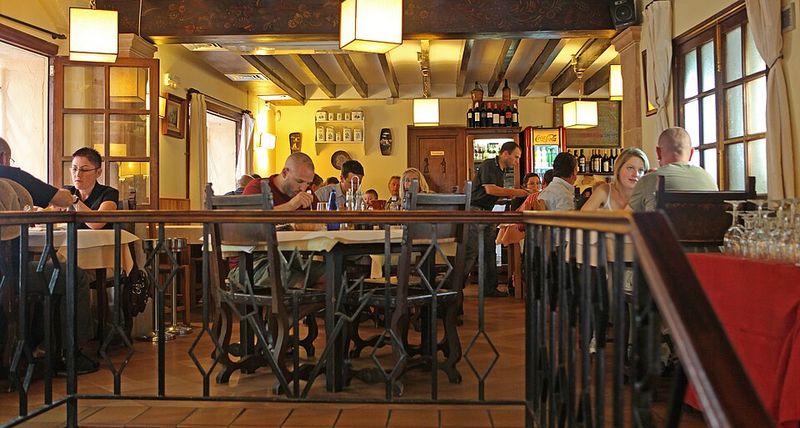
Mallorca welcomed over 13 million tourists in a single year before the pandemic — on an island with fewer than 900,000 permanent residents. That ratio should tell you everything about the importance of booking ahead.
Hotels in desirable locations like Deia, Soller, or the Palma Old Town fill up months in advance for July and August. Rental cars vanish just as fast.
Popular restaurants, especially in smaller villages, often require reservations days or even weeks ahead during summer. Skip the planning and you’ll end up paying more for less, or scrambling for whatever’s left.
Booking 2 to 3 months ahead for a summer trip is genuinely the sweet spot. You’ll access better prices, more choice, and far less stress when you land.
For shoulder season travel in May, June, or October, a month ahead is usually sufficient for most things. Specific experiences like the Es Baluard Museum, Palma Cathedral interior visits, or boat tours to popular coves often have online ticketing that sells out fast.
Set up alerts, use flexible booking options where possible, and treat the planning phase as part of the adventure rather than a chore.
Stay in More Than One Area
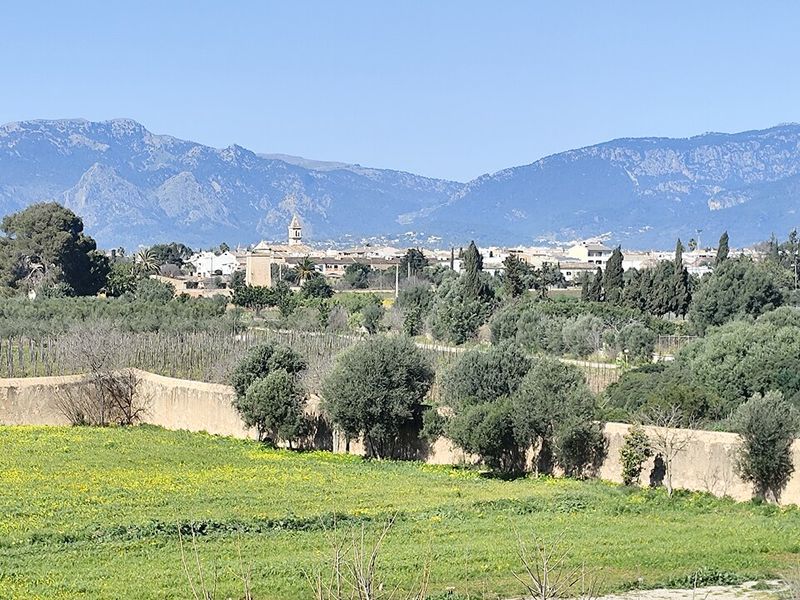
Mallorca is only about 100 kilometers from end to end, but the difference between its regions feels enormous. Spending your entire trip in one spot is like reading only the first chapter of a great book.
The north coast around Port de Pollenca and Alcudia has a completely different energy from the buzzing nightlife scene near Magaluf in the southwest. The artistic village of Deia feels like a different world from the flat, agricultural plains of Es Pla.
Palma offers urban sophistication, while the east coast delivers dramatic cliffs and quiet coves. Each region has its own rhythm, food scene, and visual character.
A popular approach is splitting a week-long trip into two or three bases. Three nights in Palma, two nights in the north near Pollenca, and two nights on the east coast covers an impressive range without feeling rushed.
Moving bases also means you naturally pass through areas you might otherwise skip. Most Mallorcan hotels are flexible about short stays, and the island is compact enough that relocating takes 45 minutes at most.
Think of each region as a different destination that happens to share an island — because in many ways, it really is.
Driving Can Be Challenging in the Mountains
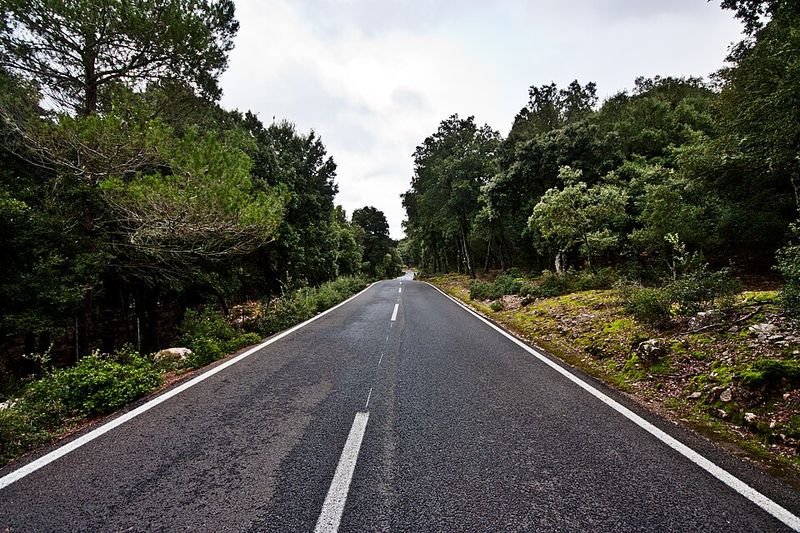
The mountain roads of Mallorca are genuinely beautiful — and genuinely terrifying if you’re not prepared for them. Narrow lanes, hairpin bends, sheer drops, and the occasional cyclist appearing from nowhere make the Tramuntana roads an adventure in themselves.
The MA-10 coastal road from Andratx to Pollenca is considered one of the most scenic drives in all of Europe. It’s also one of the most demanding.
Passing oncoming vehicles on certain sections requires nerves of steel and occasionally a bit of creative reversing. Driving slowly is not just recommended — it’s physically necessary in many places.
Cyclists are a major presence on Mallorca’s mountain roads, particularly from March through October. Professional cycling teams train here, so you’ll encounter serious riders who expect drivers to give them space.
The rule of thumb is to slow down, pass wide, and be patient. If driving mountain roads feels too stressful, consider joining an organized bus tour of the Tramuntana — several operators run excellent scenic routes with local commentary.
Alternatively, the heritage train from Palma to Soller offers a stunning mountain journey with zero driving anxiety and 100 percent of the views.
Expect Crystal-Clear Water
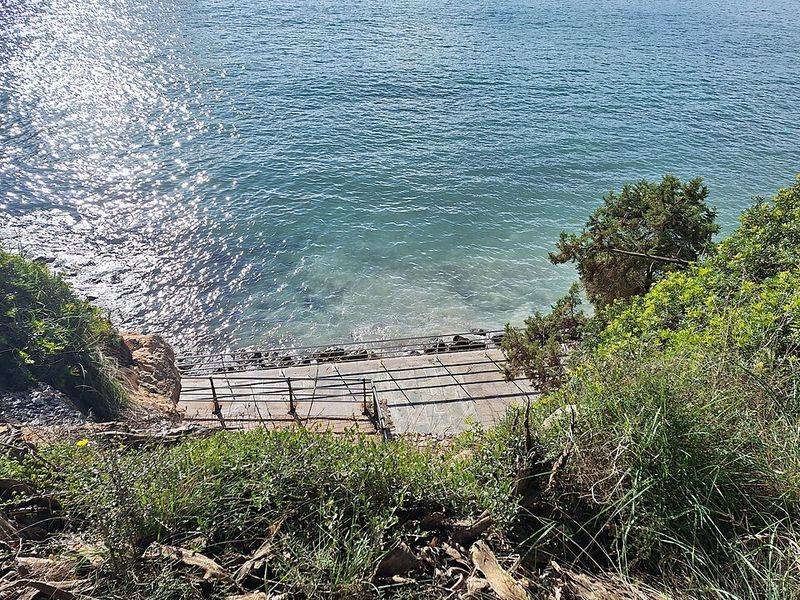
The water in Mallorca has a quality that genuinely stops people mid-sentence. Turquoise, transparent, almost impossibly blue — it looks like someone filtered a photograph, except it’s just Tuesday morning and you’re standing on a beach.
Much of this clarity comes from the absence of river runoff into the sea around the island, combined with strict environmental protections that have kept many coastal areas clean and healthy. Posidonia oceanica seagrass meadows — a protected species in the Balearics — play a huge role in maintaining water quality.
You’ll often see their dried leaves on the beach, which is actually a good sign of a healthy marine environment.
Snorkeling is excellent around many of Mallorca’s coves, even without venturing far from shore. Cala Varques, Cala Mondrago, and the waters around Formentor are particularly stunning for underwater exploration.
Renting snorkel gear is easy and cheap at most beach towns. If you want to go deeper, scuba diving courses and guided dives are available at several coastal centers.
Even if you’re not a swimmer, watching the seabed through the hull of a glass-bottom boat tour near Palma or Alcudia delivers the same jaw-dropping effect. The water really is that good.
Give Yourself Enough Time
Mallorca is the kind of place that punishes rushing. Squeeze it into a long weekend and you’ll come home having seen a beach and a cathedral, wondering what all the fuss was about.
Give it a week or more, and the island starts to reveal itself properly.
Five to seven days is the minimum recommended by most experienced Mallorca travelers. That gives you time to explore Palma properly, drive into the mountains, visit a few beaches, wander a village market, and still have an afternoon to do absolutely nothing — which, for the record, is entirely valid and highly encouraged.
Ten days or two weeks allows you to settle into the island’s pace, which is noticeably slower and more enjoyable than most of Europe. You can take the vintage train to Soller on a whim, spend a full morning exploring Alcudia’s ancient walled town, or follow a hiking trail without checking the time every 20 minutes.
The best moments in Mallorca tend to be unplanned ones — a conversation with a local, a hidden restaurant found by accident, a cove stumbled upon while taking a wrong turn. Those moments need space and time to happen.
Build both into your itinerary.
Mallorca Is Very Family-Friendly
Families are genuinely well catered for in Mallorca — not in a forced, theme-park kind of way, but in the naturally relaxed Mediterranean style where kids are welcomed everywhere and nobody gives you a look when your toddler has a meltdown at a restaurant.
The calm, shallow waters of beaches like Playa de Muro, Cala d’Or, and Santa Ponsa are ideal for young children. Water depths are gentle, and the sandy seabeds are forgiving for little feet.
Many resorts in the north and east are specifically set up for families, with shallow pools, kids’ clubs, and playgrounds alongside proper adult facilities.
Beyond the beach, Mallorca keeps kids entertained with boat trips, horse riding, cycling, cave visits, and water parks like Aqualand near Arenal. The Palma Aquarium is a hit with younger visitors and genuinely impressive even for adults.
Eating out with children is easy — Spanish meal culture is relaxed about timing and noise, and most restaurants offer kid-friendly options alongside their main menu. Pharmacies are well-stocked and easy to find, which matters when you’re traveling with small children.
The island’s low crime rate and generally safe environment also make it an easy, low-stress choice for parents.
Try Local Food and Markets
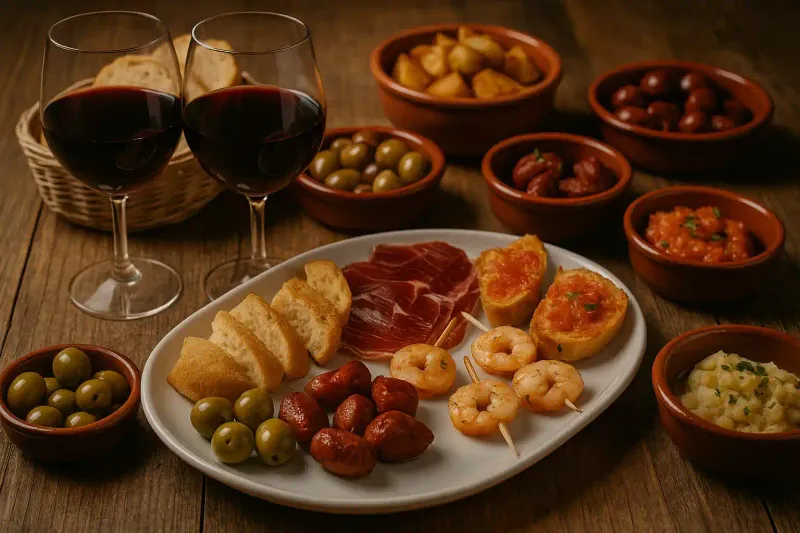
Sobrasada on warm bread, a glass of local Binissalem red wine, and a spiral of ensaimada pastry dusted in icing sugar — Mallorca’s food scene is the kind that makes you rethink your entire diet back home.
The island’s cuisine blends traditional Mallorcan cooking with fresh Mediterranean ingredients, and markets are the best place to experience both. Sineu hosts one of the island’s most authentic weekly markets every Wednesday, drawing locals as much as tourists.
Palma’s Mercat de l’Olivar is a permanent indoor market with excellent fresh fish, cheese, and local charcuterie that’s worth visiting any day of the week.
Restaurants in smaller villages often serve the most honest, satisfying food at the most reasonable prices. Look for places with handwritten menus in Catalan — the local language — as a rough guide to authenticity.
Pa amb oli, a simple dish of bread rubbed with tomato and olive oil, topped with whatever is fresh, is the island’s unofficial comfort food and costs next to nothing. Mallorcan almonds, local honey, and capers are excellent things to bring home.
Skipping the resort buffet in favor of a local restaurant even once or twice completely changes how you remember the trip.
You Can Easily Visit Other Islands
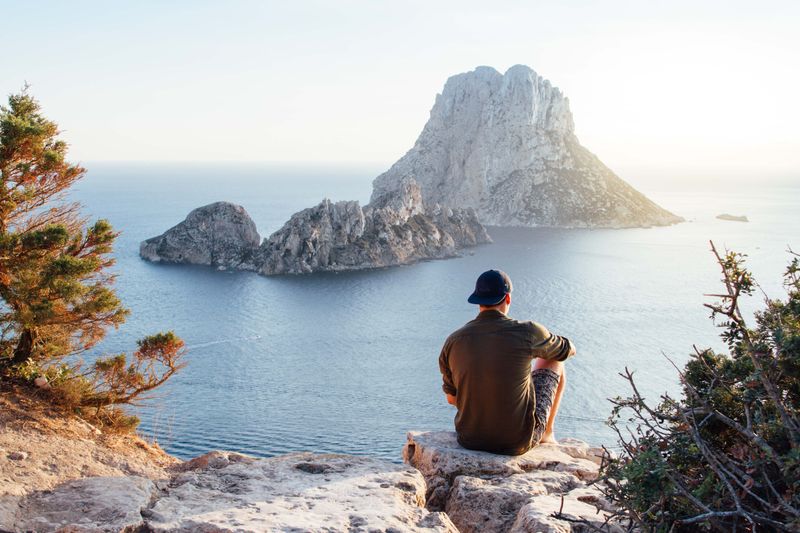
Mallorca sits at the center of the Balearic Islands like a well-connected hub, which means you’re never far from another completely different island experience — and the logistics are surprisingly painless.
Ferries operated by Balearia and Trasmediterranea connect Mallorca to Menorca, Ibiza, and Formentera with regular crossings throughout the day in summer. A fast ferry from Palma to Ibiza takes around two and a half hours.
Menorca, known for its prehistoric sites and quieter beaches, is about four hours by standard ferry or a short 30-minute flight. Both options are affordable if you book ahead.
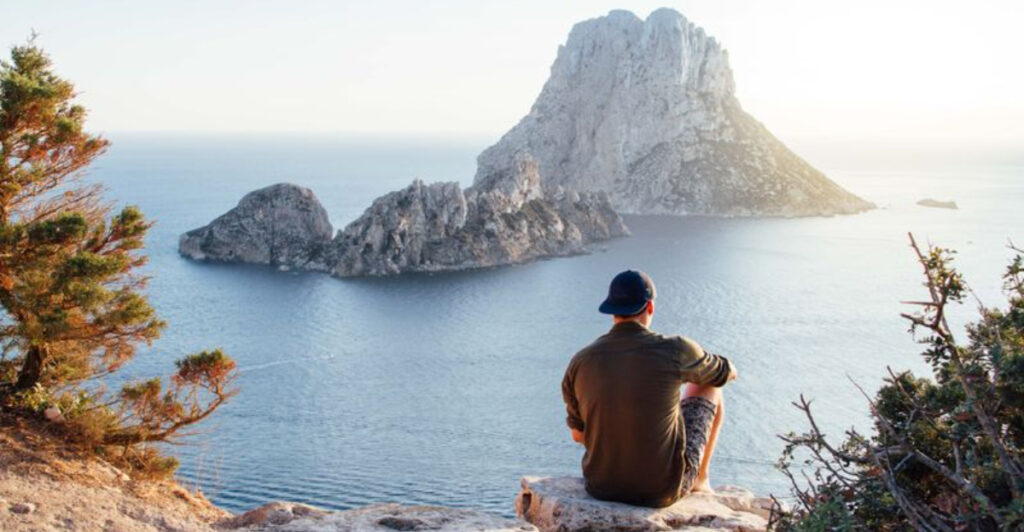
Adding a night or two on a neighboring island works particularly well if you’re visiting for 10 days or more. Ibiza offers world-famous nightlife but also a surprisingly beautiful rural interior and historic UNESCO-listed old town.
Menorca is calmer, greener, and ideal if you want to escape the crowds entirely. Formentera, accessible from Ibiza, is tiny and stunning with some of the clearest water in the Mediterranean.
You can even take a short flight or ferry to Barcelona on the mainland for a city hit mid-trip. Mallorca’s connectivity makes multi-destination travel genuinely easy.
Choose the Right Area to Stay
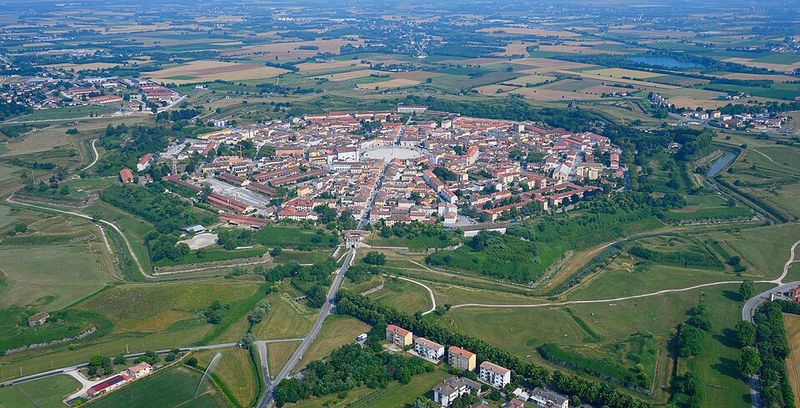
Where you sleep in Mallorca shapes your entire experience — and getting this decision wrong is one of the most common regrets first-time visitors mention when they come back for a second trip.
Palma is ideal for culture lovers, foodies, and anyone who wants to explore the city’s architecture, galleries, and restaurant scene. The southwest around Magaluf and Palmanova is unashamedly party-focused — great if that’s your scene, but jarring if it isn’t.
The north around Port de Pollenca and Alcudia draws a mix of families and walkers, with a more relaxed, scenic vibe. The east coast — Cala d’Or, Porto Cristo, Cala Millor — offers a middle ground of beaches, caves, and relatively peaceful towns.
The mountain villages of Deia, Banyalbufar, and Soller attract artists, hikers, and those seeking something genuinely atmospheric and unhurried. They’re beautiful but require a car and aren’t ideal for anyone who wants nightlife or easy beach access.
Renting a villa or rural finca in the interior is another option that’s become increasingly popular for groups and families wanting space and privacy. Spend 10 minutes matching your travel style to a region before booking, and you’ll avoid the most avoidable disappointment of any Mallorca trip.
Look Beyond Tourist Hotspots
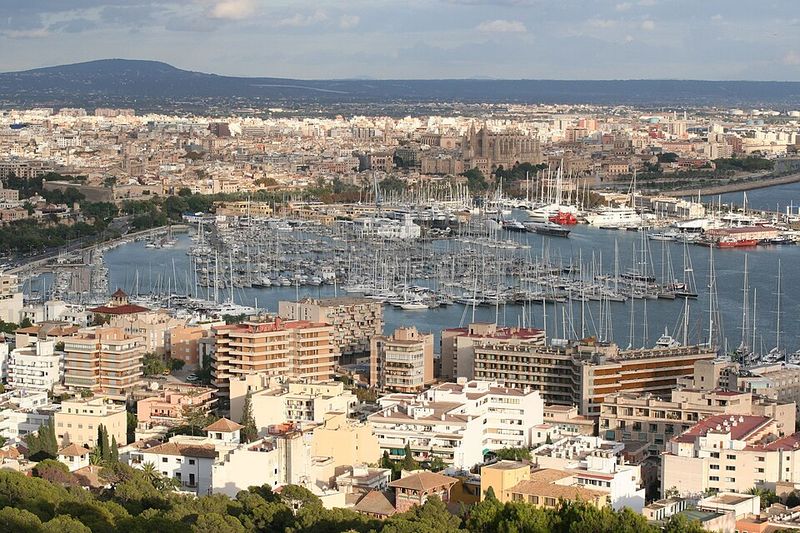
Mallorca’s reputation as a packed resort island is not entirely undeserved — but it only tells the story of the people who never left the pool. Step off the well-worn path even slightly, and the island becomes a completely different place.
Villages like Petra, Campos, and Algaida see almost no tourist traffic despite being genuinely beautiful and full of character. Local bakeries, unmarked wine bars, and Sunday church bells ringing over empty plazas — this is the Mallorca that residents actually live in, and it’s accessible to anyone willing to drive 20 minutes away from the resort strip.
Artisan shops in smaller towns sell handmade leather goods, ceramics, and olive wood products at a fraction of the prices you’d pay in Palma’s tourist quarter. Local festivals called festes happen throughout the year in villages across the island and are free, vibrant, and completely untouched by the tourism industry.
The Mallorca Tourism Board website lists them by date and location. Even popular spots like Cap de Formentor become dramatically more peaceful if visited at dawn rather than mid-afternoon.
The island rewards curiosity. The more you wander without a fixed plan, the more you find things that don’t appear in any guidebook — and those are always the best finds.
Share this story