On any cruise, the real highlights often happen off the ship. The best ports are those where you can step ashore and instantly find iconic landmarks, natural beauty, or unforgettable cultural experiences within easy reach.
Experts consistently rank ports based on scenery, accessibility, and the quality of excursions, emphasizing that the destination itself often matters more than the ship. From Mediterranean classics to remote wilderness stops, these cruise ports offer experiences that make every minute on land count.
Dubrovnik, Croatia
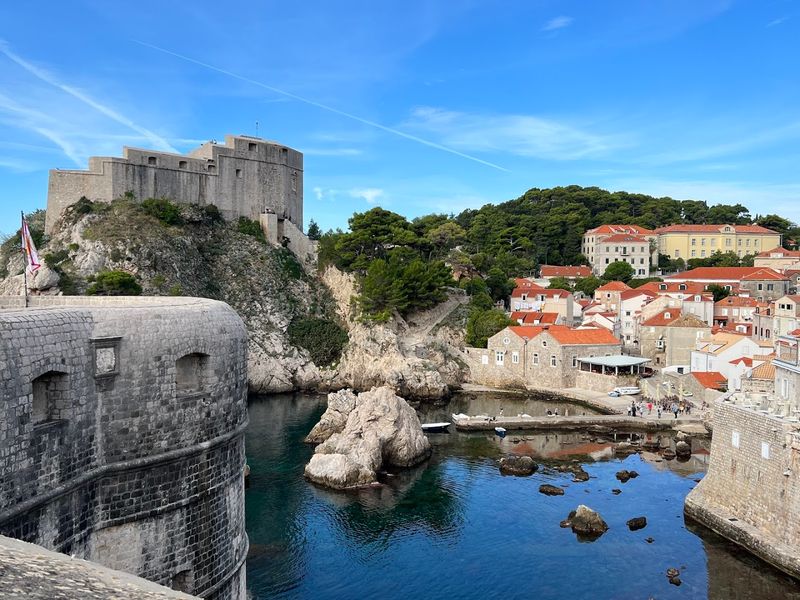
Walk the ancient city walls of Dubrovnik and you will quickly understand why they call it the Pearl of the Adriatic. The views from the top — red rooftops on one side, sparkling sea on the other — are genuinely hard to beat.
It feels like stepping into a living history book.
The old town is compact and entirely walkable, which is great news for cruise passengers with limited time. Stradun, the main limestone-paved boulevard, runs straight through the heart of the city.
Cafes, churches, and hidden courtyards branch off in every direction, making every turn a small discovery.
Game of Thrones fans will recognize several filming locations scattered throughout the city, adding an extra layer of excitement for pop culture enthusiasts. The Rector’s Palace, Fort Lovrijenac, and the city’s medieval walls all appeared in the show.
Beat the midday heat by starting early, and consider the cable car up Mount Srd for a sweeping view of the entire coastline below. Dubrovnik rewards those who explore beyond the main boulevard.
Juneau, Alaska

Juneau is the only U.S. state capital you cannot reach by road — and that isolation is exactly what makes it so extraordinary. Every visitor arrives by air or sea, which means the wilderness here feels genuinely untouched.
Step off the ship and you are already surrounded by mountains, rainforest, and wildlife.
The Mendenhall Glacier is just 12 miles from the cruise dock and is one of the most accessible glaciers in North America. Visitors can walk right up to the ice, hike surrounding trails, or watch waterfalls cascade down from glacial meltwater.
It is both beautiful and a powerful reminder of how climate change is reshaping the landscape.
Whale watching tours depart frequently from Juneau’s harbor, and humpback sightings are remarkably common during summer months. Bald eagles are practically a daily sighting here.
For something more laid-back, the downtown area has great seafood restaurants, local breweries, and a surprisingly rich history tied to the Gold Rush era. Juneau is proof that some of the best cruise stops feel nothing like a typical port town.
Barcelona, Spain
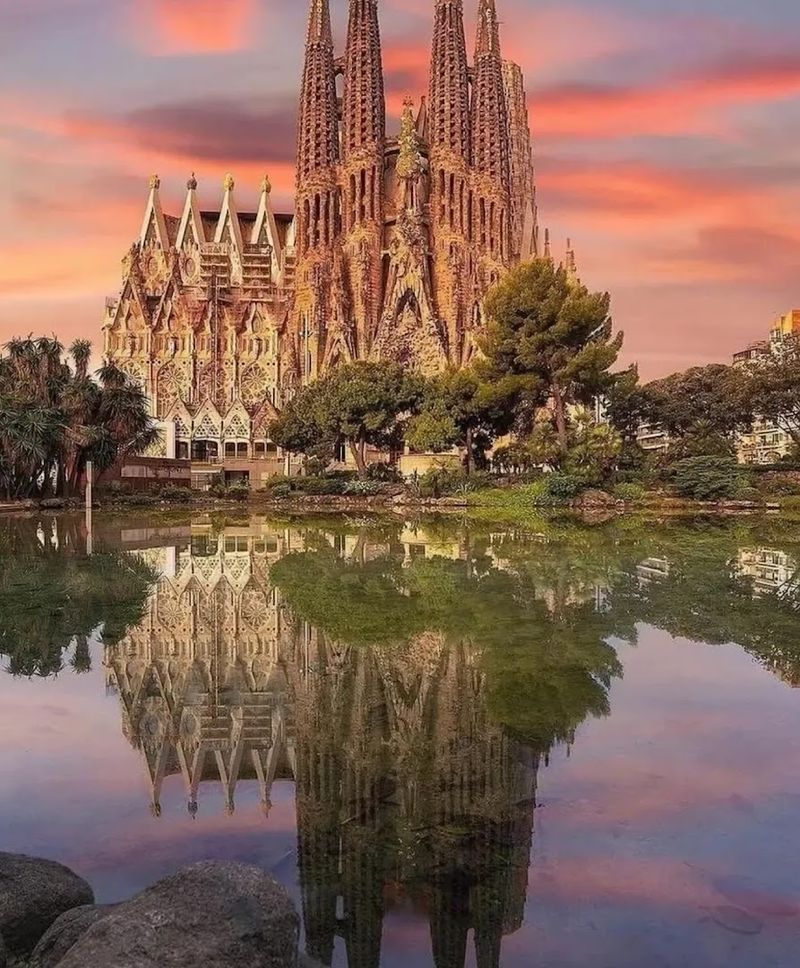
Barcelona does not ease you in gently — it grabs your attention the moment you step ashore. The port sits right at the base of La Rambla, the city’s famous tree-lined boulevard, putting you steps away from food stalls, street performers, and century-old architecture.
Few European ports offer such immediate access to the action.
Gaudi’s influence is everywhere in this city, from the mosaic wonderland of Park Guell to the jaw-dropping Sagrada Familia basilica, which has been under construction since 1882 and is still not finished. Both are reachable by taxi or metro in under 20 minutes from the port.
Booking entry tickets in advance is strongly recommended to avoid long queues.
The Gothic Quarter, just a short walk from the waterfront, is a maze of narrow medieval streets hiding tapas bars, boutique shops, and Roman ruins. Barcelona’s food scene is world-class — fresh seafood paella near the beach is an absolute must.
Even a six-hour stop gives you enough time to taste the city’s energy. Barcelona is the kind of port that makes you wish your cruise itinerary included a second day here.
Cozumel, Mexico
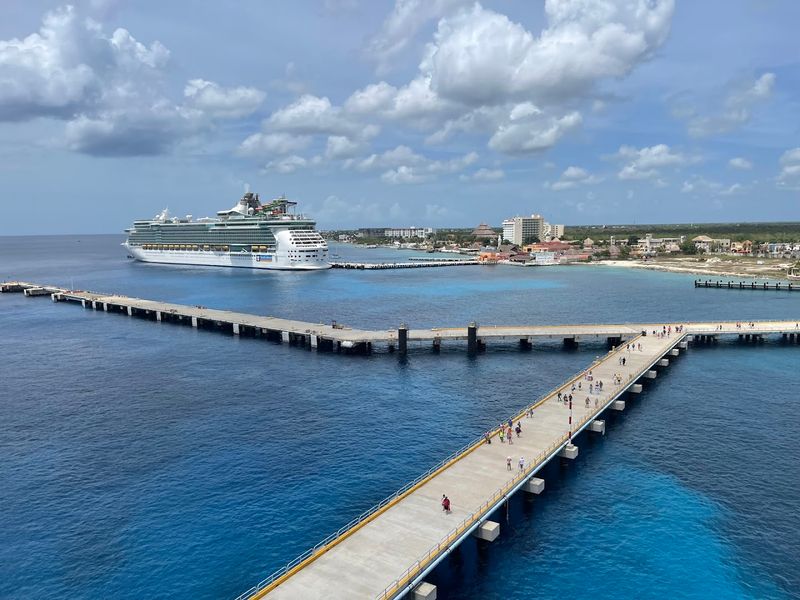
Cozumel sits on top of one of the most spectacular coral reef systems on the planet — the Mesoamerican Barrier Reef, second in size only to Australia’s Great Barrier Reef. That fact alone explains why this island is one of the most visited cruise ports in the entire Caribbean.
The underwater world here is simply extraordinary.
Snorkelers and divers are spoiled for choice, with reef sites offering visibility up to 100 feet on a clear day. Colorful parrotfish, sea turtles, and eagle rays are regular sightings.
For non-swimmers, glass-bottom boat tours provide a stunning view of the reef without getting wet.
Above the water, Cozumel offers beautiful white-sand beaches, fresh ceviche at beachside shacks, and a cheerful downtown filled with local shops and Mexican craft vendors. Playa Palancar and Paradise Beach are two fan favorites for a relaxing afternoon.
The island is small enough to explore by scooter, which many visitors rent right at the pier. Cozumel has a laid-back Caribbean rhythm that makes it easy to forget you have a ship to return to — so keep an eye on the clock.
Santorini, Greece
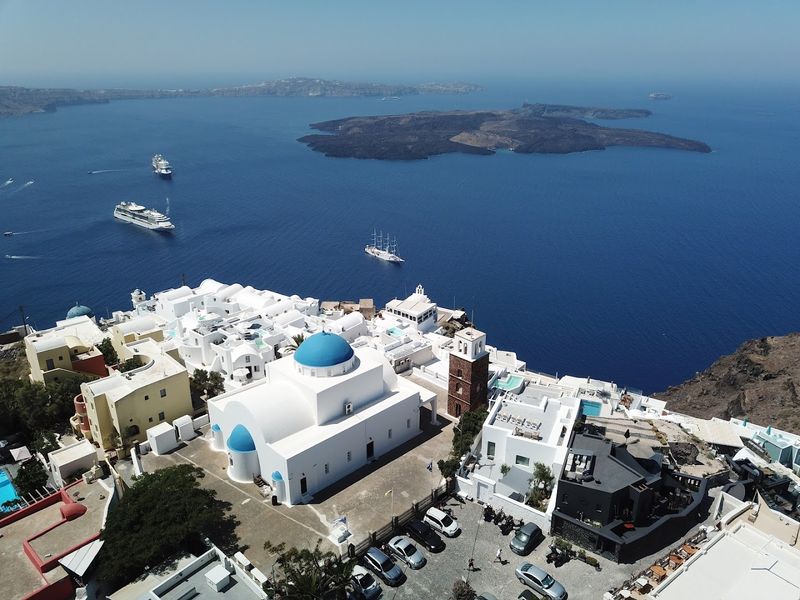
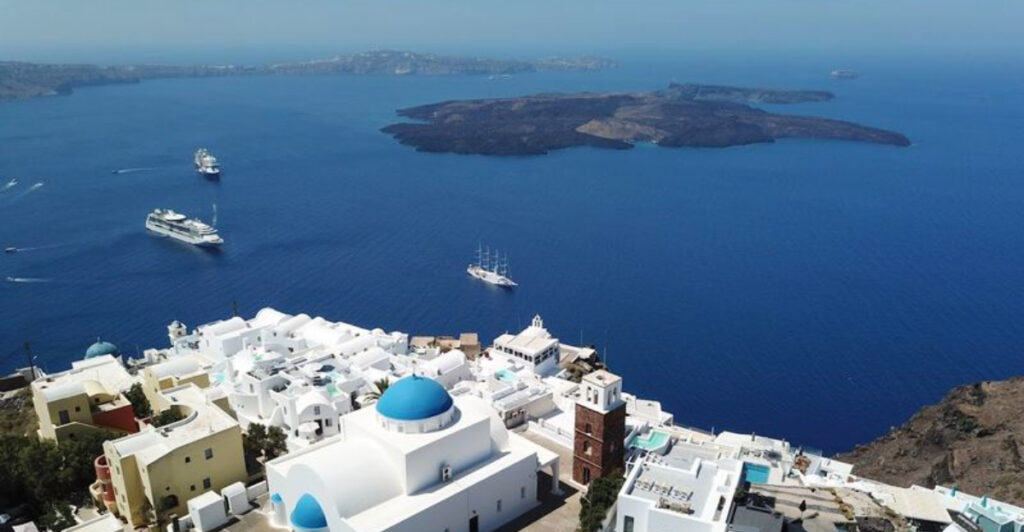
Few arrivals in the world hit quite like sailing into Santorini’s caldera at sunrise, with towering black cliffs and white-capped villages glowing against the morning sky. The visual impact alone is worth booking the cruise.
Photographers, honeymooners, and curious first-timers all agree — this island delivers.
Getting ashore involves a cable car ride or a zigzagging donkey path up to Fira, the island’s main town. From there, a clifftop walking path leads to Oia, one of the most photographed villages on earth.
The walk takes about 90 minutes and passes stunning viewpoints the whole way.
Wine lovers will appreciate that Santorini produces exceptional Assyrtiko white wine, grown in volcanic soil that gives it a crisp, mineral flavor. Several wineries offer tastings with caldera views.
Sunset from Oia’s castle ruins is a bucket-list moment, though arriving early is smart since crowds gather fast. Plan your time wisely and Santorini will reward you generously.
Sydney, Australia
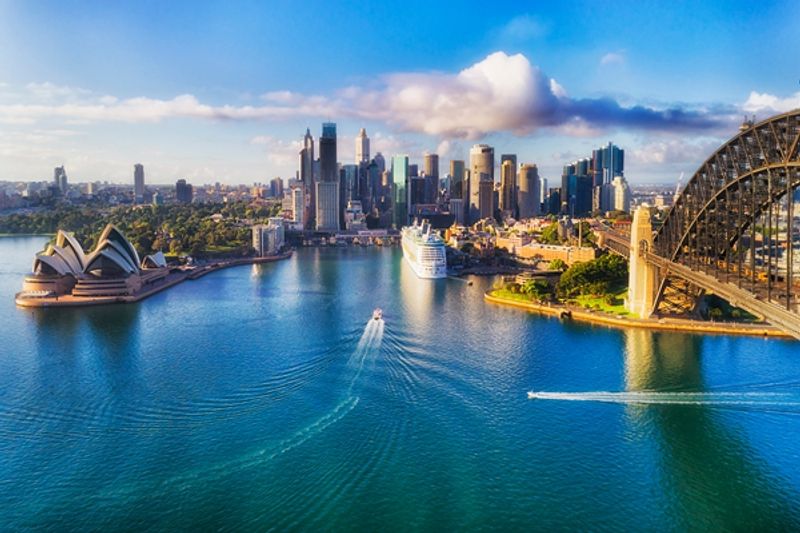
Sailing into Sydney Harbour is one of those travel moments that genuinely lives up to the hype. The Opera House appears first, its shell-shaped roof gleaming white against the skyline, followed by the sweeping arch of the Harbour Bridge.
Passengers line the deck railings every time — cameras out, jaws slightly dropped.
The port drops you within walking distance of the Rocks district, Sydney’s oldest neighborhood, packed with colonial-era buildings, weekend markets, and excellent pubs. Circular Quay, the main ferry hub, connects you to Bondi Beach, Manly, and the Royal Botanic Garden within minutes.
Sydney is a city that rewards both walkers and adventurers equally.
Climbing the Harbour Bridge is a bucket-list activity that offers unmatched 360-degree views of the city and harbor. It requires booking in advance and takes about three and a half hours.
For something less intense, a ferry ride to Manly Beach is cheap, scenic, and one of the best ways to experience the harbor up close. Sydney is so effortlessly impressive that even a single day ashore feels like a proper adventure.
Come hungry — the food scene here is world-class.
Nassau, Bahamas
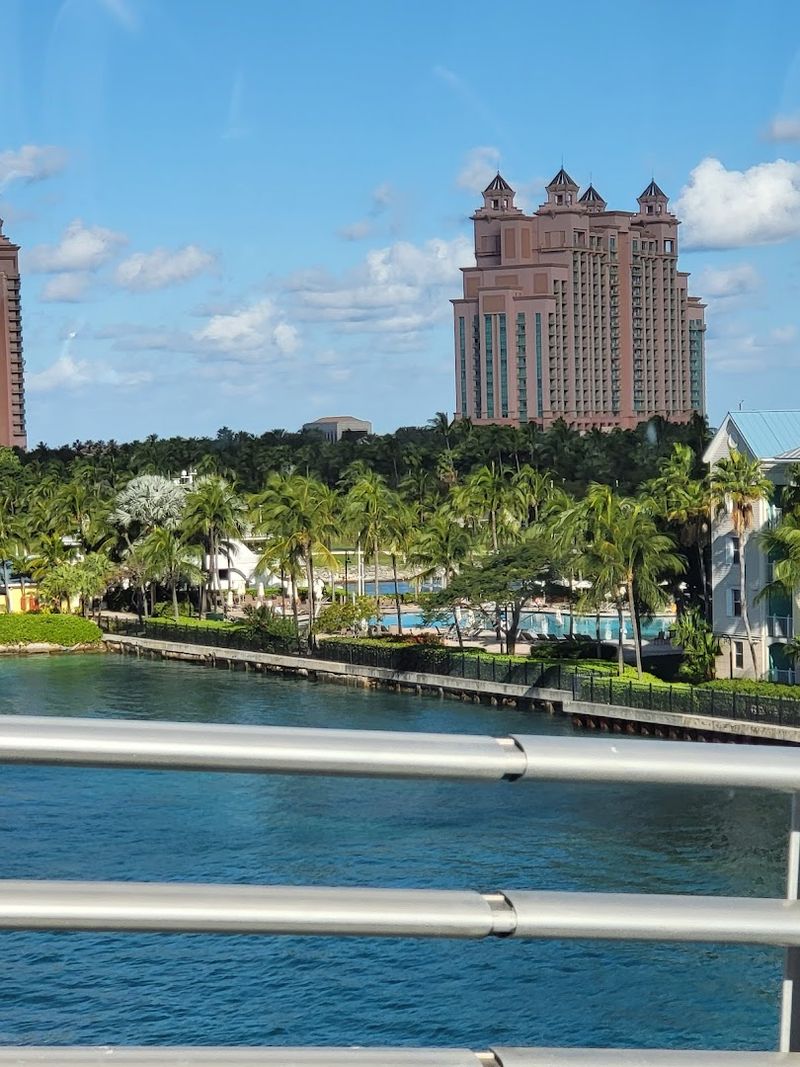
Nassau is the kind of port where you can go from a bustling colonial downtown to a powder-soft beach in about 15 minutes flat. That versatility is exactly why it ranks among the most visited cruise destinations in the world.
There is genuinely something here for everyone, whether you want adventure, culture, or a hammock under a palm tree.
The downtown area near Prince George Wharf is lively and colorful, with pastel-painted buildings, local straw markets, and the impressive Government House perched on a hill above the city. Bay Street is the main shopping strip, popular for duty-free goods and local crafts.
History buffs will enjoy Fort Charlotte, a well-preserved 18th-century fortress just a short taxi ride away.
Cable Beach and the famous Atlantis resort on Paradise Island are top picks for beach lovers and families. The Atlantis water park alone can fill an entire day.
For a more local experience, head to Arawak Cay, known as the Fish Fry, where you can eat freshly grilled snapper and conch salad at outdoor stalls along the water. Nassau may be well-trodden, but it keeps delivering good times every single visit.
Reykjavik, Iceland

Reykjavik smells faintly of sulfur on certain mornings, and honestly, that is your first clue that this is not your average cruise port. Sitting on a geologically active island, Iceland’s capital is the launchpad for some of the most extraordinary natural landscapes on earth.
The city itself is small, walkable, and packed with personality.
The Golden Circle — featuring Geysir, Gullfoss waterfall, and Thingvellir National Park — is the most popular day-trip route from Reykjavik and takes roughly five to six hours. Many cruise lines offer organized excursions, but independent tours are easy to arrange as well.
Strokkur geyser erupts every five to ten minutes, shooting hot water 30 meters into the air. It never gets old.
Downtown Reykjavik has a surprisingly vibrant cafe culture, excellent seafood restaurants, and unique shops selling Icelandic wool sweaters and design goods. The Hallgrimskirkja church offers an elevator to the top for sweeping city views.
In summer, daylight lasts almost 24 hours, giving cruise passengers extra time to explore even on shorter stops. Iceland rewards curiosity at every turn, and Reykjavik is the perfect starting point for all of it.
St. Thomas, U.S. Virgin Islands
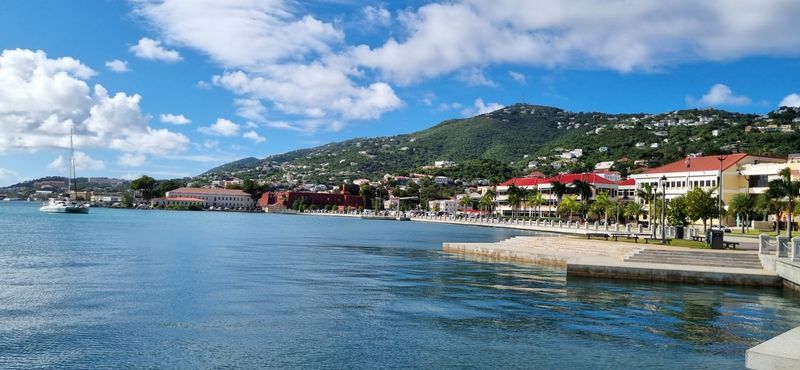
Charlotte Amalie, St. Thomas’s main town, has been a busy harbor since the 1600s — and the view from the hillside still looks like something painted by hand. Turquoise water, green hills, and rows of colorful buildings stacked above the waterfront make for one of the Caribbean’s most photogenic arrivals.
It is hard not to reach for your camera the moment the island comes into view.
Magens Bay is consistently ranked among the world’s most beautiful beaches, and it is only a short taxi ride from the cruise pier. The beach is wide, calm, and lined with palm trees — ideal for swimming, kayaking, or simply soaking up the Caribbean sun.
Entry is inexpensive and the facilities are well maintained.
St. Thomas is also one of the best duty-free shopping destinations in the Caribbean, with jewelry stores, designer boutiques, and local craft markets clustered near the waterfront. Water sports enthusiasts can find snorkeling, parasailing, and sailing charters departing from Red Hook Marina.
Drake’s Seat, a scenic overlook named after explorer Sir Francis Drake, offers a panoramic view of the surrounding islands. St. Thomas balances natural beauty and practical convenience better than almost any other Caribbean port on the map.
Kotor, Montenegro
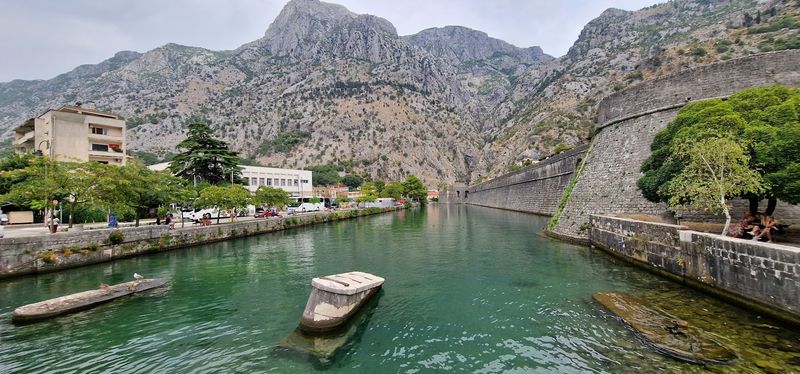
Sailing into the Bay of Kotor feels like the sea is leading you somewhere secret. The channel narrows as mountains rise steeply on both sides, and suddenly a medieval walled city appears at the base of a rocky peak.
It is one of the most dramatic cruise arrivals in all of Europe, full stop.
The old town of Kotor is a UNESCO World Heritage Site and one of the best-preserved medieval cities on the Adriatic coast. Its maze of cobblestone streets, Venetian-era palaces, and stone churches can be explored entirely on foot.
The famous cats of Kotor are another charming detail — they roam freely through the old town and even have their own small museum dedicated to them.
For the adventurous, the fortress of San Giovanni towers above the city and can be reached by climbing 1,355 steps up the ancient stone staircase. The views from the top are extraordinary — the entire bay spreads out below like a map.
Kotor is a port that rewards those who look up, climb higher, and wander without a fixed plan. Montenegro remains one of Europe’s most underrated destinations, and Kotor is its absolute crown jewel.
Venice, Italy
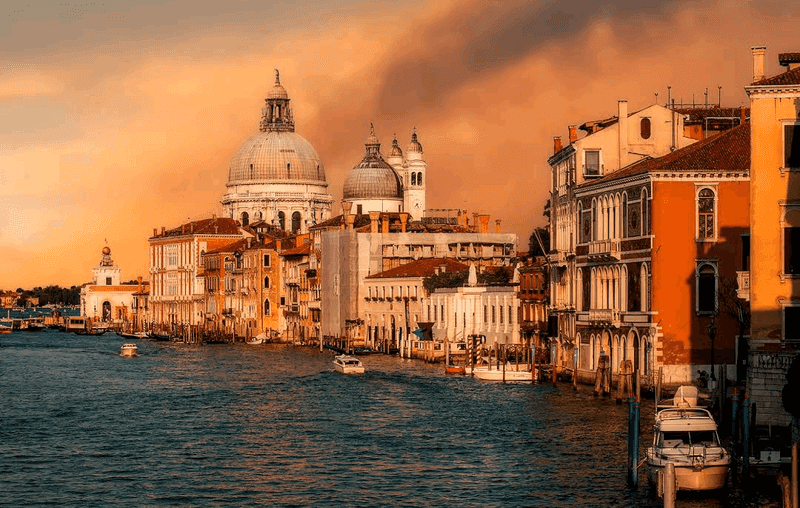
No city on earth greets you quite like Venice does — arriving by water into a place built entirely on water feels genuinely surreal. There are no cars, no roads, just canals, bridges, and centuries of extraordinary architecture stacked along narrow waterways.
The moment you step off the gangway, Venice immediately starts doing things to your sense of direction.
St. Mark’s Square is a short walk or vaporetto ride from the cruise terminal and anchors the city’s most famous sights — the ornate Basilica di San Marco, the Doge’s Palace, and the iconic Campanile bell tower. Gondola rides through the smaller back canals offer a quieter, more romantic side of the city away from the tourist crowds.
Getting lost in Venice is practically unavoidable and, honestly, encouraged. The city’s labyrinth of alleys and bridges constantly surprises you with hidden courtyards, tiny wine bars, and artisan workshops.
Fresh cicchetti — small Venetian snacks served at traditional bacaro bars — are a delicious and affordable way to eat like a local. Venice is under increasing pressure from over-tourism, so visiting respectfully and spending money at local businesses makes a real difference.
Every hour here feels borrowed from another century.
Skagway, Alaska
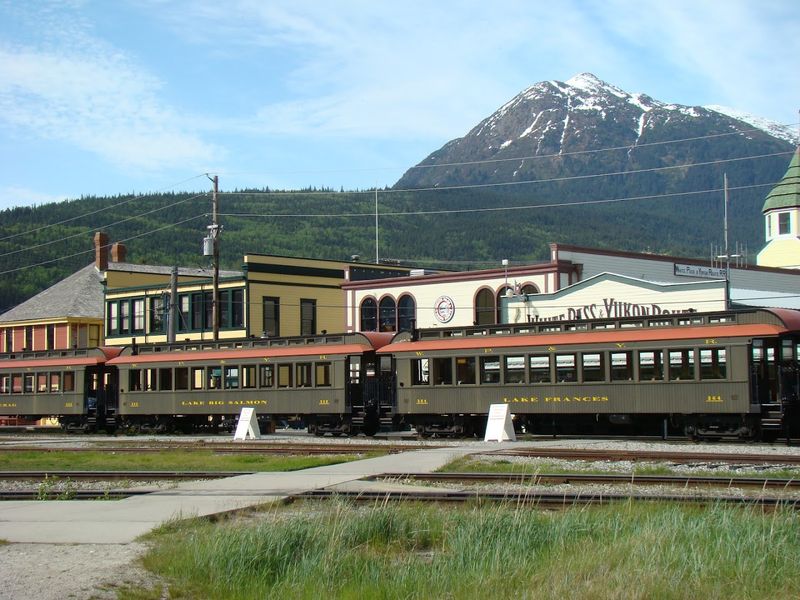
Skagway looks like a Gold Rush town straight out of a western film — because it basically is one. During the Klondike Gold Rush of 1898, thousands of fortune-seekers flooded through this tiny port, desperate to reach the Yukon goldfields.
Today, the entire downtown is a National Historic Park, and the well-preserved wooden storefronts make it feel like very little has changed.
The White Pass and Yukon Route Railroad is the crown jewel of any Skagway visit. This narrow-gauge railway climbs through dramatic mountain scenery, crossing bridges over deep gorges and passing through tunnels carved into solid rock.
It was originally built to support Gold Rush supply lines and remains one of the most scenic train journeys in North America.
Hikers can tackle the Chilkoot Trail, the famous route used by Gold Rush stampeders, though the full trail requires multiple days. Shorter hikes around town offer great mountain and valley views without the commitment.
Local shops sell Alaskan smoked salmon, gold nugget jewelry, and handmade crafts. Skagway is small — the entire town is walkable in under 20 minutes — but it packs a remarkable amount of history, scenery, and Alaskan character into every single block.
Mykonos, Greece
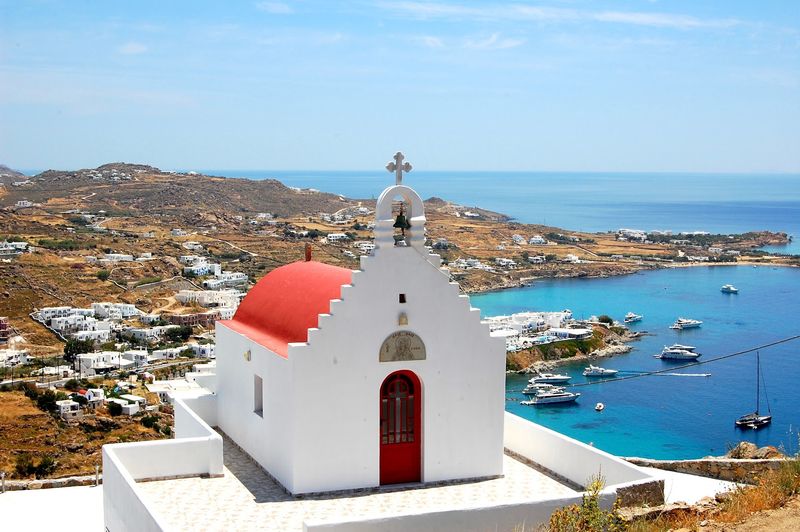
Mykonos has a way of making even a simple afternoon stroll feel like a scene from a travel magazine. The town, known as Chora, is a dense web of white-washed alleys deliberately designed to confuse pirates — and modern visitors.
Getting slightly lost here is not a problem; it is practically the point of the whole experience.
The island’s famous windmills sit on a hill above Little Venice, a row of colorful buildings built right along the waterline. Watching waves splash against the cafe terraces while sipping Greek coffee is one of the great simple pleasures of Mediterranean cruising.
Pelican Pete, the town’s beloved resident pelican, has been a Mykonos mascot since the 1950s.
Beaches on Mykonos range from lively and music-filled at Paradise Beach to calm and family-friendly at Ornos. A short bus or taxi ride connects most beaches from the port.
The island also has a thriving food scene, with fresh grilled octopus hanging outside tavernas being a classic and unmissable sight. Mykonos tends to get busy in peak summer, so arriving early in the day gives you the best chance to enjoy the quieter, more authentic side of this iconic Greek island.
Grand Cayman, Cayman Islands
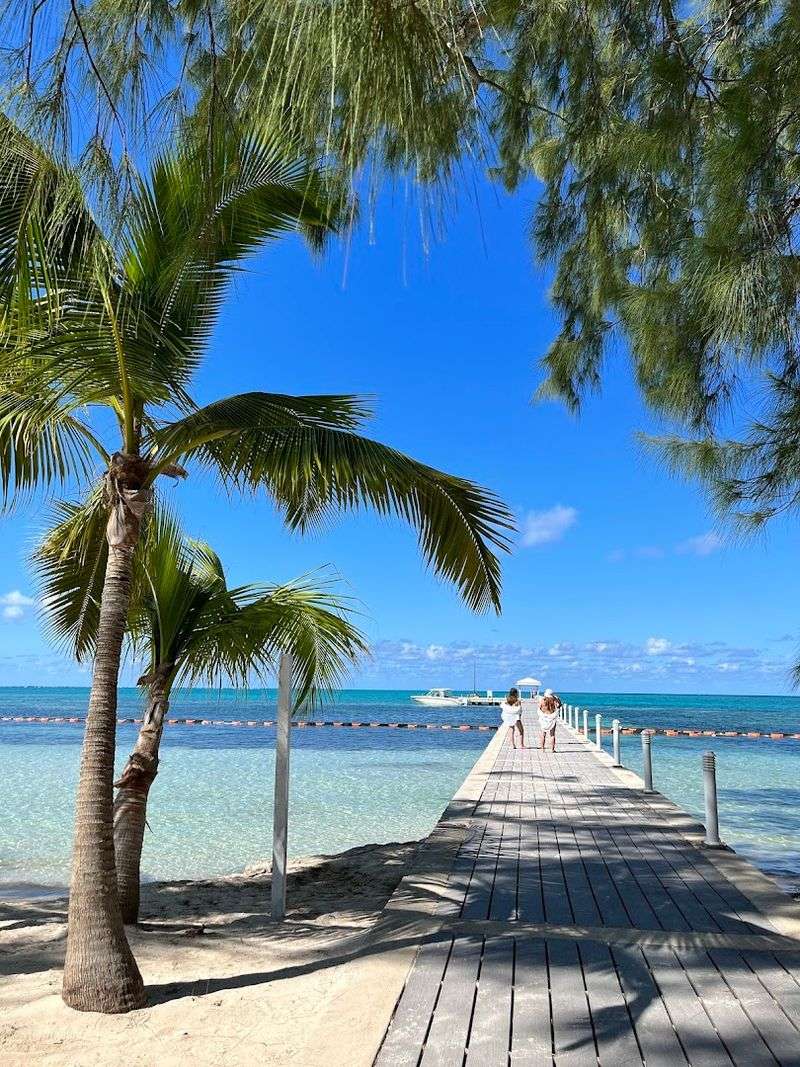
Grand Cayman does not have a traditional cruise pier — ships anchor offshore and passengers are ferried ashore by tender boats, which somehow makes the arrival feel even more like a Caribbean adventure. The ride in offers your first look at the impossibly clear water, which glows in shades of blue and green that seem too vivid to be real.
Stingray City is the island’s most iconic excursion and one of the most unusual wildlife encounters in the Caribbean. In a shallow sandbar surrounded by open water, dozens of friendly southern stingrays glide around visitors who wade in up to their waists.
The rays are accustomed to people and will swim right up to you — it is equal parts thrilling and oddly adorable.
Seven Mile Beach stretches along the western coast and is genuinely one of the finest stretches of sand in the entire Caribbean. The water is calm, warm, and ideal for swimming.
George Town, the island’s capital, offers duty-free shopping for jewelry, rum, and local crafts just a short walk from the tender pier. Grand Cayman manages to feel both polished and relaxed at the same time, which is a genuinely rare combination for any cruise destination.
Naples (Amalfi Coast), Italy
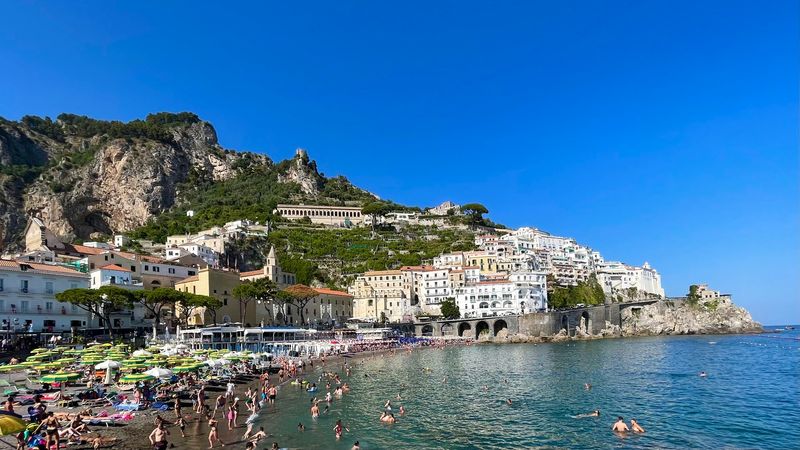
Naples is the kind of port that comes loaded with options — and that is exactly what makes it one of the most exciting stops in all of Europe. Within an hour of the cruise dock, you can be standing at the edge of an ancient Roman city buried by volcanic ash, staring into the crater of a still-active volcano, or winding along one of the world’s most beautiful coastal roads.
The hardest part is choosing.
Pompeii is the headline act for most visitors and rightfully so. The preserved ruins of the city buried by Mount Vesuvius in 79 AD are haunting, fascinating, and surprisingly large.
A guided tour brings the ancient streets to life in ways that self-guided exploration simply cannot match. Mount Vesuvius looms just above the site and can be combined into a half-day trip.
The Amalfi Coast towns of Positano and Ravello are reachable by organized excursion or local ferry and deliver the kind of scenery that makes people reconsider their entire life plans. Naples itself is worth exploring too — it is the birthplace of pizza, and the Neapolitan version, with its soft charred crust and simple ingredients, is considered the gold standard worldwide.
Arrive hungry. Leave inspired.
Share this story