Eastern Europe is home to some of the continent’s most underrated natural wonders, where emerald rivers, forested valleys, and dramatic mountain landscapes create the perfect setting for spectacular waterfalls. From Croatia’s famous cascades to hidden gems in Albania and Romania, these destinations offer breathtaking beauty without the overwhelming crowds of Western Europe.
Many of these waterfalls are part of protected national parks or UNESCO-listed landscapes, shaped over thousands of years by rivers carving through limestone and ancient rock formations. Here are 17 magical waterfalls that reveal the wild, untouched beauty of Eastern Europe.
Plitvice Lakes Waterfalls, Croatia
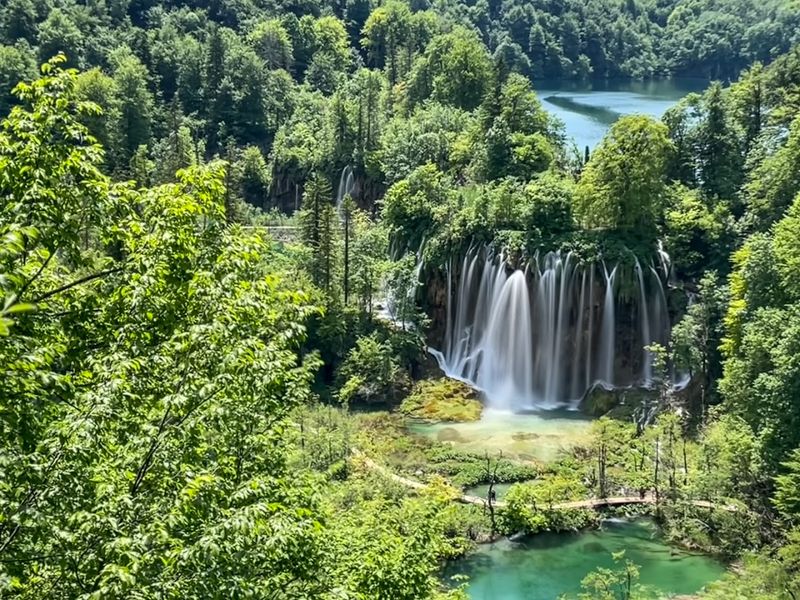
Over 90 waterfalls connected by impossibly blue lakes — Plitvice Lakes National Park is the kind of place that makes you double-check whether you’re still on planet Earth. Located in central Croatia, this UNESCO World Heritage Site has been wowing visitors since 1949, when it was first protected as a national park.
The waterfalls here range from small, delicate trickles to powerful cascades plunging into crystal-clear pools below. What makes Plitvice extra special is the system of wooden boardwalks that weave right alongside the water, letting you feel the cool mist on your face as you explore.
You’re basically walking through a living postcard.
Spring and early autumn are the best times to visit, when water levels are high and tourist crowds are slightly more manageable. The park covers 295 square kilometers, so wear comfortable shoes and bring snacks — you’ll want to spend the whole day here.
Photography lovers especially go wild for the Lower Lakes trail, where light filters through the trees and hits the water at perfect angles throughout the afternoon.
Krka Waterfalls (Skradinski Buk), Croatia
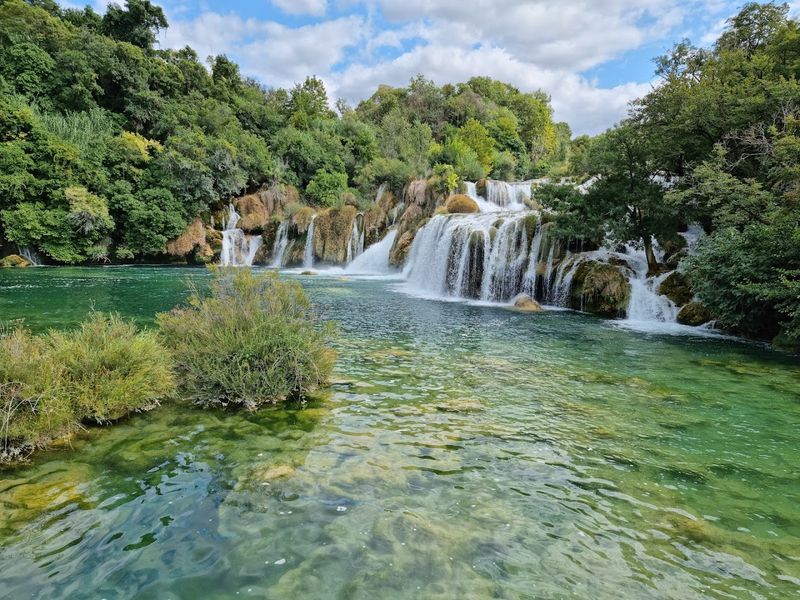
Skradinski Buk doesn’t just flow — it performs. This grand, multi-tiered waterfall at Krka National Park is one of the most theatrical natural spectacles in all of Southern Europe, spreading across 17 separate cascades over a stretch of nearly 800 meters.
Unlike many waterfalls that require serious hiking to reach, Skradinski Buk is refreshingly accessible. A well-maintained wooden pathway loops around the falls, giving visitors front-row views without breaking a sweat.
For years, swimming was allowed in the natural pools below the cascade, making it wildly popular during summer months — though swimming rules have changed in recent years to protect the ecosystem.
The surrounding park is equally stunning, with ancient watermills dotting the riverbanks and rich birdlife filling the air with sound. Krka National Park sits near the Dalmatian coast, making it easy to combine with a beach holiday.
Boat trips from the nearby town of Skradin add another fun dimension to the experience. Visiting early in the morning gives you the best light for photos and a quieter atmosphere before the day-trip crowds arrive from Split and Dubrovnik.
Kravica Waterfall, Bosnia and Herzegovina
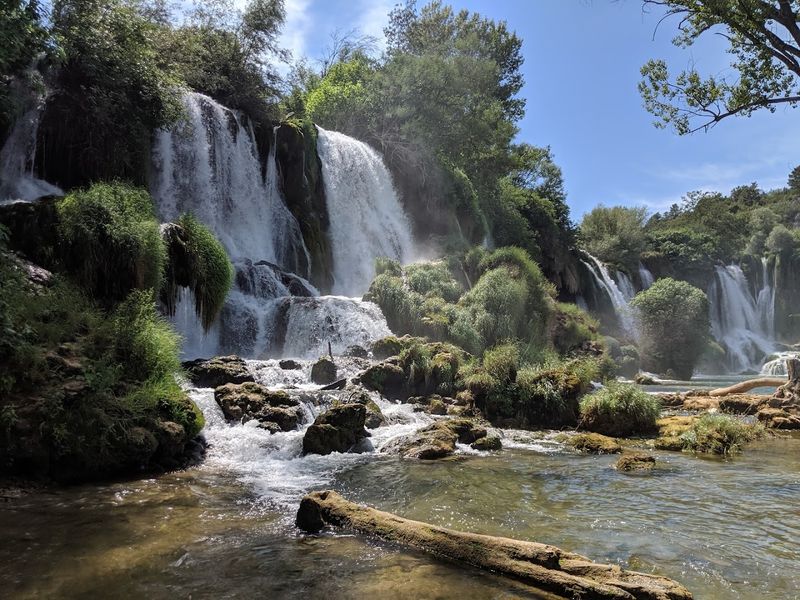
Calling Kravica a waterfall almost undersells it — this is a full-blown natural amphitheater of crashing water, lush greenery, and electric-blue swimming pools. Tucked away in Herzegovina near the town of Ljubuski, Kravica is sometimes nicknamed the “mini Niagara of the Balkans,” and once you see it, that label makes complete sense.
The waterfall forms a dramatic horseshoe shape, stretching about 120 meters wide and dropping around 25 meters into a gorgeous natural pool below. Swimming here during summer is an absolute highlight — the water is refreshingly cool, and the surrounding cliffs and vegetation create a dramatic natural backdrop that no resort pool could ever replicate.
Kravica is also remarkably easy to reach, sitting just a short drive from Mostar, one of Bosnia’s most visited cities. Many travelers combine the two into a single day trip, which makes for an incredibly rewarding experience.
The site gets busy in July and August, so arriving early in the morning is strongly recommended. Spring visits are equally rewarding — water volume is at its peak, the vegetation is impossibly green, and the falls roar with an energy that feels almost alive.
Savica Waterfall, Slovenia
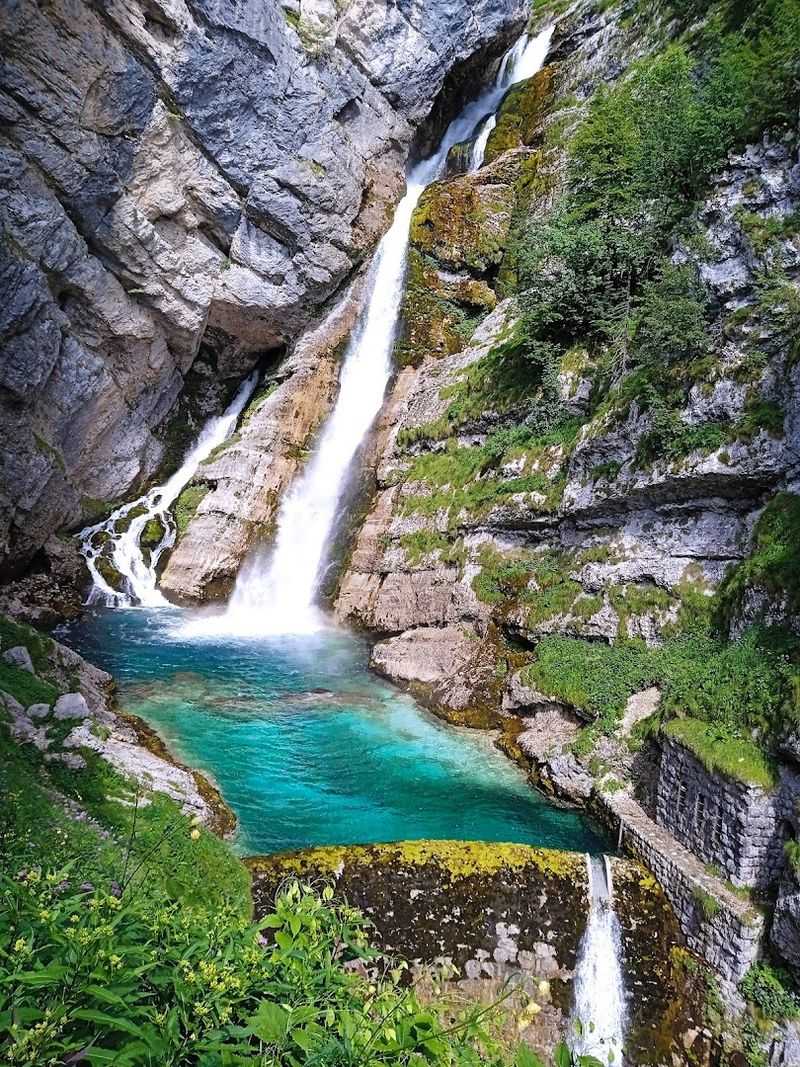
There’s something almost architectural about Savica Waterfall — its powerful, narrow jet of water shoots through a rocky notch in a perfectly shaped A-form, looking almost too precise to be entirely natural. Located within Slovenia’s Triglav National Park, this iconic cascade is closely linked to Slovenia’s national identity and even inspired a famous Romantic poem by national poet France Preseren.
Reaching Savica requires a 20-minute uphill walk from the parking area near Lake Bohinj, but the trail is well-marked and manageable for most fitness levels. The reward at the end is a waterfall that plunges roughly 78 meters into a jade-green pool at the base of a narrow gorge.
It’s compact, dramatic, and incredibly photogenic.
The surrounding Triglav National Park is Slovenia’s only national park, covering a massive chunk of the Julian Alps. Combining a Savica visit with a boat ride on nearby Lake Bohinj makes for a near-perfect day in the Slovenian mountains.
Autumn is a particularly magical time to visit, when the surrounding forests shift to warm shades of orange and gold, contrasting beautifully against the white rush of the falls and the dark canyon rock.
Peričnik Waterfall, Slovenia
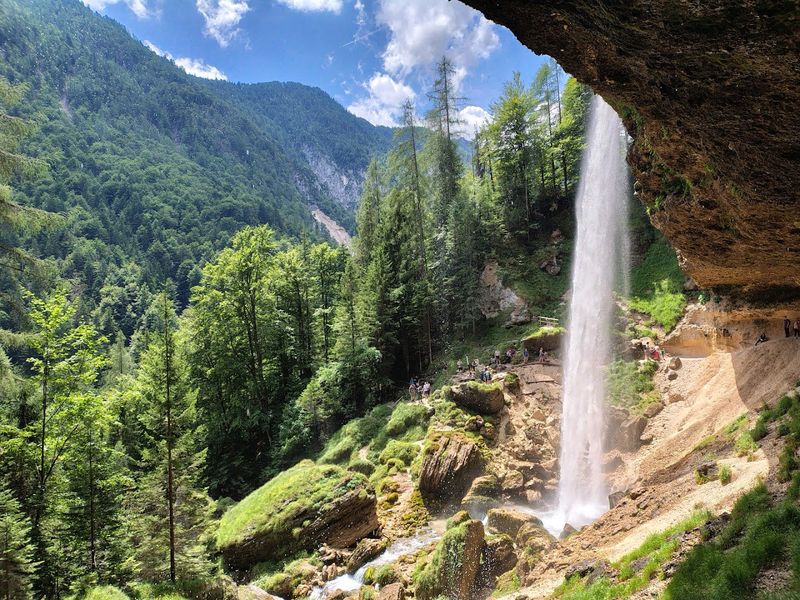
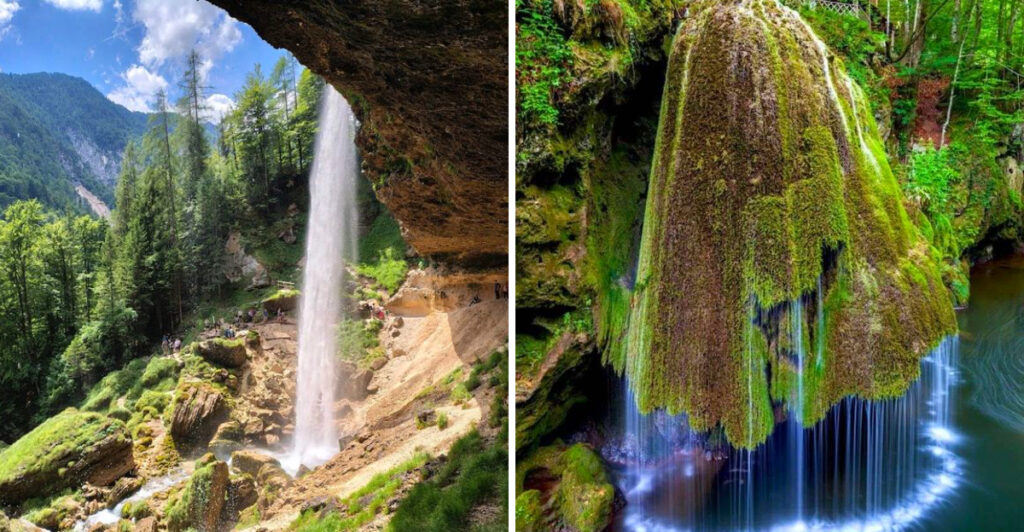
Walking behind a waterfall sounds like something from an adventure movie, but at Peričnik in Slovenia’s Vrata Valley, it’s just a regular Tuesday. This two-tiered waterfall is one of the few places in Europe where a well-maintained path actually takes you behind the curtain of falling water — and yes, you will absolutely get a little wet.
The upper fall drops about 52 meters, while the lower fall adds another 16 meters of cascading drama. Together, they create one of the most visually layered waterfall experiences in the entire Julian Alps.
The path behind the upper fall is carved into the cliff face, giving visitors a truly unique perspective that most waterfalls simply cannot offer.
Peričnik sits in the Triglav National Park, near the village of Mojstrana, and is reachable via a pleasant 30-minute forest walk from the parking area. The trail passes through a beautiful valley framed by towering peaks, making the journey itself worthwhile.
Winter visits are surprisingly popular too — the waterfall partially freezes, creating dramatic ice formations along the cliff face that draw photographers from across Europe. Layers are essential if you plan to visit between November and March.
Bigăr Waterfall, Romania
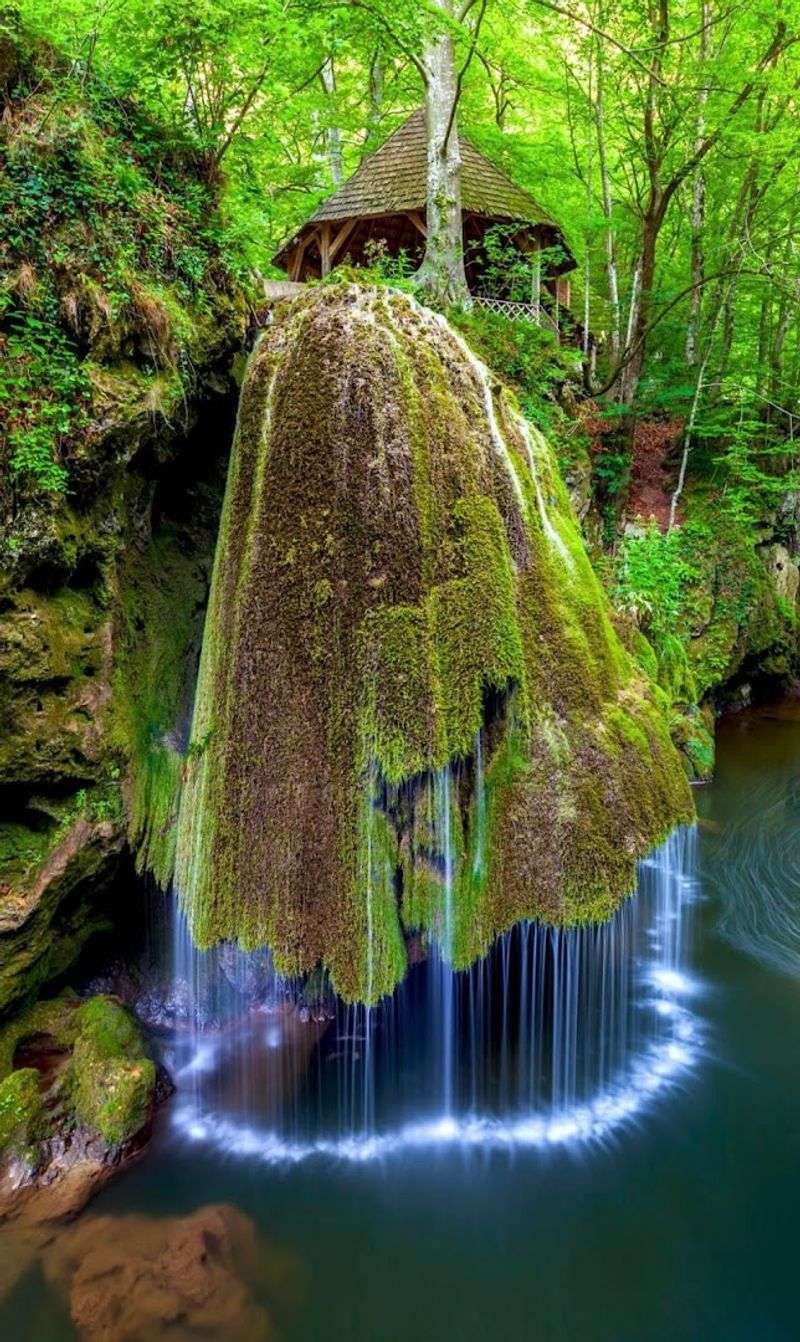
Bigăr Waterfall looks like something a special effects team designed for a fantasy film — water fans out in silky sheets over a giant moss-covered rock that resembles a glowing green mushroom rising from the forest floor. Tucked away in the Anina Mountains of southwestern Romania, this remarkable waterfall earned a spot on the World Geography Atlas as one of the most unique waterfalls on Earth.
What makes Bigăr so visually striking is how the water doesn’t just fall — it spreads in hundreds of thin, lace-like streams across the curved moss surface before dripping into the pool below. The effect is almost otherworldly, especially on sunny days when light filters through the surrounding trees and catches each droplet.
The waterfall is located near the village of Bigar in Caras-Severin County, within the Cheile Nerei-Beusnita National Park. Access is straightforward, with a short walk from the main road leading directly to the site.
Tragically, a large portion of the moss-covered rock collapsed in 2021, significantly altering its famous mushroom shape. Restoration efforts are ongoing, but the waterfall remains a fascinating and hauntingly beautiful destination that continues to draw curious visitors from around the world.
Balea Waterfall, Romania
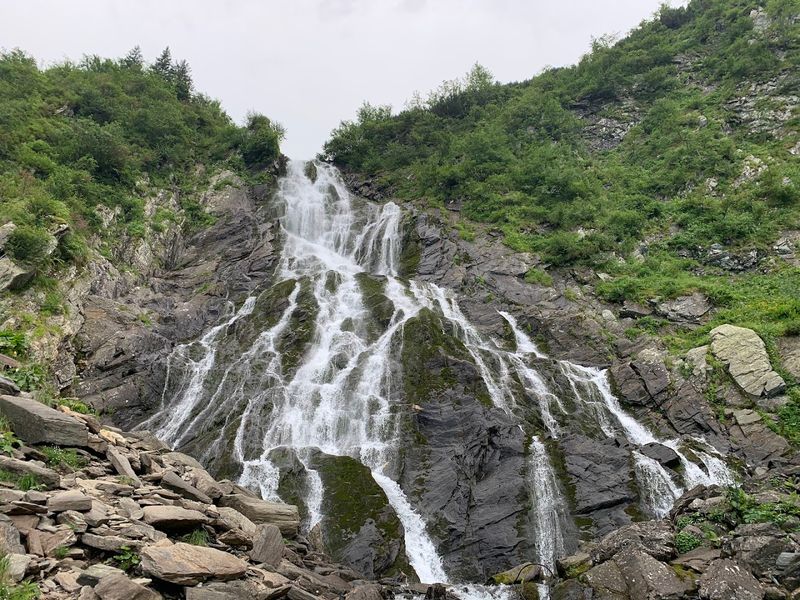
High in the Carpathian Mountains, where the air is sharp and the scenery feels borrowed from a wilderness epic, Balea Waterfall drops an impressive 60 meters down rugged volcanic rock — making it the tallest waterfall in Romania. It sits along the famous Transfagarasan Highway, one of the most scenic mountain roads in all of Europe.
Balea is at its most powerful during spring and early summer, when snowmelt from the surrounding peaks sends torrents of water thundering down the cliff face. The roar is audible long before you actually see the falls, building anticipation with every step of the approach trail.
Standing at the base and looking up at that wall of white water crashing down through ancient rock is genuinely humbling.
The nearby Balea Lake, sitting at 2,034 meters above sea level, adds another dimension to the visit. In winter, an ice hotel is constructed on the lake’s frozen surface — one of Romania’s quirkiest seasonal attractions.
The cable car from Cartisoara village provides access year-round when the mountain road is closed by snow. Whether you visit in the lush warmth of July or the frozen drama of January, Balea delivers an unforgettable mountain experience.
Skakavac Waterfall, Bosnia and Herzegovina
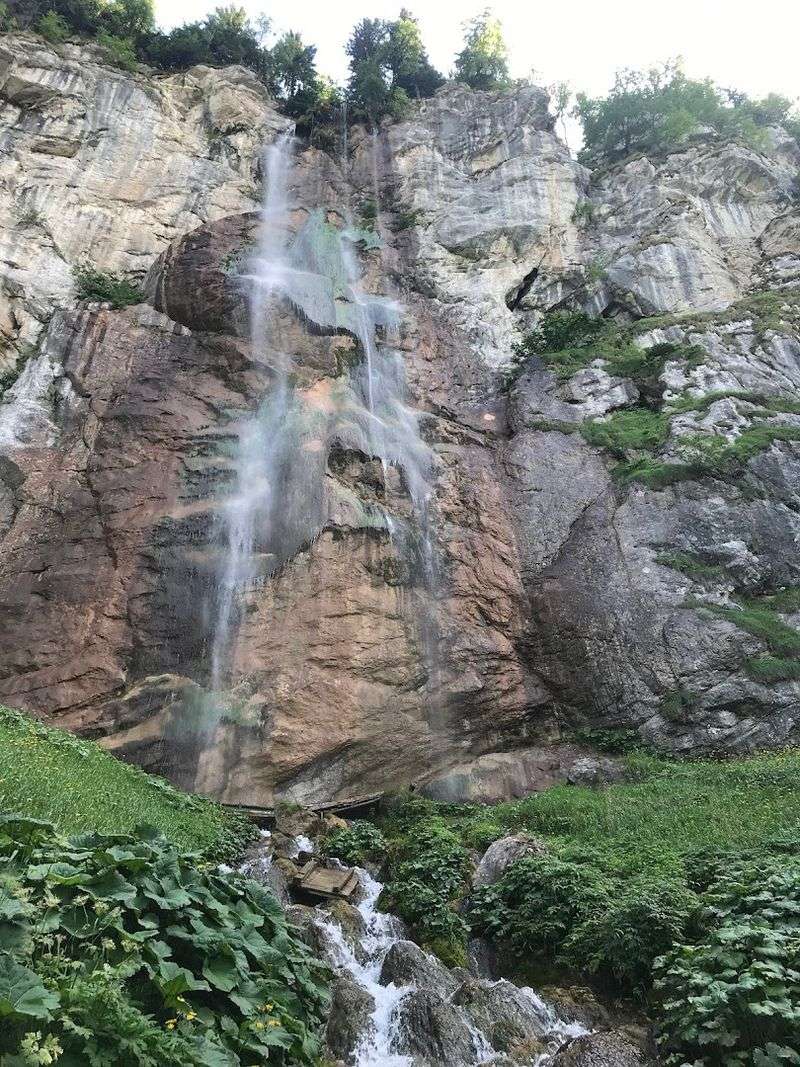
Just a short drive from the bustling streets of Sarajevo, a 98-meter wall of water crashes through a forested canyon so dramatic it feels like it belongs in a different universe entirely. Skakavac — whose name translates roughly to “grasshopper” in Bosnian — is the tallest waterfall in Bosnia and Herzegovina, hidden within the Bijambare Protected Landscape area.
Getting to Skakavac requires a moderately challenging hike of about 45 minutes through dense forest, crossing wooden bridges and following a rocky trail that winds alongside a bubbling stream. The effort is absolutely worth it.
When you finally round the final bend and the full height of the waterfall reveals itself, the reaction is almost always the same: a long, stunned silence.
The canyon walls that frame Skakavac rise steeply on both sides, creating an enclosed, cathedral-like atmosphere that amplifies the sound of the falling water. The mist at the base is thick enough to feel like light rain, and the surrounding vegetation is lush and vivid green as a result.
Spring and early summer bring the highest water volume, though autumn visits reward hikers with rich foliage colors that turn the canyon into a mosaic of red, orange, and gold surrounding that powerful white curtain of water.
Ura e Gjipe Waterfall, Albania
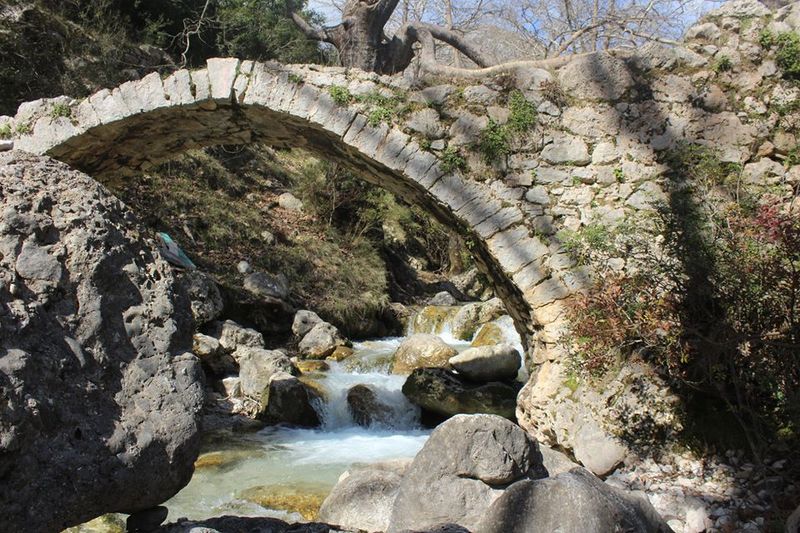
Most people visit Gjipe Canyon for the hidden beach at its end — but the seasonal waterfall tucked within its limestone walls is the canyon’s best-kept secret. Located near the Albanian Riviera between Himara and Dhermi, Ura e Gjipe requires a proper adventure to reach, and that’s exactly what makes it so rewarding.
The canyon hike takes around 45 minutes each way, winding through a narrow gorge where the limestone walls tower dramatically overhead. During spring and after heavy rainfall, the waterfall flows with genuine force, sending cool water splashing across the rocky canyon floor.
By midsummer it may slow to a trickle, so timing your visit for April through June gives you the best chance of seeing it at full power.
Albania’s Riviera region remains one of Europe’s most underrated coastal areas, combining Mediterranean beaches with rugged mountain landscapes in a way that feels completely unpolished and authentic. Gjipe Canyon sits within this wild stretch of coastline, accessible from a small parking area off the main road.
The combination of the waterfall, the canyon’s dramatic geology, and the wild beach at the end makes this one of the most complete natural adventures available anywhere along the Albanian coast. Bring solid footwear — the trail is uneven.
Theth Waterfall, Albania
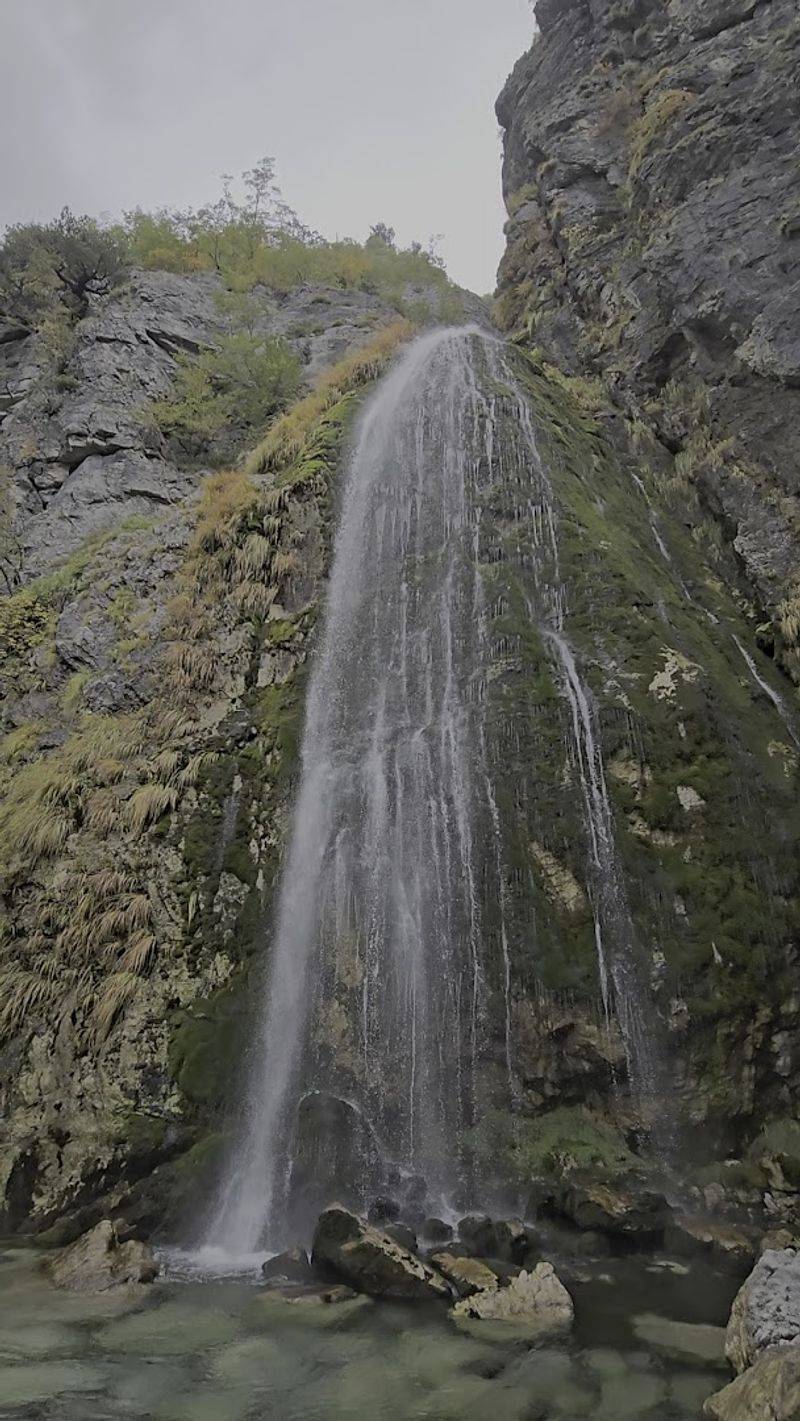
Tucked inside one of the most remote and strikingly beautiful valleys in the Balkans, Theth Waterfall rewards those willing to make the journey into the Albanian Alps. The village of Theth itself feels like it exists slightly outside of time — stone-roofed houses, ancient towers, and mountain trails that wind through scenery so dramatic it barely seems real.
The waterfall sits a short walk from the village center, making it one of the more accessible highlights of the Theth Valley. It cascades down a rocky cliff into a small natural pool, surrounded by pine forest and framed by the towering Accursed Mountains — a mountain range with a name that sounds intimidating but scenery that’s anything but.
Theth is best visited between June and September, when the mountain road from Shkoder is fully passable. The journey itself — a winding drive through the Shala Valley — is genuinely jaw-dropping.
Many travelers combine the waterfall with a hike to the nearby Blue Eye spring or the historic Lock-In Tower, creating a full day of exploration. Albania’s northern highlands remain one of Europe’s least-visited mountain regions, which means Theth still has that rare quality: genuine, unfiltered wilderness without a souvenir shop in sight.
Boyana Waterfall, Bulgaria
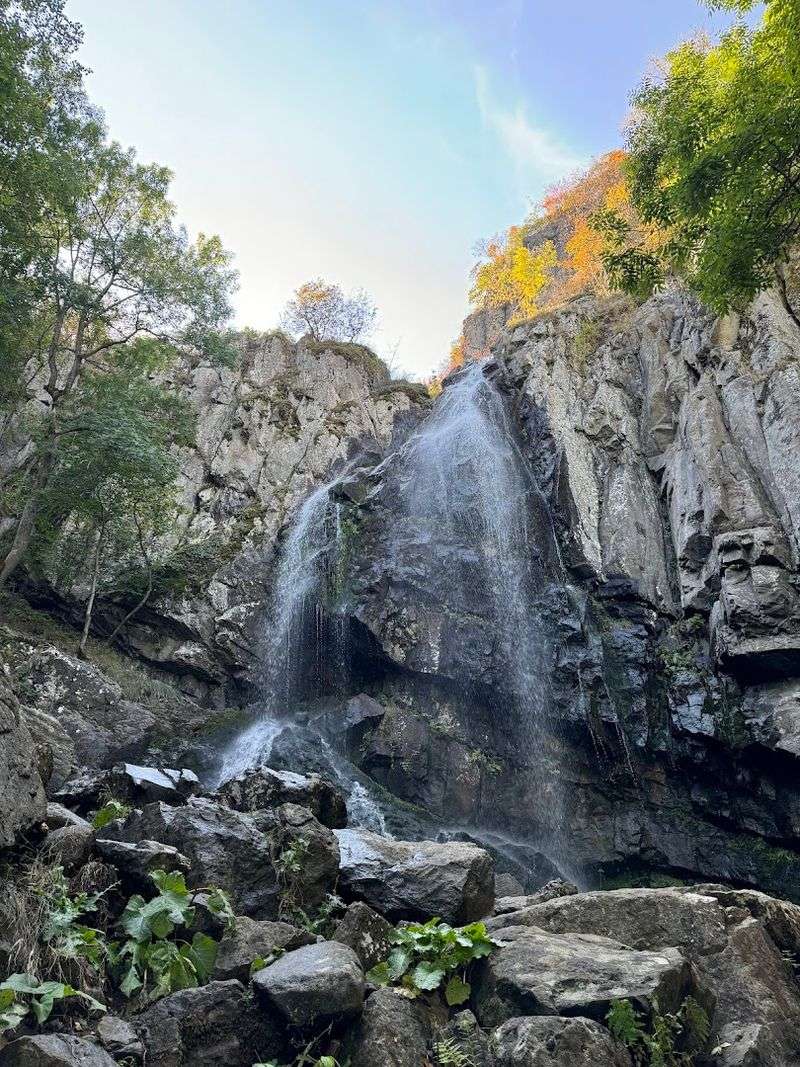
Sofia might be a capital city, but within 30 minutes of its center lies a forested mountain with a waterfall powerful enough to stop you mid-sentence. Boyana Waterfall sits at the foot of Vitosha Mountain, one of the few places in Europe where a major national park begins practically at a city’s doorstep.
The waterfall flows strongest in spring, fed by snowmelt from the mountain’s upper slopes. During peak flow, the sound carries through the forest long before the falls come into view, building a sense of anticipation that the destination fully delivers on.
The surrounding Vitosha Nature Park is a beloved escape for Sofia’s residents, offering hiking trails, fresh air, and natural scenery just a short bus ride from the city center.
The trail to Boyana Waterfall begins near the historic Boyana Church — a UNESCO World Heritage Site famous for its remarkably well-preserved medieval frescoes — making it entirely possible to combine a cultural stop with a nature hike in the same morning. The path through the forest is pleasant and shaded, taking roughly 40 minutes at a relaxed pace.
For travelers spending a few days in Sofia, a Vitosha hike with a stop at the waterfall is genuinely one of the city’s most satisfying and underrated experiences.
Raysko Praskalo, Bulgaria
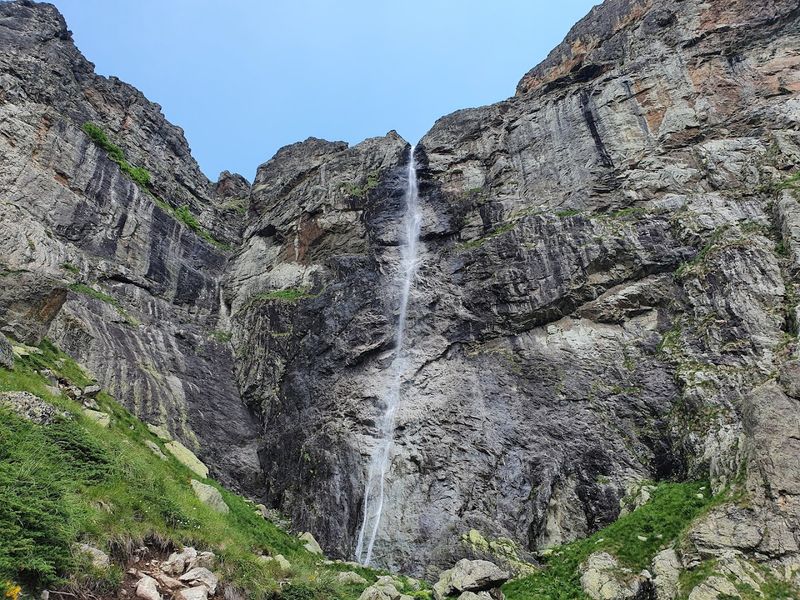
At 124 meters tall, Raysko Praskalo doesn’t just claim the title of Bulgaria’s highest waterfall — it holds the crown for the entire Balkan Peninsula. The name translates to “Paradise Spray,” and standing at its base while mist drifts across your face, you start to think whoever named it was absolutely onto something.
Reaching Raysko Praskalo is a genuine mountain adventure. The most popular trail starts from the Kamaroto area and winds upward through the Central Balkan National Park for several hours, crossing streams and climbing through old-growth beech forest before the waterfall dramatically reveals itself.
It’s not a casual stroll — proper hiking boots, water, and a good map are essential.
The Central Balkan National Park surrounding the falls is one of Bulgaria’s most ecologically rich protected areas, home to brown bears, wolves, and over 2,000 plant species. Spring is the prime season for visiting Raysko Praskalo, when snowmelt maximizes the water flow and the falls thunder down the cliff with full force.
Autumn hiking is equally popular for the stunning foliage. This is a waterfall that demands effort, but it pays back every uphill step with scenery that belongs on the cover of a geography textbook — in the best possible way.
Detunata Waterfall, Romania
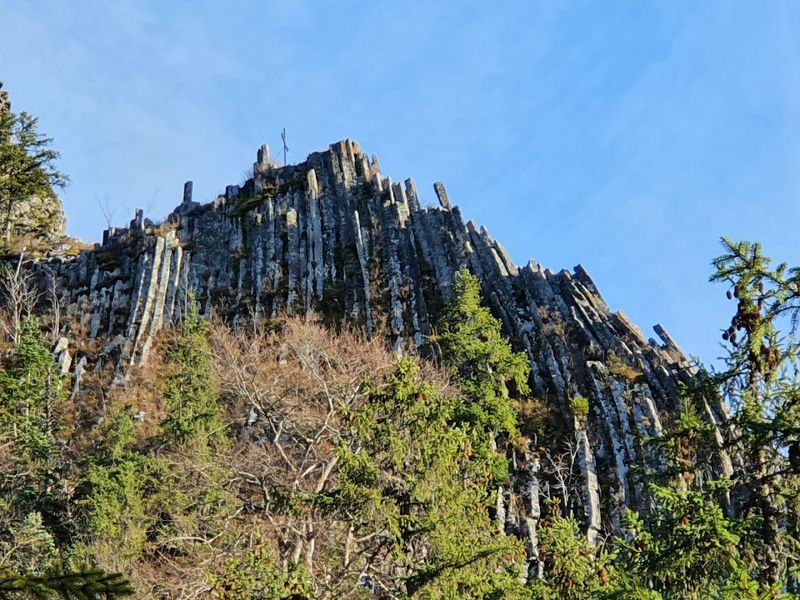
Romania’s Apuseni Mountains are already famous for caves, gorges, and rolling highland landscapes — but Detunata adds a geological twist that sets it apart from every other waterfall in the country. The falls flow beside the striking basalt columns of Detunata Goala, a volcanic formation that looks like a giant broke a bundle of hexagonal pencils and left them sticking out of the hillside.
The waterfall itself is modest in size compared to some of Romania’s more powerful cascades, but its setting is what earns it a spot on any Eastern European bucket list. The contrast between the soft, flowing water and the rigid, angular basalt columns creates a visual composition that photographers absolutely love.
Detunata is located near the village of Bucium in Alba County, and the area is accessible via a manageable hiking trail through mixed forest. The surrounding Apuseni Nature Park offers plenty of additional attractions, including the famous Scarisoara Ice Cave and the Padis Plateau.
Visiting in spring or early summer gives the waterfall its best flow while the surrounding landscape is at its greenest. For travelers who enjoy geology alongside their waterfall chasing, Detunata offers a uniquely layered experience that combines natural beauty with fascinating volcanic history.
Gostilje Waterfall, Serbia
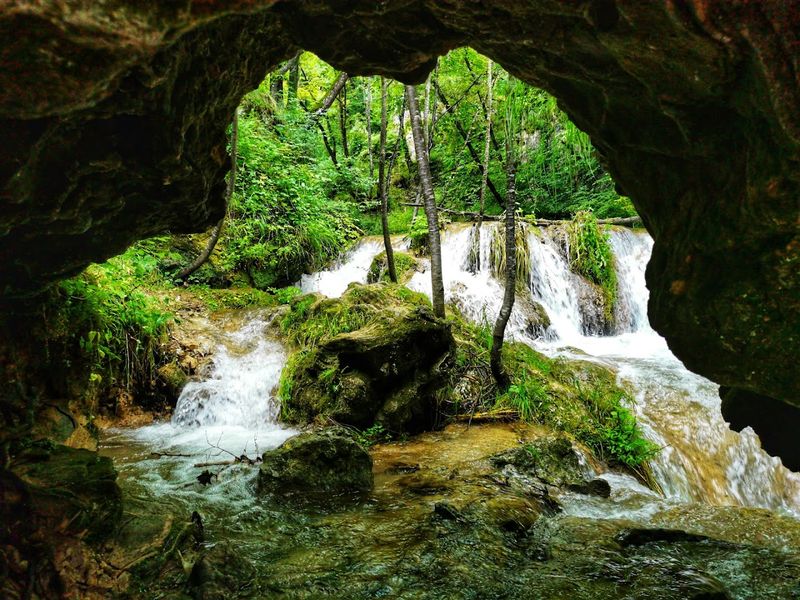
There’s a particular kind of quiet that settles over Gostilje Waterfall — the kind that makes you slow your pace, lower your voice, and simply listen to the water doing its thing. Located on the slopes of Zlatibor Mountain in western Serbia, Gostilje is a series of cascades rather than a single dramatic plunge, which gives it a gentle, rhythmic character all its own.
The waterfall flows through a lush forest of beech and fir trees, tumbling over moss-covered rocks in a series of steps that create small natural pools along the way. The overall drop reaches around 20 meters, spread across multiple tiers that each have their own charm.
It’s a place that rewards slow exploration rather than a quick photo-and-leave approach.
Gostilje sits near the popular Zlatibor resort area, making it easy to combine with a broader mountain holiday. The surrounding region is known for traditional Serbian mountain food, wooden architecture, and rolling green hills that feel genuinely timeless.
A short nature trail loops around the waterfall area, suitable for all ages and fitness levels. Autumn is a particularly beautiful time to visit, when the surrounding forest turns amber and the sound of falling water carries clearly through the cool mountain air.
Bring a picnic — this place was made for lingering.
Ripaljka Waterfall, Serbia
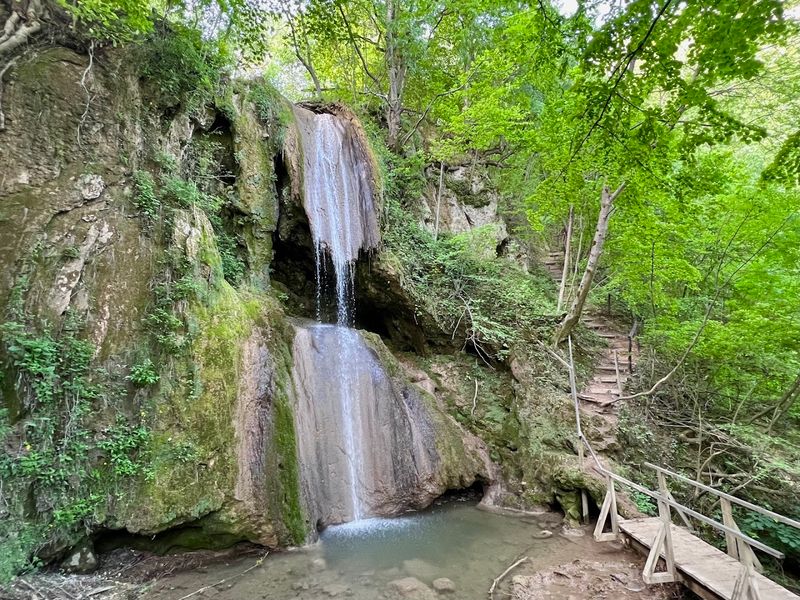
Serbia doesn’t always get credit for its natural monuments, but Ripaljka has been officially recognized as one since 1948 — making it one of the country’s oldest protected natural landmarks. Located near the town of Knjazevac in eastern Serbia, this waterfall tumbles down a series of rocky terraces carved by the Ripaljska Reka stream over countless centuries.
The water drops about 15 meters across multiple steps, creating a layered cascade that’s particularly photogenic from below. The surrounding landscape is dominated by mixed forest and limestone rock formations typical of the eastern Serbian highlands.
It’s not the tallest or widest waterfall in the region, but its character is undeniable — there’s a rugged, no-fuss authenticity to Ripaljka that more famous waterfalls sometimes lack.
Access is straightforward, with a short walk from the road leading directly to the viewing area. The site is popular with local families, school groups, and weekend hikers from Knjazevac and the surrounding region.
Spring visits are recommended for peak water flow, though the falls remain active throughout most of the year. The nearby Stara Planina Nature Park adds significant hiking and wildlife-watching opportunities for visitors wanting to extend their trip.
Ripaljka is the kind of waterfall that locals are quietly proud of — and once you visit, you’ll understand exactly why.
Waterfalls of Rastoke, Croatia
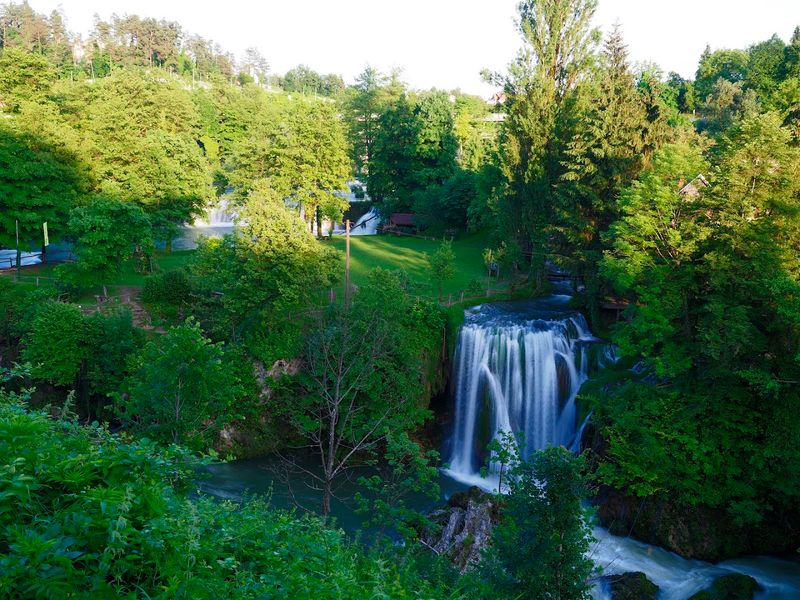
Rastoke might be the only place in Europe where someone looked at a series of waterfalls and thought, “Yes, this is exactly where I’ll build my house.” The result is one of the most visually surreal villages on the continent — a cluster of traditional stone and wooden buildings perched directly over more than 20 small waterfalls and rapids near the town of Slunj in central Croatia.
The Slunjcica River meets the Korana River here, creating a network of cascades that flow beneath, between, and around the village’s historic mill houses. Many of these mills are still standing, some converted into restaurants or guesthouses where you can literally eat breakfast while watching a waterfall rush past your window.
It’s the kind of experience that feels almost too charming to be real.
Rastoke is sometimes called the “small Plitvice,” and while it lacks the scale of its famous neighbor, it more than compensates with personality and intimacy. The village is just a short drive from Plitvice Lakes National Park, making it a natural addition to any Plitvice itinerary.
Guided walking tours of the village are available, taking you across wooden bridges and past churning mills in a loop that takes about an hour. Visiting at dusk, when warm light hits the water, is especially unforgettable.
Vintgar Gorge Waterfalls, Slovenia
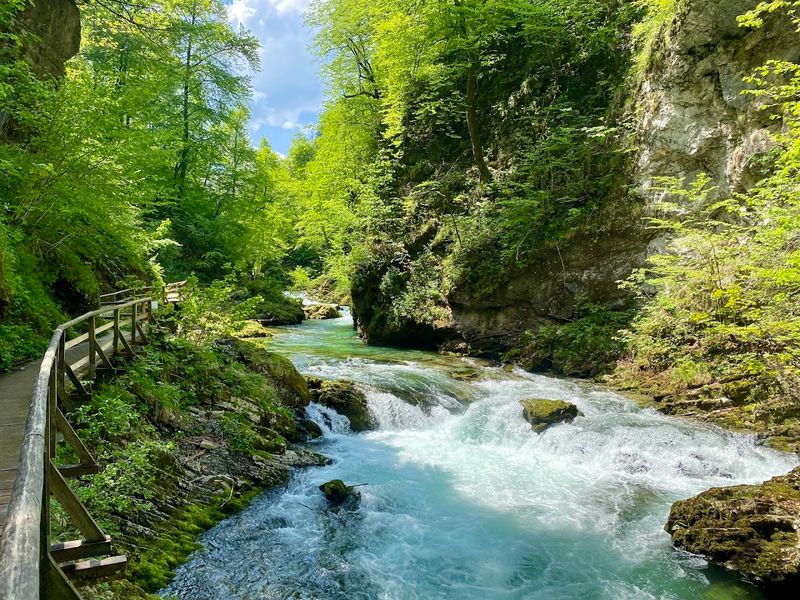
Emerald water, vertical canyon walls, and a series of rapids and waterfalls strung together like beads on a necklace — Vintgar Gorge is Slovenia’s most theatrical river walk, and it delivers from the very first step. Located just 4 kilometers from the famously picturesque Lake Bled, Vintgar has been drawing visitors since the walkway was first constructed in 1893.
The gorge stretches roughly 1.6 kilometers, with wooden walkways and bridges hugging the canyon walls just above the churning Radovna River below. Along the route, small waterfalls and rapids punctuate the path, culminating in the Sum Waterfall at the far end — a dramatic 13-meter drop that provides a satisfying finale to the walk.
The whole loop takes about an hour at a relaxed pace.
The color of the water in Vintgar is genuinely extraordinary — a luminous blue-green that shifts in shade depending on the light and the season. Summer mornings are the best time to visit, both for the quality of light and to beat the crowds that inevitably build by midday.
The gorge is open from April through November, and admission is required. Cycling from Lake Bled to Vintgar along the quiet country road is a popular option that adds a lovely pastoral dimension to an already excellent half-day adventure in the Julian Alps.
Share this story