Spain is one of those countries where the food alone is reason enough to book the flight. From the Basque Country to Andalusia, the restaurant scene here is genuinely world-class.
Whether you are planning your first visit or your fifth, these 14 restaurants are the kind of places that turn a good trip into a great story. Pack your appetite and maybe loosen your belt a notch.
Disfrutar, Barcelona
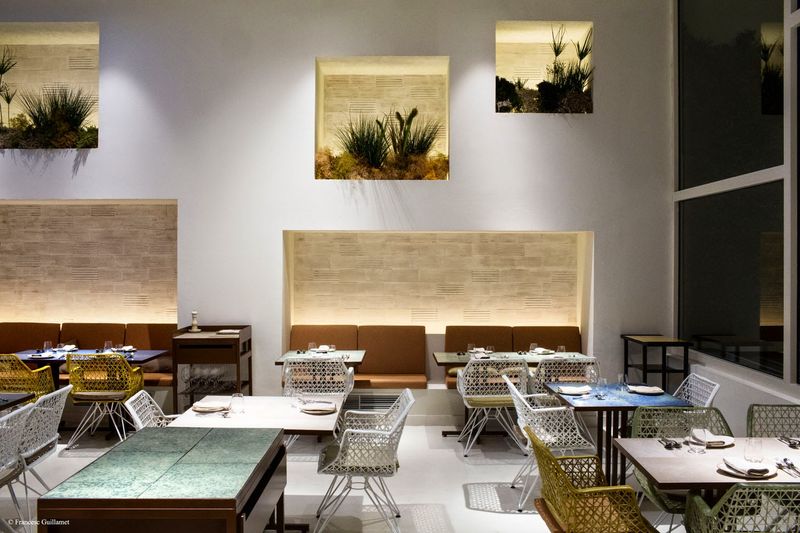
Barcelona has tapas bars on every corner, but Disfrutar operates in a completely different universe. The name means “enjoy” in Spanish, and the kitchen takes that instruction seriously.
Three MICHELIN stars in the 2026 Guide say it all.
The restaurant was founded by three chefs who trained under Ferran Adria at the legendary elBulli. That pedigree shows up on every plate.
Expect dishes that challenge your expectations in the best possible way.
Booking a table here requires planning well in advance. Reservations open months ahead and fill up fast.
If you are building a food-focused Barcelona itinerary, Disfrutar should anchor the whole trip. The tasting menu is long, creative, and genuinely unlike anything else in the city.
Locals treat a reservation here as a special occasion, and honestly, every meal there feels like one.
DiverXO, Madrid
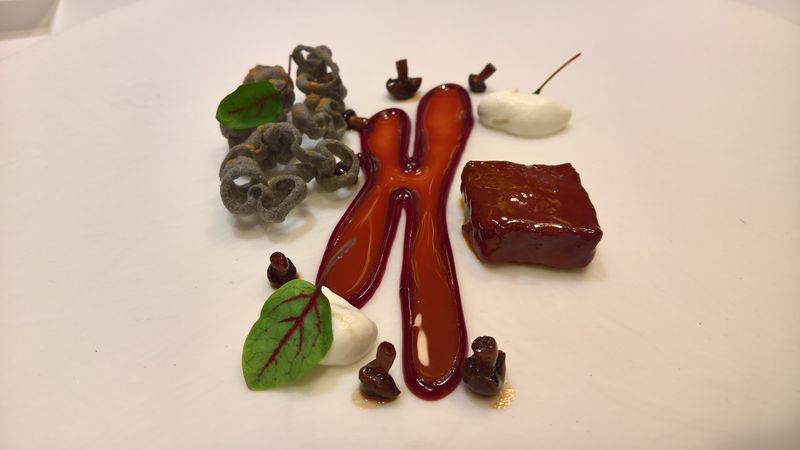
Chef David Munoz runs DiverXO like a rock concert with a kitchen. The man has three MICHELIN stars in the 2026 Spain Guide and absolutely zero interest in playing it safe.
His cooking borrows from Asia, Spain, and somewhere in between.
I once read a review that described eating here as “controlled chaos on a plate.” That stuck with me. The tasting menu clocks in at several hours and features dishes that genuinely surprise you mid-bite.
Madrid has plenty of great restaurants, but DiverXO is the one people fly in specifically for. The dining room itself is theatrical, with wild decor that matches the food’s energy.
Dress codes are relaxed, which feels intentional. Munoz wants you focused on the plate, not the outfit.
If you only have one big splurge meal planned for Madrid, this is the one that earns the most stories afterward.
El Celler de Can Roca, Girona
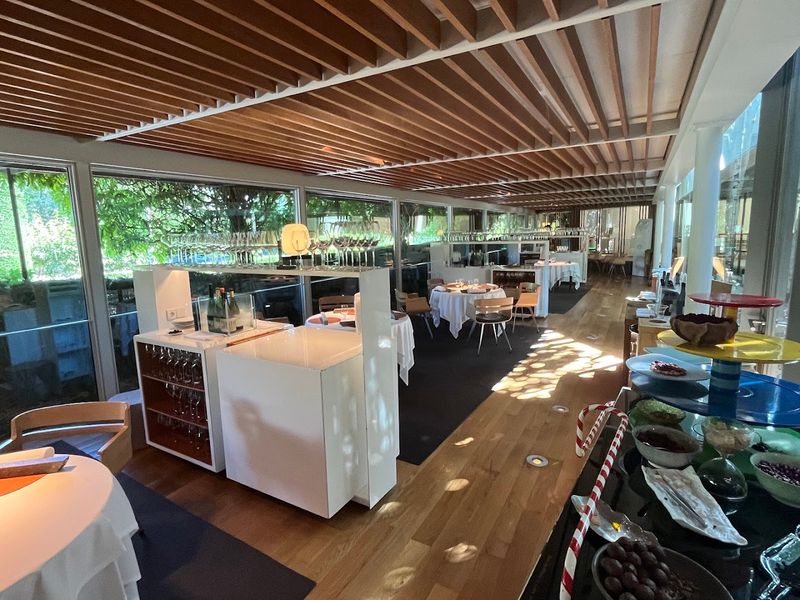
Three brothers, one restaurant, and a global reputation that has lasted for decades. El Celler de Can Roca sits just outside Girona’s old city walls, which means you get a stunning medieval town as a bonus backdrop for your dinner plans.
Joan, Josep, and Jordi Roca each oversee a different part of the operation: cooking, wine, and desserts respectively. That family structure gives the restaurant a warmth that is rare at this level of fine dining.
Three MICHELIN stars in the 2026 Guide confirm what regulars already knew.
Girona itself is an underrated stop on any Spain itinerary. Adding El Celler makes the detour a no-brainer.
The wine list is extraordinary, and the dessert course by Jordi is worth the trip on its own. Reservations here are famously competitive.
Set a reminder, book early, and count yourself lucky when a table opens up.
Asador Etxebarri, Axpe
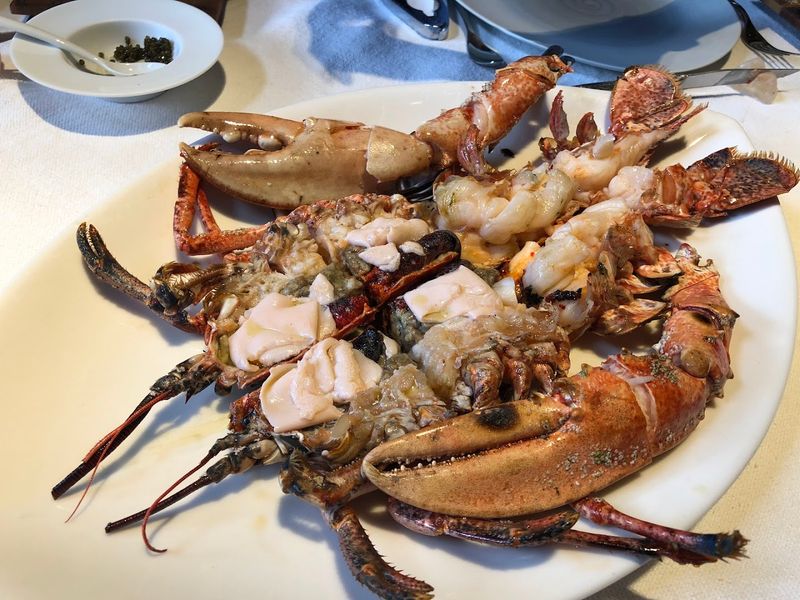
Victor Arguinzoniz built a restaurant around fire and changed the way the world thinks about grilling. Etxebarri sits in a tiny Basque village called Axpe, surrounded by mountains and a whole lot of quiet.
Getting there is part of the experience.
Every dish here passes over custom-built grills that Arguinzoniz designed himself. He controls the wood type and the heat with obsessive precision.
The result is food that tastes deeply, fundamentally right. One MICHELIN star in the 2026 Guide, though many diners would argue it deserves more.
The menu changes with the seasons and relies on local ingredients from nearby farms and the sea. Chorizo, anchovies, prawns, and beef all take on a different character when handled this carefully.
Axpe is not on the way to anywhere convenient, but that is exactly the point. The drive through the Basque hills is gorgeous, and arriving at Etxebarri feels like finding something rare.
Aponiente, El Puerto de Santa María
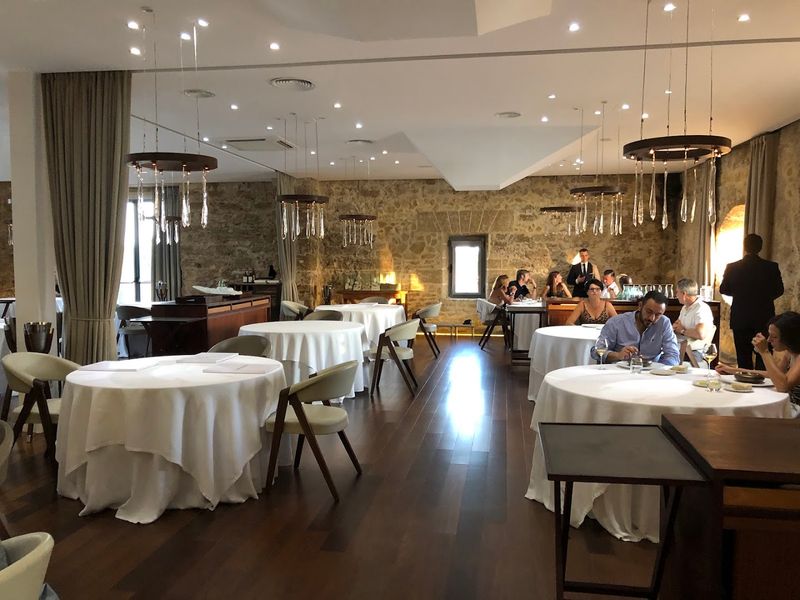
Chef Angel Leon is known in Spain as “the chef of the sea,” and that title is not an exaggeration. Aponiente sits inside a restored 19th-century tidal mill on the Bay of Cadiz, which is already one of the most dramatic restaurant settings in the country.
Leon’s obsession is the ocean in its entirety. He uses parts of fish and sea creatures that other chefs discard, turning them into dishes that feel both radical and deeply satisfying.
Three MICHELIN stars in the 2026 Guide back up the ambition completely.
El Puerto de Santa Maria is a short ferry ride from Cadiz, making it an easy addition to any southern Spain trip. The tasting menu is long and seafood-forward, which should tell you whether it is your kind of evening.
For travelers who love coastal food done at the highest level, Aponiente is genuinely one of the best reasons to head south.
Noor, Córdoba
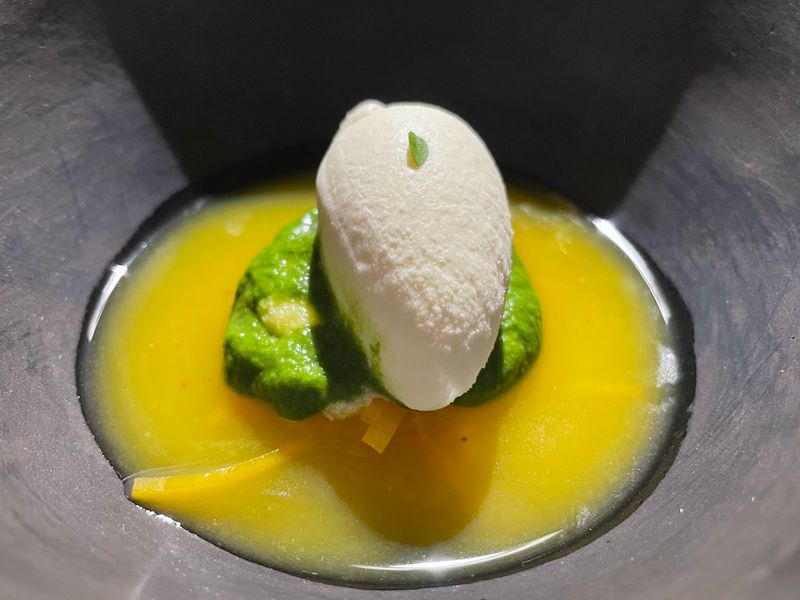
Cordoba already has the Mezquita, the flower-filled patios, and one of Spain’s most layered histories. Noor adds a three-MICHELIN-star restaurant to that list, and suddenly the city demands a longer stay.
Chef Paco Morales built Noor around a single idea: what would Andalusian cooking look like if it had continued evolving through the medieval Al-Andalus era? The menu draws on ancient Arabic culinary texts and reimagines those flavors through a modern lens.
It is food as archaeology, and it works brilliantly.
The dining room is stunning, designed to echo the geometric patterns of Moorish architecture. Every detail connects back to the concept.
The 2026 MICHELIN Guide lists Noor with three stars, putting it firmly among Spain’s elite. For travelers who want their meals to mean something beyond just flavor, Noor delivers history and creativity on the same plate.
Book ahead and plan to linger over every course.
Casa Marcial, Arriondas
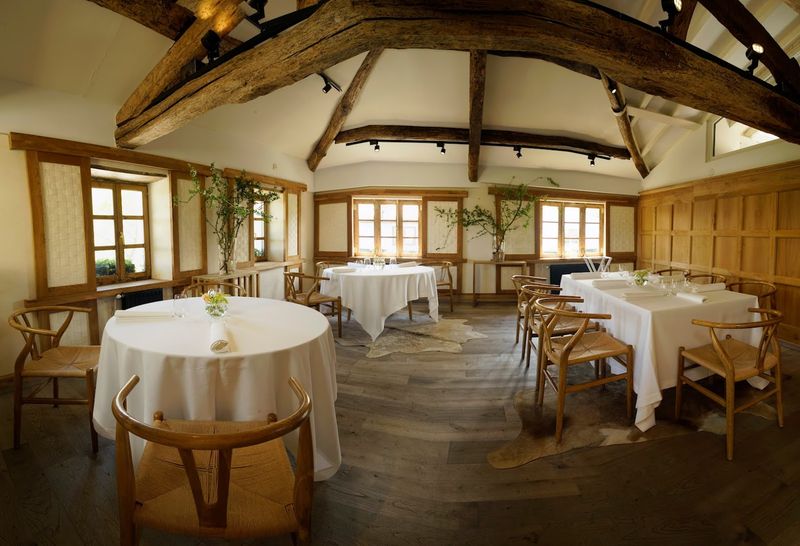
Asturias is the part of Spain that gets overlooked in favor of Barcelona and Madrid, which means travelers who find Casa Marcial in Arriondas feel like they have discovered something most tourists missed entirely. That feeling is completely justified.
Chef Nacho Manzano grew up in this village and built his restaurant around the flavors of the Asturian countryside. The cooking is rooted in local produce, mountain ingredients, and the kind of honest technique that earns three MICHELIN stars in the 2026 Guide without trying to impress anyone unnecessarily.
The setting is a converted rural house surrounded by apple orchards. It feels nothing like a big-city fine dining room, which is a large part of its appeal.
Arriondas sits near the Picos de Europa mountains, making it a natural stop for travelers exploring northern Spain. Combine the scenery with a meal here and you have one of the country’s most memorable dining experiences.
Quique Dacosta, Dénia
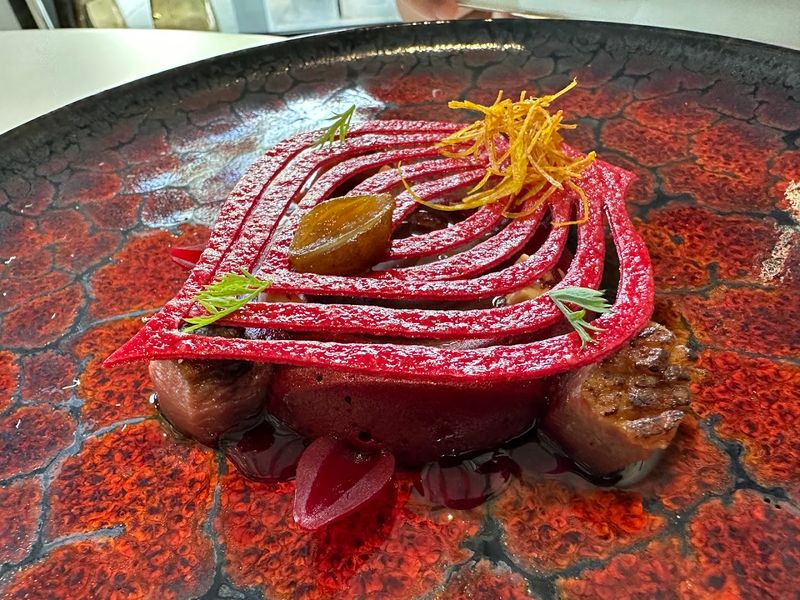
Denia is a sun-drenched coastal town between Valencia and Alicante, and its most famous export might just be the red prawn. Chef Quique Dacosta has built an entire culinary identity around the ingredients of this stretch of Mediterranean coastline.
His restaurant holds three MICHELIN stars in the 2026 Guide, which makes it one of the most decorated dining rooms on Spain’s eastern coast. The tasting menu is long, visually theatrical, and deeply tied to the sea and land surrounding Denia.
Each course feels like a postcard from the region.
The restaurant sits in a low-key building that gives no hint of what awaits inside. That contrast between the modest exterior and the extraordinary food is part of Dacosta’s personality as a chef.
Denia itself is worth a visit for its old castle and beach scene, but a reservation at Quique Dacosta turns a pleasant stop into the highlight of the entire trip.
Mugaritz, Errenteria
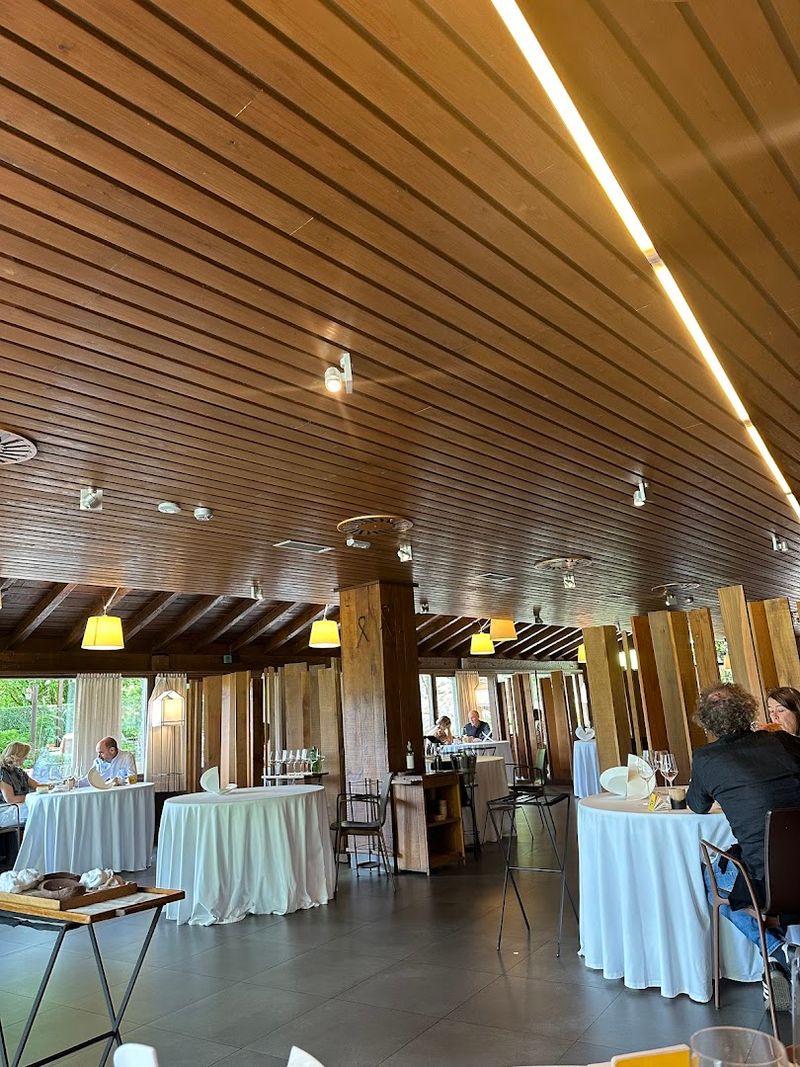
Mugaritz is the restaurant that food writers argue about more than almost any other in Spain. Chef Andoni Luis Aduriz has spent decades pushing the boundaries of what a meal is supposed to be, and not everyone leaves satisfied in the traditional sense.
That is entirely the point. The tasting menu here is designed to provoke thought, not just pleasure.
Textures, temperatures, and presentations are used to challenge the diner’s assumptions. Two MICHELIN stars in the 2026 Guide reflect its standing, though its global reputation stretches well beyond the star count.
Errenteria is a small town near San Sebastian, and the restaurant sits in a farmhouse surrounded by hills. Getting there requires a short drive from the city, which gives the meal an appropriately ceremonial feeling.
Mugaritz closes for several months each year to research and develop new dishes. Booking ahead is essential.
Going in with an open mind is not optional, it is required.
Culler de Pau, O Grove
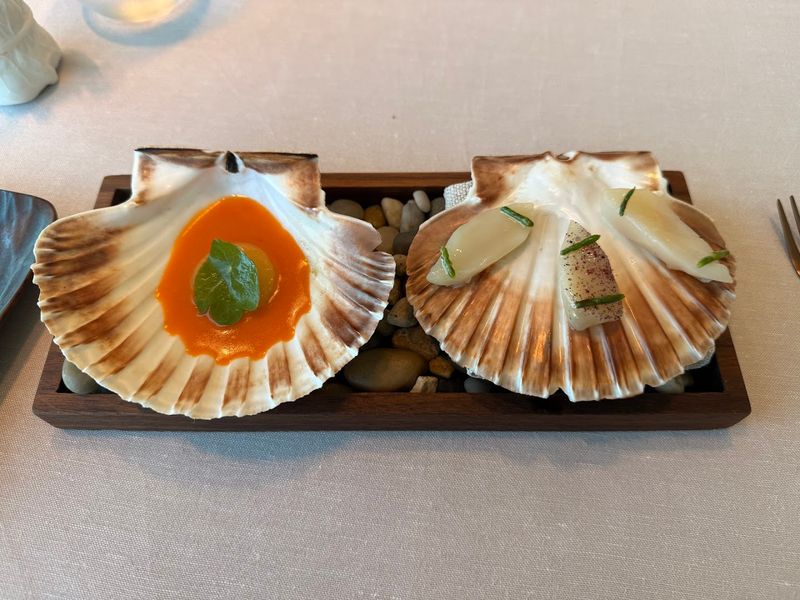
Galicia is Spain’s rainy, green, seafood-obsessed northwestern corner, and O Grove sits right on a peninsula surrounded by the Atlantic. Culler de Pau, which translates roughly to “wooden spoon,” is the kind of restaurant that makes the whole region feel like a destination rather than a detour.
Chef Javier Olleros earned two MICHELIN stars in the 2026 Guide by doing something that sounds simple but is genuinely hard: letting exceptional local ingredients speak without overcomplicating them. The menu leans heavily on Galician shellfish, vegetables, and coastal produce.
The dining room has views over the estuary, and the pacing of the meal feels relaxed and unhurried. Galicia rewards slow travelers, and Culler de Pau fits that rhythm perfectly.
If you are heading to Santiago de Compostela, O Grove is close enough to add without much rerouting. The combination of scenery, fresh Atlantic air, and extraordinary cooking makes this stop genuinely hard to beat.
Ricard Camarena, Valencia
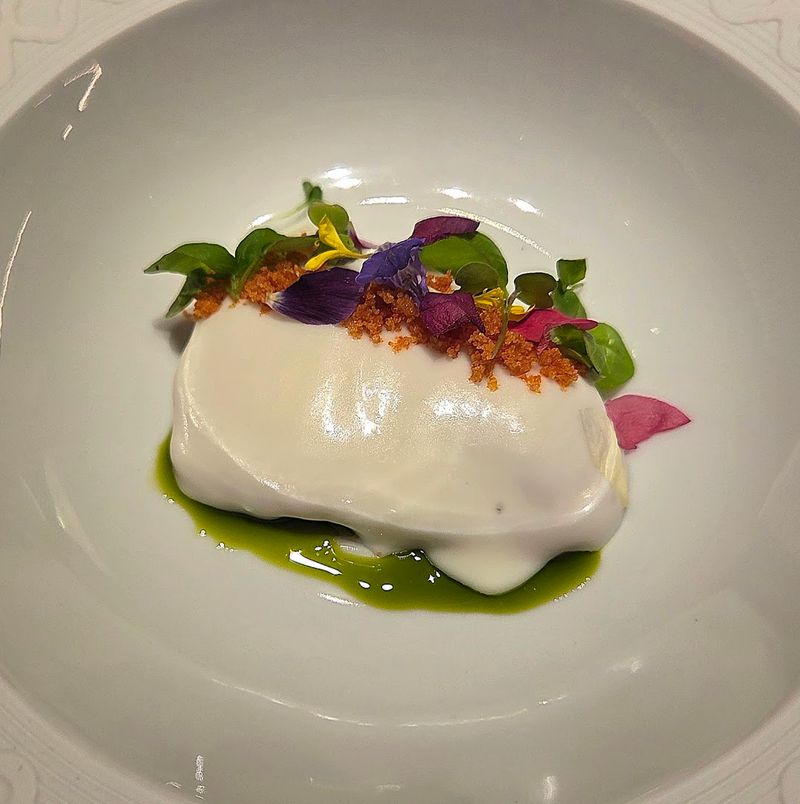
Valencia is the city that gave the world paella, but Ricard Camarena is proof that the city’s culinary ambitions go far beyond rice dishes. His eponymous restaurant holds two MICHELIN stars in the 2026 Guide and has earned a loyal following among food travelers who treat Valencia as a serious stop.
Camarena’s cooking is rooted in the produce of the Valencia region, particularly the extraordinary vegetables grown in the nearby Huerta. The menu shifts with the seasons and showcases ingredients that most restaurants would treat as supporting players.
Here, they get top billing.
The restaurant is located in a cultural center in central Valencia, which gives the building a slightly unexpected, gallery-like feel. The wine list focuses on Spanish producers and pairs beautifully with the vegetable-forward menu.
Valencia already has the City of Arts and Sciences, the beach, and the best horchata of your life. Adding a dinner at Ricard Camarena makes the city feel even more worth the visit.
Venta Moncalvillo, Daroca de Rioja
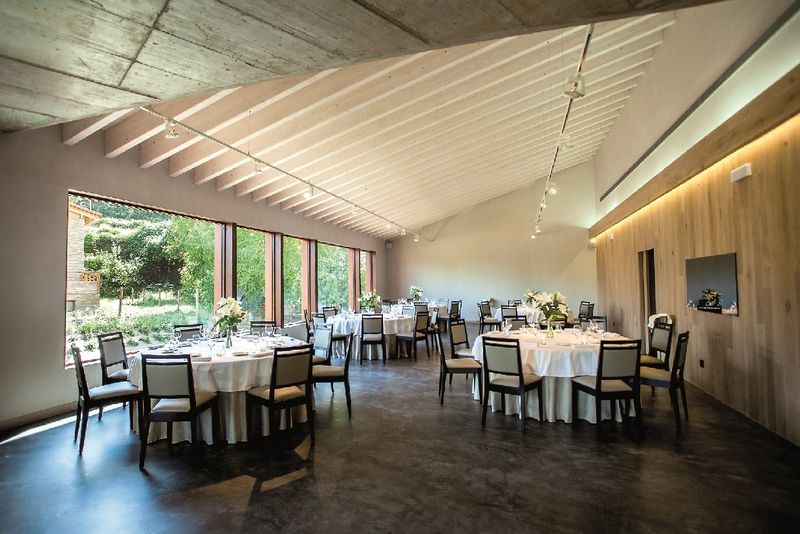
Not every great restaurant in Spain sits in a major city, and Venta Moncalvillo is the proof. Located in the tiny village of Daroca de Rioja, deep in wine country, this two-MICHELIN-star restaurant in the 2026 Guide draws serious food travelers off the main roads and into the Rioja hills.
Brothers Carlos and Ignacio Echapresto run the kitchen and the front of house respectively, giving the place a family character that feels genuine rather than performed. The cooking draws on La Rioja’s extraordinary produce: wild mushrooms, game, garden vegetables, and of course the wine region’s bounty.
Pairing the meal with local Rioja wines is practically mandatory, and the cellar here is excellent. The drive through the vineyards to reach Daroca is scenic enough to justify the detour on its own.
For travelers exploring northern Spain who want a meal that feels far from the tourist trail, Venta Moncalvillo is exactly that kind of find.
Iván Cerdeño, Toledo
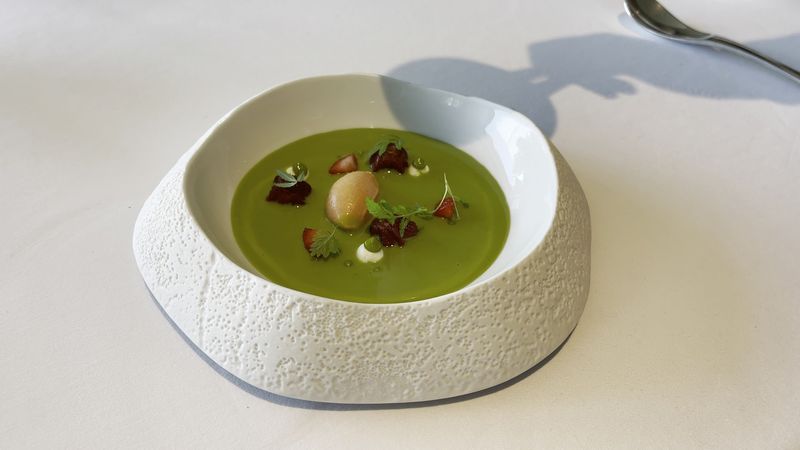
Toledo is one of Spain’s most visually dramatic cities, perched on a rocky hill above the Tagus River with a skyline that looks lifted from a painting. Most visitors come for the cathedral and the El Greco museum, but Iván Cerdeño gives them a compelling reason to stay for dinner.
Chef Ivan Cerdeno holds two MICHELIN stars in the 2026 Guide and cooks food that is deeply tied to Castilla-La Mancha, the region surrounding Toledo. Game, legumes, and local produce form the backbone of a menu that feels both traditional and quietly modern.
The restaurant sits inside the Cigarral del Angel, a historic estate just outside the city with sweeping views across the valley. Eating there as the sun sets over Toledo is the kind of moment that makes a trip feel genuinely complete.
It is an easy sell for anyone already planning a day in the city. The food matches the view, which is saying something remarkable.
Amelia by Paulo Airaudo, San Sebastián
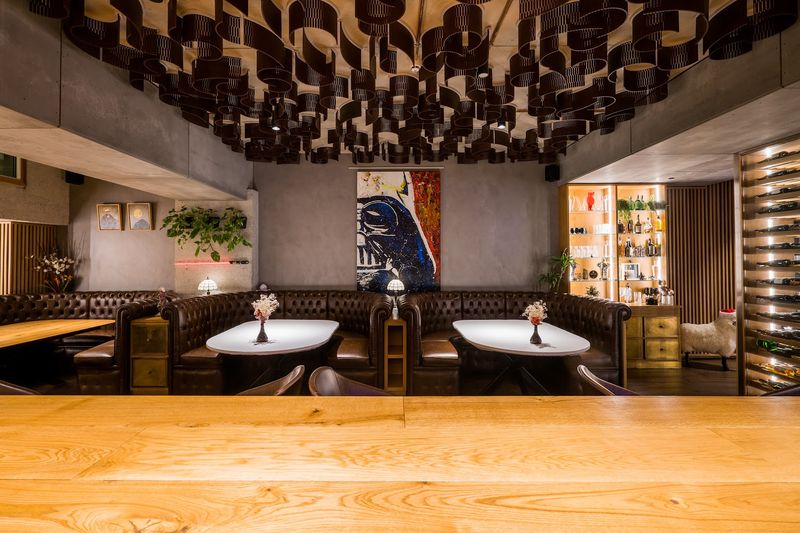
San Sebastian has more MICHELIN stars per capita than almost anywhere else on earth, so standing out in this city is genuinely competitive. Amelia by Paulo Airaudo does it with a personal approach that sets it apart from the city’s more established institutions.
Argentine-born chef Paulo Airaudo brings an international perspective to Basque ingredients, blending Italian technique with local produce in a way that feels fresh rather than confused. Two MICHELIN stars in the 2026 Guide confirm that the combination works at the highest level.
The restaurant is intimate, with a small number of seats and a tasting menu format that makes the evening feel personal and unhurried. San Sebastian rewards repeat visitors, and Amelia is a strong reason to return even after you have already hit the famous pintxos bars and the other celebrated names in town.
Book well ahead. The city fills up fast, and a table here is not something you want to leave to chance.
Share this story