Suicide is one of the most serious public health issues in the world, affecting people of every age, background, and nationality. Every year, hundreds of thousands of lives are lost, leaving families and communities forever changed.
Some countries are hit far harder than others, and understanding why can help us find better ways to support people in crisis. Here is a look at the 15 countries with the highest suicide rates per 100,000 people, along with the unique challenges each one faces.
1. Lesotho
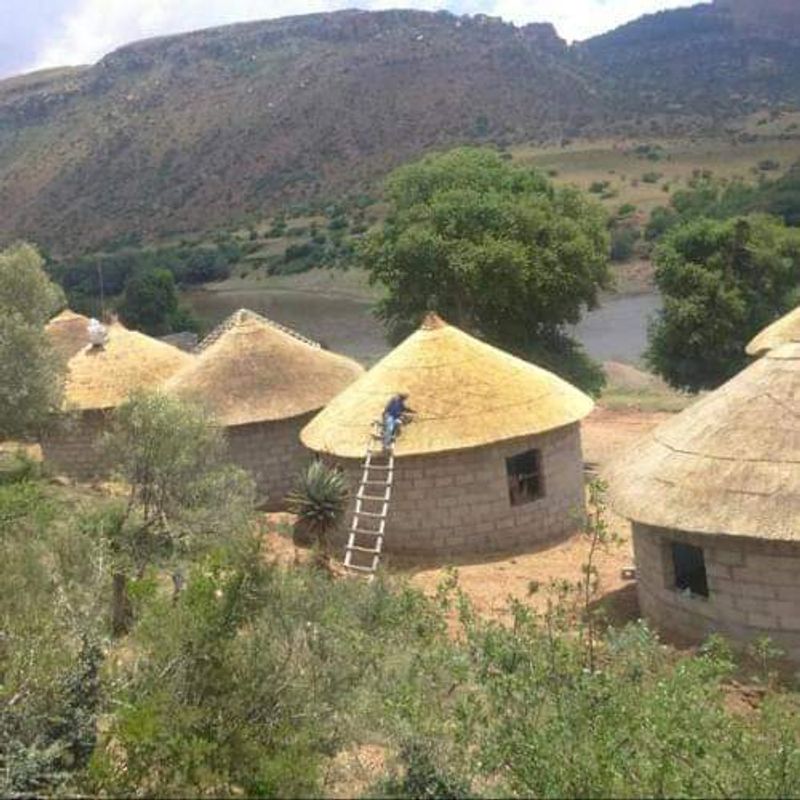
Lesotho holds the grim title of the highest suicide rate in the world, a fact that stops most people cold. Nestled inside South Africa, this small mountain kingdom faces enormous hardship.
Extreme poverty, high HIV rates, and limited mental health resources create a perfect storm of despair.
Unemployment is rampant, especially among young men, who make up a large share of suicide victims. Traditional cultural norms often discourage men from talking about emotional pain.
That silence can be deadly.
The country has very few trained mental health professionals, making access to help nearly impossible for most citizens. Rural communities are especially isolated.
Lesotho’s government has acknowledged the crisis, but meaningful change requires far more investment in healthcare, education, and economic opportunity than currently exists.
2. Guyana
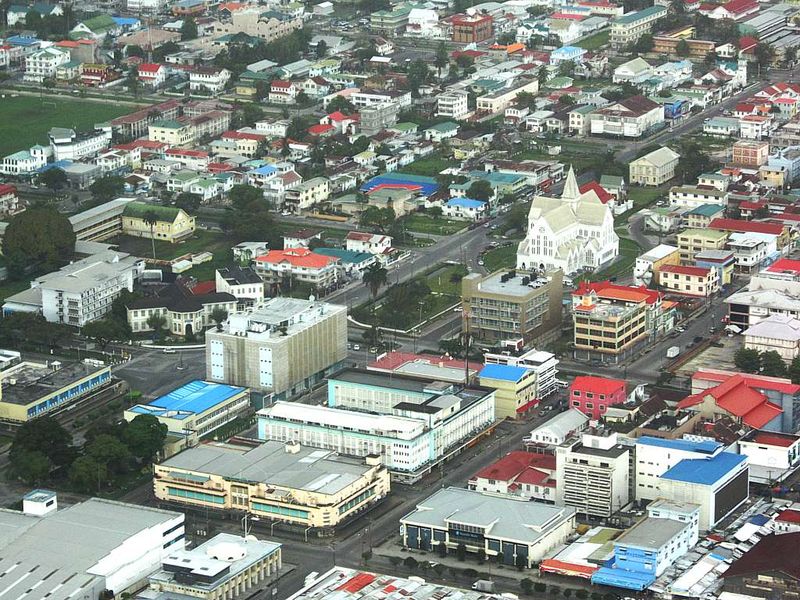
Guyana has long ranked among the top countries for suicide rates, even as recent years have shown some improvement. Located on the northern coast of South America, Guyana is a country of striking natural beauty shadowed by deep social struggles.
Poverty, alcohol misuse, and domestic violence are major contributing factors.
Pesticide ingestion is tragically common as a method, partly because agricultural chemicals are widely available in rural areas. Easy access to lethal means dramatically increases the risk of a fatal outcome.
Experts argue that restricting pesticide access alone could save hundreds of lives annually.
Guyana has made some strides, including launching national suicide prevention strategies. However, stigma around mental illness remains strong, and many people never seek help.
More community-based support and public awareness campaigns are still desperately needed across the country.
3. Eswatini (Swaziland)

Eswatini, formerly known as Swaziland, is a tiny landlocked kingdom in southern Africa with an outsized mental health crisis. The country has one of the world’s highest HIV infection rates, and the psychological burden of living with the disease weighs heavily on many citizens.
Grief, stigma, and poverty collide daily.
Youth unemployment is staggeringly high, leaving an entire generation feeling hopeless about the future. When young people cannot see a path forward, the risk of self-harm rises sharply.
Cultural expectations around masculinity also make it hard for men to ask for help.
Mental health services are severely underfunded and understaffed. Most rural communities have zero access to counselors or psychiatrists.
Eswatini’s government has begun recognizing mental health as a priority, but closing the gap between need and available care remains a monumental challenge that demands urgent attention.
4. Kiribati
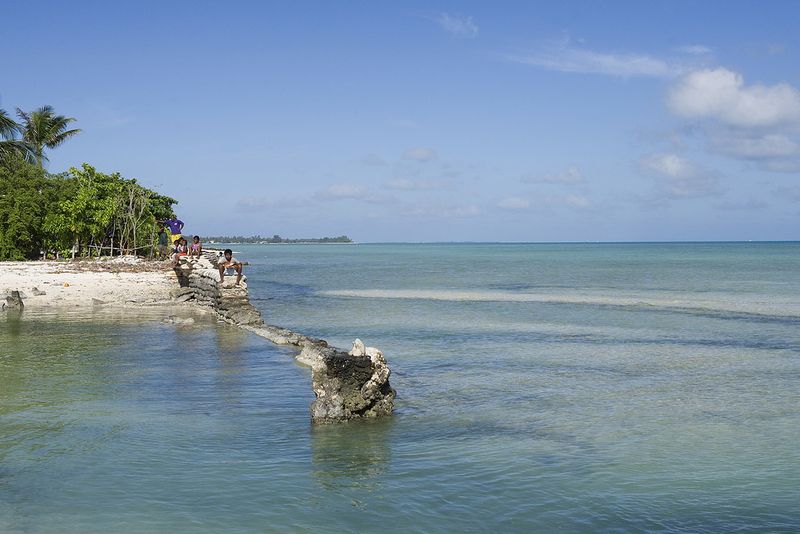
Kiribati is one of the most remote and low-lying nations on Earth, scattered across the central Pacific Ocean. Life here is shaped by isolation, limited economic opportunity, and the very real threat of rising sea levels swallowing the islands entirely.
That kind of existential uncertainty takes a serious psychological toll.
Young men in Kiribati are particularly vulnerable. Alcohol misuse is widespread, and there are almost no formal mental health services available on most islands.
When someone reaches a crisis point, there is often nowhere to turn and no professional to call.
The combination of geographic isolation, cultural silence around emotional struggles, and a lack of crisis intervention resources makes Kiribati one of the most challenging places in the world to address suicide. International aid organizations have begun stepping in, but sustained local solutions are still very much a work in progress.
5. Federated States of Micronesia
Something troubling has been happening in Micronesia for decades. Since the 1960s, suicide rates have climbed dramatically, particularly among young men aged 15 to 24.
Researchers call it a suicide epidemic, and the numbers back that up completely.
Experts point to rapid cultural change as a key driver. Traditional Micronesian societies have been disrupted by modernization, and many young people feel caught between two worlds without belonging fully to either.
That identity crisis, combined with rigid gender roles, creates intense psychological pressure.
Access to mental health care across the scattered island chain is extremely limited. Many communities rely on traditional healers rather than trained counselors.
While cultural practices offer some comfort, they are not a substitute for professional crisis support. Efforts to train local community members in suicide prevention have shown some promise, but the problem remains deeply entrenched across the region.
6. Suriname
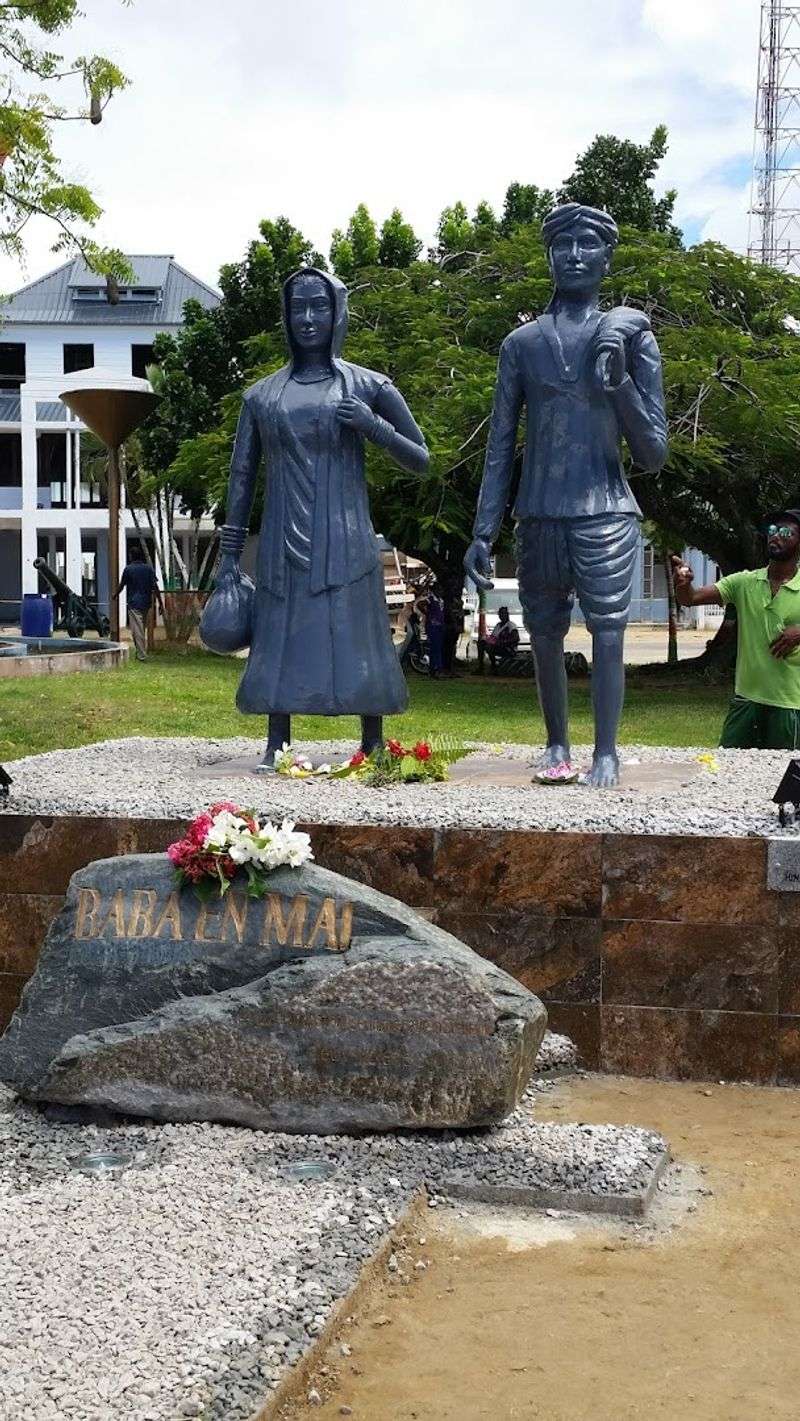
Suriname sits quietly on the northeastern coast of South America, but its suicide statistics are anything but quiet. The country consistently ranks among the highest in the world, with rates particularly elevated in rural and Indigenous communities.
Economic inequality plays a massive role in this ongoing crisis.
The Indo-Surinamese community, descended from South Asian contract laborers, has historically shown elevated suicide rates. Pesticide access, similar to neighboring Guyana, is a major factor.
Social pressure, family conflict, and limited mental health resources compound the problem significantly.
Suriname’s interior rainforest communities are deeply isolated, with little access to healthcare of any kind, let alone psychiatric support. Stigma around seeking help for mental health issues remains powerful.
Some grassroots organizations are working to change that, but national-level investment in prevention programs and trained counselors is urgently needed to turn the tide.
7. Lithuania
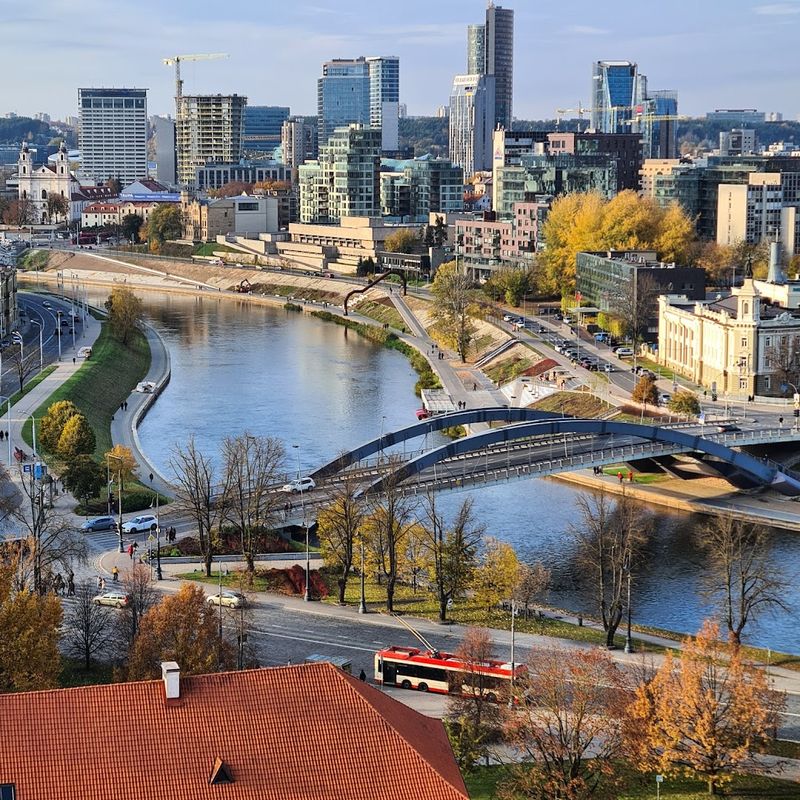
Lithuania once held the top spot for the highest suicide rate in Europe, a title it no longer holds but has not fully escaped either. The country’s rate has dropped significantly since the 1990s, thanks to government-led prevention campaigns and improved mental health services.
Still, the numbers remain alarmingly high by European standards.
The post-Soviet transition hit Lithuania hard. Economic collapse, social instability, and a culture of emotional stoicism left many people without healthy coping tools.
Heavy alcohol consumption, which is deeply embedded in social culture, has long been linked to elevated suicide risk.
Men in Lithuania are disproportionately affected, dying by suicide at a rate nearly four times higher than women. Rural men are especially at risk.
Encouragingly, younger generations are more open to seeking mental health support, suggesting that cultural attitudes are slowly shifting in a healthier direction across the country.
8. South Korea
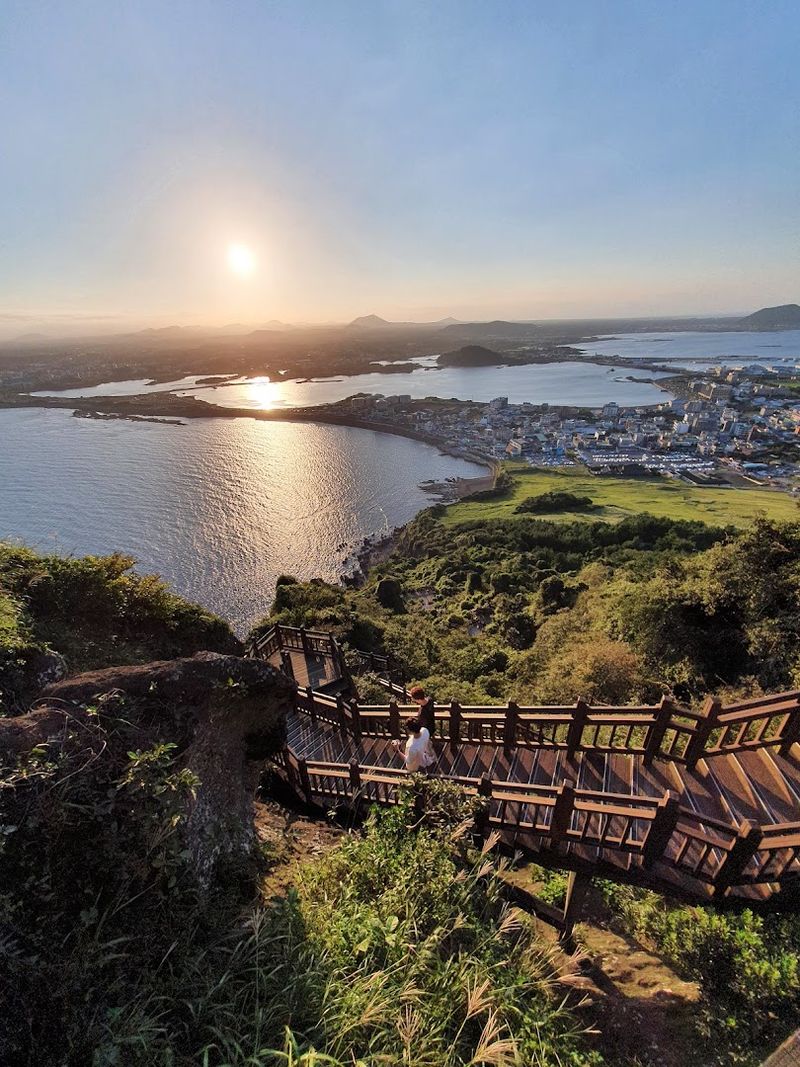
South Korea stands out on this list as the only highly developed, wealthy nation among the top-ranked countries. It holds the highest suicide rate among OECD member nations, a sobering fact for a country celebrated globally for its technology, pop culture, and economic success.
The pressure beneath that shiny surface is immense.
Academic competition begins in childhood and never really lets up. Students face crushing expectations to perform, and failure carries enormous social shame.
The elderly population is also at high risk, with many older South Koreans living in poverty and social isolation after retirement.
South Korea has invested heavily in suicide prevention in recent years, including removing barriers from famous suicide hotspots and expanding mental health helplines. Awareness campaigns have helped reduce stigma somewhat.
The suicide rate has actually declined since its peak in 2011, which shows that targeted prevention efforts genuinely do save lives.
9. Russia
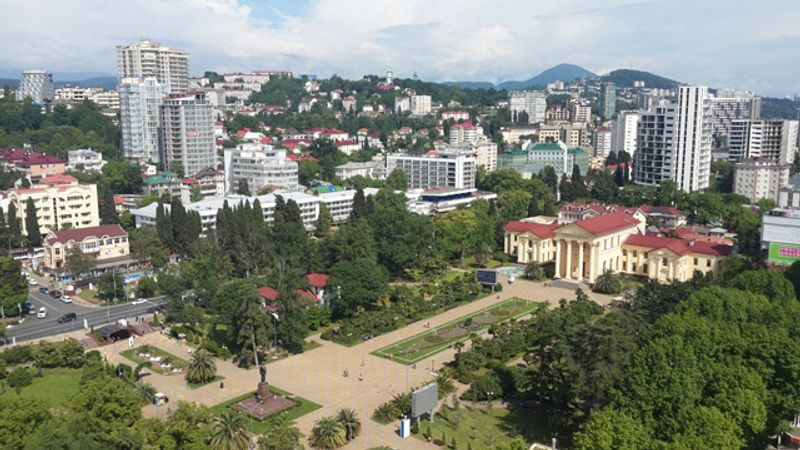
Russia has one of the most well-documented suicide crises in the world, though its rate has dropped considerably from the catastrophic highs of the 1990s. After the Soviet Union collapsed, unemployment skyrocketed, social safety nets disappeared, and alcohol consumption surged.
The human cost was staggering and very real.
Russian men are especially vulnerable. The country has one of the largest gender gaps in suicide rates globally, with men dying by suicide at roughly six times the rate of women.
Cultural expectations of male toughness make asking for help feel like weakness to many.
Remote Siberian regions report some of the highest rates within Russia, where isolation and extreme cold amplify hopelessness. Mental health care has historically been underfunded and stigmatized.
Recent years have seen some improvement, but access to quality psychological support outside major cities like Moscow remains frustratingly limited for millions of people.
10. Kazakhstan
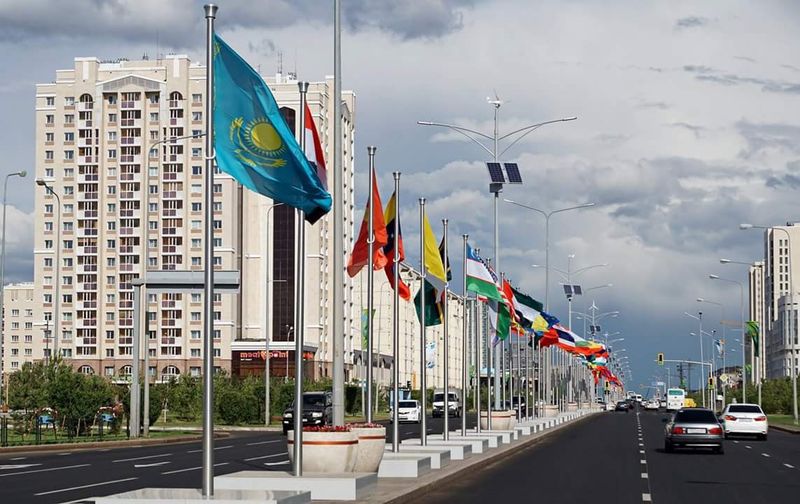
Kazakhstan’s enormous landscape is breathtaking, but its mental health crisis is just as vast. The country has consistently reported high suicide rates, particularly among young people and rural populations scattered across the world’s ninth-largest country by land area.
Distance from care is a literal problem here.
Like several other post-Soviet nations, Kazakhstan inherited a mental health system built around institutionalization rather than community support. Reforming that system has been slow and underfunded.
Many citizens still associate mental health treatment with shame or weakness, discouraging people from reaching out during a crisis.
Kazakhstan has introduced national suicide prevention strategies and trained some emergency responders in crisis intervention. Youth programs targeting awareness and coping skills have shown early promise.
However, the sheer geographic size of the country, combined with deep cultural stigma, means that building an effective nationwide safety net remains a genuinely difficult and ongoing challenge.
11. Belarus
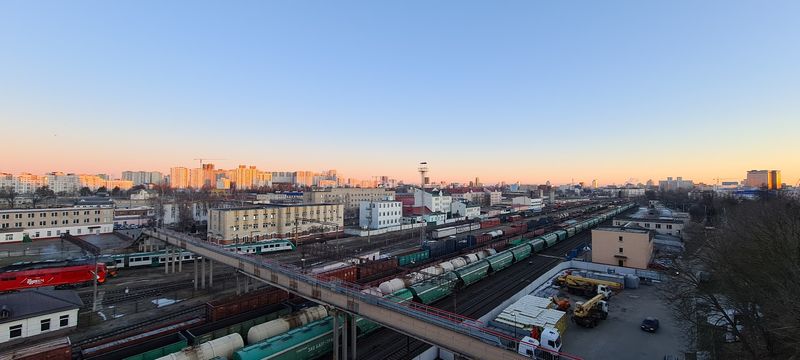
Belarus carries the weight of its Soviet past in many visible ways, and its suicide rate is one of them. The country consistently ranks among the highest in Europe, with men accounting for the overwhelming majority of deaths.
A culture of emotional suppression, heavy drinking, and limited mental health resources creates a dangerous combination.
Economic hardship and political tension have added psychological strain in recent years. The 2020 protests following disputed elections left many Belarusians feeling hopeless and exhausted.
Stress at that scale, with no outlet and no support, pushes vulnerable people closer to crisis.
Mental health care in Belarus is still largely tied to Soviet-era models that focus on hospitalization rather than outpatient counseling. Grassroots organizations have tried to fill the gap, but they operate under significant political restrictions.
Changing both the system and the culture around mental health is a long road that Belarus is only beginning to walk.
12. Ukraine
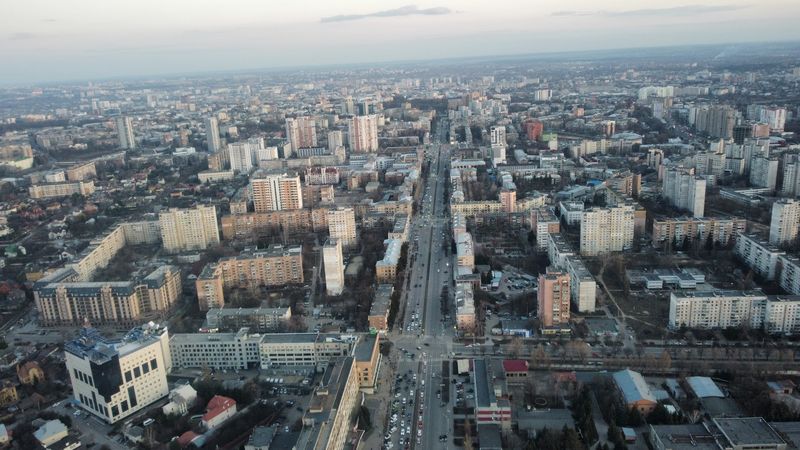
Ukraine was already dealing with elevated suicide rates before 2022, and the devastating full-scale war that began that year has made everything dramatically worse. Trauma, displacement, grief, and economic collapse have combined to create a mental health emergency on top of a military one.
The scale of human suffering is almost impossible to comprehend.
Veterans returning from combat face severe PTSD, and civilian populations in conflict zones experience trauma daily. Ukraine’s mental health infrastructure was already strained before the war.
Now it is overwhelmed, with millions of people needing support and far too few professionals available to provide it.
International organizations including the WHO have mobilized mental health response teams across Ukraine. Mobile crisis units are reaching some communities, and telehealth services have expanded rapidly.
These are important steps, but rebuilding a nation’s mental health system while a war is still ongoing is an almost incomprehensible task.
13. South Africa
South Africa’s suicide rate reflects the country’s staggering inequality. With one of the widest wealth gaps in the world, millions of South Africans live in poverty while others enjoy enormous wealth, and that disparity creates profound psychological stress.
Hopelessness tied to unemployment and crime is a daily reality for many communities.
Young Black men are disproportionately affected, facing structural barriers that limit their economic and social opportunities. Substance abuse, particularly alcohol and methamphetamine use, is closely linked to suicide risk in South Africa.
Violence within communities and households further erodes mental wellbeing.
South Africa has a notable shortage of mental health professionals, with most psychiatrists concentrated in major urban centers like Johannesburg and Cape Town. Rural and township communities often have no access at all.
Community health workers and peer support programs have shown real promise in reaching people who would otherwise fall through every available crack.
14. Zimbabwe
Zimbabwe’s suicide data is harder to pin down precisely because record-keeping and reporting systems are inconsistent, but most global health estimates place it firmly among the highest-risk nations. What is clear is that Zimbabwe’s population endures extraordinary hardship.
Decades of economic collapse, hyperinflation, and food insecurity have ground many people down to breaking point.
Farmers, who make up a large portion of the rural population, face particular pressure. Crop failures, land disputes, and crushing debt have driven many to despair.
Agricultural communities across sub-Saharan Africa show elevated suicide risk, and Zimbabwe is no exception.
Mental health services in Zimbabwe are severely underfunded and largely limited to urban hospitals. The country has pioneered one innovative solution worth noting: the Friendship Bench program, where trained grandmothers provide talk therapy in communities.
This low-cost, culturally trusted model has received international praise and demonstrated measurable results in reducing depression and suicidal thinking.
15. Mongolia
Mongolia may conjure images of epic open landscapes and nomadic freedom, but beneath that rugged exterior lies a serious and growing mental health crisis. The country has climbed steadily in global suicide rate rankings in recent years, with young men in both urban and rural settings showing alarming vulnerability.
Rapid modernization is part of the story.
Traditional nomadic culture is colliding with urban migration and modern pressures. Many young Mongolians have moved to the capital, Ulaanbaatar, only to find overcrowding, unemployment, and a loss of cultural identity waiting for them.
That collision between old and new can feel deeply disorienting.
Alcohol misuse is a significant contributing factor, as it is in many countries on this list. Mongolia’s mental health system is underdeveloped, with very few trained specialists outside the capital.
Expanding community-based mental health support and reducing alcohol-related harm are two of the most urgent priorities health experts are pushing for today.
Share this story