There is a place in central Florida where the modern world quietly disappears and something older, wilder, and more honest takes over. Tall wading birds stand motionless at the water’s edge, alligators cruise the shoreline without a care, and the only soundtrack is wind through the palms and the occasional splash of a turtle dropping off a log.
I had been hearing about this spot for a while before I finally made the drive out, and I can tell you honestly that it exceeded every expectation. Whether you are a serious birder, a casual hiker, or someone who just wants to feel connected to real Florida nature, this reserve delivers something that is genuinely hard to find anywhere else in the state.
Keep reading, because the details are worth every word.
Finding the Reserve: Address, Access, and First Impressions
Circle B Bar Reserve sits at 4399 Winter Lake Rd, Lakeland, right in the heart of Polk County, and getting there is straightforward once you know where to turn. The entrance road leads you past open fields and into a parking area that is surprisingly well-organized, with multiple lots spread across the property to handle the crowds that show up on weekends.
The reserve is open every day from 5:30 AM to 8:00 PM, which means early risers can catch the best wildlife activity before the midday heat settles in. Free admission is one of the first things that catches visitors off guard, since a place this impressive easily feels like it should charge an entry fee.
A welcome center near the trailhead stocks maps and posts recent wildlife sightings, which is a smart first stop before heading out onto the trails.
The History Behind the Land
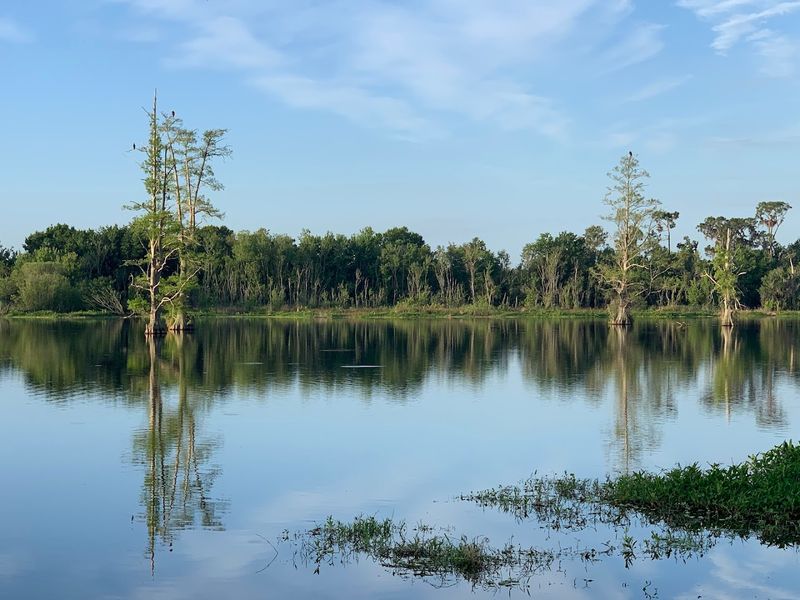
Long before it became one of the most visited nature reserves in Florida, this land had a working past rooted in cattle ranching and citrus farming. The name itself, Circle B Bar, comes from the old cattle brand used on the property, and you can still sense that agricultural heritage in the open pasture areas scattered between the wetland zones.
Polk County acquired the land in the early 2000s as part of a broader conservation effort to protect the watershed around Lake Hancock, one of the largest lakes in the county. Restoring the wetlands meant removing old drainage infrastructure and allowing natural water flow to return, which dramatically improved habitat quality over the years.
That restoration story is part of what makes walking these trails feel rewarding. What looks like untouched wilderness today was actually carefully brought back from the edge of being lost entirely.
Alligator Alley Trail: The Star Attraction
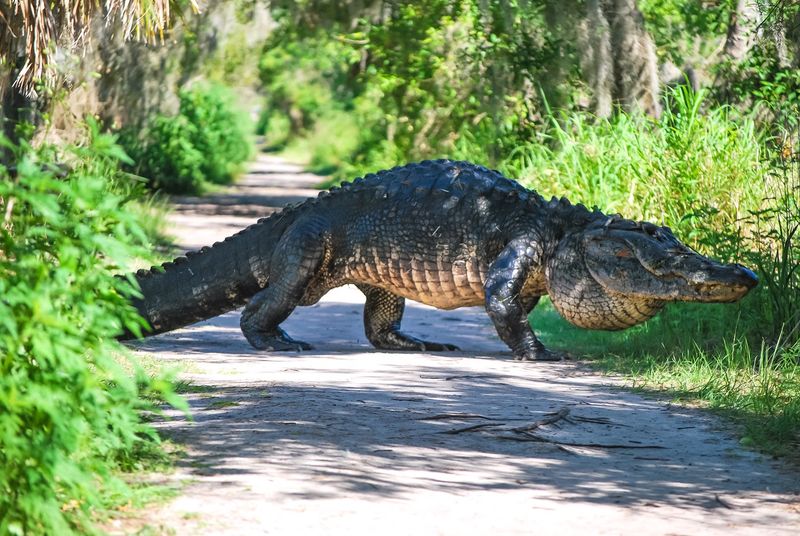
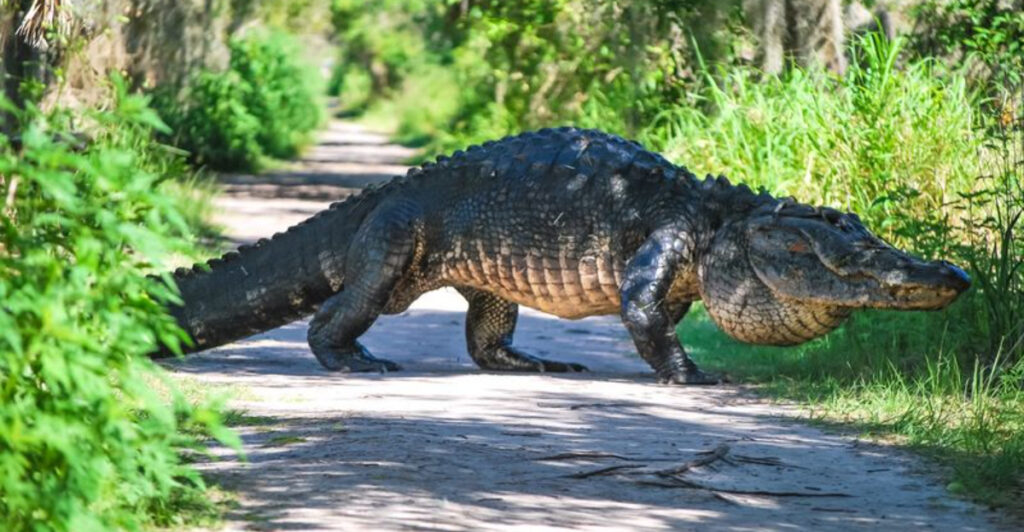
No trail at this reserve gets more attention than Alligator Alley, and that name is not exaggeration. On my visit, I counted more than a dozen alligators within the first half mile alone, some sunning themselves just feet from the trail edge, others drifting slowly through the dark water with only their eyes and snout visible above the surface.
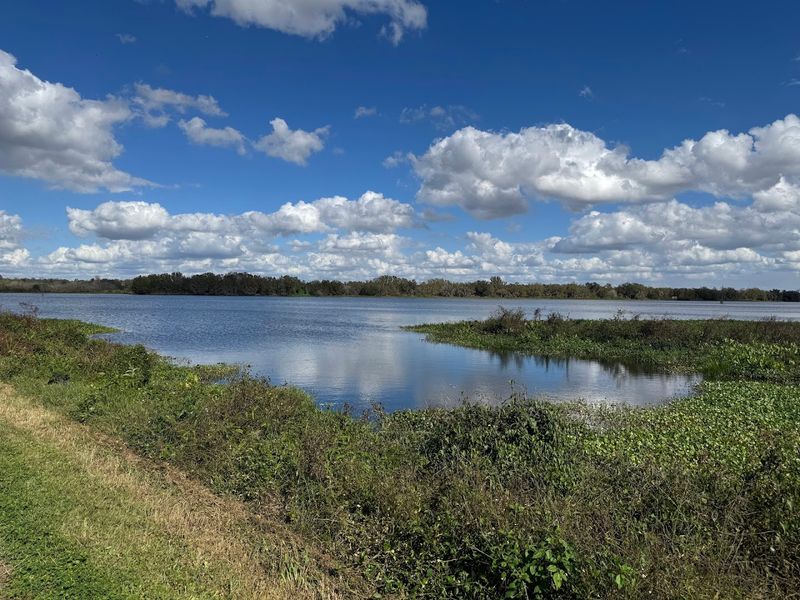
The trail runs along the edge of Lake Hancock and offers wide, open views across the wetlands that make spotting wildlife surprisingly easy. You do not need binoculars to see the alligators here, though a good pair will help with the birds perched across the water.
The path is packed dirt and mostly flat, making it accessible for most fitness levels, including families with older children. Just keep a respectful distance from any wildlife you encounter, and resist the urge to get closer for a photo than common sense allows.
Eagle Roost Trail and the Birdwatcher’s Paradise
Eagle Roost Trail runs along the northern edge of the reserve and earns its name honestly. Bald eagles are a regular sighting here, and on the morning I walked it, one was perched high in a dead cypress tree overlooking the marsh like it owned the place, which, fair enough, it kind of does.
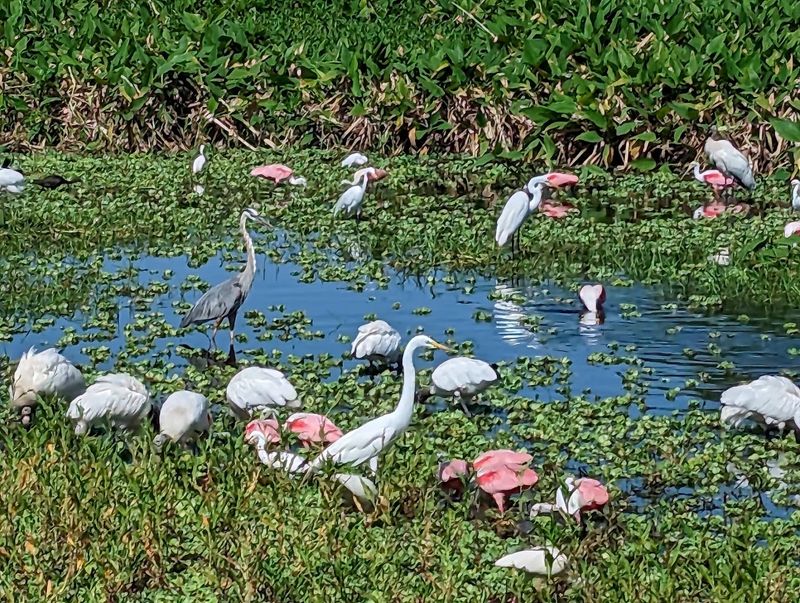
Beyond the eagles, the variety of birds along this trail is genuinely remarkable. Great blue herons, snowy egrets, roseate spoonbills, anhingas, ospreys, and sandhill cranes all appear with regularity, and the open wetland views give you clear sightlines that make photography much easier than in dense forest settings.
Birders who visit during the winter months get the best of both worlds, with resident species joined by migratory birds passing through central Florida. Arriving at dawn is the single best tip I can offer for anyone hoping to catch peak bird activity along this trail.
The Full Trail Network: More Miles Than You Might Expect
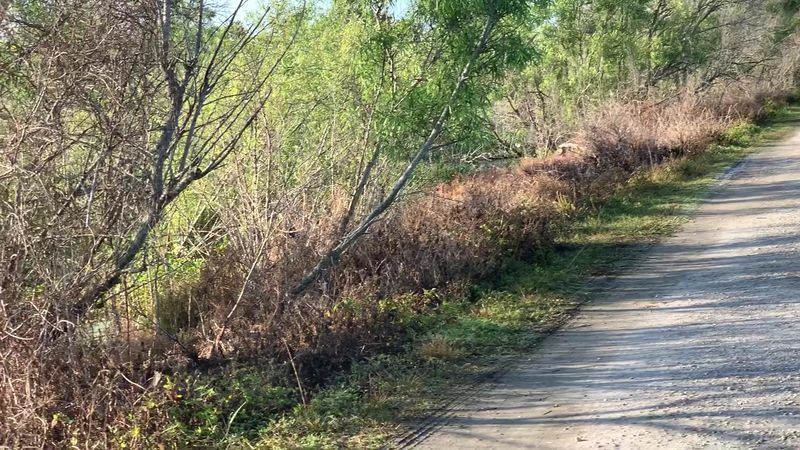
Most first-time visitors are surprised to discover just how many trails the reserve actually has. Beyond Alligator Alley and Eagle Roost, the property includes the Marsh Rabbit Run, Wading Bird Way, and several connector paths that allow you to design a route anywhere from a quick one-mile loop to a full four-mile or longer adventure.
Each trail has its own character. Some hug the lakeshore with sweeping open views, while others cut through denser vegetation where the shade is welcome and the sounds shift to something quieter and more enclosed.
The transitions between habitat types happen quickly here, which keeps the walk interesting even on a longer outing.
Trail markers are clear and consistent throughout the property, so getting lost is not a real concern. Picking up a paper map at the welcome center before you start is still a good habit, especially if you plan to cover multiple trails in a single visit.
Wildlife Beyond Alligators: What Else You Might Spot
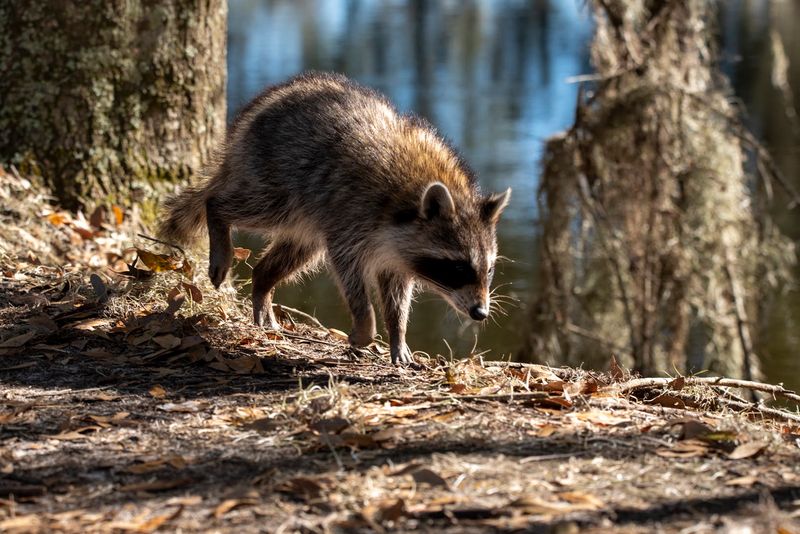
Alligators get top billing here, and rightfully so, but the supporting cast is just as impressive. Armadillos shuffle through the underbrush at the trail edges, raccoons appear near the water in the early morning hours, and river otters occasionally surface in the quieter canal sections if you are patient enough to wait.
Wild hogs have been spotted by regular visitors, and the reserve is known for its healthy population of gopher tortoises, which you might find grazing in the drier upland sections away from the wetlands. Snakes are also present, including non-venomous water snakes and the occasional banded water moccasin, so staying on the trail is genuinely good advice rather than just a rule.
Butterflies, dragonflies, and other insects add color and movement to the landscape in the warmer months, and even the fish are visible here, breaking the surface of the shallow water in large numbers near the trail edges.
Biking the Reserve: A Different Way to Explore
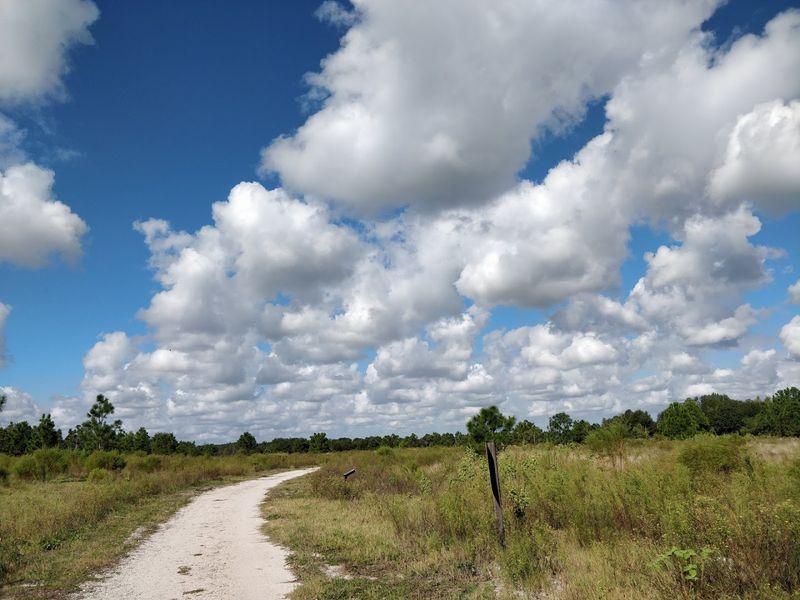
The packed dirt trails at Circle B Bar Reserve are well-suited for bikes, and exploring the property on two wheels opens up a different rhythm entirely. You cover more ground, of course, but the real advantage is the quiet approach that a bike allows, which can actually improve your chances of spotting wildlife before it spots you.
Several visitors bring hybrid or mountain bikes, and the flat terrain makes the ride accessible even for casual cyclists. E-bikes have become popular here too, which makes the longer trail combinations much more manageable for those who want to cover the full network without exhausting themselves in the Florida heat.
One practical note: the trails can become muddy and soft after heavy rain, so checking conditions before heading out is worthwhile. Dry season visits, roughly November through April, offer the firmest trail surfaces and the most comfortable temperatures for a longer bike ride through the reserve.
The Discovery Center: Learning Before You Hike
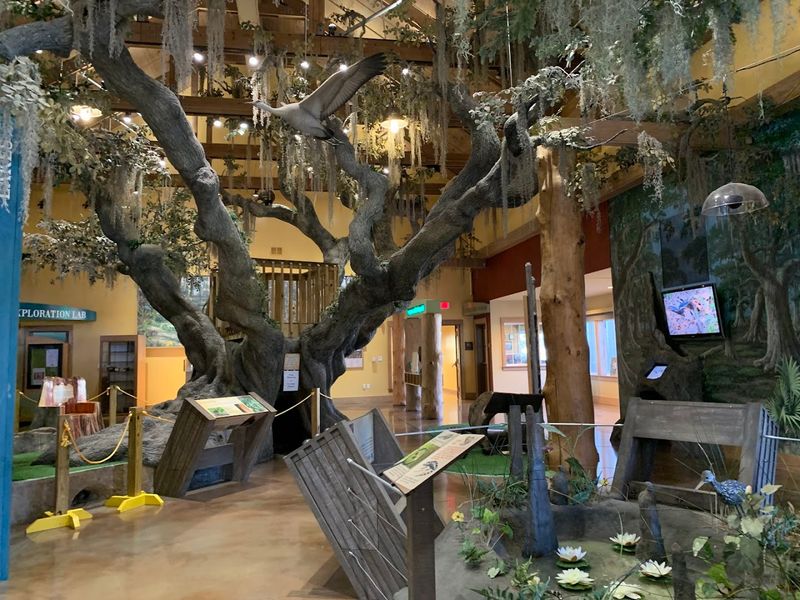
Near the main parking area, the Discovery Center serves as both a welcome hub and an educational resource for visitors of all ages. Inside, you will find exhibits on the local ecosystem, information about the restoration history of the property, and displays identifying the birds and reptiles you are likely to encounter on the trails.
Staff and volunteers at the center are genuinely knowledgeable and enthusiastic about the reserve, happy to point you toward recent wildlife sightings or suggest which trail is best suited to what you are hoping to see that day. That kind of local, real-time information is worth far more than any online review.
The center is not always open, particularly during off-season periods, so checking ahead by calling 863-668-4673 or visiting polknature.com before your trip is a smart move. Even when it is closed, the trail maps posted outside and the recent sightings board remain accessible to arriving visitors.
Best Time to Visit: Seasons, Heat, and Wildlife Activity
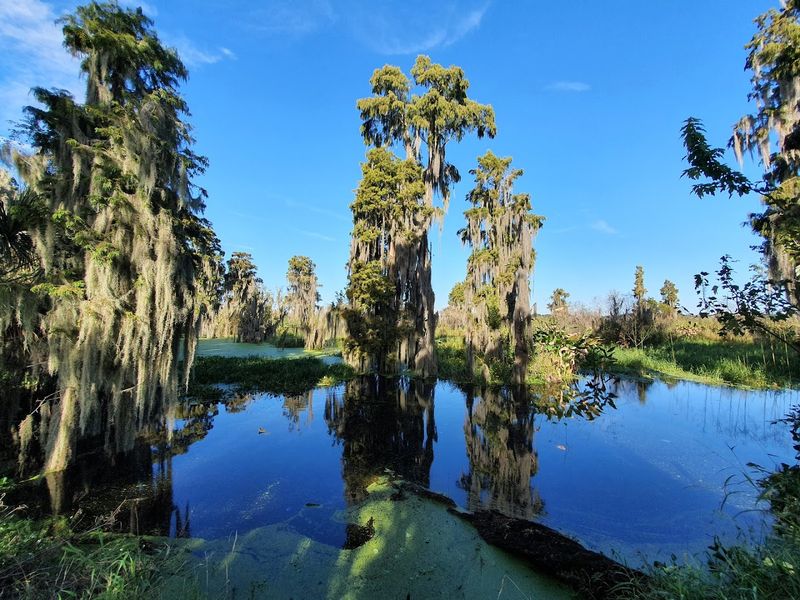
Central Florida heat is no joke, and the reserve does not offer much shade on its most popular trails. The consensus among regular visitors is clear: arrive early, ideally at or just after the 5:30 AM opening, when temperatures are manageable, wildlife is most active, and the parking lots are not yet full.
Winter months, from November through March, are widely considered the best time to visit. Cooler temperatures make longer hikes comfortable, migratory birds swell the usual wildlife count, and the lower humidity keeps the experience pleasant rather than punishing.
Summer visits are possible but require real preparation. Bring more water than you think you need, wear light and breathable clothing, apply sunscreen generously, and consider cutting your hike shorter than planned if the heat becomes intense.
Mosquitoes are also notably more active in the warmer months, so insect repellent is a genuine necessity rather than an optional accessory from June through September.
Practical Tips: What to Bring and How to Prepare
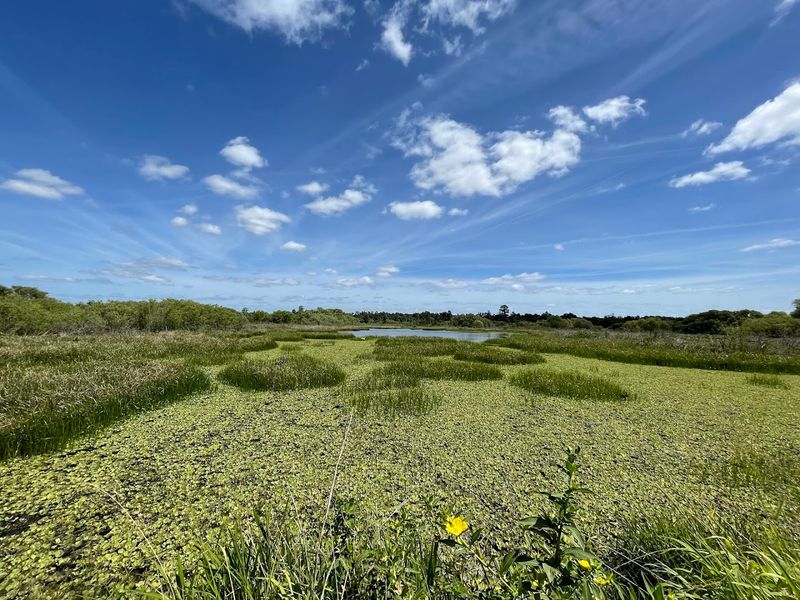
A few simple preparations make the difference between a great visit and a frustrating one at this reserve. Water is the most critical item, and the general advice from experienced hikers here is to bring at least twice what you think you will need, since the open wetland trails offer very little natural shade and the sun reflects off the water surface.
Closed-toe shoes are strongly recommended over sandals, not because the trails are rough, but because the proximity to wildlife, including snakes and the occasional curious alligator, makes proper footwear a sensible choice. A hat and sunglasses are near-essential in the warmer months.
Binoculars dramatically improve the birding experience, and a camera with a zoom lens will serve you far better than a phone camera for wildlife shots at a distance. The parking areas are free, restrooms and portable toilets are available on site, and the reserve does not require advance reservations for general trail access.
Photography at the Reserve: A Shooter’s Dream
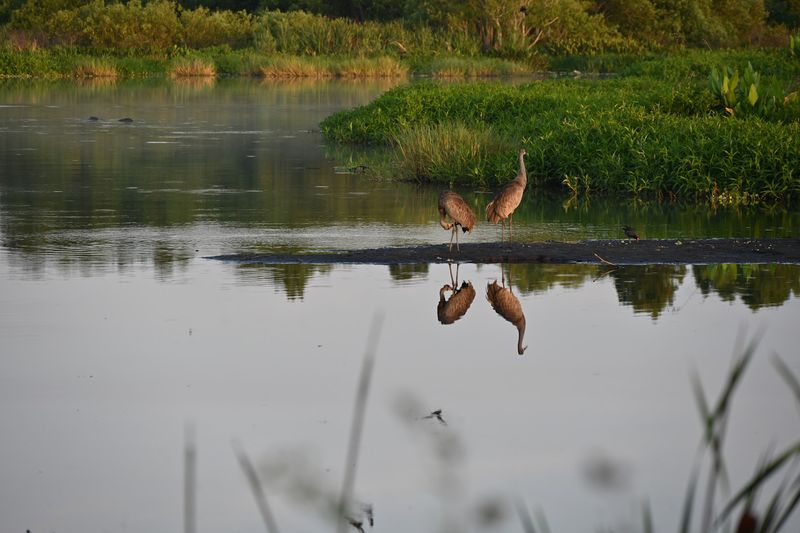
Few places in Florida offer the kind of accessible, close-range wildlife photography that this reserve delivers on a consistent basis. The alligators here are accustomed to human presence and go about their business with an indifference that makes patient observation and photography genuinely rewarding rather than a matter of luck.
Early morning light hits the wetlands beautifully, casting warm golden tones across the water and illuminating the birds in ways that make even average shots look polished. The flat, open trail edges put you at eye level with much of the wildlife, which adds a sense of intimacy to the images that elevated viewpoints cannot replicate.
Sunset visits are also popular with photographers, as the fading light creates dramatic reflections on Lake Hancock visible from several points along the trail. The reserve closes at 8:00 PM, which gives you a reasonable window to catch the last light of the day before heading back to the parking area.
Why This Reserve Captures the Spirit of Old Florida
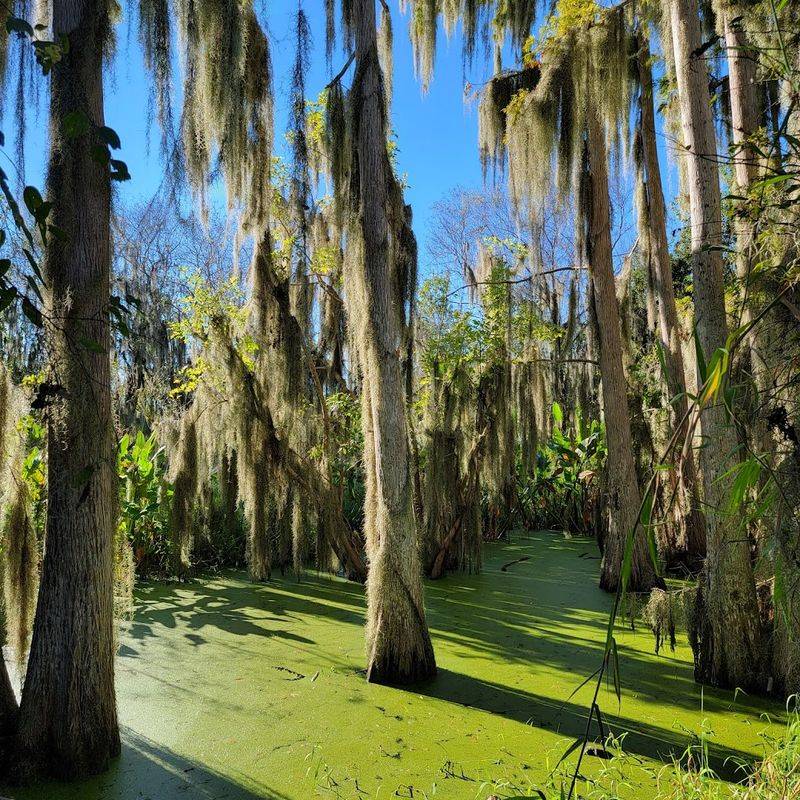
There is a version of Florida that existed before the theme parks, the highway sprawl, and the relentless development that has reshaped so much of the state. Circle B Bar Reserve is one of the places where that older Florida is still very much present and very much alive.
The wetlands here feel authentic rather than curated, wild rather than managed for spectacle. The alligators are not behind glass, the birds are not hand-fed, and the trails are not paved into a theme park walkway.
What you get instead is a functioning ecosystem that you are simply permitted to walk through quietly and respectfully.
That feeling of being a guest in something larger than yourself is what keeps people coming back here year after year. For anyone who wants to experience Florida as it once was, before the modern world had its say, this reserve offers something genuinely irreplaceable, and it does so completely free of charge.
Share this story