Modern America moves fast, but some towns politely ignore the memo and keep doing things the old-fashioned way. In these places, main streets still favor brick, porches still matter, and local history is not trapped in a museum label – it is built right into the courthouse, harbor, train depot, and corner store.
This list takes you through all 50 states to places where the street plan, architecture, and daily rhythm still echo earlier chapters of American life, from gold rush camps and river ports to coastal villages and mountain outposts. Keep reading, and you will get a practical, entertaining tour of the towns that make a detour feel like time travel, minus the complicated science and plus a lot more charming storefronts.
Alabama: Mooresville
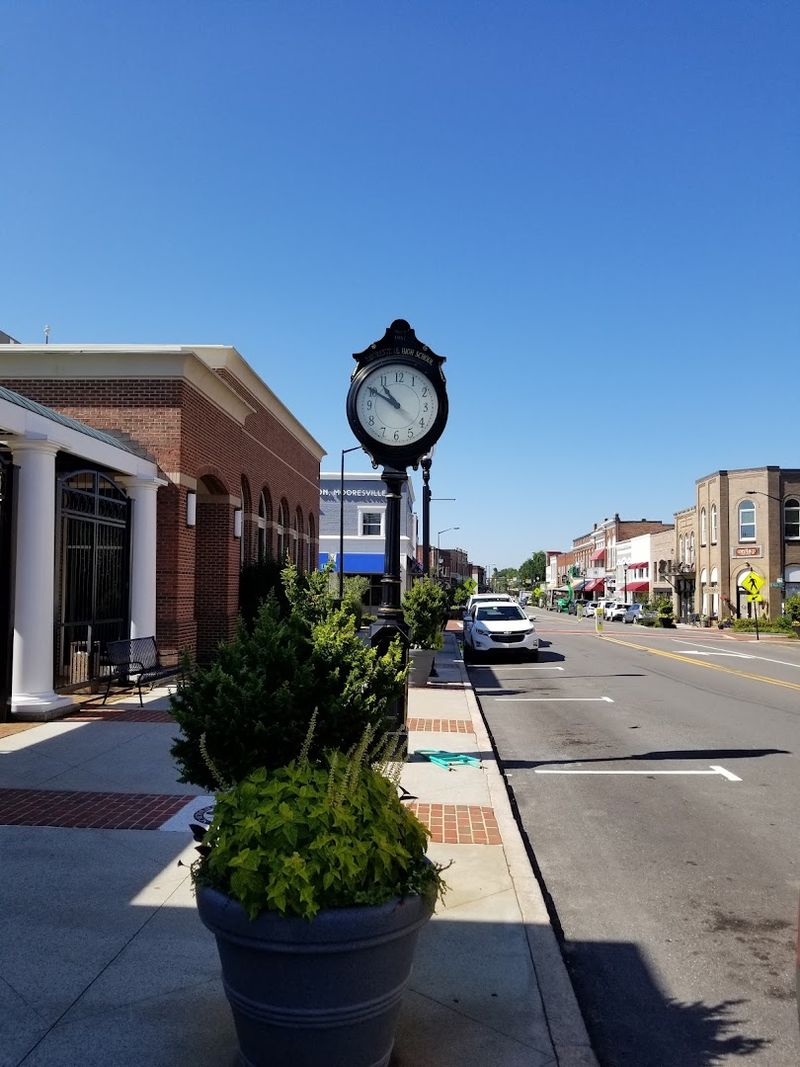
Tiny towns usually whisper, but Mooresville makes a strong case with barely any population at all. Inside its compact limits, brick sidewalks, historic homes, and a white clapboard church keep the layout remarkably intact.
You can stroll the whole place quickly, yet every corner suggests another century stayed put. It is small, orderly, and impressively committed to old-school Alabama.
Alaska: Talkeetna
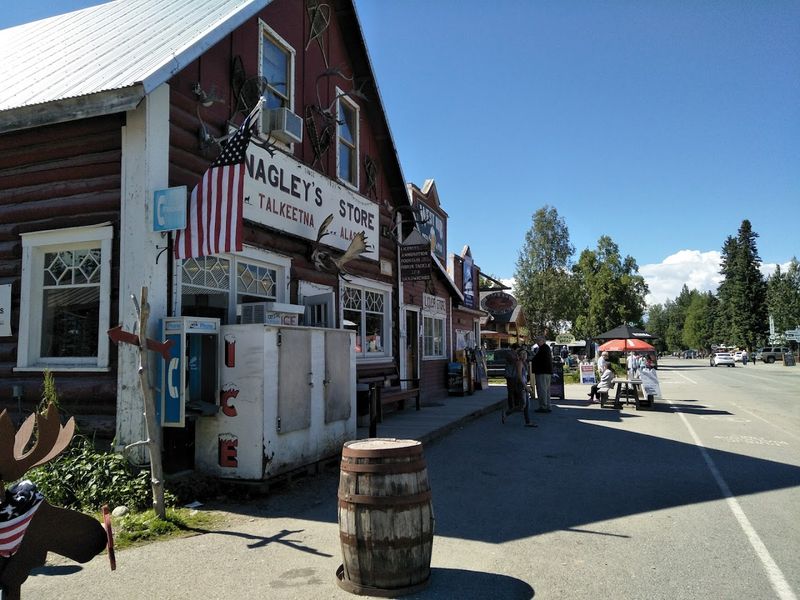
Frontier energy still runs the show in Talkeetna, and that is part of its charm. Wooden storefronts, locally owned shops, and a scrappy street grid give it the look of a place that grew up with purpose, not polish.
You come for mountain access, but the town itself steals attention. It feels practical, quirky, and comfortably rooted in Alaska’s earlier chapters.
Arizona: Bisbee
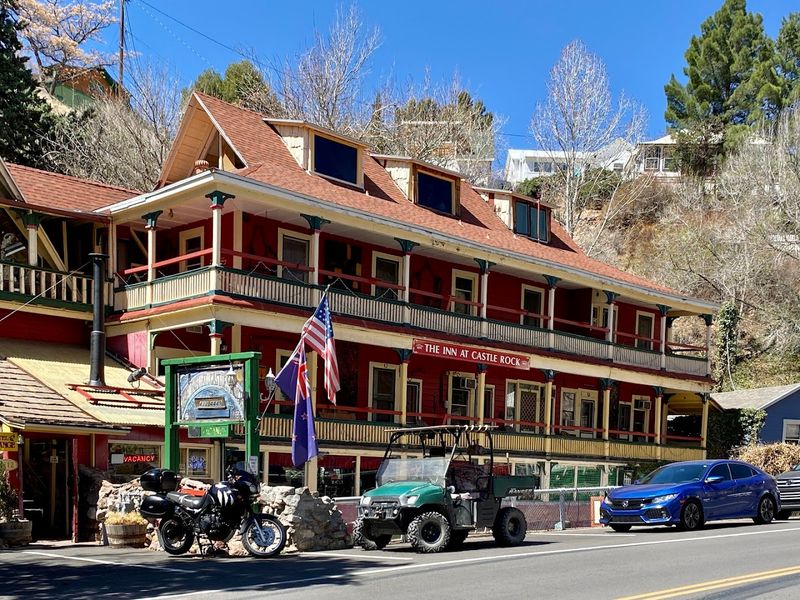
Bisbee refuses to sit flat, and that steep hillside setting gives it instant personality. Former mining buildings, old storefronts, and winding streets create a townscape that still carries clear traces of its hardworking past.
These days, galleries and cafes add fresh life without erasing the bones. You get history, odd angles, and plenty of reasons to keep looking uphill.
Arkansas: Eureka Springs
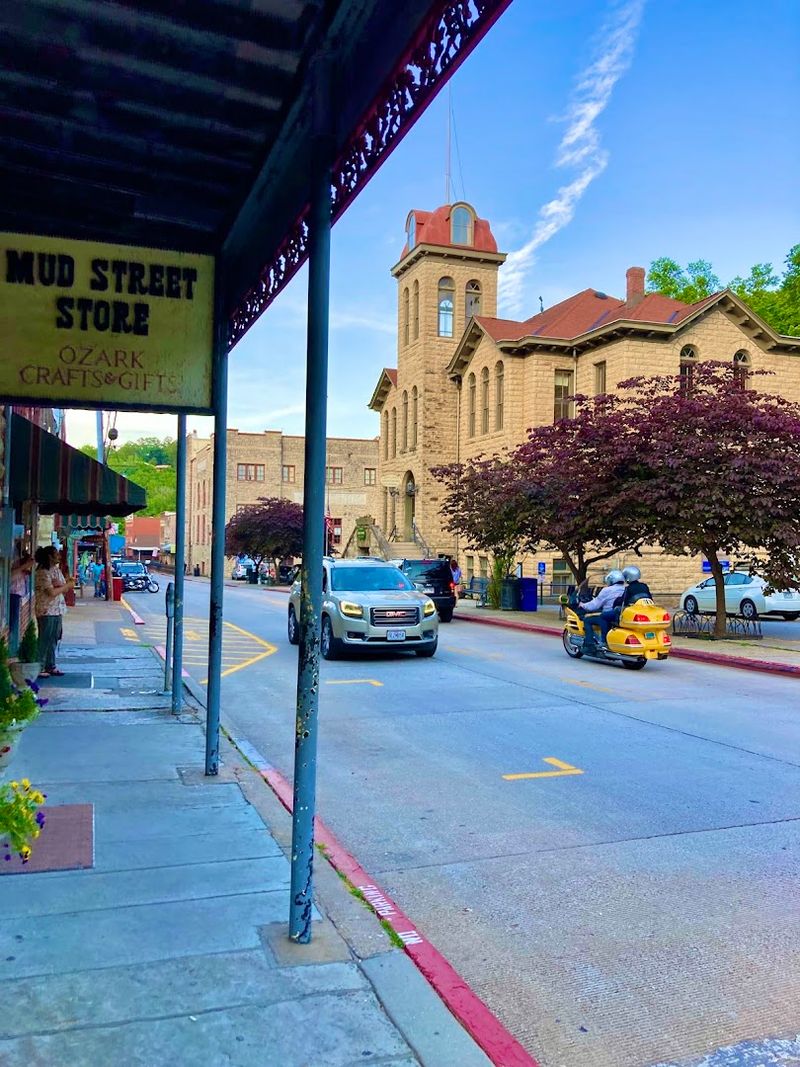
Curves beat straight lines in Eureka Springs, where the hills decided the town plan long ago. Victorian buildings stack along winding streets and stairways, making the whole place look carefully preserved rather than recently assembled.
You do not just pass through here in a straight shot. The town rewards wandering, and its 19th-century resort character still shapes how everything fits together.
California: Nevada City
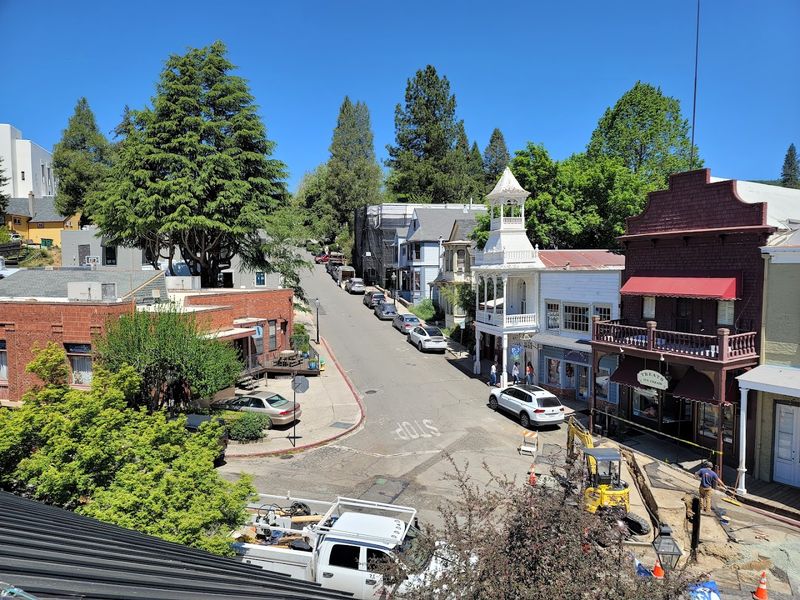
Gold Rush history still has office hours in Nevada City. Wooden buildings, preserved facades, and an old-fashioned downtown make it easy to picture the town during its busiest boom years.
Unlike places that paste history onto new development, this one keeps the original frame in view. You get a real main street, sturdy architecture, and a strong sense of California’s earlier ambitions.
Colorado: Georgetown
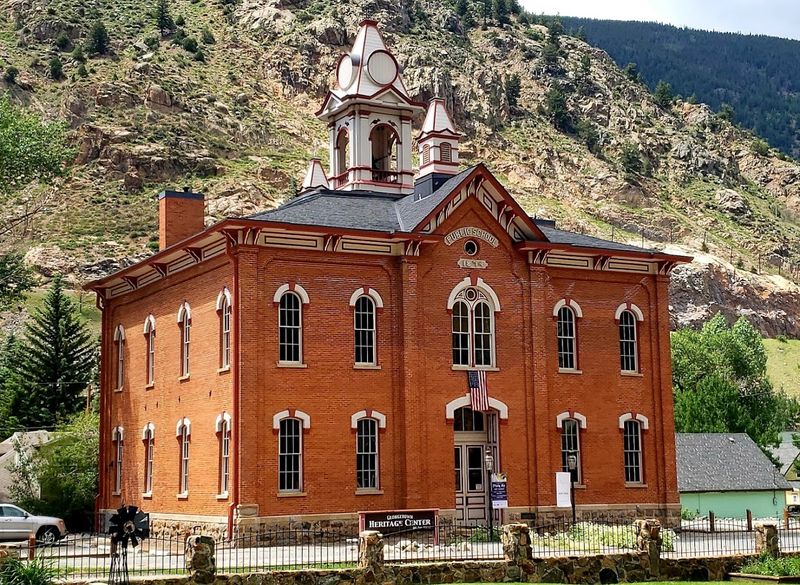
High in the Rockies, Georgetown looks wonderfully committed to the 1800s. Colorful commercial buildings line the main street, and the historic railroad connection helps the town keep its mining-era identity front and center.
You get mountain scenery, sure, but the real draw is the preserved core. It feels tidy, substantial, and pleasantly resistant to looking like anywhere else.
Connecticut: Essex
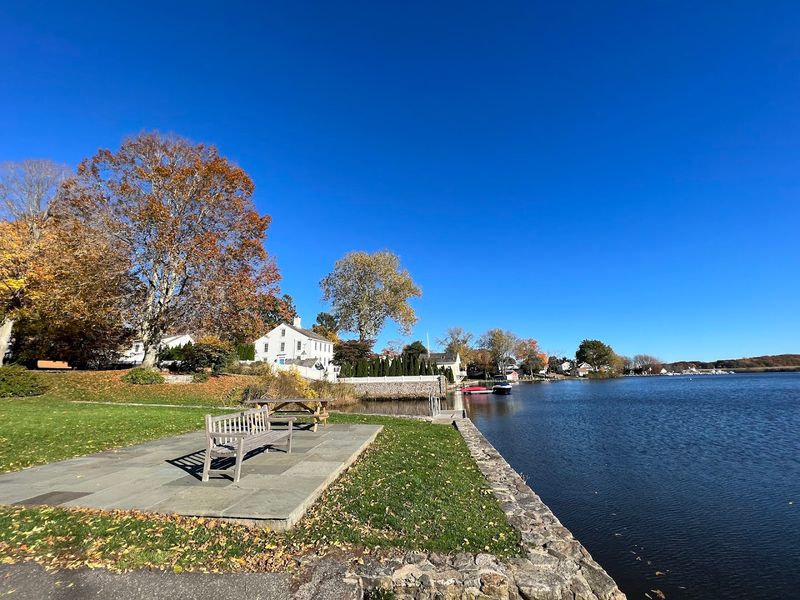
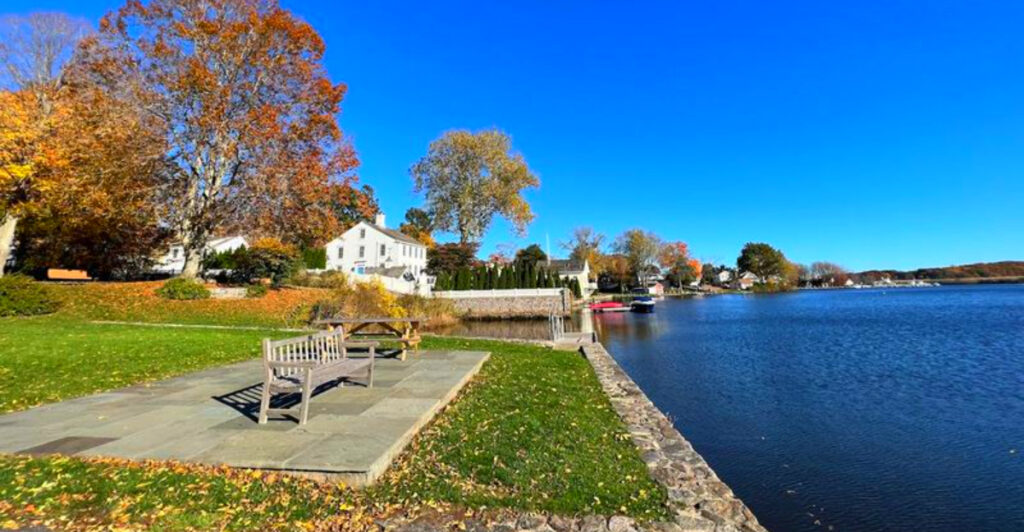
Essex proves that harbor towns can age gracefully without becoming stage sets. Colonial homes, maritime landmarks, and a polished village center give it a timeless New England look that feels lived in, not overly polished.
You see boats, historic streets, and architecture that has stayed sensible for centuries. The result is calm, attractive, and very hard to rush through.
Delaware: New Castle
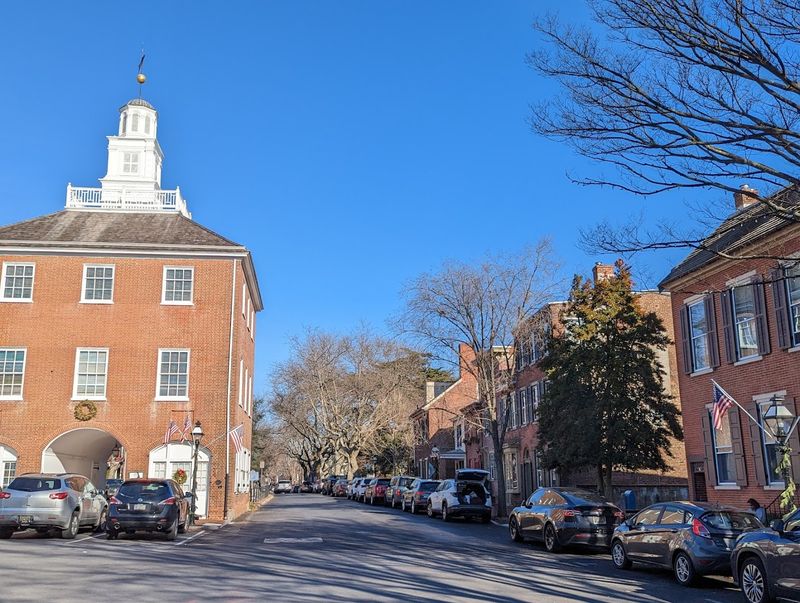
Cobblestones do a lot of heavy lifting in New Castle, and they earn every bit of attention. The colonial streetscape, brick houses, and long-established public buildings give the town a grounded, early-American identity.
You are not hunting for fragments here because whole blocks still cooperate. New Castle feels orderly, old, and refreshingly unconcerned with looking updated for anyone.
Florida: Apalachicola
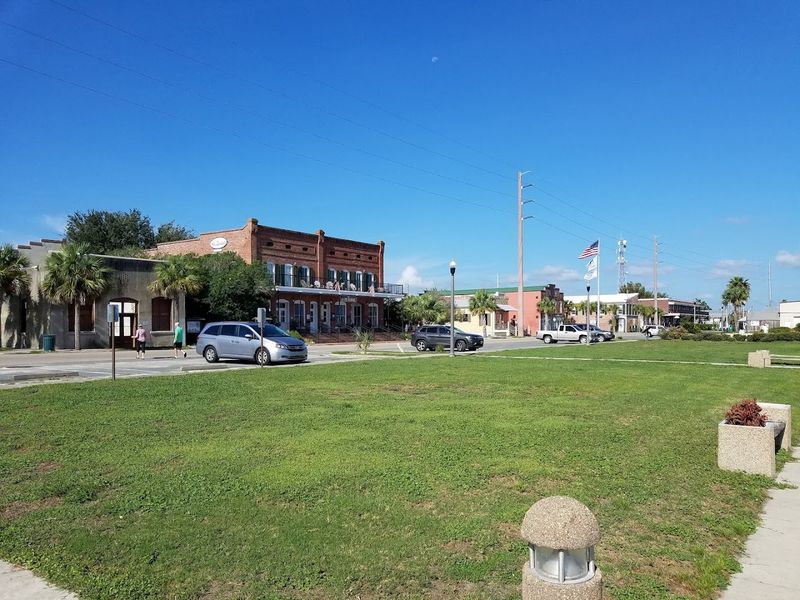
Florida can move fast, but Apalachicola prefers a slower calendar. Historic brick buildings, an old waterfront, and a practical downtown keep this Gulf Coast town tied to earlier routines instead of resort-style reinvention.
You notice the working-town layout right away. It feels authentic, compact, and refreshingly separate from the busier version of Florida most travelers expect.
Georgia: Dahlonega
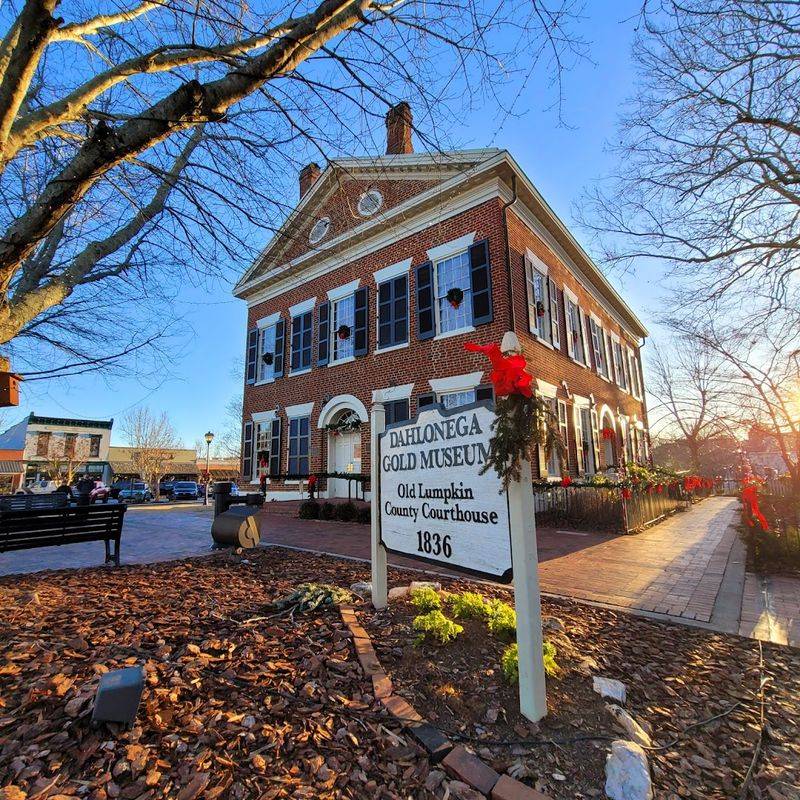
Gold brought attention to Dahlonega long ago, and the town still wears that history well. The central square, historic courthouse, and preserved buildings create a downtown that looks ready for another century of front-porch conversations.
You get mountain-town appeal without losing the original story. It feels civic, cheerful, and deeply attached to its gold rush roots.
Hawaii: Hawi
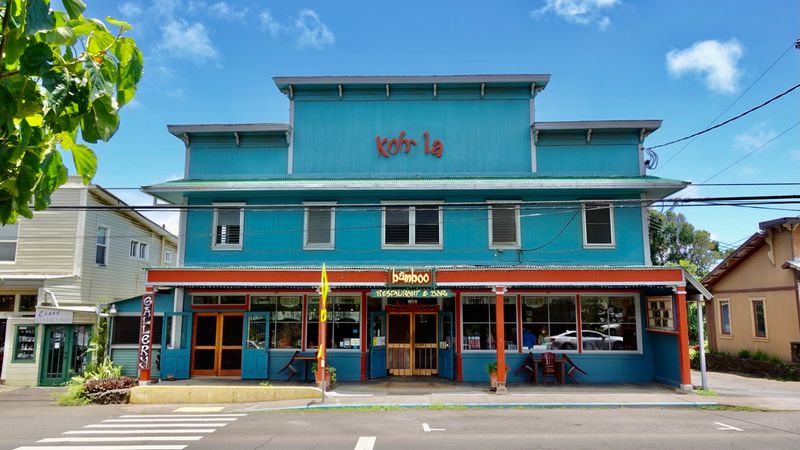
Hawi offers a version of Hawaii that skips the giant resort script. Its plantation-era layout, colorful storefronts, and modest main street preserve a quieter chapter of island life.
You can see how the town grew from work and community rather than spectacle. That gives Hawi a welcome sense of continuity, with history visible in the buildings instead of buried behind trends.
Idaho: Wallace
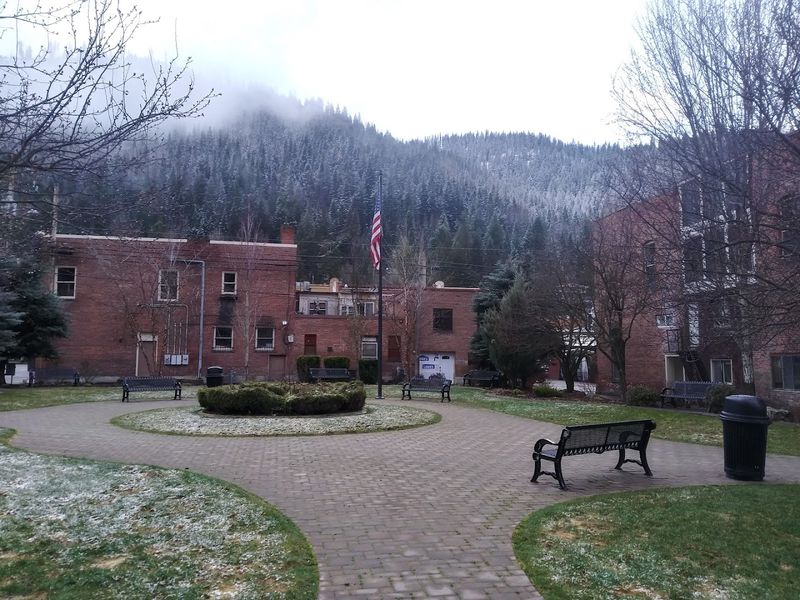
Wallace has the confidence of a town that knows its past is interesting enough already. Mining history still shapes the downtown, where brick buildings and preserved landmarks keep the old commercial core very much intact.
Museums add context, but the streets do most of the work. You get a compact, memorable place that treats history like a daily fact.
Illinois: Galena
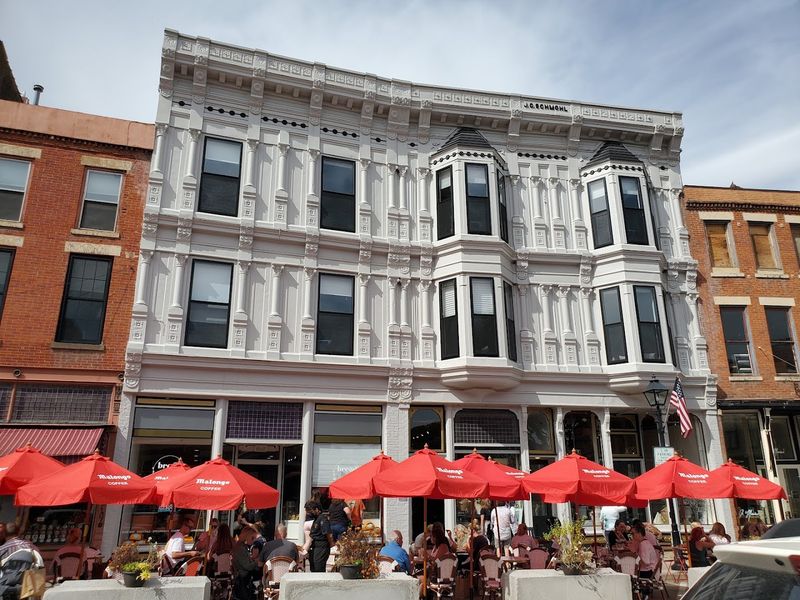
Galena looks like the 19th century made a very persuasive zoning argument. Brick commercial blocks, hillside streets, and an impressive collection of preserved buildings make the whole town feel unusually complete.
You are never far from another notable facade or historic marker. That density gives Galena real staying power, not just postcard appeal and a cute main street.
Indiana: Madison
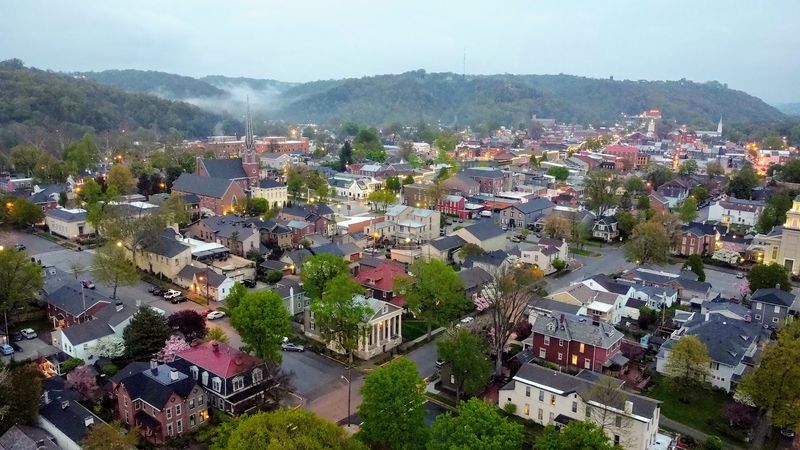
Madison plays the river-town role with impressive commitment and a lot of architectural backup. Historic homes, public buildings, and a traditional downtown near the Ohio River make its 1800s identity easy to read.
You can spend time admiring entire blocks instead of isolated landmarks. That makes Madison feel cohesive, substantial, and pleasantly untouched by careless modernization.
Iowa: Pella
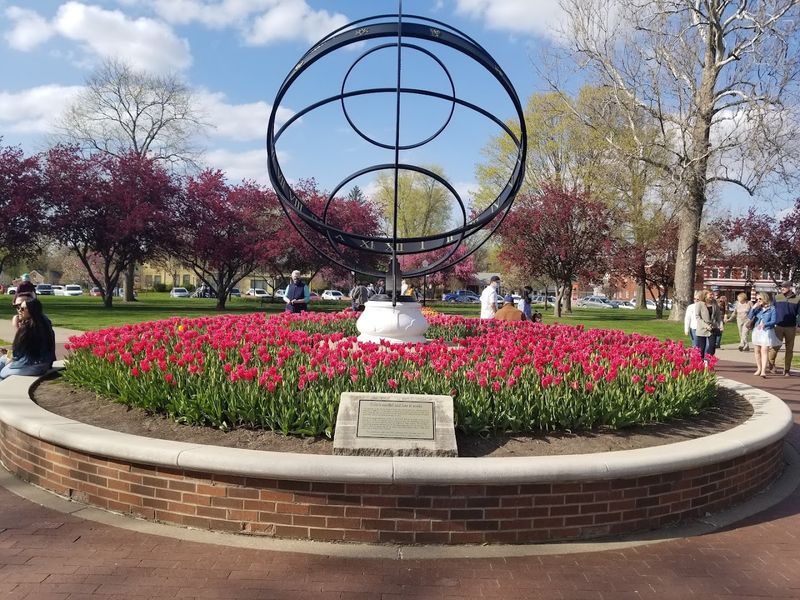
Dutch influence gives Pella a look you will not confuse with neighboring towns. Brick streets, distinctive architecture, and the famous windmill create a place where heritage shapes the streetscape instead of sitting quietly in brochures.
You get order, character, and plenty of visual consistency. Pella feels carefully maintained, proudly specific, and happily uninterested in blending into the background.
Kansas: Abilene
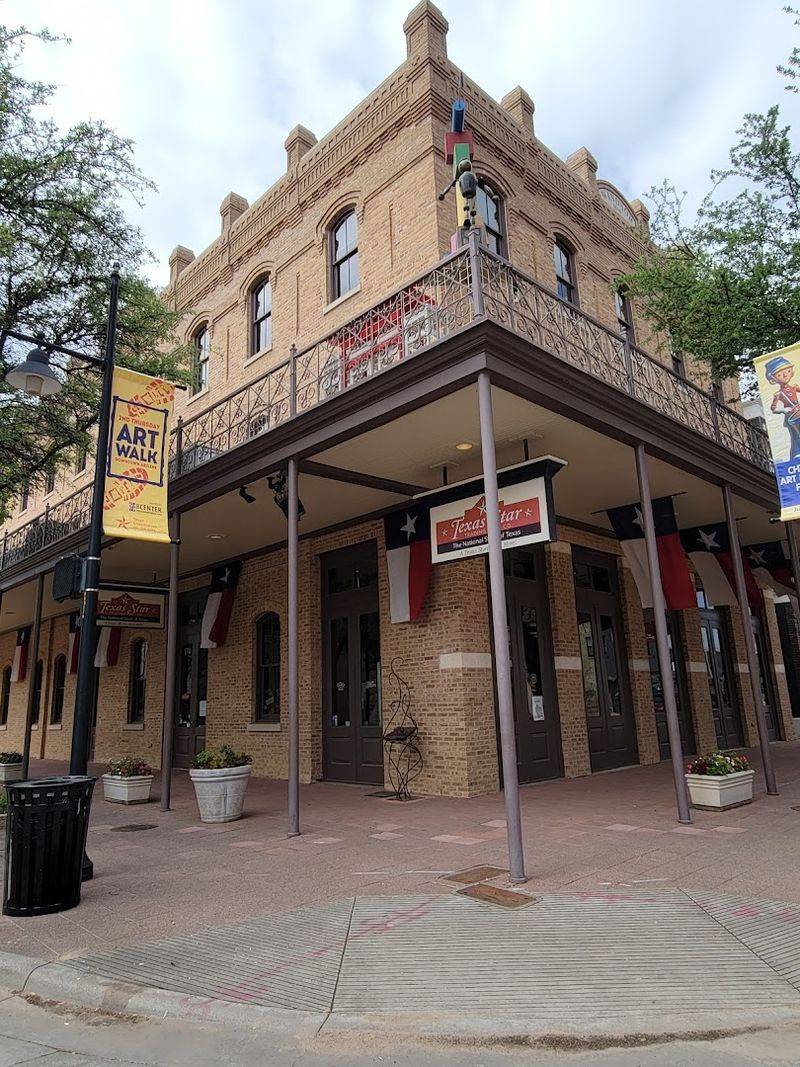
Abilene still tips its hat to the Old West without turning into a costume party. Historic railroad ties, classic downtown buildings, and well-presented museums keep its cattle-town past visible and easy to understand.
You can trace the story through the streets, not just exhibits. That makes Abilene feel rooted, educational, and more lively than a simple history stop.
Kentucky: Bardstown
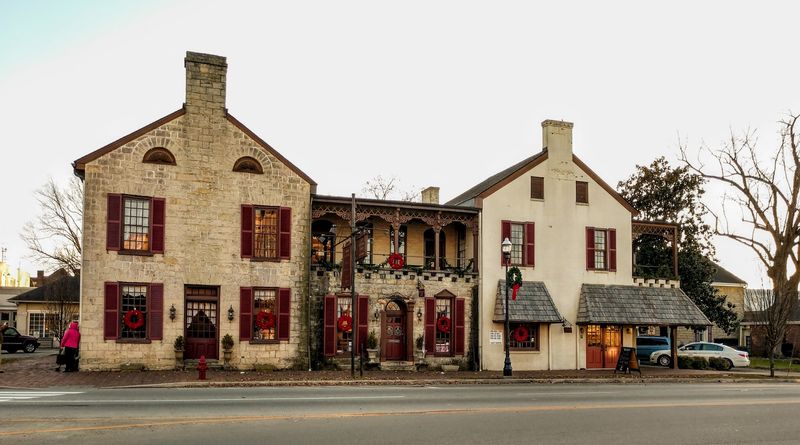
Bardstown knows exactly how to present a historic district, and it does not overcomplicate things. Federal-style buildings, a handsome town square, and carefully preserved streets make the town look composed and confidently old.
You can admire architecture, browse local shops, and appreciate a layout that still makes sense. Bardstown feels polished, historic, and easy to spend a full day exploring.
Louisiana: St. Francisville
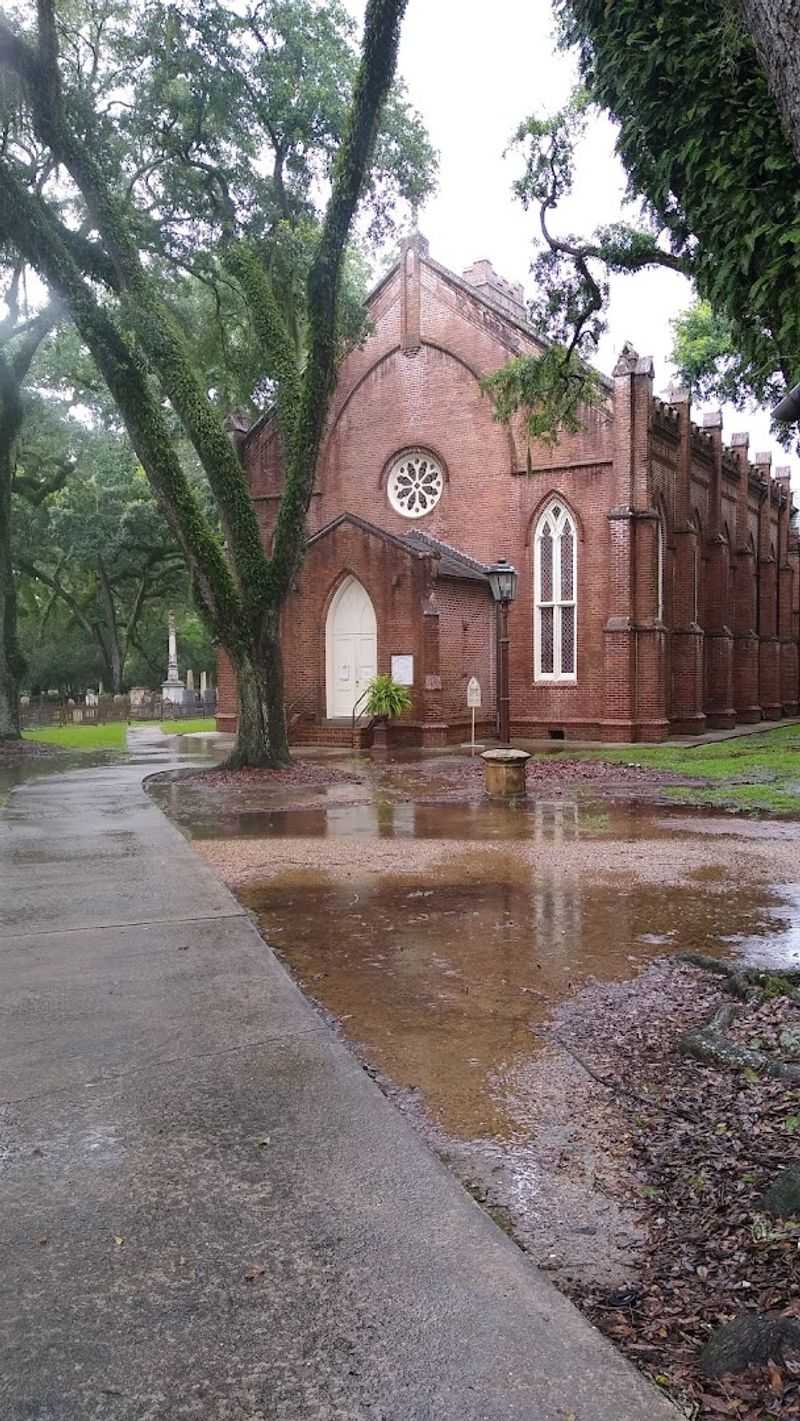
St. Francisville carries its history in plain view, and the town does not need flashy distractions. Historic homes, old churches, and a compact center create a place where Louisiana’s earlier architecture still leads the conversation.
You notice how measured everything feels. It is quiet, established, and deeply aware that its strongest feature is simply how much of the past remains standing.
Maine: Castine
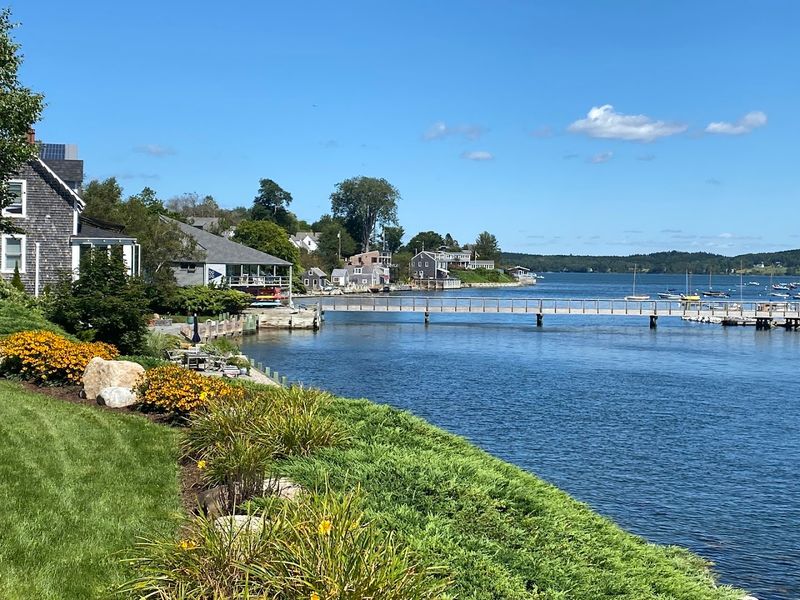
Castine seems to have skipped the chapter where coastal towns become overly busy. Its maritime history, colonial-era homes, and restrained development keep the village looking old, practical, and surprisingly intact.
You get a harbor setting with plenty of historical substance. Castine feels scholarly in the best way, as if the town has been calmly preserving receipts for centuries.
Maryland: St. Michaels
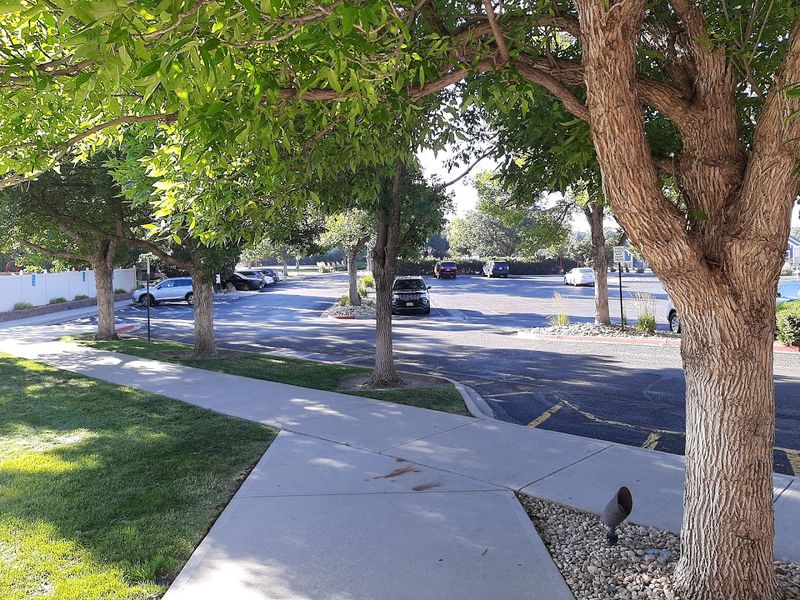
Waterfront towns often lean on scenery, but St. Michaels has strong historic credentials too. Colonial roots, working boatyards, and well-kept homes along the Chesapeake give it a durable sense of place.
You can read the town through its maritime details and compact streets. That balance makes St. Michaels feel steady, appealing, and nicely removed from rushed coastal development.
Massachusetts: Stockbridge
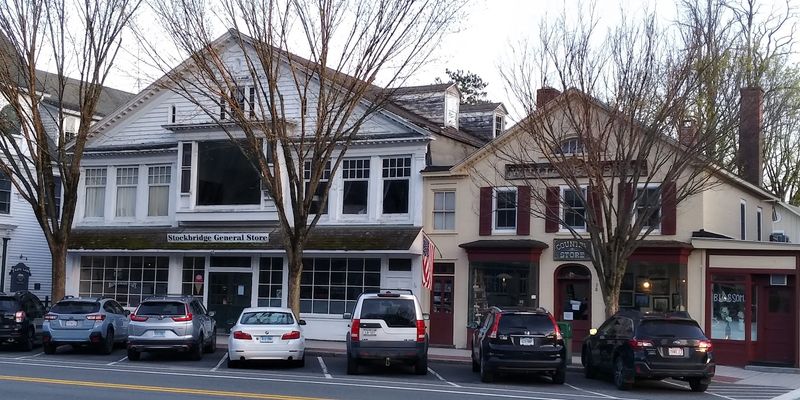
Stockbridge has the kind of main street people try to recreate and rarely get right. Traditional buildings, public greens, and long-established institutions give the town a classic small-town structure with real historical depth.
You are not just seeing nostalgia packaged neatly for visitors. Stockbridge feels genuinely enduring, with enough architecture and civic continuity to keep the past visible year-round.
Michigan: Mackinac Island
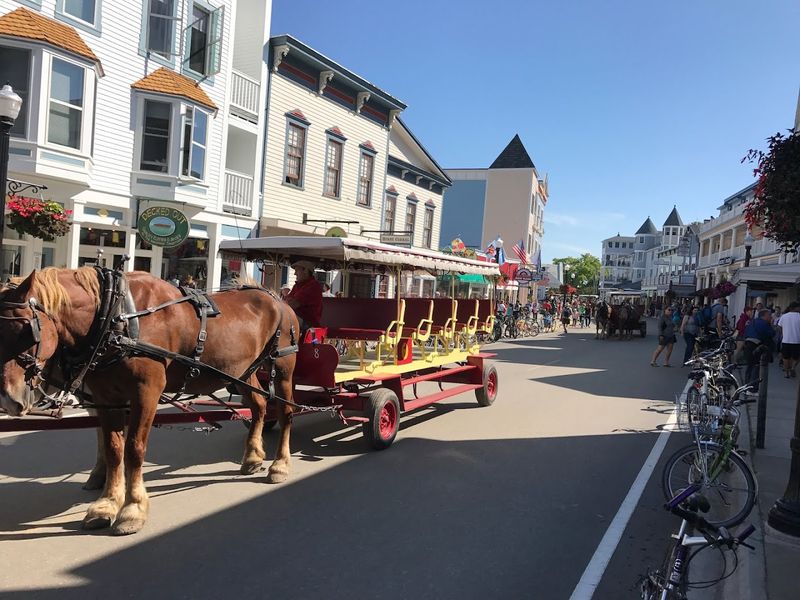
No cars changes everything, and Mackinac Island proves the point beautifully. Horse-drawn carriages, bicycles, and a preserved streetscape make daily life look dramatically different from most American destinations.
The architecture helps seal the effect, especially around the historic core. You get a place where transportation, buildings, and visitor habits all cooperate to keep another era in plain sight.
Minnesota: Lanesboro
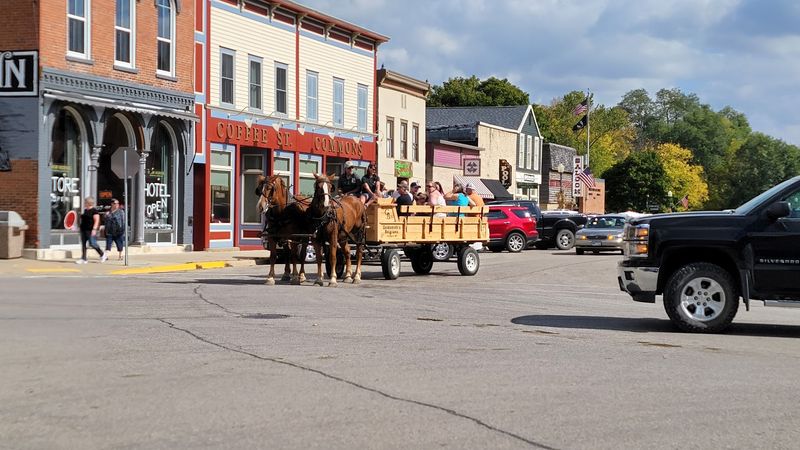
Lanesboro keeps things refreshingly balanced: historic bones, creative energy, and no need for exaggerated reinvention. Its river-town downtown still looks traditional, with preserved buildings that give the arts scene a sturdy backdrop.
You can browse, bike, and linger without losing the sense of place. Lanesboro feels thoughtful, useful, and nicely anchored in Minnesota’s small-town past.
Mississippi: Natchez
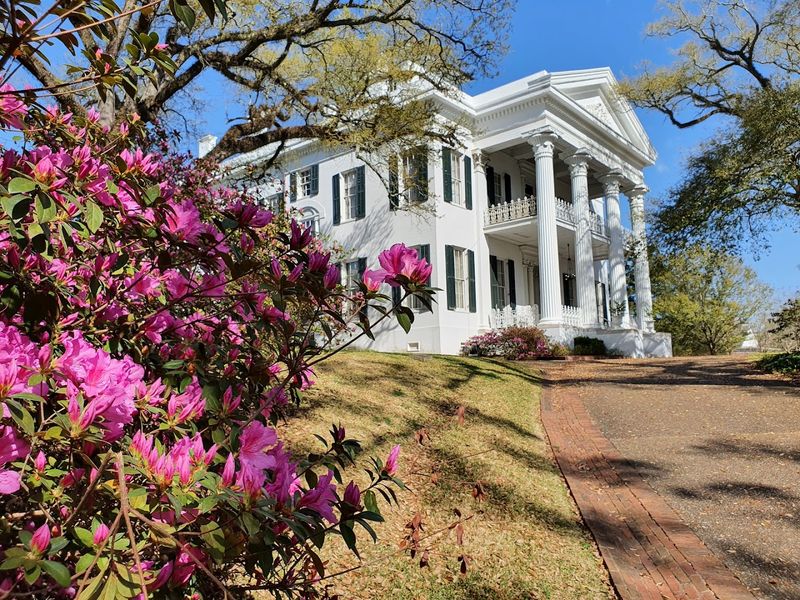
Natchez brings serious architectural credentials to the conversation. Grand historic homes, river views, and an established street plan make it one of those places where local history shows up block after block.
You can focus on mansions, churches, or the wider town and still find continuity. Natchez feels layered, formal, and fully aware of how much history it still holds.
Missouri: Ste. Genevieve
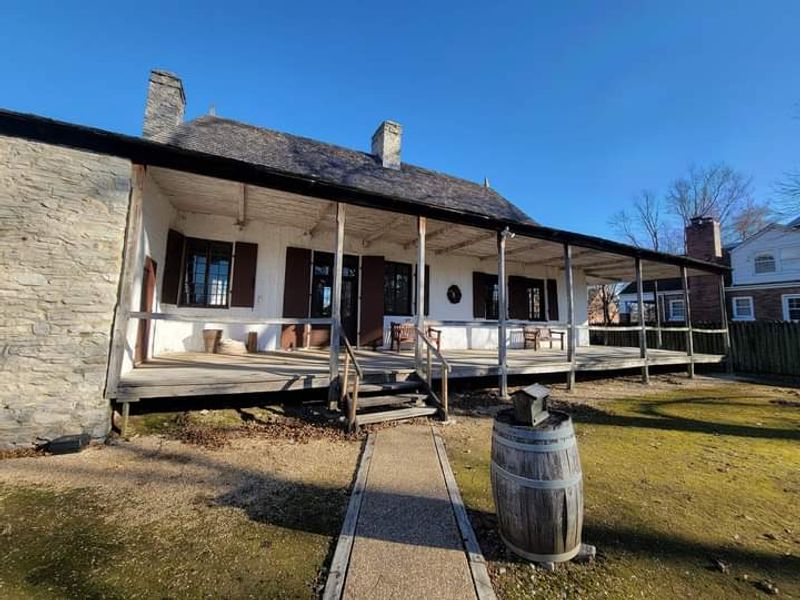
French colonial architecture gives Ste. Genevieve an immediate advantage in the memory department.
Some of its oldest buildings use construction styles you simply do not see often, and that makes the town feel distinct right away.
You are looking at one of the oldest settlements west of the Mississippi. That pedigree gives Ste.
Genevieve real weight, not just quaintness.
Montana: Virginia City
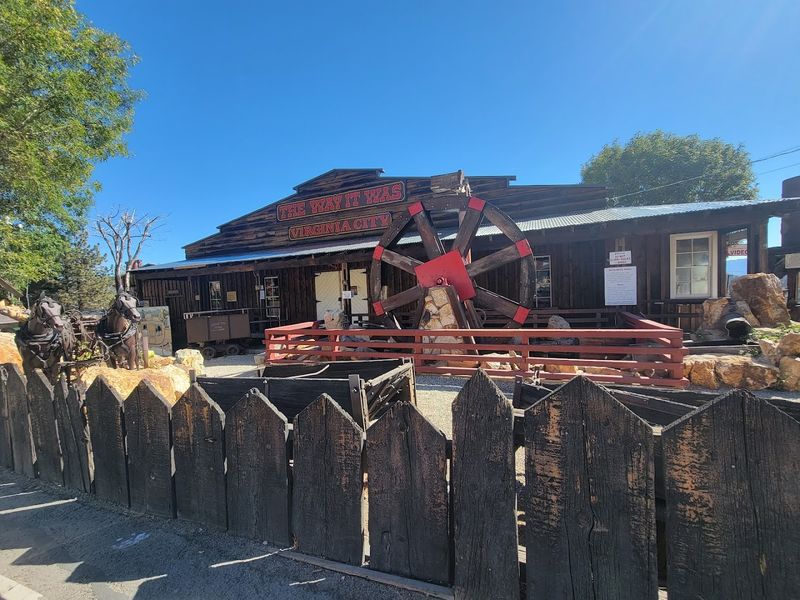
Boardwalks still matter in Virginia City, which is a very good start. Gold rush buildings, preserved storefronts, and a layout that barely pretends to be modern give the town a strong old-territory identity.
You could call it theatrical, but the history is real and the structures carry it well. Virginia City feels direct, dusty-looking, and unmistakably rooted in Montana’s mining past.
Nebraska: Brownville
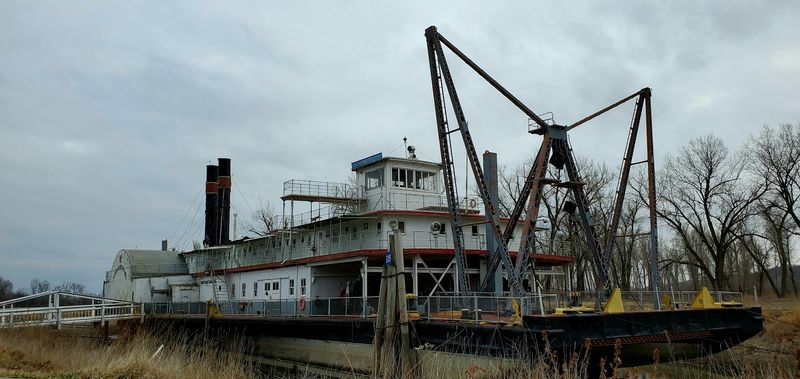
Brownville is tiny, but it knows how to make small scale work in its favor. Historic buildings, quiet streets, and a compact layout create the sense that time stopped here out of politeness and never restarted.
You can cover a lot on foot and still find details worth noting. Brownville feels modest, old-fashioned, and unusually complete for such a little town.
Nevada: Genoa
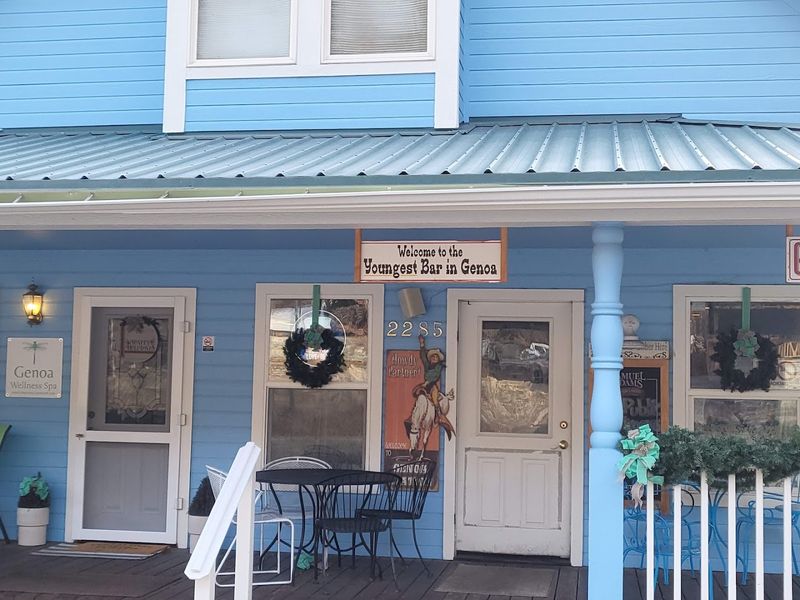
Nevada’s oldest settlement does not need to brag, though Genoa could easily start. Its small historic core, frontier-era buildings, and long timeline give the town a sturdy identity that newer places cannot fake.
You arrive to something compact but memorable. Genoa feels relaxed, lightly rugged, and confident that history itself is the main attraction.
New Hampshire: Portsmouth
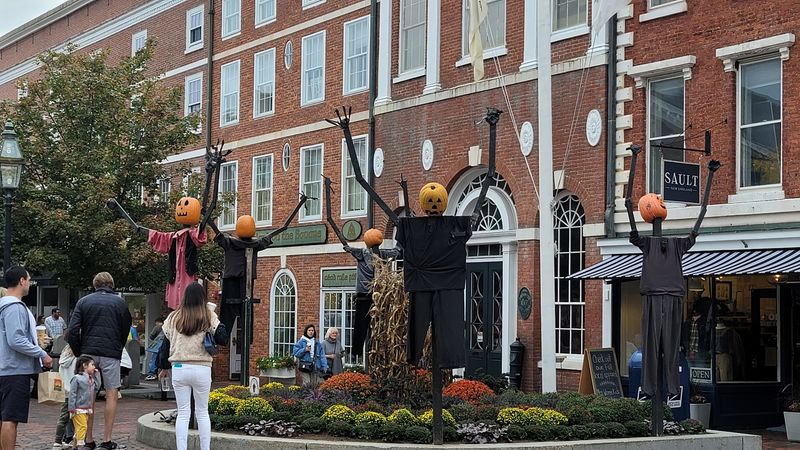
Portsmouth proves a town can stay lively without misplacing its colonial foundations. Historic homes, brick streets, and an old seaport layout keep the past visible even as modern shops and restaurants fill the blocks.
You get energy without historical confusion. Portsmouth feels active, polished, and remarkably successful at letting several centuries share the same address.
New Jersey: Cape May
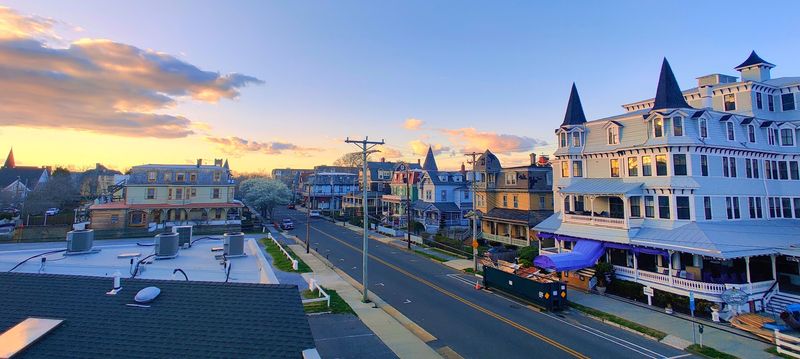
Pastel Victorians line up in Cape May like they know you brought a camera. The town’s preserved architecture, prominent porches, and walkable streets make it one of the strongest examples of a historic seaside place done right.
You get a beach destination with actual architectural discipline. Cape May feels playful, elegant, and impressively committed to its older identity.
New Mexico: Mesilla
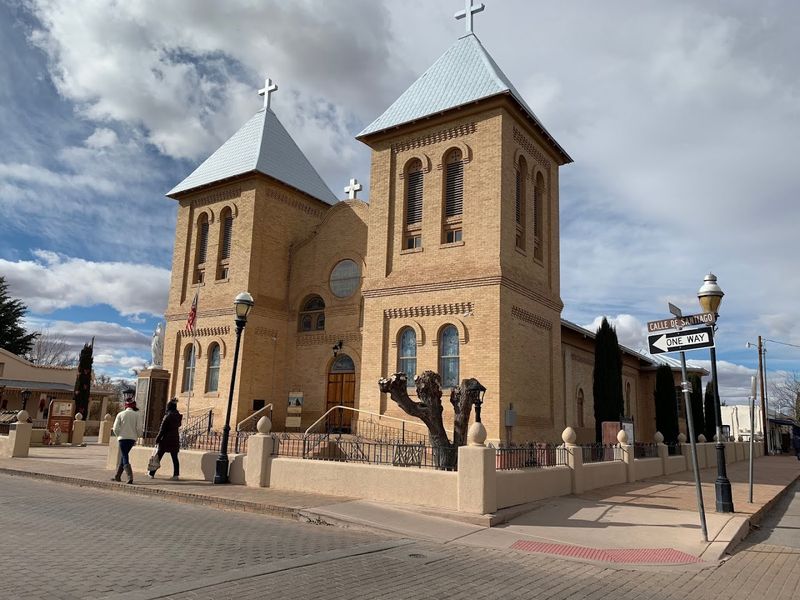
Adobe takes center stage in Mesilla, and the town is better for it. A historic plaza, old church, and traditional Southwestern buildings give the place a strong visual identity that resists modern sameness.
You can see why travelers remember it. Mesilla feels rooted, readable, and closely tied to the borderlands history that shaped this part of New Mexico.
New York: Skaneateles
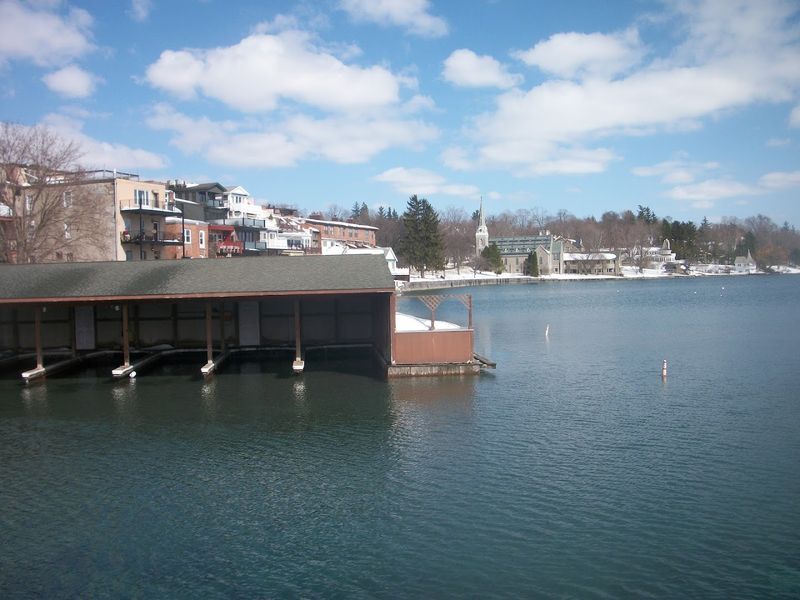
Skaneateles has one of those names you practice saying and then decide to stay awhile. The lakeside setting, elegant historic homes, and tidy village center give it a timeless look that never seems forced.
You get refinement without stiffness and scenery without chaos. Skaneateles feels orderly, old-fashioned, and exactly the kind of place where main street still matters.
North Carolina: Beaufort
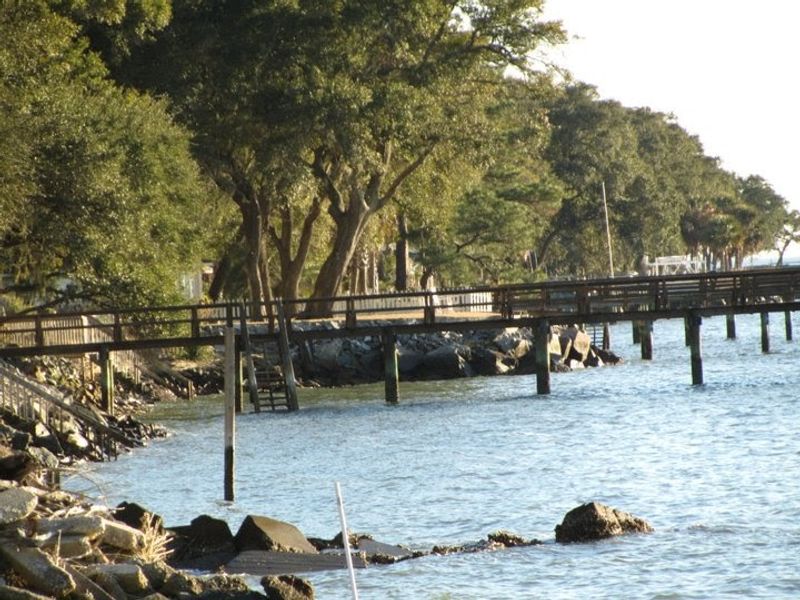
Pirate stories help, but Beaufort would be interesting even without the legends. Maritime history, waterfront homes, and a preserved street grid make this coastal town feel closely connected to earlier centuries.
You can stroll the harbor and still spot the practical bones of an old seaport. Beaufort feels breezy in concept, but grounded in real history.
North Dakota: Medora
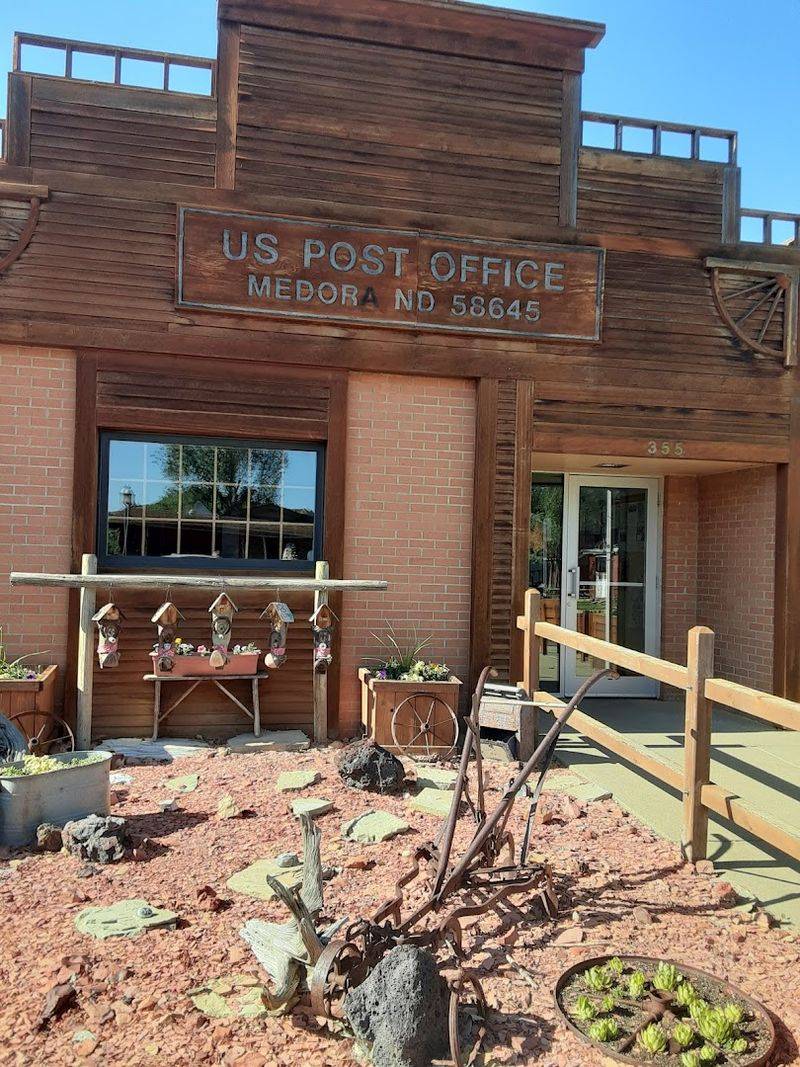
Medora keeps its Old West identity in plain sight, not tucked into a visitor brochure. Historic storefronts, a compact downtown, and close ties to Theodore Roosevelt give the town a clear and memorable storyline.
You are near the Badlands, but the streets themselves hold attention. Medora feels sturdy, thematic, and well connected to North Dakota’s frontier era.
Ohio: Marietta
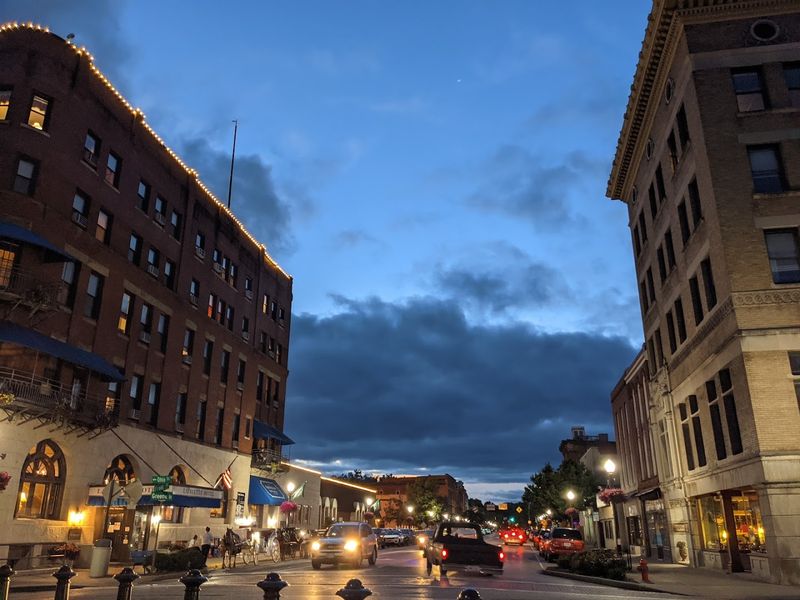
Two rivers meet at Marietta, and so do several layers of early American history. The town’s preserved district, classic homes, and longstanding civic buildings create a setting that feels older than many places in the region.
You can see why it matters historically just by walking downtown. Marietta feels steady, instructive, and pleasantly free of unnecessary modern clutter.
Oklahoma: Guthrie
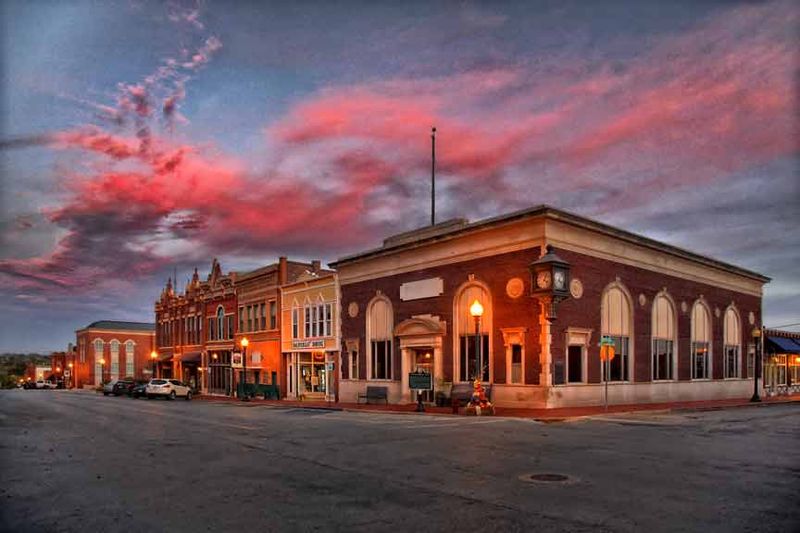
Guthrie has a downtown that looks like it signed a long-term agreement with the Victorian era. Ornate facades, red-brick blocks, and its former-capital status give the town more visual authority than most places its size.
You are not chasing isolated landmarks because whole streets still impress. Guthrie feels grand, coherent, and unusually successful at preserving a complete historic center.
Oregon: Jacksonville
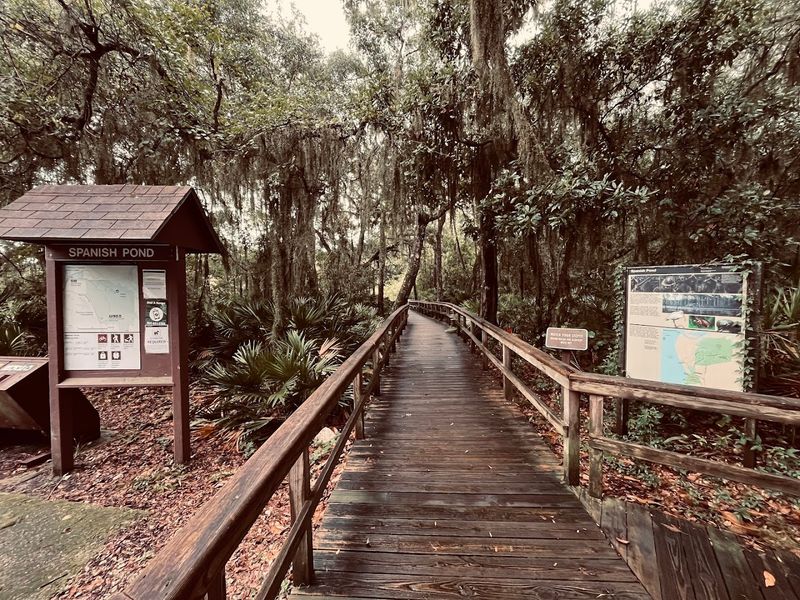
Jacksonville makes Gold Rush history look surprisingly organized. Brick buildings, preserved streets, and a walkable historic core keep the town’s 19th-century framework easy to appreciate without much imagination required.
You can move from shop to landmark to museum with very little effort. Jacksonville feels compact, confident, and thoroughly comfortable with the idea that old buildings deserve center stage.
Pennsylvania: Jim Thorpe
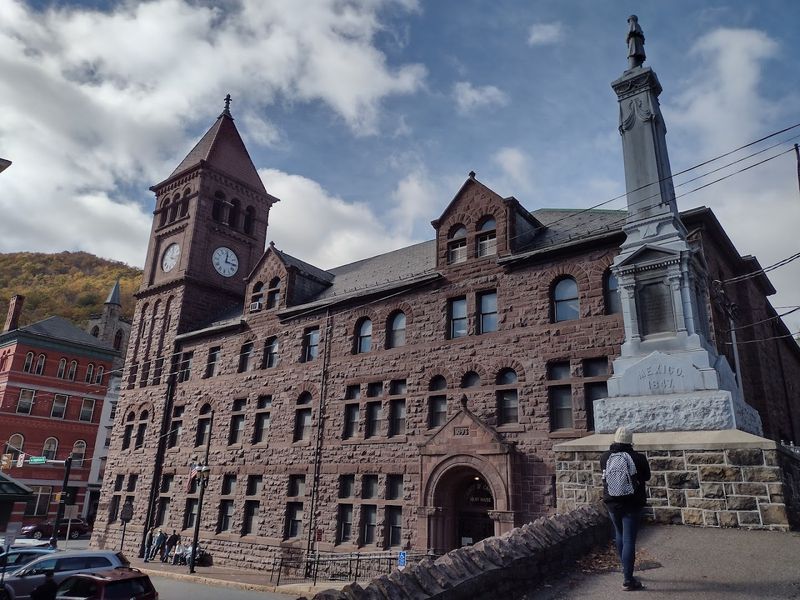
Jim Thorpe arrives with drama built into the landscape, but the architecture seals the deal. Ornate buildings, steep streets, and a historic rail connection make the town feel older, denser, and more elaborate than many mountain communities.
You keep finding facades worth a second look. Jim Thorpe feels distinctive, ambitious, and happily committed to its preserved character.
Rhode Island: Wickford
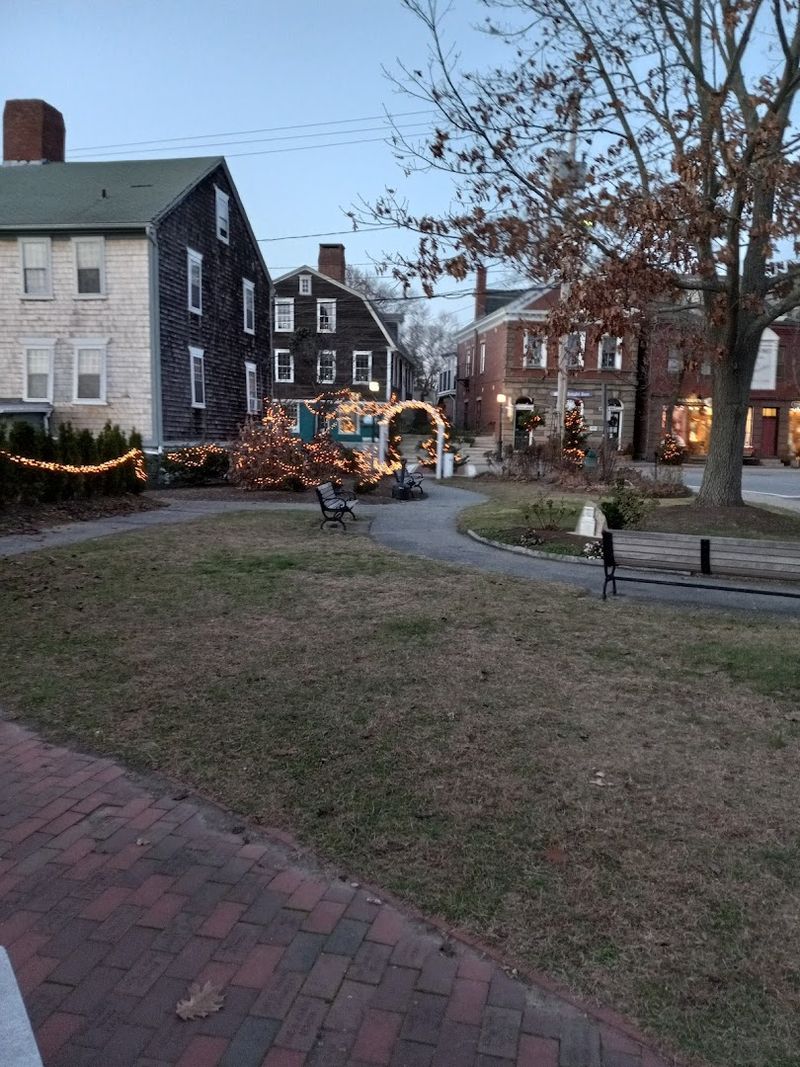
Wickford keeps things simple, and that is exactly why it works. Colonial homes, a sheltered harbor, and a compact village center create a coastal town that still reads clearly as an earlier New England settlement.
You can browse the streets without fighting for attention. Wickford feels neat, historic, and pleasantly resistant to the louder habits of bigger shore destinations.
South Carolina: Beaufort
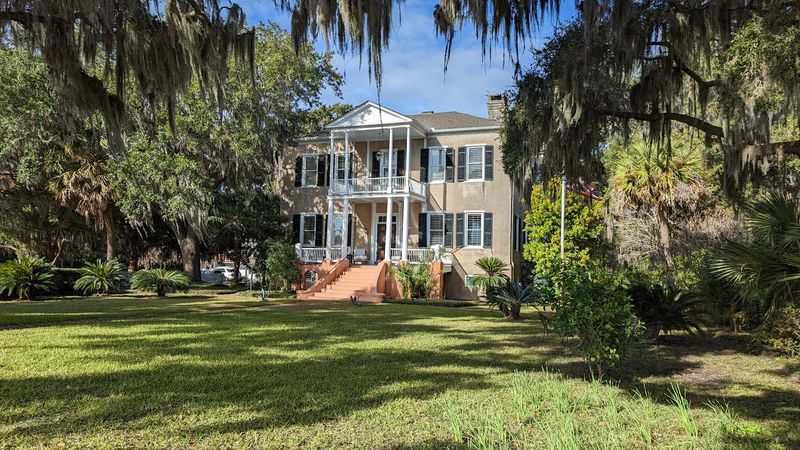
South Carolina’s Beaufort has the kind of historic district that barely needs an introduction. Antebellum homes, waterfront views, and long-established streets give the town a strong sense of continuity and civic pride.
You can admire the architecture without feeling pushed through a theme version of history. Beaufort feels graceful, substantial, and deeply connected to its coastal past.
South Dakota: Deadwood
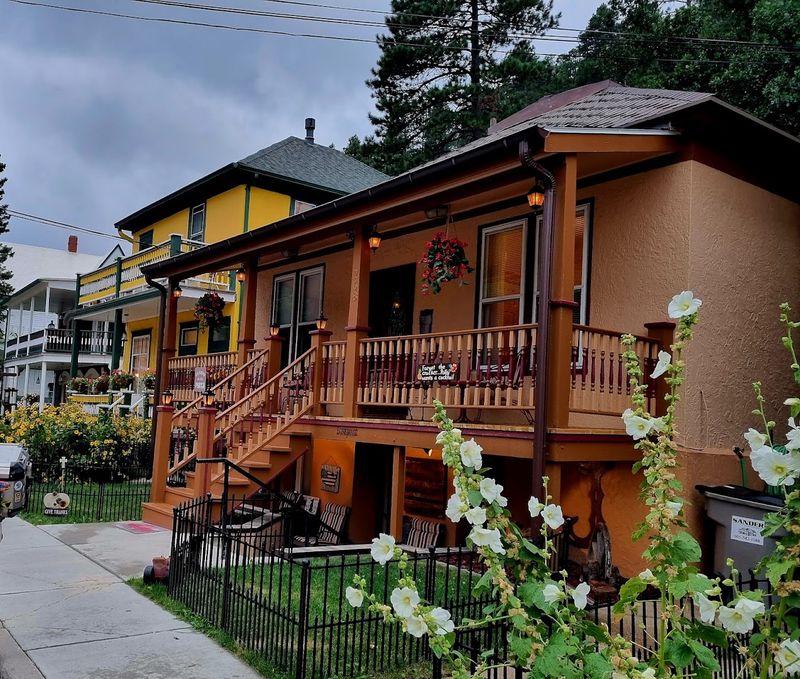
Deadwood does not exactly whisper its history, and honestly that suits it. The town leans hard into its Wild West past with preserved buildings, famous stories, and a main street that still looks ready for frontier business.
You get a stronger historical identity here than subtlety. Deadwood feels bold, entertaining, and committed to keeping its earlier reputation visible.
Tennessee: Jonesborough
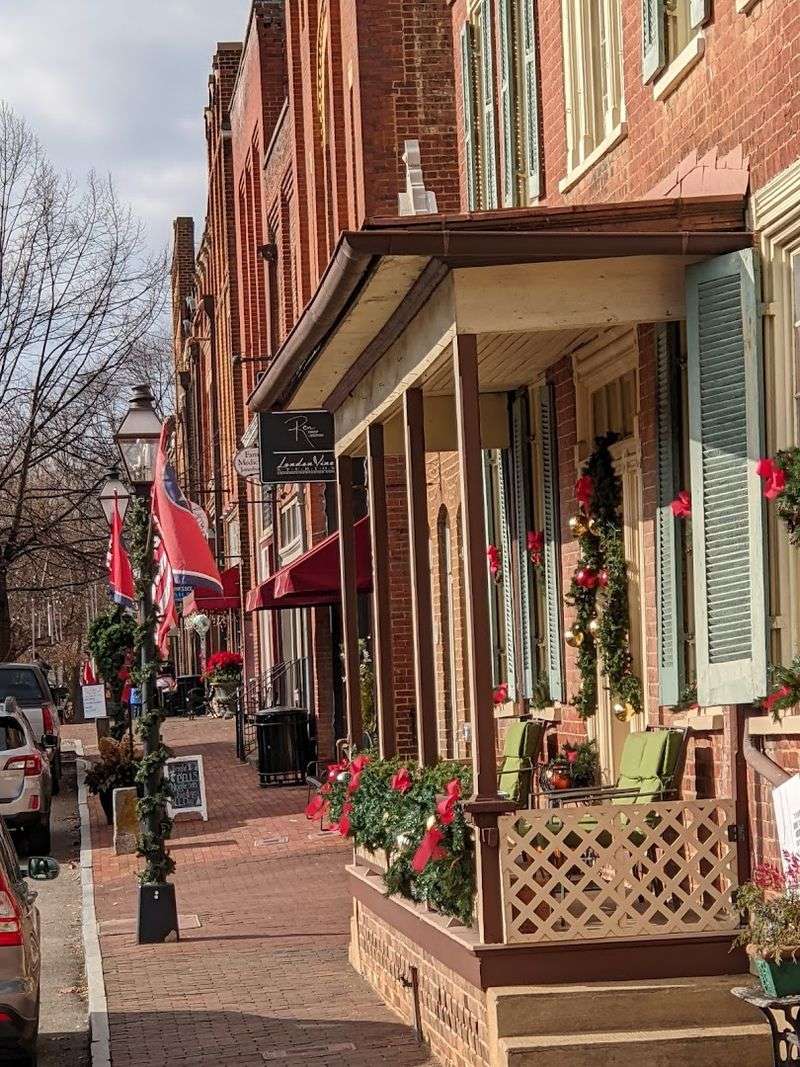
Jonesborough lets storytelling share top billing with architecture, which is a smart move. As Tennessee’s oldest town, it combines preserved buildings, brick sidewalks, and a lived-in downtown with a long public memory.
You are not just reading plaques here. Jonesborough feels conversational, established, and unusually good at turning history into something visitors can actually follow and enjoy.
Texas: Gruene
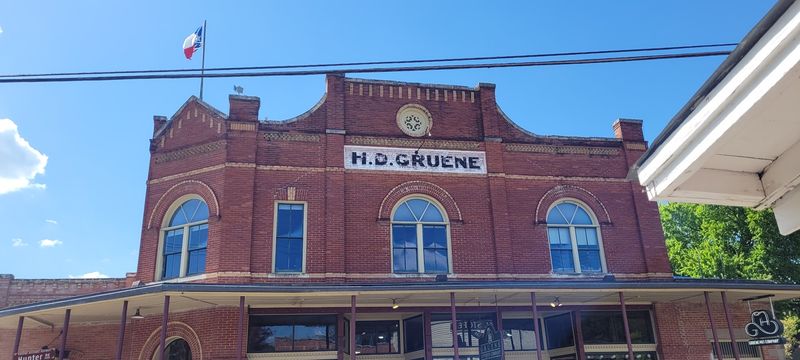
Gruene keeps its historic district intact with the kind of confidence Texas towns do well. Old commercial buildings, a famous dance hall, and a walkable cluster of landmarks make the place feel rooted rather than manufactured.
You can browse, eat, and look around without losing the historical thread. Gruene feels relaxed, recognizable, and proudly attached to its heritage.
Utah: Spring City
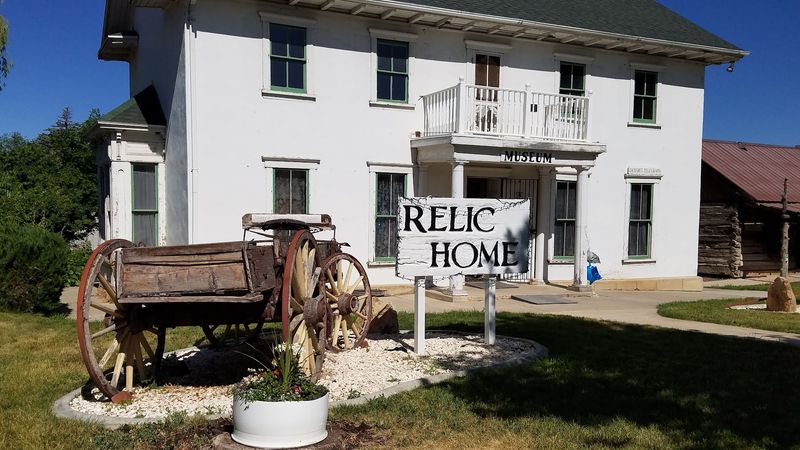
Spring City does not need flashy landmarks when nearly the whole town works together. Preserved pioneer-era homes, wide streets, and local stone buildings create a place that feels calm, durable, and notably unchanged.
You can see the original settlement pattern without much interference. Spring City feels humble, coherent, and like it quietly skipped several rounds of modern disruption.
Vermont: Woodstock
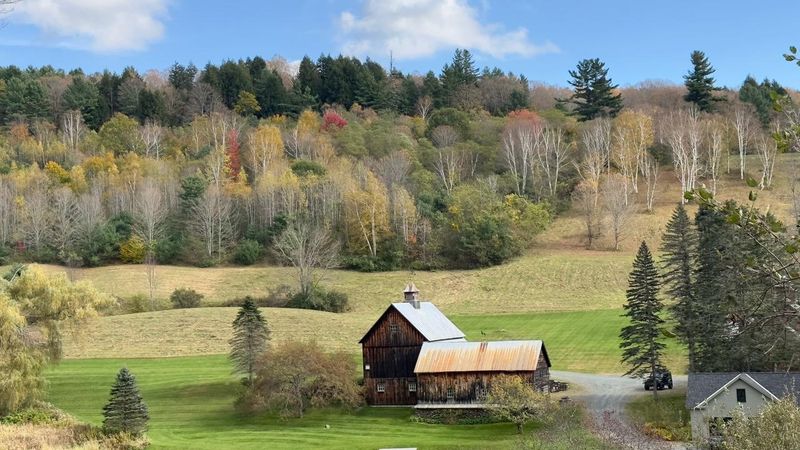
Woodstock looks almost unfairly good at being a classic New England town. Covered bridges, historic homes, and a polished village center come together in a way that feels traditional without becoming stiff.
You can appreciate the planning as much as the beauty. Woodstock feels balanced, established, and very aware that consistency is one of its strongest historical assets.
Virginia: Abingdon
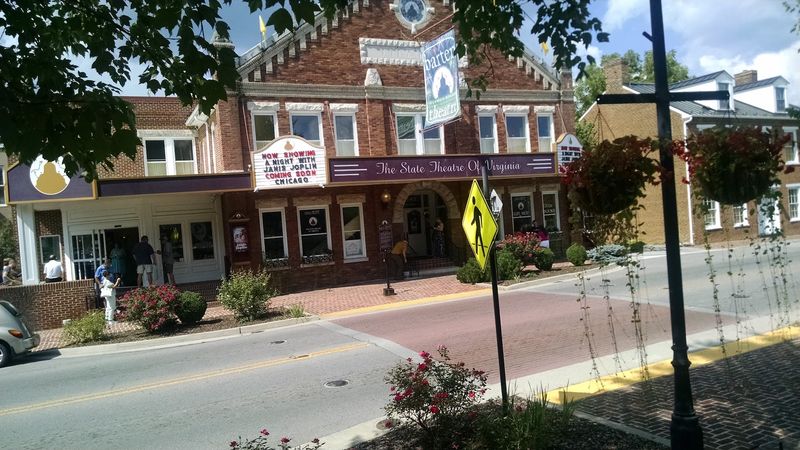
Abingdon manages a neat trick: it honors its past without acting stuck there. Historic buildings, brick sidewalks, and a thriving arts presence give the town both depth and useful present-day energy.
You can spend time with architecture, performances, and local shops in the same compact area. Abingdon feels cultured, grounded, and very comfortable with its long timeline.
Washington: Port Townsend
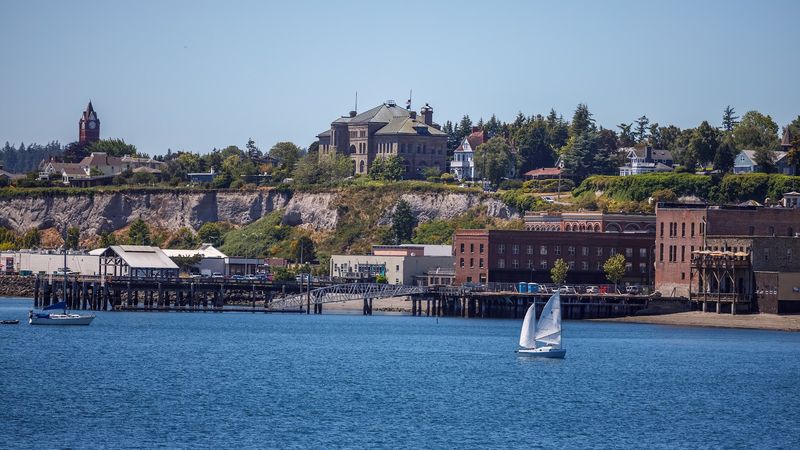
Port Townsend gives you Victorian architecture with a maritime résumé, which is a strong combination. The seaport setting, preserved commercial blocks, and historic homes create a town that feels both elegant and practical.
You can trace its prosperity through the buildings alone. Port Townsend feels intentional, richly detailed, and impressively successful at protecting its waterfront-era character.
West Virginia: Harpers Ferry
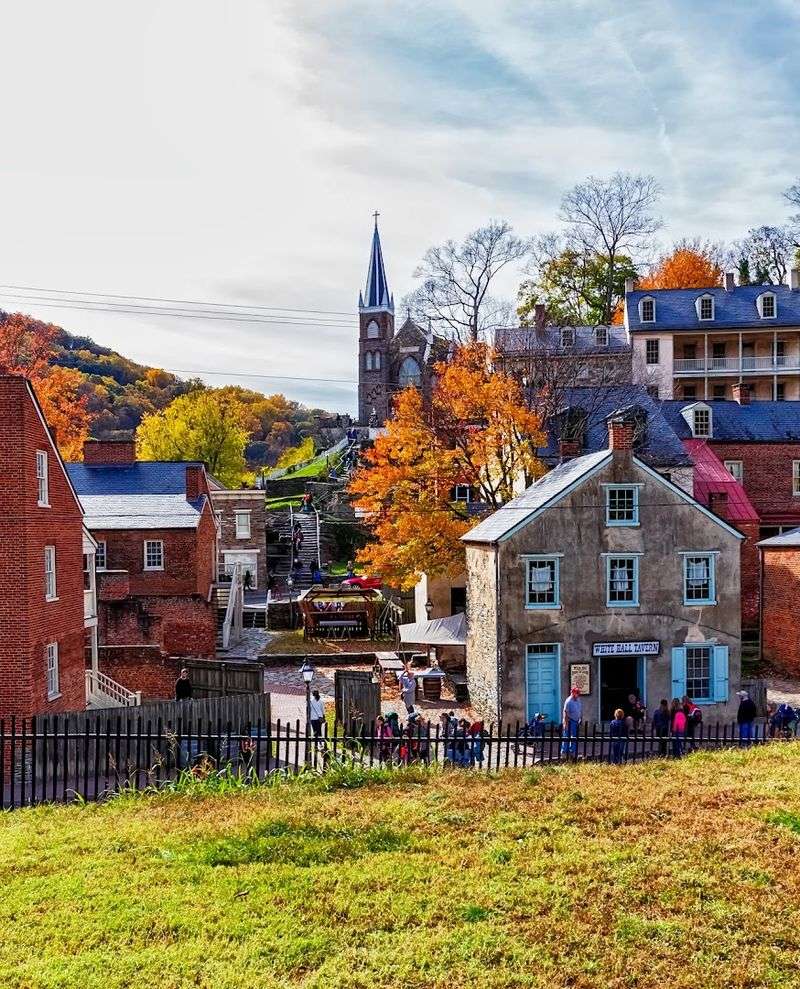
Few towns wear history as visibly as Harpers Ferry. The steep setting, brick streets, and preserved buildings at the meeting of two rivers make the place feel packed with national significance and everyday old-town charm.
You are surrounded by stories in nearly every direction. Harpers Ferry feels compact, dramatic, and unusually effective at keeping the past close at hand.
Wisconsin: Cedarburg
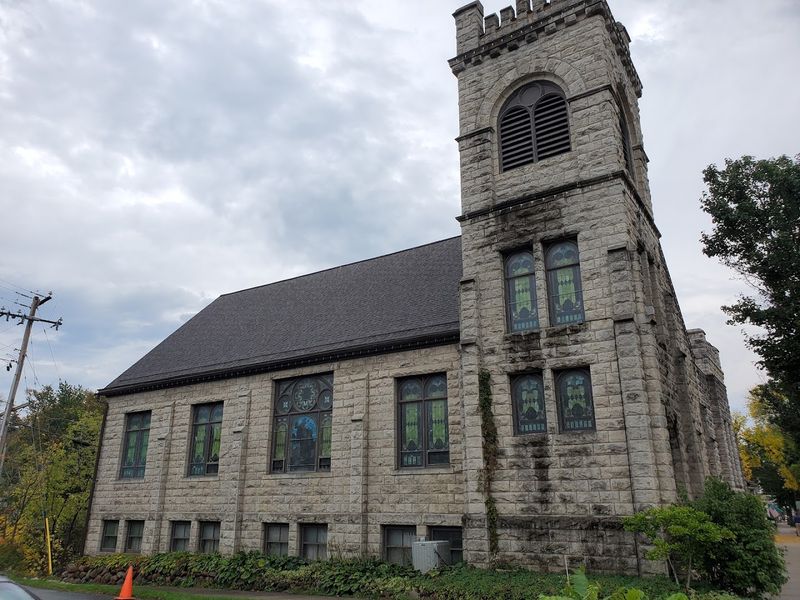
Stone buildings give Cedarburg a look that immediately stands apart. Its historic downtown, independent shops, and preserved 1800s architecture create a town that feels sturdy, coherent, and pleasingly old without trying too hard.
You can spend an afternoon here and keep spotting useful details in the streetscape. Cedarburg feels welcoming, organized, and firmly connected to Wisconsin’s earlier small-town character.
Wyoming: Buffalo
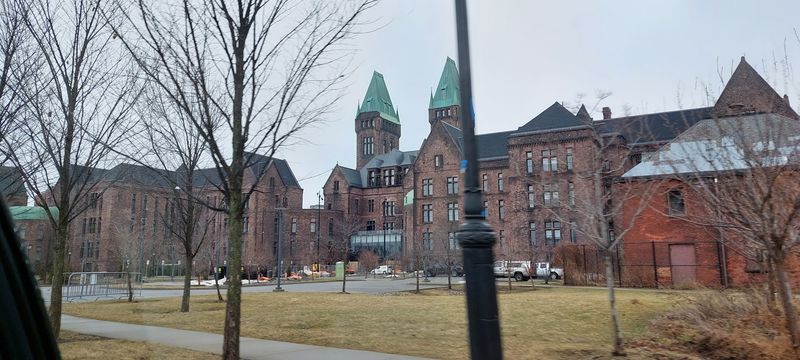
Buffalo has the kind of main street that still knows how to wear the West properly. Historic buildings, frontier-era landmarks, and its position near the Bighorns keep the town linked to older travel routes and ranching history.
You get a gateway town with real architectural memory. Buffalo feels practical, proud, and nicely resistant to becoming a generic roadside stop.
Share this story