Some cities don’t just attract visitors—they offer such a high quality of life that people dream of staying. Global rankings now measure cities based on livability, culture, infrastructure, safety, and overall experience, highlighting places that excel both as travel destinations and places to call home.
In 2025–2026 reports, European and Asia-Pacific cities dominate, combining strong public services with vibrant culture and global appeal. Here are 15 cities consistently ranked among the best in the world for both travel and living.
Copenhagen, Denmark
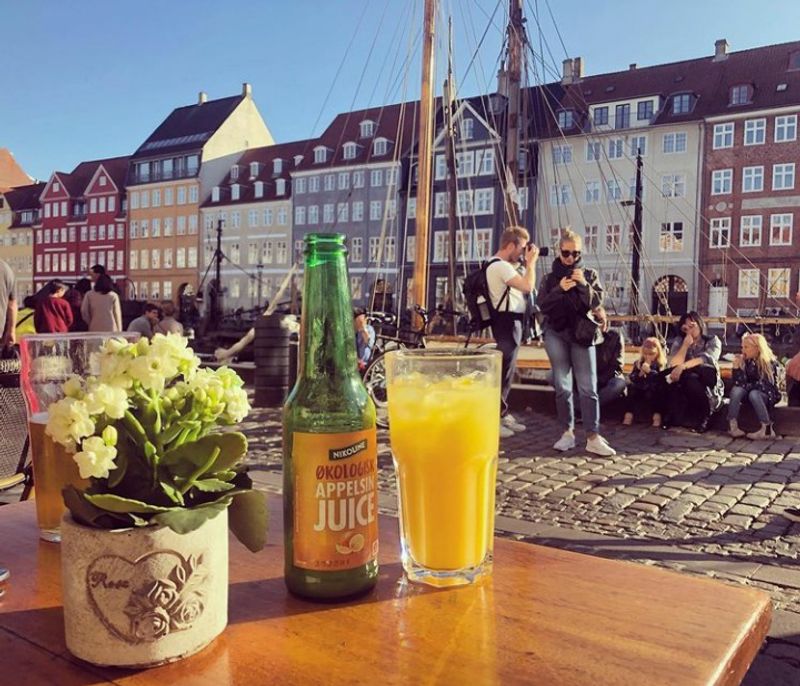
Crowned the world’s most livable city in 2025, Copenhagen makes every other city quietly jealous. It scores near-perfect marks in stability, education, and infrastructure—and somehow still manages to feel relaxed and human-sized.
Locals zip around on bikes, not stuck in traffic jams, which already puts it ahead of most major cities.
The city is a global leader in sustainability, with ambitious goals to become carbon-neutral. Green spaces are everywhere, and the architecture mixes old charm with sleek modern design beautifully.
Whether you’re strolling along the colorful Nyhavn canal or grabbing a pastry at a local bakery, life here just feels good.
Visitors often joke that Copenhagen ruins other cities for them—once you’ve experienced the Danish concept of hygge (cozy contentment), it’s hard to settle for less. Crime rates are low, public services run smoothly, and the food scene has earned global recognition.
Copenhagen isn’t just a great place to visit; it’s the kind of city that makes you start checking apartment prices before your flight home.
Vienna, Austria
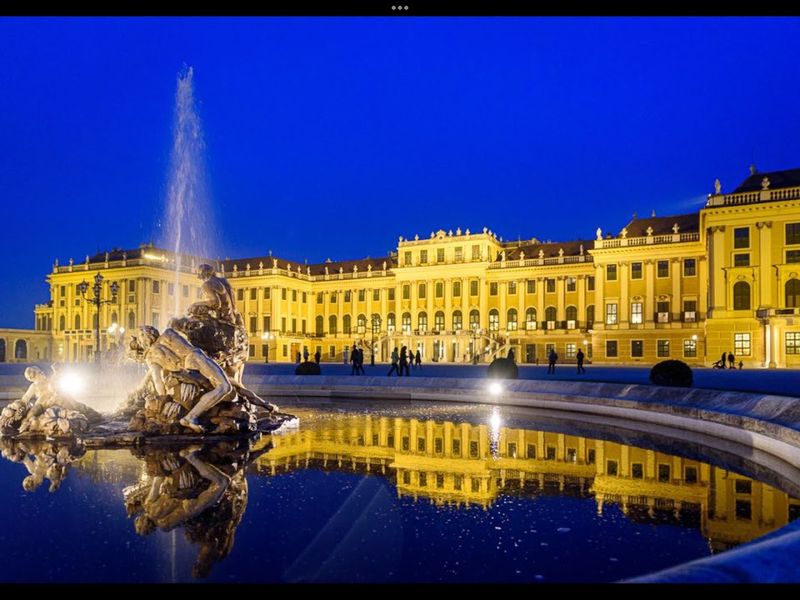
Vienna has been winning the livability game for so long that other cities have simply accepted second place. Consistently ranked among the top three most livable cities globally, this Austrian capital delivers on every front—safety, public transport, healthcare, and culture all earn top marks.
It’s the kind of city where the bus actually arrives on time, every time.
The architecture alone is worth the trip. Grand imperial palaces, ornate opera houses, and sweeping boulevards give Vienna a theatrical grandeur that few cities can match.
The Vienna State Opera is world-famous, and classical music echoes through the city like a living tradition rather than a museum exhibit.
Coffee house culture is deeply embedded here—Viennese cafes are UNESCO-recognized cultural heritage sites, which tells you everything you need to know about how seriously locals take their afternoon coffee and cake. Beyond the glamour, Vienna is a genuinely comfortable city to live in.
Rents are reasonable by major European standards, neighborhoods feel safe, and the public transit system is exceptional. Visitors tend to arrive expecting grandeur and leave wishing they could stay permanently.
Zurich, Switzerland
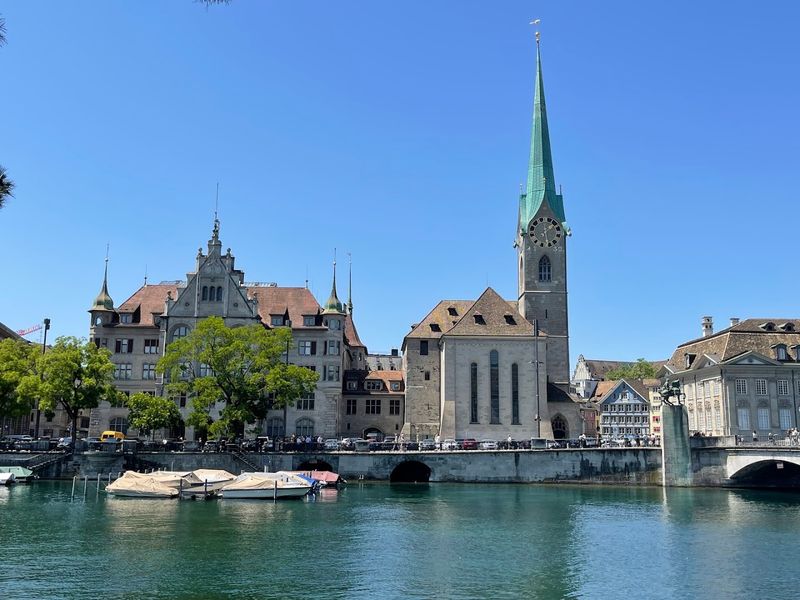
Zurich proves that a city can be both spectacularly beautiful and ruthlessly efficient at the same time. Consistently ranked in the top five for quality of life worldwide, this Swiss city delivers on healthcare, education, economic stability, and cleanliness with almost suspicious reliability.
Trains run on time. Streets are spotless.
The lake is genuinely that blue.
As Switzerland’s financial hub, Zurich attracts global professionals, yet it never loses its character. The old town, known as Altstadt, is filled with narrow medieval lanes, guild houses, and outdoor cafes that feel worlds away from the glass towers of the banking district.
That contrast is part of Zurich’s charm.
The Alps are less than an hour away, meaning residents can ski in winter and hike in summer without much planning. The city also hosts a lively arts and music scene, and its restaurants range from traditional Swiss fondue spots to Michelin-starred international cuisine.
Yes, Zurich is famously expensive—but residents often point out that wages match the cost of living. For travelers, a few days here feels like a masterclass in how a well-run city should operate.
Melbourne, Australia
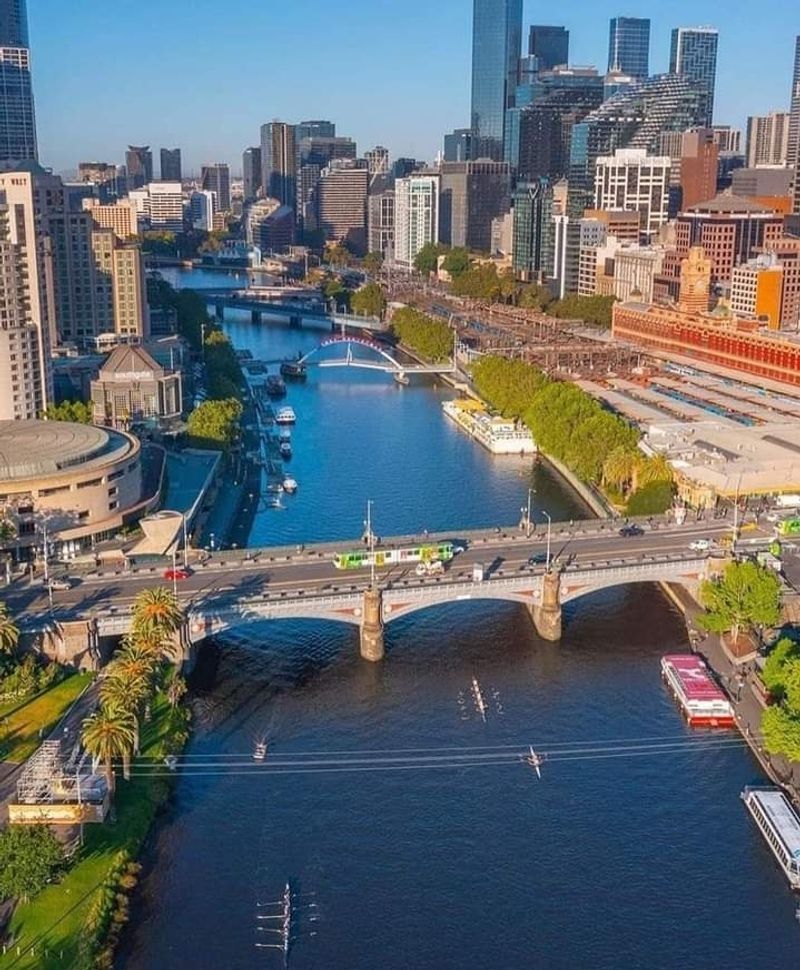
Ask anyone who has lived in Melbourne and they’ll tell you the same thing: leaving is the hardest part. Regularly ranked among the world’s most livable cities, Melbourne blends a thriving arts scene, world-class food culture, and a laid-back lifestyle that somehow still feels energetic and exciting.
It’s a city that keeps surprising you.
The food scene here is genuinely extraordinary. Melbourne’s café culture is so legendary that locals debate the merits of flat whites with the same passion others reserve for sports.
From hole-in-the-wall Vietnamese noodle shops to rooftop bars with harbor views, eating and drinking well is practically a civic duty.
Street art transforms ordinary laneways into open-air galleries, and the live music scene punches well above the city’s weight globally. Melbourne also benefits from excellent public healthcare, strong universities, and a multicultural population that makes it feel welcoming to newcomers from anywhere.
The weather can be unpredictable—locals joke you get four seasons in one day—but that just adds to the city’s personality. Whether you’re visiting for a weekend or planning a longer stay, Melbourne has a way of feeling instantly like home.
Tokyo, Japan
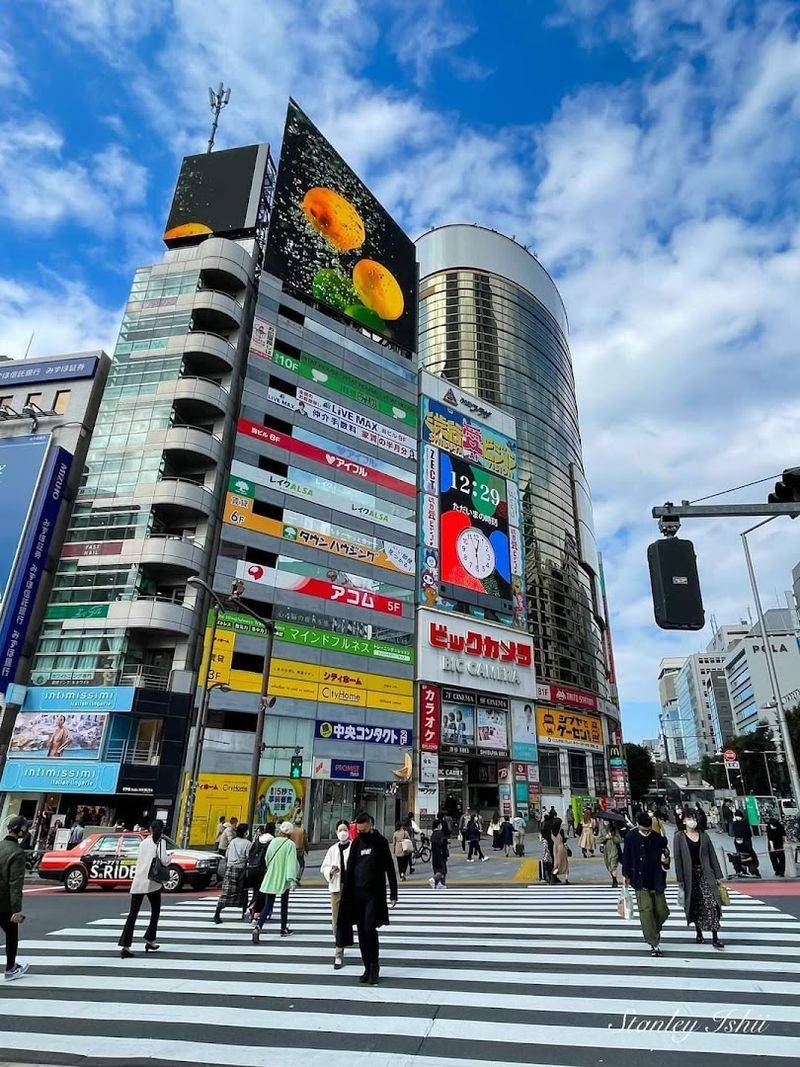
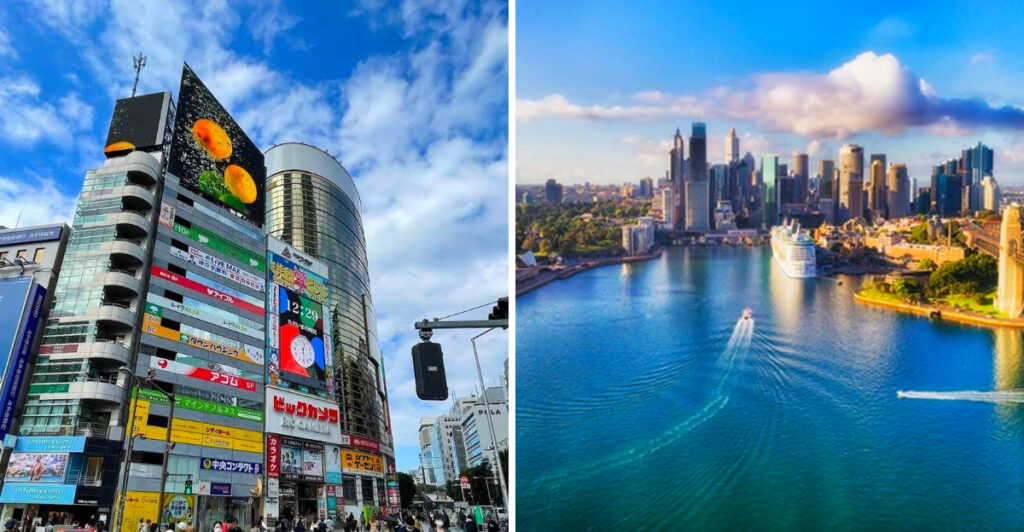
No city on Earth quite prepares you for Tokyo—and that’s exactly the point. A metropolis of nearly 14 million people, Tokyo runs with a precision and calm that defies logic.
Trains arrive to the second, streets are immaculate, and the crime rate is so low that locals sometimes leave umbrellas outside shops without a second thought.
What makes Tokyo extraordinary is the collision of ancient and ultra-modern. Ancient temples sit quietly beside skyscrapers.
Centuries-old tea ceremonies coexist with robot restaurants and 24-hour ramen shops. Exploring Tokyo feels less like sightseeing and more like channel-surfing through time.
For residents, the city offers world-class healthcare, outstanding public transit, and neighborhoods so distinct that each feels like its own small city. Shibuya buzzes with neon and fashion; Yanaka preserves old wooden streets and neighborhood temples; Akihabara glows with electronics and gaming culture.
Tokyo also consistently ranks among the world’s safest major cities, making it especially appealing for families. Visitors often describe Tokyo as overwhelming in the best possible way—so much to see, eat, and experience that one trip is never enough.
It is, without question, one of the most fascinating cities on the planet.
Vancouver, Canada
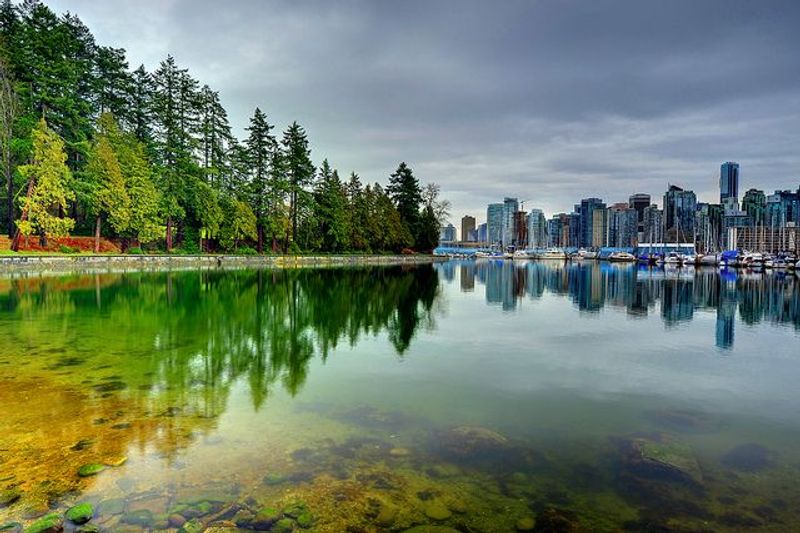
Vancouver has an unfair advantage over most cities: it comes with mountains and ocean included at no extra charge. Nestled between the Pacific Coast and the Coast Mountains in British Columbia, Vancouver offers a quality of life that feels almost too good to be real.
Ski resorts are 30 minutes from downtown. Beaches are even closer.
The city consistently ranks among the world’s most livable, scoring high for environmental quality, healthcare, and safety. Its population is genuinely diverse, with strong communities from across Asia, Europe, and Latin America giving the city a cosmopolitan energy that feels natural rather than forced.
The food scene reflects that beautifully.
Stanley Park—a massive urban forest right in the heart of the city—gives residents and visitors a rare escape from city noise without leaving the city limits. Cycling paths, seawall walks, and kayaking routes are part of everyday life here.
Vancouver also hosts a thriving film industry, earning it the nickname Hollywood North. Housing costs are a well-known challenge, but the city’s consistent ability to combine natural beauty with urban sophistication keeps it firmly on every global best-cities list.
It’s the kind of place that makes outdoor enthusiasts and city lovers equally happy.
Sydney, Australia
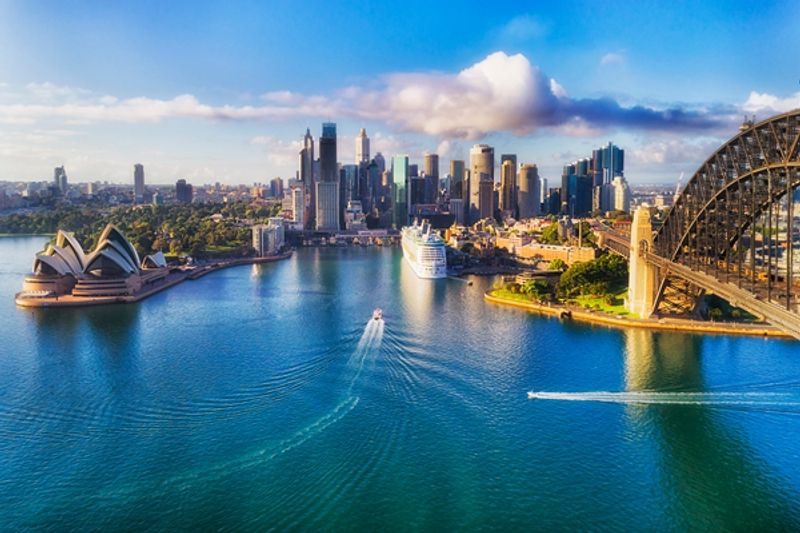
There’s a reason Sydney’s harbor is one of the most photographed places on Earth—it’s simply stunning. The Opera House curves dramatically against the water, the Harbour Bridge arches overhead, and the whole scene looks almost too good to be real.
Sydney knows it’s beautiful, and it leans into that confidence with everything it has.
Beyond the postcard views, Sydney is a genuinely exceptional place to live. Healthcare standards are high, the climate is enviable, and the outdoor lifestyle is baked into everyday culture.
Bondi Beach isn’t just a tourist attraction—it’s where locals actually swim, jog, and socialize before work on a Tuesday morning.
The city’s food scene draws heavily from its multicultural population, with outstanding Asian, Mediterranean, and modern Australian cuisine available across every price range. Sydney also hosts world-class festivals, arts events, and sporting occasions throughout the year.
Public transport has improved significantly in recent years, and the city’s neighborhoods each carry their own distinct personality—from the historic Rocks district to the hip Inner West. Sydney combines natural beauty, cultural richness, and high living standards in a way that few cities manage.
Visitors almost always leave with the same thought: how do I move here?
Amsterdam, Netherlands
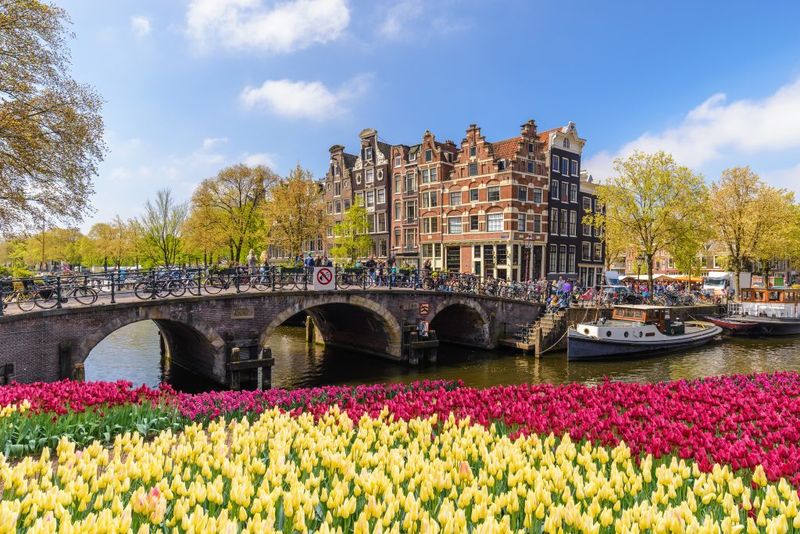
Amsterdam fits more charm into its compact size than cities three times larger. Built on a network of 165 canals and crossed by over 1,200 bridges, it’s one of Europe’s most walkable and bikeable cities—which is saying something, given that there are more bicycles here than people.
Locals navigate the city entirely on two wheels, rain or shine.
The city scores highly in global livability rankings for its sustainability efforts, cultural richness, and quality of life. The Rijksmuseum houses Rembrandt masterpieces.
The Van Gogh Museum draws millions of visitors annually. And the Anne Frank House offers one of the most moving historical experiences in Europe.
What surprises many visitors is how livable Amsterdam feels day-to-day. Neighborhoods like Jordaan and De Pijp are filled with independent cafes, bookshops, and local markets that resist the homogenization affecting many major cities.
The Dutch reputation for directness and tolerance creates a social atmosphere that feels refreshingly open. Summers bring canal-side festivals, outdoor dining, and long golden evenings.
Winters are moody but magical, with lit canal reflections and cozy brown cafes. Amsterdam is one of those rare cities that works beautifully as both a short visit and a long-term home.
London, United Kingdom
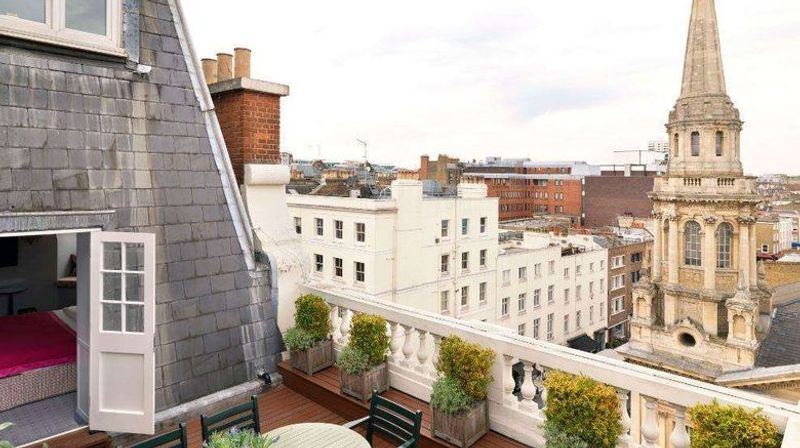
London doesn’t do anything quietly. The world’s most internationally connected city, it operates on a scale and energy that can feel genuinely overwhelming—in the best way.
Over 300 languages are spoken here, making it one of the most culturally diverse cities on the planet. Every neighborhood tells a different story.
In global rankings, London consistently leads in culture, finance, education, and influence. It’s home to some of the world’s greatest museums—the British Museum, the Natural History Museum, the Tate Modern—all free to enter.
The theatre scene on and around the West End is unmatched anywhere outside New York.
Living in London means access to world-class healthcare through the NHS, outstanding universities, and a job market that draws ambitious people from every corner of the globe. The transport network, while occasionally chaotic, connects the entire city with impressive reach.
Each borough carries its own identity—Notting Hill’s pastel townhouses, Shoreditch’s street art, Greenwich’s maritime history, and Brixton’s vibrant music scene all feel like separate cities stitched together. Yes, the cost of living is high and the weather is famously grey, but London’s sheer variety of experiences, people, and opportunities makes it one of the most compelling cities in the world to call home.
New York City, USA
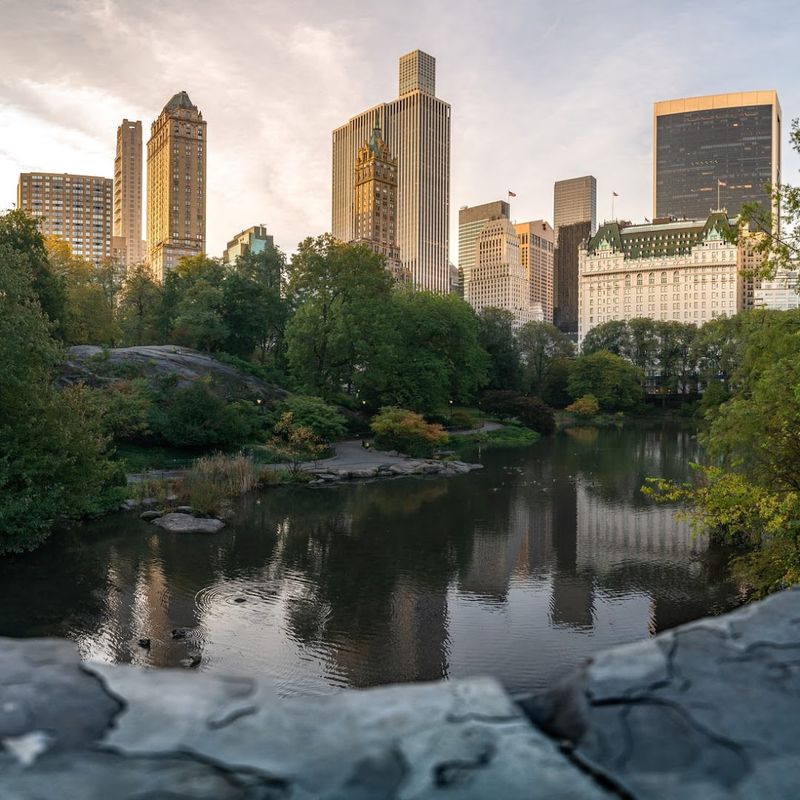
Eight million people, one island, zero shortage of opinions—New York City operates at a frequency unlike anywhere else on Earth. It’s loud, relentless, and absolutely electric.
Global rankings consistently place NYC at the top for culture, business, entertainment, and sheer urban ambition. It’s not just a city; it’s a concept.
Central Park offers 843 acres of breathing room in the middle of Manhattan, which feels like a miracle of city planning. World-famous museums line Fifth Avenue’s Museum Mile.
Broadway sets the global standard for live theatre. And the food scene spans every cuisine imaginable, from $1 pizza slices to restaurants with year-long reservation waitlists.
Living in New York isn’t always easy—rents are famously brutal, the subway can test patience, and the pace of life is relentless. But residents often describe a sense of possibility here that’s hard to find anywhere else.
The city rewards ambition and creativity in ways that attract talent from across the globe. Neighborhoods shift dramatically within a few blocks: the Financial District gives way to cobblestone SoHo, which bleeds into the artistic energy of the East Village.
New York is messy, brilliant, and completely addictive. Once it gets into your system, it’s nearly impossible to shake.
Paris, France
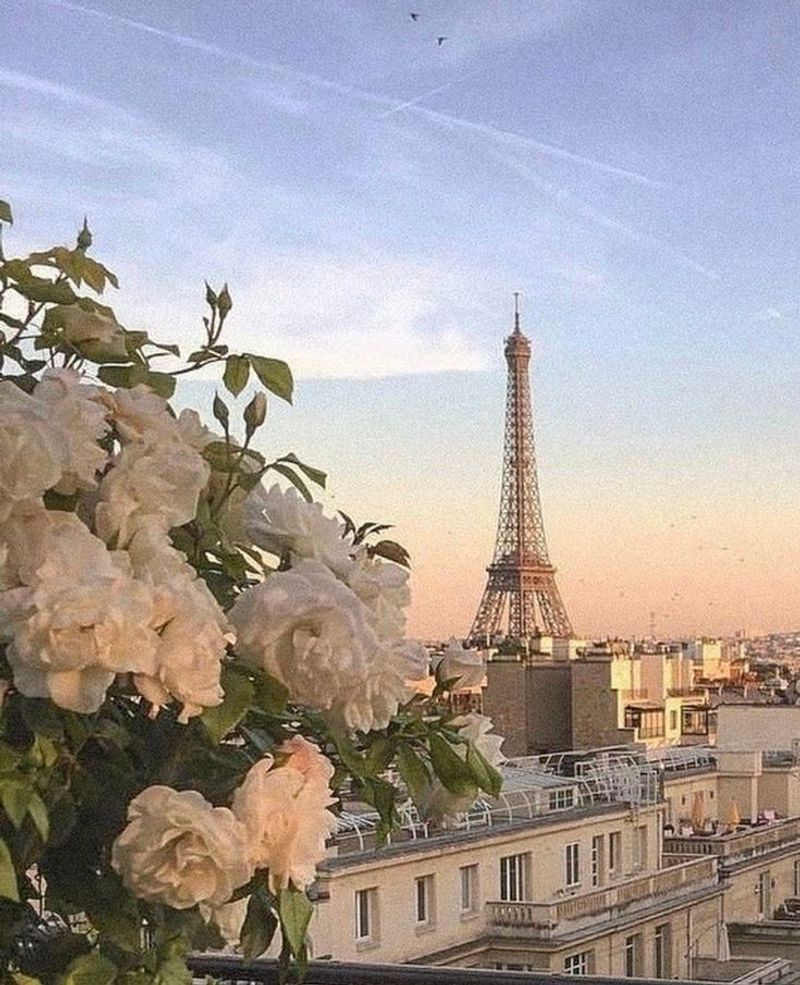
Paris has been setting the global standard for beauty, food, and culture for centuries, and it shows absolutely no signs of slowing down. The city consistently ranks among the most visited on Earth, drawing over 40 million tourists annually—yet somehow, tucked-away arrondissements still feel like private discoveries.
That’s part of the Parisian magic.
The food culture here is extraordinary and deeply personal. Parisians take their baguettes seriously—there’s actually a law governing what can legally be called a Parisian baguette.
Neighborhood boulangeries, wine bars, and bistros operate as social institutions rather than mere restaurants. Eating well isn’t a luxury in Paris; it’s a daily expectation.
Beyond cuisine, Paris delivers world-class museums (the Louvre alone could fill days), extraordinary architecture along every boulevard, and a fashion industry that shapes global trends. For residents, the city offers excellent public transport, strong healthcare, and a lifestyle that balances work with genuine pleasure—long lunches, evening strolls along the Seine, and weekend markets are all part of the rhythm.
Paris has a reputation for being difficult to navigate socially, but those who invest time in the language and culture often find it deeply rewarding. It remains one of the most romanticized cities in the world for very good reason.
Singapore
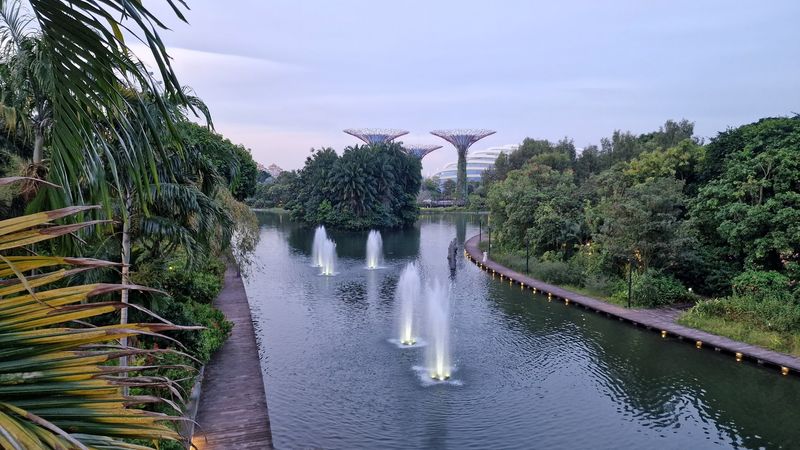
Singapore defies the logic that says a tiny city-state can’t compete with global giants. With a land area smaller than many world cities, Singapore has somehow built one of the most efficient, safe, and prosperous urban environments on the planet.
It regularly tops rankings for business environment, infrastructure quality, and cleanliness—and the streets genuinely back that reputation up.
The food culture here is a serious highlight. Singapore’s hawker centers—open-air food courts serving incredible local dishes at low prices—are so culturally significant that UNESCO recognized them as intangible cultural heritage.
A $3 plate of chicken rice from a hawker stall can rival restaurant meals costing ten times more.
Singapore’s multicultural identity—shaped by Chinese, Malay, Indian, and Western influences—gives the city a fascinating layered character. Neighborhoods like Chinatown, Little India, and Kampong Glam each carry distinct sights, sounds, and flavors within walking distance of each other.
The Gardens by the Bay supertrees and Marina Bay Sands have become iconic globally. Safety standards are among the highest in the world, making Singapore especially popular with families.
The climate is hot and humid year-round, but air conditioning is everywhere. For travelers and residents alike, Singapore delivers reliability, excitement, and comfort in equal measure.
Berlin, Germany
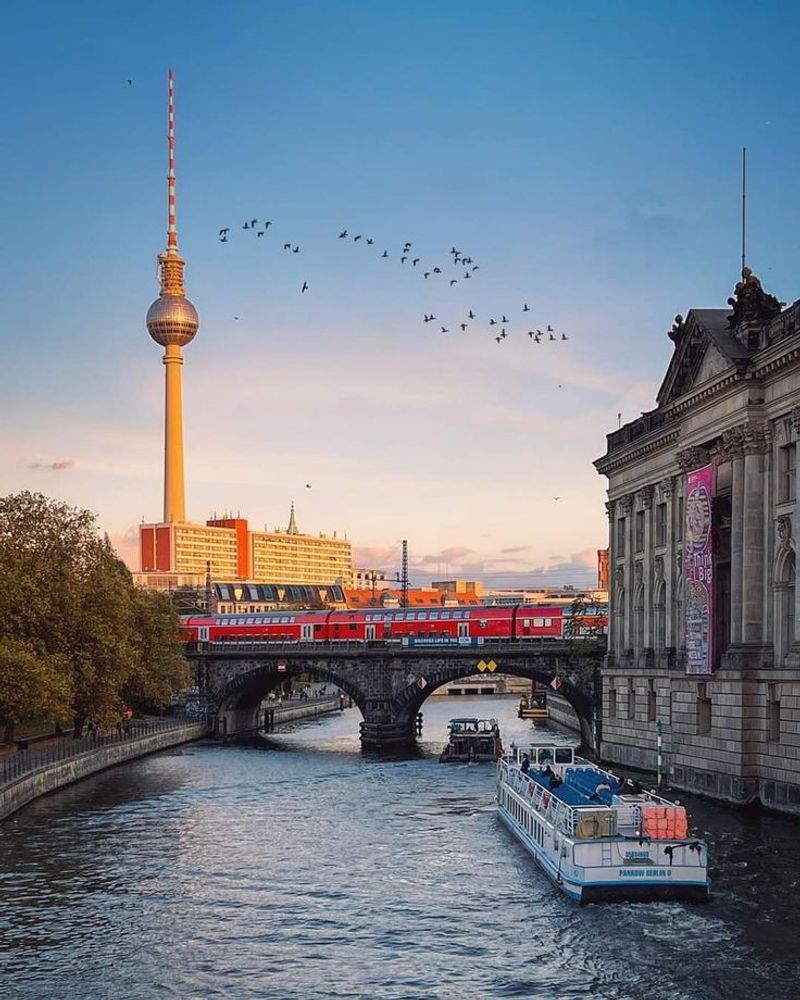
Berlin carries its history the way few cities can—openly, honestly, and without flinching. From the remnants of the Berlin Wall to the Holocaust Memorial to Cold War-era architecture, the city wears its past as both a lesson and a source of resilience.
That honesty gives Berlin a depth and seriousness that makes it genuinely compelling.
But Berlin is far from heavy. Its creative energy is legendary.
The city has become Europe’s startup capital, attracting entrepreneurs and tech talent from across the globe. Its club scene is world-famous—Berghain alone has achieved almost mythological status in electronic music culture.
Street art transforms entire neighborhoods into outdoor galleries.
Compared to London, Paris, or Zurich, Berlin remains relatively affordable for a major European capital, which makes it especially attractive to young professionals, artists, and students. Rents are rising but still manageable in many neighborhoods.
The public transport system is excellent, cycling infrastructure is strong, and the city’s many parks and lakes offer easy escapes from urban life. Berlin’s food scene has evolved dramatically, moving well beyond bratwurst and pretzels to embrace diverse international cuisines.
For those who want a city with genuine character, creative momentum, and historical weight, Berlin delivers in ways that are hard to replicate anywhere else.
Barcelona, Spain
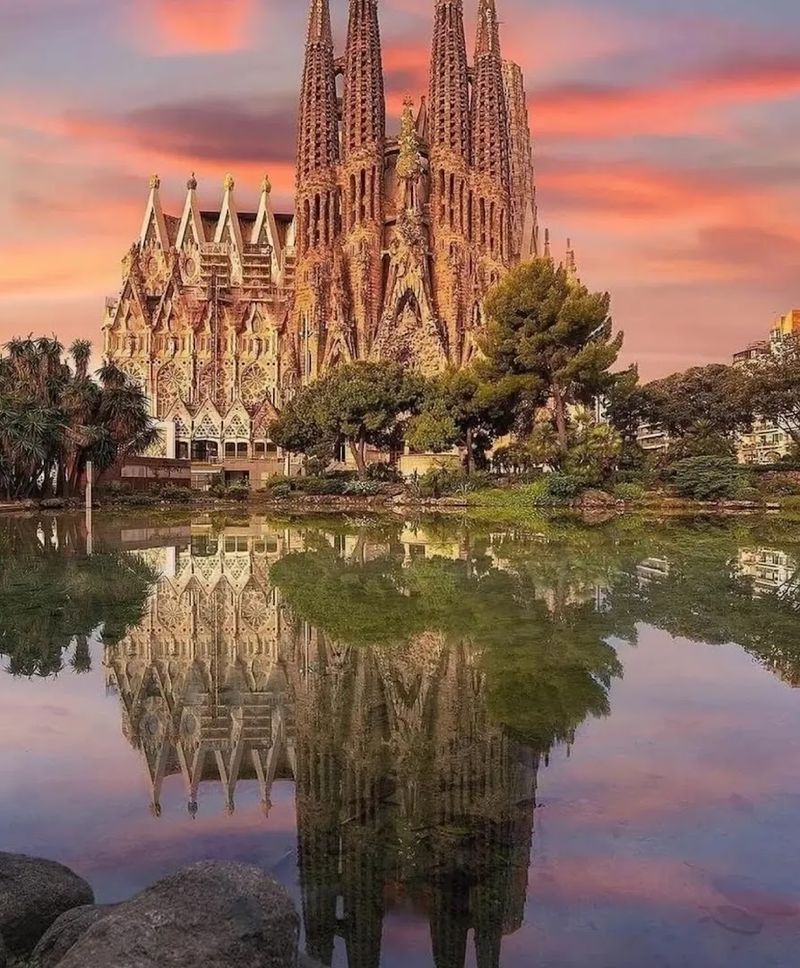
Gaudi’s Barcelona is the only city in the world where the architecture itself feels alive. The Sagrada Familia—still under construction after over 140 years—twists and reaches skyward like something grown rather than built.
Walking through Barcelona for the first time feels less like sightseeing and more like stepping into a fever dream designed by the world’s most talented architect.
Beyond the landmark buildings, Barcelona operates beautifully as a livable city. The Mediterranean climate means warm summers, mild winters, and an outdoor lifestyle that locals embrace completely.
Barceloneta beach is minutes from the city center. The Gothic Quarter’s narrow medieval streets give way to the wide, tree-lined Passeig de Gracia.
The city transitions effortlessly between history and modernity.
Food culture here is a serious affair. Catalan cuisine blends Spanish tradition with French influence and Mediterranean freshness, producing dishes that range from simple tapas to complex tasting menus.
La Boqueria market is a sensory overload in the best possible way. Barcelona also hosts major international festivals, a thriving tech scene, and a nightlife culture that starts late and ends even later.
The city’s combination of beach lifestyle, world-class architecture, vibrant culture, and genuine warmth makes it one of Europe’s most appealing cities for both extended visits and long-term living.
Geneva, Switzerland
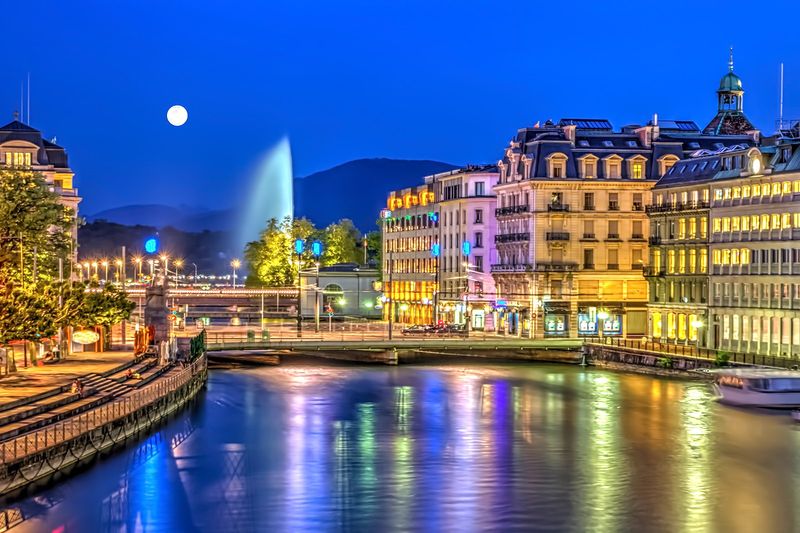
Geneva sits at the edge of one of Europe’s most beautiful lakes, backed by the Alps, and still somehow manages to be undersold. It’s a city of quiet superlatives—among the highest quality of life scores in the world, one of the safest urban environments globally, and home to more international organizations than almost any other city.
The United Nations, the Red Cross, and the World Health Organization all call Geneva home.
That international presence gives the city a cosmopolitan character that feels sophisticated without being showy. Over 40% of Geneva’s residents are foreign nationals, creating a diverse and globally minded community.
Multiple languages drift through conversations in cafes—French dominates, but English, German, and dozens of others are heard daily.
The Jet d’Eau—a 140-meter water fountain shooting from Lake Geneva—is one of Switzerland’s most iconic sights and a genuinely impressive landmark up close. The old town climbs the hill above the lake, offering cobblestone streets, historic churches, and sweeping views.
Day trips to the French Alps or Chamonix are easily managed. Geneva is undeniably expensive, but residents consistently report high satisfaction with daily life.
For travelers, it offers a polished, peaceful, and strikingly beautiful experience that pairs perfectly with broader Swiss or French Alpine itineraries.
Share this story