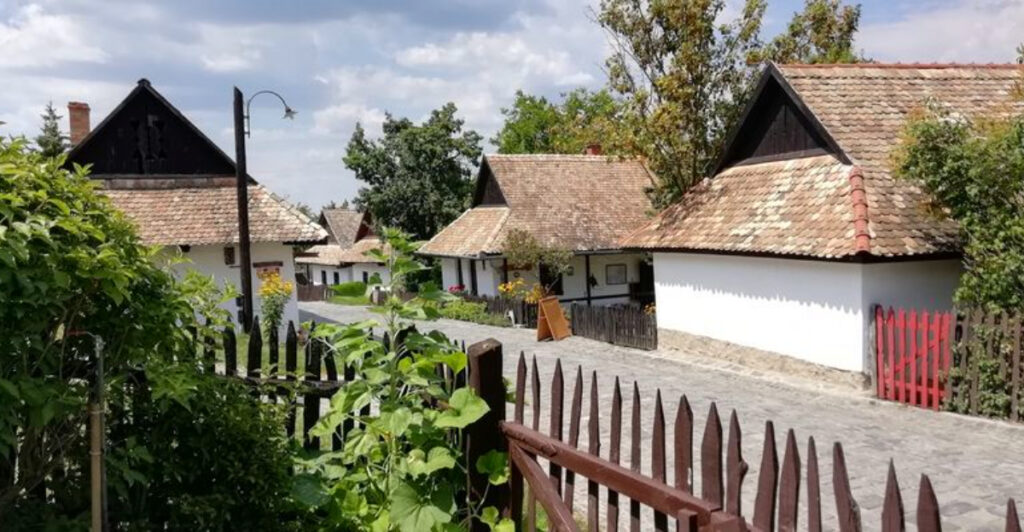
Hungary may be best known for Budapest, but beyond the capital lies a countryside filled with storybook villages, rolling hills, historic houses, and untouched nature. From UNESCO-listed settlements to quiet mountain communities, these places showcase a slower, more authentic side of the country.
Many of these villages preserve centuries-old traditions, architecture, and landscapes, making them feel almost frozen in time. Whether perched in the mountains or tucked along rivers, these destinations look so beautiful they almost feel unreal.
Tihany
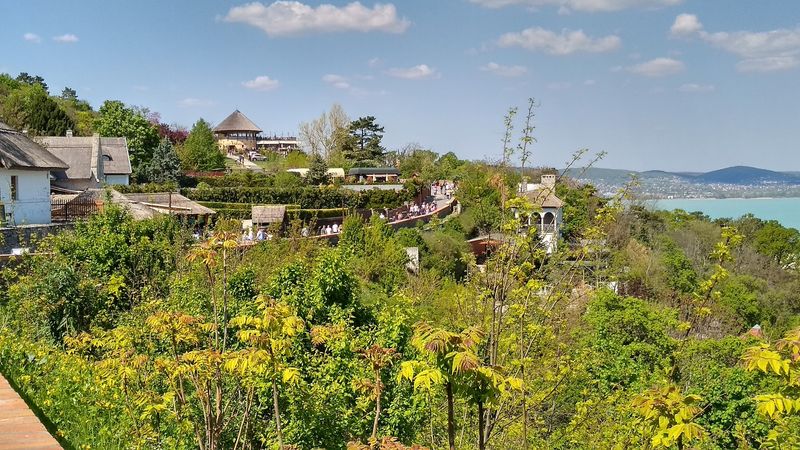
Lavender-scented air, a shimmering lake stretching to the horizon, and an 18th-century abbey perched dramatically on a hilltop — Tihany is the kind of place that makes you stop mid-sentence just to stare. Sitting on a peninsula jutting into Lake Balaton, this village packs an almost unfair amount of beauty into a very small space.
The Benedictine Abbey is the crown jewel, founded in 1055 by King Andrew I of Hungary. The crypt inside is one of the oldest surviving architectural monuments in the country.
Below the abbey, rows of colorful traditional houses line the narrow lanes, many of them converted into lavender shops and artisan boutiques.
Every summer, the lavender fields surrounding the village burst into purple bloom, drawing visitors and photographers from all over Europe. The peninsula also features geothermal geysers, a volcanic landscape, and hiking trails with jaw-dropping lake views.
Tihany has a slightly Mediterranean vibe thanks to its warm microclimate, which makes it feel like a little pocket of southern Europe. Getting there early in the morning, before the day-trippers arrive, gives you the place almost entirely to yourself.
Szentendre
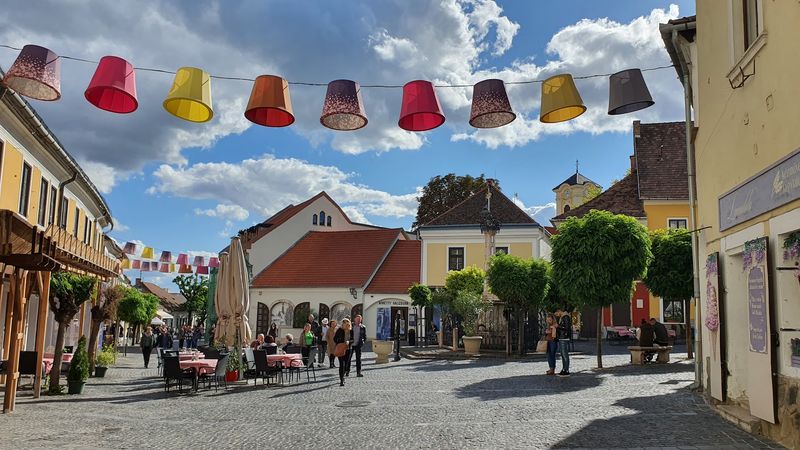
Paint every building a different shade of yellow, pink, and terracotta, add a dozen art galleries, a Serbian Orthodox church, and a riverside promenade — and you have Szentendre. Just 20 kilometers north of Budapest, this village is almost criminally easy to reach and yet feels worlds away from the capital’s urban energy.
Szentendre has been an artistic hub since Serbian refugees settled here in the 17th and 18th centuries, bringing their culture and architecture with them. That cultural layering gives the town a uniquely cosmopolitan feel for somewhere so small.
The Main Square, Fő tér, is surrounded by colorful baroque buildings and anchored by a beautiful Serbian memorial cross from 1763.
The village hosts dozens of museums, including the famous Open Air Ethnographic Museum — one of the largest outdoor folk museums in Central Europe. Wandering through the winding lanes, you’ll stumble onto galleries, marzipan shops, ceramic studios, and cozy cafes at every turn.
Summer weekends get busy, so visiting on a quiet weekday morning lets you appreciate the architecture without the crowds. Szentendre rewards slow walkers who are willing to peek down every alleyway.
Kőszeg
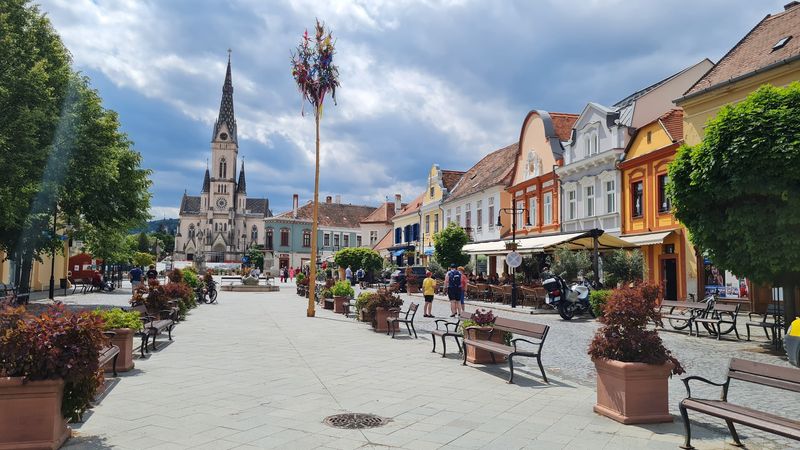
In 1532, a small garrison of around 700 Hungarian and Croatian soldiers held off an Ottoman army of roughly 120,000 troops right here in Kőszeg — and that alone makes this town worth visiting. Sitting near the Austrian border in western Hungary, Kőszeg is one of the country’s best-preserved medieval towns, and it wears its history proudly on every cobblestone.
The main square is genuinely stunning. Colorful guild houses, a Gothic church, and a baroque town hall frame a space that feels like it has barely changed in 500 years.
Jurisics Castle, named after the heroic defender of the town, sits at the edge of the old town and is open to visitors year-round.
Kőszeg also benefits from being slightly off the main tourist circuit, which means it retains a calm, lived-in atmosphere that more famous Hungarian towns sometimes lack. The surrounding Kőszeg Hills are perfect for hiking and cycling, with well-marked trails through forests and vineyards.
The town also has a charming ritual — a bell rings at 11 a.m. every day to commemorate the historic 1532 ceasefire. That daily bell gives you a reason to time your coffee break perfectly.
Hollókő
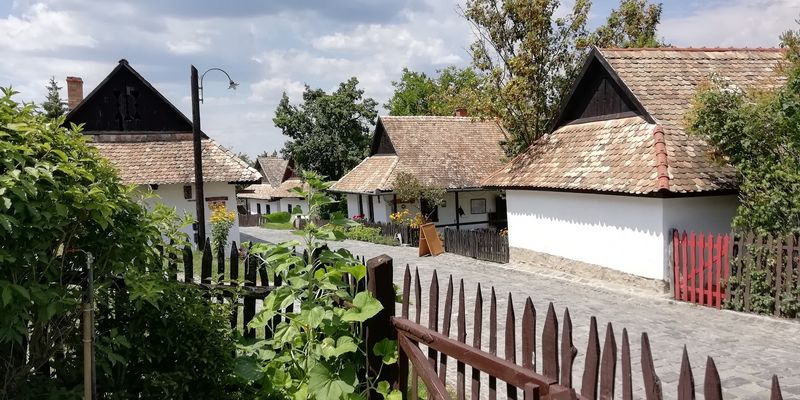
Step into Hollókő and you might genuinely wonder if someone built a movie set and forgot to take it down. This UNESCO World Heritage Site is Hungary’s most celebrated village, and it earns every bit of that title.
The traditional Palóc-style wooden houses with their whitewashed walls and carved wooden gates look like they belong in a fairy tale.
The cobblestone streets wind through the village in a way that feels completely unhurried. Locals still wear traditional folk costumes during festivals, and the annual Easter celebration draws visitors from across Europe.
The hilltop castle overlooking the village adds a dramatic backdrop that photographers absolutely love.
Hollókő isn’t just pretty to look at — it’s a living, breathing community. The village has resisted heavy tourism development on purpose, keeping its authentic character intact.
You can visit local craft workshops, try traditional Palóc dishes, and explore the small folk museum. Spring and autumn are the best times to visit, when the surrounding hills glow with seasonal color.
If Hungary has one village that genuinely stops people in their tracks, Hollókő is it.
Hosszúhetény
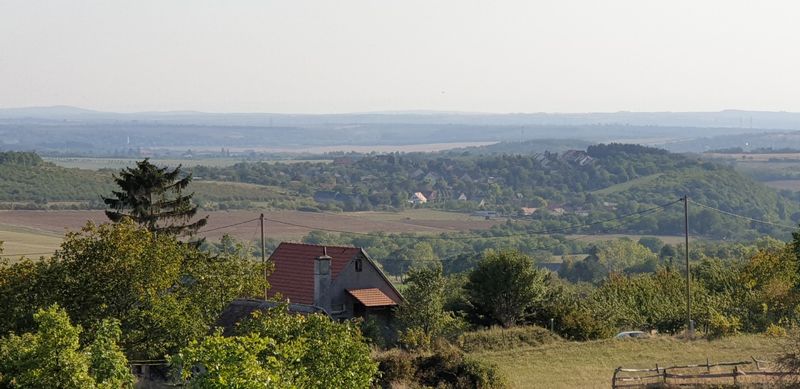
Tucked into a lush green valley at the foot of the Mecsek Mountains, Hosszúhetény is the kind of village that exhales quietly while the rest of the world rushes past. It doesn’t have a UNESCO badge or a famous castle, and that’s honestly part of its charm.
What it does have is a deeply peaceful atmosphere and surroundings that look like a landscape painting.
The village sits within easy reach of Pécs, one of Hungary’s most culturally rich cities, making it a perfect base for exploring the wider Mecsek region. The hills around the village are laced with hiking trails that wind through oak and beech forests, eventually opening onto panoramic viewpoints over the valley below.
The local community has worked hard to preserve traditional village life here. Stone houses, well-tended gardens, and a small historic church give the settlement a timeless quality.
A handful of guesthouses and agritourism farms offer overnight stays, letting you experience what a genuine Hungarian village morning feels like — birdsong, fresh air, and homemade breakfast included. Hosszúhetény is the kind of place you find by accident and then tell everyone about afterward.
Mátraszentimre
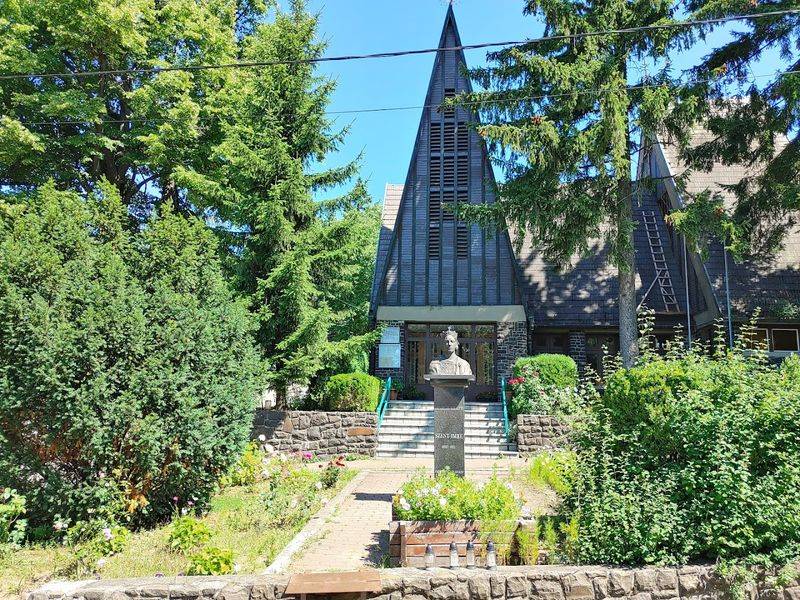
Close your eyes and imagine a tiny alpine village buried in a pine forest, with mountain peaks poking above the treetops and the smell of fresh resin drifting through the air. Now open them — you’re in Mátraszentimre, one of Hungary’s most surprisingly alpine-feeling destinations.
Sitting in the Mátra Mountains, this small village sits at one of the highest elevations in the entire country.
Hungary isn’t exactly known for mountain landscapes, which makes Mátraszentimre feel like a well-kept secret. In winter, the surrounding area transforms into a modest ski destination, with slopes that are perfect for beginners and families.
In summer, the forest trails are ideal for hiking, mountain biking, and simply breathing in air that tastes nothing like city air.
The village itself has a cozy, cabin-retreat atmosphere with wooden guesthouses, small restaurants serving hearty Hungarian mountain food, and a genuinely relaxed pace of life. The Mátra region is also home to the Kékestető peak — the highest point in Hungary at 1,014 meters — reachable by a scenic drive or hike from the village.
Mátraszentimre proves that Hungary has a mountain side that most visitors completely miss.
Bükkszentlászló
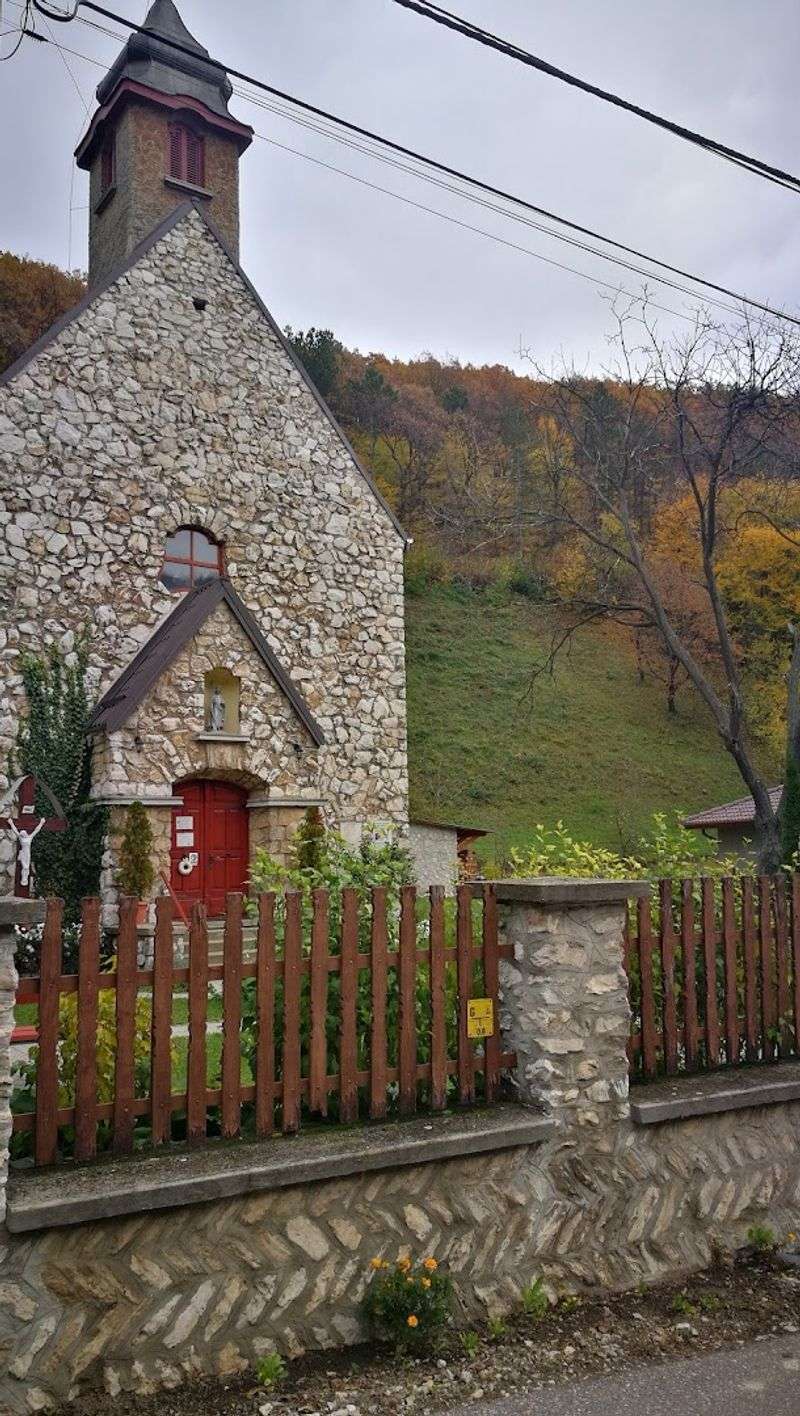
Few Hungarian villages have a backstory quite like Bükkszentlászló. Hidden in the forested folds of the Bükk Mountains, this quiet settlement was once a thriving glassmaking hub — an unlikely industry for such a remote, wooded location.
Bohemian glassmakers settled here in the 18th century, drawn by the abundance of local timber and silica sand, and their legacy still shapes the village’s identity today.
The glassmaking tradition has long since faded, but the forest setting is just as dramatic as ever. The Bükk National Park surrounds the village on all sides, making it one of the most naturally beautiful spots in northern Hungary.
Beech and oak trees tower overhead, and the air has that particular coolness that only deep forest can produce.
Hiking trails from the village connect to some of the Bükk’s most scenic viewpoints and cave systems, including the famous Istállóskő Cave, one of the oldest prehistoric sites in Central Europe. The village itself is tiny and unhurried, with just a handful of houses and a small church.
Visiting feels less like tourism and more like stumbling into someone’s very peaceful backyard. That’s exactly the kind of discovery that makes road-tripping through Hungary so rewarding.
Tokaj
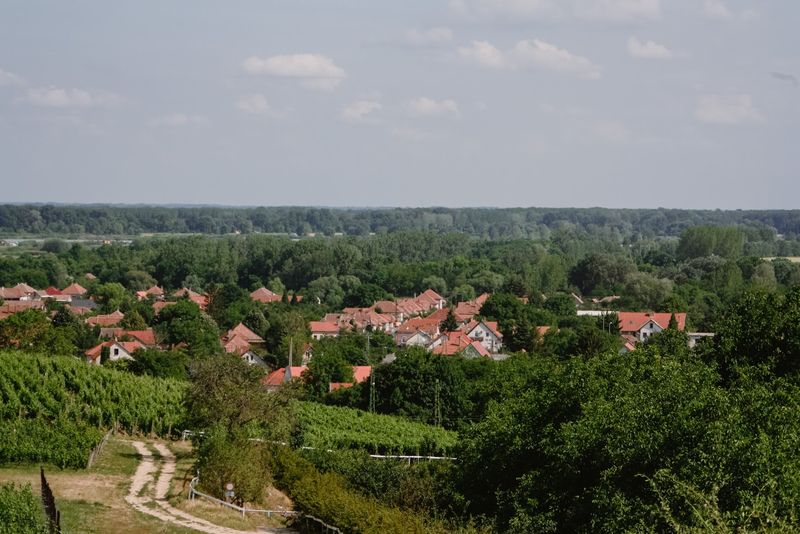
Louis XIV of France reportedly called Tokaj wine the “wine of kings and the king of wines” — and standing in this small Hungarian village surrounded by golden vineyards, it’s hard to argue with him. Tokaj is a UNESCO World Heritage wine region, and the village at its heart is one of the most atmospheric places in the entire country.
The Tokaj wine region sits at the confluence of the Bodrog and Tisza rivers, and the unique microclimate created by those waterways is responsible for the famous Aszú wine — a sweet, amber-colored dessert wine produced from individually picked botrytized grapes. The historic wine cellars, carved deep into volcanic rock beneath the village, are open for tours and tastings throughout the year.
Beyond wine, Tokaj has real architectural charm. Baroque churches, a synagogue, and historic merchant houses line the streets, reflecting the village’s prosperous trading past.
The surrounding hills are striped with neat vineyard rows that turn spectacular shades of gold and copper in autumn. Wine harvest season in October is the most magical time to visit, when the whole village smells of fermenting grapes and every cellar door swings open in welcome.
Poroszló
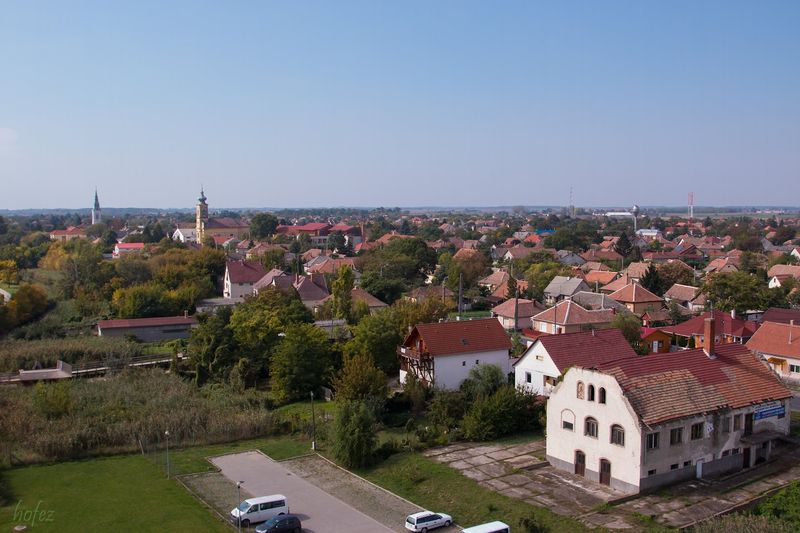
Not every magical village announces itself with a castle or a cathedral. Poroszló earns its place on this list through sheer natural drama — a vast, bird-filled wetland landscape that stretches out like a mirror reflecting the sky.
Located on the western shore of Lake Tisza, this quiet village is the gateway to one of Central Europe’s most important nature reserves.
The Tisza-tó Ecocentre, based in Poroszló, is a remarkable facility with an enormous freshwater aquarium showcasing the native fish species of the Tisza River. It’s one of the largest freshwater exhibition centers in Europe and completely unexpected for a village this size.
Boat tours through the reed beds let you drift silently past nesting herons, cormorants, and white-tailed eagles.
The village itself is calm and unpretentious, with guesthouses and small restaurants serving fresh fish dishes caught directly from the lake. Cycling paths run along the lakeside, and kayak rentals make it easy to explore the quieter channels of the reserve at your own pace.
Poroszló rewards visitors who enjoy nature over nightlife. Sunsets here, with the water turning gold and pink, are the kind that make you put your phone down and just watch.
Cégénydányád
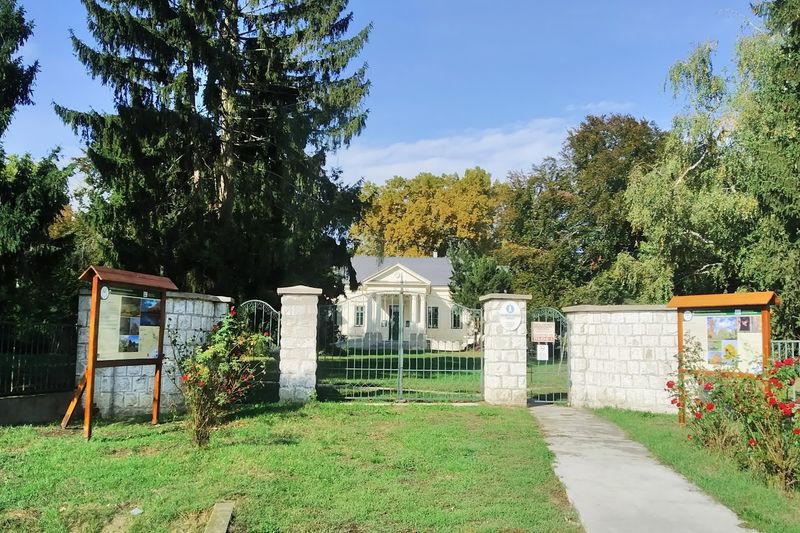
Aristocratic grandeur doesn’t usually pop up in tiny northeastern Hungarian villages, which makes Cégénydányád all the more surprising. The village is home to the Károlyi Castle, a beautifully preserved neo-Gothic manor house surrounded by a sweeping English-style landscape park.
It’s the kind of setting where you half-expect someone in period costume to come riding around the corner on horseback.
The Károlyi family was one of the most powerful noble families in Hungarian history, and their country estate here reflects that status in every architectural detail. The castle has been carefully restored and now functions as a hotel and cultural venue, meaning you can actually sleep inside it — which is an experience worth booking well in advance.
The surrounding park is filled with centuries-old trees, ornamental ponds, and quiet walking paths that feel completely removed from the modern world. The village around the castle is equally tranquil, with a small Reformed church and traditional rural houses that have barely changed in generations.
Cégénydányád sits in the Szatmár region near the Romanian border, an area that sees relatively few tourists despite its remarkable heritage. Visiting feels like discovering a forgotten chapter of Hungarian history that nobody thought to spoil.
Lispeszentadorján
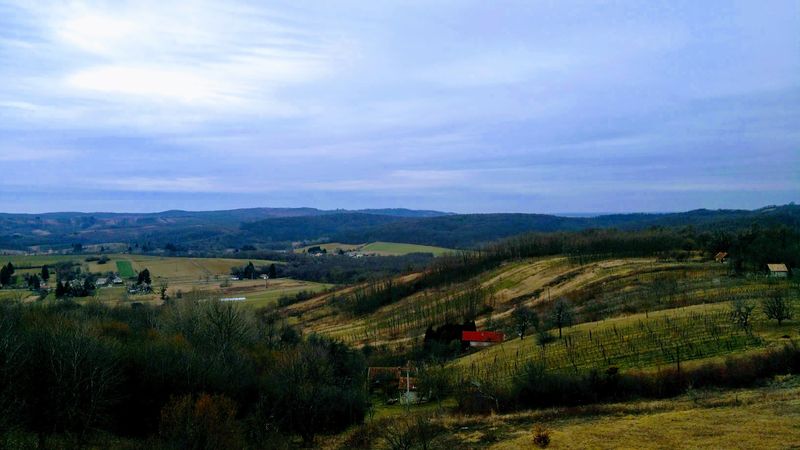
Some villages are famous. Lispeszentadorján is the opposite — and that’s exactly what makes it special.
Perched on the gentle slopes of the Zala hills in southwestern Hungary, this tiny settlement is so quiet that the loudest sound you’re likely to hear is wind moving through the vineyard rows. Modern tourism hasn’t found it yet, and locals seem perfectly happy about that.
The village has a charming historic church and a scattering of traditional rural houses, many with vegetable gardens and fruit trees spilling over their fences. The surrounding hills are dotted with small family vineyards producing local wines that you won’t find in any supermarket — only directly from the producer, if you’re lucky enough to knock on the right door.
Lispeszentadorján sits near the Zala River valley and the Göcsej ethnographic region, an area known for its distinctive folk architecture and deeply rooted rural traditions. Day trips to the nearby town of Zalaegerszeg are easy, but the village itself is the real draw — a place where time genuinely seems to move at a different speed.
If you’re looking for an authentic Hungarian countryside experience without the tourist trail, this is your village.
Bálványos
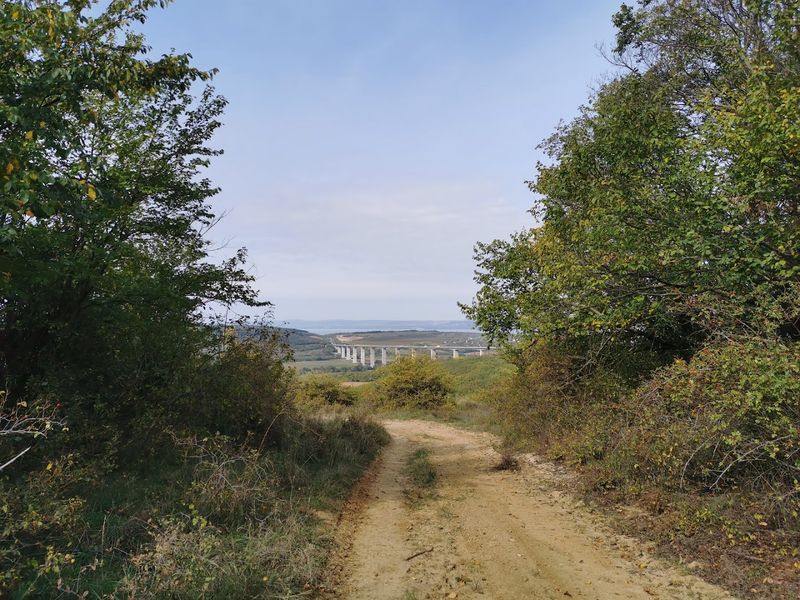
Legend says a pagan idol — a bálvány — once stood on the hill above this village, and that the ruins crowning the wooded slope are all that remain of the fortress built to protect it. Whether or not you believe the folklore, Bálványos has an atmosphere that makes the stories easy to imagine.
There’s something genuinely otherworldly about this small settlement tucked among forested hills near Lake Balaton.
The castle ruins above the village are partially accessible and offer sweeping views over the surrounding countryside. The hike up through the forest is short but atmospheric, especially in autumn when the canopy turns gold and the mist clings to the hillsides.
The village below is calm and largely untouched by commercial tourism.
Bálványos sits in the Somogy region, an area of Hungary that rewards curious travelers willing to leave the Balaton shoreline and explore inland. Local guesthouses offer simple, comfortable accommodation, and the surrounding countryside is excellent for cycling and walking.
The village’s folklore connections give it an edge of mystery that most picture-perfect Hungarian villages lack. Bálványos doesn’t try to impress you — it just quietly exists, and somehow that makes it more memorable than places that do.
Villány
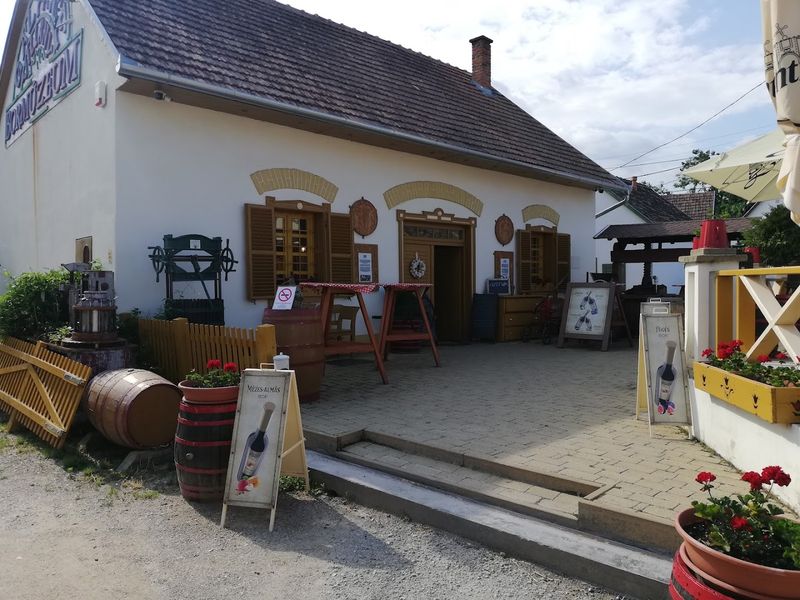
Southern Hungary’s warmest village also happens to be its most wine-soaked — and Villány wears that reputation like a perfectly fitted suit. Sitting in the southernmost wine region in Hungary, this compact, sun-drenched village produces some of the country’s finest red wines, particularly big, structured Cabernet Francs and Merlots that compete confidently on the international stage.
The main street, lined with traditional press houses and wine cellars, is one of the most photogenic stretches in rural Hungary. Each cellar has its own personality — some sleek and modern, others ancient and vaulted, with barrels stacked floor to ceiling.
Most are open for tastings throughout the year, and the welcome is consistently warm and unhurried.
Villány’s warm microclimate gives it a distinctly southern European feel, with long sunny summers and mild winters that coax extra ripeness from the grapes. The village is small enough to explore on foot in an afternoon, but most visitors end up staying longer than planned once they settle into the rhythm of cellar-hopping and long lunches.
The Villány Wine Festival in autumn is one of Hungary’s best, drawing winemakers and enthusiasts from across the continent. Villány is proof that good wine and good scenery are better together.
Szalajka Valley (near Szilvásvárad)
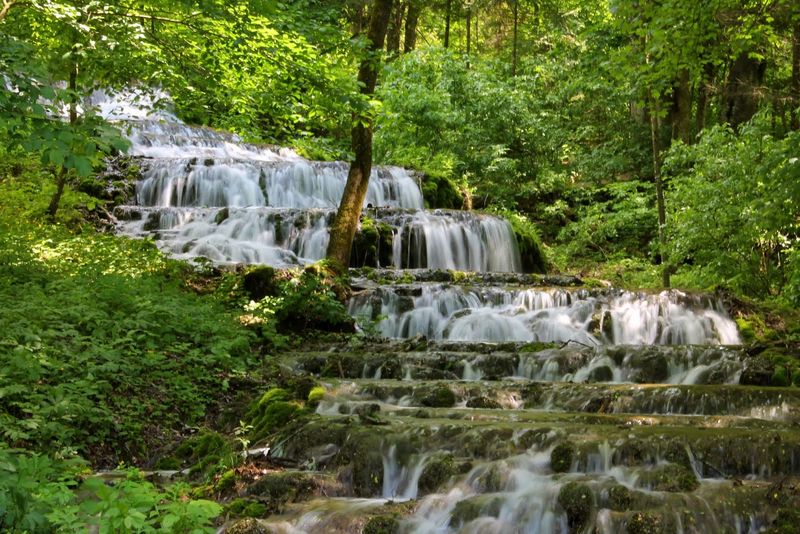
A narrow-gauge forest railway, a waterfall hidden in the trees, and a stream so clear you can count the pebbles on the bottom — the Szalajka Valley near Szilvásvárad is the kind of place that makes adults feel like children again. Tucked into the Bükk Hills of northern Hungary, this valley is one of the most enchanting natural landscapes in the entire country.
The famous Fátyol Waterfall, a wide, shallow cascade tumbling over limestone terraces covered in bright green moss, is the valley’s star attraction. The sight is genuinely unusual — the water spreads out in a lacy curtain rather than falling in a single stream, which creates a delicate, almost surreal effect.
The stream running through the valley is home to native trout, and the surrounding forest is part of the Bükk National Park.
The narrow-gauge railway that runs the length of the valley is a joy in itself, chugging slowly through the trees and stopping at key points along the route. Szilvásvárad village, sitting at the valley’s entrance, is known for its Lipizzan horse stud farm, one of the oldest and most prestigious in Central Europe.
Combining the village, the horses, and the valley makes for one of Hungary’s most complete day-trip experiences.
Püspökszentlászló
There are villages you visit, and then there are villages you stumble upon and immediately start planning a return trip. Püspökszentlászló falls firmly into the second category.
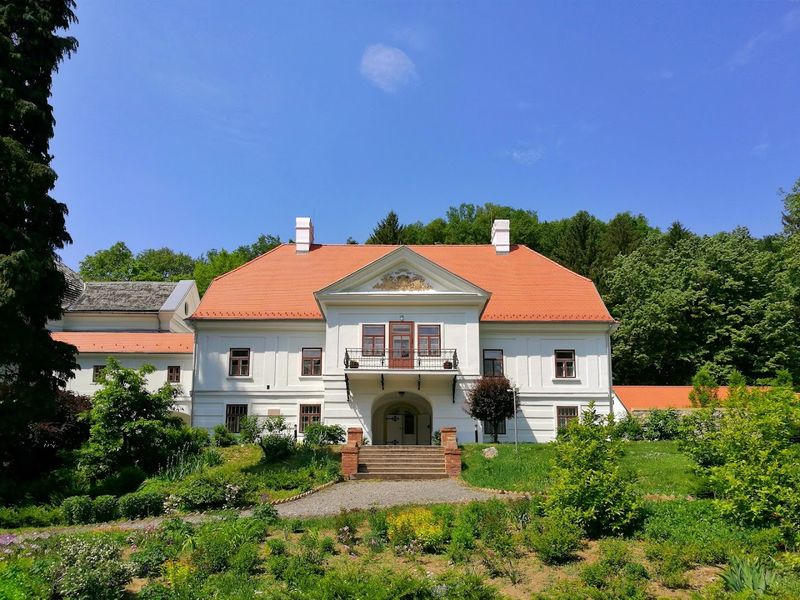
Nestled in the hills above Hosszúhetény in the Mecsek Mountains, this tiny settlement is home to a romantic bishop’s castle and one of Hungary’s most beautiful arboretums — a combination that feels almost impossibly good for somewhere so small.
The arboretum surrounding the castle was established in the 19th century and contains hundreds of rare tree species from around the world, including ancient sequoias, exotic maples, and towering cedars. Walking through it feels less like a botanical garden visit and more like wandering through a living cathedral of trees.
The castle itself, now operating as a guesthouse, is a graceful neo-Romanesque structure that looks like it was designed specifically to appear in a dream.
The village around the castle is just a handful of houses and a small chapel, but the sense of seclusion is total and deeply restorative. Hiking trails from the arboretum connect to the wider Mecsek trail network, making it easy to spend a full day exploring the surrounding hills.
Püspökszentlászló is the kind of secret that feels almost selfish to share — but too good to keep quiet.
Share this story