There is a corner of Oahu that most tourists never find, and honestly, that is part of what makes it so special. The northwest tip of the island is raw, windswept, and almost shockingly beautiful, with volcanic coastline stretching in both directions and the Pacific crashing against lava rock below.
Monk seals nap on the sand like they own the place, Laysan albatrosses perform their courtship dances just feet away from hikers, and humpback whales breach offshore during the right season. This is not your average Hawaiian state park, and once you set foot on the trail, you will understand exactly why it earns a near-perfect rating from nearly every single person who visits.
Getting There: Location and Access
The address for Kaena Point State Park is HQH7+H4M, Waialua, HI 96791, sitting at the very northwestern tip of Oahu, Hawaii. There are actually two trailhead entrances, one on the North Shore side near Haleiwa and one on the Leeward side near Waianae, and neither one connects to the other by road.
That means you pick your side, park, and hike in on foot. Both trails run roughly 2.5 to 3 miles to reach the point itself, and both reward you with completely different views along the way.
The North Shore entrance tends to feel a little more accessible for first-timers, while the Leeward side trail offers dramatic mountain backdrops. A permit is required if you want to drive in with a high-clearance vehicle, but most visitors simply lace up their shoes and walk.
The park is open every day from 6 AM to 6:45 PM, so plan your timing carefully. Arriving close to closing means a rushed experience, and this place absolutely deserves your full, unhurried attention from the first step to the last.
The Trail: What to Expect Underfoot
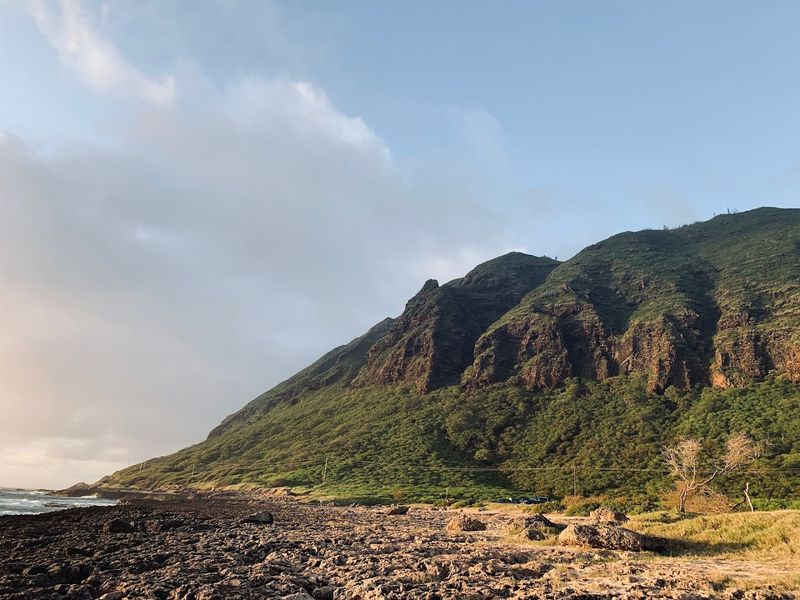
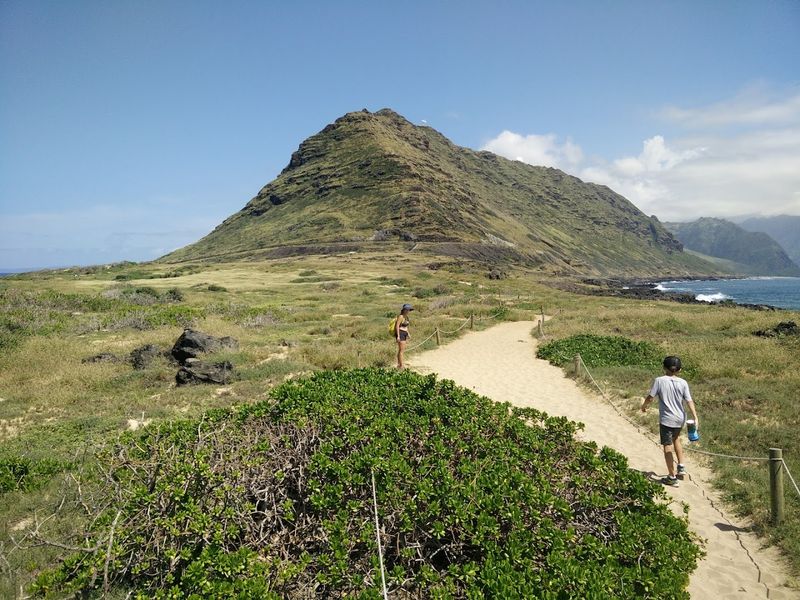
Flat is not a word most people associate with Hawaiian hikes, but the Kaena Point trail earns that description pretty fairly. There is almost no elevation gain along the route, which makes it accessible for a wide range of fitness levels, including older visitors and families with older kids.
That said, the terrain keeps you on your toes in other ways. The path alternates between packed dirt, loose sand, uneven lava rock, and patches that turn into a muddy obstacle course after heavy rain.
Sturdy shoes are a genuine must here, not just a polite suggestion. Flip-flops will betray you somewhere around mile one.
The trail is also almost entirely exposed to direct sunlight, with very little tree cover to offer relief.
Midday visits can feel punishing in the Hawaiian heat, so most experienced hikers head out at sunrise or in the late afternoon. The round trip takes about three hours at a relaxed pace, and stopping at every viewpoint and wildlife sighting will stretch that time in the most satisfying way possible.
The Laysan Albatross: Stars of the Show
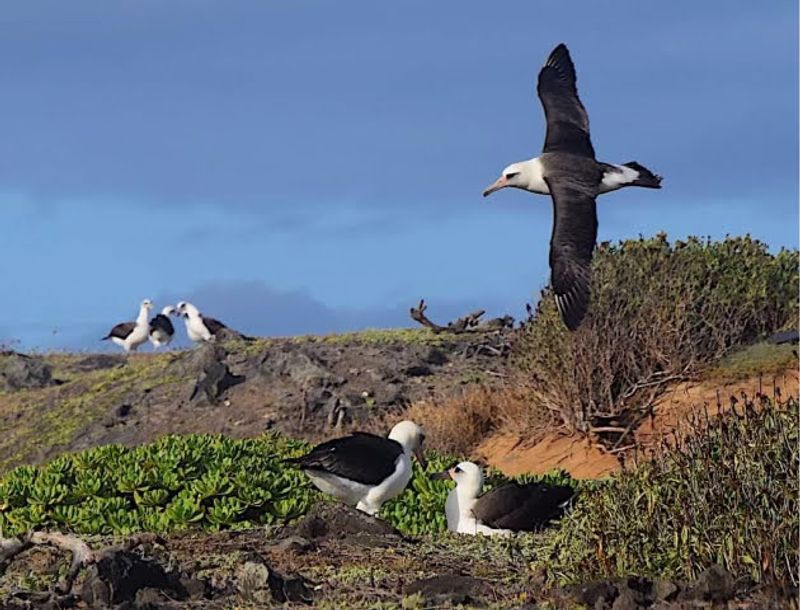
Nothing quite prepares you for the moment you first see a Laysan albatross doing its courtship dance. These birds move through a sequence of bows, bill clacks, and sky-pointing gestures that look almost choreographed, and watching two of them perform the routine together is genuinely one of the most entertaining wildlife moments you can have on any trail in Hawaii.
The albatross colony at Kaena Point has grown significantly over the years, thanks largely to the predator-proof fence that now protects the nesting area near the point. Inside the fenced sanctuary, the birds show almost no fear of humans, which means you can observe them from just a few feet away.
Nesting season runs roughly from November through July, so timing your visit during those months gives you the best chance of seeing chicks, brooding adults, and courtship displays all at once. Bring binoculars if you have them, though honestly, the birds often make binoculars unnecessary.
Dozens of albatrosses soaring overhead against a blue Pacific sky is a sight that stays with you long after you have left the island.
The Predator-Proof Fence and Wildlife Sanctuary
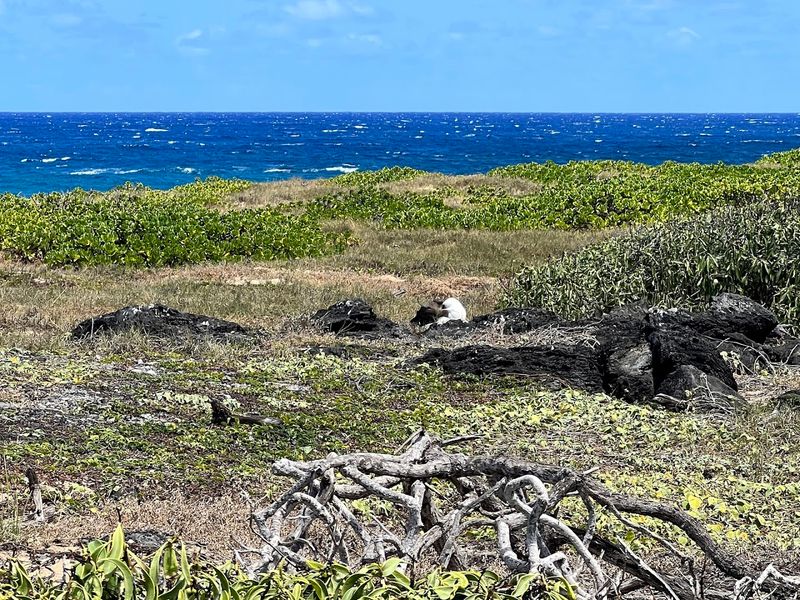
About half a mile before you reach the point itself, a large predator-proof fence interrupts the trail with a gate you pass through one at a time. This structure is not just a boundary marker; it is the reason the wildlife sanctuary at Kaena Point exists at all.
The fence was built to keep out rats, cats, mongooses, and other invasive animals that prey on ground-nesting seabirds. Before it was installed, nesting success for species like the albatross and the wedge-tailed shearwater was seriously threatened.
Since the fence went up, bird populations have rebounded in ways that genuinely surprised researchers.
Inside the sanctuary, the atmosphere shifts noticeably. The density of birdlife increases, the noise level picks up, and the whole place takes on a quality that feels more like a nature documentary than a public trail.
Several reviewers have compared the experience to visiting the Galapagos Islands, which is a bold comparison but not entirely off base. The birds here trust humans in a way that feels rare and precious, and the sanctuary program is a real conservation success story worth appreciating while you walk through it.
Hawaiian Monk Seals: Unexpected Beach Residents
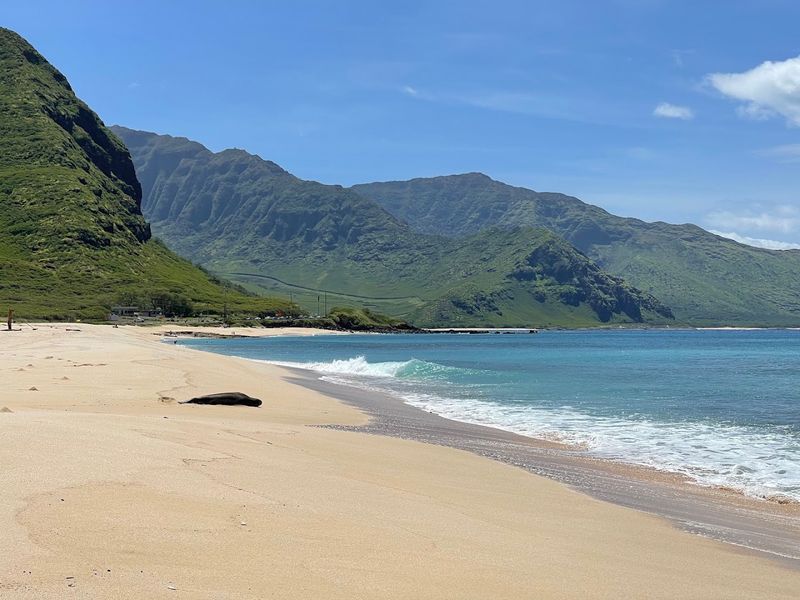
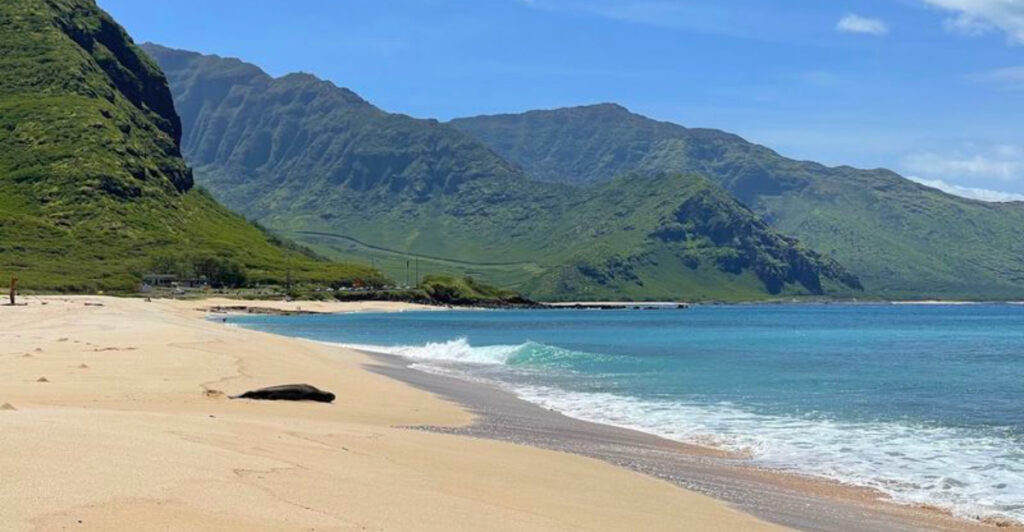
Hawaiian monk seals are one of the most endangered marine mammals in the world, and Kaena Point is one of the best places on Oahu to spot one in the wild. These animals haul themselves out of the ocean to rest on the beach, and they do so with an attitude of complete indifference to whatever is happening around them.
On a Friday afternoon visit, I watched one seal sprawled across the sand near the shoreline, completely unbothered by the small group of hikers who had gathered at a respectful distance to watch. Rangers and volunteers typically mark off a perimeter around resting seals to make sure nobody disturbs them.
Federal law protects Hawaiian monk seals, and approaching within 50 feet is prohibited. The seals do not need your help understanding that rule; they simply ignore everyone anyway.
Seeing one in person feels like a genuine privilege, especially knowing how small their population remains. The beach at the point is stunningly calm compared to the surf-battered rocks along the trail, and it provides a perfect resting spot for both seals and tired hikers who have earned a moment to sit and soak it all in.
Humpback Whales and Ocean Views Along the Way
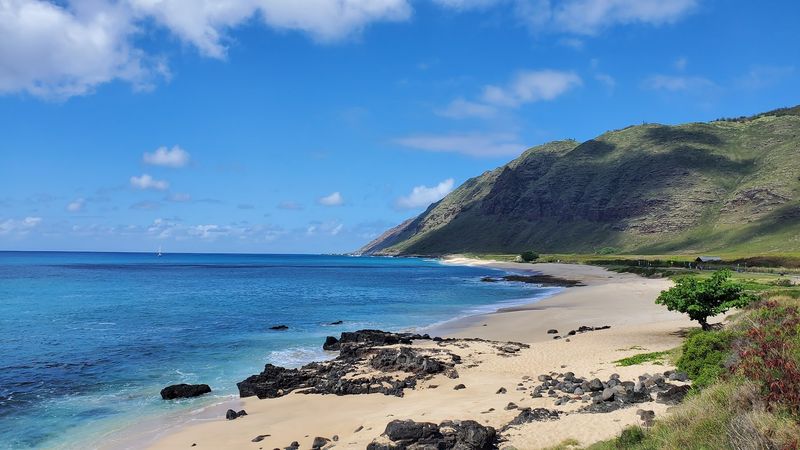
The Pacific Ocean at Kaena Point does not sit quietly in the background. It roars, sprays, and occasionally offers up something spectacular, and during whale season, that something spectacular might be a humpback whale launching itself out of the water just offshore.
Humpback whales migrate to Hawaiian waters from roughly November through May each year, and the deep water off the northwest tip of Oahu sits right in their path. More than one hiker has reported watching multiple whales breach from the trail or from the rocky point itself.
Even outside whale season, the ocean views here rank among the best on the entire island. The trail runs with steep mountains rising sharply on one side and the open Pacific stretching endlessly on the other, creating a corridor of scenery that feels almost theatrical in its drama.
On clear days, you can see across to the Leeward coastline from the point, and the color of the water shifts from deep navy to brilliant turquoise depending on the angle of the sun. It is the kind of view that makes you stop mid-step and just stand there for a minute, which is exactly what you should do.
Tide Pools and Lava Rock Exploration
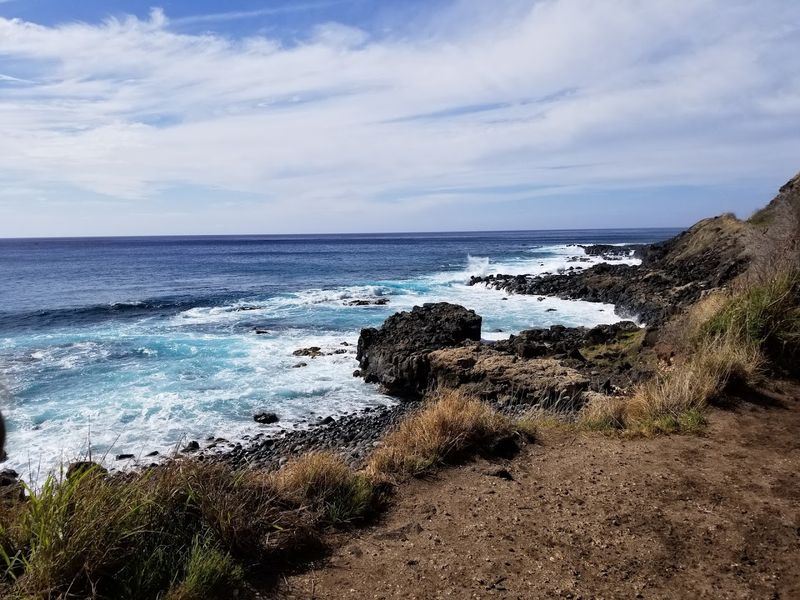
Near the point itself, the landscape shifts from sandy trail to a jumble of lava rock and coral formations that frame some genuinely impressive tide pools. These pools hold a surprising variety of marine life, including small fish, sea urchins, crabs, and the occasional resting sea turtle.
Kids absolutely love this section of the hike, and more than a few adults have been spotted crouching down for a closer look with the same level of enthusiasm. The pools are shallow enough to wade into safely in calm conditions, and some families bring snorkeling gear to get a better look at what lives inside them.
The lava rock itself tells a geological story that stretches back millions of years. Kaena Point is considered one of the oldest exposed rock formations on Oahu, and the volcanic coastline here has a roughness and texture that feels different from the polished beaches elsewhere on the island.
A pair of water shoes makes the tide pool section much more enjoyable, since the lava rock edges are sharp and unforgiving on bare feet. This part of the trail rewards slow, careful exploration, and rushing through it means missing some of the most interesting details the park has to offer.
Best Times to Visit and Weather Tips
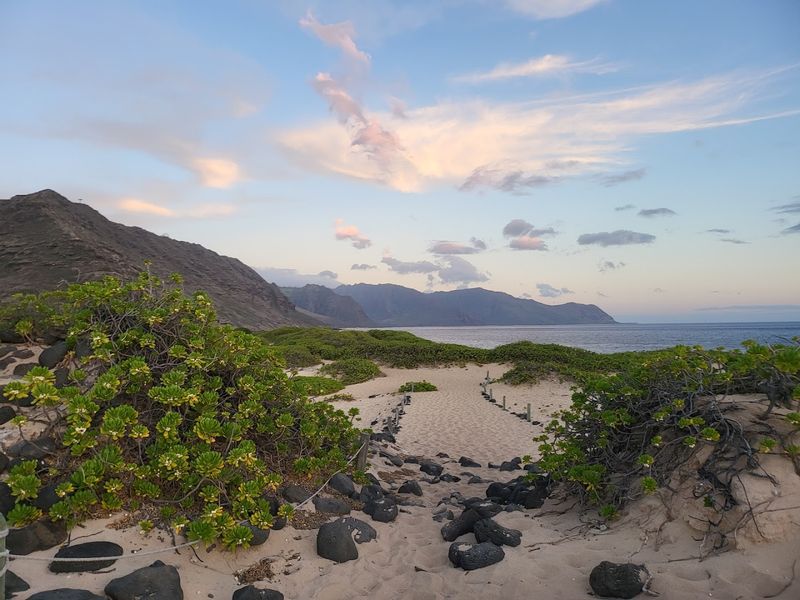
Early mornings and late afternoons are the undisputed sweet spots for visiting Kaena Point. The sun sits at a lower angle, temperatures drop to something manageable, and the light turns everything along the coastline into a photographer’s dream.
Midday visits are not impossible, but the trail offers almost no shade, and the Hawaiian sun at noon is not something to underestimate. Sunscreen, a wide-brimmed hat, and at least two liters of water per person are non-negotiable supplies for this hike regardless of what time you set out.
Sunset hikes draw a loyal following, and the views from the point as the sun drops toward the horizon are genuinely spectacular. The park closes at 6:45 PM, so timing a sunset visit requires some planning, especially since the hike takes about three hours round trip.
Rain changes the trail significantly. The path becomes muddy and slippery in sections, and some stretches near the lava rock get dangerously wet.
Dry days are strongly preferred, and checking the forecast before you go is a practical habit worth developing for any visit to this park. The experience is worth every bit of preparation you put into it.
What to Pack for the Hike
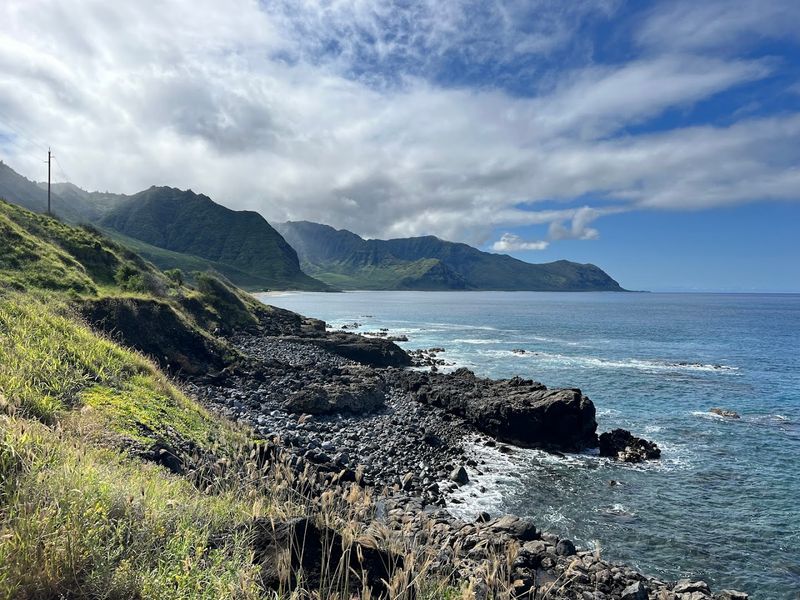
Packing smart for Kaena Point makes the difference between a miserable slog and a genuinely great day out. The most critical item on the list is water, and more of it than you think you need.
There are zero water stations or refill points anywhere along the trail, and the exposed terrain in direct sun burns through your hydration faster than you expect.
A hat with a wide brim and high-SPF sunscreen belong in your bag without question. Lightweight, moisture-wicking clothing keeps you cooler than cotton, and a light layer for the return trip is worth tucking in, since the coastal wind picks up noticeably in the afternoon.
Snacks matter more here than on shorter hikes because the round trip clocks in at around five to six miles. Energy bars, fruit, or anything that travels well without refrigeration will keep your energy up for the full distance.
Sturdy closed-toe shoes are essential, and water shoes are a bonus if you plan to explore the tide pools. Dogs are not permitted on this trail at all because of the bird sanctuary, so leave your four-legged companions at home.
A small first aid kit and a fully charged phone round out a solid packing list for this adventure.
The Remote, Crowd-Free Atmosphere
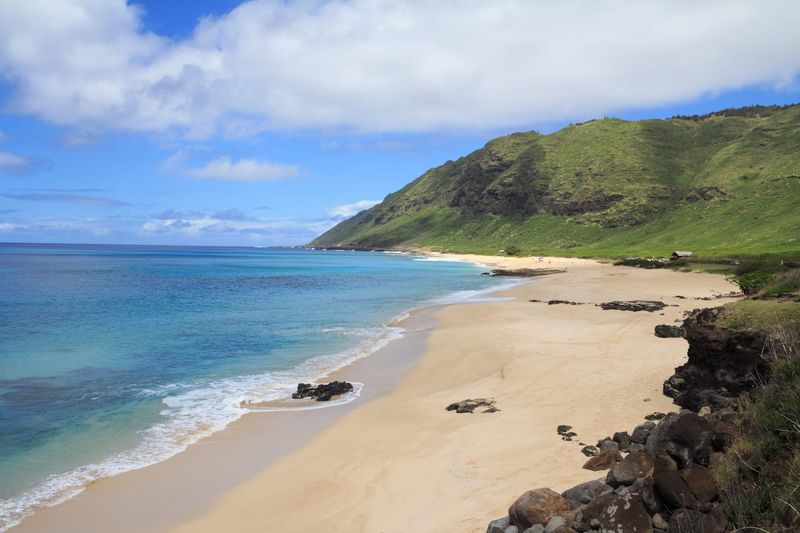
One of the most refreshing things about Kaena Point is how few people you encounter once you get past the trailhead. Oahu is one of the most visited islands in all of Hawaii, and finding a stretch of coastline this beautiful without shoulder-to-shoulder crowds feels almost like discovering a secret.
The remoteness is partly by design. There is no road access to the point for regular vehicles, which means the only way there is on foot or with a special permit.
That natural filtering keeps the experience intimate and quiet in a way that most popular Hawaiian destinations simply cannot offer.
On a typical weekday afternoon, you might pass only a handful of other hikers over the entire three-mile stretch. On weekends, the numbers increase, but the trail is long enough that the crowd thins out quickly once everyone spreads along the route.
Local fishermen sometimes cast lines from the rocky shoreline, adding a slice of everyday island life to the experience. The combination of wild coastline, minimal foot traffic, and genuine natural beauty creates an atmosphere that feels more like an expedition than a tourist attraction, which is exactly what keeps people coming back to this remarkable corner of Oahu.
The Pillbox and Panoramic Views at the Point

Near the tip of the point, an old military pillbox sits on a rocky rise with views that stretch in nearly every direction. These concrete structures are remnants of World War II-era coastal defense installations, and this one at Kaena Point offers one of the most rewarding panoramic viewpoints on the entire island of Oahu.
From the top, you can see the North Shore coastline curving away in one direction and the Leeward coast of Oahu rolling out in the other. On clear days, the view extends far enough that the curvature of the horizon becomes noticeable, and the sheer scale of the Pacific Ocean surrounding the island hits you in a new way.
Many hikers use the pillbox as their turnaround point and rest stop, pulling out snacks and sitting with their legs dangling off the edge while albatrosses glide past at eye level. The wind up there can be strong, so hold onto your hat.
Watching the sunset from this spot on a clear evening is a legitimately breathtaking experience. The light fades across the ocean in layers of color, and the silhouettes of seabirds cutting through the sky complete a scene that no filter on any camera can fully replicate.
Why Kaena Point Deserves a Spot on Every Oahu Itinerary
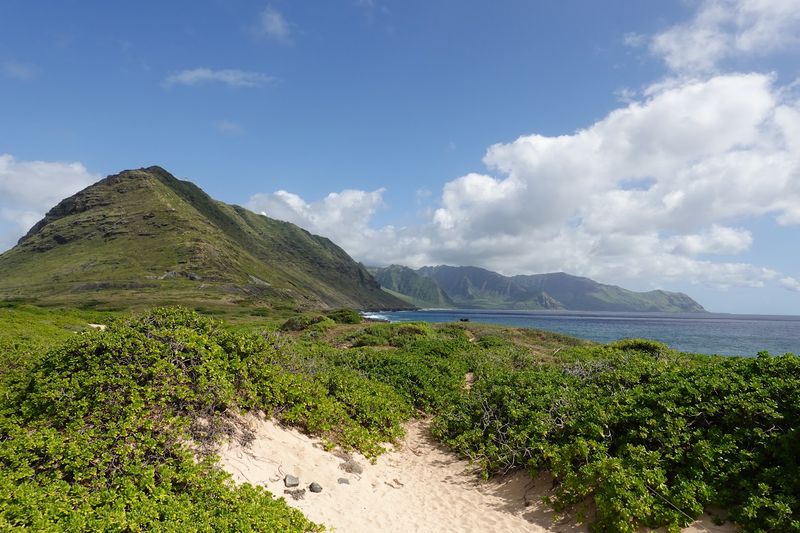
Most first-time visitors to Oahu fill their itineraries with Waikiki Beach, Diamond Head, and the North Shore surf spots, all of which are worth seeing. But Kaena Point State Park offers something that none of those places can match: the feeling that you have genuinely stepped away from the tourist trail and into a version of Hawaii that runs on its own quiet rules.
The combination of wildlife, geology, coastal scenery, and solitude packed into a single accessible hike is rare anywhere in the world, let alone on one of the most visited islands on the planet. The park holds a 4.8-star rating across nearly 2,500 reviews, which speaks for itself.
Whether you are a serious birder, a casual hiker, a wildlife photographer, or someone who simply wants to see a monk seal snoozing on a beach, this park delivers. The experience is not about luxury or convenience; it is about raw, unfiltered natural beauty that you earn with a few miles of walking.
Kaena Point State Park is the kind of place that makes you feel grateful for protected land, grateful for the animals that call it home, and genuinely lucky to have spent a few hours walking its trail on a sun-drenched Hawaiian afternoon.
Share this story