Most people driving along the Jersey Shore are focused on the beach, the boardwalk, or the next place to grab a bite. But tucked away in Brigantine, New Jersey, there is a small nonprofit organization doing work that most people never get to see up close.
This center has been rescuing and rehabilitating marine mammals since 1978, and it has quietly become one of the most meaningful stops along the entire coastline. It is not a theme park, and it is not a flashy tourist attraction.
What it is, though, is a place where real conservation work happens every single day, where knowledgeable guides walk you through the science of marine life, and where you can actually watch animals recovering in real time through live camera feeds. If you have ever driven past Brigantine without stopping, this is the place that deserved a second look.
47 Years of Rescue Work and Why That Number Matters
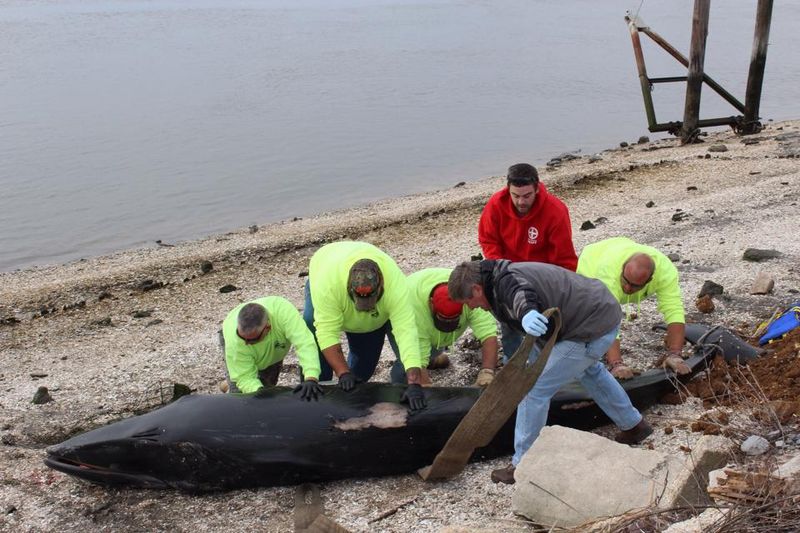
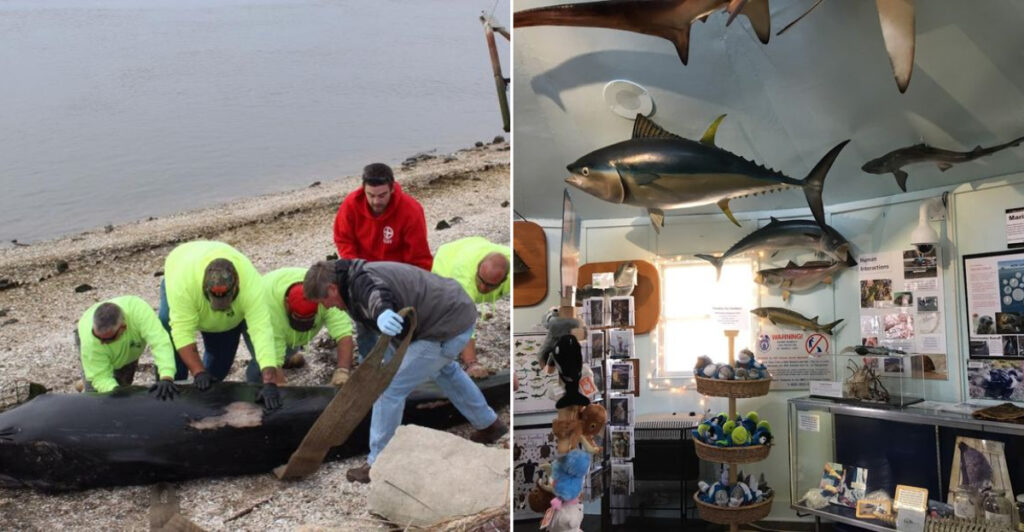
Not many organizations in New Jersey can say they have been doing the same important work for nearly five decades, but the Marine Mammal Stranding Center has been responding to marine mammal strandings since 1978.
That kind of longevity is not an accident. It reflects a deep institutional knowledge built through thousands of rescues, rehabilitations, and releases back into the wild.
The center has handled everything from injured seals to stranded whales, and each case has added to the organization’s understanding of marine health along the mid-Atlantic coastline.
Co-Founder and Director Sheila Dean has been a driving force behind the center’s work, and her presence is felt throughout the facility’s mission and culture. The center operates as a nonprofit, which means every visit, donation, and purchase in the gift shop directly supports the ongoing work.
Forty-seven years in, the center shows no signs of slowing down, and the animals along the Jersey Shore are better off for it.
The Museum That Packs a Serious Punch in a Small Space
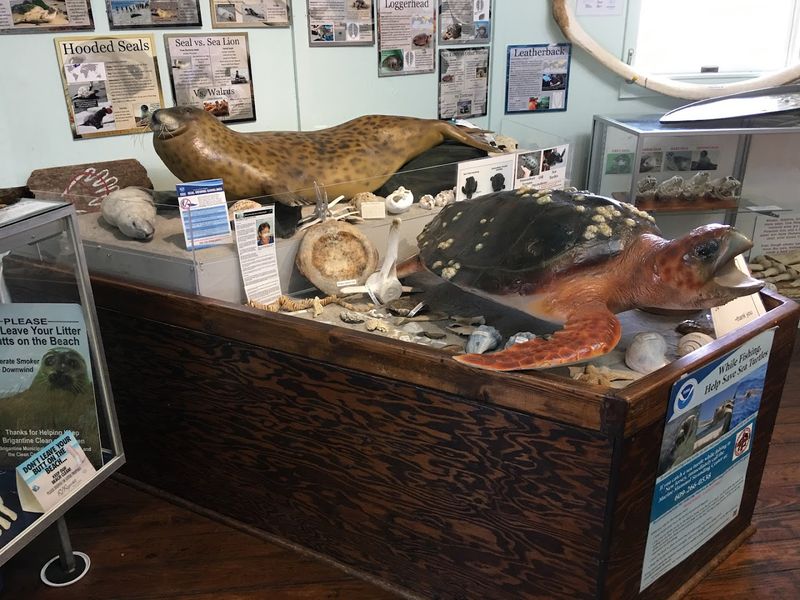
Walking into the museum at the Marine Mammal Stranding Center, the first thing that becomes clear is that this is not a place designed to impress with size. It is designed to teach, and it does that very well.
The exhibits cover a wide range of topics related to marine life found along the New Jersey coastline, including the biology of seals, the challenges marine mammals face in the wild, and the rehabilitation process used to help injured animals recover. Informational panels are detailed without being overwhelming, and the guides on site make everything accessible for all ages.
One particularly popular feature is the bone yard, a collection of marine mammal skeletal remains that gives visitors a tangible connection to the science behind the work. Kids and adults alike tend to spend more time in the museum than they expected to, simply because there is more to learn around every corner than the modest exterior suggests.
Live Camera Feeds: Watching Rehabilitation in Real Time
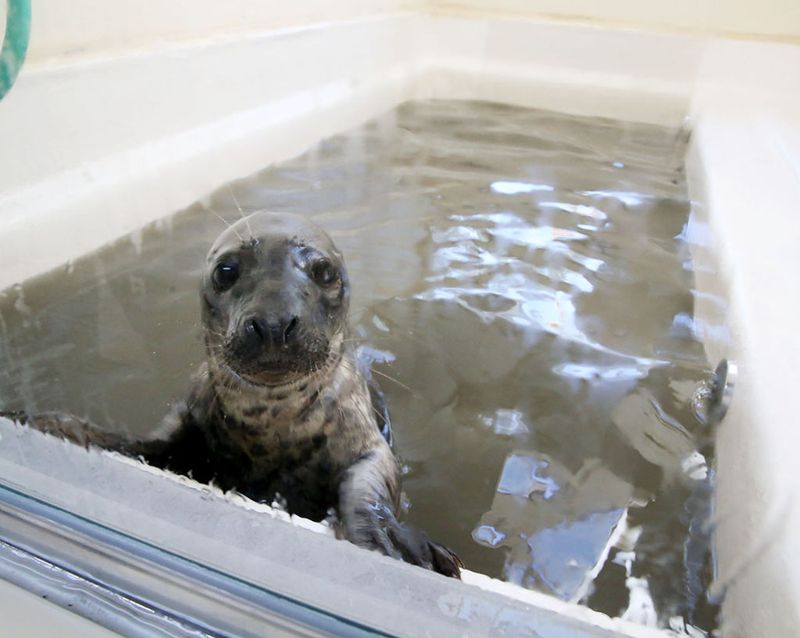
One of the most distinctive features of the Marine Mammal Stranding Center is the live camera feed system that allows visitors to watch animals in rehabilitation without disturbing them.
Each animal in the facility has a dedicated camera focused on its tank, and the footage streams directly to a large screen inside the museum. This setup means that guests can observe seals and other marine mammals going through the recovery process in real time, without the stress that human proximity would cause to the animals.
The reasoning behind this approach is straightforward and grounded in animal welfare. Seals in rehabilitation need to maintain a healthy wariness of humans so they can survive once released back into the wild.
By keeping direct human contact minimal, the center gives each animal the best possible chance at a full recovery. The live feed setup turns what could have been a limitation into one of the most genuinely engaging parts of the entire visit.
Why Seals Are the Center’s Most Common Patients
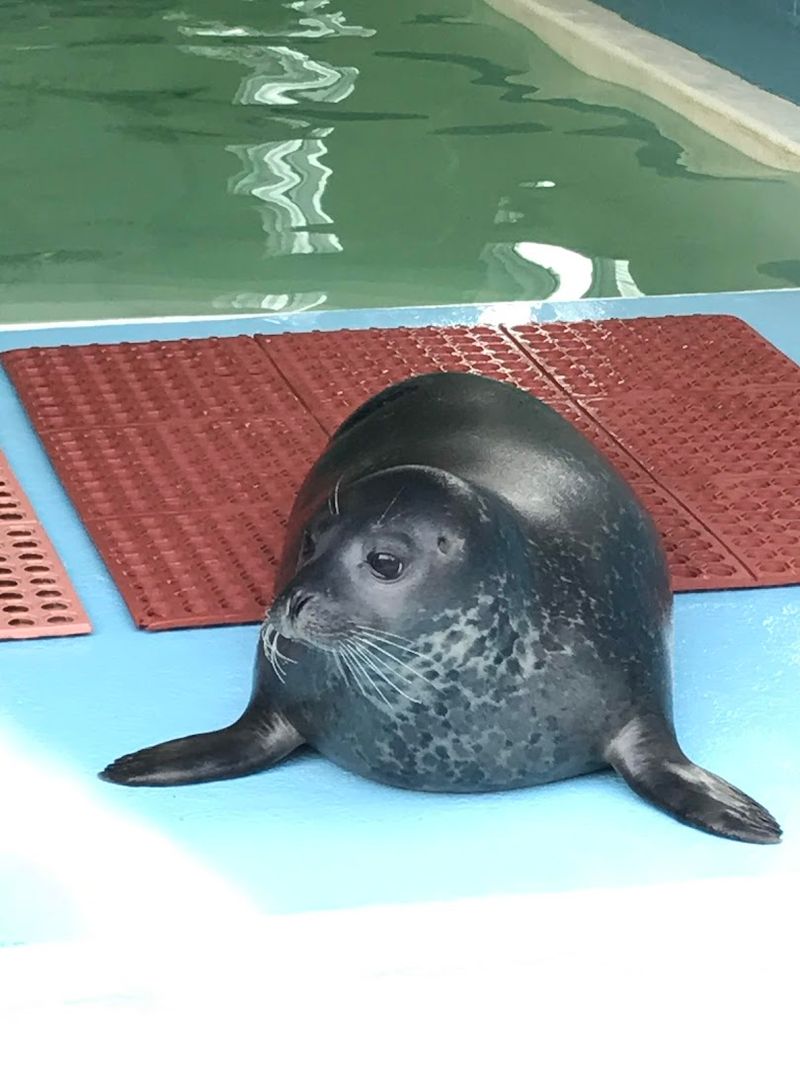
Seals are by far the most frequently rehabilitated animals at the Marine Mammal Stranding Center, and understanding why helps paint a clearer picture of the challenges facing marine life along the Jersey Shore.
Harbor seals and gray seals regularly haul out along New Jersey beaches, especially during the winter and early spring months. Young or malnourished seals sometimes strand on shore in a weakened state, unable to return to the water on their own.
The center’s team responds to these calls and brings the animals in for care, which typically involves feeding, medical treatment, and time to regain strength.
Before a seal can be released, it must reach a healthy weight threshold, often requiring a gain of at least 50 pounds during the rehabilitation period. That process can take weeks or even months, depending on the animal’s condition upon arrival.
Watching a seal go from critical condition to release-ready is one of the most rewarding outcomes the center’s team gets to witness.
The Gift Shop: Supporting the Mission One Purchase at a Time
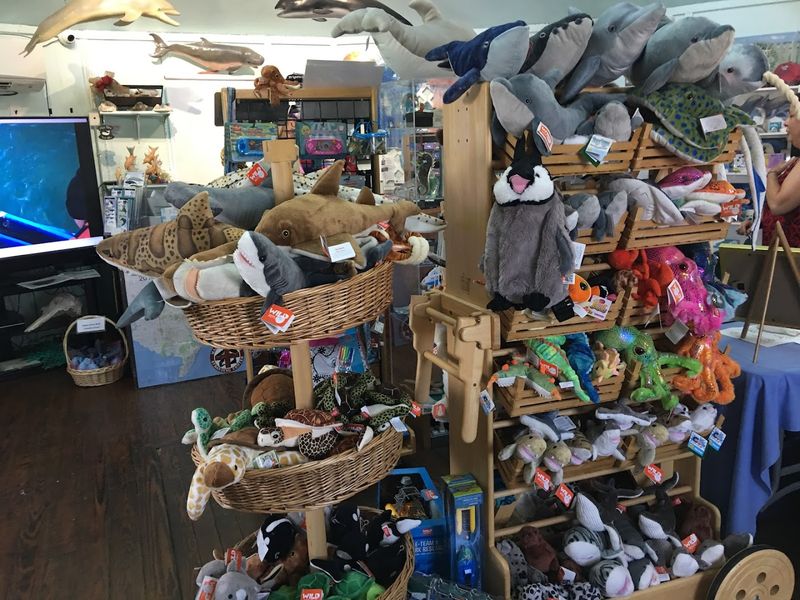
The gift shop at the Marine Mammal Stranding Center is small but well-stocked with items that make the visit feel complete, and every purchase goes directly toward supporting the nonprofit’s rehabilitation and rescue work.
T-shirts, sweatshirts, jewelry, tote bags, and a variety of marine-themed merchandise line the shelves, offering something for just about every budget. The items are popular with families looking for a meaningful souvenir that connects back to the work being done at the facility rather than something generic picked up at a boardwalk shop.
For those who want to make an even bigger contribution, the center also offers a seal adoption program. Adopting a seal of your choice is a memorable experience that comes with the knowledge that your support is directly tied to a real animal going through the rehabilitation process.
It is one of those rare moments where buying something actually feels like doing something, and that combination is hard to beat.
Knowledgeable Guides Who Actually Make Learning Fun
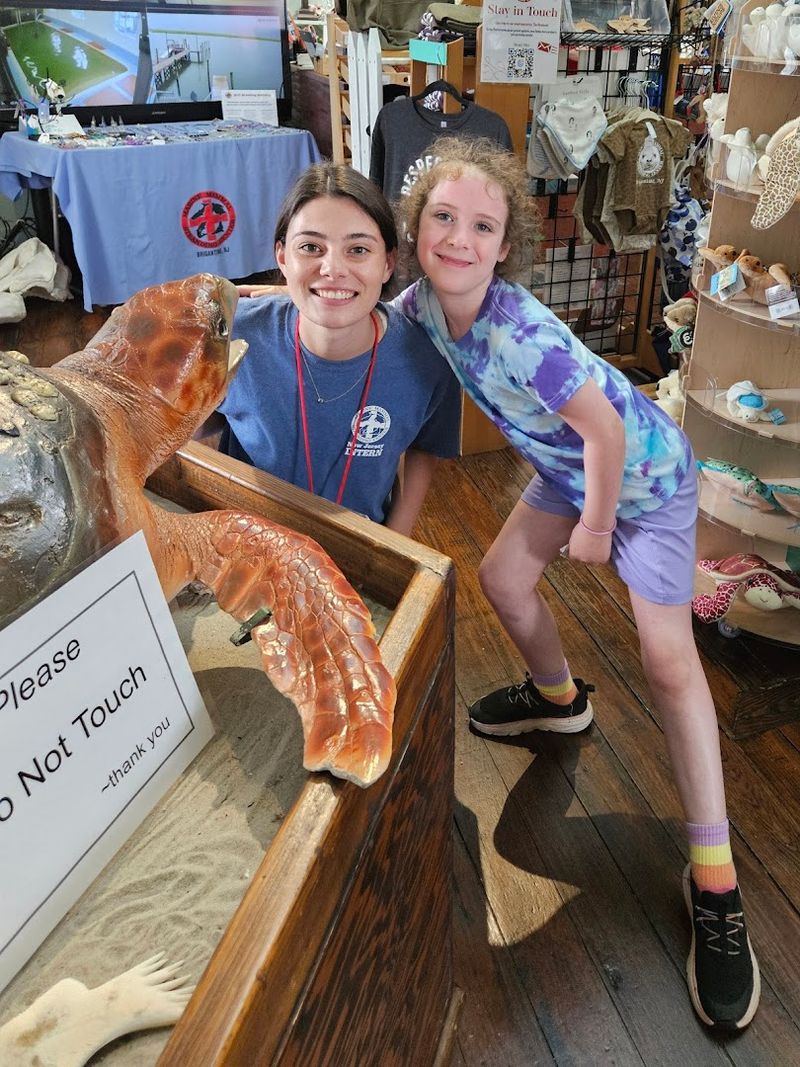
One of the most consistent highlights of a visit to the Marine Mammal Stranding Center is the quality of the guides and staff on site. These are not people reading from a script.
Interns, volunteers, and full-time staff members bring a genuine enthusiasm for marine science that translates into tours that feel more like conversations than lectures. They cover topics ranging from the specific injuries seen in recently rescued animals to the broader ecological challenges facing marine mammals along the mid-Atlantic coast.
Guides are particularly good with younger visitors, breaking down complex biology into terms that kids can actually follow and remember. Parents who have brought children to the center often note that the educational value far exceeded what they anticipated from such a compact facility.
The combination of hands-on exhibits, live camera feeds, and knowledgeable guides creates a layered experience that works equally well for curious adults and school-aged kids who are encountering marine conservation for the first time.
The Bone Yard: A Feature That Stops People in Their Tracks
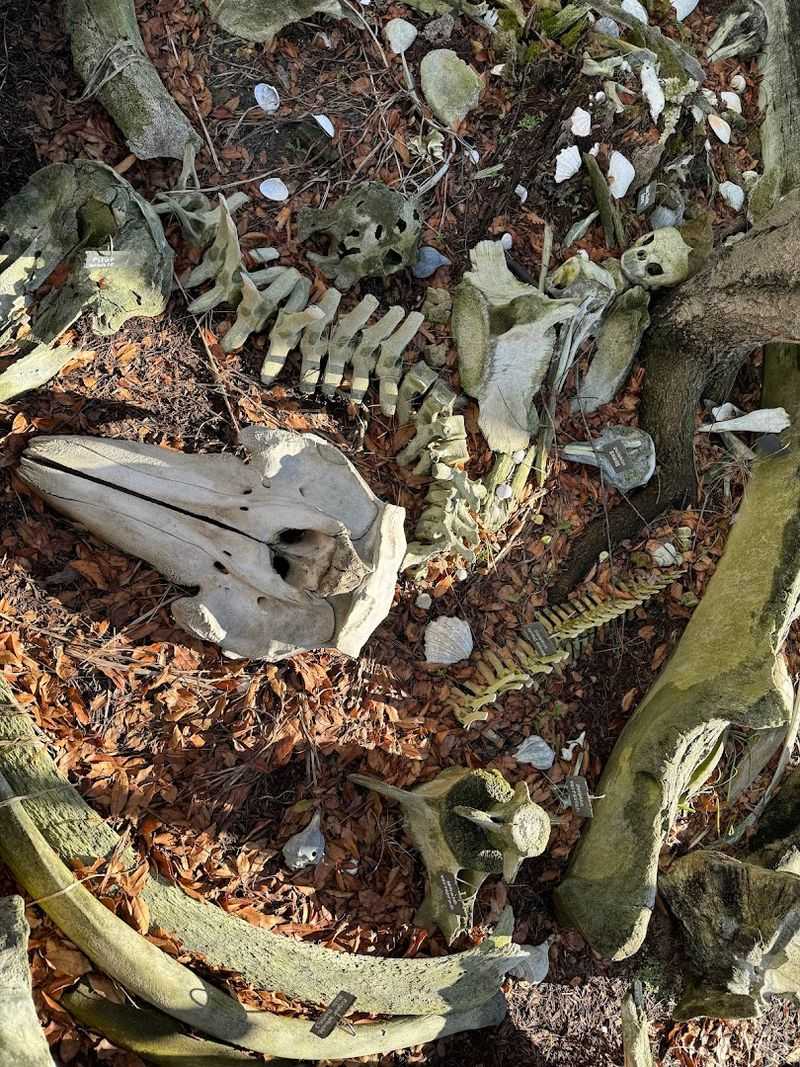
Not every attraction along the Jersey Shore can say it has a bone yard, but the Marine Mammal Stranding Center has one, and it consistently draws attention from visitors who were not expecting it.
The bone yard features skeletal remains of marine mammals, offering a tangible and scientifically rich look at the anatomy of the animals the center works to protect. For visitors with an interest in biology or natural history, it is a genuinely fascinating collection that goes well beyond what most small museums offer.
The remains also serve an educational purpose beyond pure curiosity. They help illustrate the size, structure, and physical adaptations of different marine mammal species in a way that no photograph or video can fully replicate.
Standing next to the bones of a large marine mammal puts the scale of these animals into immediate perspective. It is one of those details that makes the Marine Mammal Stranding Center feel less like a tourist stop and more like a place with real scientific depth.
When to Visit and How to Make the Most of Your Trip
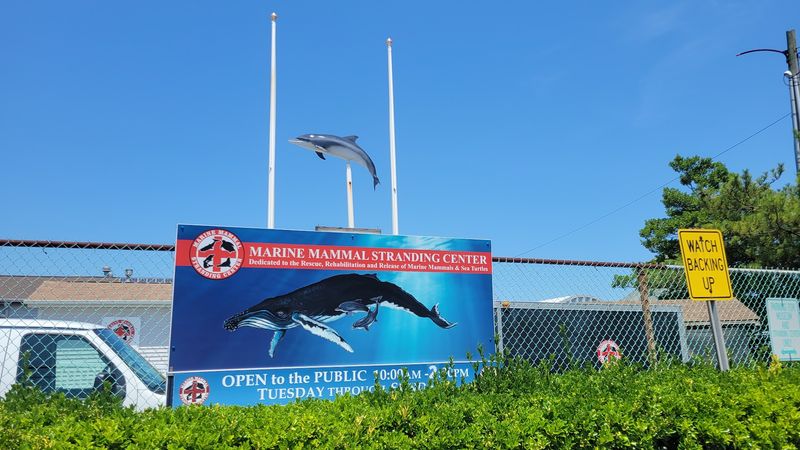
Planning a visit to the Marine Mammal Stranding Center requires a bit of coordination, since the facility is only open to the public on Saturdays from 10 AM to 2 PM. Arriving early gives you the best chance of getting a full tour with a guide before the space gets busy.
Spring and summer tend to be the most active seasons for seeing animals in rehabilitation, since that is when the center is most likely to have seals or other marine mammals in its care. That said, even during quieter periods when no animals are currently in the facility, the museum and exhibits are fully accessible and worth the visit on their own.
Brigantine itself is worth exploring before or after your stop at the center. The island community sits just north of Atlantic City and offers a quieter, more relaxed version of the Jersey Shore experience.
Combining the two makes for a well-rounded day trip that balances education with the kind of easy coastal exploration the area is known for.
A Nonprofit That Runs on Passion and Community Support
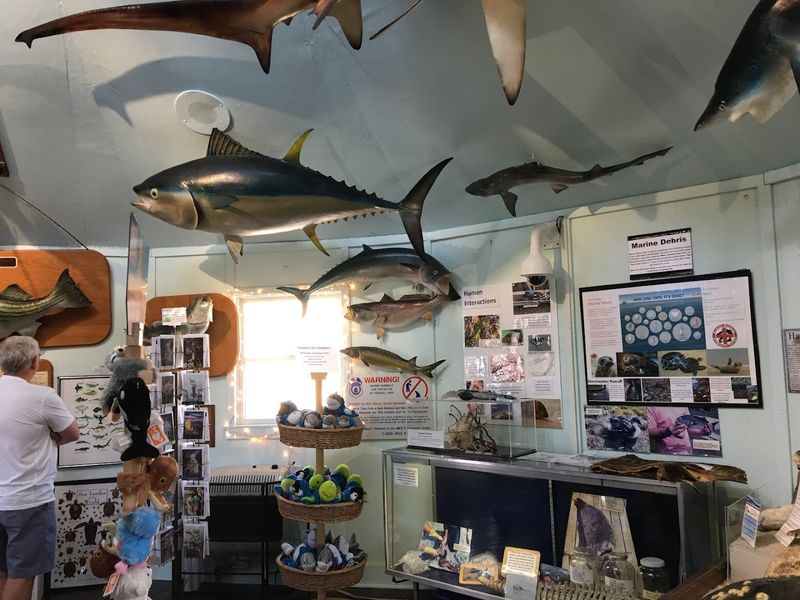
The Marine Mammal Stranding Center operates entirely as a nonprofit, which means its ability to respond to strandings, care for animals, and maintain its facilities depends directly on community support, donations, and the dedication of its staff and volunteers.
The operational costs involved in marine mammal rehabilitation are significant. Feeding, medical care, tank maintenance, and round-the-clock monitoring for animals in critical condition all add up quickly.
The center has been transparent about the financial realities of doing this kind of work, and that honesty has earned it a loyal base of supporters throughout New Jersey and beyond.
Visitors who want to contribute beyond their admission can donate directly, purchase merchandise from the gift shop, or participate in the seal adoption program. The center also welcomes volunteers and interns, and those who have worked there consistently describe it as one of the most meaningful experiences of their time along the Jersey Shore.
The mission is carried by people who genuinely care about getting it right.
What Makes This Place Different From Any Aquarium
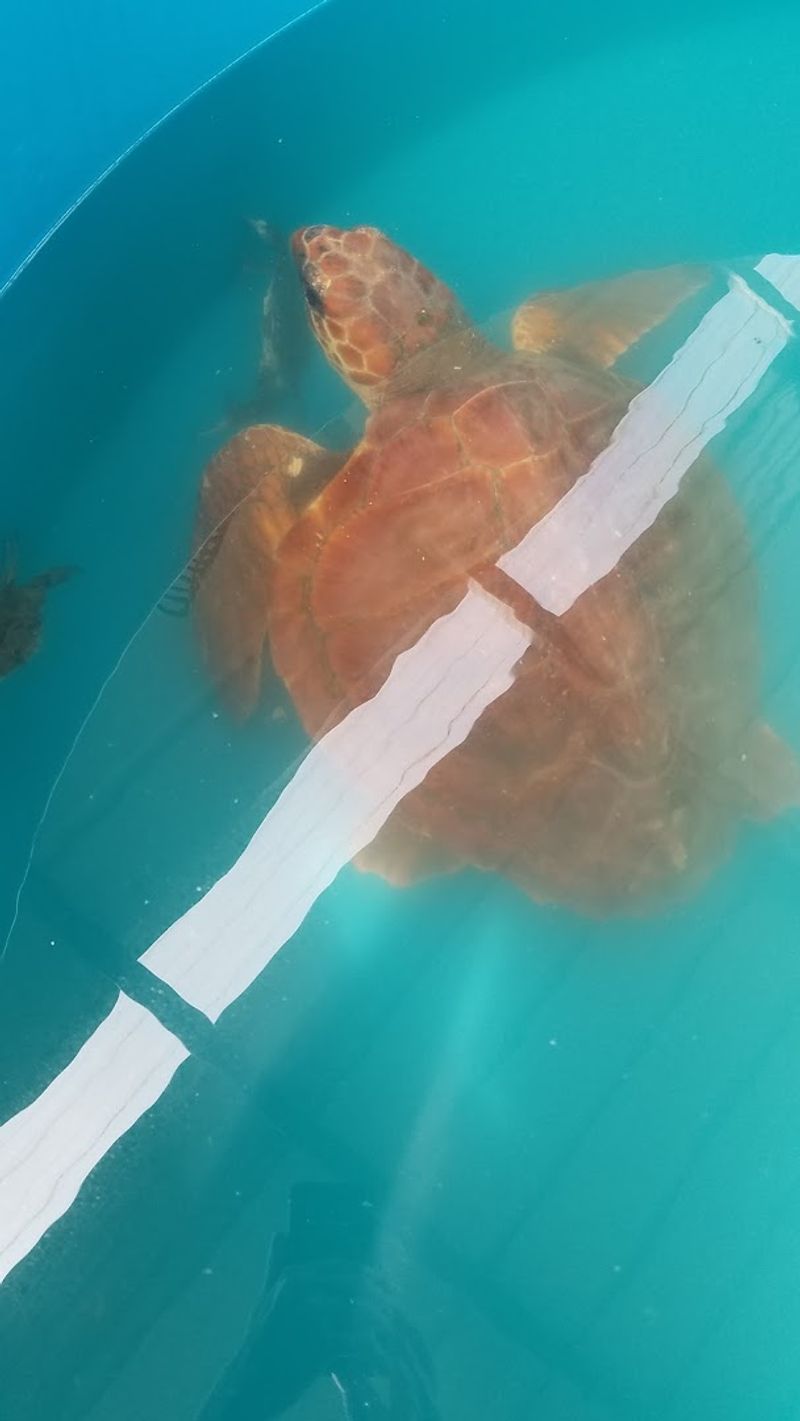
There is a fundamental difference between visiting a commercial aquarium and spending an afternoon at the Marine Mammal Stranding Center, and it comes down to purpose. Aquariums are built for display.
The center is built for recovery.
Every animal that passes through the facility is there because it needs help, not because it was bred or caught for exhibition. The goal from day one is always to return the animal to the wild, and that single-minded focus shapes everything about how the center operates, from the live camera feeds to the minimal human contact policy.
That distinction gives the Marine Mammal Stranding Center a kind of authenticity that is hard to manufacture. Visitors are not watching animals perform or adapt to a permanent captive environment.
They are watching a recovery process with a real endpoint. Knowing that the seal on the screen is working toward its own release back into the Atlantic adds a layer of meaning to the experience that stays with people long after they leave Brigantine.
Generations of Families Keep Coming Back
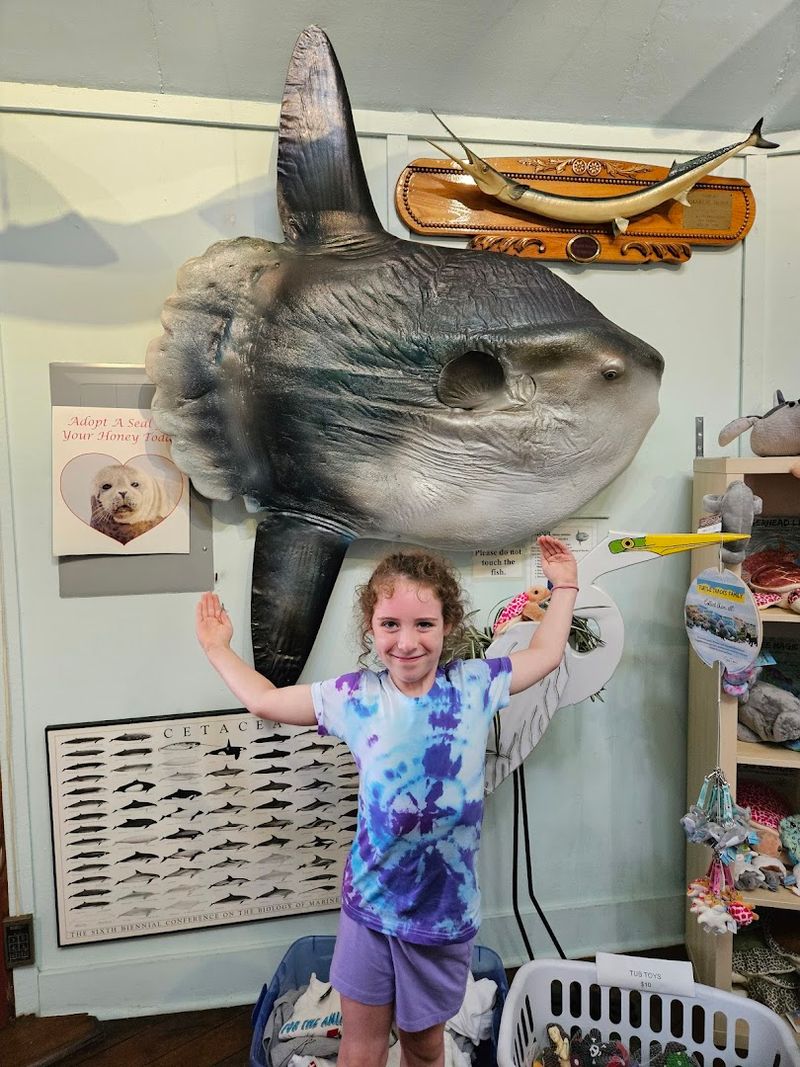
One of the quieter but more telling signs of a place worth visiting is when multiple generations of the same family choose to return. The Marine Mammal Stranding Center has that kind of hold on the people who discover it.
Parents who visited as children are now bringing their own kids, continuing a tradition that has been building since the center opened in 1978. That continuity speaks to something beyond novelty.
The center offers something that holds up over time because the work it does is real, the information is accurate, and the experience is grounded in something that actually matters.
For families visiting the Jersey Shore with children, the center offers a break from the usual beach routine that is both educational and genuinely engaging. Kids who might be restless in a traditional museum setting tend to stay focused here, partly because of the live camera feeds and partly because the guides know how to connect with younger audiences in a way that feels natural rather than forced.
The Bigger Picture: What the Center Means for the Jersey Shore
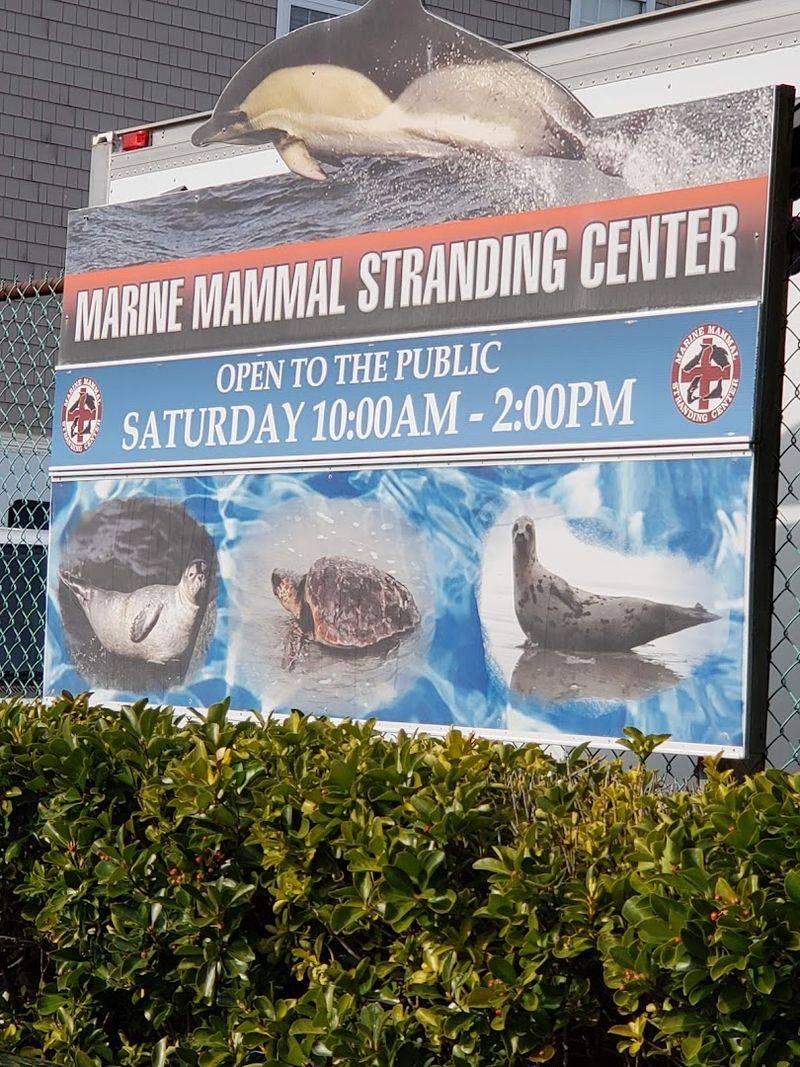
The Marine Mammal Stranding Center does not just serve the animals it rescues. It plays a broader role in monitoring and documenting the health of marine mammal populations along the entire New Jersey coastline.
The data collected through decades of stranding responses contributes to a larger scientific understanding of how marine mammals are faring in the mid-Atlantic region. Changes in stranding frequency, the types of injuries seen, and the condition of animals upon arrival all tell a story about the health of the ocean ecosystem that surrounds the Jersey Shore.
For a stretch of coastline that is heavily developed and heavily visited, having an organization like this one quietly doing that work in the background matters more than most beachgoers realize. The center is not just a feel-good stop on a Saturday itinerary.
It is an active part of the conservation infrastructure that keeps the Jersey Shore’s marine environment worth caring about. That is a role that deserves far more recognition than it typically gets.
Where the Mission Begins: Address, Location, and What to Expect Before You Arrive
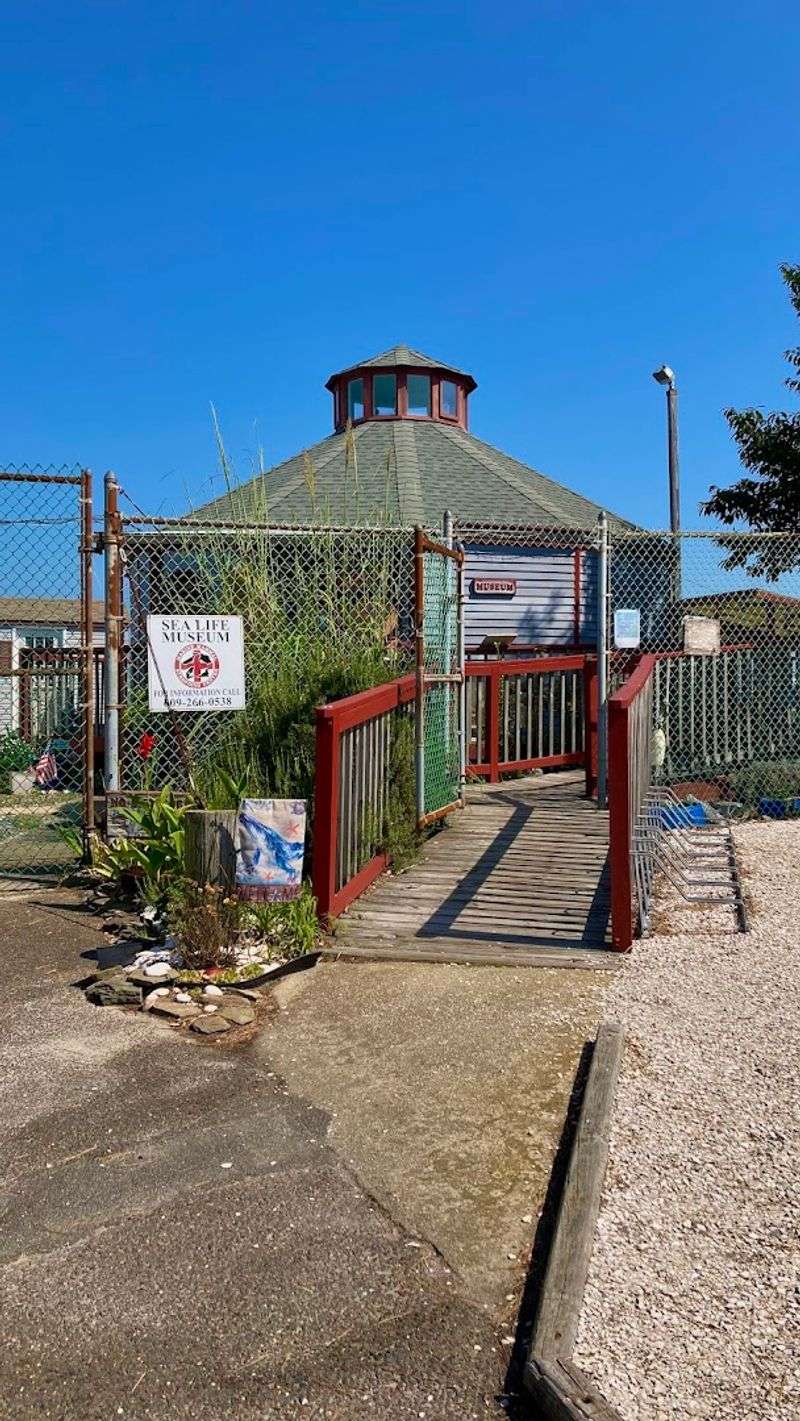
The Marine Mammal Stranding Center is located at 3625 Atlantic Brigantine Blvd, Brigantine, NJ 08203, sitting close to the Atlantic coastline in a part of New Jersey that many travelers pass through without a second thought.
The facility is open to the public on Saturdays from 10 AM to 2 PM, so planning ahead is essential before making the trip. It is a compact space, but that does not mean there is nothing to do once you walk through the door.
The museum building is the only structure open to the public, and it serves as both an educational hub and a window into the active rehabilitation work happening on the grounds. Knowledgeable guides are on hand to walk guests through exhibits, answer questions, and explain exactly how the center operates.
First-time visitors are often surprised by how much information is packed into such a focused and purposeful space.
Share this story