Paris gets all the glory, but France’s real magic often hides in places you can cross on foot before lunch. I discovered this firsthand when I skipped a weekend in Lyon and ended up wandering cobblestone alleys in a village so pretty it felt slightly illegal.
Small towns in France offer slower mornings, friendlier locals, and scenery that makes your camera work overtime. If you have been defaulting to big cities, this list might change everything.
Annecy, Haute Savoie
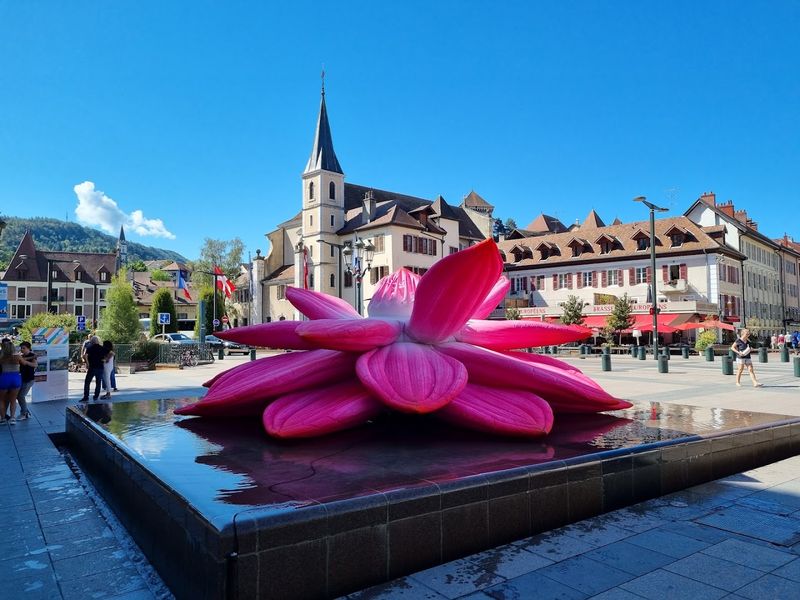
Nicknamed the Venice of the Alps, Annecy has canals so photogenic they feel slightly unfair to the rest of France. The vieille ville is a tangle of flower-draped bridges, pastel facades, and waterways that catch afternoon light in the most ridiculous way.
You will want a better camera immediately.
Lake Annecy sits just beyond the old town, and it is one of the cleanest lakes in Europe. Swimmers, paddlers, and people who just want to sit on a bench and stare at water all find their version of happiness here.
The surrounding Alps provide a backdrop that needs zero filter.
The town is compact enough to cover on foot without a plan. Markets run regularly, local restaurants lean heavily into Savoyard cheese dishes, and the whole pace feels restorative in a way that no big city ever quite manages.
Annecy is genuinely hard to leave.
Colmar, Haut Rhin
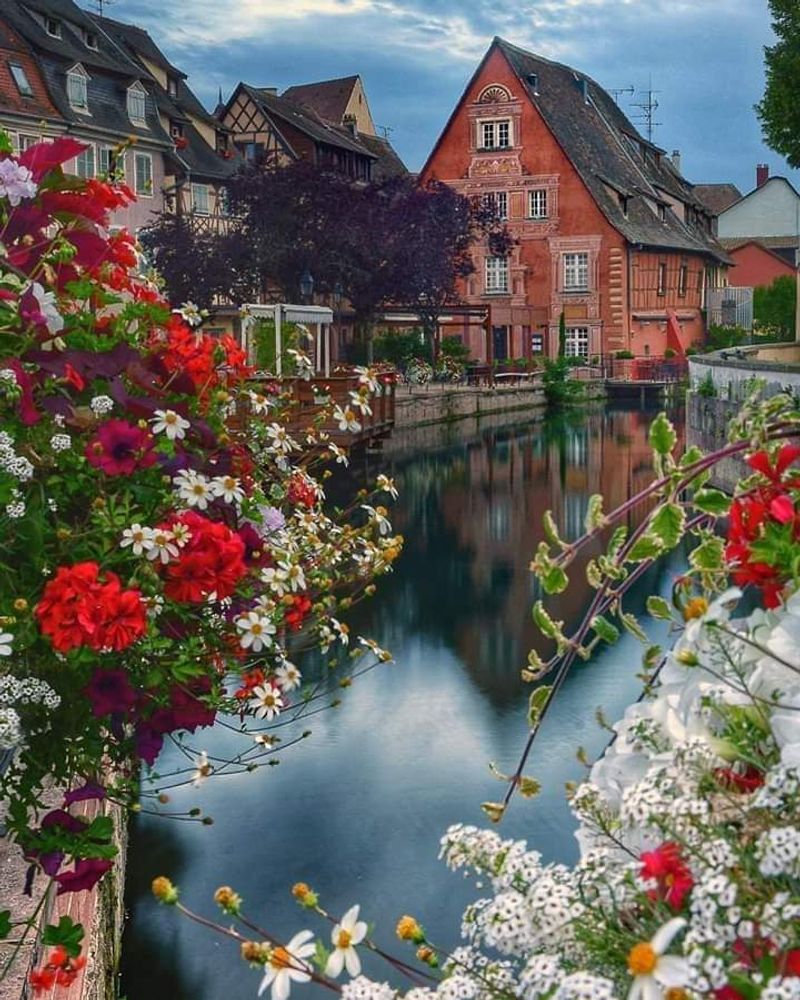
Colmar looks like someone built a fairy tale village and then forgot to tell anyone it was real. The half-timbered houses come in shades of mustard, coral, and sage, stacked along narrow streets that have barely changed in centuries.
The Little Venice district takes that charm and adds a canal for good measure.
Unlike a major city, Colmar does not rush you. The tourist office positions it as the gateway to Alsace’s prettiest villages, which means it works as both a destination and a base.
Wine lovers will appreciate that the Alsace wine route starts practically at the front door.
I spent a full afternoon getting lost in the tanner’s quarter and found it completely worthwhile. The local Alsatian food scene is serious, with tarte flambee and choucroute appearing on nearly every menu.
Colmar rewards slow exploration far more than any rushed city itinerary ever could.
Gordes, Vaucluse
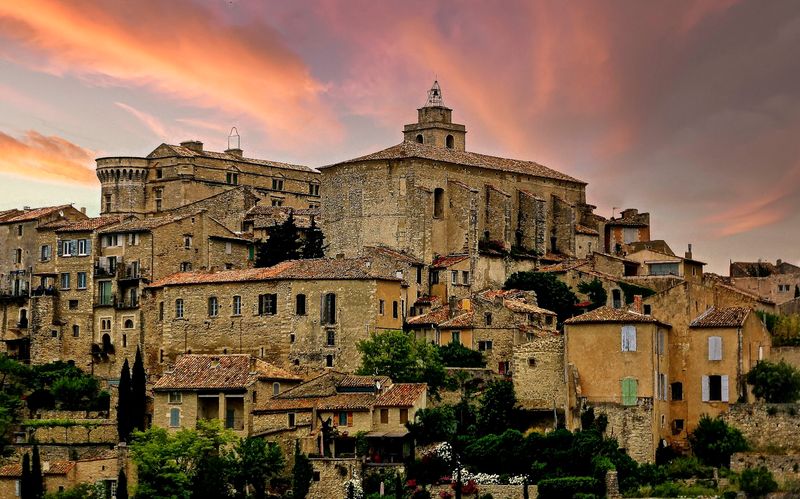
Gordes has a way of stopping you mid-sentence when you first see it. The village stacks itself up a limestone hill in layers of pale stone, with a Renaissance chateau anchoring the top like it owns the place.
It does, honestly.
Provence tourism sends visitors here for three main reasons: the chateau, the mysterious Village des Bories made of dry-stone huts, and nearby Senanque Abbey sitting in a lavender valley that looks almost too perfect. All three deliver without disappointment.
The surrounding Luberon landscape adds even more atmosphere.
Gordes does not need big-city scale to feel rich. The streets are steep, the views are wide, and the whole village operates at a pace that feels genuinely therapeutic.
Restaurants here take Provencal cooking seriously, with local olive oil, herbs, and market produce showing up in everything. Pack comfortable shoes and absolutely no agenda.
Honfleur, Calvados
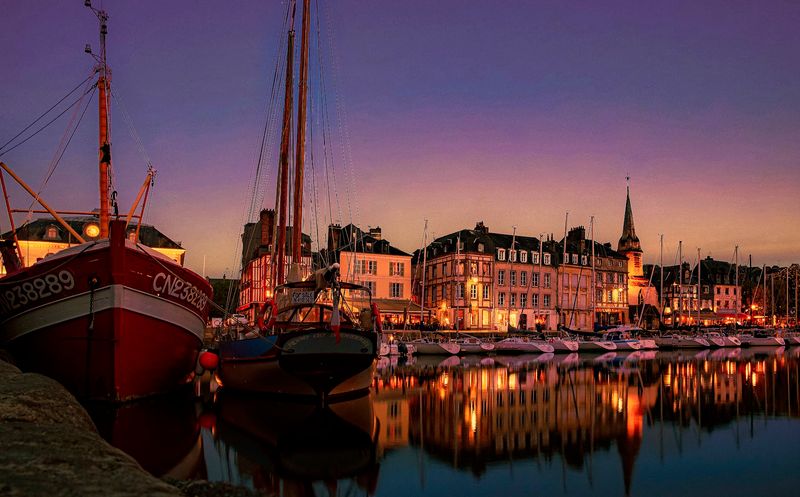
Honfleur has been inspiring artists since the Impressionists showed up in the 19th century and collectively refused to leave. The harbor is the main event, lined with impossibly tall, narrow houses that tilt slightly toward the water as if leaning in for a better look.
Monet painted here. You will understand why immediately.
The medieval streets behind the harbor hold their own too. Saint Catherine’s Church, built entirely from wood by local shipbuilders, is one of the strangest and most wonderful buildings in Normandy.
The town’s artistic identity runs deep and shows up in the galleries scattered throughout the old town.
What makes Honfleur work as a break is its intimacy. Nothing feels overwhelming.
The fish market supplies the restaurants, the restaurants supply the mood, and the mood is consistently excellent. Normandy cider and fresh seafood make for a combination that big cities rarely serve up with this much personality.
Sarlat la Caneda, Dordogne
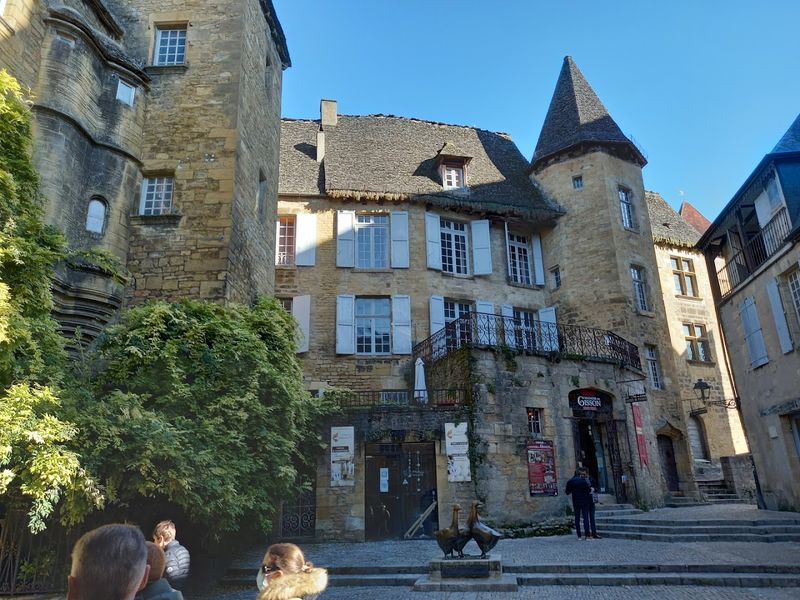
Sarlat is so well-preserved it has doubled as a film set more than once, and walking its streets feels like stepping into a very comfortable period drama. The limestone buildings glow amber in afternoon sun, and the market square fills with local produce twice a week in a way that feels genuinely alive rather than performative.
The local tourist office calls it the capital of Perigord Noir, which is a bold claim that Sarlat backs up without breaking a sweat. Guided visits cover the medieval core thoroughly, but wandering without a map works just as well.
Every alley seems to lead somewhere worth finding.
Regional food is a serious draw here. Foie gras, duck confit, truffles, and walnut wine all appear with confidence on local menus.
Nearby villages like Les Eyzies and La Roque-Gageac make easy day trips. Sarlat is the kind of town that quietly becomes the highlight of the whole trip.
Dinan, Cotes d Armor
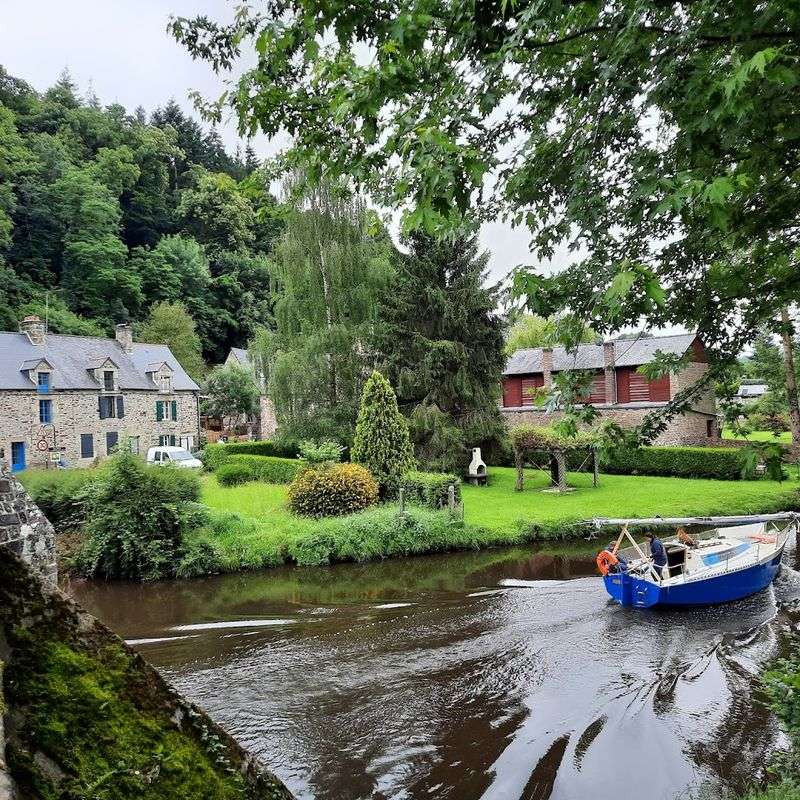
Dinan’s medieval ramparts stretch for nearly three kilometers, which is enough walking to feel virtuous without becoming exhausting. The town inside those walls has kept its character with impressive stubbornness, offering timber-framed houses, steep cobblestone lanes, and a port quarter that sits at the bottom of a dramatic valley.
Brittany does atmosphere well.
The Ramparts Festival, held every two years, turns Dinan into a full-scale medieval reenactment with jousting, costumed merchants, and a level of historical commitment that borders on theatrical genius. Even outside festival season, the town leans proudly into its heritage at every turn.
Visitors who want a slower Brittany base will find Dinan genuinely practical. There are good restaurants, a real local market, and easy access to the Rance River for walks or boat trips.
Bigger Breton cities like Rennes and Saint Malo are close, but most people who arrive in Dinan stop looking elsewhere pretty quickly.
Rocamadour, Lot
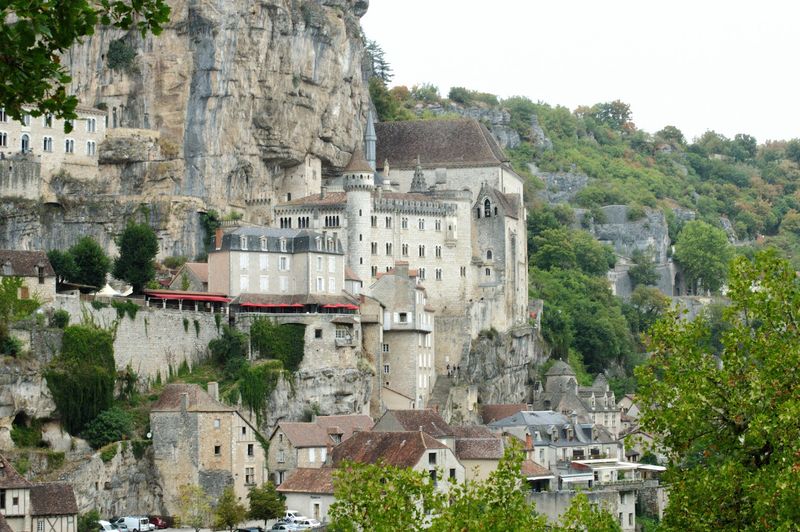
Rocamadour breaks the rules of what a town is supposed to look like. It clings to a vertical cliff face in the Lot valley, stacking chapels, houses, and a chateau on top of each other like someone ran out of horizontal space and just kept building upward.
The effect is genuinely jaw-dropping.
Official sources describe it as a cliff-hugging sanctuary town and one of France’s major pilgrimage stops, which explains the mix of spiritual atmosphere and sheer visual drama. The Black Madonna in the Chapelle Notre-Dame has drawn pilgrims since the Middle Ages.
That history adds real weight to the place.
For non-pilgrims, Rocamadour works as a compact, memorable stop that no big city can replicate. The view from the chateau terrace above the village is one of the best in southwest France.
Come early in the morning to beat the crowds and keep the experience properly atmospheric.
Saint Cirq Lapopie, Lot
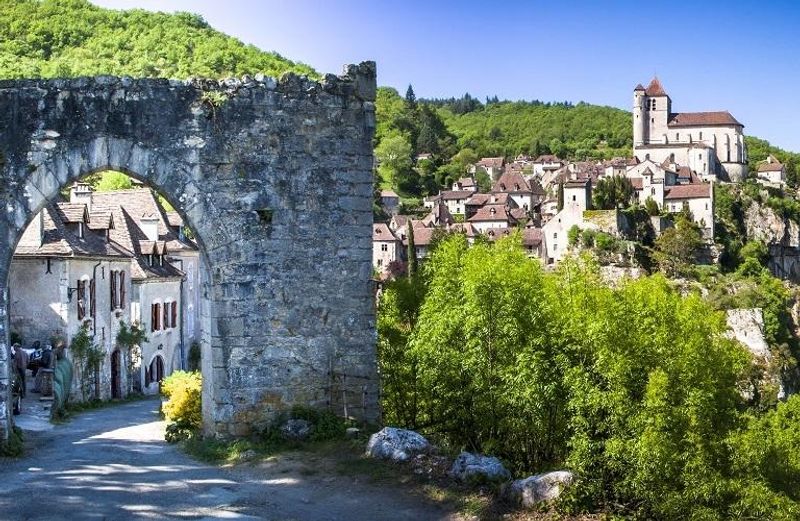
Saint Cirq Lapopie was voted France’s favorite village by the French public, which is a serious endorsement from people who have a lot of excellent villages to choose from. It sits on a cliff above the Lot River with the kind of panoramic views that make you forget what you were worried about before you arrived.
Tourism Lot describes it as a medieval village packed with historic houses, listed monuments, and sweeping river views. Slow wandering is the correct approach.
The streets are narrow, the buildings are beautifully maintained, and there are enough little galleries and craft shops to fill a pleasant afternoon without any effort.
The surrounding area rewards active visitors too. Hiking trails, cycling routes, and kayaking on the Lot River all sit within easy reach of the village.
Poet Andre Breton lived here and called it impossible to leave. He was not wrong, and the fact that he stayed says everything about this place.
Conques, Aveyron
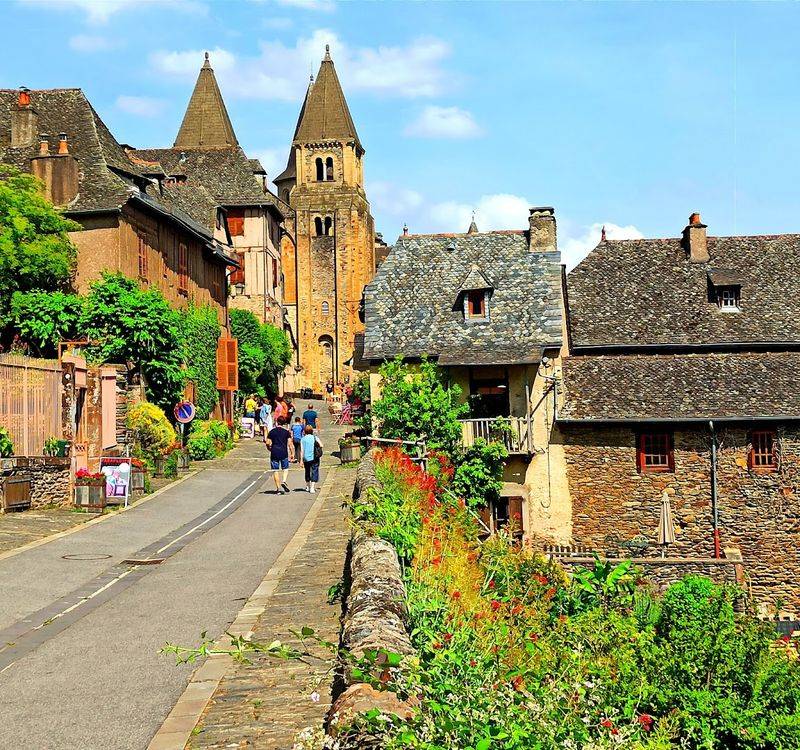
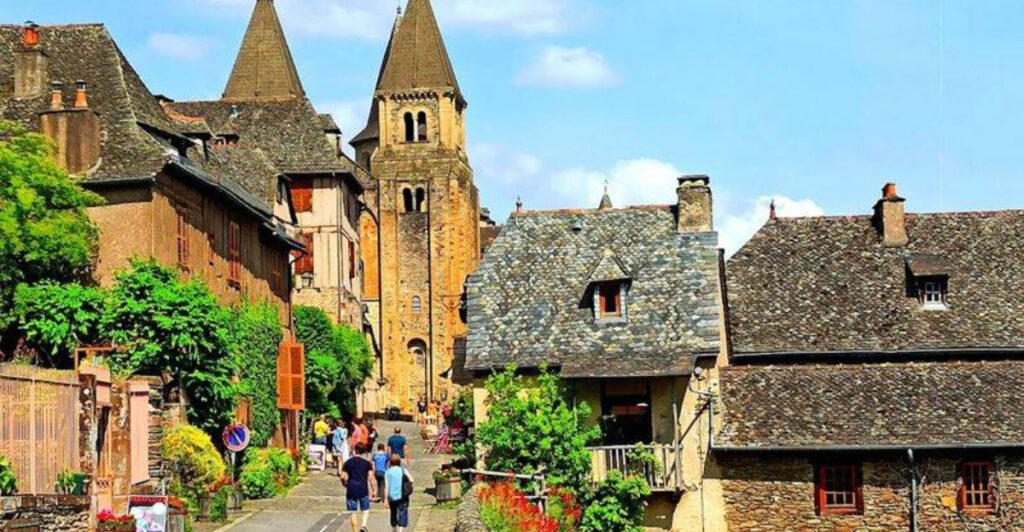
Conques is the kind of place that serious travelers whisper about. Tucked into a deep valley in the Aveyron, it is not on the way to anywhere, which means everyone there chose to be there.
That changes the atmosphere entirely. The village feels genuinely unspoiled and quietly proud of it.
The Romanesque Abbey of Sainte-Foy is the anchor of the whole experience, housing one of the most important medieval treasuries in France. The tympanum above the abbey door depicts the Last Judgment with an enthusiasm that medieval sculptors clearly enjoyed.
The village layout follows the abbey’s lead, clustering around it in concentric stone streets.
Current tourism material emphasizes guided discovery here, and for once that is actually good advice. A local guide unlocks details about the pilgrimage history, the reliquary treasures, and the abbey’s role on the Santiago de Compostela route that you would otherwise walk right past.
Conques earns its reputation thoroughly.
Eguisheim, Haut Rhin
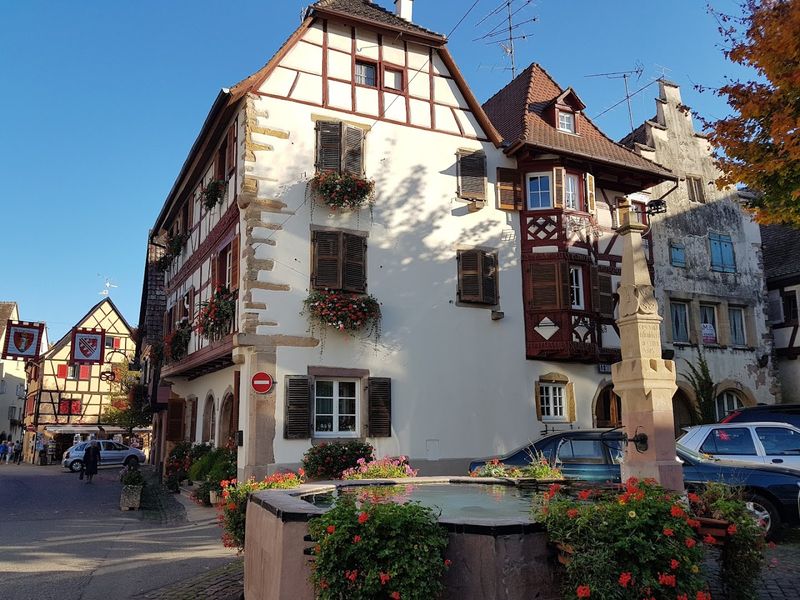
Eguisheim is built in concentric rings, which means every street eventually loops back to where you started. That sounds mildly disorienting, but in practice it just means you keep walking past the same gorgeous flower-covered houses from different angles, which is no hardship at all.
Official Alsace tourism sources recognize it as one of France’s most beautiful villages, and the title is well earned. The half-timbered houses are painted in soft pastels and loaded with geraniums from spring through autumn.
The whole village looks like it was designed by someone who took the brief of charming very seriously indeed.
Wine plays a central role here too. Eguisheim sits at the heart of Alsace wine country, and the local cooperative produces wines that you can taste without traveling far from the central square.
The village is compact enough to cover in a morning, but most visitors find reasons to stay considerably longer than planned.
Kaysersberg, Haut Rhin
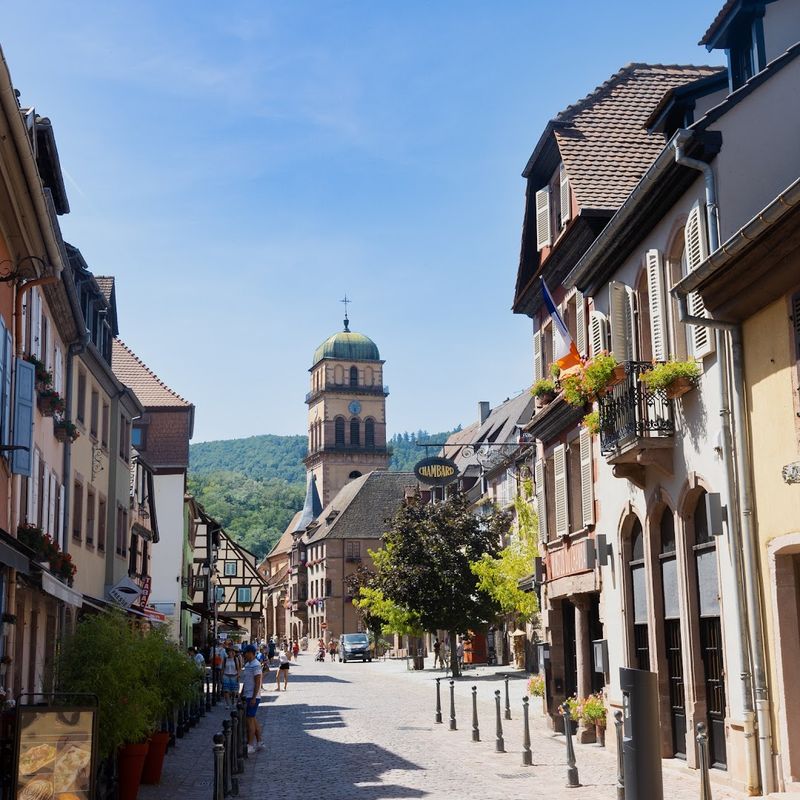
Kaysersberg translates roughly as Emperor’s Mountain, and the ruined castle on the hill above town makes sure that name never seems like an exaggeration. The village below is a compact, walkable collection of medieval streets, Renaissance fountains, and wine cellars that take their work extremely seriously.
Albert Schweitzer was born here, which gives the place an extra layer of historical credibility.
Current visitor information highlights the tourist office, cycling options along the vine-covered valley, and Kaysersberg’s place as one of the Alsace wine route’s essential stops. The route connects it to neighboring villages like Riquewihr and Eguisheim, making it a natural base for a few days of gentle exploration.
The Weiss River runs through the center of town and adds a quietly scenic element to the whole experience. Markets here are excellent, the local Munster cheese is outstanding, and the Christmas market in December is among the best in the region.
Kaysersberg consistently outperforms its modest size.
Riquewihr, Haut Rhin
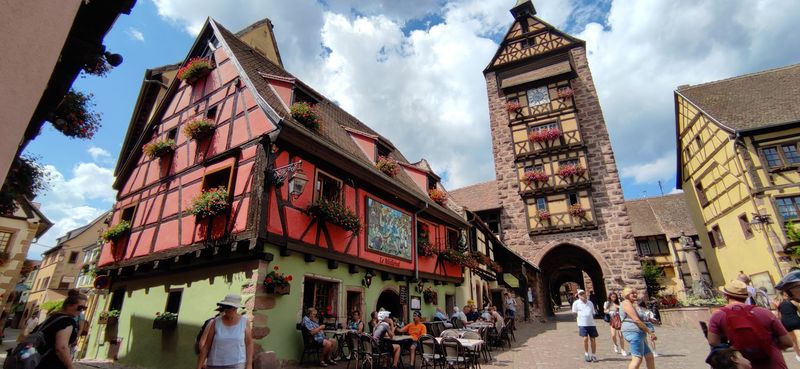
Riquewihr is the Alsace postcard that everyone has seen and nobody gets tired of seeing in person. The medieval walls are still standing, the half-timbered houses are still wildly colorful, and the whole village sits inside its own little time capsule on the wine route.
It survived both World Wars almost completely intact, which feels like a miracle worth visiting.
Official regional tourism confirms it as an active destination on the Alsace wine route, and the local Riesling and Gewurztraminer producers take full advantage of that reputation. Wine tasting here requires almost no planning.
Just walk through the main street and follow your nose into whichever cellar looks most inviting.
The village is small enough to cover in a couple of hours, but the surrounding vineyards reward longer stays. Autumn is spectacular when the vines turn gold and the harvest is underway.
Riquewihr closes this list the way a good meal ends: with something sweet, satisfying, and slightly hard to forget.
Share this story