 Unearth The Voyage
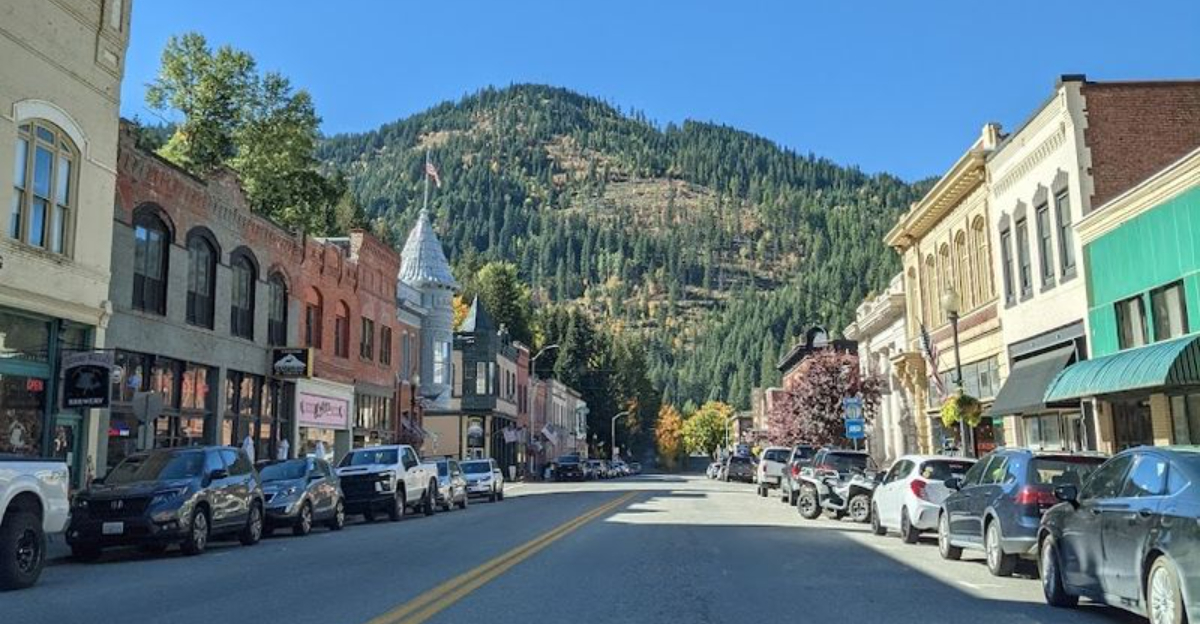
Most travelers zoom past the same big-city landmarks, never knowing what they’re missing just a few miles off the highway. The U.S. is packed with small towns, wild parks, and tucked-away places that don’t make the glossy brochures but absolutely should.
I stumbled onto one of these spots by accident once, and it completely changed how I travel. These 13 places are proof that the best adventures often come with zero fanfare and a whole lot of charm.
Bisbee, Arizona
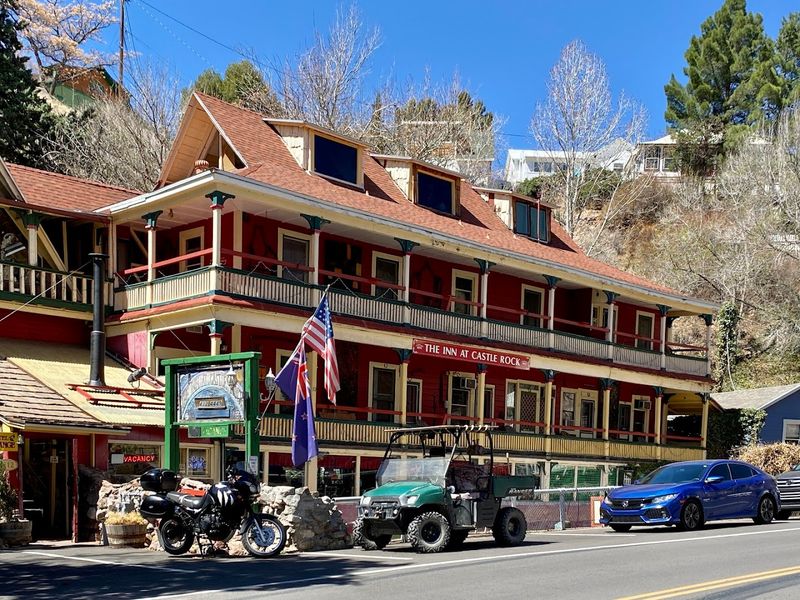
Bisbee is the kind of town that makes you question every life decision that led you somewhere boring instead. Perched in the Mule Mountains of southern Arizona, this former copper-mining boomtown turned bohemian art colony is wildly photogenic.
Every staircase, alley, and painted door is a potential masterpiece.
The town’s history is no joke either. At its peak, Bisbee was the largest city between St. Louis and San Francisco.
The Queen Mine Tour lets visitors ride a mine cart underground, which is equal parts spooky and spectacular.
Sticking around for a full weekend is the move here. The local restaurant scene punches well above its weight for such a small town.
Galleries, vintage shops, and live music venues fill the steep, winding streets. Bisbee doesn’t rush you, and honestly, you won’t want to be rushed.
Plan for at least two nights.
Astoria, Oregon
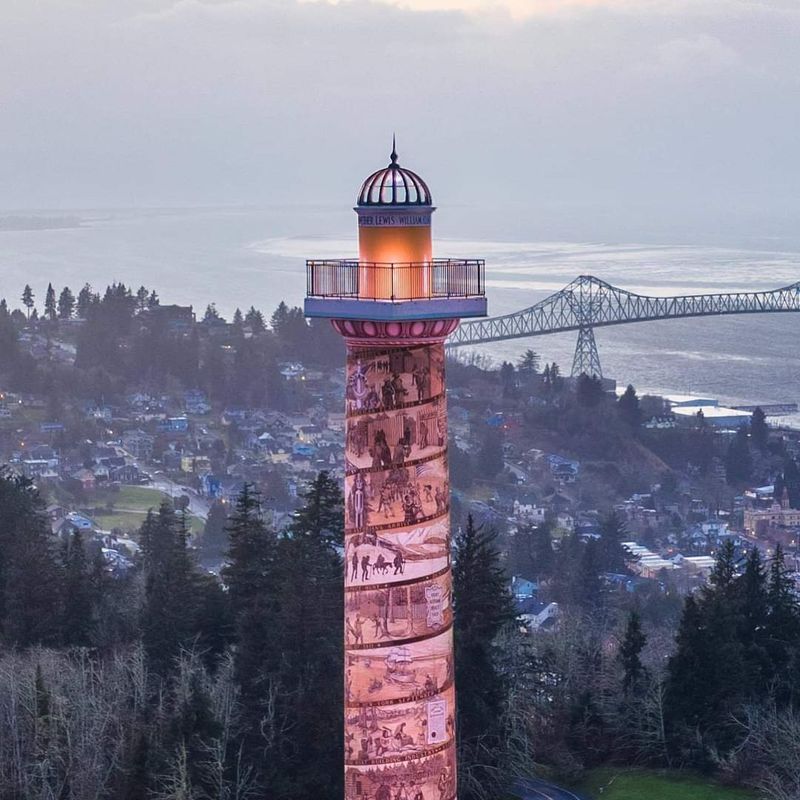
Astoria sits at the mouth of the Columbia River like it has a story to tell, and trust me, it has several. This is the oldest American settlement west of the Rockies, which gives it a historical weight you can actually feel walking its streets.
The Victorian architecture alone is worth the trip.
Film buffs will recognize Astoria immediately. The Goonies, Kindergarten Cop, and Free Willy all filmed here.
There is a whole self-guided Goonies tour, which is as nerdy and wonderful as it sounds.
The Astoria Column offers a 360-degree view of the river, forest, and Pacific Coast that genuinely stops people mid-sentence. Climb all 164 steps and launch a balsa wood glider from the top, a beloved local tradition.
Seafood restaurants along the waterfront serve Dungeness crab that will ruin all future crab experiences. Give yourself two full days minimum here.
Eureka Springs, Arkansas
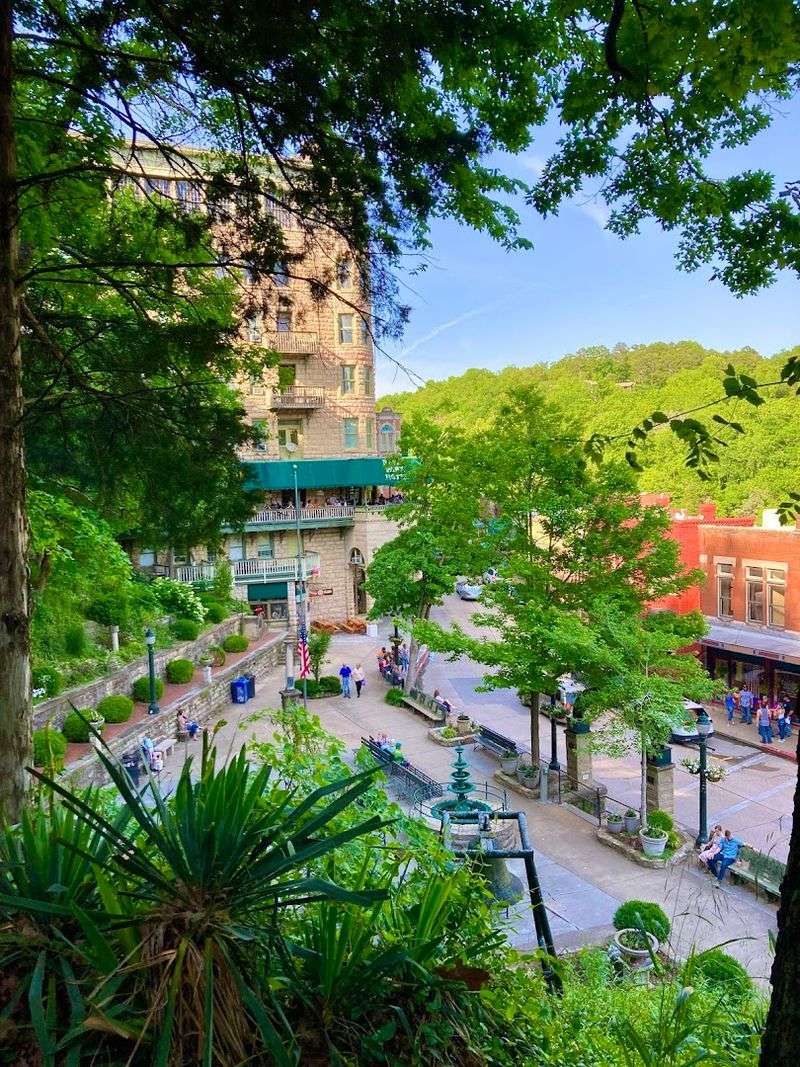
Eureka Springs broke every expectation I had about Arkansas, and I mean that as the highest compliment. This Ozark Mountain town is basically Victorian architecture meets hippie art colony, and somehow it works perfectly.
The entire downtown is on the National Register of Historic Places.
The streets literally have no intersections, just curves. No two buildings sit at the same elevation.
Getting slightly lost here is not a problem but a feature. Every turn reveals a new gallery, a quirky shop, or a porch cat judging your life choices.
The 1886 Crescent Hotel is famously haunted and offers ghost tours that are genuinely atmospheric. Basin Spring Park in the center of town hosts free live music on summer evenings.
Local restaurants serve Southern comfort food with unexpected creative twists. Eureka Springs also hosts a thriving LGBTQ+ community, making it one of the most welcoming small towns in the South.
Stay at least two nights.
Galena, Illinois
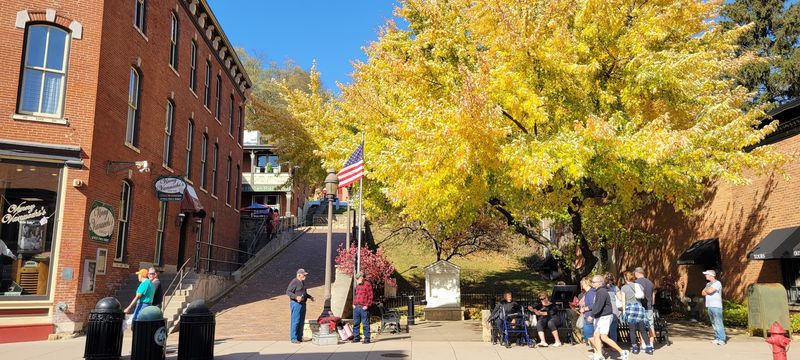
Galena, Illinois, is basically a time machine with better restaurants. Sitting in the hilly northwest corner of the state, this river town looks almost exactly as it did in the 1800s.
Over 85 percent of its buildings are on the National Register of Historic Places, which is a staggering number for any American city.
Ulysses S. Grant lived here before the Civil War, and his preserved home is open for tours.
The man led the Union Army and then became president, so his house has some serious energy. History fans will be in absolute heaven.
Main Street is lined with independent boutiques, wine bars, and farm-to-table restaurants that feel genuinely local rather than tourist-trap-ish. The surrounding countryside offers excellent cycling and horseback riding through rolling farmland.
Fall foliage here rivals anything in New England. Galena is only 160 miles from Chicago but feels like a completely different world.
A weekend getaway that earns its reputation.
Paducah, Kentucky
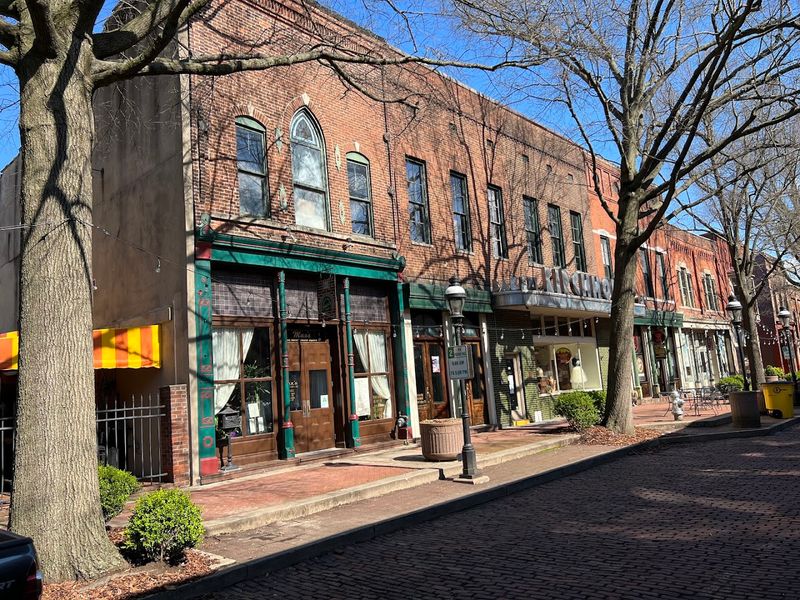
Paducah is a UNESCO Creative City of Crafts and Folk Art, which puts it in company with cities like Edinburgh and Liege. Not bad for a small Kentucky town at the confluence of the Tennessee and Ohio rivers.
The designation is well-earned, and the town wears it proudly.
The National Quilt Museum here is the largest of its kind in the world. Even if quilts are not your thing, the artistry on display will genuinely change your mind.
These are not your grandma’s quilts, though grandma’s quilts are also wonderful.
The floodwall murals along the Ohio River stretch for blocks and depict local history in vivid, oversized detail. Downtown Paducah has undergone a serious creative revival, with artist-live-work studios filling renovated storefronts.
The food scene is punching above its weight class too. Barbecue, craft beer, and farm-fresh Southern cooking are all within walking distance.
Plan a full weekend and arrive hungry.
Silver City, New Mexico
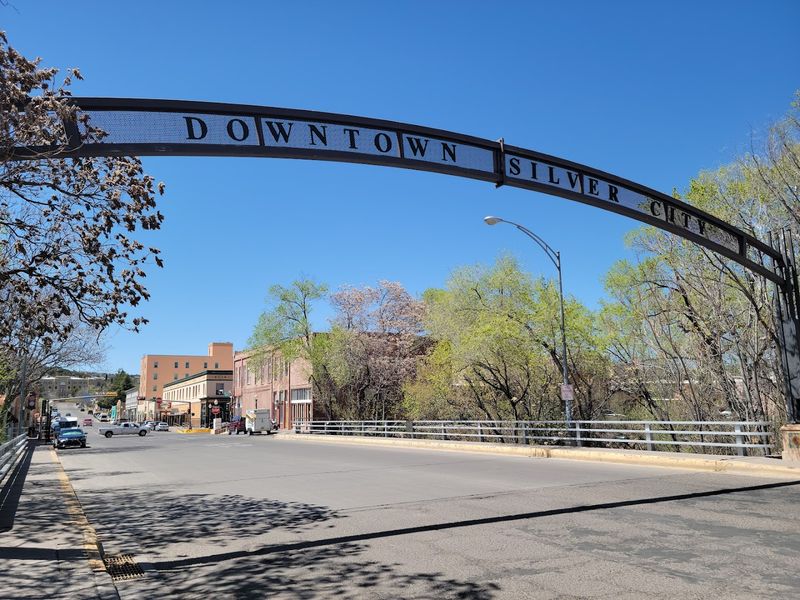
Silver City sits at 6,000 feet in the mountains of southwestern New Mexico, which means the air is crisp, the skies are enormous, and the sunsets are borderline unfair. This former mining town has quietly become one of the coolest small arts communities in the entire Southwest.
Billy the Kid grew up here, which is either a selling point or a warning, depending on your perspective.
The Gila Cliff Dwellings National Monument is just 44 miles north, and it is one of the most undervisited ancient sites in the country. Walking through 700-year-old rooms carved into cliff faces puts everyday stress into very sharp perspective.
Downtown Silver City’s Bullard Street is lined with galleries, coffee shops, and restaurants that lean heavily on local and regional ingredients. The Western New Mexico University Museum holds one of the largest collections of Mimbres pottery in existence.
Outdoor enthusiasts get trails, birding, and stargazing all within easy reach. Two to three days is the sweet spot.
Port Townsend, Washington
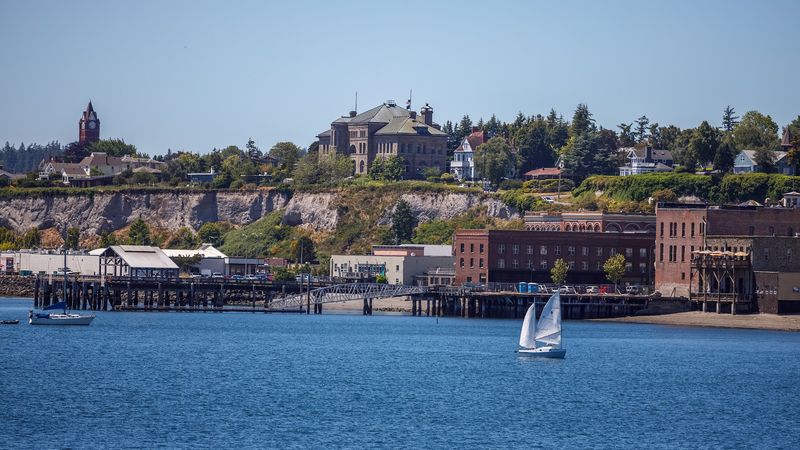
Port Townsend was supposed to become the metropolis of the Pacific Northwest. Real estate speculators in the 1880s were absolutely certain of it.
The railroad never arrived, the boom went bust, and the town froze in time, leaving behind one of the best-preserved Victorian seaports in the entire country. Sometimes failure is beautiful.
The town sits on the northeastern tip of the Olympic Peninsula with views of the Puget Sound, the Cascades, and the Olympics all at once. Fort Worden State Park, where An Officer and a Gentleman was filmed, offers hiking, camping, and a historic lighthouse.
Port Townsend’s arts scene is thriving, with a year-round calendar of festivals covering wooden boats, film, jazz, and kinetic sculpture races. The restaurants here are exceptional, leaning on local oysters, Dungeness crab, and Pacific salmon.
The ferry connections make it a natural base for exploring the Olympic Peninsula. Budget at least two nights, preferably more.
Lanesboro, Minnesota
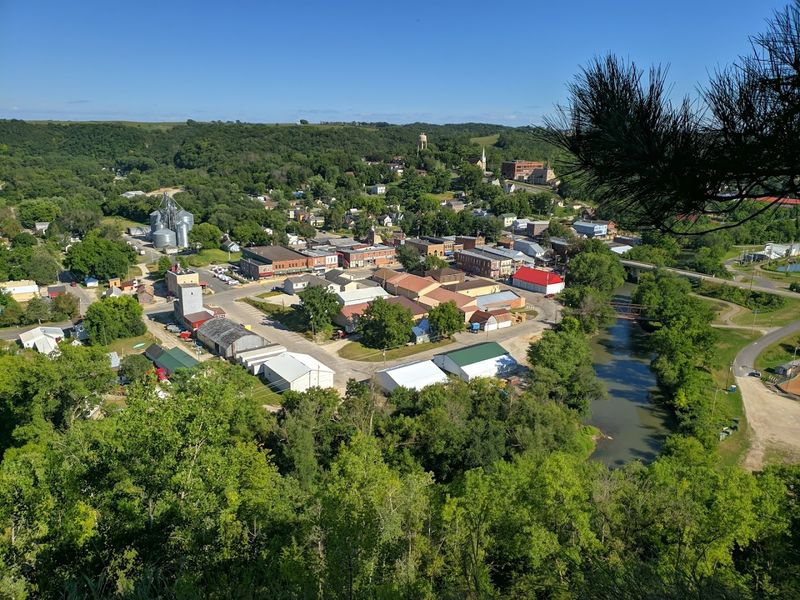
Lanesboro, Minnesota, has a population of around 750 people and somehow supports a professional theater company. That ratio is genuinely mind-blowing and tells you everything you need to know about this little bluff-country town.
The Commonweal Theatre has been producing professional drama here since 1989, and the quality is no small-town secret.
The Root River State Trail runs right through town, offering 60-plus miles of paved cycling through limestone bluffs and hardwood forests. Bike rentals are easy to find, and the trail connects several charming small towns along the way.
Lanesboro is also a surprisingly strong food destination. Farm-to-table restaurants, a local creamery, and a cidery made from Minnesota apples keep meals interesting.
The surrounding Driftless Area landscape is unlike anything else in the Midwest, all rolling hills and hidden valleys carved by ancient rivers. Fall color here is extraordinary.
A slow, two-day weekend is exactly what this town deserves.
Decorah, Iowa
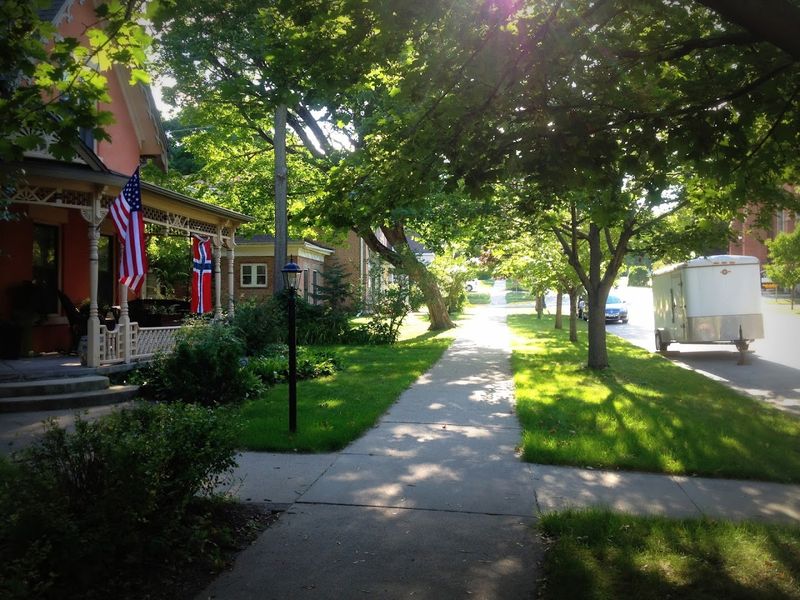
Decorah, Iowa, is home to the Raptor Resource Project’s eagle cam, which has logged millions of viewers worldwide. That is a remarkable fact for a town of 8,000 people in the middle of the Midwest.
But the eagle cam is just the opening act for everything else Decorah has going on.
The town has deep Norwegian roots and celebrates that heritage hard. The Vesterheim Norwegian-American Museum is the largest museum of its kind in the U.S., packed with folk art, textiles, and immigrant stories that genuinely move you.
Decorah is also a serious craft beer town. Toppling Goliath Brewing Company has won international awards and draws visitors from across the country specifically for its beer.
The Upper Iowa River runs through town and offers canoeing, kayaking, and trout fishing. The surrounding Driftless Area makes for spectacular hiking and fall foliage viewing.
Decorah keeps surprising people, and that is a very good thing. Plan for a full weekend.
Wallace, Idaho
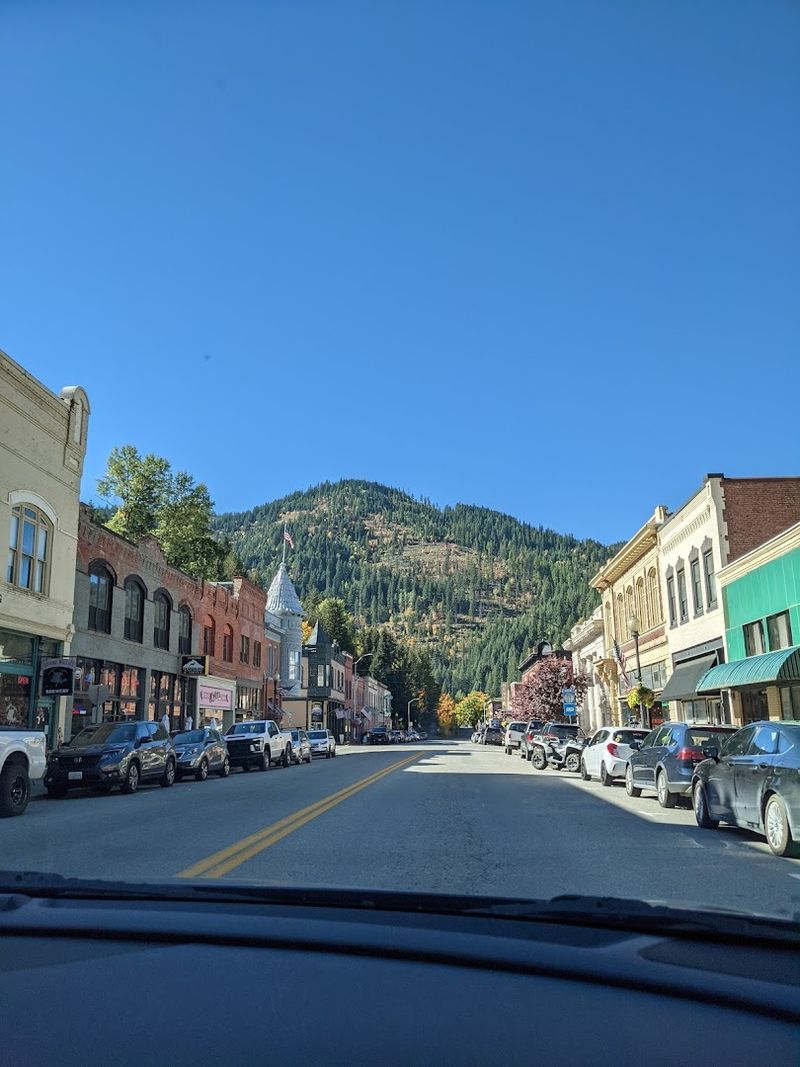
Wallace, Idaho, has an official sign declaring itself the Center of the Universe, and the town has the paperwork to back it up. A local philosopher filed the necessary documents, a manhole cover was designated the official center, and the story snowballed from there.
Only in Idaho.
Wallace sits in the Silver Valley and was once one of the richest silver-mining regions on earth. The Oasis Bordello Museum preserves a former brothel exactly as it was when it closed in 1988, complete with original furnishings.
History here is not sanitized, and that makes it more interesting.
The entire downtown is on the National Register of Historic Places, and it looks like a perfectly preserved early-1900s mining town. Mountain biking trails in the surrounding Bitterroot Mountains are world-class.
The Route of the Hiawatha rail trail converts an old railroad line into a spectacular 15-mile ride through tunnels and trestles. Wallace earns a full two-day visit without breaking a sweat.
Beaufort, South Carolina
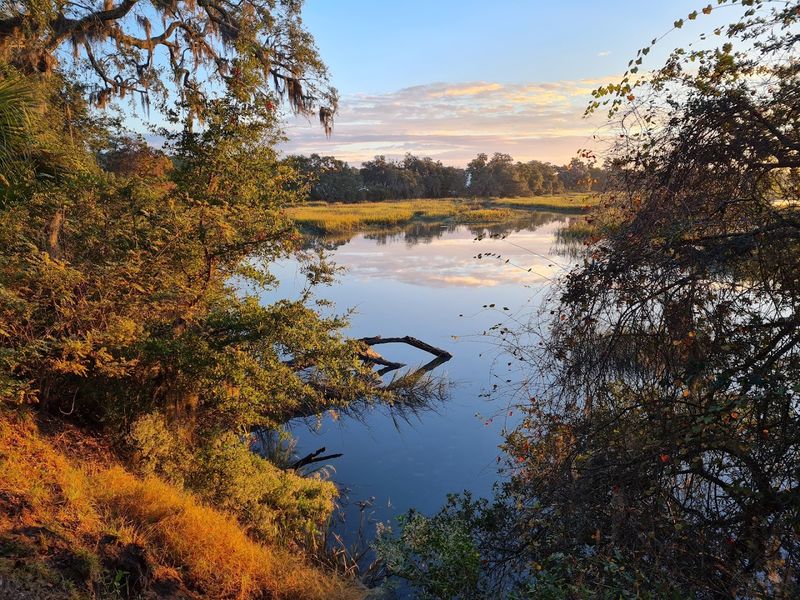
Beaufort, South Carolina, has appeared in more films than most actors. Forrest Gump, The Big Chill, The Great Santini, and Prince of Tides all used this town as a backdrop, which makes walking its streets feel like stumbling through cinematic history.
The antebellum architecture explains why directors keep coming back.
The town sits on Port Royal Island and is surrounded by sea islands, tidal marshes, and Lowcountry waterways that beg to be explored by kayak. Dolphin sightings on the water are common enough to feel normal here.
Beaufort’s history is layered and significant. It was one of the first areas where formerly enslaved people established free communities during the Civil War, and that Gullah Geechee heritage is celebrated and preserved throughout the region.
The food scene leans hard into local shrimp, oysters, and soul food traditions. Bay Street’s independent restaurants and shops are charming without feeling manufactured.
Beaufort rewards slow exploration over a long weekend.
Great Basin National Park, Nevada
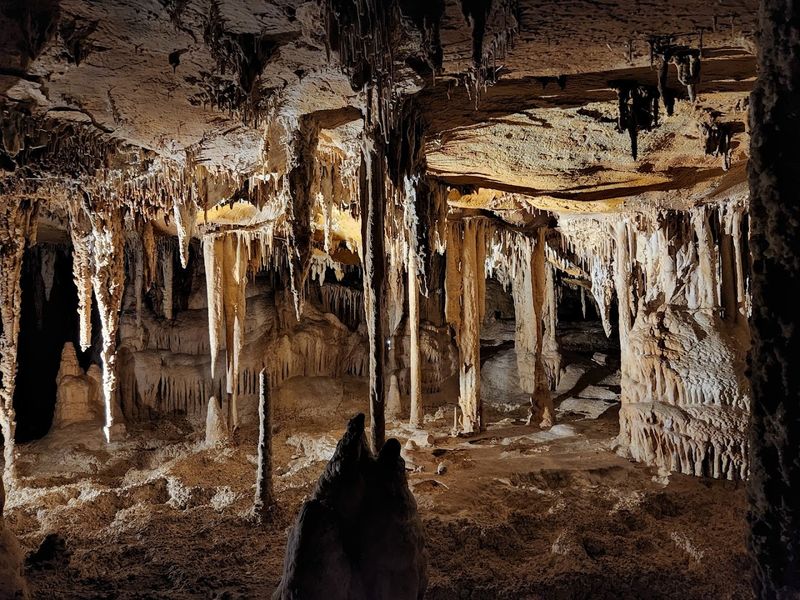
Great Basin National Park receives fewer annual visitors than Yellowstone gets in a single week. That is a staggering statistic for a park this spectacular, and it means you can actually enjoy it without elbowing strangers for a parking spot.
Nevada’s most underrated treasure sits near the Utah border, almost daring people to find it.
Wheeler Peak rises to 13,063 feet and hosts one of the last remaining glaciers in the Great Basin. Ancient bristlecone pine trees on its slopes are among the oldest living organisms on the planet, some topping 4,000 years old.
That is humbling in the best possible way.
The Lehman Caves tour winds through marble caverns decorated with rare cave formations called shields, found in few places on earth. The park is a certified International Dark Sky Park, meaning the night sky here is jaw-dropping.
Camping is easy, crowds are minimal, and the solitude feels like a genuine gift. Go before everyone else figures this out.
Cumberland Island, Georgia
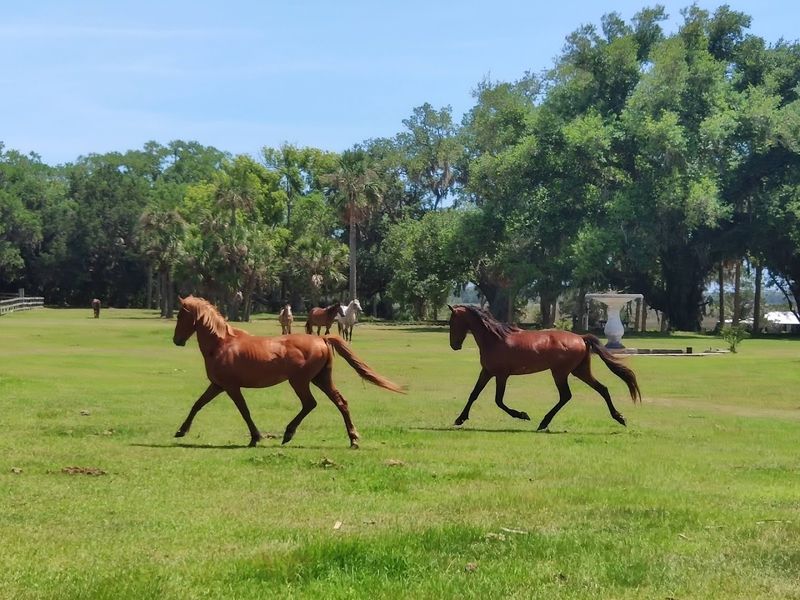
Wild horses roam freely on Cumberland Island, Georgia, and they are completely unbothered by the handful of visitors lucky enough to reach this barrier island. Access is by ferry only, limited to 300 visitors per day, which keeps the experience feeling genuinely wild rather than theme-park-ish.
That ferry ticket is one of the best travel purchases available in the American Southeast.
The island has 17 miles of undeveloped Atlantic beach, ancient maritime forests draped in Spanish moss, and ruins of the Carnegie family’s Dungeness mansion slowly being reclaimed by nature. History and wilderness are tangled together here in a way that feels cinematic.
Camping on Cumberland Island is primitive and requires advance planning, but waking up to the sound of the ocean and the sight of horses grazing nearby is worth every bit of effort. The ferry books up fast, especially in spring and fall.
John F. Kennedy Jr. was married on the island in 1996, adding one more chapter to its remarkable story.
Book early.



