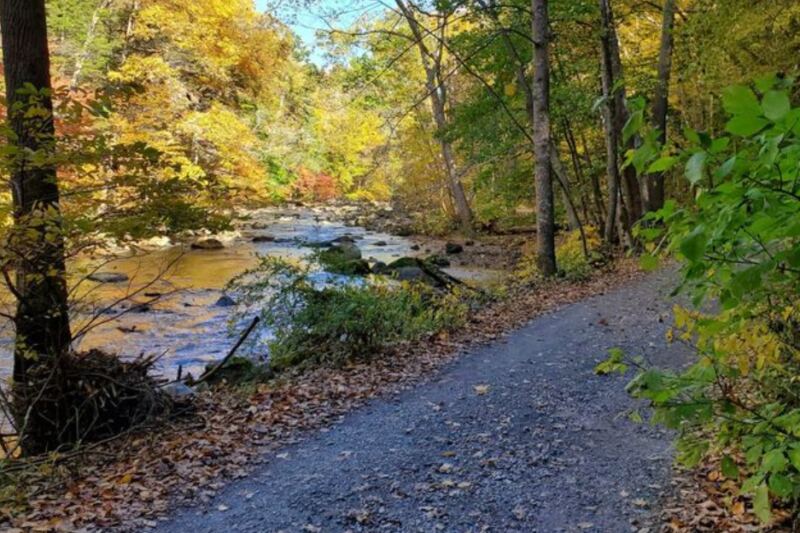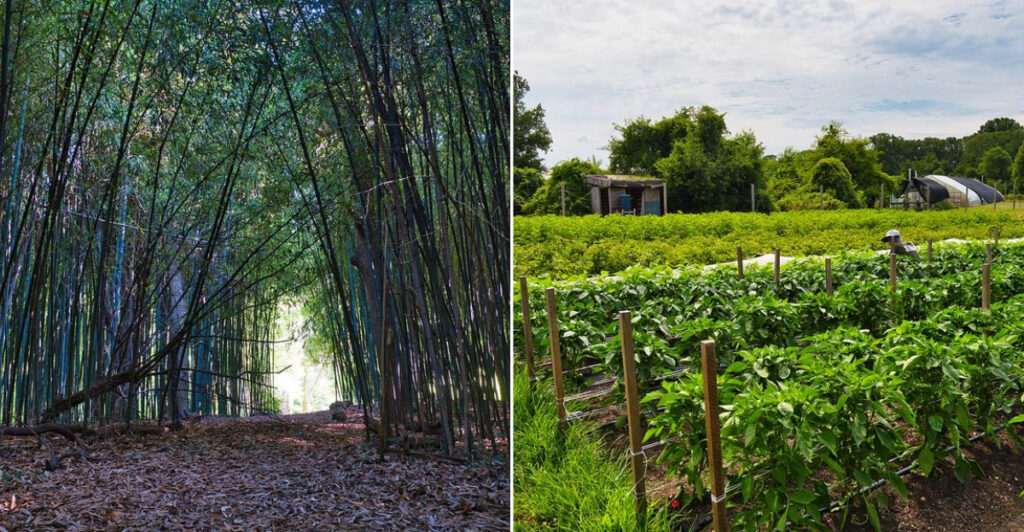
There is a place in New Jersey where bamboo grows so tall it blocks out the sky, and where well-maintained walking paths wind through groves that feel nothing like the suburbs surrounding them. This garden is not just a botanical garden.
It is a full experience that includes a bamboo forest covering more than three acres, over 70 species of bamboo, a scenic footbridge, and connections to a working farm that supplies fresh local produce. The garden is free to enter, open most days of the week, and genuinely welcoming to families, dog owners, and nature lovers of all kinds.
Whether someone is looking for a quiet afternoon walk or a memorable photography spot, this place consistently delivers something worth the trip. The sections below break down exactly what makes Rutgers Gardens such a standout destination in the Garden State.
The Bamboo Forest That Stops People in Their Tracks
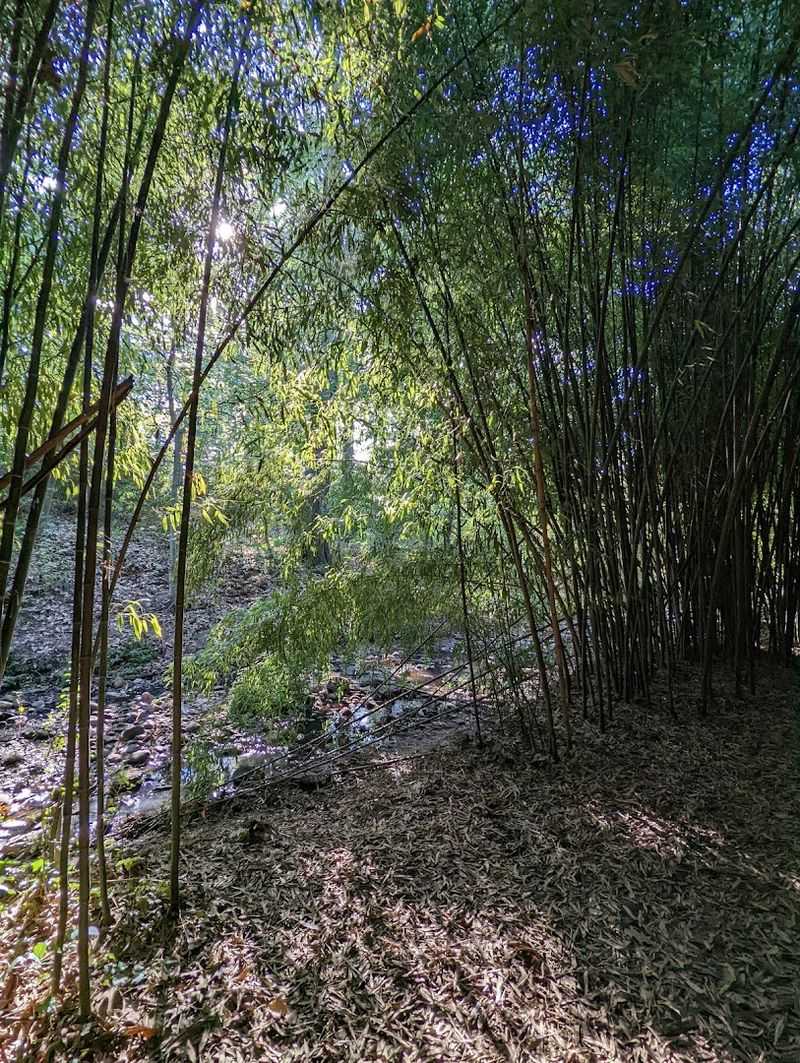
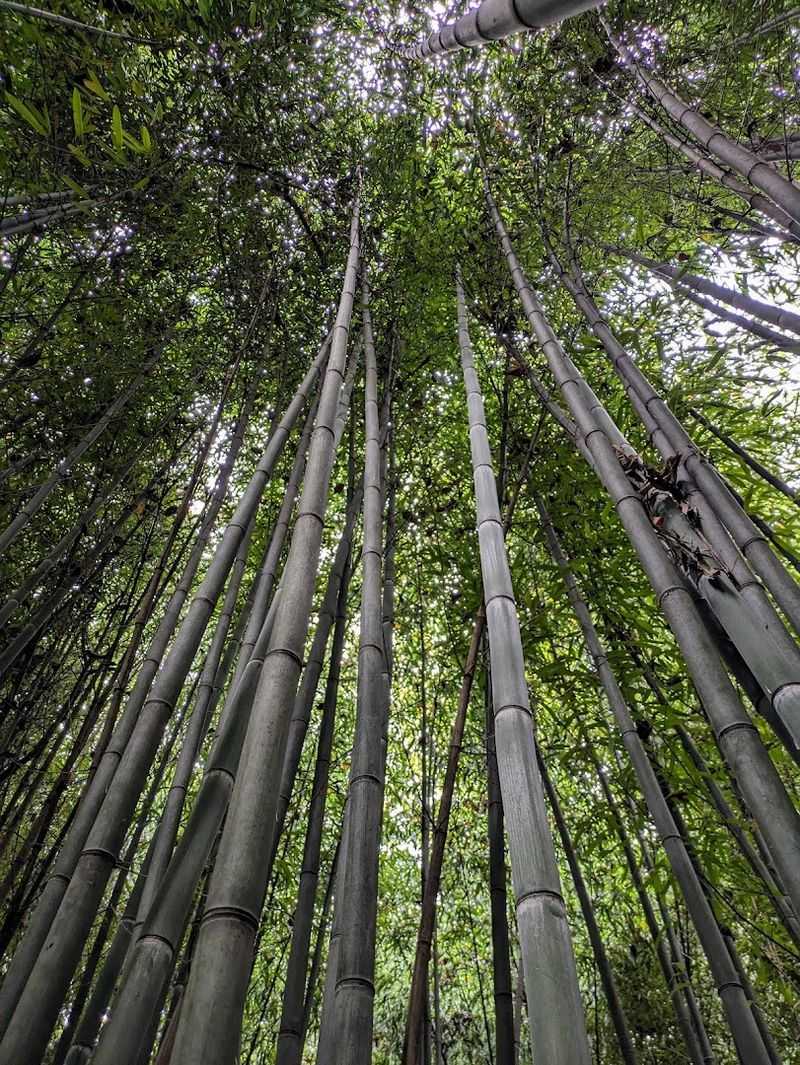
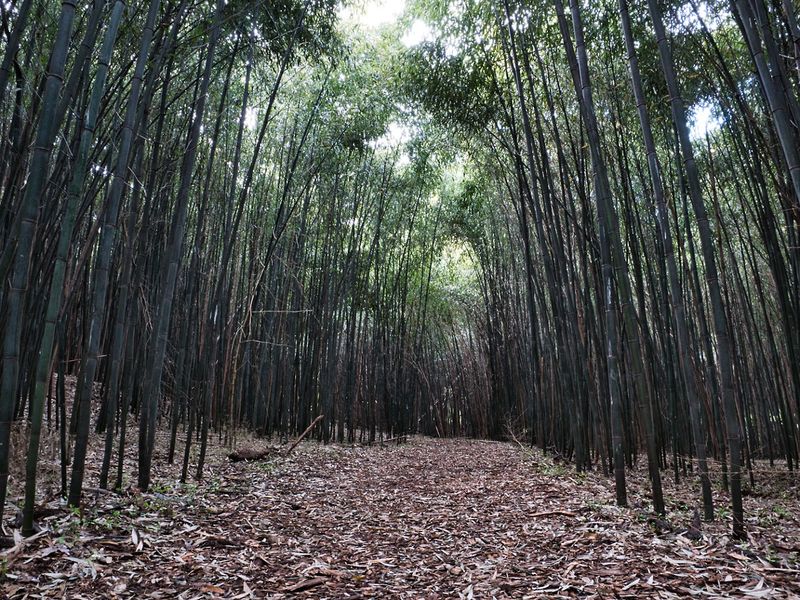
Covering over three acres of land, the bamboo forest at Rutgers Gardens is the kind of place that makes people slow down and look up. The bamboo here grows in thick, dense groves, with some stalks reaching heights of up to 50 feet.
That scale is genuinely hard to process until you are standing inside the forest looking upward.
More than 70 different species of bamboo are represented throughout the collection, which makes this one of the more diverse bamboo plantings on the East Coast. Some species are slender and delicate, while others are thick and architectural in appearance.
The variety keeps the experience interesting as you move through different sections of the forest.
The canopy created by the bamboo provides significant shade, making the forest noticeably cooler than the open areas surrounding it. On warm days, that temperature difference is one of the first things people notice after stepping inside the tree line.
It is a natural retreat built entirely by plants.
A Network of Walking Paths Worth Exploring
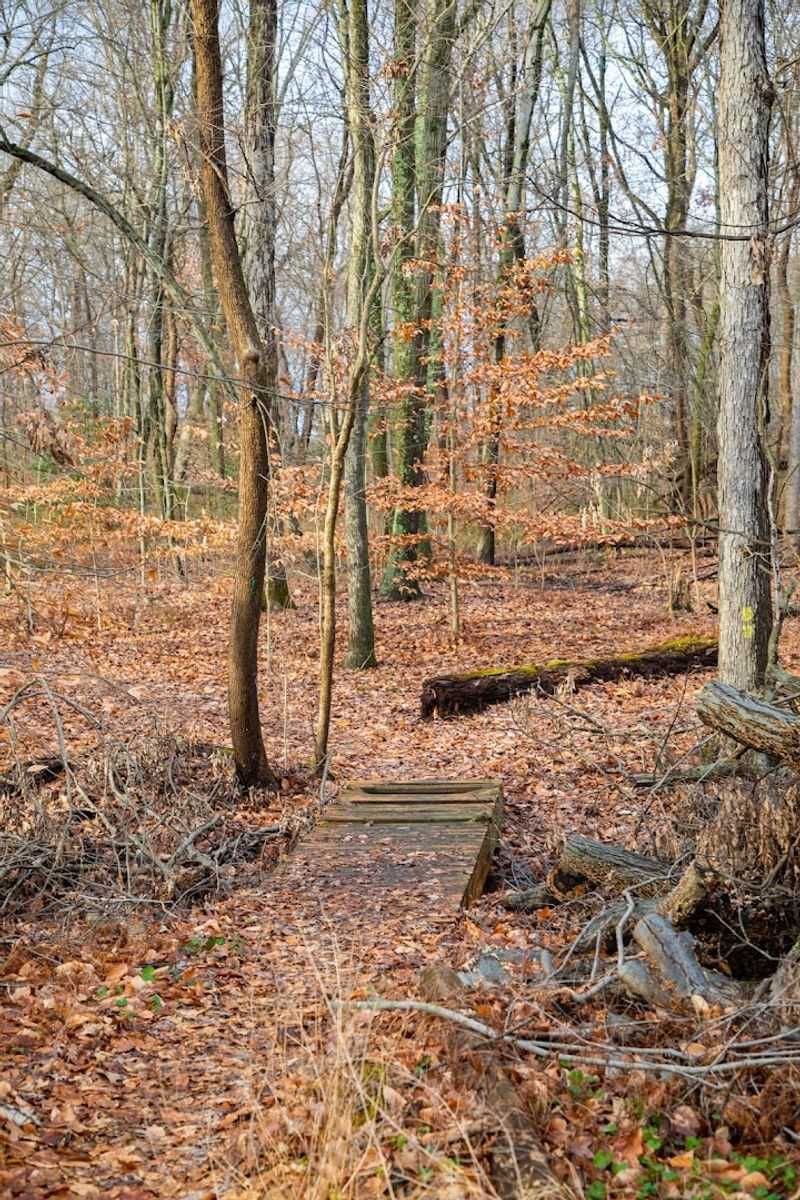
The walking paths inside the bamboo forest are well-maintained and designed to take visitors through multiple sections of the grove. They crisscross through the forest in a way that creates a mild maze-like quality, offering different views and angles depending on which direction you head first.
The paths are accessible for a range of ages and fitness levels, which makes the forest genuinely family-friendly rather than just nominally so. Younger children can handle the terrain without difficulty, and older adults will find the surface manageable throughout most of the trail system.
One of the more enjoyable aspects of the path layout is that each turn tends to reveal something slightly different. The density of the bamboo changes from section to section, and the light shifts as the canopy thickens or thins overhead.
It rewards slow walkers who take the time to pause and look around rather than rushing from one end to the other. The trails loop back naturally, so getting truly lost is unlikely.
The Footbridge Over the Brook
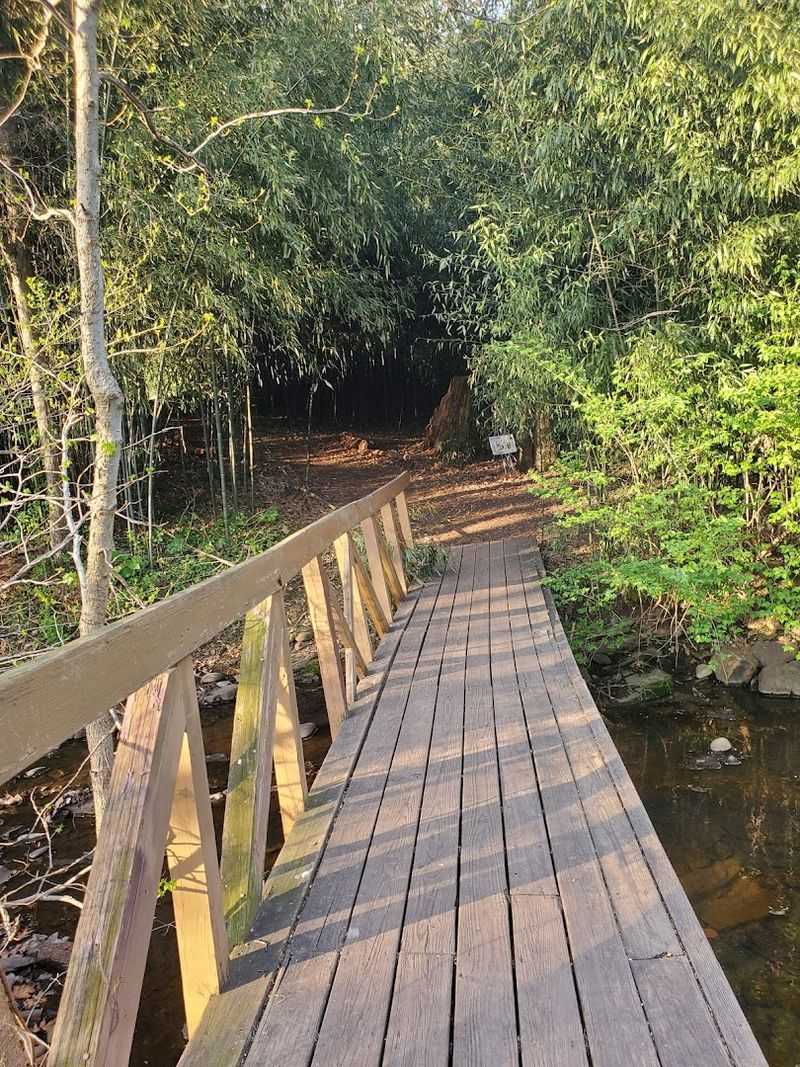
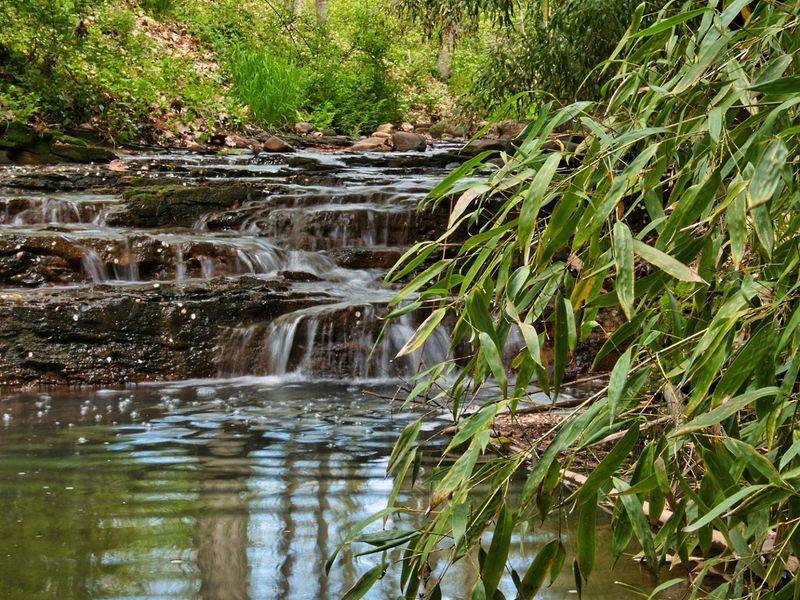
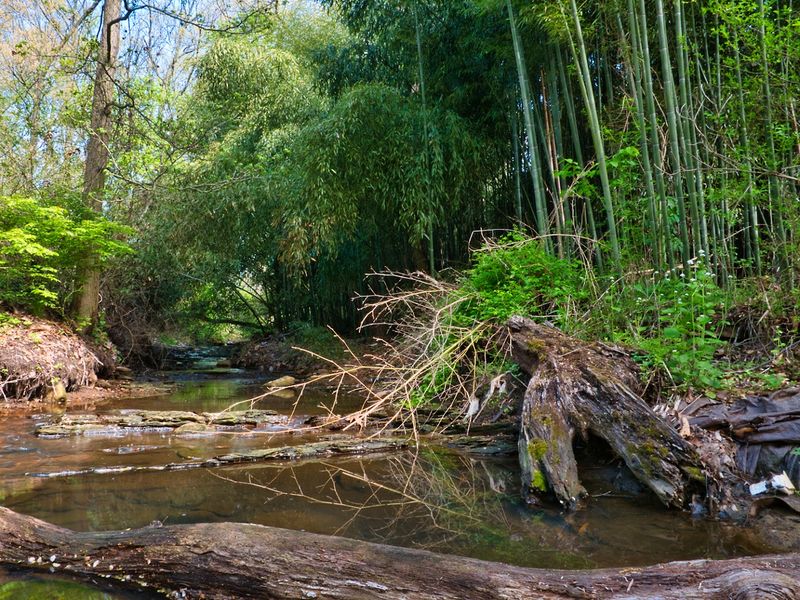
One of the most photographed features inside the bamboo forest is the wooden pedestrian bridge that spans a brook running through the property. The bridge is simple in design but fits the natural setting well, giving visitors a place to pause and look down at the water flowing beneath it.
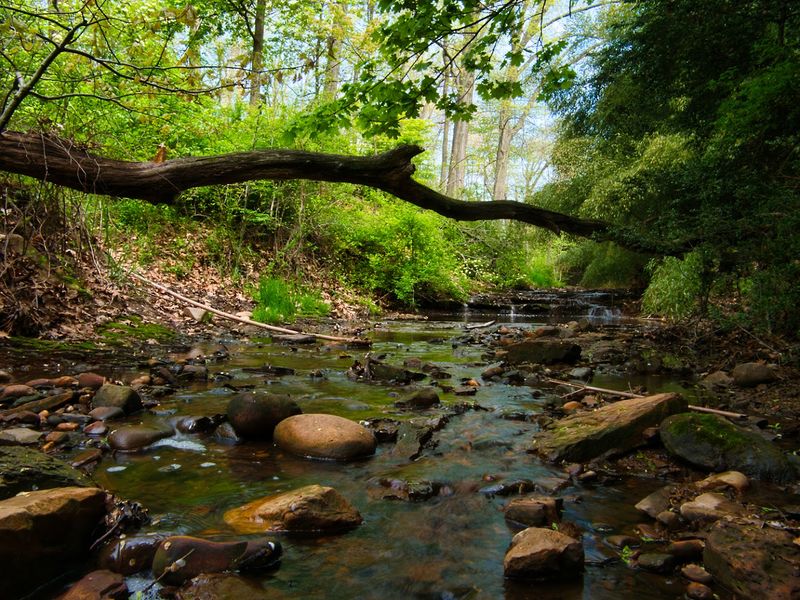
After periods of rain, the brook runs with more volume and adds a lively, moving element to the forest. During drier stretches, the stream may slow considerably, but the bridge remains a focal point of the trail system and a natural gathering spot for families and photographers alike.
The combination of the bridge, the brook, and the towering bamboo on all sides creates one of the more distinctive visual compositions available at any public garden in New Jersey. Photography enthusiasts frequently mention this spot as a highlight of the visit.
It is the kind of detail that elevates the forest from a simple nature walk into something that feels more carefully composed and worth returning to across different seasons.
Free Admission and What That Actually Means
Rutgers Gardens does not charge an admission fee, which is one of the most straightforward reasons it draws repeat visitors from across the region. Free public access to a space of this quality is not something that can be taken for granted, especially in the northeastern United States where many comparable attractions carry significant entry costs.
The no-cost model makes it practical for families to visit multiple times throughout the year rather than treating it as a once-in-a-while splurge. Locals have built regular walking routines around the garden, and the free access is a big part of why that kind of habitual use is possible.
It is worth noting that free admission does not mean the garden feels undervalued or under-maintained. The paths are kept in good condition, the bamboo collection is actively managed, and the broader grounds reflect consistent upkeep.
The garden is supported through Rutgers University, which helps explain how such a high-quality public space remains accessible without a ticket booth at the gate.
Bamboo Species Diversity You Would Not Expect
Most people associate bamboo with a single image: tall, green, uniform stalks. The bamboo collection at Rutgers Gardens challenges that assumption almost immediately.
With over 70 documented species on the property, the range of appearances across the grove is wider than most first-time visitors anticipate.
Some species display yellow or golden coloring in their culms, the technical term for bamboo stalks. Others have distinctive markings, unusual growth patterns, or notably different leaf shapes that set them apart from the classic green varieties most people picture.
Walking through the collection with any attention to detail turns into a kind of informal botanical education.
The diversity also means the forest looks different depending on the season. New bamboo shoots emerge in spring, adding a fresh layer of activity to the grove.
In winter, the evergreen nature of most bamboo species keeps the forest looking alive even when surrounding deciduous trees have dropped their leaves. That year-round visual consistency is one of the quieter strengths of the collection and a reason the garden holds up across multiple visits.
Photography Opportunities Around Every Corner
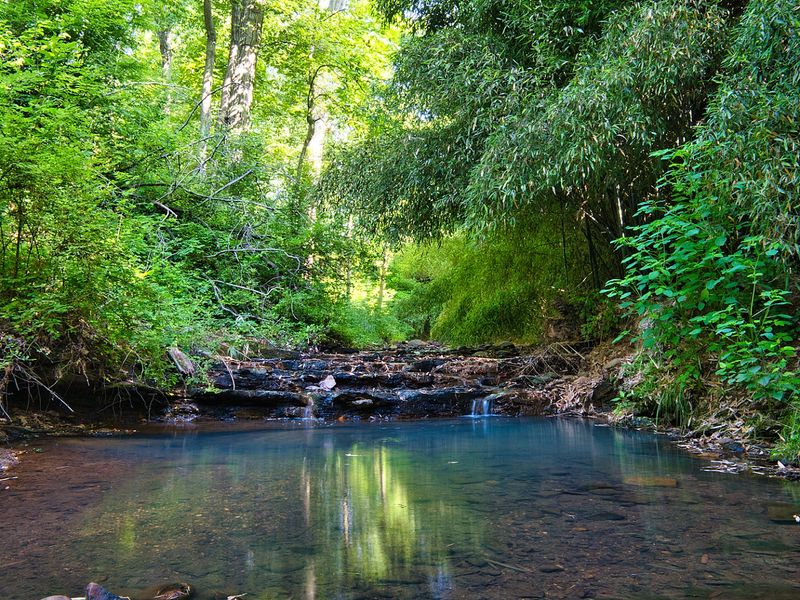
The bamboo forest at Rutgers Gardens has developed a quiet reputation among photography enthusiasts in the New Jersey and New York area. The combination of vertical lines, layered greenery, and changing light conditions throughout the day gives photographers a range of compositional options that are hard to find in a single location.
Portrait photographers bring subjects here for the natural green backdrop and the way the bamboo frames a person standing within the grove. The tall stalks create a sense of scale that adds visual interest to almost any shot.
The footbridge over the brook provides an additional setting that works well for both candid and posed photography.
The garden is also dog-friendly, which means pet photography is a natural fit here as well. The paths are wide enough to manage leashes comfortably, and the bamboo provides a striking contrast to the appearance of most dog breeds.
Early morning visits, when the light is softer and the garden is quieter, tend to produce the most compelling results for anyone serious about capturing the space well.
A Dog-Friendly Destination Worth Knowing About
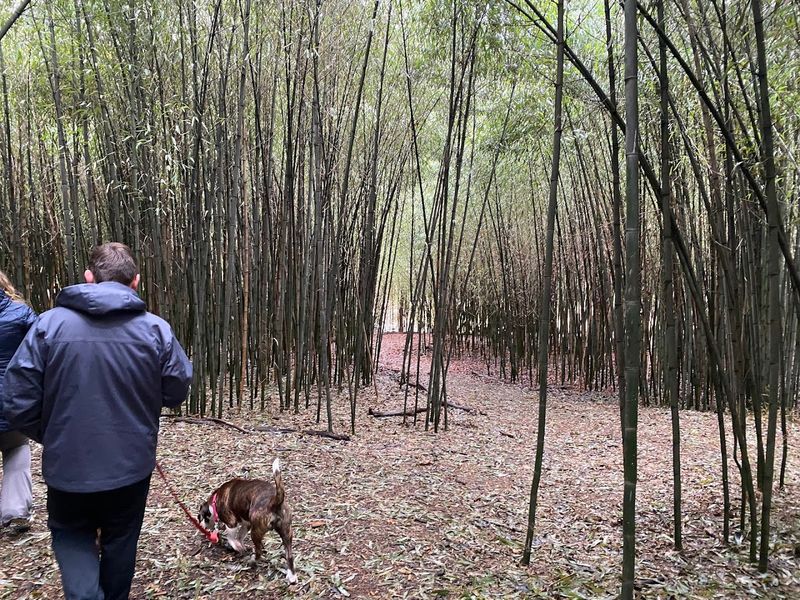
Rutgers Gardens explicitly welcomes dogs, which puts it in a category of public green spaces that pet owners actively seek out and return to regularly. The bamboo forest in particular is a popular route for dog walkers who want something more interesting than a standard neighborhood sidewalk.
The paths through the grove are wide enough to accommodate dogs of various sizes without the walk feeling cramped or difficult to manage. The natural surface and shaded canopy make the forest a comfortable option on warmer days when open, sun-exposed parks can become less appealing for both dogs and their owners.
Dogs are required to remain on leashes throughout the garden, which keeps the experience predictable and safe for all visitors. The overall layout of the grounds gives walkers enough space to spread out and find their own pace without crowding.
For anyone who has ever wished their dog could experience something more interesting than the usual park route, the bamboo forest offers a genuinely different kind of outing that tends to be well-received by both the human and canine participants.
The Broader Rutgers Gardens Property
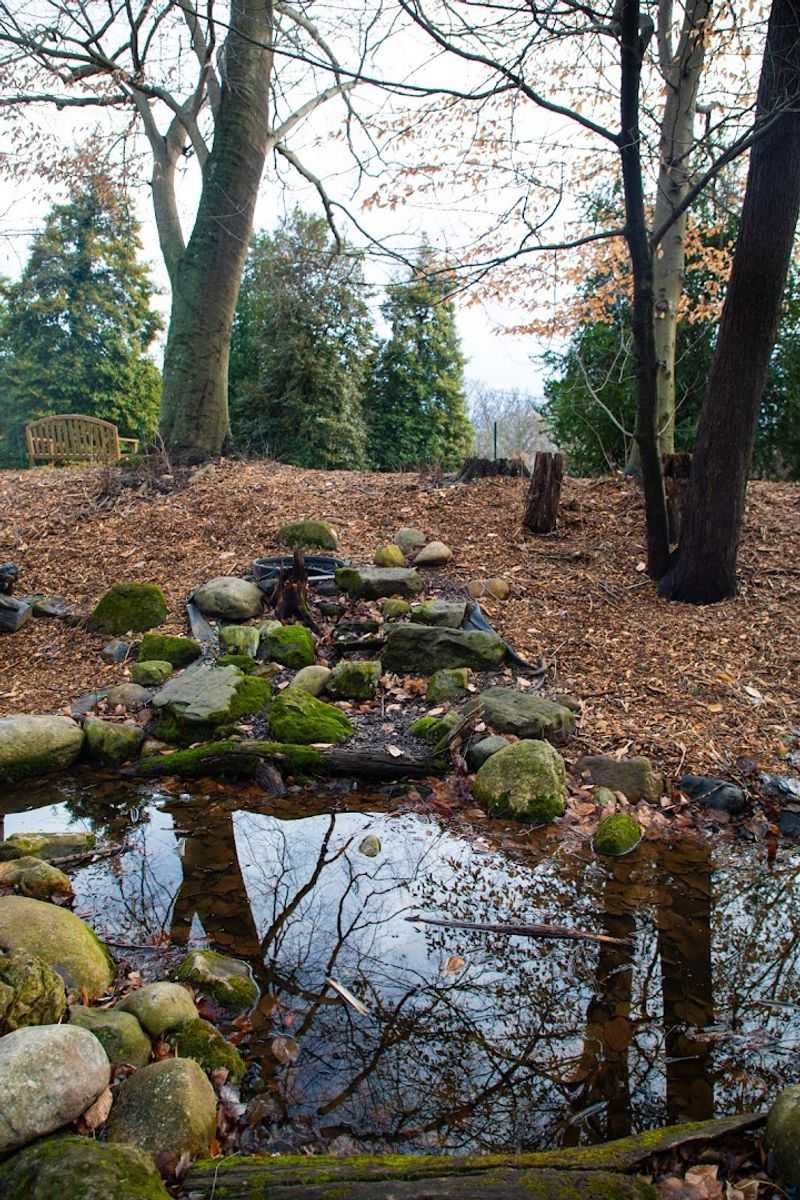
The bamboo forest is the most distinctive feature of Rutgers Gardens, but it exists within a much larger property that offers additional reasons to extend a visit. The broader grounds include ponds, flower gardens, open green spaces, and display plantings that rotate with the seasons.
Rutgers University uses portions of the property for horticultural research and demonstration, which means the plant collections tend to be well-documented and intentionally curated. That academic connection gives the gardens a depth that purely decorative public parks sometimes lack.
There is a sense that the plants here were chosen for specific reasons, not just for general appeal.
The ponds scattered across the property provide quiet spots for anyone looking to sit and watch wildlife or simply take a break from walking. Frogs, birds, and various insects are common around the water, adding a layer of natural activity to the visit.
The combination of the bamboo forest, the botanical displays, and the open landscape means a single visit can cover a surprising amount of ground without ever feeling rushed or repetitive.
Fresh Local Produce and the Farm Connection
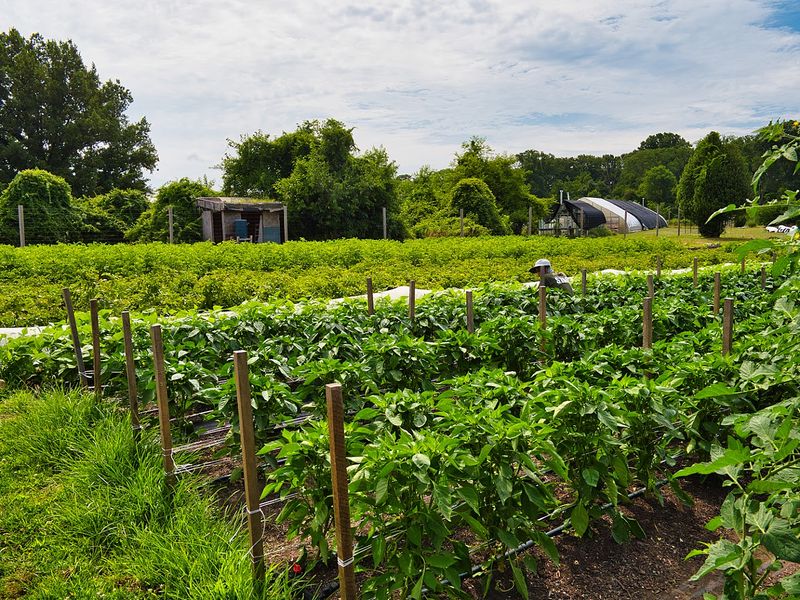
Rutgers Gardens sits within a larger agricultural network connected to Rutgers University, and that connection extends to fresh produce availability on the property. The farm component of the broader Rutgers agricultural operation reflects the university’s long history as a land-grant institution with deep roots in New Jersey farming.
An open-air market associated with the property has drawn positive attention from locals who appreciate the convenience of picking up fresh, locally grown items in the same location where they take their weekend walks. The combination of a nature visit and a produce stop in one trip is a practical draw that resonates with families and individuals trying to make the most of a single outing.
The farm connection also reinforces what makes Rutgers Gardens different from a standard municipal park. It is not just a place to walk through.
It is a working, living landscape with educational and agricultural functions running alongside the public access component. That layered purpose gives the property a character that is genuinely uncommon in suburban New Jersey and well worth understanding before a first visit.
Tick Awareness and Practical Preparation
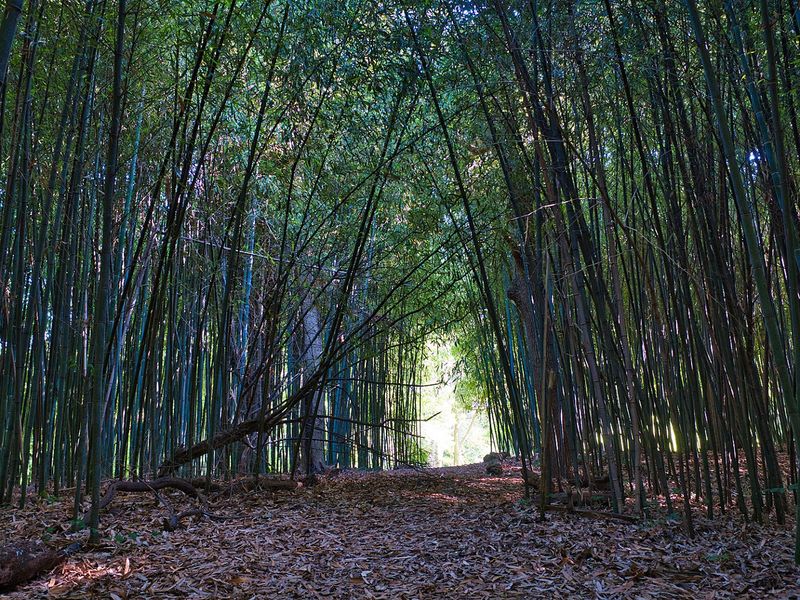
The bamboo forest is a natural environment, and like most wooded areas in New Jersey, it comes with the standard precautions around ticks. The dense ground cover and shaded conditions that make the forest so appealing are also conditions where ticks tend to thrive, particularly during warmer months.
Applying insect repellent before entering the forest is a straightforward and effective precaution. Wearing long socks and tucking pants into them adds another layer of protection, especially for children who tend to move closer to ground-level vegetation.
Checking for ticks after leaving the forest is a standard step that applies to any wooded trail in the region, not just this one.
Being prepared does not diminish the experience. It simply means visitors can enjoy the walk without unnecessary concern.
The forest is well worth visiting with the right preparation in place, and most people who go regularly have their tick-prevention routine down to a quick, automatic habit. A little planning before the visit goes a long way toward keeping the outing comfortable and worry-free from start to finish.
Best Times to Visit and What to Expect Each Season
Spring is one of the most dynamic times to visit the bamboo forest, as new shoots push up through the ground and the grove takes on a fresh, active quality. The rapid growth rate of bamboo during this season means the forest can look noticeably different from one week to the next, which gives repeat visitors a reason to come back frequently.
Summer visits benefit from the shade the bamboo canopy provides, making the forest a genuinely cooler option on hot days compared to open parks. The dense foliage is at its fullest during summer, which also makes this the most visually lush period for photography.
Fall brings a quieter energy to the garden, and the contrast between the evergreen bamboo and the changing colors of surrounding deciduous trees creates an interesting visual dynamic. Winter visits are less common but still worthwhile, as the bamboo stays green year-round and the thinned-out surroundings give the grove a more exposed, architectural quality that is quite different from the full-canopy experience of summer.
A Family-Friendly Outing That Covers All Ages
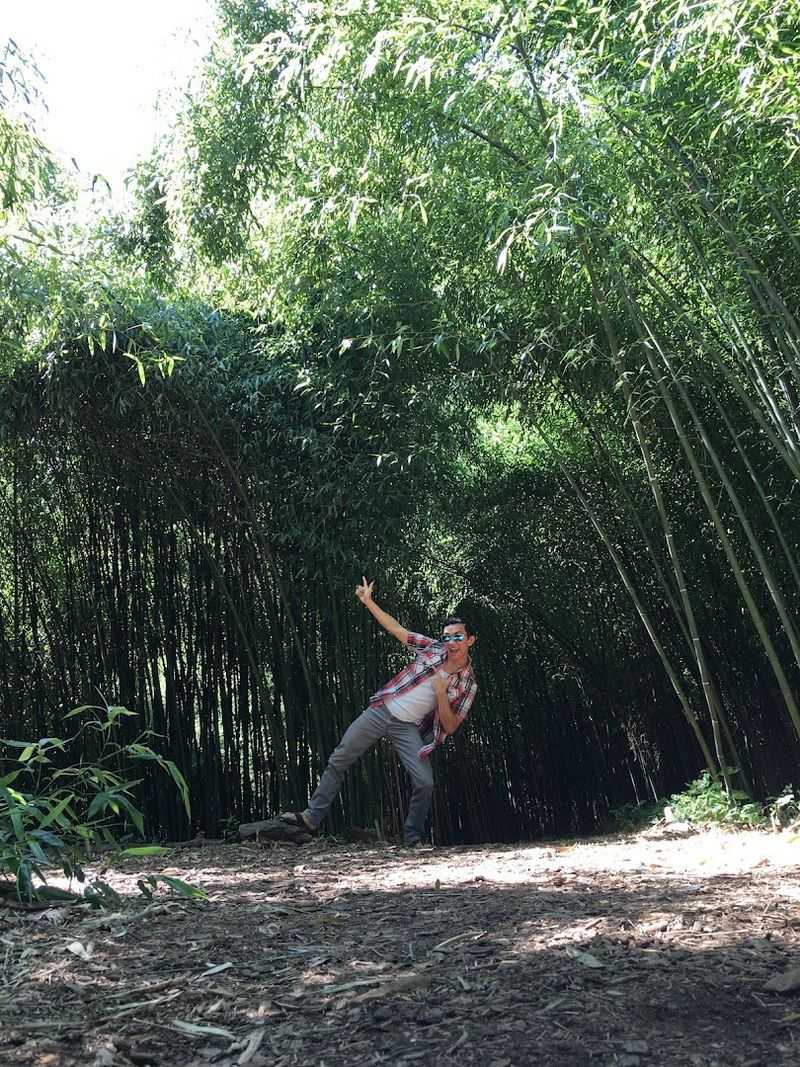
Few public spaces in central New Jersey manage to hold the attention of both young children and older adults at the same time, but the bamboo forest at Rutgers Gardens does exactly that. The scale of the bamboo is immediately compelling to kids, who tend to respond strongly to anything that towers above them at an unexpected height.
The paths are manageable for strollers and young walkers, and the loop structure of the trail system means families can adjust the length of their visit based on how the group is doing. There is no pressure to complete a specific route, which makes the outing feel flexible rather than regimented.
Older visitors appreciate the low-impact nature of the walk and the genuine variety the garden offers beyond the bamboo forest itself. The ponds, flower displays, and open lawn areas give everyone in a multi-generational group something to gravitate toward.
It is the kind of destination that works on a Tuesday afternoon just as well as it does on a busy weekend, which is a rarer quality than it might seem.
Why This Garden Keeps Drawing People Back
Rutgers Gardens has something that many public attractions struggle to maintain over time: genuine repeat appeal. The combination of free admission, seasonal change, a diverse plant collection, and a bamboo forest that genuinely surprises first-time visitors creates a destination that people return to rather than check off a list.
The garden does not rely on manufactured novelty or special events to stay relevant. The natural cycle of the plants, the changing light across different times of day, and the simple pleasure of a well-maintained walking environment are enough to make each visit feel worthwhile in its own right.
The bamboo forest at 126 Log Cabin Rd, East Brunswick, NJ is one of those rare public spaces that earns its reputation quietly, through consistent quality rather than aggressive promotion. For anyone in the region who has not yet made the trip, the case for going is straightforward: there is nothing quite like it in the surrounding area, and the visit costs nothing but an hour or two of a free afternoon.
That combination is hard to argue with.
Where to Find This Remarkable Place
Right off Log Cabin Road in East Brunswick, New Jersey, Rutgers Gardens sits at 126 Log Cabin Rd, East Brunswick, NJ 08816. The garden is part of Rutgers University’s broader agricultural and research network, which gives it a unique dual identity as both a public green space and an active educational facility.
The location is surprisingly accessible for a place that feels so removed from daily life. East Brunswick is in Middlesex County, roughly equidistant between New York City and Philadelphia, making it reachable for a wide range of day-trippers from across the region.
Parking is available on site, and the layout is easy to navigate without a guide or map. The garden opens at 8 AM Tuesday through Sunday and is closed on Mondays, so planning around that schedule is worth a quick calendar check before heading out.
The official website at rutgersgardens.rutgers.edu has updated hours and seasonal information.
Share this story