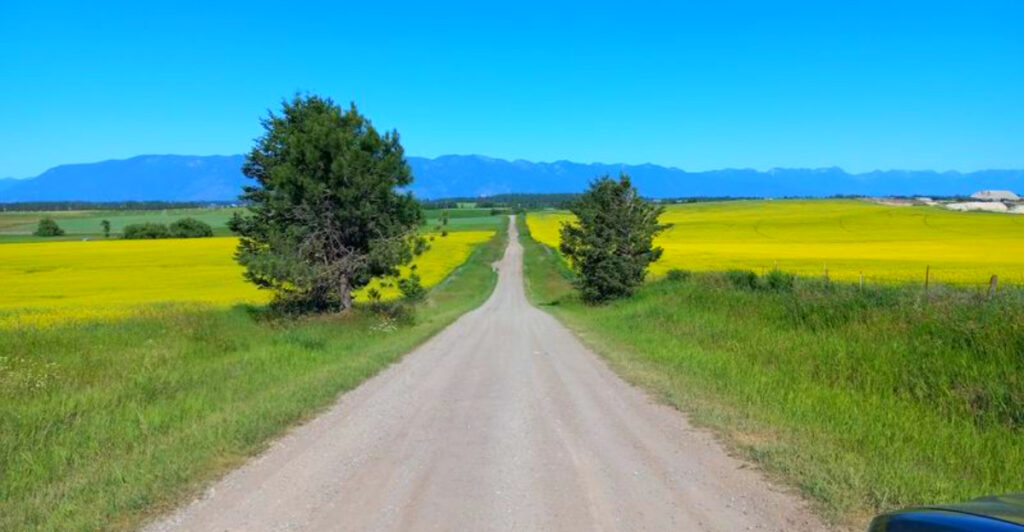
The most memorable drives are not on the interstate. They run through counties where farm stands, courthouse squares, ferry docks, and backroads reveal how the region actually developed.
These routes reflect the forces that shaped each area, from agriculture and rail lines to tourism and conservation. You see it in the buildings, the road layouts, and the small details that never show up on highway signs.
Follow these roads, and you get more than scenery. You get a clearer sense of how each place works and why it still looks the way it does today.
1. Lancaster County, Pennsylvania
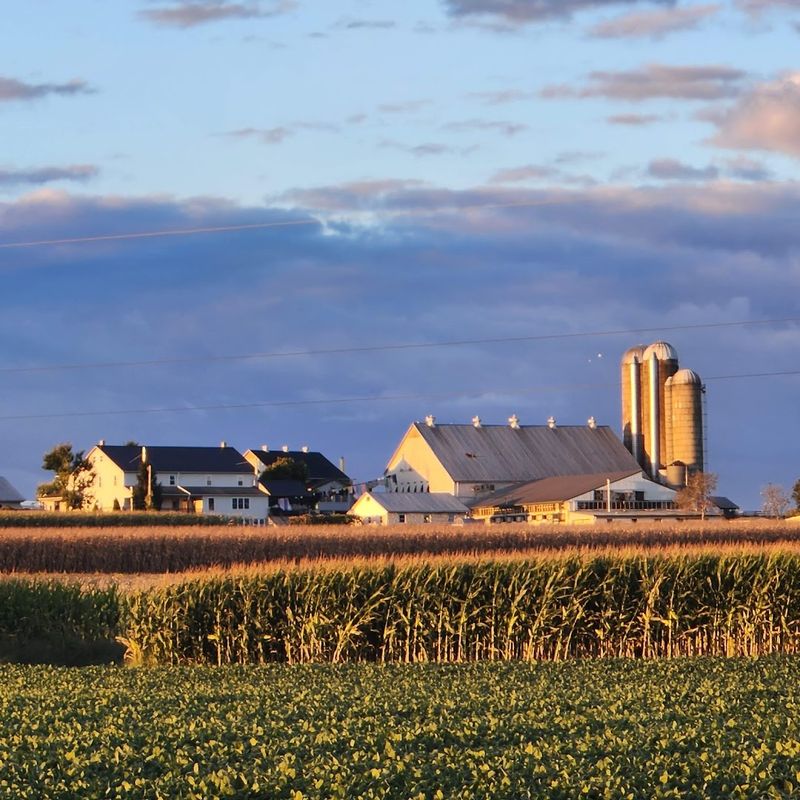
One turn here and the modern calendar starts feeling optional. Lancaster County’s prettiest backroads pass working farms shaped by Amish and Mennonite traditions that took root in the eighteenth century, and the landscape still reflects that disciplined stewardship.
Long before agritourism became a marketing term, these roads linked mills, markets, and church districts across some of Pennsylvania’s richest farmland.
Drive slowly and you notice how practical history survives in plain sight: bank barns, roadside produce stands, quilt shops, and covered bridges that were built for weather and trade, not nostalgia. U.S.
Route 30 handles the rush, but roads near Intercourse, Bird-in-Hand, and Strasburg reveal the county’s real rhythm. The scenery feels beautiful because it is organized, lived-in, and remarkably consistent, with fields and villages still structured by customs that resisted suburban sprawl better than most places in the Northeast.
2. Sonoma County, California
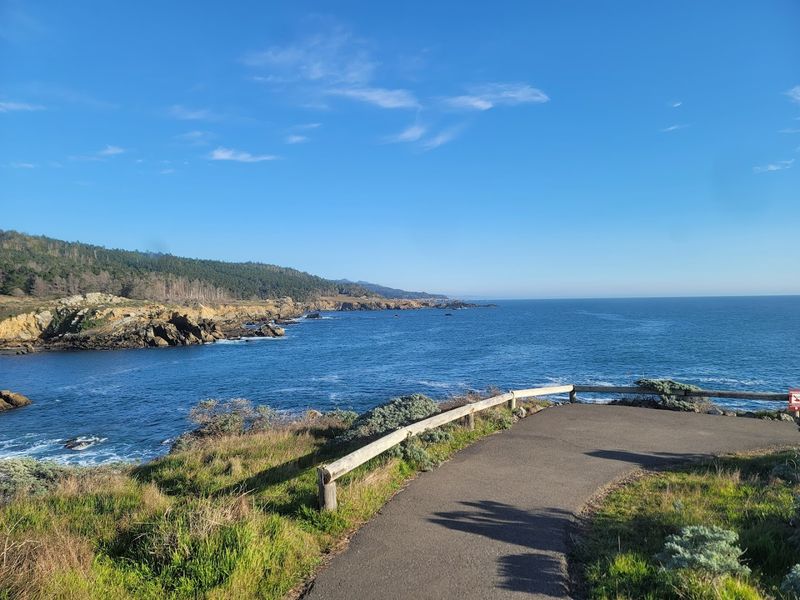
This county can switch personalities faster than a radio dial in 1978. Sonoma County’s backroads move from vineyard country to redwood stands to the rugged Pacific, and that range explains why the area became a magnet for farmers, winemakers, and weekend escape artists.
Spanish, Mexican, and later American settlement patterns all left their mark on the roads that still connect small towns and agricultural valleys.
While Highway 101 does the practical work, roads near Healdsburg, Sebastopol, Occidental, and the Sonoma Coast show the county at its smartest and most relaxed. Many of these routes follow terrain shaped by older ranch boundaries, orchard belts, and postwar wine expansion.
The beauty comes from contrast rather than spectacle alone: neat vine rows, weathered farm buildings, redwood corridors, and sudden coastal openings. It feels less polished than Napa, which is exactly why many drivers remember it longer.
3. Madison County, Iowa
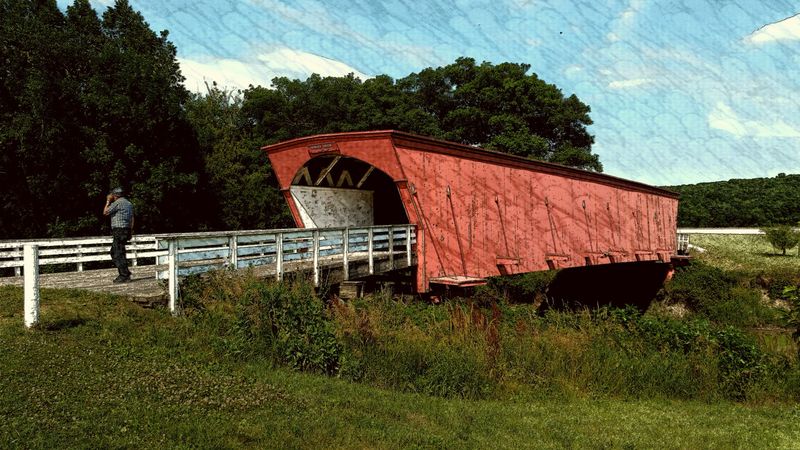
Some counties get famous from a movie and spend decades proving they were interesting before the credits rolled. Madison County’s covered bridges brought modern attention, but the prettiest backroads here also reveal the long agricultural history of south-central Iowa.
The county developed through farming, courthouse-town commerce, and rail connections that made Winterset an anchor for the surrounding countryside.
The roads rise and fall gently, which gives every drive a broad view of fields, stream valleys, and nineteenth-century bridge sites that once mattered for daily travel instead of tourism brochures. Winterset itself adds another layer, thanks to its limestone architecture and its connection to John Wayne, born here in 1907.
Side roads linking St. Charles, Patterson, and Bevington show why the county works so well on a slow drive. It is orderly without being flat, famous without being overworked, and charming without trying too hard to earn the compliment.
4. Berkshire County, Massachusetts
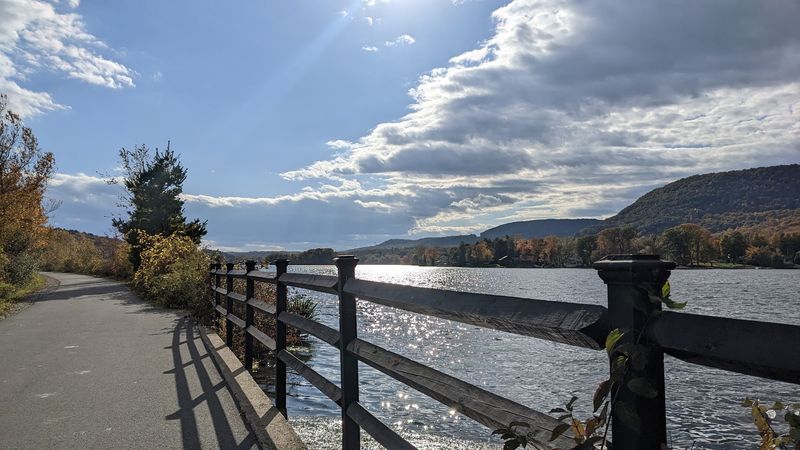
Few places make a side road feel as culturally overqualified as the Berkshires. Berkshire County’s backroads wind through villages, hills, and working landscapes that attracted writers, painters, and wealthy summer residents from the nineteenth century onward.
The result is scenery with layers: farm fields, church steeples, old inns, Gilded Age estates, and mountain views that helped define New England tourism.
Roads between Lenox, Stockbridge, Great Barrington, Williamstown, and North Adams tell the story best because they connect arts institutions with places that existed long before the curtain rose. The county’s appeal grew with rail travel, then with the automobile, and many local routes still feel scaled for leisurely discovery rather than speed.
In fall, the trees get the attention, but the real pleasure is structural. Stone walls, white clapboard buildings, village greens, and preserved farmland keep the county from becoming a seasonal cliché.
It remains one of those rare scenic drives with serious intellectual hobbies.
5. Teton County, Wyoming
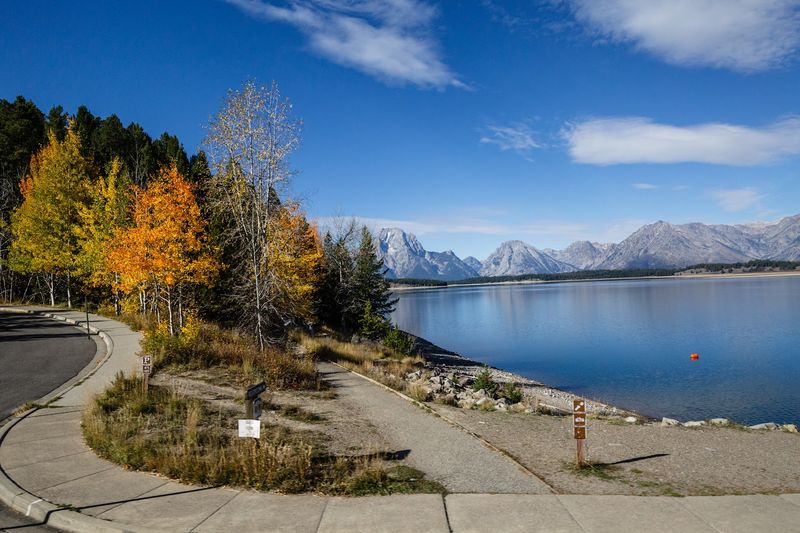
Here, even the detours look like they were assigned starring roles. Teton County’s backroads deliver the kind of mountain-and-valley composition that made Jackson Hole famous, but the slower routes reveal more than postcard drama.
They trace a landscape shaped by ranching, conservation, tourism, and the unusual decision to keep large parts of the valley visually open.
Roads outside Jackson, especially near Moose, Mormon Row, Wilson, and Antelope Flats, show how settlement and preservation ended up sharing the same frame. Historic homestead barns remain visual landmarks, while Grand Teton National Park and nearby protected lands prevent the horizon from getting crowded.
The county changed rapidly in the late twentieth century as resort culture expanded, yet many backroads still carry the logic of older rural access routes. That is why the scenery feels so striking.
It is not only the mountain range, impressive as ever, but the room left around it, a rarity in the modern West.
6. Door County, Wisconsin
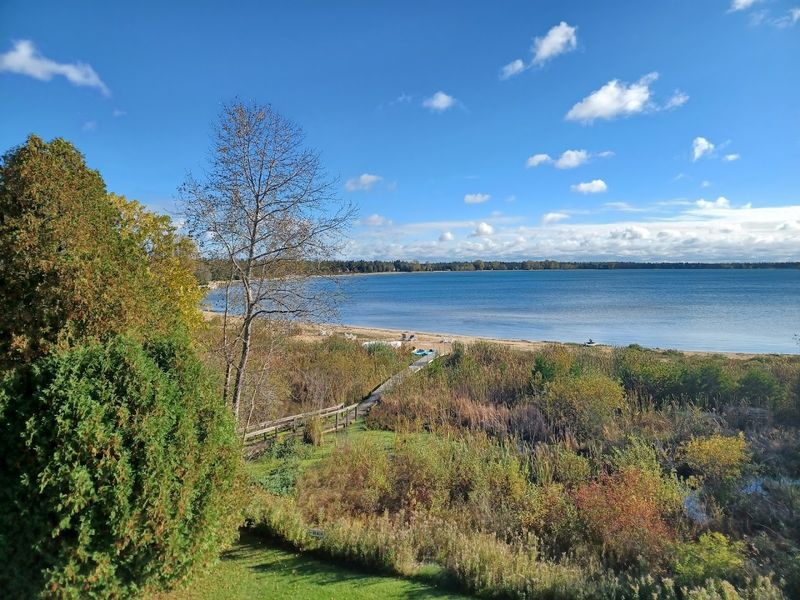
This peninsula understands the value of a well-timed curve. Door County’s backroads loop through orchards, shoreline villages, and lighthouse territory, reflecting a long history of fishing, fruit growing, and summer travel on a narrow strip between Green Bay and Lake Michigan.
Scandinavian and Belgian immigrant communities helped shape the farms and towns that still give the county its distinct look.
Main routes carry visitors north, but smaller roads near Fish Creek, Ephraim, Sister Bay, and Bailey’s Harbor reveal the county’s real charm. You pass cherry orchards, clapboard houses, roadside farm markets, and access points to water that appears and disappears as the peninsula bends.
Tourism transformed Door County during the automobile era, yet many roads remain intimate rather than resort-heavy. That balance matters.
The county feels appealing not because it is frozen in time, but because it kept enough working landscape and maritime character to avoid becoming one long souvenir aisle with excellent pie.
7. Albemarle County, Virginia
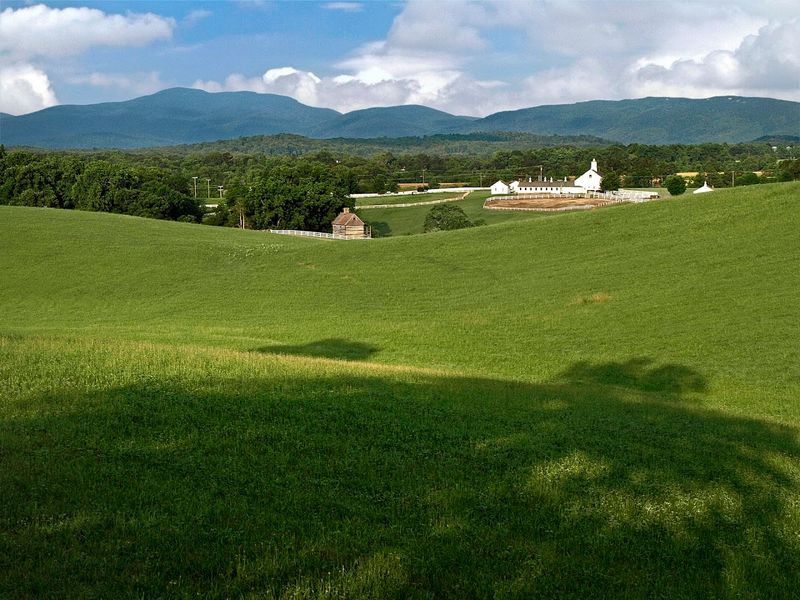
A good Virginia backroad can make the republic seem surprisingly close at hand. Albemarle County’s prettiest drives pass landscapes tied to Thomas Jefferson, early American architecture, and long-established agricultural patterns in the Piedmont.
The county grew around Charlottesville, but its beauty often lives beyond town, where lanes cross rolling hills, creek bottoms, and estates with roots reaching into the eighteenth century.
Roads near Monticello, Keswick, Free Union, and White Hall show how plantation history, horse country, and modern vineyards coexist within a single drive. Stone walls, brick houses, and orderly fields give the area a composed look, while the Blue Ridge provides a steady backdrop without dominating every view.
In recent decades wineries and destination tourism added a polished layer, yet many routes still feel grounded in local geography rather than event planning. That makes Albemarle memorable.
It is scenic, certainly, but also intellectually satisfying, a place where the road itself seems to explain how Virginia moved from colonial experiment to curated countryside.
8. Jackson County, North Carolina
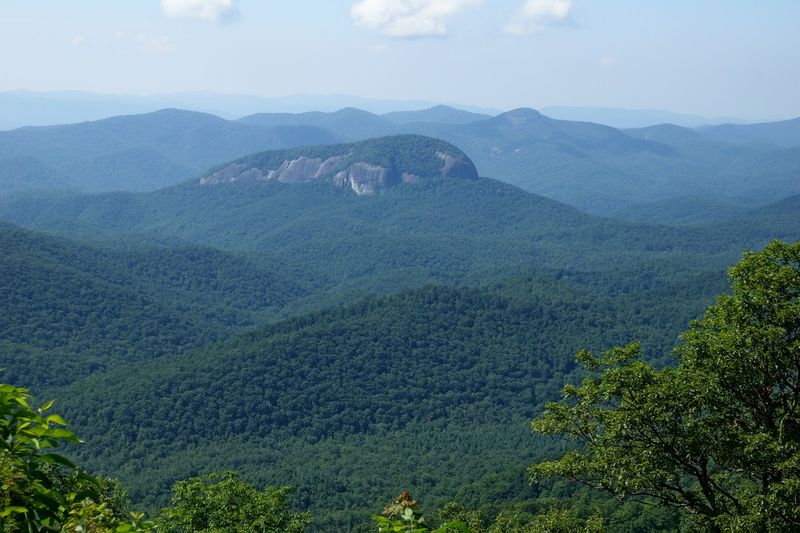
These roads do not believe in straight answers. Jackson County sits in the southern Appalachians, where backroads twist through valleys and ridges shaped by old Cherokee homelands, railroad expansion, and a twentieth-century tourism economy built around mountain scenery.
The county includes towns like Sylva, Dillsboro, and Cashiers, each connected by routes that often feel more revealing than the destinations themselves.
U.S. highways get travelers into the region, but smaller roads toward Cullowhee, Tuckasegee, and the edges of Nantahala National Forest show the county’s texture. You pass rivers, old depot towns, church communities, and overlooks that explain why the Smokies became one of America’s defining mountain landscapes.
The road network also reflects practical history, since steep terrain long dictated settlement patterns and local trade. What makes Jackson County especially pretty is the constant shift in perspective.
A bend can move you from a college town corridor to deep forest or a broad valley with almost no warning, which keeps every mile alert.
9. San Juan County, Washington
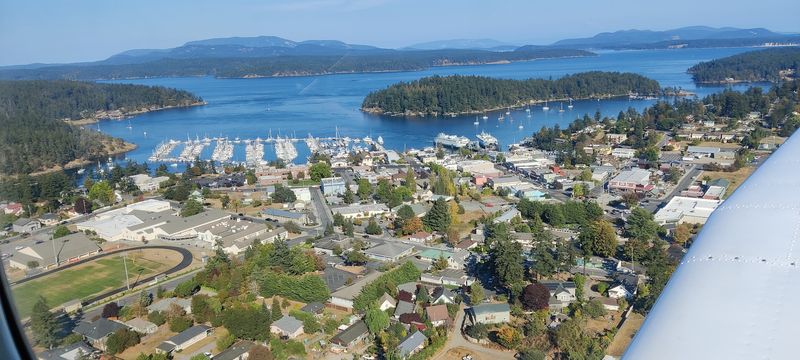
Reaching these roads by ferry already improves the story. San Juan County’s backroads unfold across islands where shoreline geography, maritime trade, and limited development create a pace that feels intentionally edited.
The county’s beauty comes from combination rather than scale: small farms, rocky coasts, evergreen woods, village harbors, and roads that rarely rush because island life rarely rewards rushing.
On San Juan, Orcas, Lopez, and smaller islands, the best drives connect coves, historic ports, and upland viewpoints without much commercial clutter. Roche Harbor’s industrial past, Friday Harbor’s port history, and the county’s nineteenth-century boundary drama with Britain all add texture to what could otherwise be dismissed as pretty scenery.
Instead, the roads feel inhabited by real local patterns. Agriculture survived beside tourism, ferries remained central, and zoning kept many views open.
That makes the county unusually coherent. You are not just driving past water; you are moving through an archipelago where roads, docks, and fields still respect the map’s original complications.
10. Park County, Colorado
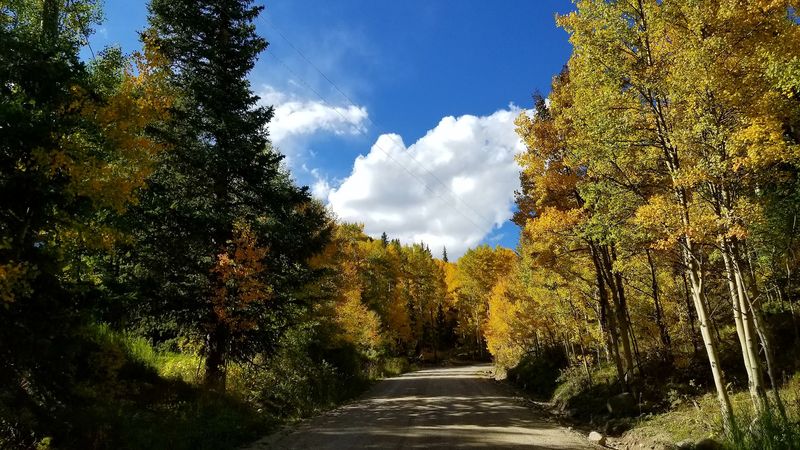
If your idea of scenery includes elbow room, Park County makes a strong case immediately. Much of the county sits within South Park, the vast high-elevation basin whose broad valleys are ringed by mountains and threaded with ranch roads, streams, and old mining routes.
The result is a backroad landscape that feels both expansive and historically specific.
Fairplay provides the best-known stop, but roads toward Hartsel, Jefferson, and Como reveal the county’s deeper character. Nineteenth-century mining towns, surviving rail history, and long ranching traditions all shaped how people moved through this high country.
Unlike tighter mountain regions, Park County gives you distance between landmarks, so the views develop gradually across open grassland toward the Mosquito and Front ranges. That spacing is part of the appeal.
It lets old cabins, weathered fences, and broad valleys read clearly instead of blending into one generic alpine montage. The county remains a reminder that Colorado beauty is not only vertical.
Sometimes the best frame is the one with more sky than traffic.
11. Napa County, California
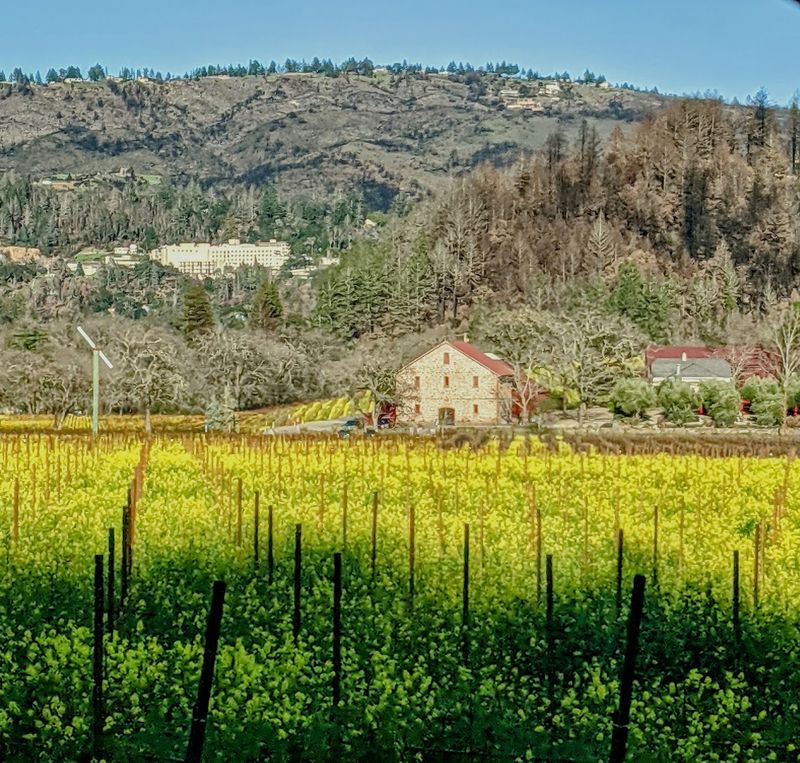
Past the famous labels and polished tasting rooms, Napa still knows how to keep a secret. Napa County’s quieter backroads show the agricultural framework that existed before the region became shorthand for American wine prestige.
Vineyards dominate the image now, but these roads also reflect older ranching, orcharding, and settlement patterns folded into a narrow valley bordered by hills.
Routes around Carneros, Howell Mountain, Oakville Cross Road, and Pope Valley reveal a county with more variation than the main drag suggests. You see small communities, olive groves, historic farm structures, and hillside roads where the terrain does not permit grand uniformity.
Napa’s transformation accelerated in the late twentieth century as wine tourism matured, yet scenic beauty survives best where the road still feels slightly local and inconvenient. That is the trick.
The county is prettiest when it stops performing luxury and simply shows its working geography. On those stretches, the celebrated vineyards look less like a brand campaign and more like what they are: highly organized agriculture in a very fortunate valley.
12. Addison County, Vermont
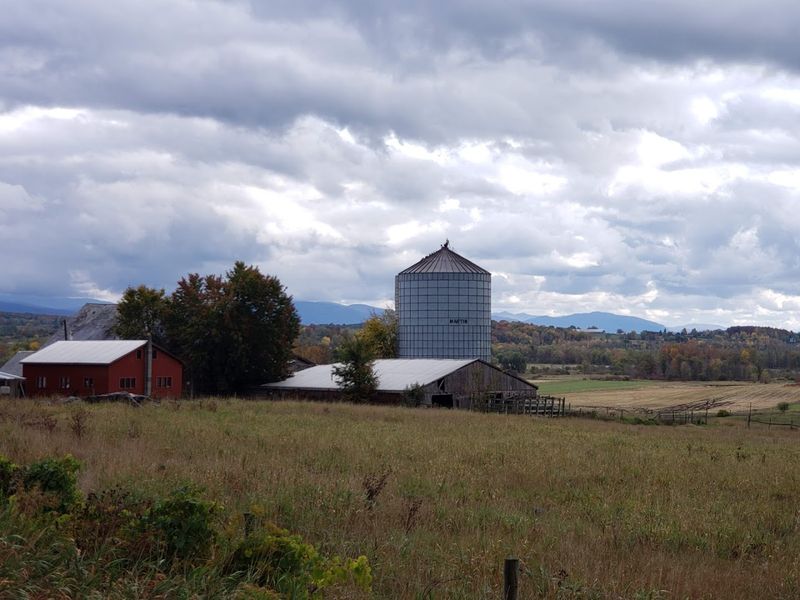
Some roads are so neatly composed they seem to understand postcards on a professional level. Addison County offers that classic Vermont arrangement of barns, village greens, and rolling farmland, but the county’s backroads also benefit from geography that opens west toward Lake Champlain and the Adirondacks.
That wider horizon gives these rural drives an unusual sense of breadth for New England.
Roads near Middlebury, Bristol, Vergennes, and Shoreham show how agriculture and small-town institutions kept the landscape coherent over time. Dairy farms, white churches, sugar maples, and sturdy stone farmhouses provide the expected visual grammar, while college-town Middlebury adds cultural energy without overwhelming the countryside.
The county developed through farming and lake trade, and those older patterns still shape where roads run and what they connect. What makes Addison especially appealing is its balance.
It feels quintessential without becoming staged, scenic without becoming precious. Even the barns seem to understand that they are carrying a great deal of Vermont’s public reputation, and they handle the assignment calmly.
13. Hocking County, Ohio
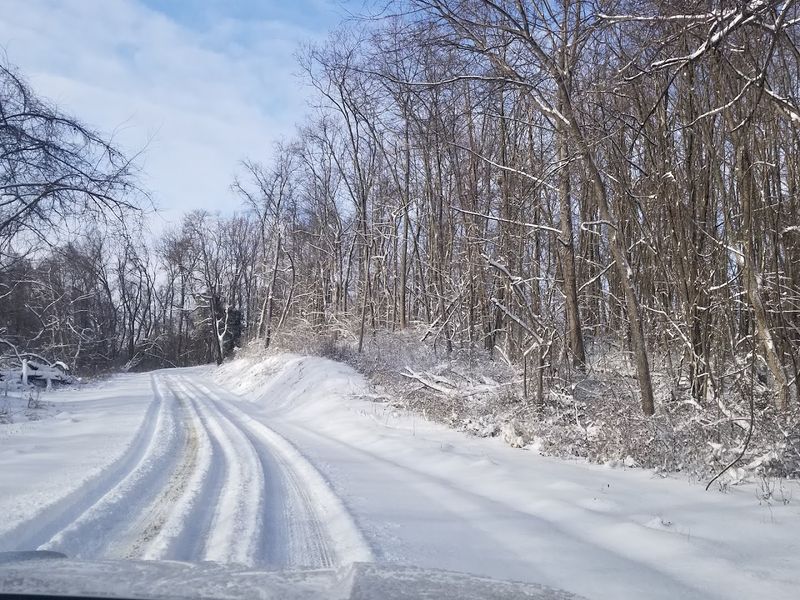
Ohio surprises people here, and frankly it deserves that moment. Hocking County’s backroads cut through the Hocking Hills region, where sandstone cliffs, forested ravines, and winding roads create one of the Midwest’s most distinctive scenic landscapes.
The county’s beauty is not accidental. It reflects geology, forest recovery, and the way tourism gradually developed around places once used for logging, quarrying, and local recreation.
Roads near Logan, Laurelville, and the state park areas reveal how the county works beyond the headline attractions. Small communities, cabin clusters, old farm parcels, and protected natural areas share space in a way that keeps the drives varied.
The hills also matter historically because they limited large-scale industrial reshaping that transformed other parts of Ohio. As a result, the road network often follows creek valleys and ridgelines with a pleasantly stubborn logic.
In autumn the county gets especially busy, but even then the scenery remains grounded rather than theatrical. It is an excellent reminder that dramatic topography does not need western altitude to hold your attention.
14. Blaine County, Idaho
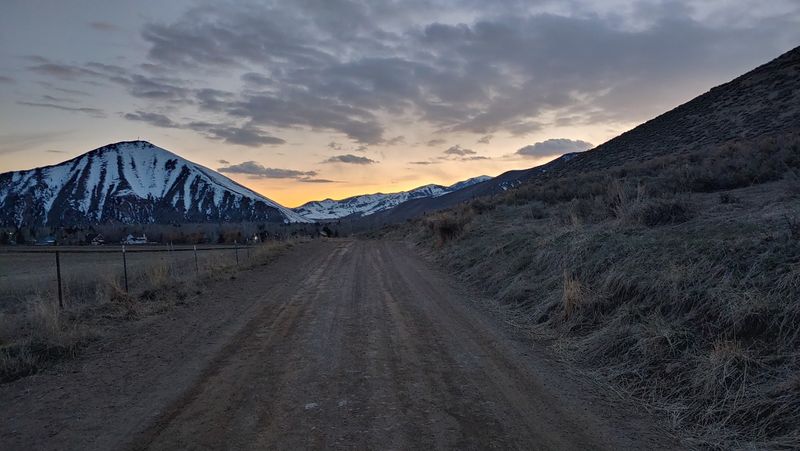
Silence, distance, and clean geography do a lot of the work here. Blaine County stretches across central Idaho landscapes where high desert, ranch valleys, and mountain terrain meet with very little visual fuss.
Sun Valley brought international attention in the twentieth century, but the prettiest backroads often lie away from the resort image, where older settlement and grazing patterns still define the map.
Roads near Hailey, Bellevue, Carey, and the approaches to the Sawtooths and Pioneer Mountains reveal the county’s unusual mix of openness and relief. The area developed through mining, sheep ranching, and rail connections, then evolved into an outdoor recreation destination after the 1936 opening of Sun Valley.
Yet many roads remain spare and practical, edged by sagebrush flats, irrigation lines, and broad valley views. That minimalism is the appeal.
Nothing feels overdesigned, and the scenery gets stronger the less it tries to impress. Blaine County’s backroads are especially memorable for drivers who prefer landscapes that state their case plainly and then let the mountains handle the follow-through.
15. Nelson County, Kentucky
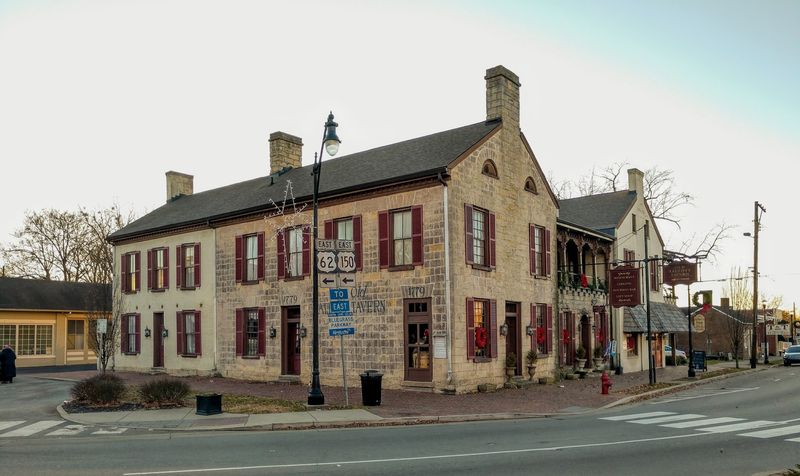
This is the kind of countryside that makes even a quick errand look historically informed. Nelson County sits in central Kentucky, where rolling farmland, stone fences, and old town centers reflect deep agricultural roots and a nationally recognized bourbon heritage.
Bardstown anchors the county, and its preserved buildings help explain why the surrounding roads feel so connected to earlier American travel patterns.
Backroads around Bardstown, New Haven, and the county’s distillery corridor pass farmsteads, churches, and stretches of pasture that have changed less dramatically than comparable land near major cities. Much of the county’s visual character comes from nineteenth-century settlement, Catholic community history, and the limestone-rich landscape that supported whiskey production and prosperous farms.
Tourism now highlights those traditions, but the roads still carry ordinary local life rather than stage-set nostalgia. That distinction matters.
Nelson County looks beautiful because its history remains useful, visible in road alignments, fences, courthouse squares, and agricultural infrastructure. It feels curated by time and habit, not by a committee determined to manufacture Southern charm on schedule.
16. Marin County, California
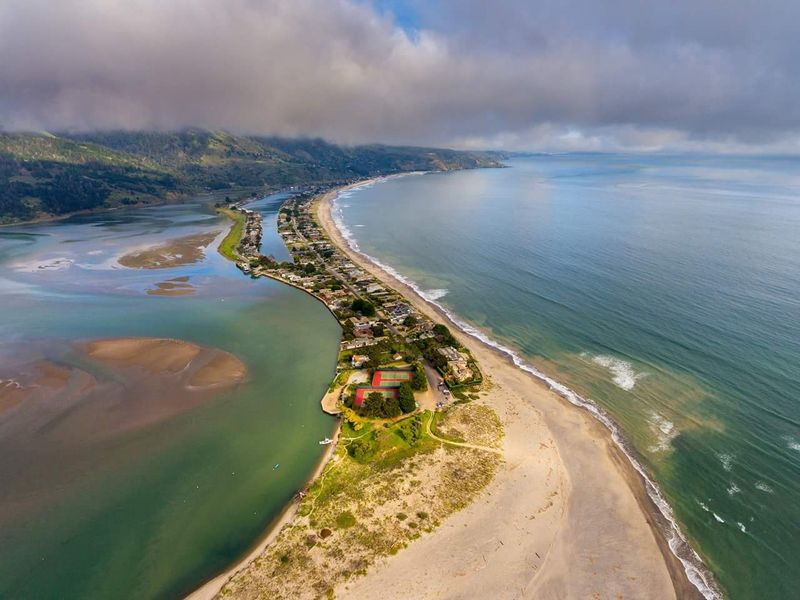
Just across the Golden Gate, the map suddenly remembers how to exhale. Marin County’s backroads reveal a landscape where coastal ranching, redwood canyons, counterculture history, and strict land preservation sit unusually close together.
Because development was limited in key areas, many roads still offer views that feel remarkably intact for a county bordering one of America’s major cities.
Routes through Point Reyes, Olema, Nicasio, Bolinas, and Mount Tamalpais show the range best. You can move from dairy country to forested slopes to Pacific overlooks within a short drive, and the county’s visual rhythm changes without becoming chaotic.
Marin’s twentieth-century reputation for affluence sometimes overshadows the older working landscape, but ranches, small villages, and protected seashore land remain central to its character. That mix gives the roads unusual credibility.
They are beautiful, certainly, yet they also explain California’s long debate over growth, access, and conservation. Few counties make environmental policy look this good from a windshield, though Marin has been trying for decades and mostly succeeding.
17. Talbot County, Maryland
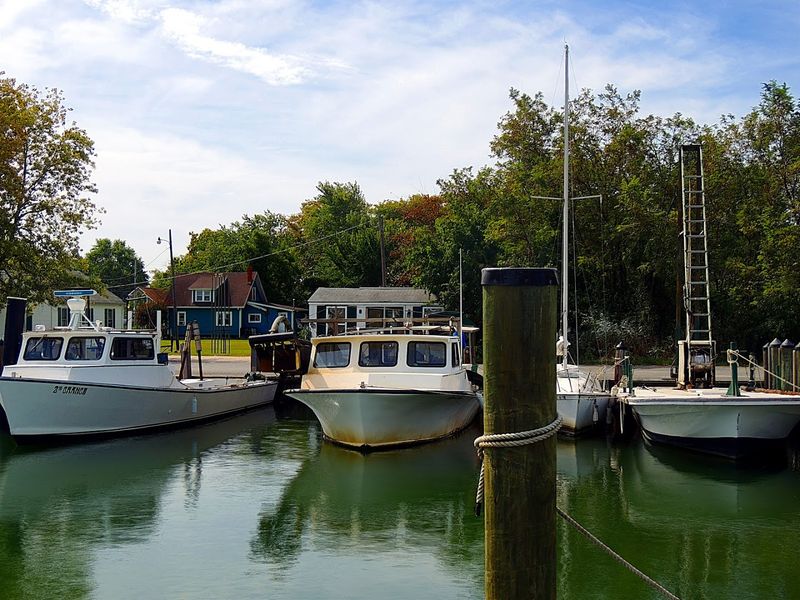
On Maryland’s Eastern Shore, a small road can still feel like a local introduction instead of a shortcut. Talbot County’s backroads pass tidal rivers, farm fields, and old waterfront towns shaped by Chesapeake trade long before modern vacation traffic discovered the region.
The county’s scenery depends on that relationship between land and water, with roads often tracing creeks, inlets, and broad marsh edges.
Routes near Easton, Oxford, St. Michaels, and Tilghman Island show how maritime history settled into everyday geography. Colonial-era development, seafood industries, and agricultural wealth all contributed to towns with unusually strong historic character, while the flatter terrain keeps the views open and legible.
Unlike more mountainous scenic counties, Talbot works through detail and arrangement: church towers, docks, old houses, and fields meeting tidal waterways. The county also benefits from restraint.
Even where tourism thrives, many roads remain local in scale, which keeps the drive from turning theatrical. It is elegant scenery, but not fussy, and that is a hard balance for a coastal place to maintain.
18. Flathead County, Montana
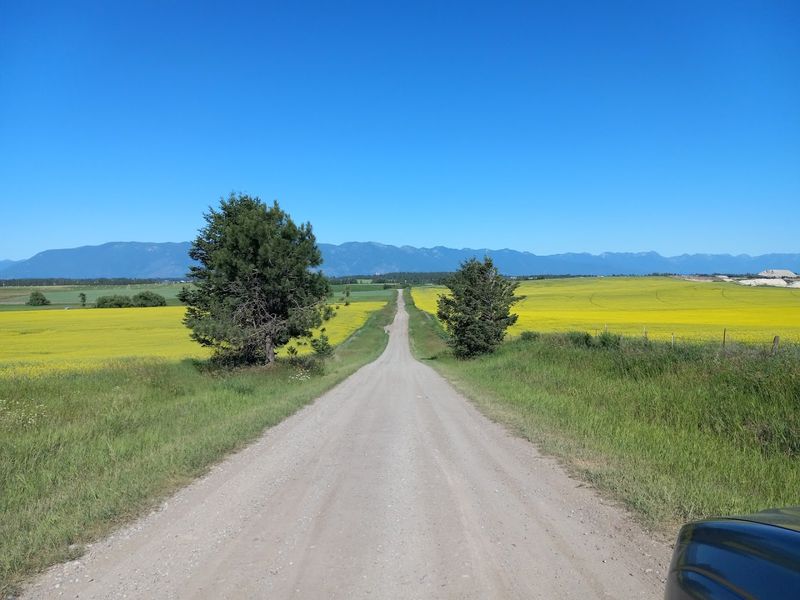
Montana rarely has trouble looking impressive, but Flathead County makes the point with particular efficiency. Sitting near Glacier National Park and centered around Kalispell, Whitefish, and Flathead Lake, the county offers backroads that combine mountain scenery with agricultural valleys and access to major water.
That combination gives the area more variety than a single famous park entrance can suggest.
Roads through the Flathead Valley, around Bigfork, and toward the western edges of Glacier reveal how logging, railroads, farming, and tourism collectively shaped the region. Flathead Lake adds a large-scale visual anchor, while cherry orchards and ranchland keep the valley floor active rather than purely recreational.
The county’s road network often alternates between dense forest and unexpectedly broad openings, which prevents the scenery from settling into one note. Even with growth in resort communities, many drives still feel spacious and locally rooted.
That is why Flathead stays memorable. It offers classic northern Rockies grandeur, but also the everyday infrastructure of a working valley that still knows how to frame its mountains without overannouncing them.
19. Ashe County, North Carolina
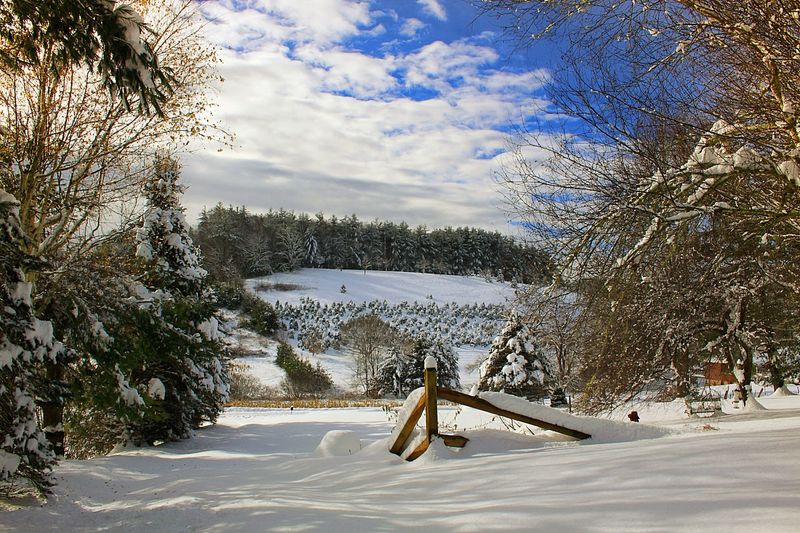
Some mountain counties win you over by being specific instead of flashy. Ashe County, tucked in North Carolina’s northwestern corner, features Blue Ridge backroads lined with Christmas tree farms, old barns, small crossroads communities, and long-range views toward Virginia and Tennessee.
Its elevation and cooler climate helped shape both the scenery and the local economy, especially after Fraser fir production expanded in the twentieth century.
Roads near West Jefferson, Lansing, and Jefferson show how Appalachian culture, agricultural adaptation, and craft traditions still influence daily life. The county never industrialized on a huge scale, so many drives preserve a fine-grained rural pattern of fields, woodlots, churches, and roadside businesses.
That gives the landscape authenticity without requiring any sentimental speeches from the dashboard. The backroads are pretty because they remain useful, connecting real farms and mountain communities rather than existing only for leisure.
Ashe County also benefits from excellent visual rhythm. A ridge opens, a valley narrows, a barn appears, and the county keeps quietly making its case.
20. San Miguel County, New Mexico
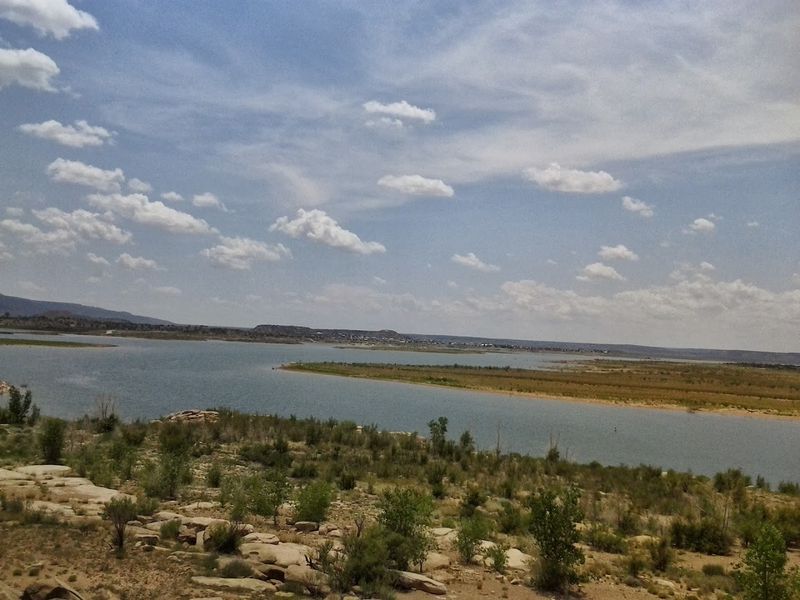
Here the road seems to have read several centuries of regional history before leaving the house. San Miguel County offers some of New Mexico’s most distinctive backroad scenery, combining high desert, mountain edges, historic adobe settlements, and broad open spaces tied to old trade and settlement routes.
Las Vegas, New Mexico, anchors the county with one of the state’s richest collections of historic buildings.
Drives outside town reveal acequia landscapes, old mission churches, ranch country, and villages where Spanish colonial and Territorial-era patterns remain visible in the built environment. Portions of the county connect conceptually to the Santa Fe Trail era, when movement, commerce, and architecture began knitting this region into wider American networks during the nineteenth century.
Those layers give the scenery unusual depth. It is not just wide-open country under a big sky, though it certainly offers that.
It is a landscape where road, plaza, pasture, and adobe wall still explain how culture traveled, adapted, and stayed rooted across generations in northern New Mexico.
Share this story