New Jersey has no shortage of shore towns, but Island Heights holds something that most people drive right past without knowing it exists. Tucked along the banks of the Toms River, this quiet Victorian community is home to one of the most quietly remarkable art destinations on the East Coast.
A 19th-century painter named John F. Peto built his home and studio here, and that building still stands today, fully preserved and open to the public.
What makes this place so compelling is not just the art on the walls, but the fact that the actual objects Peto painted are sitting right there beside the canvases. It is the kind of place that stops you mid-step and makes you rethink what a museum can actually be.
The Man Behind the Masterworks
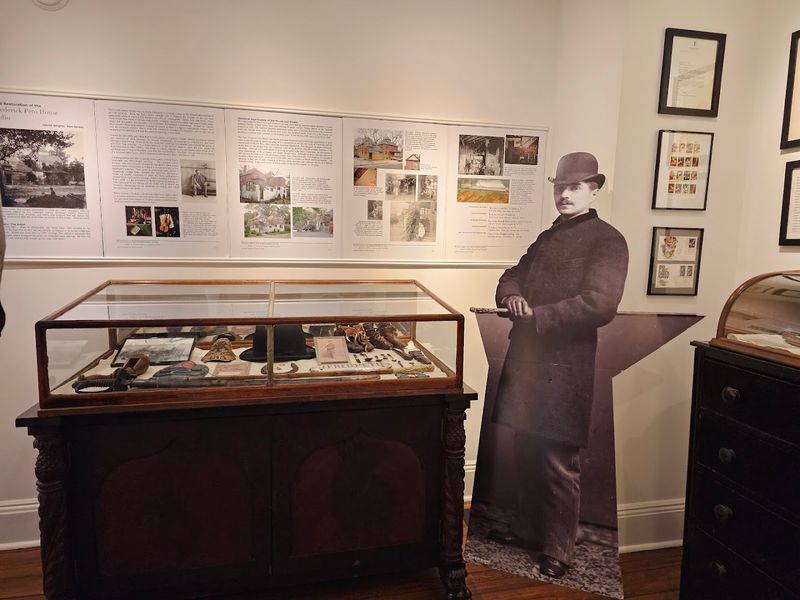
John Frederick Peto was born in Philadelphia in 1854 and spent much of his career working in the tradition of trompe l’oeil painting, a French term meaning “deceive the eye.” His work was so convincing that viewers often mistook his painted objects for real ones.
Despite his talent, Peto spent most of his life working outside the mainstream art world. He moved to Island Heights in 1889, built his home and studio himself, and lived there until his passing in 1907.
For decades after, his reputation faded and his work was often misattributed to his more famous contemporary, William Harnett.
Art historian Alfred Frankenstein helped revive Peto’s legacy in the 1940s by identifying his authentic works and distinguishing them from forgeries. That rediscovery placed Peto back in the conversation as one of the most skilled still life painters in American art history.
His story is one of quiet persistence.
What Trompe L’Oeil Actually Means
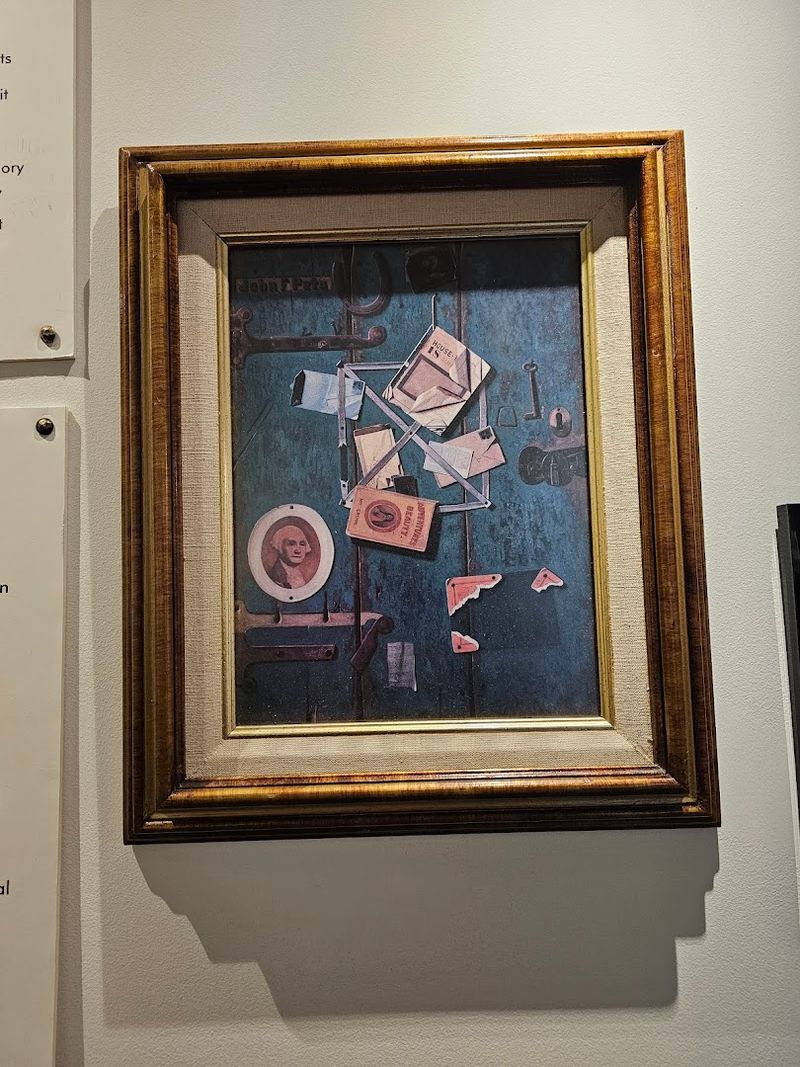
Trompe l’oeil is a painting technique that creates such a convincing illusion of three-dimensional objects that the viewer’s brain initially registers them as real. Peto was a master of this style, and his canvases frequently featured everyday objects like old books, letters, candles, and worn wooden boards.
What made his approach distinct was the emotional weight he gave to ordinary things. A crumpled envelope or a battered tin cup in a Peto painting carries a quiet sense of history, as if it has been handled by many hands over many years.
The museum does an excellent job of explaining this technique to visitors of all ages, including those who have never studied art before. Seeing the technique up close, especially when the actual painted objects are sitting nearby, gives the whole concept a grounded, real-world clarity that no textbook can fully replicate.
The paintings stop being clever tricks and start being genuine conversations.
A Studio That Time Did Not Erase
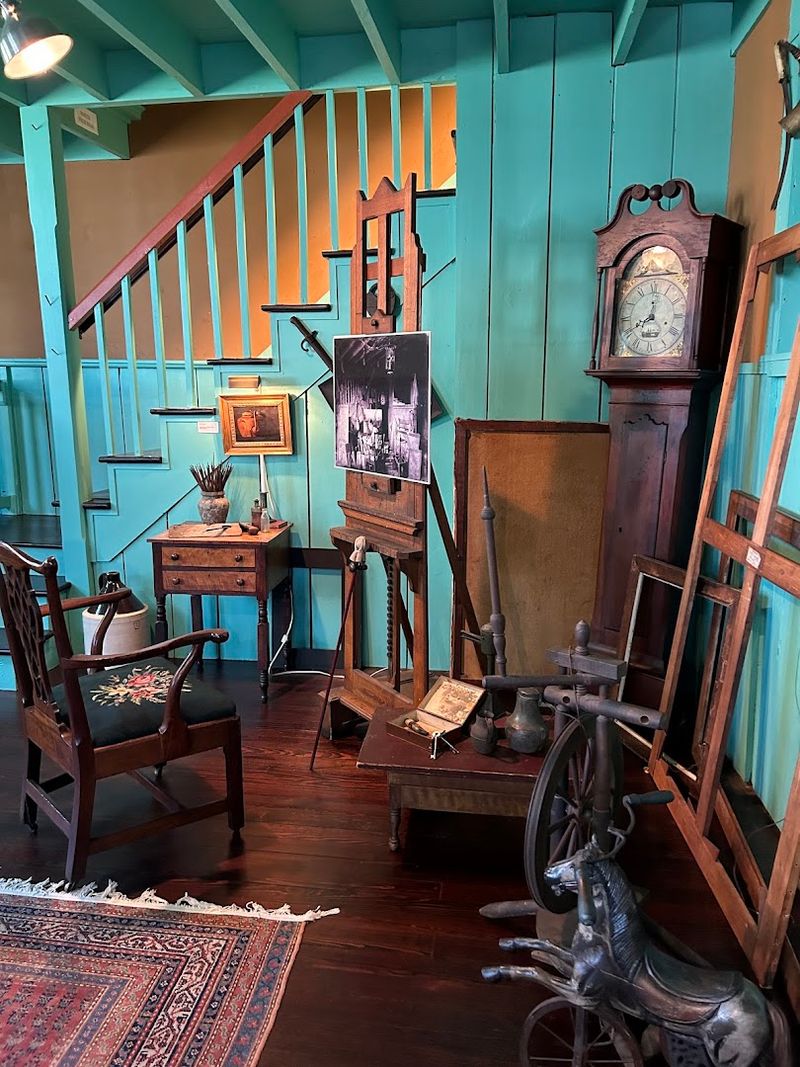
One of the most striking aspects of the John F. Peto Studio Museum is that the building itself is the artifact.
Peto designed and constructed the home and studio with his own hands, and the structure reflects both his practical nature and his artistic eye.
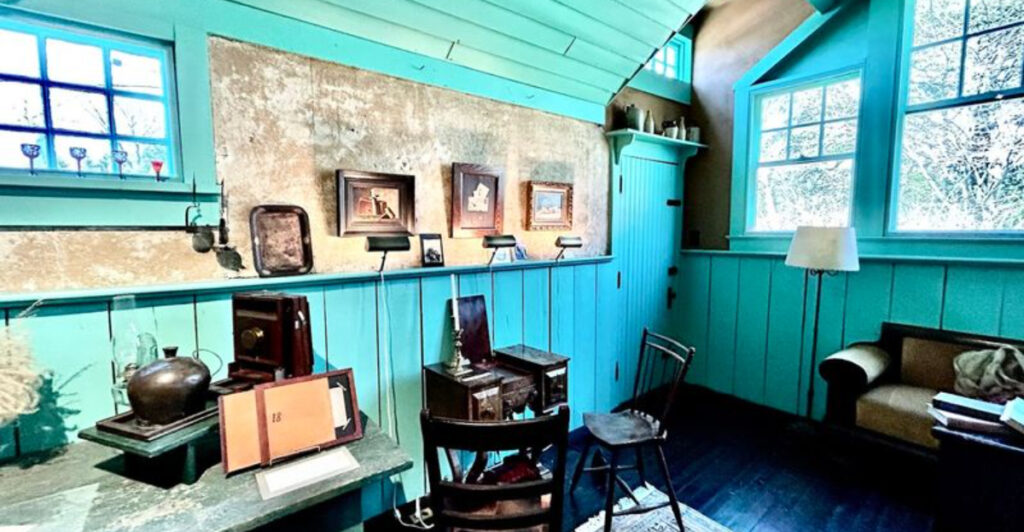
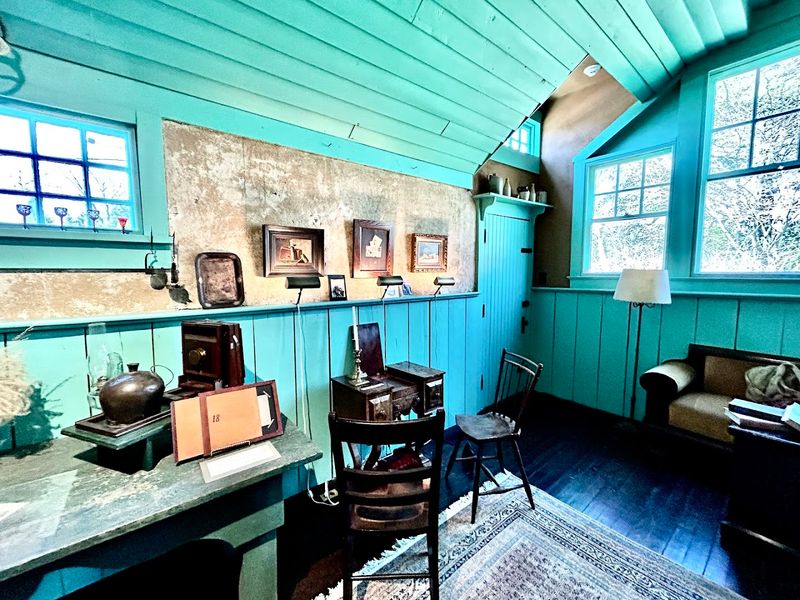
The studio space on the upper floor retains much of its original character. Wooden floors, period furnishings, and the general layout of the rooms all contribute to a feeling that the space has been respected rather than renovated beyond recognition.
The museum has made thoughtful updates over the years, including the addition of an ADA-accessible lift that brings visitors to the second floor without requiring them to navigate the steep and winding staircase. That kind of practical improvement shows real commitment to making the collection available to everyone.
The building is both a working museum and a living document of how a working artist organized his daily life in the late 19th century.
Paintings Paired With the Real Objects
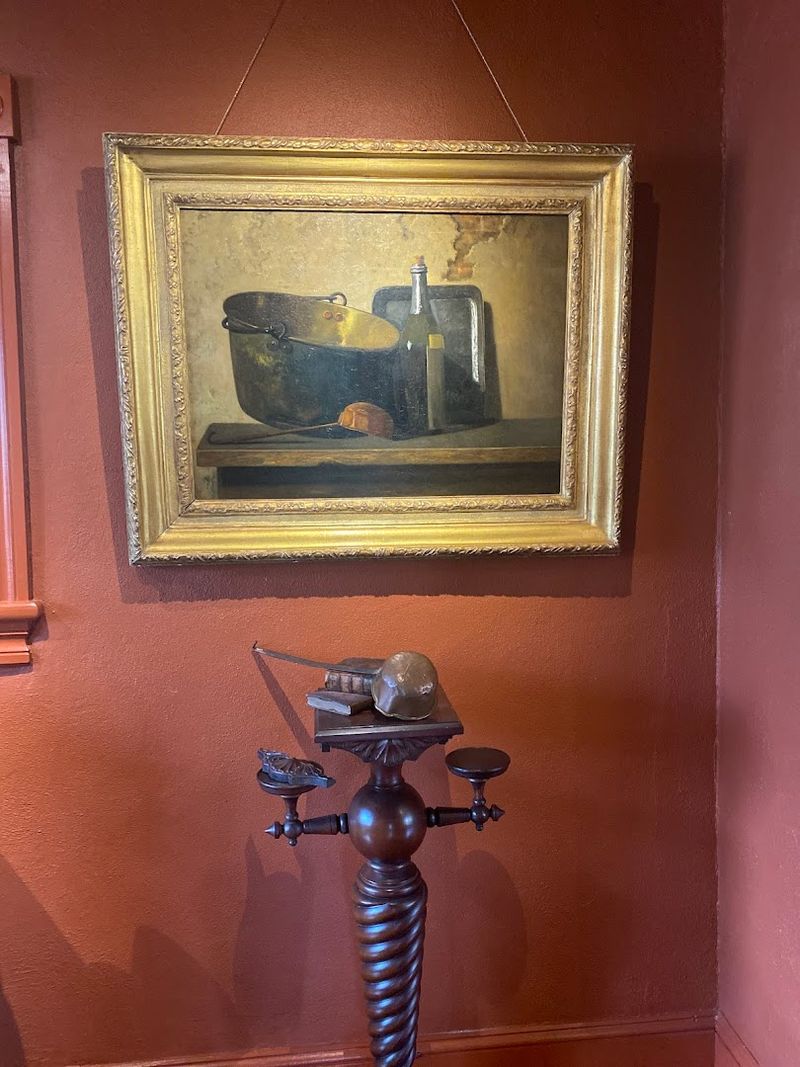
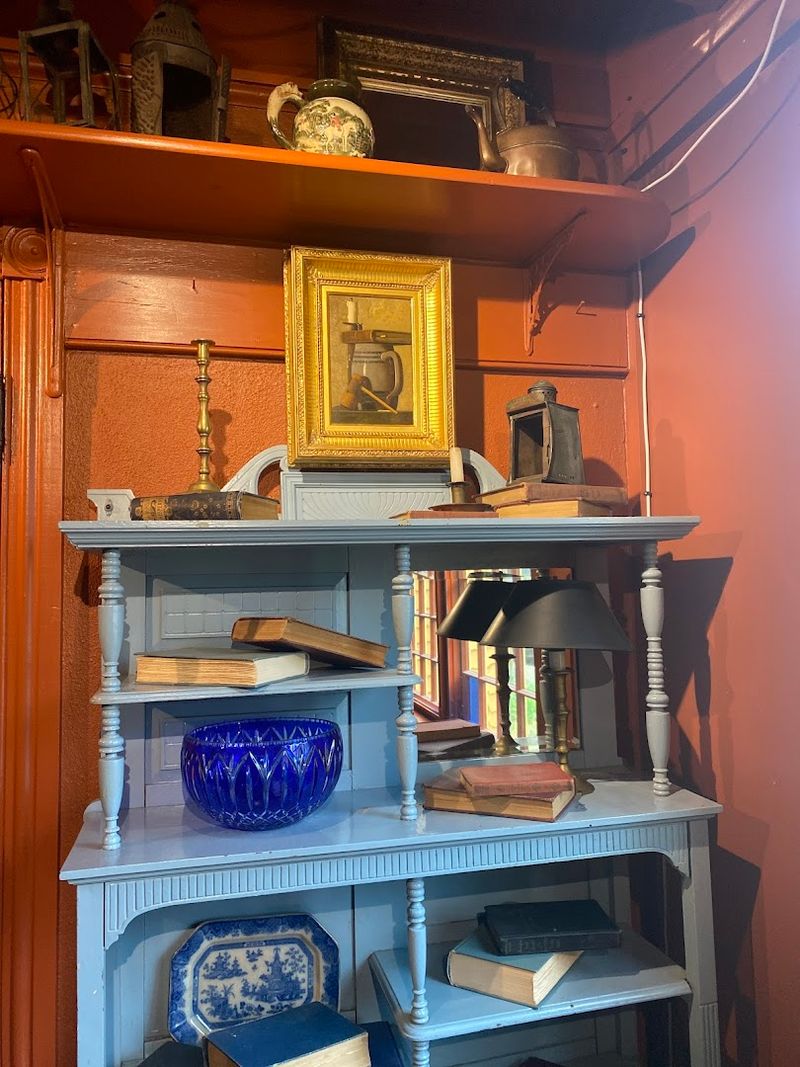
The curatorial decision that sets this museum apart from almost any other in the state is deceptively straightforward. Many of the original objects that Peto used as subjects for his paintings are displayed directly alongside the finished canvases.
A worn leather book that appears in one painting sits on a shelf beneath that very work. A tin lantern, a folded newspaper, a cracked ceramic mug, all of them real, all of them the same items Peto studied and painted over and over again throughout his career in Island Heights.
This pairing of painted image and physical object creates a dialogue that no amount of wall text could achieve on its own. It forces the viewer to look harder, to compare brushstroke to surface texture, and to appreciate just how closely Peto observed the world around him.
The result is an experience that feels more like archaeology than a typical museum tour, with each object carrying its own small story.
Victorian Shingle Architecture Worth a Closer Look
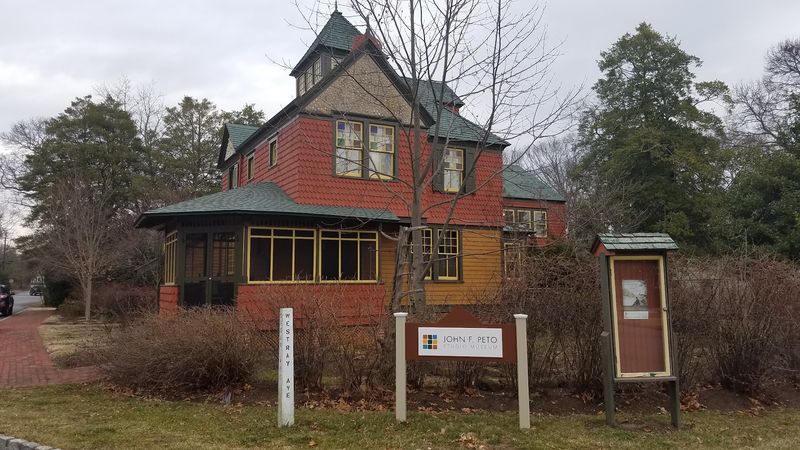
Architecture enthusiasts will find the building itself to be a rewarding subject. The house is a strong example of Victorian Shingle architecture, a style that became popular along the Jersey Shore in the late 1800s and is characterized by its use of wood shingles, asymmetrical facades, and rambling floor plans.
Peto designed the structure himself, which means the layout reflects the priorities of a working artist rather than a conventional homeowner. The studio spaces are prominent, the light sources are deliberate, and the overall composition of the building has an idiosyncratic quality that sets it apart from neighboring homes.
The restoration work done over the decades has preserved these original design choices rather than erasing them. What stands on Cedar Avenue today is both an authentic historic structure and a direct expression of one man’s personality translated into wood and shingle.
For anyone who finds old houses as interesting as old paintings, this place offers two layers of discovery at once.
Family History Woven Into Every Room
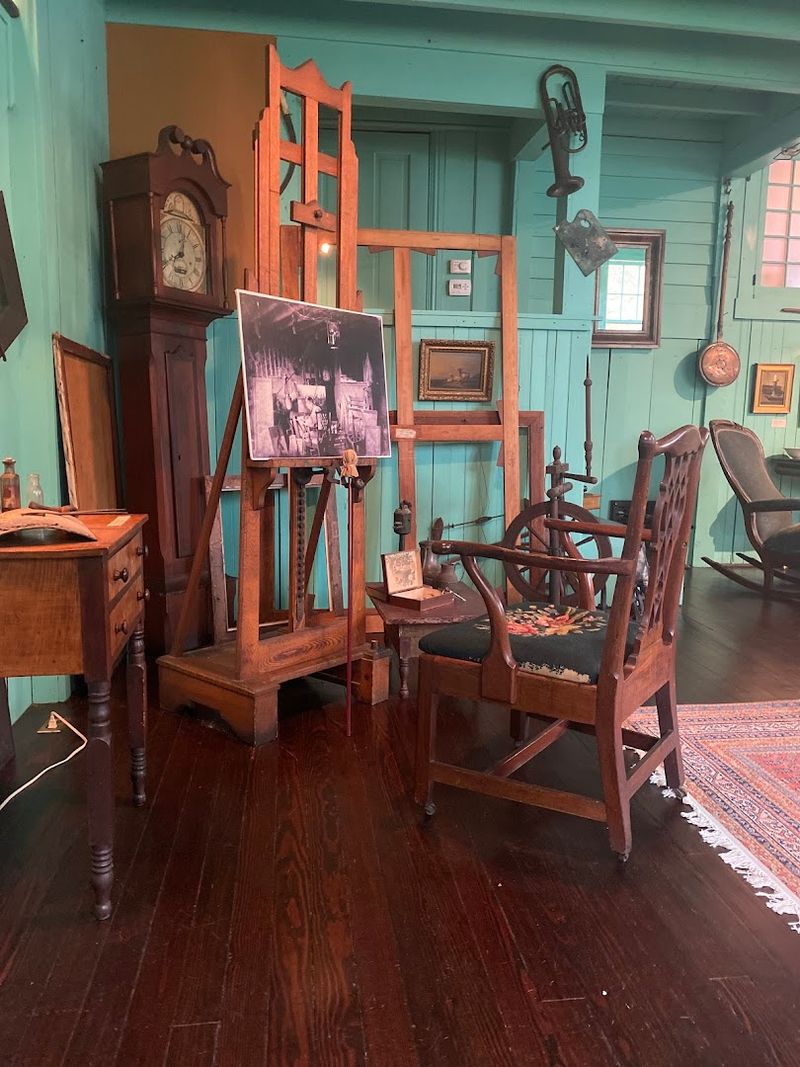
The museum does not limit itself to displaying Peto’s paintings. The rooms also hold an extensive collection of family memorabilia, personal objects, and historical documentation that traces the Peto family’s life in Island Heights across multiple generations.
Furniture that the family actually used, photographs that capture everyday moments, and personal items that would otherwise have been lost to time are all part of the collection. Together, they build a portrait of domestic life in a small New Jersey shore town at the turn of the 20th century.
The tour guides at the museum are well versed in this family history and bring it to life with specific details and context that make the objects feel connected rather than isolated. Learning that a particular chair belonged to Peto’s daughter or that a specific photograph was taken in the backyard gives each item a relational weight.
The house becomes less of an exhibit and more of a household with a real and traceable past.
Guided Tours That Actually Add Something
A lot of museums offer guided tours that feel like optional extras. At the Peto Museum, the tour is the experience.
The guides bring a level of knowledge and genuine enthusiasm that transforms what could be a straightforward walkthrough into something much more engaging.
They connect individual paintings to specific moments in Peto’s life, explain the historical context of the trompe l’oeil tradition in American art, and point out details in the canvases that most visitors would walk right past on their own. The depth of knowledge on display is notable for a museum of this size.
The guides also have a talent for calibrating their explanations to the audience in front of them, whether that is a group of art historians or a family with children who have never been to a museum before. That adaptability makes the tour feel personal rather than scripted.
By the end of the walkthrough, most visitors leave knowing far more than they expected to.
Rotating Exhibitions Keep Things Fresh
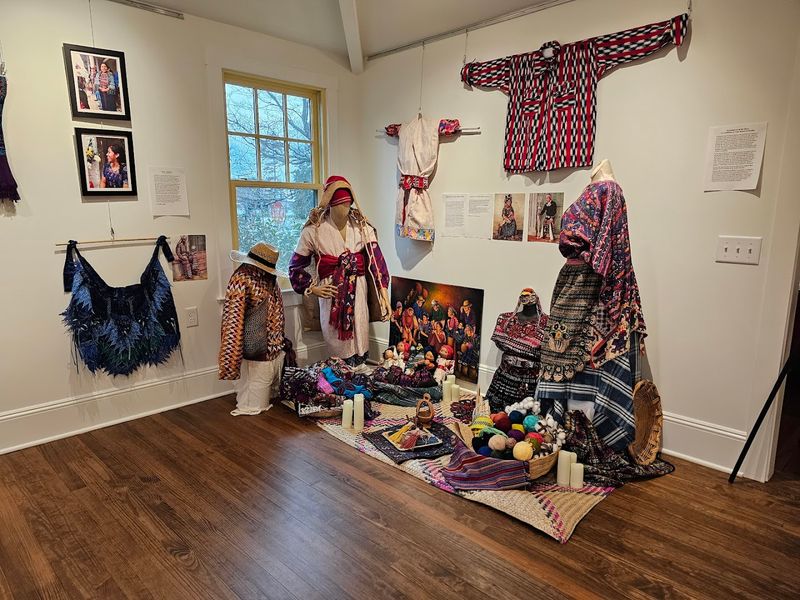
Beyond the permanent collection, the Peto Museum hosts rotating exhibitions in its upper-floor gallery spaces. These shows have featured a range of subjects over the years, from indigenous textile art to works by other notable New Jersey painters from different eras.
Past exhibitions have included work connected to the Newark and Ash Can school movements, as well as shows highlighting artists like John Grabach and Henry Gasser, both of whom have deep roots in New Jersey’s art history. These rotating shows give regular visitors a reason to return and give new visitors a broader context for the region’s artistic legacy.
The gallery spaces themselves are well curated and thoughtfully lit, making the most of the Victorian building’s architectural character without letting the setting overpower the work on display. The combination of a fixed historic collection and a changing contemporary program is one of the things that keeps the museum feeling active and relevant rather than frozen in a single moment of history.
Island Heights: The Town Worth Exploring Too
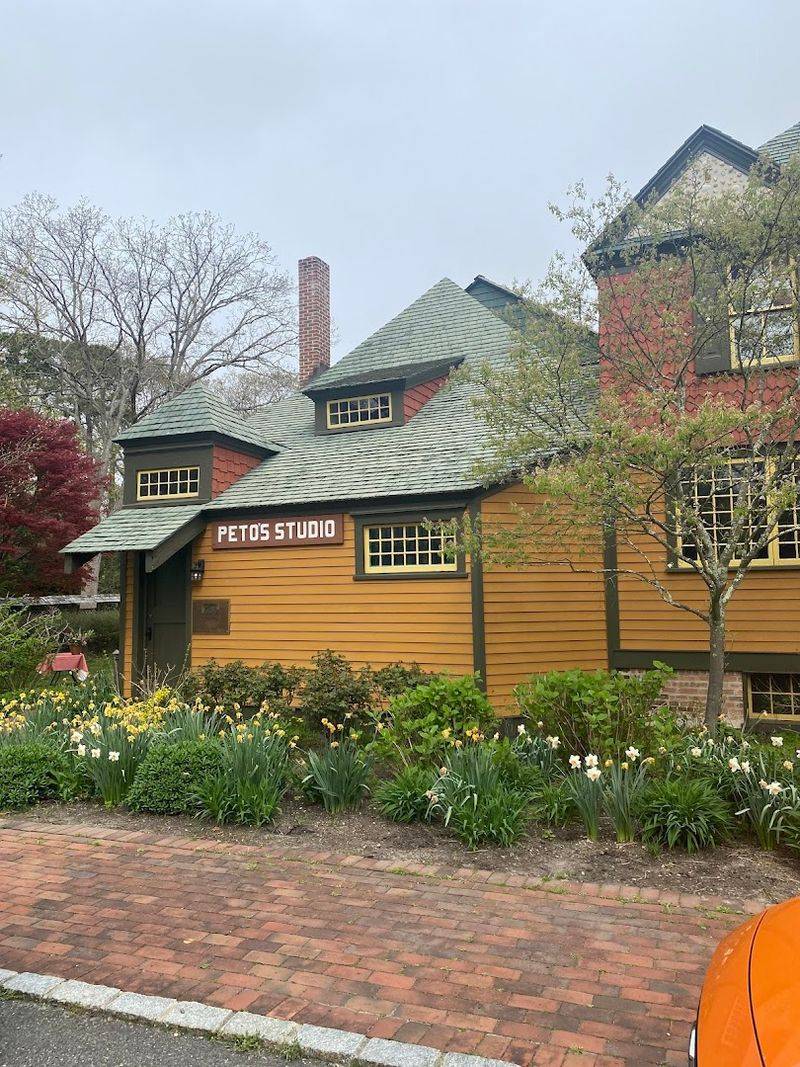
The museum is only one reason to spend time in Island Heights. The borough itself is one of the more architecturally intact Victorian communities left on the Jersey Shore, and a walk through its streets reveals block after block of well-preserved homes from the late 19th and early 20th centuries.
The town was originally developed as a Methodist camp meeting community in 1878, which shaped its layout and character in ways that are still visible today. The streets are narrow, the lots are modest, and the overall pace of the place is noticeably quieter than the larger shore towns nearby.
The Toms River waterfront offers views across to the bay, and the small downtown area has a low-key charm that feels genuinely unhurried. Pairing a museum visit with a short walk around the neighborhood turns the trip into a more complete picture of what this corner of Ocean County actually looks and feels like on a quiet afternoon.
Accessibility and Practical Visitor Information
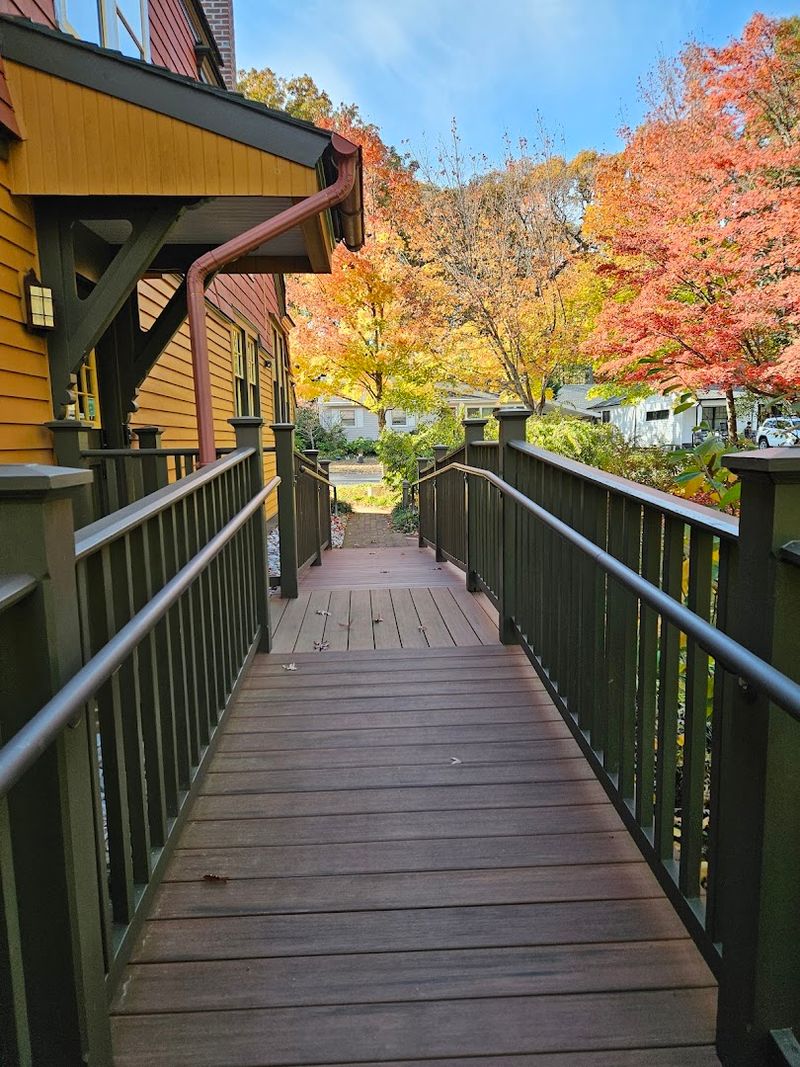
The museum has made meaningful investments in accessibility over the years. A lift installed in the building allows visitors who use wheelchairs or mobility aids to reach the second-floor gallery spaces without navigating the narrow and steep original staircase, which has multiple turns and tight landings.
The addition reflects a broader commitment to making the collection available to as wide an audience as possible, and it was part of a larger renovation that also added new gallery space to the ground floor. Visitors who use canes or have difficulty with stairs are specifically encouraged to use the lift rather than attempt the staircase.
The museum is open Saturdays and Sundays from 1 to 4 PM, and it is closed Monday through Friday. Given the limited hours, calling ahead at +1 732-929-4949 or checking the website at petomuseum.org before visiting is strongly recommended.
Arriving without a confirmed schedule can mean a wasted trip, especially during holiday periods or special programming weeks.
Why This Museum Punches Above Its Weight
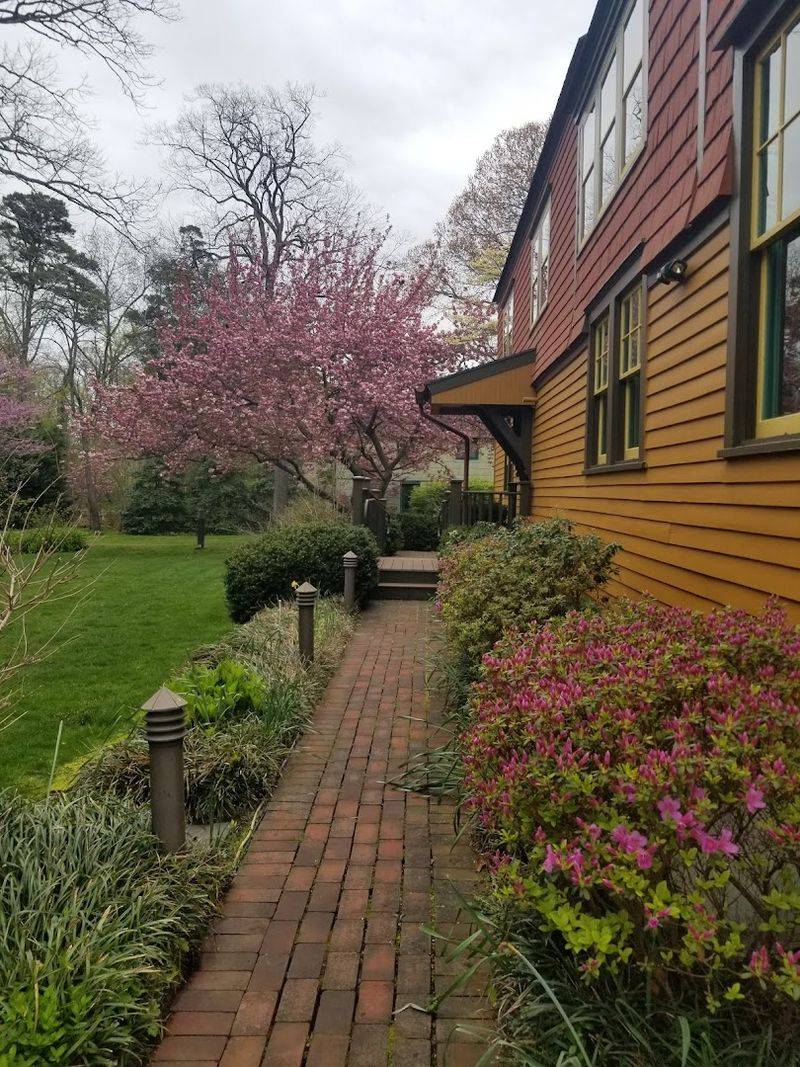
For a museum that occupies a single Victorian home in a borough most people have never heard of, the Peto Museum operates at a remarkably high standard. The curation is thoughtful, the preservation is genuine, and the educational programming is consistently well executed.
It has been recognized as one of the premier active art history museums in Ocean County, which is a meaningful distinction in a region that does not typically draw major cultural institutions. The combination of a nationally significant artist’s original home, an intact collection of personal objects, and a strong rotating exhibition program puts it in a category well above what its modest exterior might suggest.
Small museums often struggle to maintain consistent quality, but this one has built a reputation over decades that holds up to scrutiny. The level of care applied to every aspect of the operation, from the condition of the canvases to the knowledge of the guides, reflects an institution that takes its mission seriously without taking itself too seriously.
A Good Fit for Art Lovers and Curious First-Timers
Not every museum manages to work for both seasoned art enthusiasts and complete newcomers at the same time, but the Peto Museum pulls it off. The subject matter is accessible enough that someone with no background in art history can walk in and walk out genuinely engaged.
The trompe l’oeil technique is visually immediate, the connection between paintings and real objects is easy to grasp, and the family history angle gives the visit an emotional layer that does not require any prior knowledge to appreciate. Children who visit tend to respond strongly to the illusion aspect of the paintings, which makes the trip a practical option for families as well.
At the same time, the depth of the collection and the quality of the scholarship behind it give serious art lovers more than enough to work with. The museum manages the rare trick of being genuinely welcoming to everyone without dumbing anything down for anyone.
That balance is harder to achieve than it looks.
Making the Most of Your Visit to Island Heights

Getting the most out of a trip to the Peto Museum starts with timing. The Saturday and Sunday afternoon hours mean the museum fits naturally into a weekend trip to the Jersey Shore, and pairing it with a walk around Island Heights adds real value to the overall outing.
Arriving early in the open window, around 1 PM, gives visitors the best chance of getting a full guided tour rather than catching one already in progress. The tours run regularly during open hours and are included with admission, so there is no reason to skip them.
The museum’s website at petomuseum.org has current information on upcoming exhibitions and any schedule changes, and a quick call to confirm hours is always worthwhile before making the drive. The museum is a short distance from the Garden State Parkway, which makes it convenient from most parts of New Jersey.
A well-planned visit to this place tends to leave people wishing they had come sooner.
Where to Find This Hidden Victorian Gem
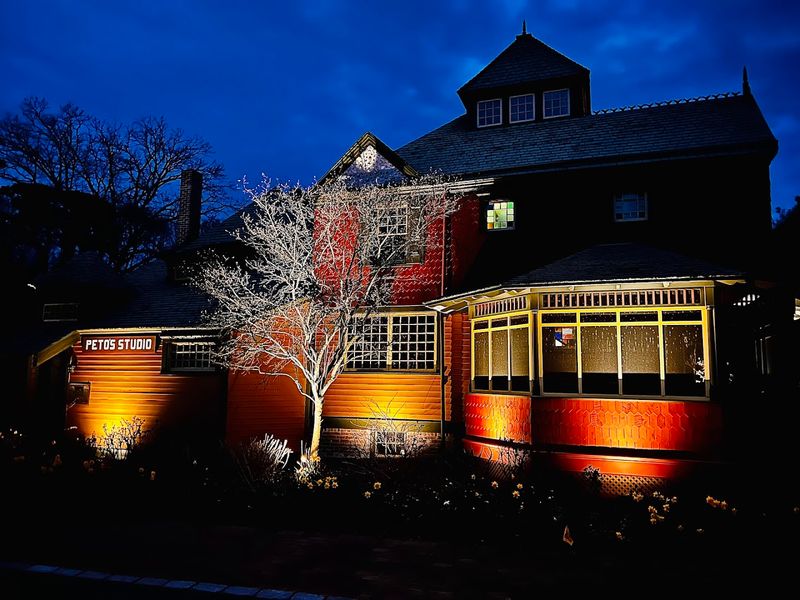
The John F. Peto Studio Museum sits at 102 Cedar Ave, Island Heights, NJ 08732, a small borough that hugs the northern shore of Toms River in Ocean County.
Island Heights is the kind of town that does not announce itself loudly, which is exactly why finding this museum feels like a personal discovery.
The building occupies a quiet residential street, surrounded by the Victorian-era architecture that defines the neighborhood. It is not far from the more well-known Seaside Heights beach area, making it an easy detour for anyone already heading to the Jersey Shore.
The museum is open on Saturdays and Sundays from 1 to 4 PM, and it is closed the rest of the week. Calling ahead is always a good idea before making the trip, since hours can shift for special exhibitions or private events.
Planning a short visit turns into a longer one almost every time.
Share this story