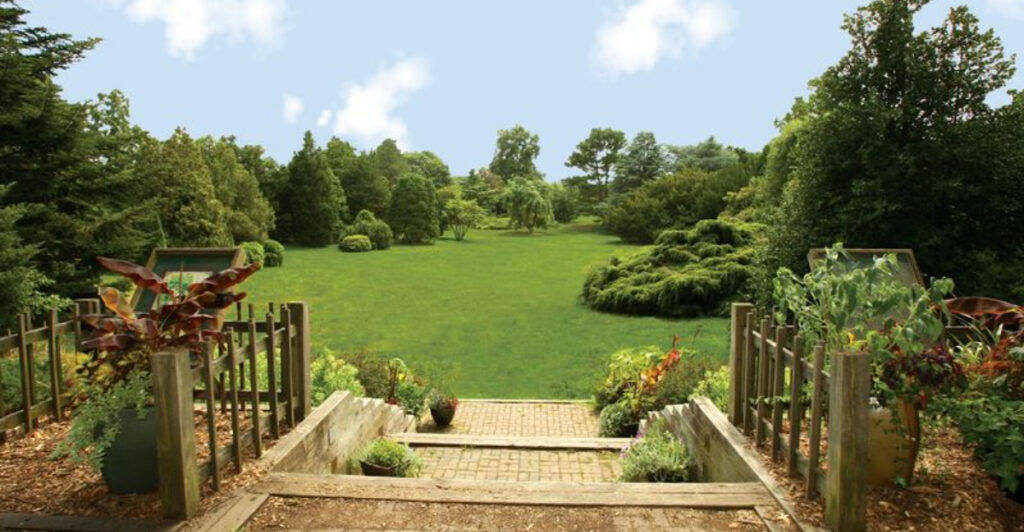
New Jersey does not always get credit for its natural beauty, but tucked inside Middlesex County is a botanical destination that genuinely earns a second look. On a weekday morning, the parking lot fills up faster than you might expect, and by midday, families, photographers, and curious walkers are spread across acres of themed gardens, open fields, and a bamboo forest that feels like it belongs on another continent.
The place runs on a free admission model, relies on community donations, and still manages to maintain grounds that look professionally tended year-round. Spring brings bursts of color that make every corner worth photographing, but even a winter visit has its own quiet appeal.
Whether someone is planning a solo afternoon or a relaxed outing with the whole family, this New Brunswick destination offers more than a casual stroll, and this article breaks down exactly what makes it worth the trip.
A Living Laboratory With Deep Roots
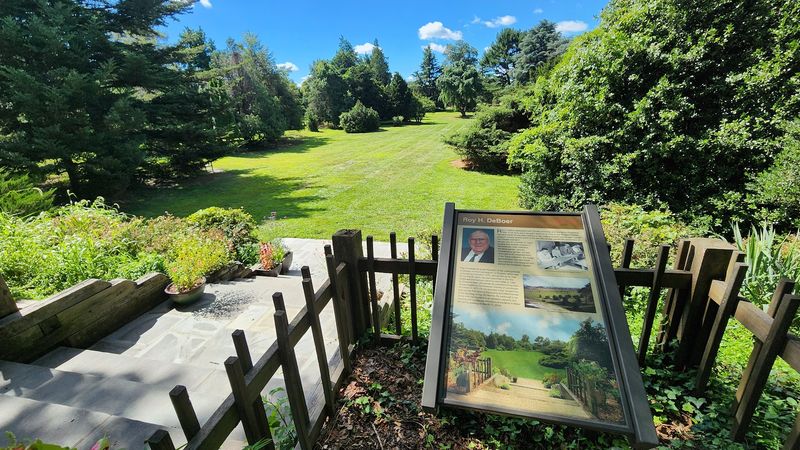
Rutgers Gardens has been connected to Rutgers University for decades, functioning as both a public green space and an active research and teaching ground. The university uses the land to study horticulture, sustainable agriculture, and plant science, which means the gardens are not just decorative but genuinely educational.
That academic foundation shows in the level of detail across the grounds. Many trees and plants carry labeled placards identifying their species, origin, and characteristics, turning a casual walk into an informal botany lesson that does not feel like homework.
The relationship between Rutgers and the gardens also means the space benefits from ongoing investment in plant diversity and landscape management. Students and faculty contribute to maintenance and research projects throughout the year.
For a public visitor, that translates into a well-organized, thoughtfully curated outdoor environment that keeps evolving with each passing season, offering something new on nearly every return visit.
The Bamboo Forest That Steals the Show
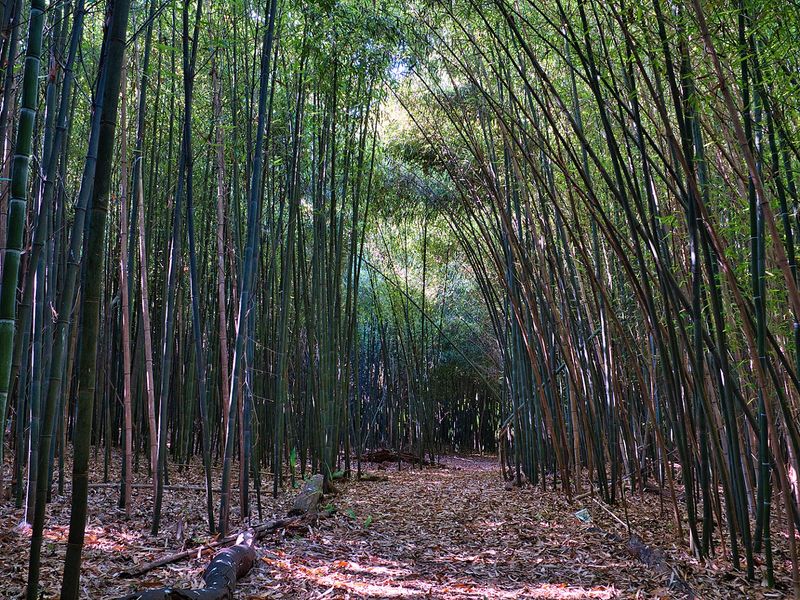
Of all the distinct areas within the gardens, the bamboo forest consistently draws the most attention. Tall stalks crowd together in dense clusters, creating a corridor that blocks out surrounding noise and light in a way that feels genuinely different from the rest of the property.
The bamboo here is not decorative landscaping. It grows thick and tall, forming a canopy that changes the whole character of a walk.
Visitors who enter the bamboo section often pause just inside the entrance, adjusting to the shift in atmosphere before continuing through.
It is worth noting that the paths inside can be uneven, and the ground may become slippery after rain. Wearing appropriate footwear is a practical consideration that first-time visitors sometimes overlook.
The bamboo forest works well as both a photography destination and a quiet spot to pause mid-walk, and it remains one of the most talked-about features of the entire property.
Hellyer Woods and the Pine Forest
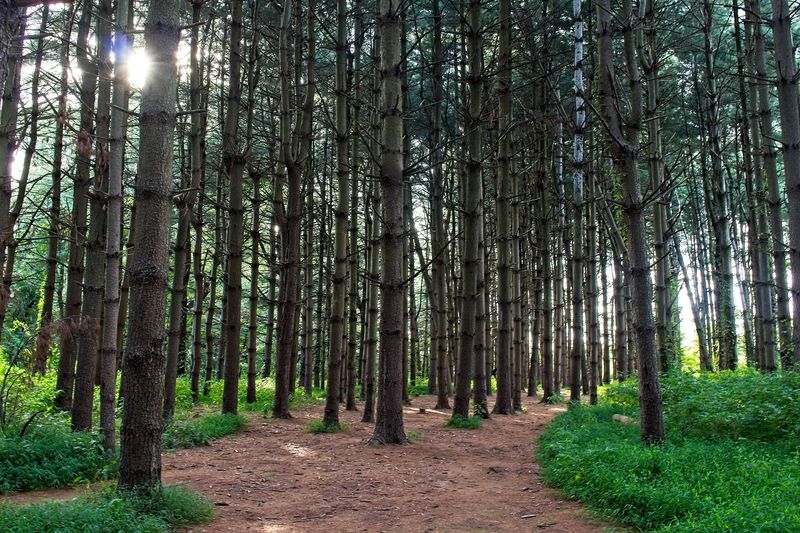
Beyond the cultivated garden beds and open fields, Rutgers Gardens contains wooded sections that feel more like a nature preserve than a botanical garden. Hellyer Woods is one of these areas, offering a shaded trail through mature trees that have been growing undisturbed for a long time.
The pine forest section adds another layer of variety to the grounds. Walking through a stand of tall conifers that look like they have been there for centuries gives the visit a scale and permanence that smaller gardens simply cannot replicate.
Some of the spruces and firs on the property have grown to an impressive size over many decades.
These wooded areas work especially well for visitors who want a quieter, more contemplative experience away from the open garden sections. The trails are natural and uneven in places, so watching footing is important, but the payoff in terms of mature tree coverage and peaceful surroundings makes the effort worthwhile.
Flower Gardens That Change With Every Season
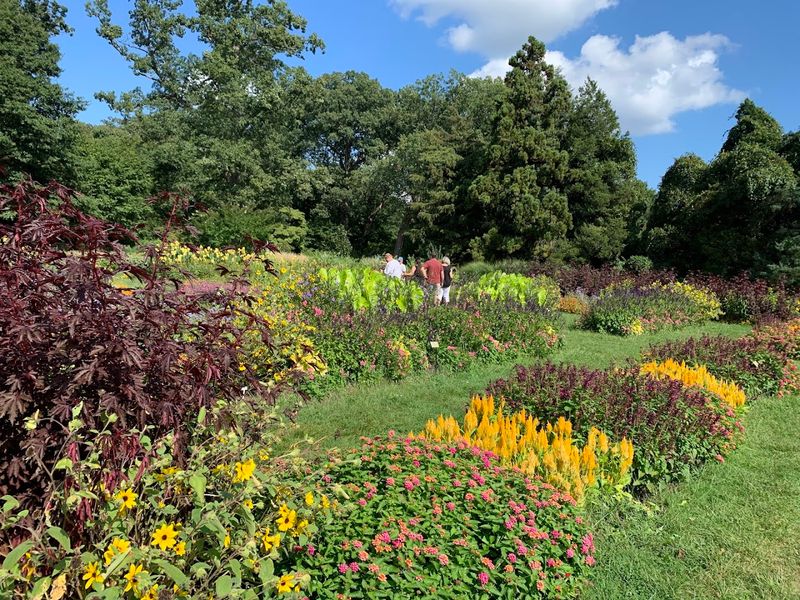
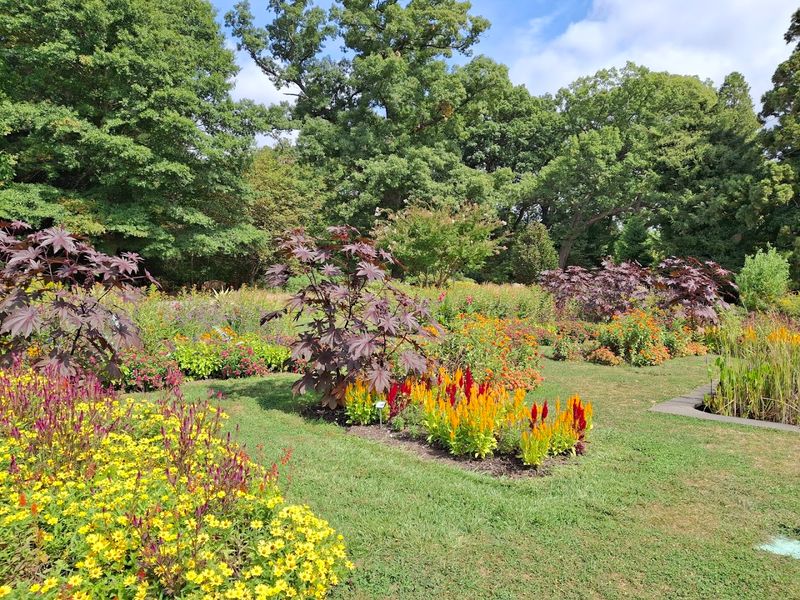
The flower gardens at Rutgers Gardens are laid out with clear intention, grouping plants by type and bloom cycle so that something is always in color regardless of the time of year. Spring brings the most dramatic displays, but summer and early fall keep the gardens active with rotating blooms.
Each plant in the cultivated beds carries a label with its name and classification, which adds an educational element that many botanical gardens charge extra for. Casual walkers and serious plant enthusiasts both find value in that level of detail.
Lily Land and the perennial arrangements are among the most photographed areas on the property. Benches are placed throughout the flower garden sections, making it easy to sit and take in a particular arrangement without rushing.
The thoughtful placement of seating throughout the grounds reflects an understanding that people come here not just to walk but to genuinely spend time with the landscape.
Open Fields and Grass Areas for Relaxed Visits
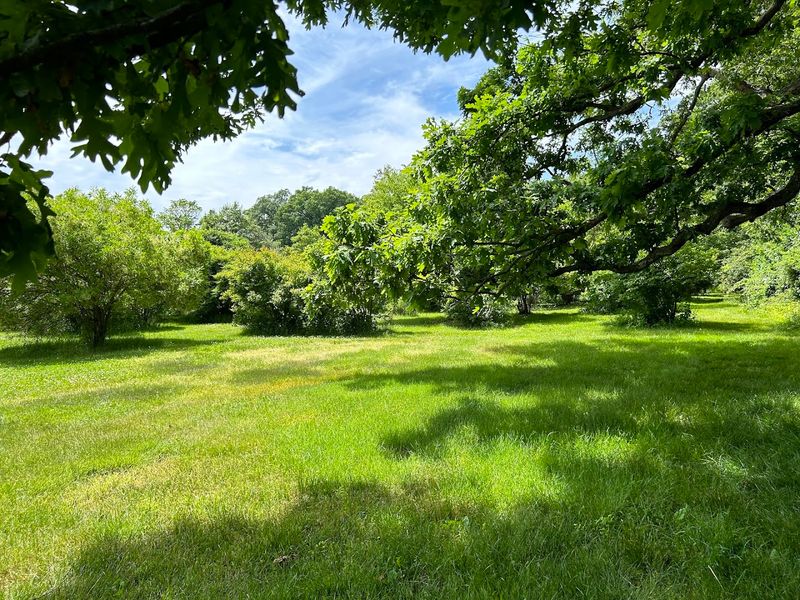
Not every part of Rutgers Gardens is dense with plantings. Large open grass areas spread across sections of the property, giving the grounds an airy, park-like quality that balances well against the more structured garden beds and wooded trails.
These open fields are where the picnic blankets come out. There is no official designated picnic area marked on the grounds, but spreading out a blanket on the grass is completely acceptable and widely practiced by regular visitors.
Bringing food and spending a full afternoon in one of these open stretches is a legitimate way to use the space.
The fields also serve as natural gathering areas for families with children, dog owners, and anyone who prefers a less structured outdoor experience. Dogs are welcome on the grounds, which adds a social, community-oriented energy to weekend visits.
The open layout makes it easy to find a quiet corner even when the property is moderately busy.
Vegetable Gardens and Sustainable Growing Practices
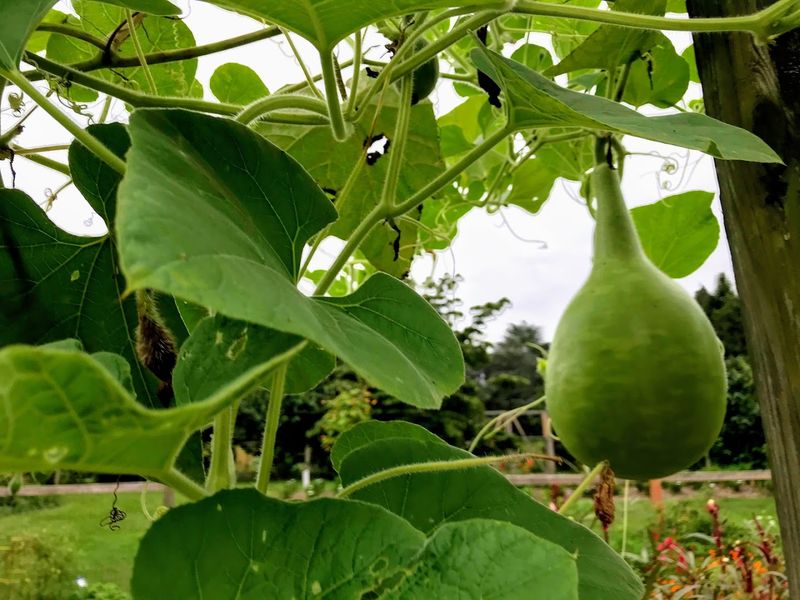
Rutgers Gardens includes vegetable garden areas that reflect the university’s ongoing interest in sustainable agriculture and food production research. These plots are not just for show.
They connect directly to the academic programs at Rutgers and demonstrate practical growing techniques on a visible, accessible scale.
The vegetable gardens are not always open to the public in every season. Lily Land and related growing areas are sometimes closed during off-season periods, so checking the website before visiting is a good habit for anyone specifically interested in that part of the grounds.
When the vegetable sections are active, they add a distinctly productive energy to the gardens that differs from the ornamental plantings elsewhere on the property. Seeing crops growing alongside research plots gives the whole visit an extra layer of context, connecting the decorative beauty of the flower gardens to the more practical side of what Rutgers University does with the land it maintains here.
Free Admission and the Donation Model
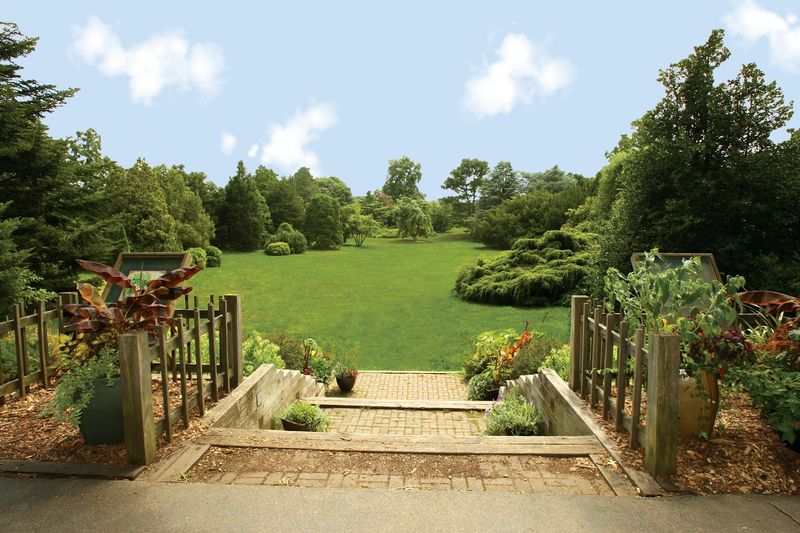
One of the most consistently appreciated aspects of Rutgers Gardens is the fact that admission is free. The gardens operate on a donations-accepted model, meaning anyone can walk through the gates without paying an entry fee, though financial contributions are welcomed and help maintain the property.
Free parking is also available, which removes another common barrier for day-trip destinations. On busy weekends, the parking lot fills quickly, and overflow areas are sometimes needed, but the absence of a parking fee still keeps the visit accessible for families and individuals on a budget.
That combination of free entry and free parking makes Rutgers Gardens one of the more genuinely accessible outdoor destinations in central New Jersey. The gardens manage to maintain a high standard of upkeep on a model that relies partly on community goodwill, which says something meaningful about how the space is valued by the people who use it regularly throughout the year.
Best Times to Visit and Seasonal Highlights
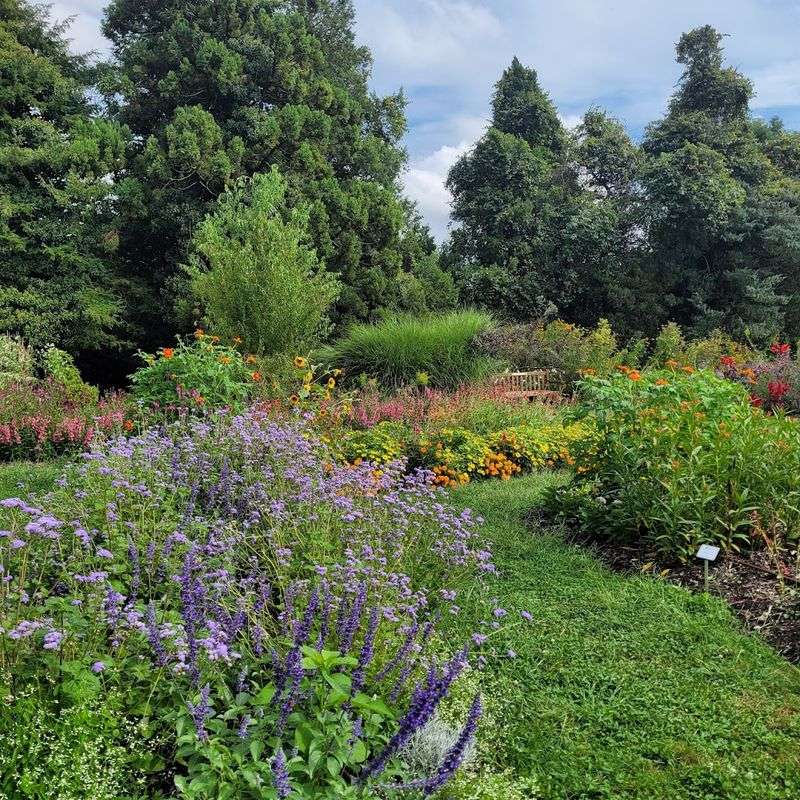
Spring and early summer are widely considered the peak seasons at Rutgers Gardens. That is when the flower beds reach full bloom, the vegetable gardens come to life, and the overall visual variety of the property is at its highest.
Visiting in April or May gives the best chance of catching multiple garden areas in simultaneous bloom.
Late October has its own appeal, with mature trees shifting color and the bamboo forest taking on a different character in cooler weather. Winter visits are quieter but still offer the pine and spruce sections, which remain green year-round.
Summer visits require a bit of preparation. Bringing water is strongly recommended on warm days, and a hat provides useful coverage during midday hours when the open field sections offer limited shade.
The gardens open at 8 AM Tuesday through Sunday, and arriving early on weekends avoids the parking congestion that builds up by late morning on busy days.
Trails, Paths, and Getting Around the Grounds
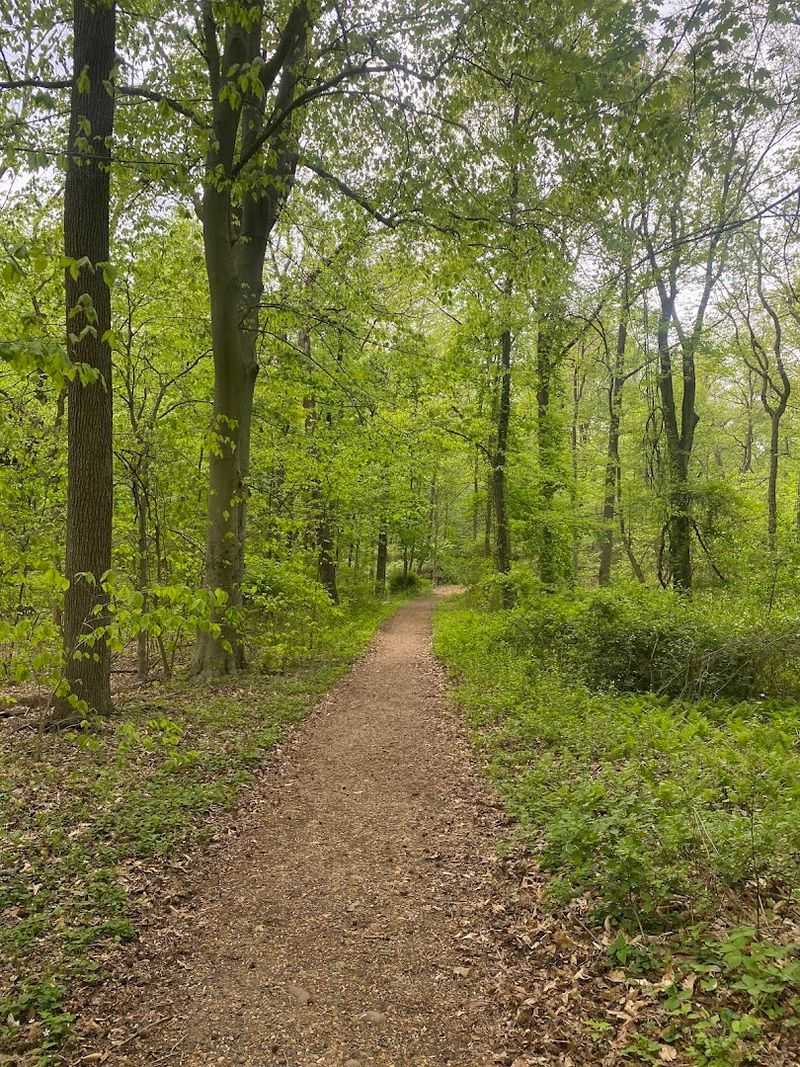
The trail system at Rutgers Gardens is a mix of stone paths, gravel walkways, grass routes, and natural dirt trails through the wooded sections. That variety keeps the walking experience interesting but also means visitors should wear appropriate footwear before arriving.
Uneven surfaces are common across the property, and some areas have hidden dips or holes in the turf grass that are easy to miss. Paths can also become slippery after rain, particularly in the bamboo forest and wooded trail sections.
Sturdy, closed-toe shoes are a practical choice for any visit.
The grounds do not follow a single prescribed route, which gives the visit an exploratory quality. Small paths wind under tree canopies and open into hidden garden clearings that reward anyone willing to wander off the main routes.
There is no official guided tour, so the experience is largely self-directed, which suits visitors who prefer setting their own pace through the landscape.
Wildlife and Natural Encounters on the Property
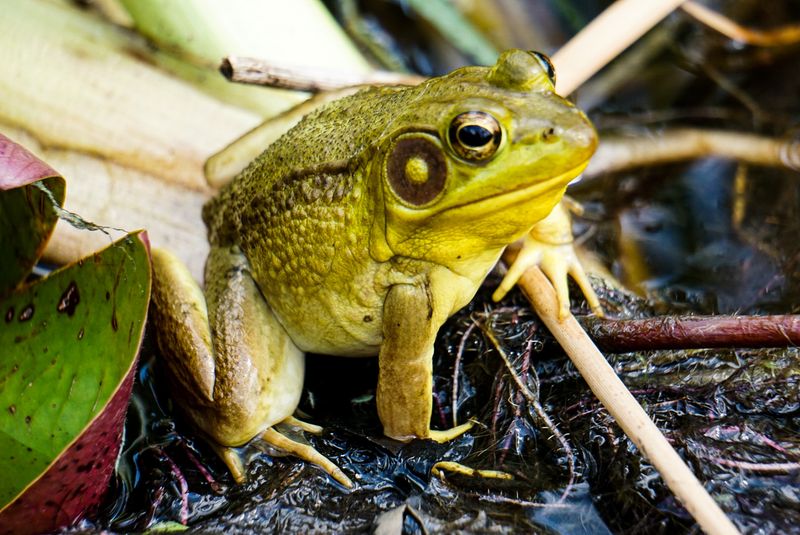
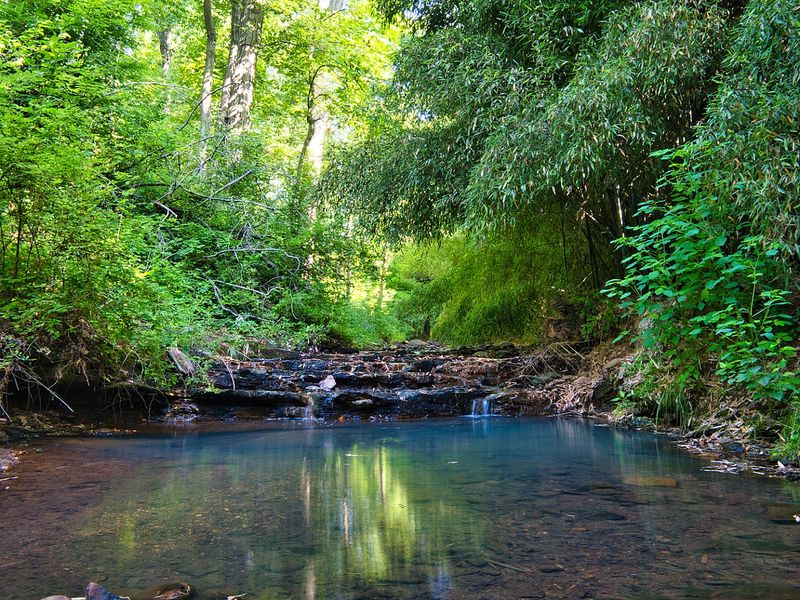
The mix of open fields, wooded trails, and water-adjacent areas at Rutgers Gardens creates conditions that attract local wildlife throughout the year. Blue herons have been spotted moving low through the garden sections, and the wooded corridors provide habitat for a range of bird species that are easy to observe during a quiet morning visit.
Ticks are a real consideration on the property, particularly in the wooded and tall-grass areas. Bringing insect repellent and wearing long socks or pants tucked in during tick season is a practical precaution that regular visitors take seriously.
The wildlife presence adds an element of unpredictability to each visit that purely ornamental gardens cannot offer. A walk through Hellyer Woods or along the river trail might turn up something unexpected, which keeps the experience fresh even for people who have visited the grounds multiple times before.
Nature here operates on its own schedule.
Photography Opportunities Across Every Section
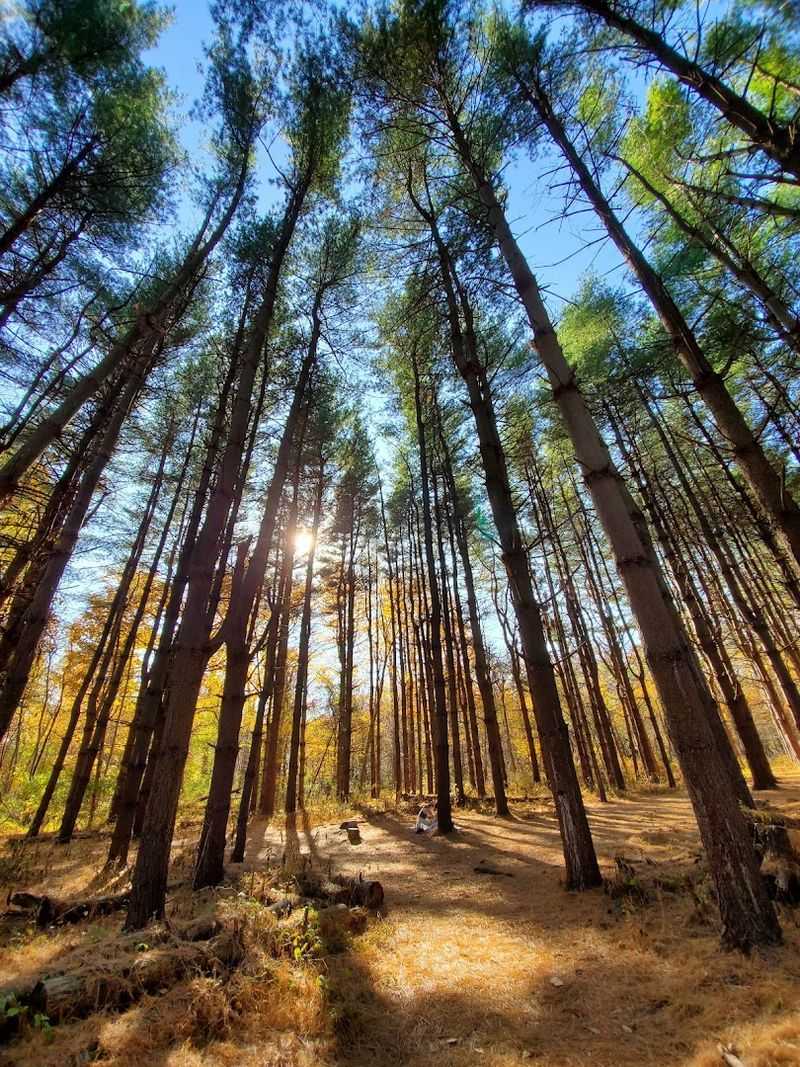
Rutgers Gardens has developed a reputation as a photography destination that goes well beyond casual phone snapshots. The combination of cultivated flower beds, towering mature trees, the bamboo corridor, and open fields gives photographers a wide range of compositions within a single visit.
The property has been used for maternity photos, engagement sessions, family portraits, and nature photography projects. The variety of backdrops available across the grounds means a two-hour visit can yield images that look like they were taken in completely different locations.
Late afternoon light works particularly well in the flower garden sections, where the open sky allows for softer, more directional illumination. The bamboo forest interior tends to work better on overcast days when the contrast between dark stalks and filtered light is easier to manage.
Early morning visits on weekdays offer the quietest conditions and the least foot traffic for anyone who prefers to photograph without crowds moving through the frame.
A Dog-Friendly Destination Worth Knowing About
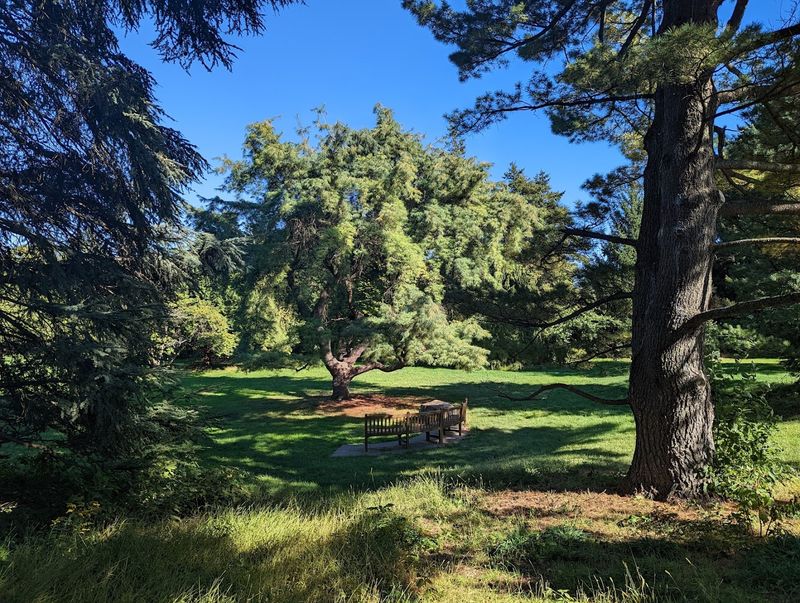
Dogs are welcome at Rutgers Gardens, and that policy makes the property a regular destination for pet owners throughout the warmer months. Leashed dogs can accompany their owners along the trails, through the open fields, and around the garden sections, making it a practical outing that works for the whole household.
The free parking and open layout make arrival with a dog relatively straightforward. The natural trail surfaces are good for dogs to walk on, though the same terrain warnings that apply to human visitors also apply here.
Uneven ground, hidden dips, and slippery paths after rain require some attention regardless of who is navigating them.
Weekend visits tend to bring out more dogs than weekday mornings, and the open grass areas naturally become informal social spots where owners stop to let their dogs interact. That community energy is part of what gives the gardens a relaxed, neighborhood-park quality that larger botanical destinations sometimes lack.
Practical Tips Before You Go
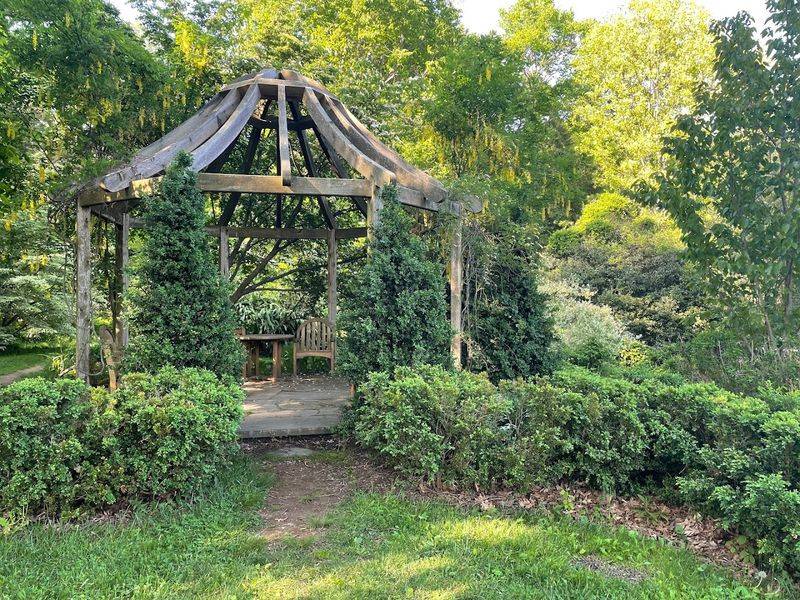
A few practical details make a real difference for first-time visitors. The gardens are closed on Mondays, and the gates lock promptly at closing time, so leaving with enough buffer before 7 PM is important.
Getting locked in is a situation that has apparently caught more than one visitor off guard.
There are no formal restroom facilities in the traditional sense. Portable options are available on the property, though their condition varies.
Planning accordingly before arriving is a reasonable precaution, especially for visits with young children or longer stays.
All trash brought onto the property should leave with the visitor. The gardens operate on a carry-in, carry-out principle that keeps the grounds clean and reduces the burden on the small staff that maintains the space.
Checking the official website before visiting is consistently useful for seasonal hours, area closures, and event scheduling that might affect the experience on any given day.
Why This Place Keeps Drawing People Back
Rutgers Gardens does not try to compete with larger botanical destinations that charge admission and run structured programming. What it offers instead is something harder to manufacture: a large, varied, well-maintained outdoor space that is genuinely free and genuinely open to everyone.
The combination of themed garden areas, wooded trails, open fields, a bamboo forest, and wildlife sightings within a single property gives the grounds a range that most free parks in New Jersey cannot match. Each season shifts the experience just enough to make a return visit feel worthwhile rather than repetitive.
Regular visitors develop favorite corners of the property, whether that is a particular bench near the perennial beds, a stretch of the pine trail, or the quiet interior of the bamboo forest on a weekday morning. That kind of personal attachment to a public space is not something that happens by accident.
Rutgers Gardens has earned it, one quiet walk at a time.
Where It All Begins: Address and Location
Rutgers Gardens sits at 130 Log Cabin Rd, New Brunswick, NJ 08901, operated under Rutgers University in Middlesex County, New Jersey. The address alone gives a hint that this is not your average city park.
Log Cabin Road winds through a quiet, wooded stretch that signals a shift from the surrounding suburban landscape.
The gardens are open Tuesday through Sunday from 8 AM to 7 PM, and the gates close promptly at closing time, so planning ahead matters. Monday is the one day the grounds stay closed.
Parking is free and available on-site, with overflow space for busier weekend days. The official website at rutgersgardens.rutgers.edu provides updated seasonal information, event listings, and garden maps that make planning a visit much easier.
First-time visitors are encouraged to check the site before arriving to get the most out of their time on the grounds.
Share this story