Portugal’s coastline is one of Europe’s best-kept secrets, and not just because of the beaches. From wild Atlantic cliffs to calm lagoon villages, the country offers coastal experiences that go well beyond a sunbed and a cold drink.
I spent weeks exploring these spots and kept thinking: this is so much more than a beach trip. Here are 13 coastal places in Portugal that genuinely surprised me.
Viana do Castelo, Northern Portugal
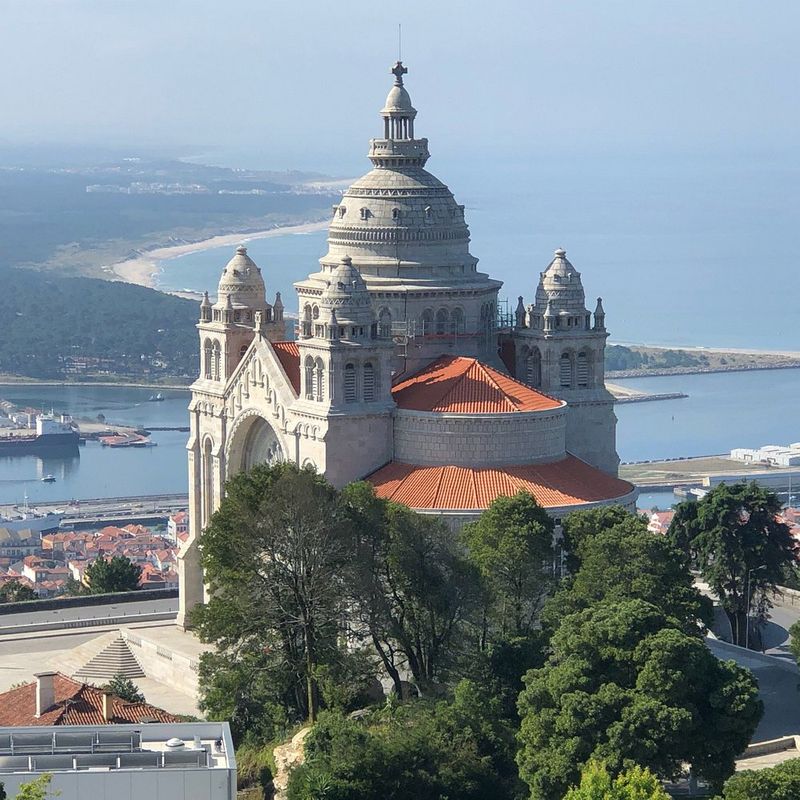
Viana do Castelo quietly stacks experiences on top of each other until you realize three days have passed and you have barely touched the beach. The Lima River curves through town before meeting the Atlantic, giving you two completely different water moods in one place.
The marina adds a third layer of activity that keeps things interesting.
Santa Luzia sits high above it all, offering views that stop conversations mid-sentence. The basilica up there looks almost too dramatic to be real.
Take the funicular up and walk around before the crowds arrive.
Strong local traditions show up in festivals, folk costumes, and regional cooking that feels genuinely rooted rather than performed for tourists. This is a town with personality.
Travelers who want scenery and atmosphere rather than just a lounger on the sand will find exactly what they are looking for here.
Costa Nova, Aveiro District
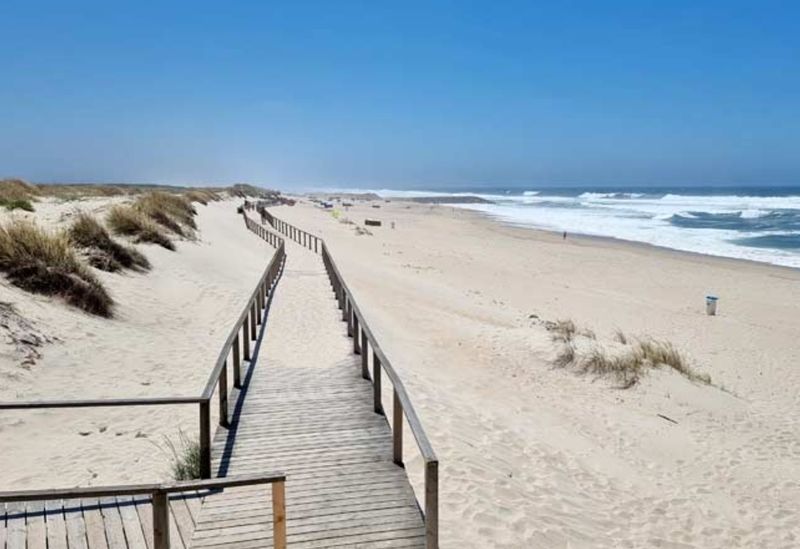
Nobody visits Costa Nova and forgets the striped houses. The famous palheiros line up along the seafront like a row of candy bars, and they are genuinely one of the most photographed things on the entire Portuguese coast.
That visual punch alone makes the trip worth it.
But Costa Nova is not just a photo stop. The Atlantic side delivers proper surf energy, while the lagoon side of the Aveiro region brings a completely different, quieter character.
You can switch between them in under ten minutes.
The nearby city of Aveiro is worth a half-day visit for its canals and moliceiro boats, making this whole area feel like a coastal package deal. I wandered between the lagoon paths and the beach in one afternoon and felt like I had visited two different countries.
Costa Nova earns its place on any serious Portuguese coastal itinerary.
Peniche, Central Portugal
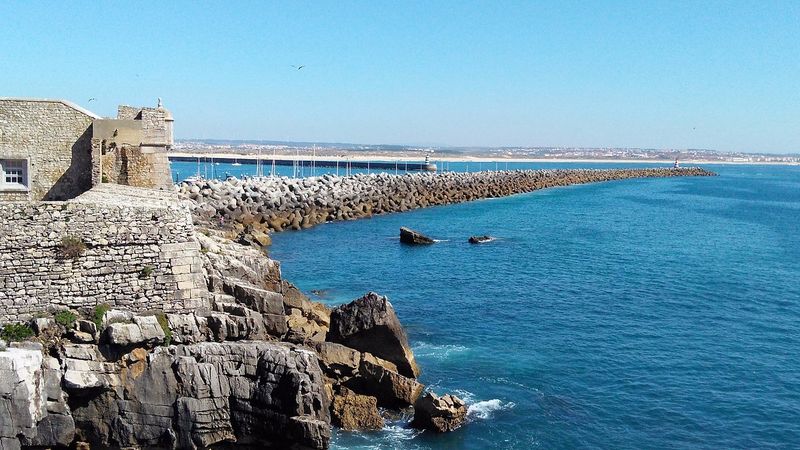
Peniche has not been polished into something comfortable for tourists, and that is exactly why it works. The fishing port still operates at full volume, and the smell of the sea here is the real kind, not the spa kind.
Trawlers come and go while surfers wax their boards nearby.
The Peniche Fort sits on the headland with the kind of weight that makes you stop and actually read the history plaques. It served as a political prison during the dictatorship era, which gives the place a layer of meaning beyond the coastline.
That context changes how you experience the town.
Surfers come from across Europe to ride the breaks at Supertubos, which hosted the World Surf League for years. But even non-surfers find plenty here.
The historic center, the seafood restaurants, and the raw Atlantic energy combine into something that no resort town could replicate.
Nazaré, Leiria District
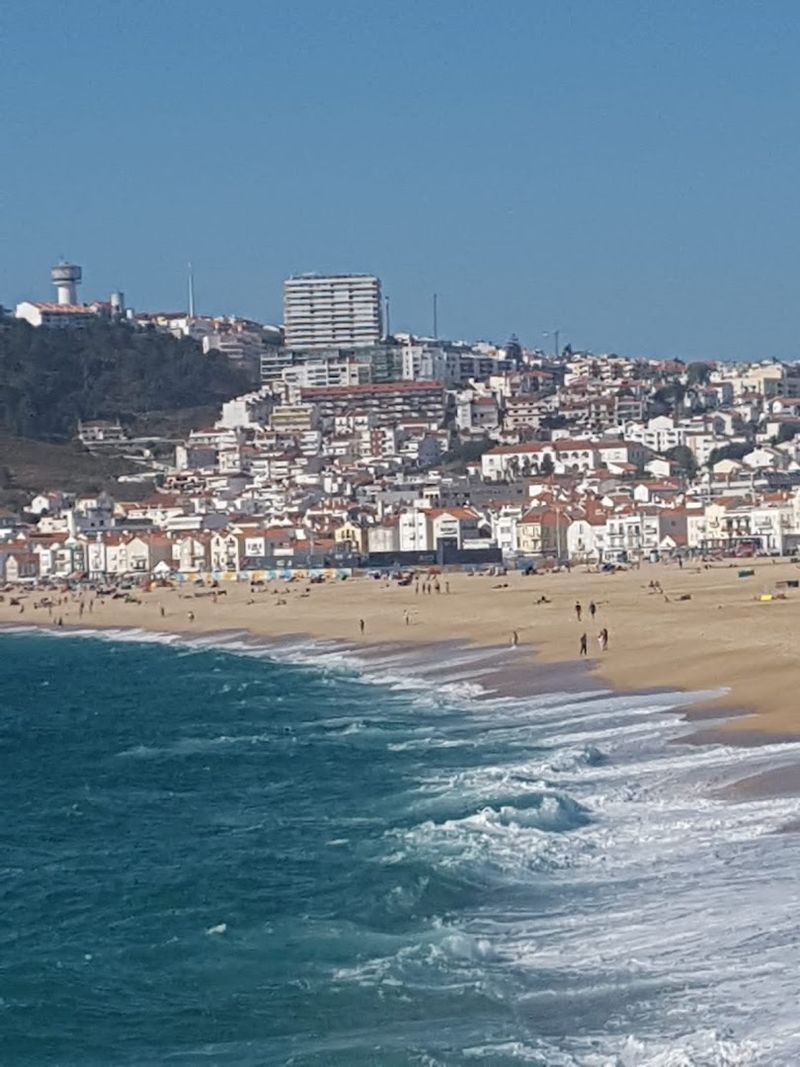
Nazare made global headlines when surfers started riding 30-meter waves off its coast. The Nazare Canyon, an underwater geological feature, funnels Atlantic swells into something almost absurdly large.
Even on calm days, standing at the Sitio viewpoint and knowing that information makes the ocean look different.
The clifftop Sitio district is its own little world, connected to the lower town by a tiny funicular that has been running since 1889. Ride it at least once.
The view from the top over the beach below is genuinely hard to beat anywhere on the Portuguese coast.
Down in the lower town, older women in traditional seven-layered skirts still sell dried fish from small stalls, which is either charming or fascinating depending on your mood. Nazare balances genuine local tradition with international surf fame without losing its identity.
That is a rare thing for any coastal town to pull off.
Ericeira, Lisbon District
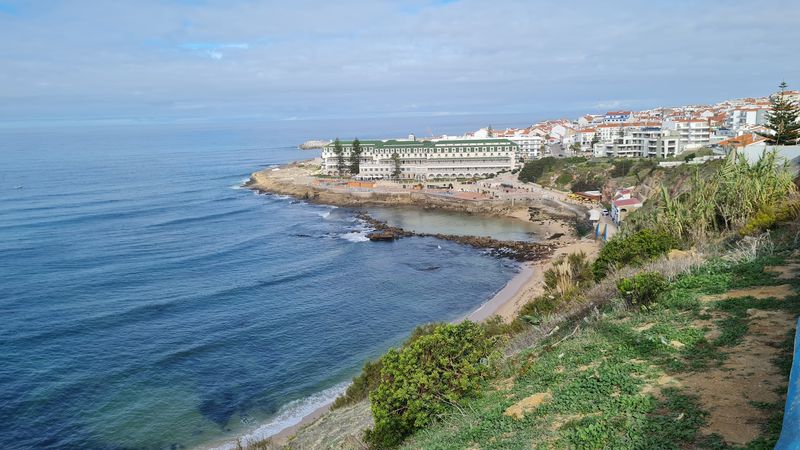
Only two places in all of Europe hold World Surfing Reserve status. Ericeira is one of them.
That designation is not a marketing badge but a recognition of the quality, variety, and consistency of the waves along this stretch of coast. Serious surfers treat it like a pilgrimage destination.
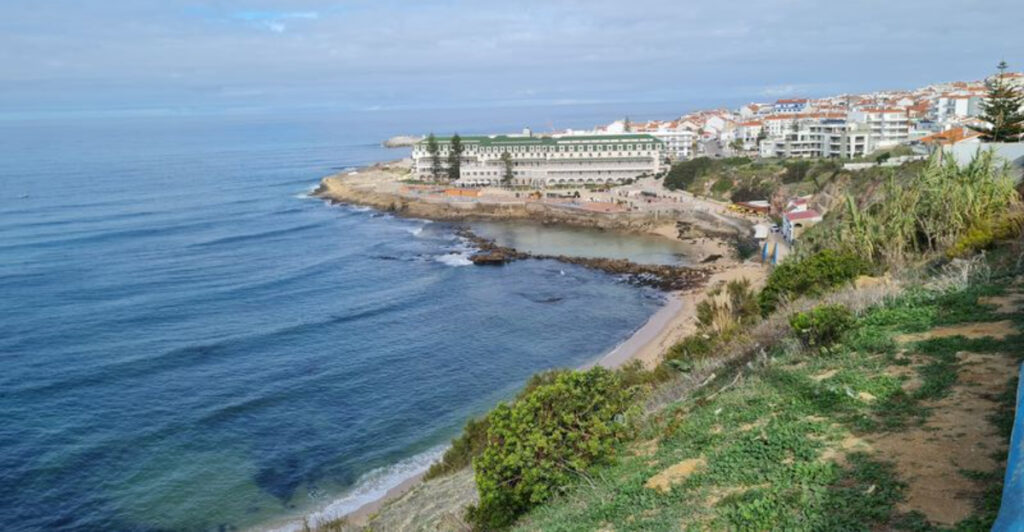
What makes Ericeira work for non-surfers too is that the town itself has kept its fishing-village bones. The whitewashed houses, the clifftop views, and the small harbor give it a character that predates the surf scene by centuries.
You feel that history walking through the old streets.
Restaurants here serve seafood that was caught the same morning, which sounds like a cliche but is simply true. I had grilled fish at a table overlooking the Atlantic and genuinely could not think of a better use of a Tuesday.
Ericeira is sea-obsessed in the best possible way.
Cascais, Lisbon Coast
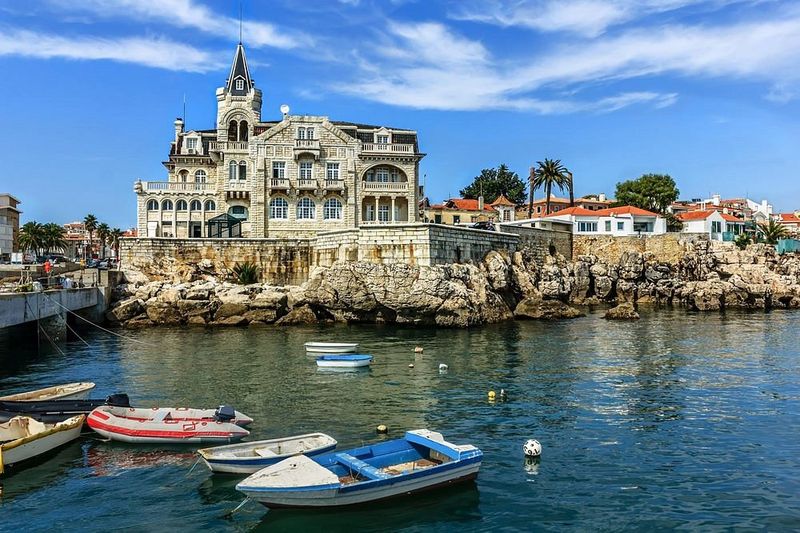
Cascais is the coastal option for people who refuse to choose just one thing. The sheltered bay beaches are calm and swimmable, while Guincho beach just up the coast is a completely different beast, wild and windswept and perfect for kitesurfing.
Both are within easy reach of each other.
The marina brings a lively evening atmosphere that beach towns often struggle to create. Restaurants, bars, and waterfront walks keep things interesting after the sun goes down.
The historic center adds heritage to the mix, with the old citadel and the Condes de Castro Guimaraes Museum worth an hour of your time.
Access to the Sintra-Cascais Natural Park means hiking trails and dramatic scenery are never far away. Cascais manages to be polished without being one-note, which is harder than it sounds.
For travelers who want a coastal base with genuine range, this is one of the smartest picks on the entire Lisbon coast.
Sesimbra, Setúbal District
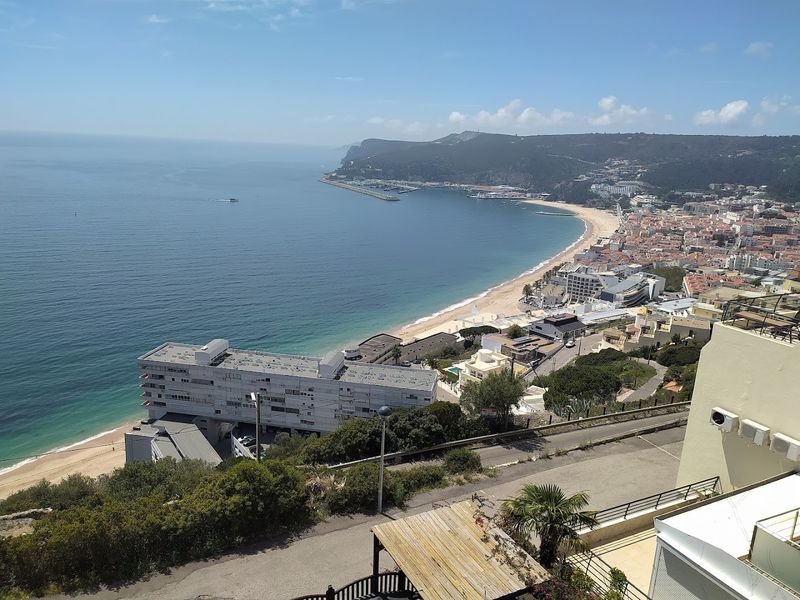
Sesimbra sits inside the Arrábida Natural Park, which means the rules protecting it are strict and the scenery benefits enormously. Limestone cliffs drop straight into water that turns shades of blue-green that feel almost tropical.
The contrast with the dense green vegetation above makes every view look slightly unreal.
The village itself is small and easygoing, built around a fishing harbor that still functions properly. A Moorish castle watches over the bay from the hill above, and it is absolutely worth the walk up.
The views from the ramparts over the coast and the park stretch far enough to make you feel very small in a good way.
Coves tucked between cliffs along this coastline offer the kind of swimming that ruins regular beaches forever. The water clarity here is exceptional.
Sesimbra suits travelers who want wildness and scenery alongside their coastal time, not despite it.
Comporta, Setúbal Peninsula
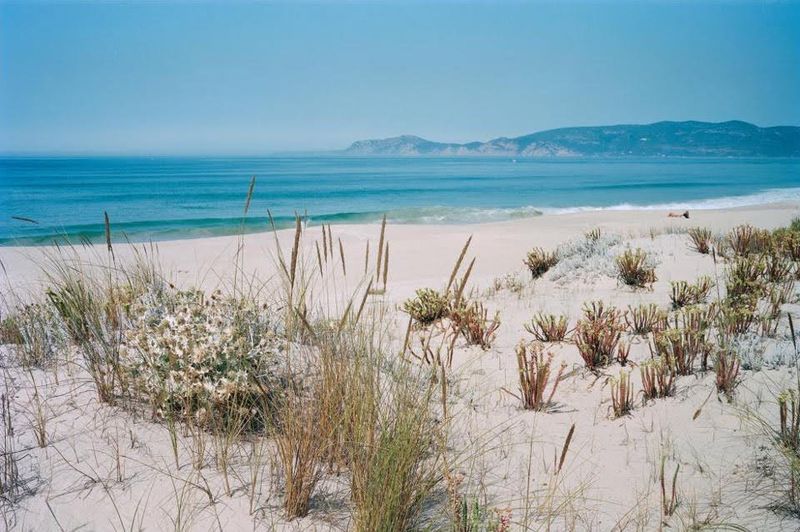
Comporta has become something of a quiet luxury destination, but the thing that actually makes it special costs nothing. The beaches here are enormous.
Wide, flat, and backed by dunes and pine forest, they absorb visitors in a way that crowded resort beaches simply cannot.
The whole area sits within the Sado Estuary Nature Reserve, which means development is deliberately limited. That restraint is the point.
Dolphins are regularly spotted in the estuary, and the rice paddies inland give the landscape a completely unexpected agricultural character.
The village of Comporta itself is tiny, with a handful of good restaurants and a pace of life that feels genuinely unhurried. No big hotel blocks, no neon signs, no queue for a sunbed.
I found it almost suspiciously peaceful the first time I visited. Travelers who want space, softness, and less visual noise will feel immediately at home here.
Porto Covo, Alentejo Coast
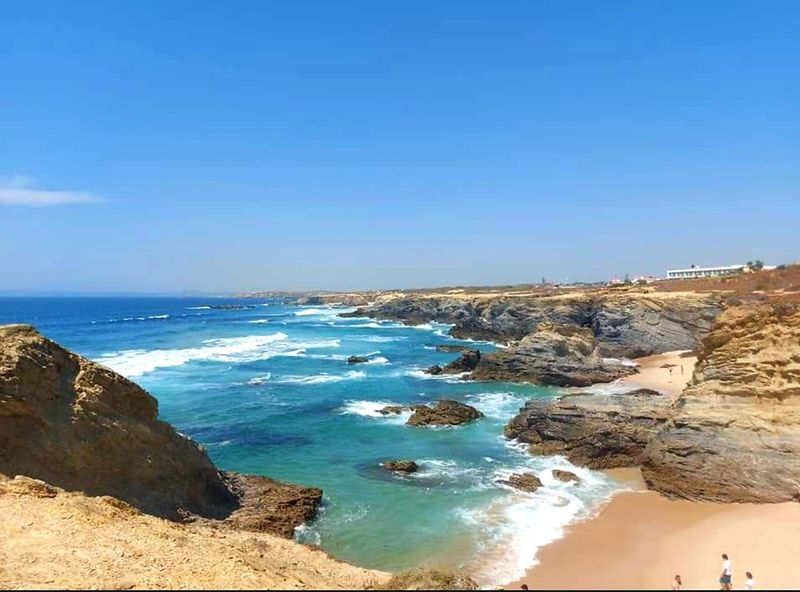
Porto Covo still looks like a village rather than a destination, and that distinction matters more than it might seem. The white houses with blue trim, the small central square, and the lack of chain restaurants all signal that this place has not been renovated for tourism.
It has simply been kept.
The beaches here are tucked between dark volcanic cliffs, which gives them a dramatic framing that more famous Algarve beaches often lack. Praia Grande, Praia do Morgavel, and the nearby ilha do Pessegueiro add variety within a short walking distance.
You can spend a full day just moving between them.
The Alentejo coast as a whole is less visited than the Algarve or the Lisbon area, and Porto Covo benefits from that relative quiet. If a slower coastal rhythm sounds appealing, this is one of the best arguments for it in all of Portugal.
Come before everyone else figures that out.
Vila Nova de Milfontes, Alentejo Coast
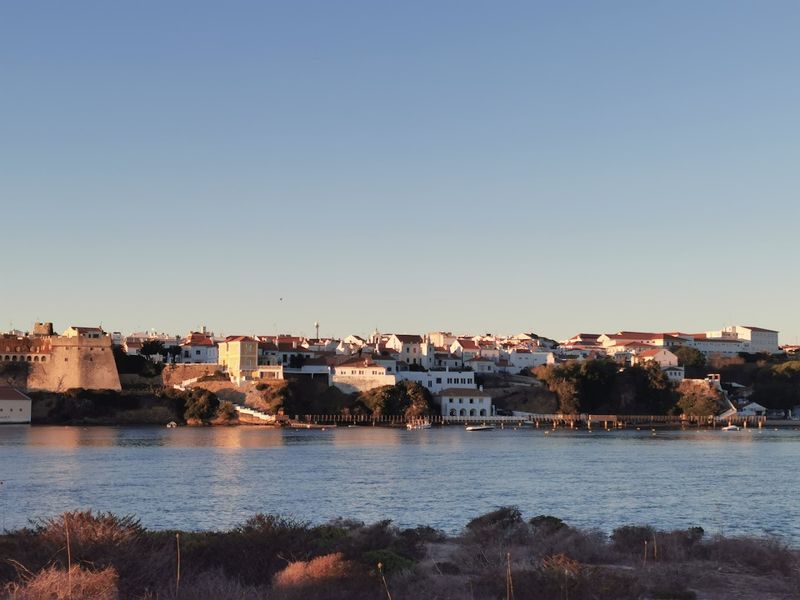
Standing where a river meets the ocean is always a good moment, and Vila Nova de Milfontes turns that moment into an entire holiday. The River Mira meets the Atlantic right at the edge of the old town, giving you calm river swimming on one side and proper Atlantic waves on the other.
You pick your mood each morning.
The Costa Vicentina beaches nearby are some of the most naturally preserved in Portugal, protected within the Southwest Alentejo and Vicentine Coast Natural Park. That protection shows.
The beaches here have not been developed into resort strips, and the dunes and coastal scrub remain largely intact.
The village itself is built around a small fort and has a genuinely pleasant old quarter worth wandering. Local seafood, especially the percebes and the clams, is excellent and affordable by Portuguese coastal standards.
Milfontes feels more textured than a typical beach base, which is exactly the point.
Sagres, Western Algarve
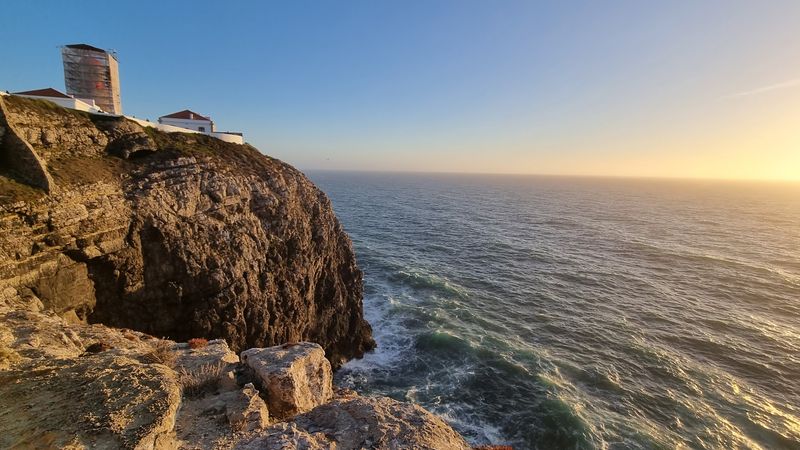
Sagres sits at the southwestern corner of Europe, and the wind there makes sure you never forget it. This is not a place for those seeking calm, manicured beach holidays.
The cliffs are raw, the Atlantic is loud, and the whole landscape has an end-of-the-world energy that is genuinely thrilling rather than bleak.
The Sagres Fortress stands at the tip of the promontory and carries real historical weight. Portuguese explorers used this coastline as a launching point during the Age of Discovery, and standing inside the fortress walls with the ocean on three sides, that history becomes very easy to feel.
The giant wind compass on the ground is one of the most curious sights in all of Portugal.
Surfers love Sagres for its consistent waves and its lack of overcrowding. The town itself is small and relaxed, with a good selection of seafood restaurants.
For travelers who want edge and history alongside their coastline, Sagres delivers both without compromise.
Lagos, Algarve
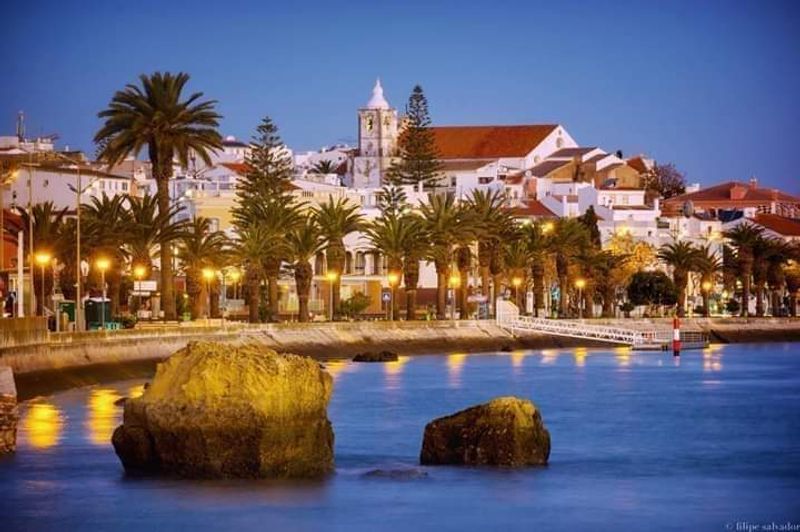
Ponta da Piedade might be the single most dramatic piece of coastline in all of Portugal. Jagged golden limestone arches, tunnels, and sea caves cluster just south of Lagos, and the best way to see them is by kayak or small boat.
The scale of those formations from the water is genuinely hard to prepare for.
Lagos itself is one of the Algarve’s most complete historic towns. The old city walls, the slave market museum, and the Igreja de Santo Antonio give the place a historical depth that most Algarve resorts simply do not have.
A couple of hours walking the old streets adds real context to the coastal visit.
The beaches around Lagos range from sheltered coves to wider open stretches, giving different options depending on conditions and energy levels. Yes, it is popular.
But Lagos earns its popularity honestly, with a mix of natural spectacle and genuine history that makes it much richer than a standard sun-and-sea escape.
Tavira, Eastern Algarve
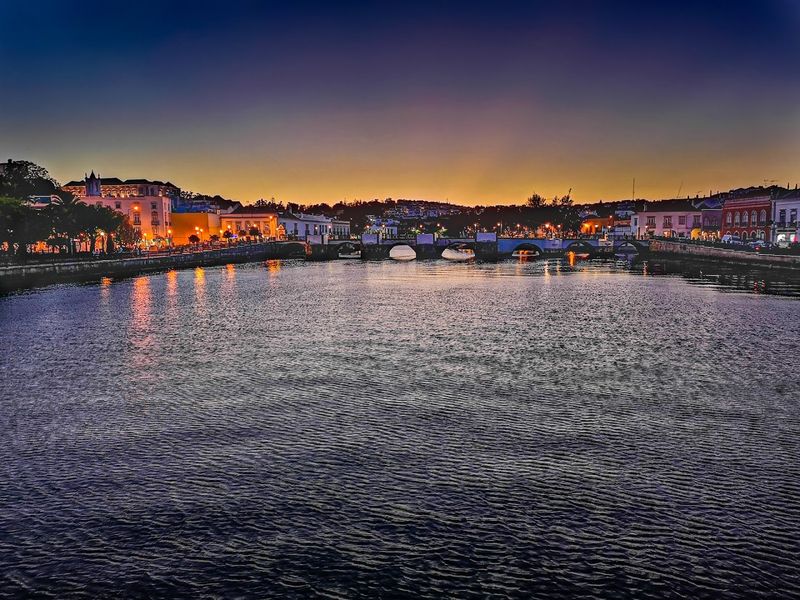
Tavira is the Algarve for people who thought they did not like the Algarve. The Eastern Algarve moves at a slower pace, and Tavira is its most rewarding example.
The Roman bridge, the castle ruins, and the tiled church facades give the town a historical richness that beach resorts in the western Algarve rarely match.
Tavira Island sits just offshore, accessible by a short ferry crossing from the town quay. The beach there is long, backed by dunes, and noticeably quieter than anything closer to Faro or Albufeira.
The Ria Formosa lagoon system surrounding the island is a birdwatcher’s obsession and a beautiful thing even if you cannot tell a flamingo from a heron.
Old streets, good seafood, boat trips, castle views, and a lagoon setting all in one compact town. Tavira is the kind of coastal destination where the town itself is as much of a reason to visit as the beach waiting just across the water.
Share this story