India has shaped some of the most iconic names in Western entertainment, literature, and culture in ways most people never expected. From Hollywood legends to rock music royalty, the connection between India and global fame runs deeper than you might think.
Many of these celebrities were born on Indian soil or spent their most formative years there, and that experience quietly influenced who they became. Get ready to see some familiar faces in a whole new light.
1. M. Night Shyamalan
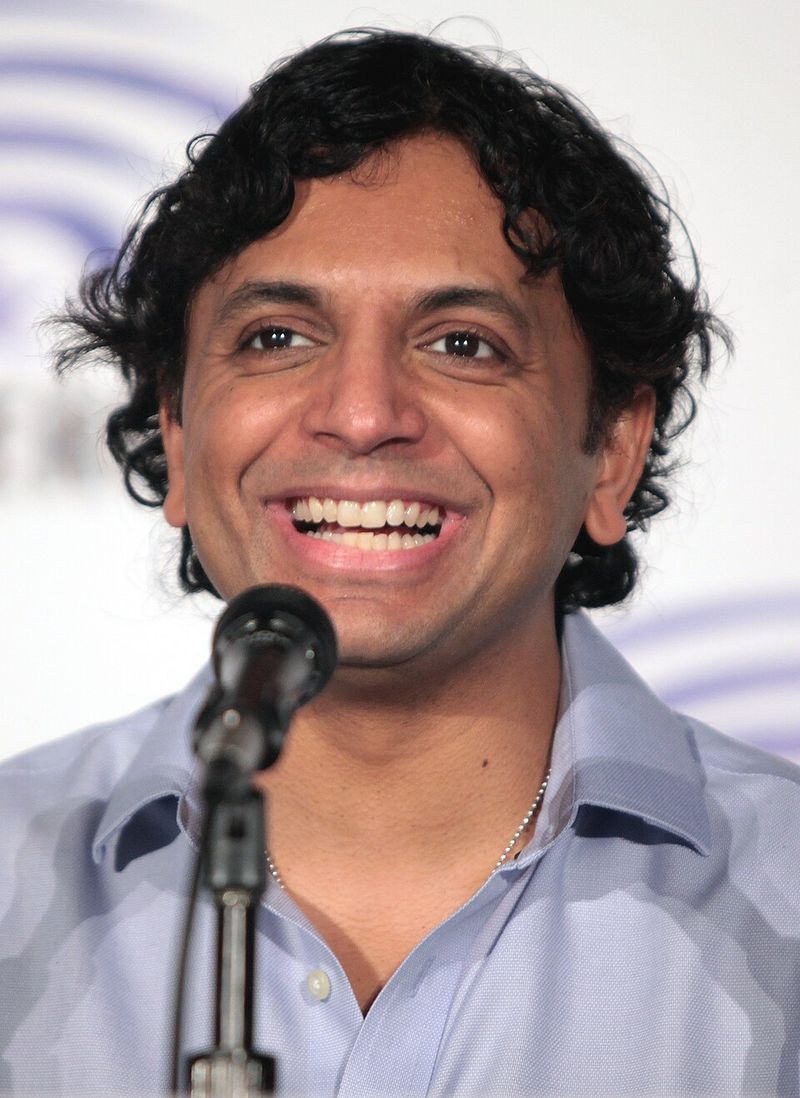
Born in Pondicherry, India, in 1970, M. Night Shyamalan moved to the United States with his family when he was just six weeks old.
His birthplace might surprise fans who associate him entirely with Philadelphia, the city he has made famous through so many of his films.
Shyamalan grew up in Penn Valley, Pennsylvania, but his Indian roots stayed with him throughout his career. He has spoken openly about how his cultural background shaped his storytelling instincts and his love for mystery and spirituality.
He went on to direct some of Hollywood’s most talked-about thrillers, including “The Sixth Sense,” “Unbreakable,” and “Signs.” His ability to blend the supernatural with emotional storytelling has earned him a loyal global fanbase. Few directors have built a career so defined by unexpected twists, which feels fitting given his own surprising origin story.
2. Freddie Mercury
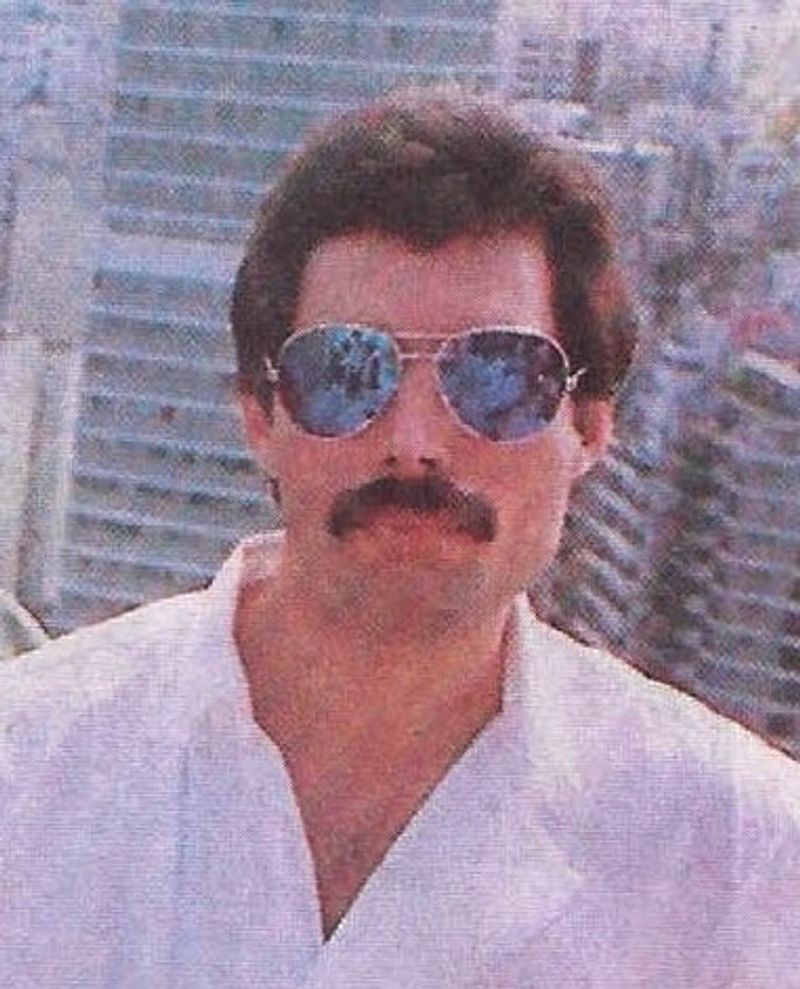
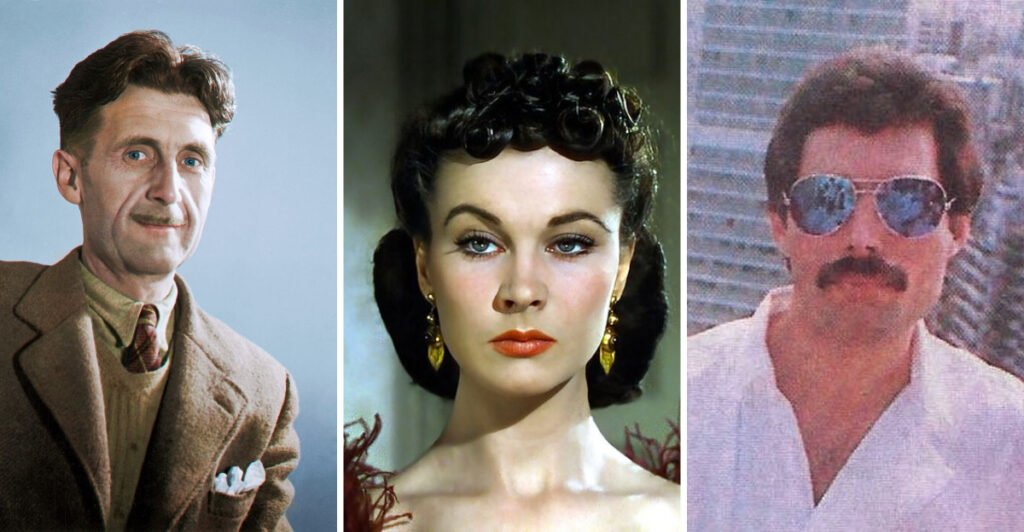
Long before Freddie Mercury became the electrifying frontman of Queen, he was Farrokh Bulsara, a boy born in Stone Town, Zanzibar, to Parsi parents with roots in Gujarat, India. He spent much of his childhood attending St. Peter’s School in Panchgani, a boarding school in Maharashtra, India.
Those school years in India were where he first discovered music. He formed his first band, The Hectics, with classmates during his time there, playing rock and roll covers at school events.
It was a humble beginning for someone who would later sell out stadiums across the world.
His Indian schooling gave him discipline and a love for performance that never left him. Mercury is widely regarded as one of the greatest rock vocalists in history, and his Bombay years quietly helped build the foundation for that legendary career.
His story truly spans continents.
3. Merle Oberon
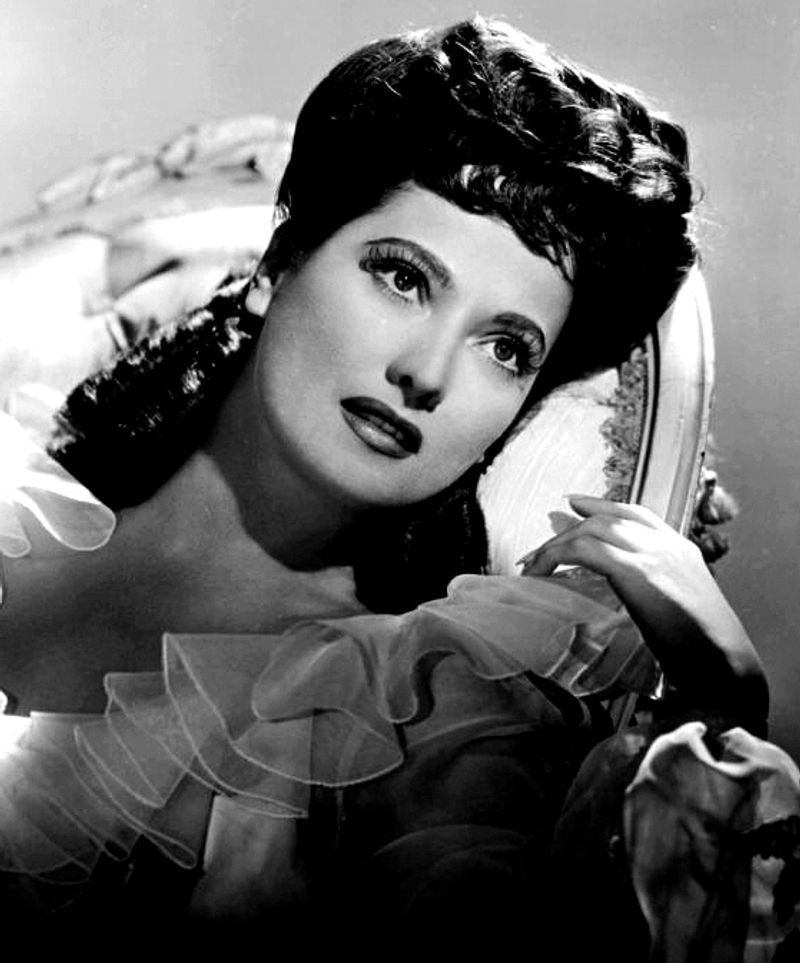
Merle Oberon was one of Hollywood’s most glamorous stars of the 1930s and 1940s, known for her stunning beauty and roles in films like “Wuthering Heights.” What most people did not know for decades was that she was born in Bombay, India, in 1911.
For much of her life, Oberon hid her Indian origins, fearing that racism in Hollywood would end her career before it began. She publicly claimed to have been born in Tasmania, Australia, and kept her background a closely guarded secret even from close friends.
Her mother, Charlotte Selby, was of mixed Indian and Sri Lankan descent, something Oberon never publicly acknowledged. Only after her death did the full story begin to emerge.
Her life was a complicated mix of brilliance and survival in an industry that was far less accepting than it should have been. Her courage deserves recognition.
4. Vivien Leigh
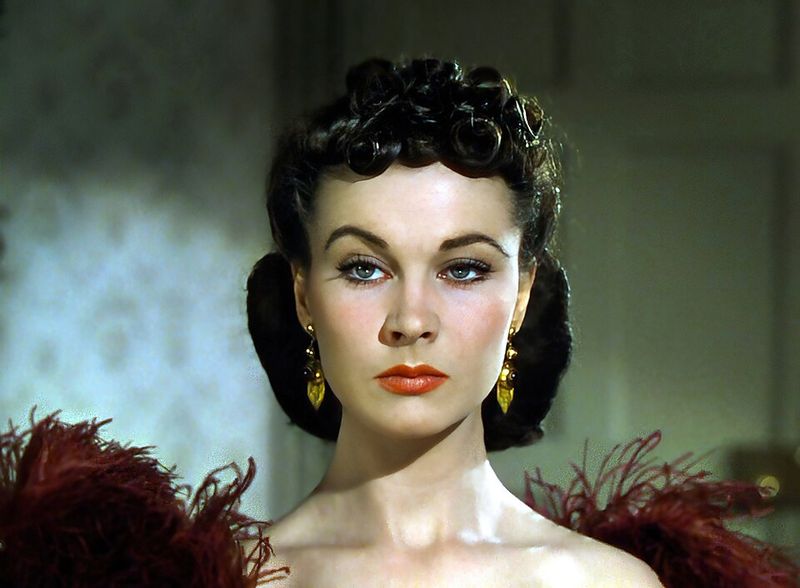
Vivien Leigh, the actress who brought Scarlett O’Hara to life in “Gone with the Wind,” was actually born in Darjeeling, India, on November 5, 1913. Her father, Ernest Hartley, worked as a broker in India, which brought the family to the subcontinent during the British colonial era.
She spent her earliest years in India before being sent to school in England at age six. Though her time in India was brief, the warmth and color of that environment left impressions she carried into adulthood.
Friends described her as someone with an almost exotic energy that set her apart.
Leigh won two Academy Awards during her career, for “Gone with the Wind” and “A Streetcar Named Desire.” She remains one of the most celebrated actresses in the history of cinema. Not many people realize that her remarkable journey began in the foothills of the Himalayas.
5. Sabu Dastagir
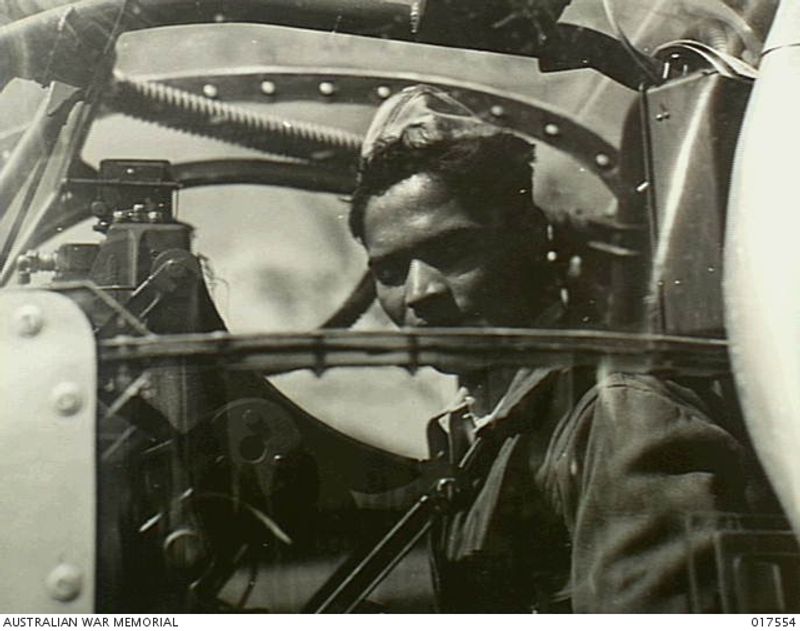
Sabu Dastagir was perhaps the most literally Indian name on this list, and yet many younger audiences have forgotten just how big a star he once was. Born in Karapur, Mysore, India, in 1924, Sabu was discovered as a young elephant driver’s son by British filmmaker Robert Flaherty.
He made his film debut in “Elephant Boy” in 1937 and quickly became an international sensation. Hollywood studios cast him in a string of adventure films, including “The Thief of Bagdad” and “Jungle Book,” making him one of the first South Asian actors to achieve genuine Western stardom.
Sabu later became an American citizen and even served in the U.S. Army Air Forces during World War II, earning the Distinguished Flying Cross.
His life story reads like an adventure film itself. He passed away in 1963 at just 39 years old, leaving behind an extraordinary and pioneering legacy.
6. Julie Christie
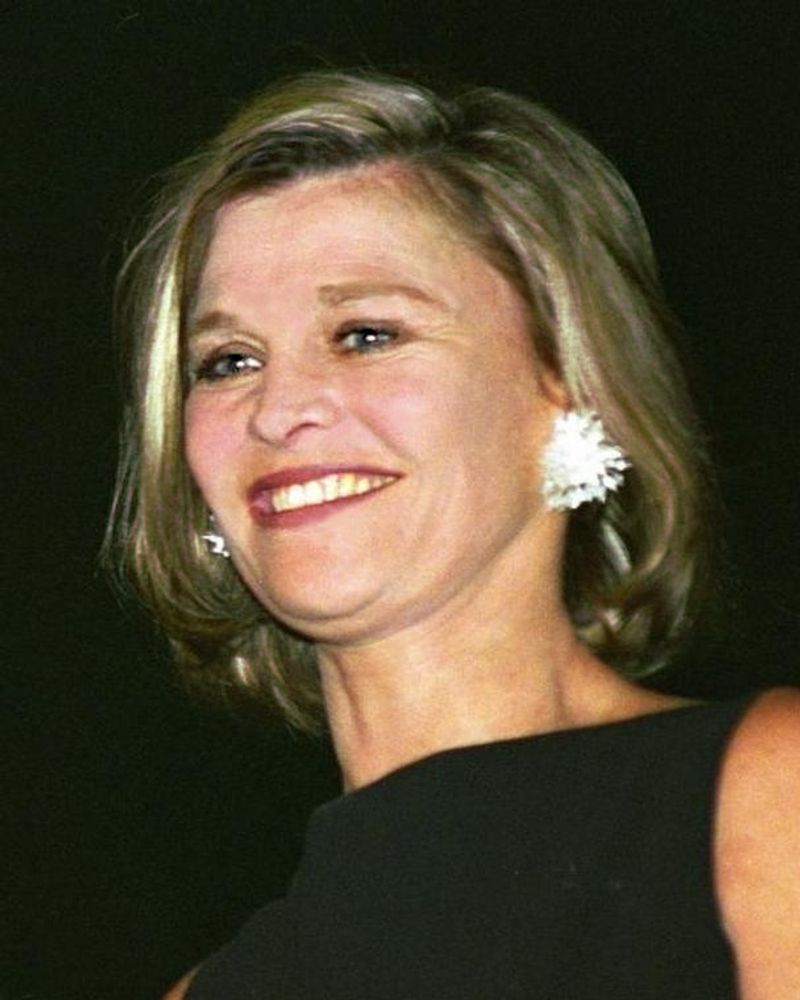
Julie Christie is one of Britain’s most celebrated actresses, known for her Oscar-winning role in “Darling” and her memorable performances in “Doctor Zhivago” and “Far from the Madding Crowd.” What surprises many people is that she was born in Chabua, Assam, India, on April 14, 1940.
Her father managed a tea plantation in the Assam region, and Christie spent her early childhood surrounded by the lush, green landscapes of northeastern India. She was eventually sent to school in England, as was common for British colonial families at the time.
Christie became one of the defining faces of the Swinging Sixties in Britain, celebrated for her effortless style and independent spirit. She has also been a passionate environmental and political activist throughout her life.
Her roots in the Indian tea country feel almost poetic for someone who grew up to be such a free and grounded spirit.
7. Rudyard Kipling
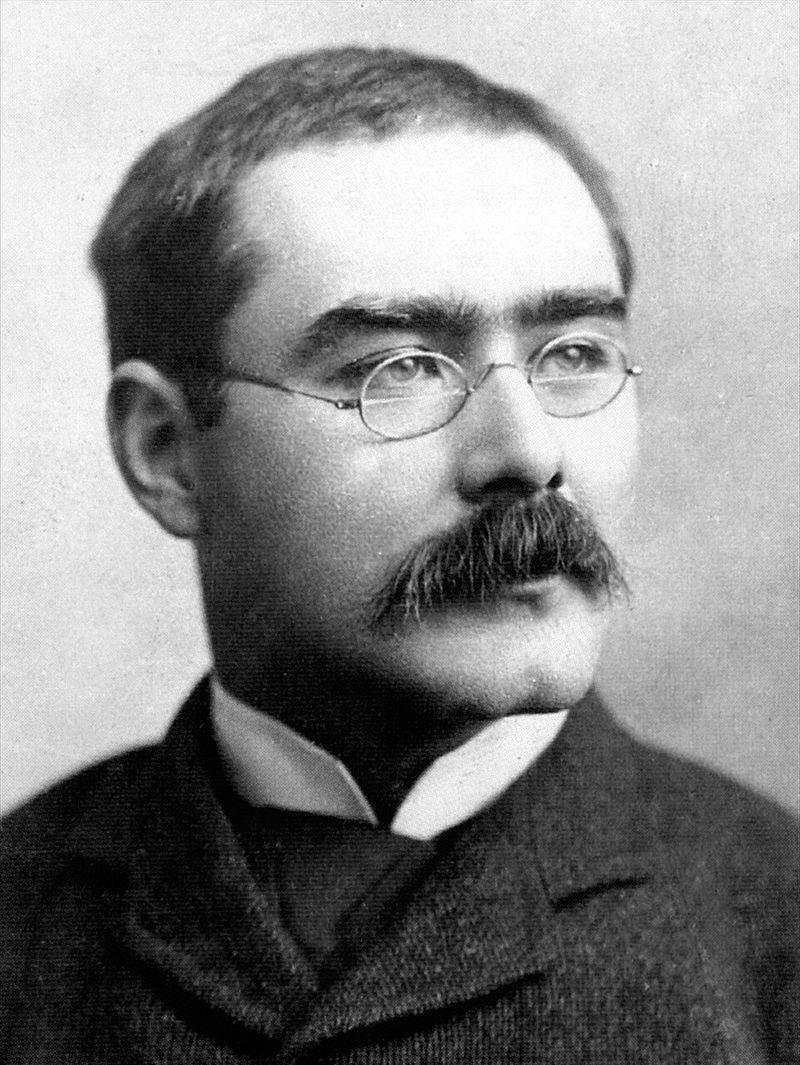
Rudyard Kipling might be the most famous name on this list when it comes to a direct, lifelong connection with India. Born in Bombay on December 30, 1865, Kipling spent the first six years of his life immersed in Indian culture, language, and storytelling, experiences that would define his entire literary career.
He was sent to England for schooling, which he found cold and isolating compared to the warmth of India. He later returned to the subcontinent as a young journalist and writer, spending years reporting and crafting fiction rooted in the streets, jungles, and bazaars of colonial India.
His most beloved works, including “The Jungle Book” and “Kim,” draw directly from his Indian upbringing and observations. He became the first English-language writer to win the Nobel Prize in Literature in 1907.
India was not just his birthplace; it was the heartbeat of his imagination and his greatest muse.
8. George Orwell
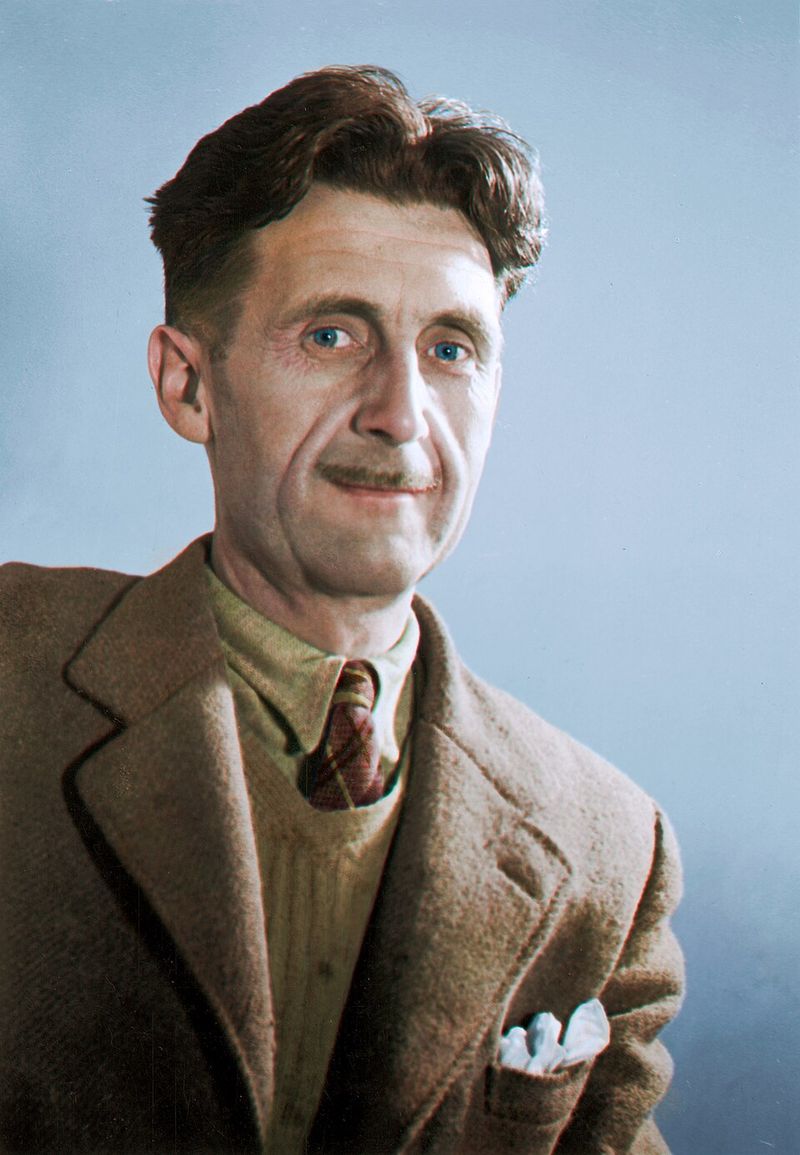
George Orwell, the author of “Animal Farm” and “Nineteen Eighty-Four,” two of the most influential books ever written, was born Eric Arthur Blair in Motihari, Bihar, India, on June 25, 1903. His father worked in the Opium Department of the Indian Civil Service, which brought the family to the subcontinent.
Orwell’s family returned to England when he was just one year old, so he had no conscious memories of India. However, he later served as a police officer in Burma, another part of the British colonial world, which gave him a firsthand understanding of imperialism that would shape his political thinking forever.
His Burmese experiences informed his essay “Shooting an Elephant” and his novel “Burmese Days,” both searing critiques of colonial power. Few writers have turned their connection to South and Southeast Asia into such powerful literature.
His Indian birthplace adds an unexpected layer to his remarkable anti-authoritarian legacy.
9. Salman Rushdie
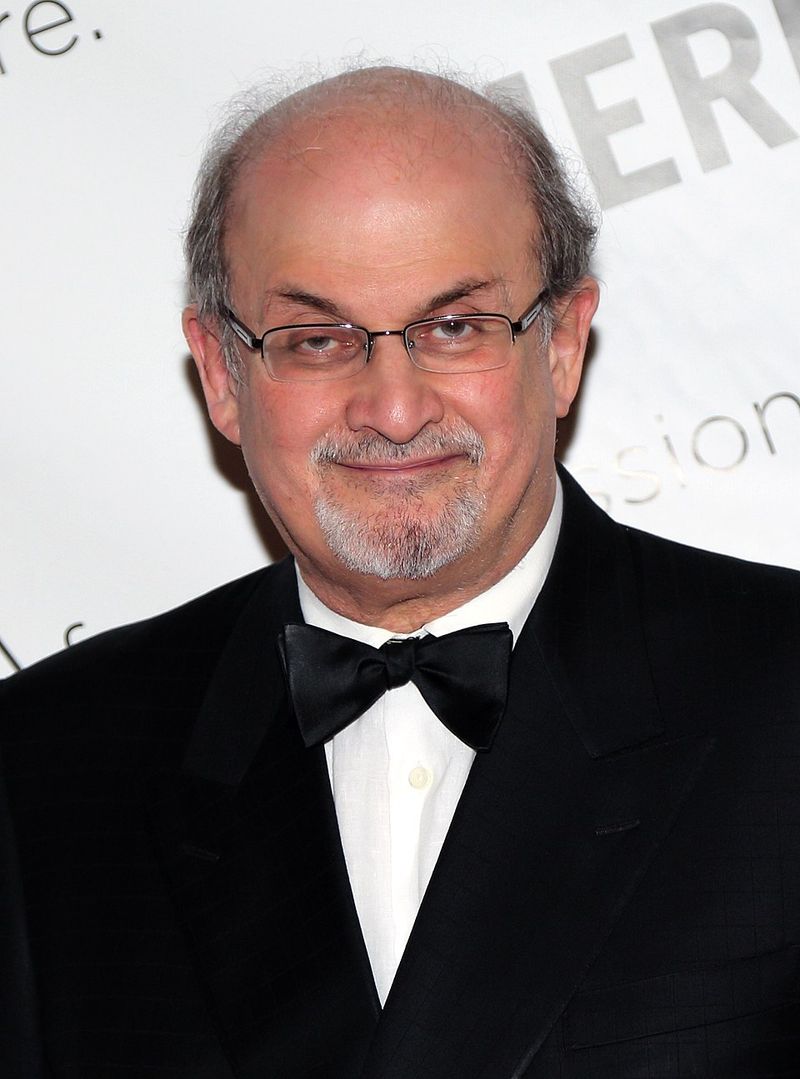
Salman Rushdie was born in Bombay, India, on June 19, 1947, just weeks before Indian independence. He grew up in a Muslim family in Bombay before moving to England for his education at Rugby School and later Cambridge University, where he studied history.
His upbringing in the bustling, multireligious city of Bombay became the raw material for his most celebrated novel, “Midnight’s Children,” which won the Booker Prize in 1981 and was later named the “Booker of Bookers” as the best Booker winner of all time. The book is a sweeping, magical story tied directly to India’s birth as a modern nation.
Rushdie has faced extraordinary personal danger throughout his career, most notably the 1989 fatwa issued against him following the publication of “The Satanic Verses.” Despite the threats, he continued writing fearlessly. His voice remains one of the most important in contemporary world literature, shaped in every way by his Indian beginnings.
10. Padma Lakshmi
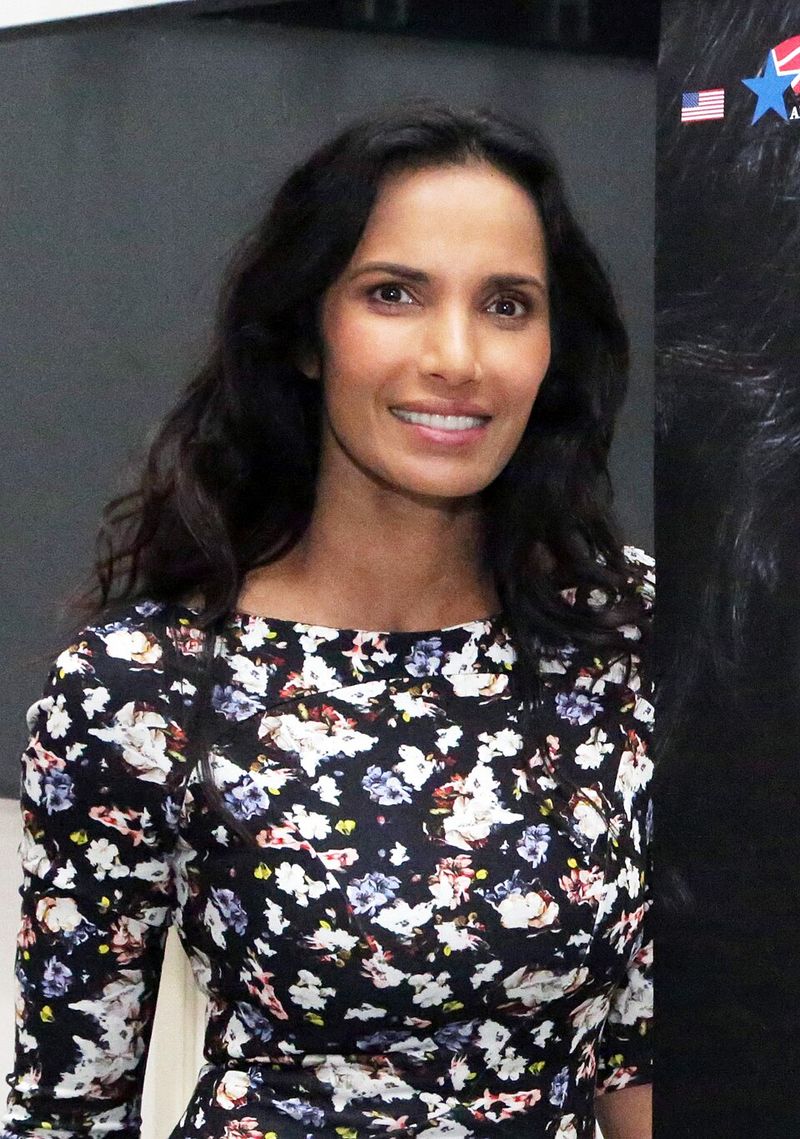
Padma Lakshmi was born in Chennai, Tamil Nadu, India, on September 1, 1970, and spent part of her childhood between India and the United States after her parents separated. Her mother eventually settled in New York, giving Lakshmi a bicultural upbringing that blended South Indian traditions with American life.
She started her career as a model before becoming a celebrated cookbook author, writing titles like “Easy Exotic” and “Tangy Tart Hot and Sweet.” Her love of food, rooted in the flavors of Tamil Nadu, became the foundation of her public identity and professional success.
Most Western audiences know her best as the longtime host of Bravo’s “Top Chef,” one of the most respected culinary competition shows on American television. She is also a vocal activist for immigrant rights and women’s health.
Her journey from Chennai to global television is a story of talent meeting purpose, with India always at the center.
11. Aasif Mandvi
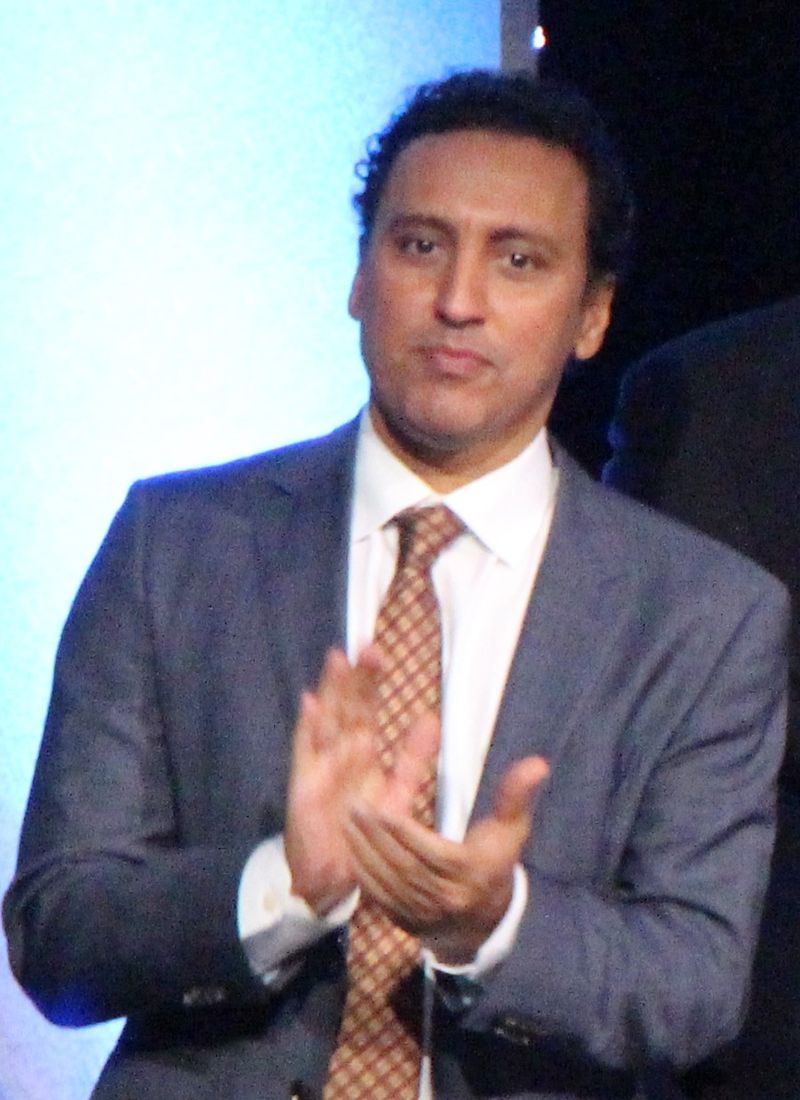
Aasif Mandvi was born in Mumbai, India, in 1966 and moved with his family to Bradford, England, before eventually settling in the United States as a teenager. That journey across three countries gave him a layered cultural perspective that became one of his greatest assets as a performer and comedian.
He is probably best known to American audiences as a correspondent on “The Daily Show with Jon Stewart,” where his sharp wit and ability to play with his own identity made him a fan favorite for years. His humor often drew on the experience of being a South Asian man navigating Western culture, and audiences responded with genuine warmth.
Beyond comedy, Mandvi has built an impressive acting resume in film and television, including roles in “Spider-Man 2,” “The Brink,” and “Halston.” He also wrote a one-man show called “Sakina’s Restaurant” that earned wide critical acclaim. His Mumbai roots remain a visible and proud part of who he is.
Share this story